



![[AFT] Al 'Aql wa Mada I'tibaruhu Masdar / العقل ومدى اعتباره مصدرا](https://shop.dakwahbookstore.com/wp-content/uploads/2025/11/website-500x500-61.jpg)

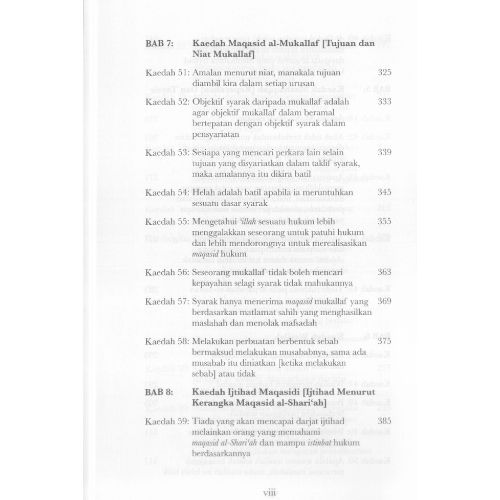
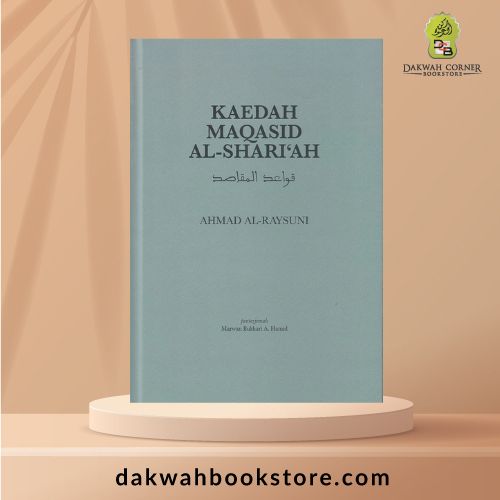
Buku ini mengandungi 80 kaedah setelah melalui beberapa kali saringan oleh penulis yang awalnya menyenaraikan 200 kaedah. Menurut kajian beliau, 80 kaedah ini berstatus disepakati atau hampir disepakati oleh ulama. Setiap kaedah dijelaskan konteksnya, diikuti dengan maknanya, dalilnya dan seterusnya contoh-contoh praktikal. Susunannya teratur, 80 kaedah dibahagikan kepada sembilan bab. Cara penulisannya menyebabkan buku ini sesuai sekali menjadi silibus atau bahan mengajar dan kursus intensif.
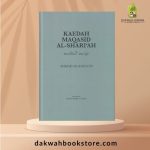
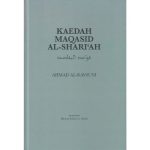
Kaedah Maqasid al-Shariah
RM80.00
Hurry up, Only 1 left.
Highlights:
somdn_product_page
Compare
Kandungan buku ini bukan hanya sesuai untuk pelajar dan pengkaji bidang usul al-fiqh dan Maqasid al-Shari’ah, malah juga bidang tafsir dan pemikiran Islam kerana hakikatnya kandungan ini berkait dengan metodologi berinteraksi dengan al-Quran dan al-Sunnah. Selain itu, pembaca serius yang di luar bidang pengajian Islam juga boleh memanfaatkan buku itu terutama dalam memahami kaedah berfikir menurut kerangka Islam.
Frequently Bought Together
1 Item
RM80.00
0 Add-Ons
RM0.00
Total
RM80.00
Additional information
| Weight | 1 kg |
|---|---|
| Dimensions | 16 × 3.3 × 23 cm |
| Author | |
| Binding | Hardcover |
| ISBN | 978-967-18100-8-8 |
| Pages | 566 |
| Publisher | Hawzah Fikir |
You may also like…
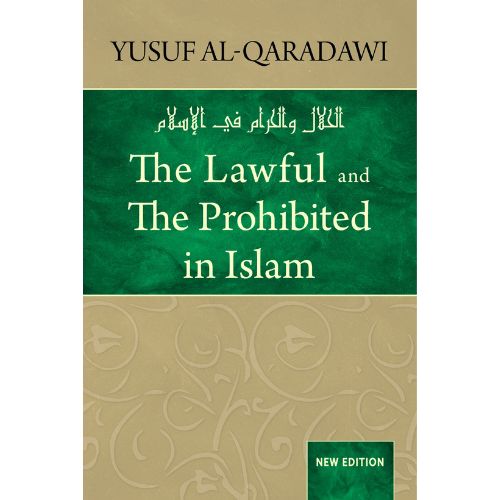
The Lawful And The Prohibited In Islam (IBT)
Highlights:
“This famous work by Yusuf al-Qaradawi has enjoyed a huge readership I the Muslim world and has been translated into many languages. It dispels the ambiguities surrounding the Shariah to fulfil the essential needs of the Muslims in this age. It clarifies the halal (lawful) and why it is halal, and the haram (prohibited) and why it is haram, referring to the Qur’an and Sunnah. It answers questions which may face the Muslims today, and refutes the ambiguities and lies about Islam.”
RM35.00
Related Products

Istihsan (P/B)
Highlights:
This work constitutes a critical analysis of classical and modern aspects of the concept of istihsan (juristic preference), an important principle in Islamic legal legislation throughout history. Although there has been many research works on the subject, it still requires further investigation on the role and nature of istihsan with regard to a combination of classical and modern approaches. Consisting of four chapters, the author begins by introducing some general principles of Islamic law, before discussing the history of istihsan during the time of the Prophet and his Companions. He also analyses the validity of istihsan as a source of law and discusses the differences among scholars on its method of implementation.
RM57.00


Principles of Islamic Jurisprudence (2nd Revised Edition)
Highlights:
This book offers a detailed presentation of the theory of Muslim law (usul al-figh). Often regarded as the most sophisticated of the traditional Islamic disciplines, Muslim jurisprudence is concerned with the way in which the rituals and laws of religion are derived from the Qur’an and the Sunna – the precedent of the Prophet. Revelation, which is given to man to restore unity and help him achieve a just and devout order in society as well as in the soul, must be interpreted so as to render it practicable in every culture, while not betraying its spirit and immutable provisions. To achieve this, additional sources of legal authority are recognized, including consensus (ijma), analogical deduction (qiyas), public interest (maslaha) and local customary precedent (urf). In employing these, the jurist guards the five principles which it is the purpose of Islamic law to uphold, namely, the right to life, sound mind, property, lineage and religion.
RM75.00


Smoking Intoxicants & Narcotics (P/B)
Highlights:
This book deals with the epidemic of smoking, which enslaves many of today’s Muslims, and which is aggravated by that most victims belittle its dangers and deny its prohibition.
This book includes a discussions of intoxicants, establishing the prohibition of various practices associated with them, as well as penalties (in both lives) for those who partake in them.
This book also includes a discussion of narcotics, with an overview of marijuana and qaat (or khat). Based on their established effects and harms, we conclude that narcotics are strongly prohibited, except in very limited medical settings.
This book, we hope, will provide many Muslims with guidance toward a healthier, cleaner and worthies Islamic personality. My Allah grant us guidance and facilitation.
RM28.00


Fiqh Course: Tahaarah, Salaah & Janaa’iz
Highlights:
This course was compiled for English-speaking Muslims and is especially beneficial for new Muslims. It covers tahârah (purification), salâh (prayer) and janâ‘iz (funerals). It is set out in an easy-to-understand manner, citing evidence from the Qur’an and authentic hadiths. The aim of this book is to provide the reader with a correct, yet uncomplicated guide to the performance of the aforementioned acts of worship. Allah willing, it is the first in a series which will cover all aspects of worship and Islamic jurisprudence.
RM46.00

The Right to Education, Work and Welfare in Islam (P/B)
Highlights:
In The Right to Education, Work and Welfare in Islam Professor M.H. Kamali develops an Islamic perspective on three connected and complementary areas of rights and liberties. He urges that education is often a necessary ingredient of professional work even more so now than in earlier times when the range and variety of specialised knowledge were relatively limited. A person who acquires education, whether generally or at advanced levels of specialisation, is more likely to stand in a better position to enter the workforce and thus to contribute to the welfare of the community.
The author commences his discussions on education, work and welfare in Islam by focusing on how each is treated in the Qur’an; and follows this by the example of the Prophet and, after him, the Pious Caliphs who gave prominence to the education and welfare needs of people at times both of scarcity and affluence. Professor Kamali then moves forward to our time and discusses the right to education, the education of children, institutionalisation of learning, academic freedom and the debate between science and religion.
The section on work elaborates on the value of work, work ethics, workers’ and employers’ rights and responsibilities, and the role and responsibility of governments.
Finally, the section on welfare focuses on the importance in Islam of caring for those who are in need and the different forms of provision that can be made available by individuals, the state and charities.
RM63.00


Zakah According to the Quran & Sunnah (Darussalam)
Highlights:
Zakah, the third Pillar of Islam, is probably the first Pillar of its economic system. It represents the first and most important mechanism to implement economic justice and to provide sustenance to the economically unfortunate, two issues for which Islam is especially sensitive. These two issues are the essence of this book. This book consists of all the main issues of Zakat (i-e, Zakah on Gold, Silver, Paper Money, Livestock, Fruits, Grains, Rented Land, Buried treasures, Minerals, Trade, Shares, Stocks, and Exploited Assets etc). The main objective of this work is to serve an easy and authentic reference to the reader.
RM65.00


The Concise Presentation of the Fiqh of the Sunnah and the Noble Book
Highlights:
Written by Dr. Abdul-Azeem Badawi and translated by Jamal al-Din M. Zarabozo, The Concise Presentation of the Fiqh of the Sunnah and the Noble Book covers the fiqh of diverse topics like purity, prayer, fasting, zakah, pilgrimage, marriage, business transactions, foods, inheritance, criminal offenses, and jihad. Dr. Badawi relies only on the Quran and the Sunnah, making it an authentic Islamic book on fiqh and a collection of sound hadiths.
RM90.00


Funerals Regulations and Exhortations (H/B)
Highlights:
Our soul inevitably follows a route starting from birth, passing through death, and ending with our resurrection in the next life. The inevitable journey discusses over a sequence of titles: sickness, inheritance, funerals, Life in Barzakh and so on…
RM75.00

War and Peace in Islam : The Uses and Abuses of Jihad (P/B)
Highlights:
Written by a number of Islamic religious authorities and Muslim scholars, this work presents the views and teachings of mainstream Sunni and Shi’i Islam on the subject of jihad. It authoritatively presents jihad as it is understood by the majority of the world’s 1.7 billion Muslims in the world today, and supports this understanding with extensive detail and scholarship. No word in English evokes more fear and misunderstanding than “jihad.” To date the books that have appeared on the subject in English by Western scholars have been either openly partisan and polemical or subtly traumatized by so many acts and images of terrorism in the name of jihad and by the historical memory of nearly 1,400 years of confrontation between Islam and Christianity. Though jihad is the central concern of War and Peace in Islam: The Uses and Abuses of Jihad, the range of the essays is not confined exclusively to the study of jihad. The work is divided into three parts: War and Its Practice, Peace and Its Practice, and Beyond Peace: The Practice of Forbearance, Mercy, Compassion and Love. The book aims to reveal the real meaning of jihad and to rectify many of the misunderstandings that surround both it and Islam’s relation with the “Other.”
Reviews:
“A dynamic myth-busting clarification of the real position of mainstream orthodox Islam on the whole question of violence and jihad.” —T. J. Winter, University of Cambridge
“This is the best book on the subject in English. It will be of inestimable value.” —Shaykh Mustafa Ceric, Grand Mufti Emeritus of Bosnia
RM145.00


Having Fun The Halal Way Entertainment In Islam
5 ★
5 ★
1 Rating
5 ★
1
4 ★
0
3 ★
0
2 ★
0
1 ★
0
Highlights:
With the advent of technology, the entertainment industry has flourished and become immensely popular. Combine this with the exponential advances in technology, and the result is an increasing number of ways to amuse ourselves. As a result of such advances, Muslim react in a variety of manners towards entertainment. Some label entertainment as completely forbidden. This sometimes includes parents who say no to almost everything that their young ones deem to be ‘fun’, without providing them with suitable alternatives. Others, who do not want to take this extreme approach, fall into the trap of excessive use of – and even addiction to – various sources of entertainment, without any limits.
In Having Fun the Halal Way, Ismail Kamdar explores the teachings of Islam regarding entertainment. Drawing upon the Quran, the Sunnah and the understanding of the righteous scholars of Islam, he provides a detailed and balanced analysis of the topic. He not only explains the detriments of the current entertainment industry, but also suggests alternative means to have a good time with friends and family members.
RM18.00


Fiqh According To The Quran & Sunnah (2 vol)
Highlights:
The complete set, ‘Al-Lubab Fee Fiqh As-Sunnah Wal-Kitab,’ contains all of the books of Islamic Fiqh and its chapters, accompanied by evidence and is presented in a clear and simple manner, in order that they may be understood by the young and the old, without blindly following any of the schools of Jurisprudence, but rather being subject to authentic proofs and following the most authoritative opinions, without fanatical adherence to any particular group. Rather the author agrees with each group when the truth is with them and contradicts them when they veer from that which is correct.
Fiqh is to achieve access to knowledge of that which is unclear through knowledge of that which is proven, so it is more specific than mere knowledge or learning. And fiqh is knowledge of the juristic law. It is said Faquha -A man has acquired understanding and so he has become a Faqeeh (A scholar of Islamic Jurisprudence); and it is said Faqiha – He has understood it, i.e he has attained understanding of it, and it is said Tafaqqaha – he has devoted himself to the acquisition of (Islamic) Knowledge and specialized in it. Fiqh has been a subject of contention among the scholars as well as layman throughout the history of Islam.
RM180.00

Islamic Fatawa Regarding Women (H/B)
Highlights:
Women face a lot of special problems regarding their menses, postpartum bleeding, istihada, hijab, mixing with men, rights & duties with respect to their husband, husband’s household, children, inheritance, marriage, divorce, etc
More than 350 of such problems & issues have been answered in this book by Grand Mufti of Saudi Arabia Sheikh Ibn Baz, and the eminent scholars like Sheikh Ibn Uthaimin, Sheikh Ibn Jibreen and others.
.
RM56.00
Recently Viewed
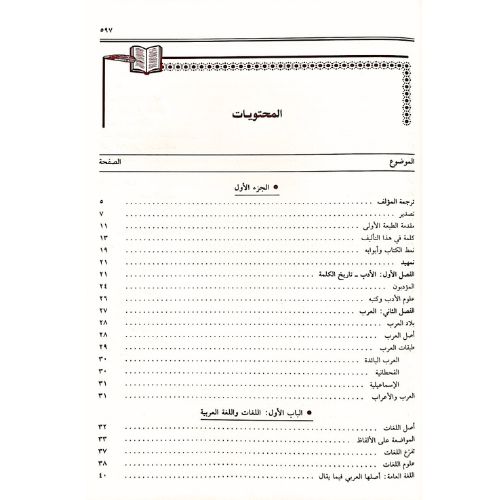
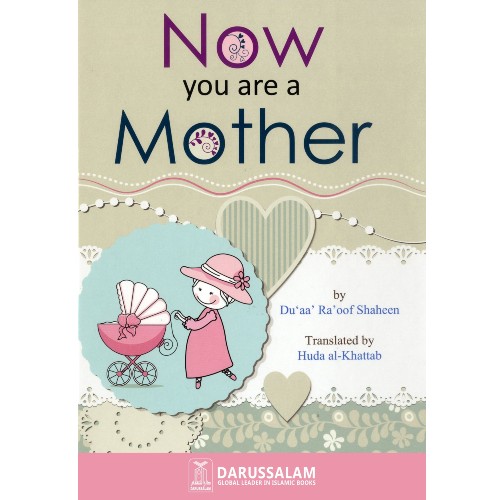
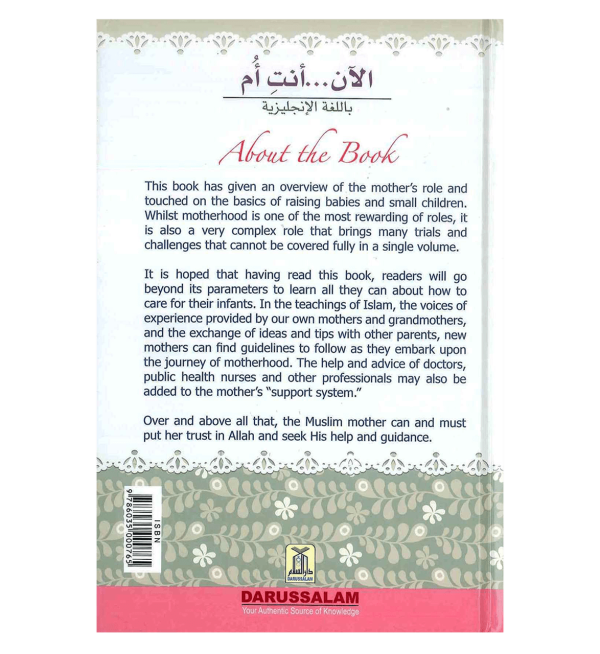
Now You Are A Mother (H/B)
Highlights:
This book has given an overview of the mother’s role and touched on the basics of raising babies and small children. Whilst motherhood is one of the most rewarding of roles, it is also a very complex role that brings many trials and challenges that cannot be covered fully in a single volume.
It is a very good preparation guide for expectant/expecting mothers who are pregnant/in pregnancy as it will teach many useful practical tidbits on how to prepare and what to expect. It is also a very good parenting guide book for concerned fathers/husbands who will also have take care of their children.
It is hoped that having read this book, readers will go beyond its parameters to learn all they can about how to care for their infants. In the teachings of Islam, the voices of experience provided by our own mothers and grandmothers, and the exchange of ideas and tips with other parents, new mothers can find guidelines to follow as they embark upon the journey of motherhood. The help and advice of doctors, public health nurses and other professionals may also be added to the mother’s “support system.”
Over and above all that, the Muslim mother can and must put her trust in Allah and seek His help and guidance.
RM60.00
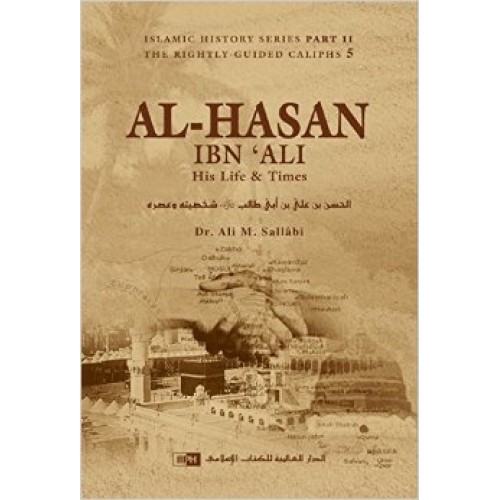
Al Hasan Ibn Ali His Life & Times (IIPH)
Highlights:
Seerah and Biographies
RM75.00
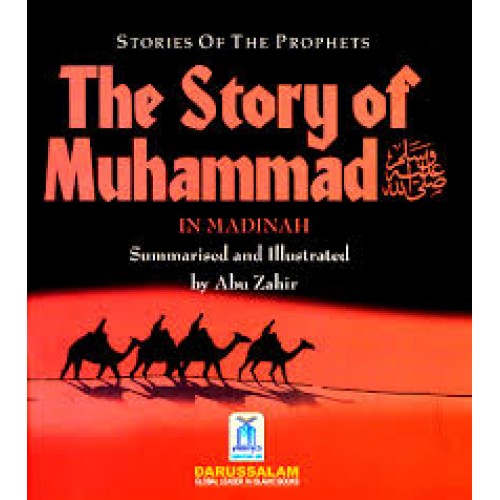
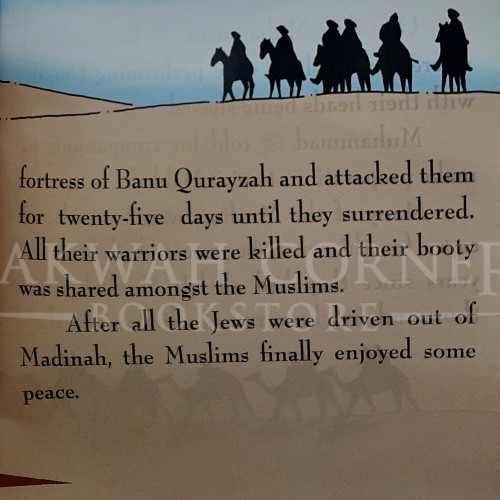
The Story of Muhammad S.A.W in Madinah
Highlights:
The Story of Muhammad (SAW) in Madina By Abu Zahir (Stories Of The Prophets) A new amazing serious of childrens illustrated books, the book is easy to read and follow with pictures for little children to enjoy and learn about they beloved prophet.
RM11.00
Children’s Faith Questions (New Cover)
Highlights:
This book calls upon Muslim parents to teach the faith to their children in a time of globalization and unlimited access—through technology—to all that is confusingly contradictory to the Islamic faith.
RM20.00
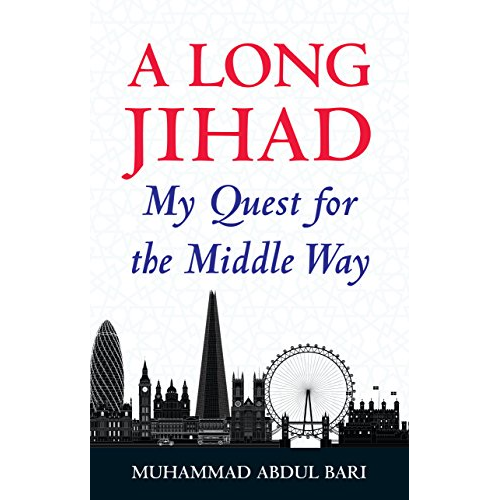
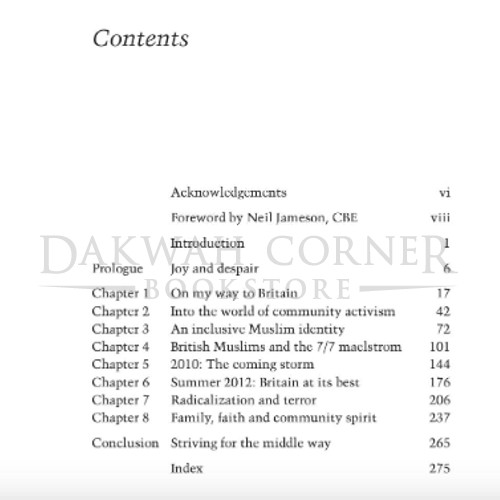
A Long Jihad : My Quest For The Middle Way
Highlights:
In this memoir, Dr Muhammad Abdul Bari asks us to look beyond the extremism and violence that all too often defines the Muslim community toward those, like himself, navigating a middle-way life.
RM65.00
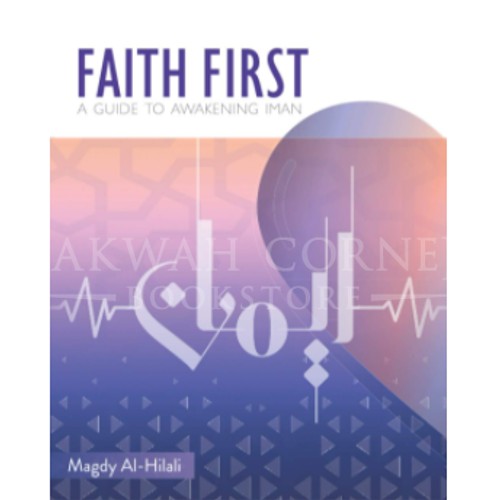

Faith First: A Guide To Awakening Iman
Highlights:
“Fait first is based on a simple premise: Begin with faith, and the rest will follow.”
RM110.00

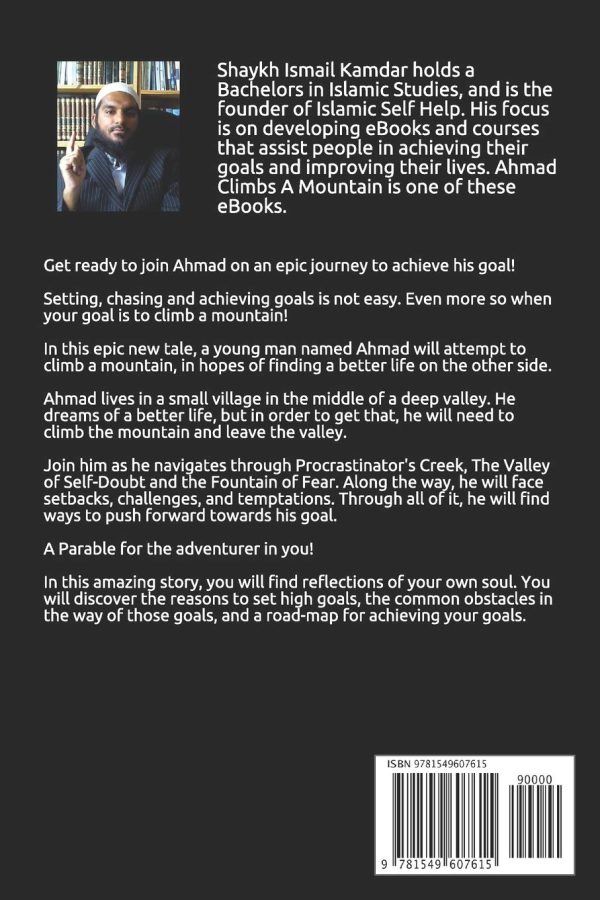
Ahmad Climbs A Mountain: A Parable About Achieving Your Goals
5 ★
5 ★
1 Rating
5 ★
1
4 ★
0
3 ★
0
2 ★
0
1 ★
0
RM50.00

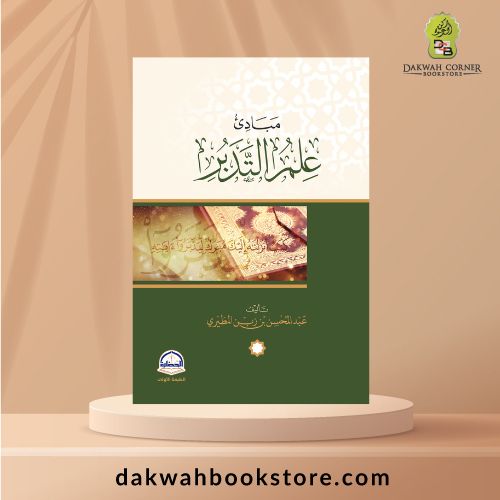
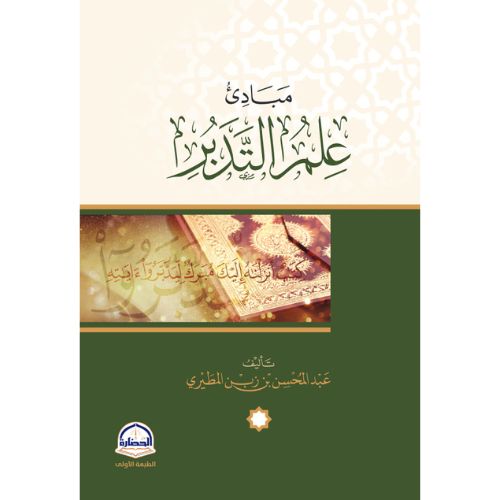
[AQR] Mabadi’ ‘Ilm at-Tadabbur – مبادئ علم التدبر
Highlights:
تقرأ في هذا الكتاب
الفصل الأول: مبادئ فنّ التدبر وفيه عشرة بحوث :اسماء هذه العلم، تعريف التدبر، نسبة علم التدبر إلى العلوم، موضوع علم التدبر، الواضع لهذا العلم، حكم الشرع في هذا العلم، فضل التدبر، ثمرة التدبر، مسائل هذا العلم، استمداد هذا العلم.وفي الفصل الثاني: أسباب وموانع التدبر: سواء كانت حسية أو
RM50.00
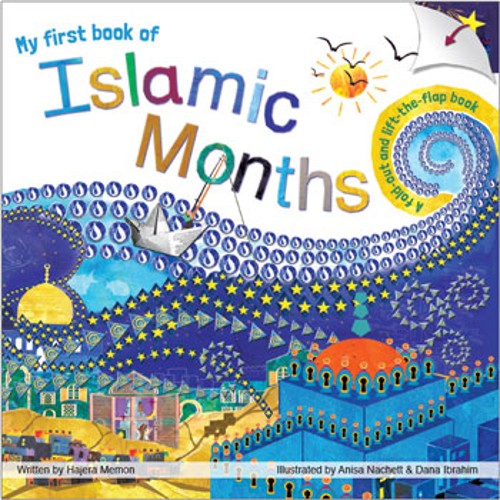
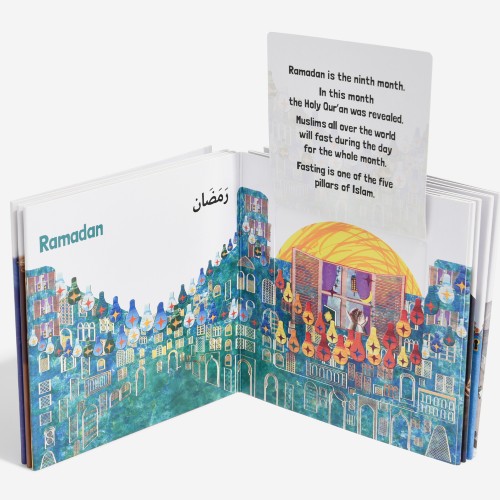
My First Book of Islamic Months
Highlights:
A Special Gift for Ramadan & Eid
Count your way through the Islamic months with this beautifully illustrated fold-out, lift-the-flap book.
RM80.00
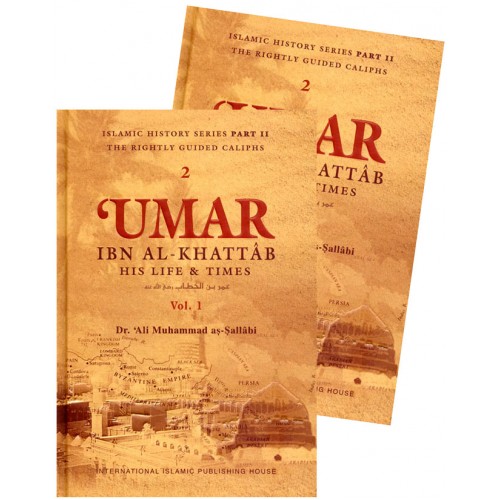
Umar ibn al-Khattâb: His Life and Times (2 Vols.) -IIPH
5 ★
5 ★
1 Rating
5 ★
1
4 ★
0
3 ★
0
2 ★
0
1 ★
0
Highlights:
The second caliph of Islam, ‘Umar ibn al-Khattâb faced more struggles than any other Muslim leader in the early onset of Islam. His life began in a time of ignorance and ended during the Golden Age of Islam. Under his leadership, the Muslim world was witnessing some of its most notable conquests in the history of Islam. The strength and resilience of Islam’s leaders were being tested, and ‘Umar ibn al-Khattâb’s true commitment to Allah shone to reveal an Islamic spirit unlike that found in any other Muslim leader. The standards by which he lived can teach us a lot about determination, hardship, and success. The two books which compose ‘Umar ibn al-Khattâb: His Life and Times are sold together as a set. They belong in Part II of the Islamic History Series, as the second set of The Rightly Guided Caliphs. The Table of Contents for Volume 1 of ‘Umar ibn al-Khattâb: His Life and Times may be viewed via the ‘View Table of Contents’ link located above. This book was translated into English by Nasiruddin al-Khattab. From the Translator: For those who would be leaders, this book offers the model of an ideal Muslim leader, one who felt responsible before Allah for the well being of all those under his rule, including his troops, women, infants, non-Muslim subjects and even animals. ‘Umar was a ‘hands on’ leader who kept himself informed and consulted scholars and experts before every major decision. For the rest of us, this book offers a window into an exciting and important period of Islamic history, and it also reminds of an important lesson, that our strength comes not from wealth or money or status, but from our submission to Allah and our commitment to the path of Islam.
RM175.00
Tafsir Surah Al Kahfi