


| Weight | 0.35 kg |
|---|---|
| Dimensions | 14 × 1 × 20 cm |
| Author | |
| Binding | Paperback |
| Publisher | Dar Al Hadharah |
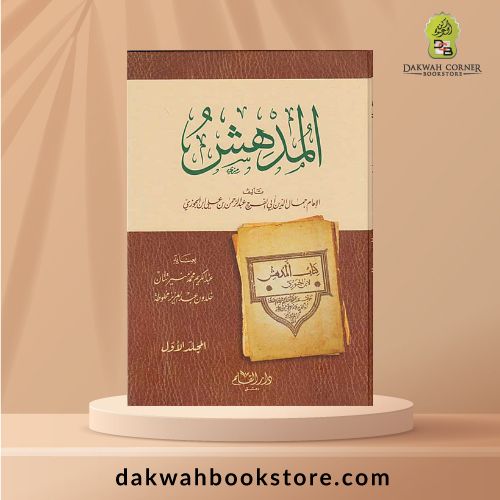
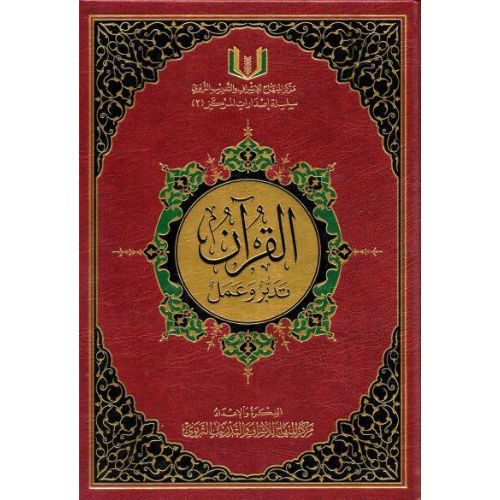
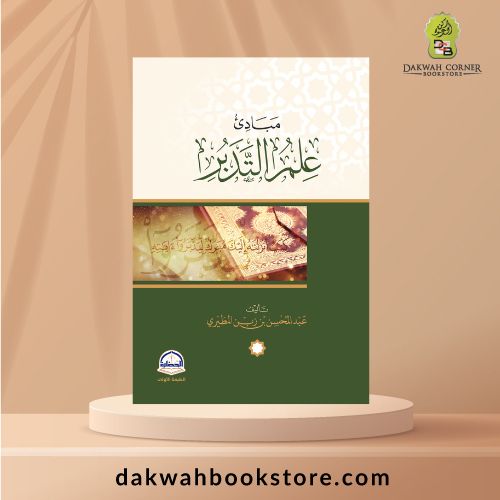
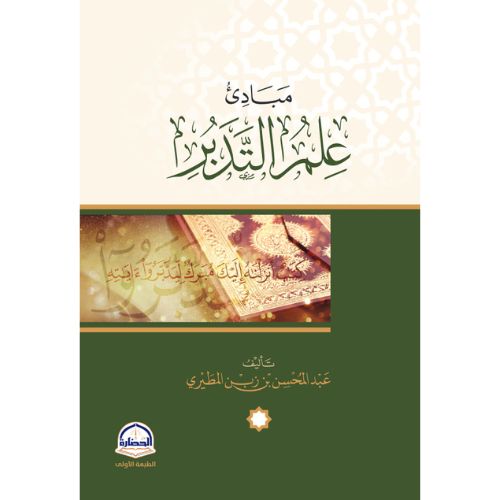
[AQR] Mabadi’ ‘Ilm at-Tadabbur – مبادئ علم التدبر
RM50.00
تقرأ في هذا الكتاب
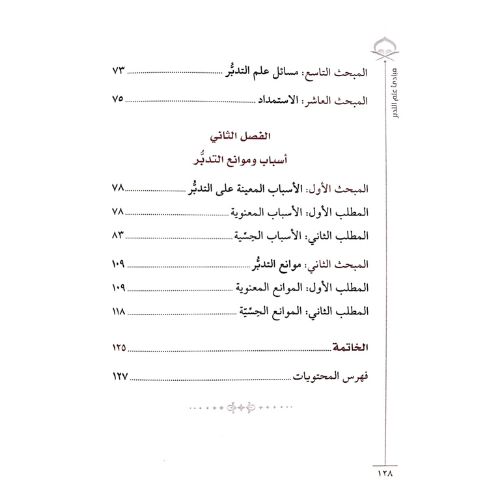
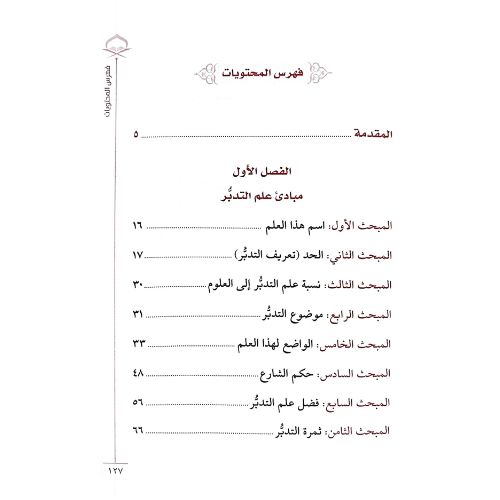
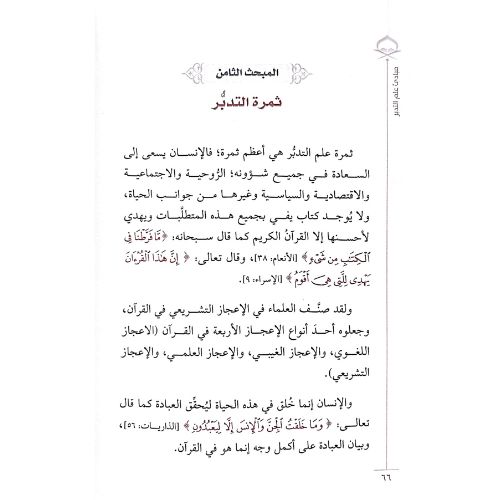
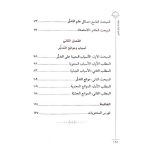
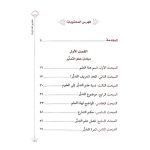
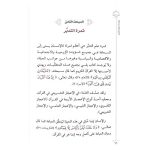
الفصل الأول: مبادئ فنّ التدبر وفيه عشرة بحوث :اسماء هذه العلم، تعريف التدبر، نسبة علم التدبر إلى العلوم، موضوع علم التدبر، الواضع لهذا العلم، حكم الشرع في هذا العلم، فضل التدبر، ثمرة التدبر، مسائل هذا العلم، استمداد هذا العلم.وفي الفصل الثاني: أسباب وموانع التدبر: سواء كانت حسية أو
Frequently Bought Together
You may also like…
[QQ] Al-Tafseer Al-Muyassar (Large) – (التفسير الميسر)
إليكم تفسير جيد للغاية لخصه نخبة من العلماء. هذا التفسير الميسر مقدمة ممتازة لتفسير القرآن، سهل و مختصر
Related Products
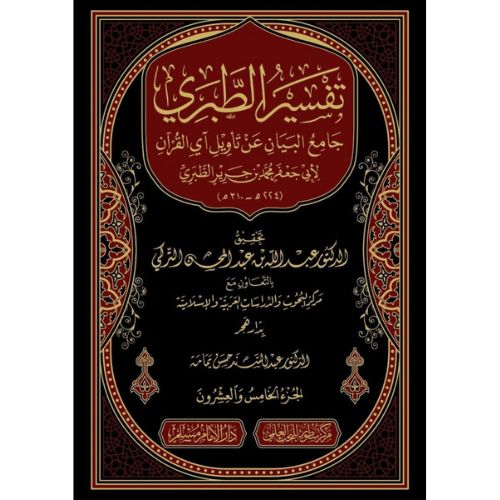
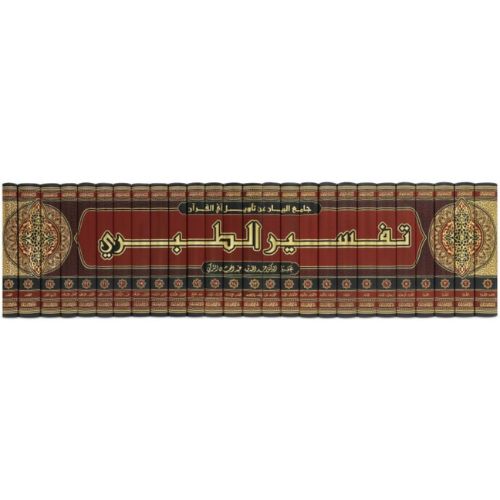
[QQ] Tafsir At Tabari 26 Vol (تفسير الطبري)
يعد من من أشهر الكتب الإسلامية المختصة بعلم تفسير القرآن الكريم عند أهل السنة والجماعة، ويُعده البعض المرجع الأول للتفسير بالمأثور ؛ حيث يذكر الآية من القرآن، ثم يسرد أقوال الصحابة والتابعين في تفسيرها بأسانيدها، ويهتم بالقراءات المختلفة في كل آية ويرجح إحداها، ويسرد الأحاديث النبوية بأسانيدها والأحكام الفقهية واعتنى به العلماء والباحثون كثيرًا.
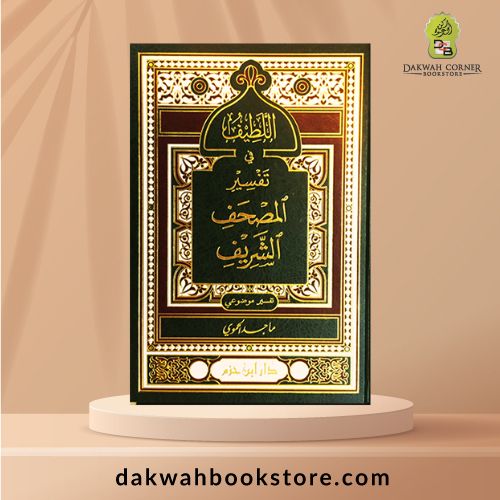
[QQ] Al Latif Fi Tafsir Al Mushaf Sharif /اللطيف في تفسير المصحف الشريف
عمد المؤلف أن يوفر تفسيراً مختصراً على ما يضطر إليه طالب العجالة لفهم المعنى . وقد جعل المؤلف هذا التفسير ممزوجاً بالقرآن مما يسهل على القارىء قراءة الشرح مع القرآن .
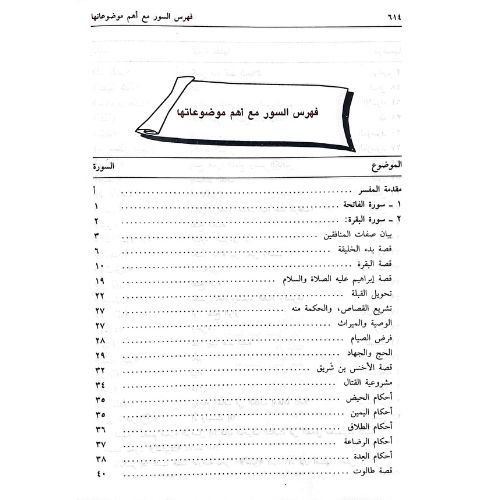
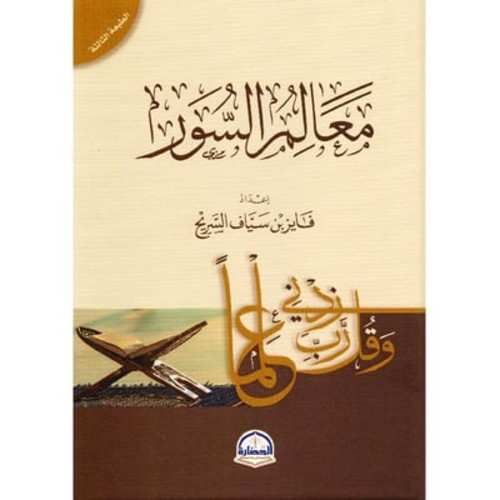
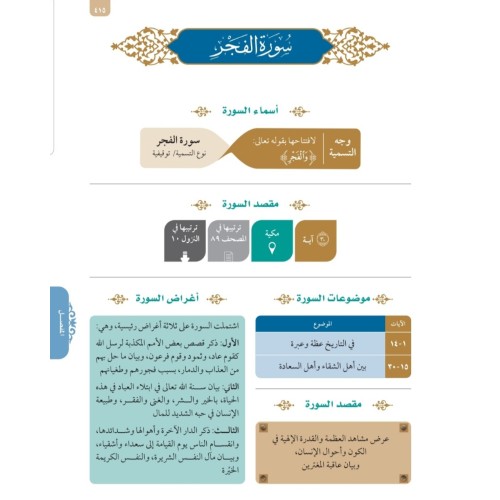
[QQ] Mualimu Suari (معالم السور)
Mualimu Suari (معالم السور)
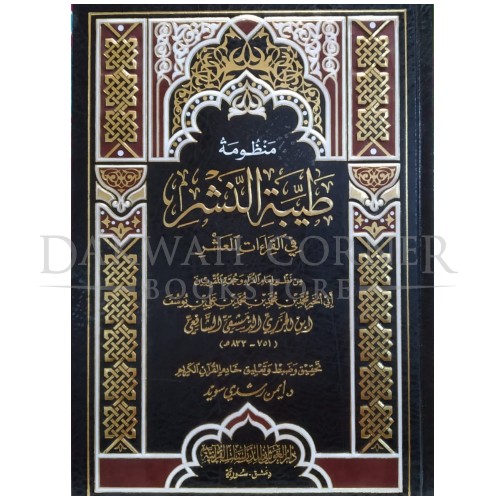
[QQ] Tayyibat Al-Nashr Fi Al-Qira’at Al-Ashr With CD (طيبة النشر في القراءات العش)
The best of Qur’an studies on the ten readings, by Ibn al-Jazari (751/1350 – 833/1429, Damascus), the Islamic scholar especially proficient in the Qira’at of the Qur’an; with an investigation of Ayman Rushdi Suwaid.
Recently Viewed
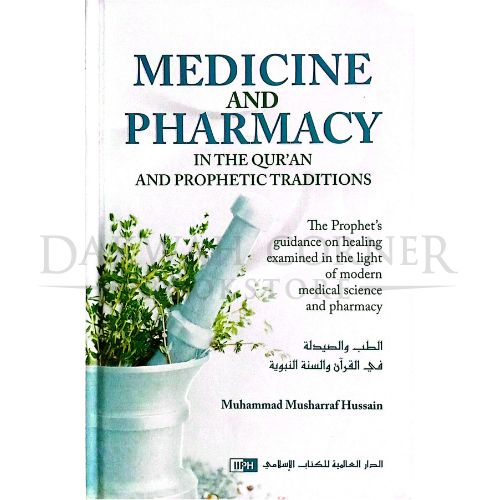
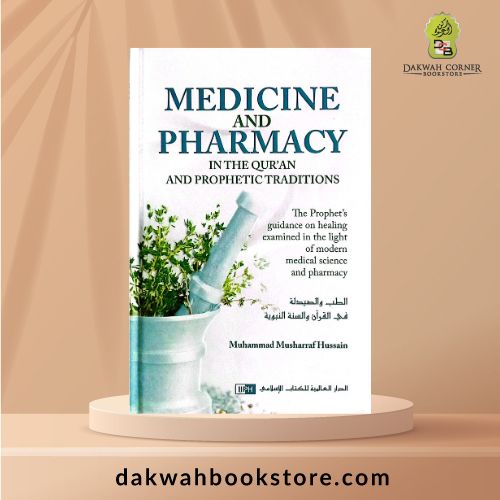
Medicine And Pharmacy In The The Prophetic Traditions (H/B)
Medicine and Pharmacy in the Qur’an and Prophetic Traditions aims to integrate the science of healing into the religion of Islam. It provides advice and guidance on maintaining sound health and preventing diseases and ailments in compliance with the Qur’an and the Sunnah of Prophet Muhammad (blessings and peace be upon him). It also discusses the Qur’anic verses related to health, sickness, and cure, as well as the spiritual and physical remedies recommended by the Prophet (blessings and peace be upon him) in light of modern knowledge.
The Sources of the Qur’an
“Who is the author of the Qur’an?” On this subject scholars have flagrantly contradicted each other. This work attempts to make a critical review of the major ‘authorship’ theories by pressing into service logical arguments, historical evidence, textual analysis and scientific data. Probably, the only point of agreement about the Qur’an is that it was uttered for the first time by a man who was born in Makkah (Mecca), a city of Arabia, in the sixth century—a man by the name of Muhammad (blessings and peace be upon him). As to the source of the Qur’an, scholars are divided into three main groups: those who believe that Muhammad (blessings and peace be upon him) himself was the author; those who believe that he was not the author himself but learned it from another human author or authors; and those who believe that the Qur’an has no human author but is rather a word-for-word revelation from God. Hamza Njozi examines the three theories and comes to a firm and logical conclusion.