



| Weight | 0.15 kg |
|---|---|
| Dimensions | 21.3 × 13.9 × 0.5 cm |
| Product Type | Book |
| Author | |
| Publisher | Dar us-Sunnah Publishers |
| Pages | 80 |
| ISBN | 1904336426 |
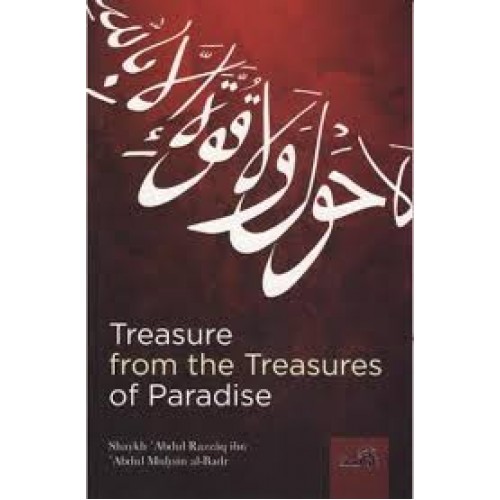
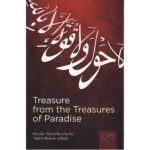
Treasure From the Treasures of Paradise (P/B)
RM39.00
Hurry up, Only 1 left.
Highlights:
somdn_product_page
Compare
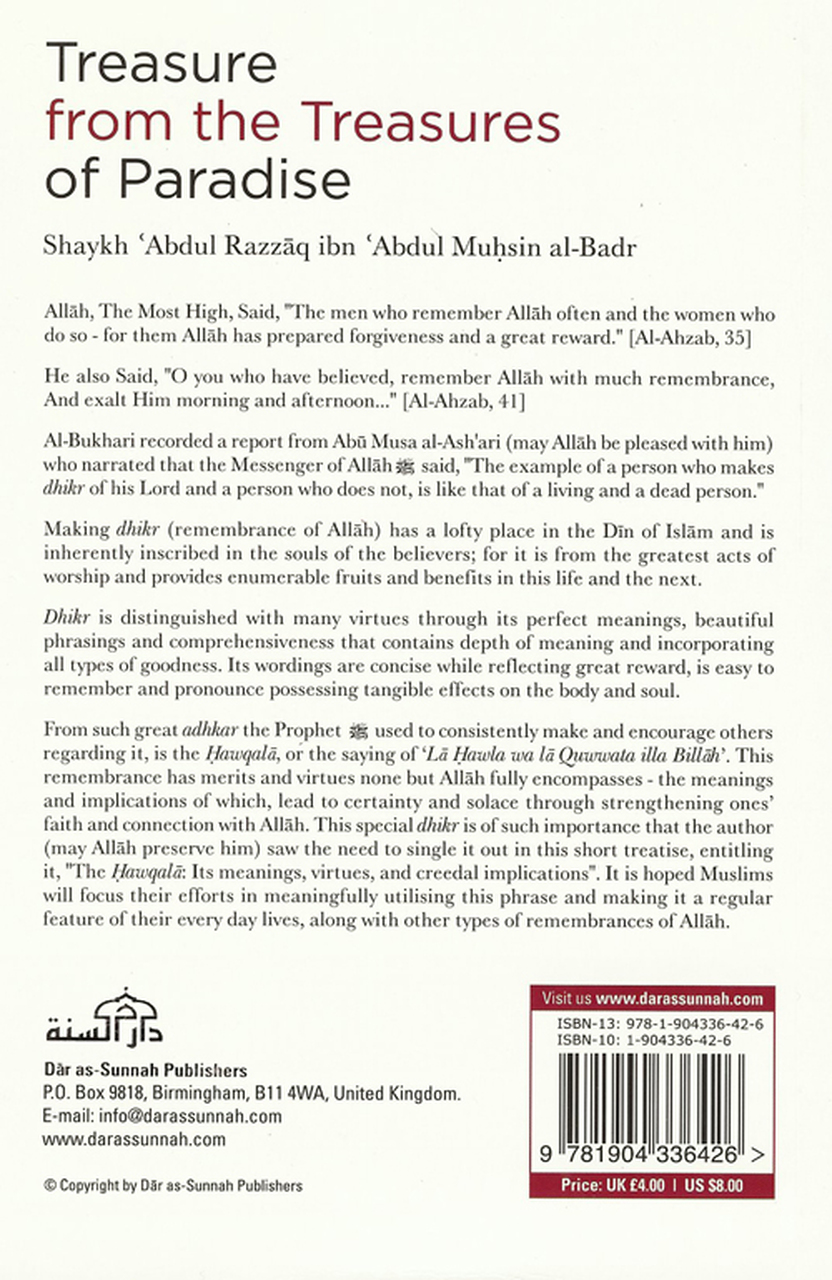
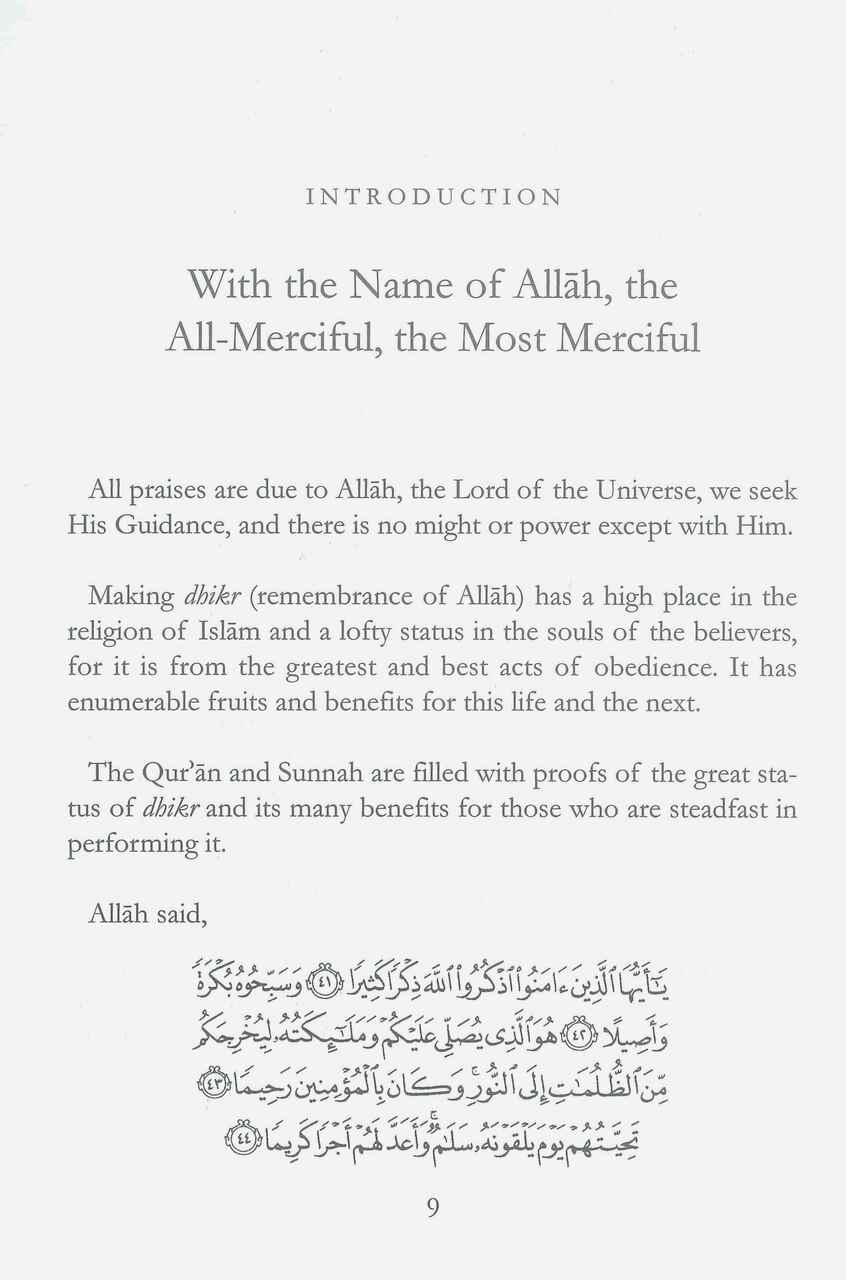
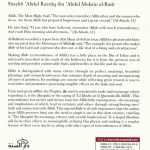
Allah, The Most High, Said, “The men who remember Allah often and the women who do so – for them Allah has prepared forgiveness and a great reward.” [Al-Ahzab, 35]. He also Said, “O you who have believed, remember Allah with much remembrance, And exalt Him morning and afternoon…” [Al-Ahzab, 41] Al-Bukhari recorded a report from AbuMusa al-Ash’ari (may Allah be pleased with him) who narrated that the Messenger of Allah said, “The example of a person who makes dhikr of his Lord and a person who does not, is like that of a living and a dead person.”
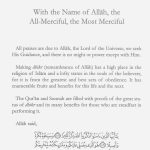
Making dhikr (remembrance of Allah) has a lofty place in the Din of Islam and is inherently inscribed in the souls of the believers; for it is from the greatest acts of worship and provides enumerable fruits and benefits in this life and the next.
Dhikr is distinguished with many virtues through its perfect meanings, beautiful phrasings and comprehensiveness that contains depth of meaning and incorporating all types of goodness. Its wordings are concise while reflecting great reward, is easy to remember and pronounce possessing tangible effects on the body and soul.
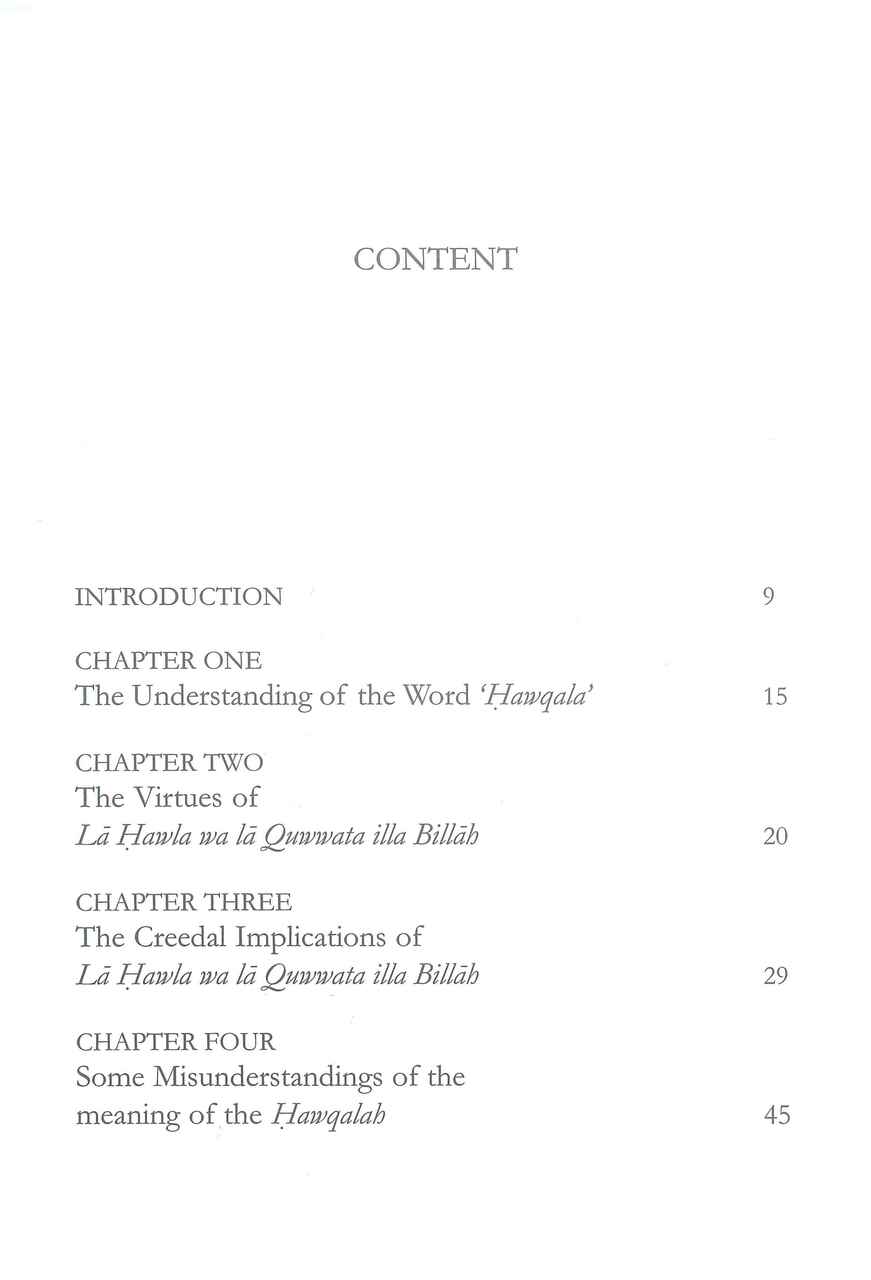
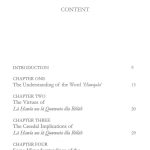
From such great adhkar the Prophet used to consistently make and encourage others regarding it, is the Hawqala, or the saying of ‘La Hawla wa la Quwwata illa Billah’. This remembrance has merits and virtues none but Allah fully encompasses – the meanings and implications of which, lead to certainty and solace through strengthening ones’ faith and connection with Allah. This special dhikr is of such importance that the author (may Allah preserve him) saw the need to single it out in this short treatise, entitling it, “The Hawqala: Its meanings, virtues, and creedal implications”. It is hoped Muslims will focus their efforts in meaningfully utilising this phrase and making it a regular feature of their every day lives, along with other types of remembrances of Allah.
Additional information
Reviews (0)
Be the first to review “Treasure From the Treasures of Paradise (P/B)” Cancel reply
You must be logged in to post a review.
Related Products
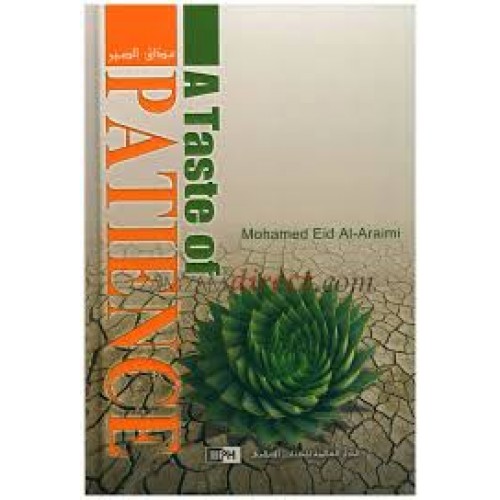
A Taste of Patience
3 ★
3 ★
1 Rating
5 ★
0
4 ★
0
3 ★
1
2 ★
0
1 ★
0
Highlights:
The writer is a survivor of an accident that altered his life. He is a man who managed to overcome adversity and transform bitterness into personal success, as his literary gains outweighed his physical restrictions. Where his physical condition limited his movements, his creative writing opened up a new horizon that enabled him to freely interact with his readers.
This is a real-life account of how a human being can overcome obstacles, giving effect to the epithet: ‘What does not kill me makes me stronger.’ The autobiography defines patience in two ways: first, as a bitter experience and then second, as the ability to tolerate and turn one’s misfortune into investment. The accident that the writer suffered has paralysed his body, but at the same time it has unleashed his writing talents. (Yousef el-Sharoni, Egypt)
RM38.00
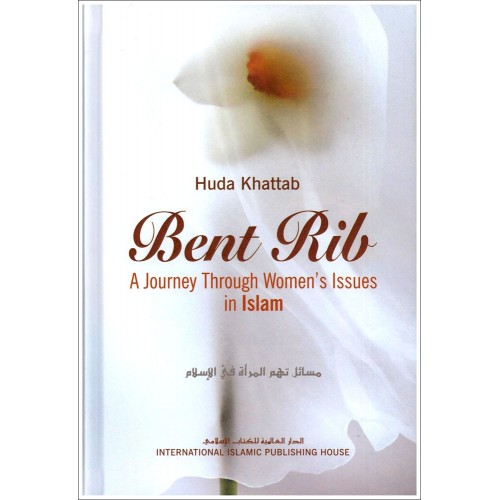
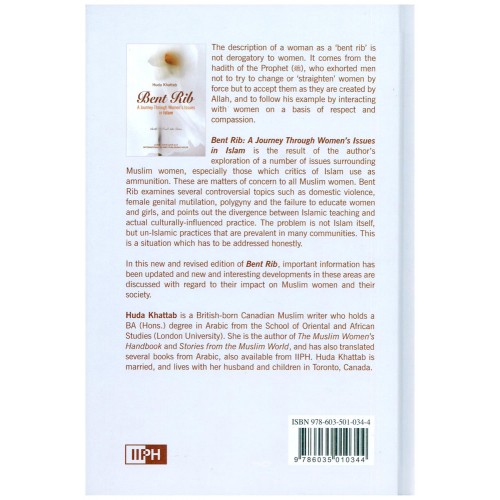
Bent Rib: A Journey Through Women’s Issues in Islam (H/B)
5 ★
5 ★
1 Rating
5 ★
1
4 ★
0
3 ★
0
2 ★
0
1 ★
0
Highlights:
This book examines the role of women in Islam, their education and marriage, and several controversial topics such as domestic violence, female genital mutilation and polygyny. It addresses honestly the divergence between Islamic teaching and actual culturally-influenced practices.
RM40.00
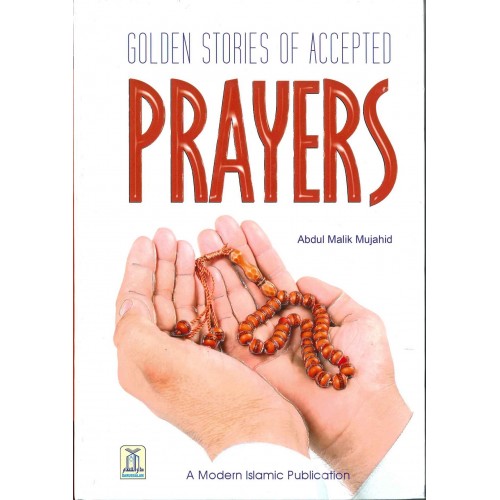
Golden Stories of Accepted Prayers
5 ★
5 ★
1 Rating
5 ★
1
4 ★
0
3 ★
0
2 ★
0
1 ★
0
Highlights:
What are invocations? In a real sense these are requests which come from the bottom of our hearts to Allah Almighty. Allah is always ready and happy to receive prayers from anyone at any time.
If you’re facing any difficulties or trouble you should immediately turn to Allah for help. The best invocations are those narrated by the Prophet (S). If you don’t speak Arabic, you can pray in your mother tongue.
When we pray we should feel assured that Allah will accept our requests. We should do so with complete sincerity and devotion.
Prayers can be made at any time, but there is a greater possibility our prayers will be accepted if we do so at specific times.
RM68.50


Backbiting and Its Adverse Effects
4 ★
4 ★
1 Rating
5 ★
0
4 ★
1
3 ★
0
2 ★
0
1 ★
0
Highlights:
This is a revised and updated edition of Backbiting (formerly entitled Gossip and its Adverse Effects). The translator, Huda Khattab, explains: The Qur’an states: {…nor speak ill of each other behind their backs. Would any of you like to eat the flesh of his dead brother? No, you would abhor it…} (Qur’an 49: 12) We cannot escape the fact that backbiting affects us all. We have all been victims and, we must be honest, we have all been guilty of this sin. But it is not a matter to be taken lightly; backbiting can wreck lives and shatter communities. Islam is a practical faith that recognizes the human condition and offers achievable remedies to the problems that beset us. Every human society faces the problem of backbiting, and Islam shows us how to tackle it in a sensible and humane manner. Husayn al-Awayishah has researched this topic in depth, and has presented a concise guide to the evils of backbiting and what can be done about it. This book may make for uncomfortable reading, but the topic is one that every one of us has to face up to.
RM11.00
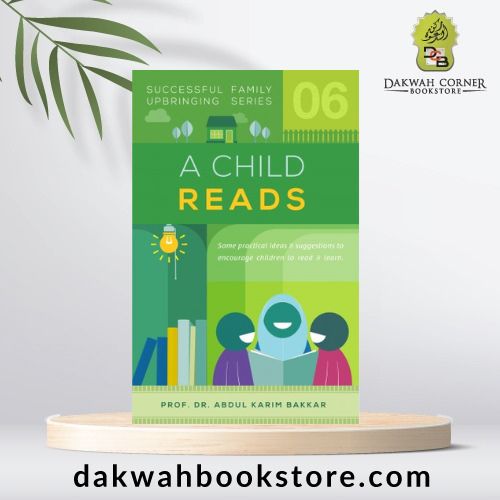
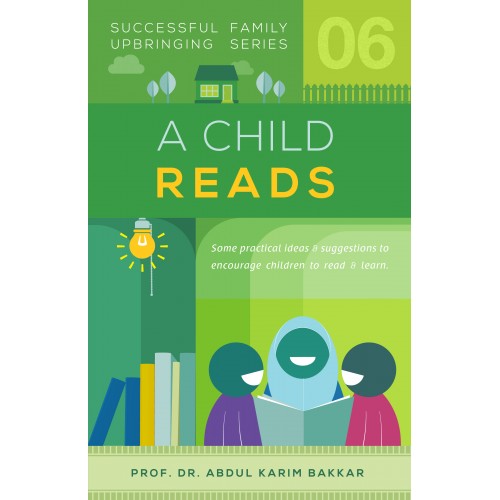
A Child Reads (Successful Family Upbringing Series-06)
Highlights:
A Child Reads (Successful Family Upbringing Series-06)
RM15.00
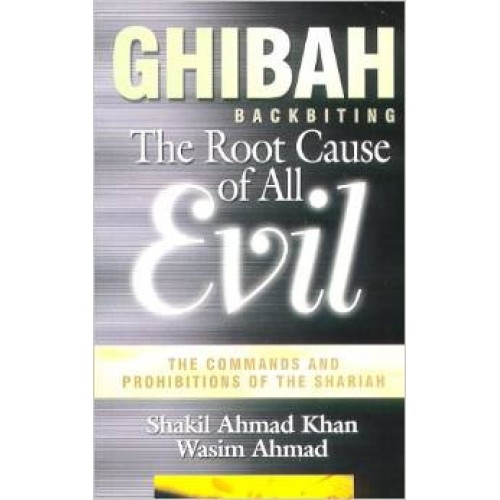
Ghibah (Backbiting) : The Root Cause of All Evil : The Commands and Prohibitions of the Shariah
Highlights:
Islam is a religion of peace, love, and compassion. Lies, suspicion, backbiting, slander, vain talk — all these are anathema to Islam. Indeed, such negative activity sows the seeds of enmity among the people and ultimately brings about the downfall of society. Backbiting (ghibah) in particular, according to the Qur’an, is not just a common social evil, but rather an abhorrent act, a major sin — the equivalent of eating one’s brother’s flesh.
Numerous ahadith of the Prophet Muhammed (pbuh) also underscore the complete futility, extreme loathsomeness and grave consequences of the deliberate misrepresentation of others. Backbiting, by the unanimous rulings of religious scholars (ijma) is forbidden, so that anyone who indulges in it is guilty of serious wrongdoing. Yet people have no qualms about engaging in this practice, flouting all prohibitions and strict commands.
Drawing upon important source material on the subjects of backbiting, false accusation (bhutan), and related issues, this book highlights the need to keep our society free of his ignoble malaise. To this end, it elucidates the relevant commands and prohibitions of the Shari’ah, so as to create in the minds of its readers a deep awareness of the sinfulness and ill effects of calumny.
By Shakil Ahmad Khan and Wasim Ahmad
RM16.00


33 Ways of Developing Al-Khushoo`: Humility and Devotion in Prayer
5 ★
5 ★
1 Rating
5 ★
1
4 ★
0
3 ★
0
2 ★
0
1 ★
0
Highlights:
Shaykh Muhammad Salih al-Munajjid’s little book is perhaps one of the most widely-circulated among Muslims today. This is because the topic touches worshippers where it hurts—we know that we often lapse into an automatic sort of prayer when we lose concentration. The Shaykh points out that this loss of concentration really stems from a lack of humility and devotion—in Arabic, khushoo‘. His aim in writing this book is to help us to get back that khushoo‘. His step-by-step approach makes it simple. He gives practical advice and uses the excellent example of the prayer of the Messenger of Allah (blessings and peace be upon him) to guide us, so that as worshippers, we can truly return to a state of humility and devotion before the Lord.
RM15.00
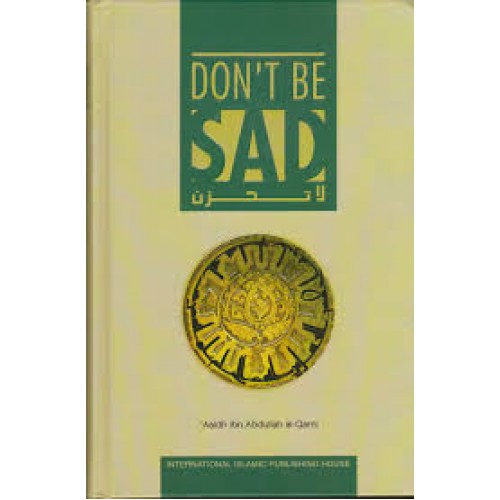
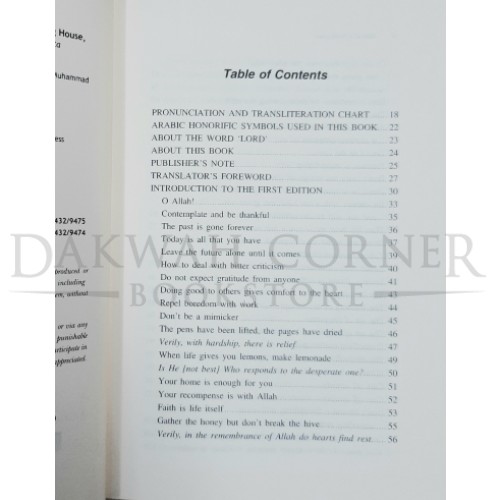
Don’t Be Sad By Dr. A’id al-Qarni
5 ★
5 ★
1 Rating
5 ★
1
4 ★
0
3 ★
0
2 ★
0
1 ★
0
Highlights:
At a time in which the Muslims are beset with trials from every periphery and within, comes this heartening book rooted in the commandments of Allah (swt), the Sunnah and the excellent guidance and examples of the Muslims that have come before us. Don’t Be Sad is an absolute must-read for all people. It is full of practical advice on how to replace sadness with a pragmatic and ultimately satisfying Islamic outlook on life. It exposes to the modern reader how Islam teaches us to deal with the tests and tribulations of this world. So, take heart and hold firmly onto the rope of Allah (swt)
RM75.00 – RM85.00Price range: RM75.00 through RM85.00
HardcoverPaperback
Clear
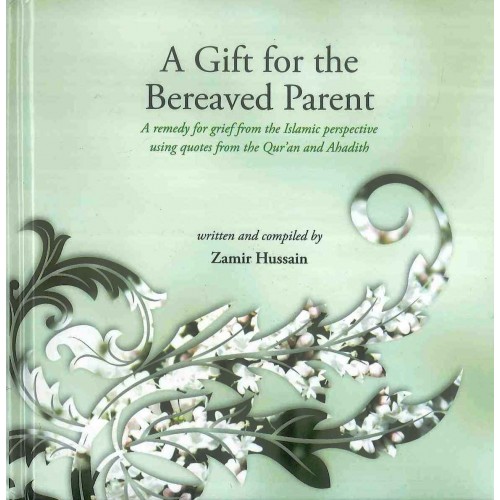
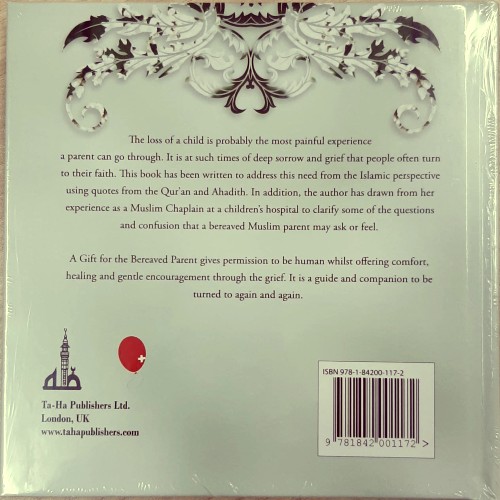
A Gift For The Bereaved Parent (H/B)
4 ★
4 ★
1 Rating
5 ★
0
4 ★
1
3 ★
0
2 ★
0
1 ★
0
Highlights:
Gift of Breaved Parent is critical as a Faith, It does not Follow that these stages are rearched systematically but one may alternate from one stage to another and take varying lenth of time. It is not Unusual for the pain to always to remain, Incresin in the Intensity as Some Event or Reminder renews the loss.
It is Essentials to know that People are Susceptible to Weakness and Emotion, It is natural that one sheds tears and has grief and sadness in the heart; that is valid and cannot be denied, therefore Nice tilte “A Gift for the Breaved Parents”.
RM40.00
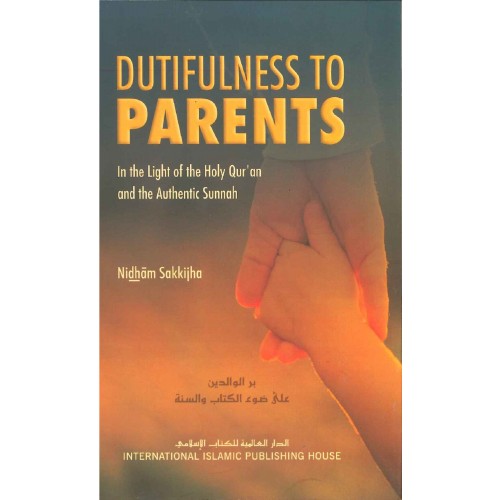
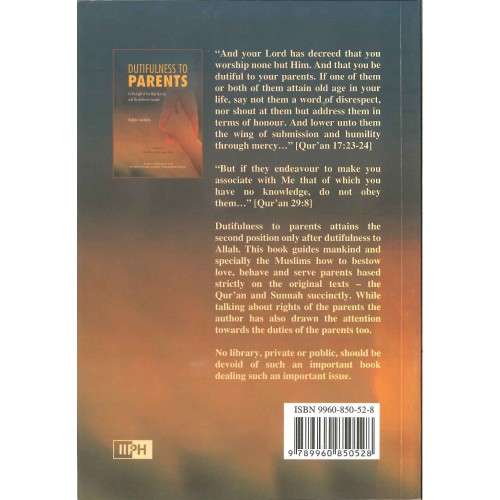
Dutifulness To Parents
4 ★
4 ★
1 Rating
5 ★
0
4 ★
1
3 ★
0
2 ★
0
1 ★
0
Highlights:
After dutifulness to Allah, dutifulness to our parents comes next for Muslims, but what does our duty to our parents entail? In this little book, Nidhâm Sakkijha gives examples and evidence from the Qur’an and the Hadith of Allah’s Messenger (blessings and peace be upon him) to explain, point by point, what these duties are, and how the fulfillment of these duties may lead us to Paradise, while their neglect may mean that we end up in Hell. This concise and very useful volume has been translated into English by Iman Zakaria Abu Ghazi.
RM8.00 RM9.00
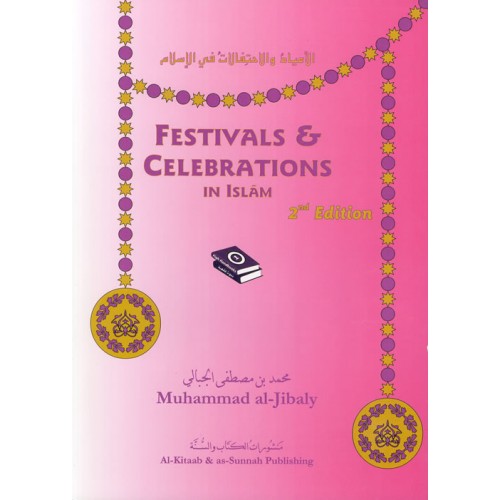
Festivals & Celebrations In Islam
5 ★
5 ★
1 Rating
5 ★
1
4 ★
0
3 ★
0
2 ★
0
1 ★
0
Highlights:
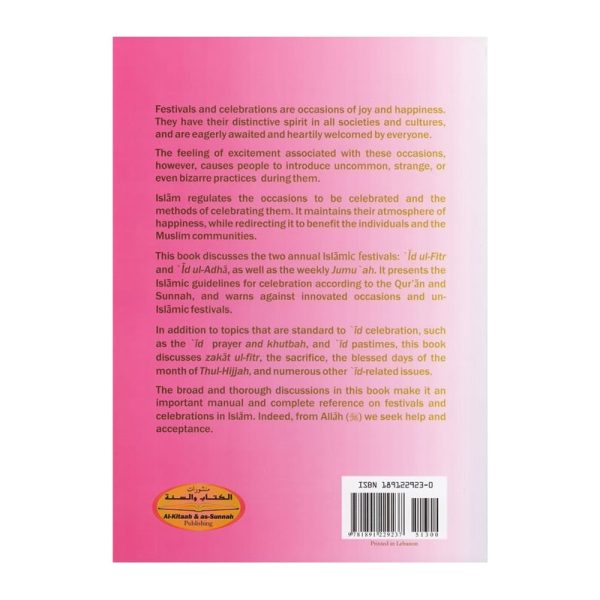
Festivals and celebrations are occasions of joy and happiness. They have their distinctive spirit in all societies and cultures, and are eagerly awaited and heartily welcomed by everyone.
The feeling of excitement associated with these occasions, however, causes people to introduce uncommon, strange or even bizarre practices during them.
Islam regulates the occasions to be celebrated and the methods of celebrating them. It maintains their atmosphere of happiness, while redirecting
This book discusses the two annual Islaamic festivals: Eid ul-Fitr and Eid ul-Adhaa as well as the weekly Jumu’ah. It presents the Islaamic guidelines for celebration according to the Quraan and Sunnah, and warns against innovated occasions and un-Islaamic festivals.
In addition to topics that are standard to ‘Id celebration, such as the ‘Id prayer and khutbah, and ‘Id pastimes, this book discusses zakat-ul-fitr, the sacrifice, the blessed days of the month of Thul-Hijjah, and numerous other ‘Id-related issues.
The broad and thorough discussions in this book make it an important manual and complete reference on festivals and celebrations in Islam. Indeed, from Allah (swt) we seek help and acceptance.
RM51.00
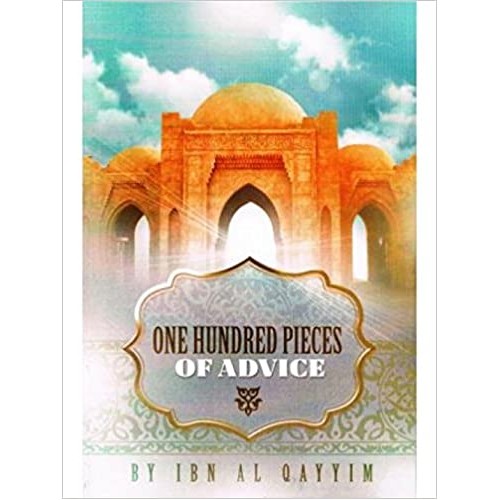
One Hundred Pieces of Advice
3 ★
3 ★
1 Rating
5 ★
0
4 ★
0
3 ★
1
2 ★
0
1 ★
0
Highlights:
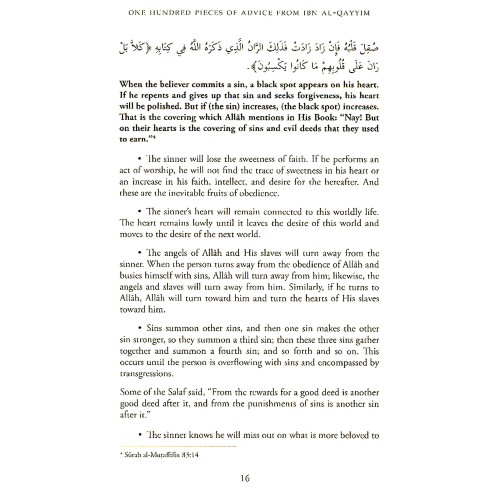
One hundred treasured advices extracted from the writings of the illustrious scholar, Imām Ibn al-Qayyim (may Allāh have mercy upon him): Ten ways to acquire Allāh’s love Ten ways to be patient and avoid sins Ten ways to be patient during a calamity Ten benefits to lowering your gaze Ten ways sins are expiated Ten barriers between the slave and his Lord Ten reasons knowledge is not put into action Ten ways to open your heart Ten ways to protect against envy Ten ways to protect against the plots of the Shayṭān
RM48.00
Recently Viewed

RM40.00 – RM180.00Price range: RM40.00 through RM180.00
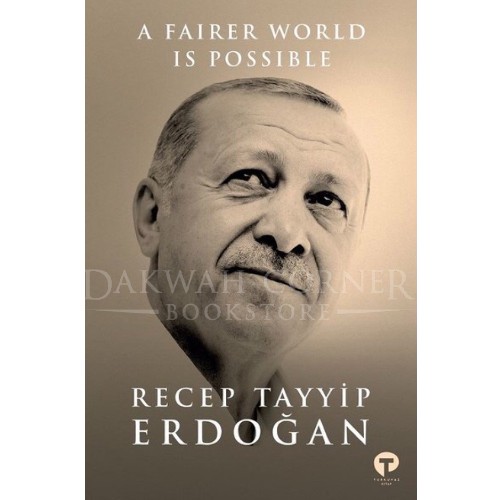
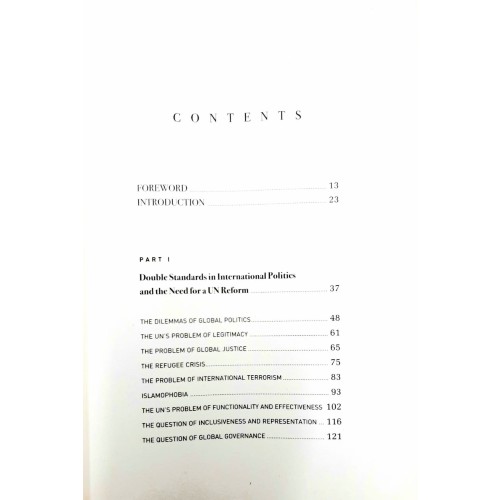
A Fairer World Is Possible
Highlights:
“IT IS NEITHER MORAL NOR FAIR FOR JUST FIVE NATIONS TO MAKE DECISIONS ON ISSUES THAT COULD INFLUENCE THE FATE OF THE WORLD. THE WORLD IS BIGGER THAN FIVE COUNTRIES”.
RM50.00

Muhammad in World Scriptures: Volume I (IBT)
Highlights:
This is the first volume of the series on the Prophet Muhammad as found in world scriptures. The author, a scholar of the Vedas and comparative religion, argues that numerous prophecies of the coming of the Holy Prophet are found in the Parsi (Zoroastrian), Hindu and Buddhist scriptures. He attempts to illuminate these prophecies and explains the rationale of his conclusions.
RM34.00
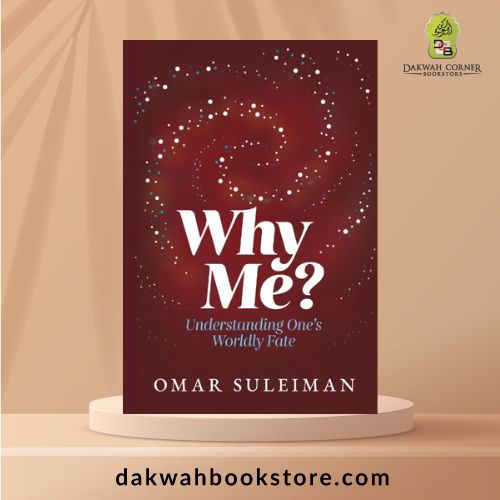
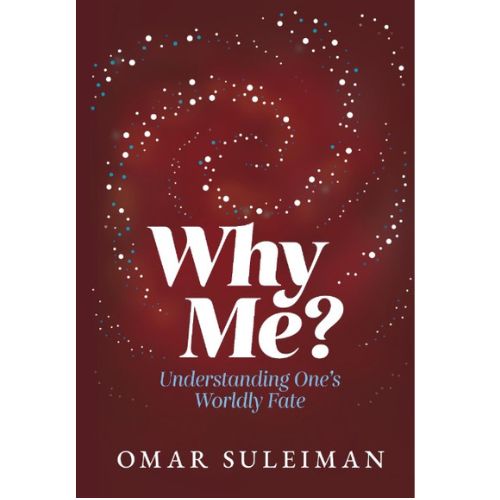
Why Me? Understanding One’s Worldly Fate (H/B)
Highlights:
You will never understand why you’re here if you don’t know the One who brought you here! You will never understand why you were blessed with something, if you don’t know what it means to be a blessing yourself.
RM85.00
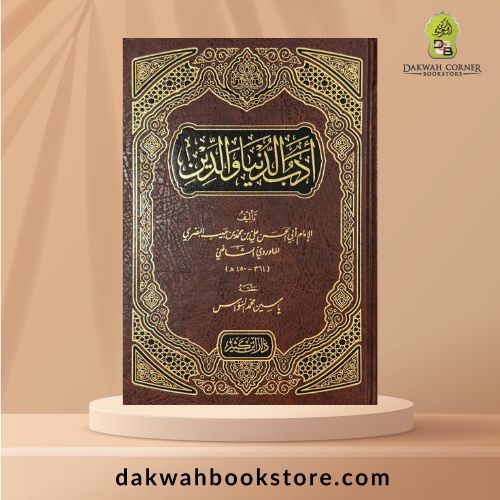
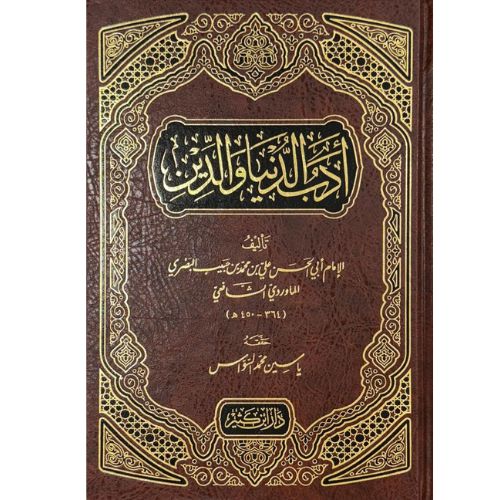
[AMM] Adab ad-Dunyā wad-Dīn / أدب الدنيا والدين
Highlights:
This book of ours is but a glimpse of this religion and those morals. “The greatest of matters in importance and value, and the most comprehensive in benefit and support, is that by which religion and this world are established, and by which the welfare of the Hereafter and this world is regulated; because with the integrity of religion, worship is sound, and with the welfare of this world, happiness is complete.” (1)
The book has been printed many times, and is well-known and widely circulated. At the beginning of this century (around 1920 AD), the Egyptian Ministry of Education had designated it for reading in secondary schools, due to its refined literature and wonderful wisdom. The author gathered evidence for it from the Holy Qur’an, the Sunnah of the Messenger and his family, the works of the Companions and their Successors, the etiquette of the eloquent, the sayings of poets, and the wisdom of the Arabs and other nations. He formulated all of this in a harmonious style, combining “the investigation of the jurists and the refinement of the literary men.” (2) He addressed the Muslim individual who is aware of the reality of life, in order to awaken in him the mind and thought, more than he arouses in him emotion and feeling, and in order to guide him towards the straight path and the path of guidance, and to elevate him from his limited reality. And his small experience, to a wider world, and a greater experience.
RM95.00
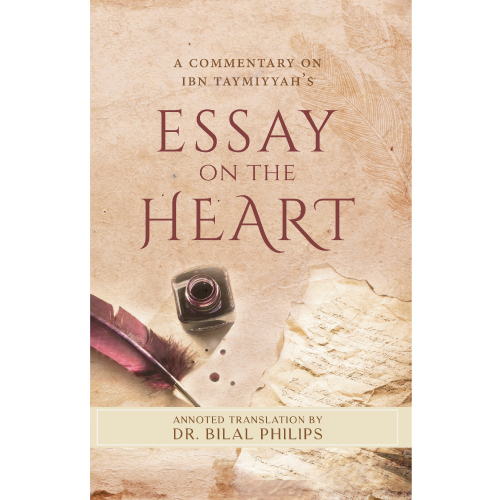
Essay On The Heart (P/B)
5 ★
5 ★
1 Rating
5 ★
1
4 ★
0
3 ★
0
2 ★
0
1 ★
0
Highlights:
There are many books currently in circulation concerning the purification on the heart and soul. This text is a welcome addition to the Islamic English as it takes a unique approach to the subject.
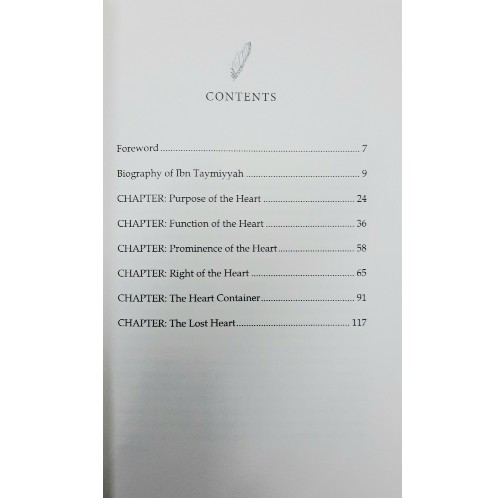
There are many of this brief treatise, Ibn Taymiyah, systematically dissects the primary role of the heart in the life of a true Muslim. After discussing the heart’s purpose and function, the author discusses the prominence given to the heart in all affairs by Allah and His Prophet (pbuh) in the various texts of the Qur’an and Sunnah. He then goes on to identify the right of the heart in relationship to Allah; remeberance and consciousness of its Lord. Ibn Taymiyyah also categorized the various types of the hearts that exist relative to their states and conditions and concluded his treatise with the worst state for the heart to be in, lost, along with advice on how to avoid it.
Dr. Bilal Philips has added an extensive commentary referencing verses and tranditiona and further elucidating the deep meaning alluded to by the author, making the final text a very enjoyable inspiring read.
RM18.00
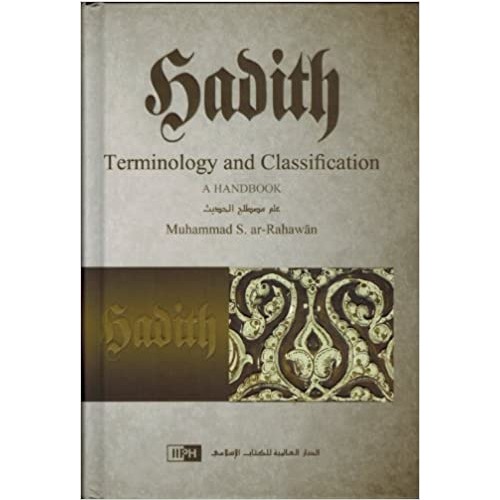
Hadith Terminology and Classification (H/B)
Highlights:
Islam is a complete way of life that enlightens through the Qur’an and the Sunnah, the true path of guidance and success in this world and the hereafter. However, one must accurately comprehend what has been ordained through the Sunnah and identify the authentic hadiths of the Prophet (blessings and peace be upon him). To do that, it is imperative to understand the rules that govern the classification and definitions of hadith methodology and criticism.
RM65.00
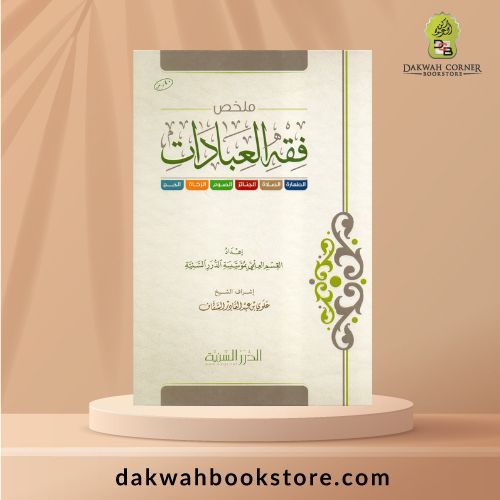
[SJ] Mulkhas Fiqh Al Ibadat / ملخص فقه العبادات
Highlights:
ملخص فقه العبادات من إعداد القسم العلمي بمؤسسة الدرر السنية، جُمع فيه مسائل أبواب: (الطهارة – الصلاة – الجنائز- الصوم – الزكاة – الحج) ، وبلغ عدد المسائل أكثر من 2300 مسألة فقهية. يمتاز الكتاب بسهولة العبارة، وحسن الترتيب والتبويب، والوضوح، والإختصار. نفع الله به
RM99.00
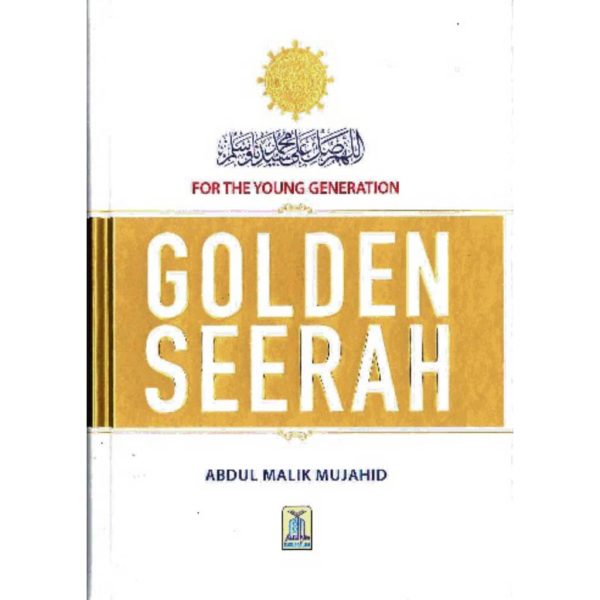
Golden Seerah (H/B)
Highlights:
Golden Seerah: For the Young Generation by Darussalam written by Abdul Malik Mujahid
RM95.00
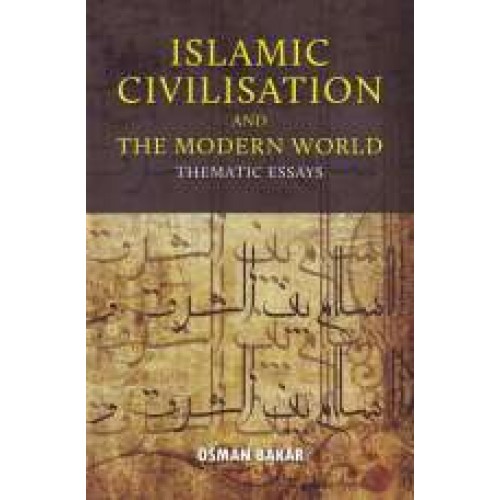
Islamic Civilisation and The Modern World (P/B)
Highlights:
This book presents a thematic treatment of Islamic civilisation. Each of the fourteen chapters comprising this book treats at least one of the major themes that are characteristic of this youngest religiously-based civilisation of the world.
RM65.00
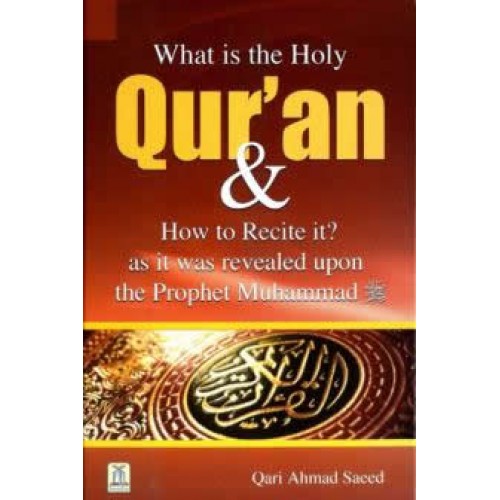
What is the Holy Quran & How to Recite it? (H/B)
Highlights:
This book guides readers to pronunciate the Arabic alphabet from their correct point of articulations. It also guides them to recite the Holy Qur’an according to the laws and principles of the art of recitation and intonation.
The correct pronunciation of the Arabic words and alphabet was difficult to some extent for the people living in the West as compared to those of East. So they need some more efforts to solve this problem and to make it easy for them.
By the grace of Allah, this book will do the job successfully and in a very convenient way.
RM46.00
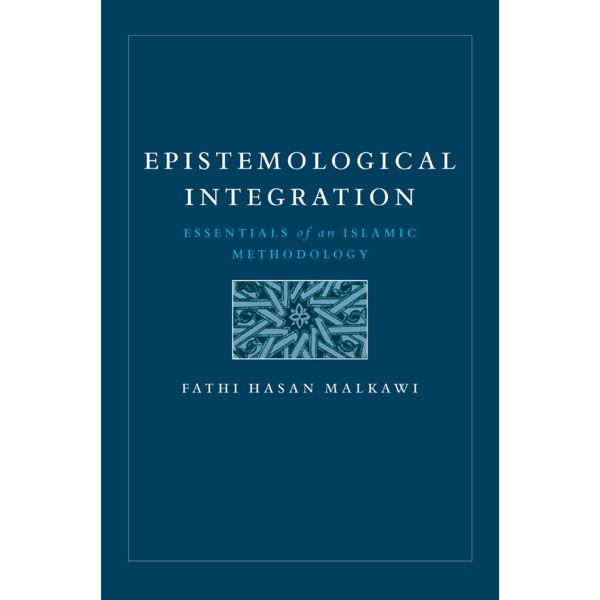
Epistemological Integration Essentials of an Islamic Methodology
Highlights:
Epistemological Integration: Essentials of an Islamic Methodology is a program which seeks to construct an intellectual framework for Islamic methodology with a view to realizing practical training in the thoughtful investigation of issues related to knowledge in various fields. The book’s title affirms the distinctive types of integration that characterize Islamic methodology, including integration of sources, means, and schools of thought, as well as existing realities with desired ideals etc. This is fully consistent with human nature, as variety is fundamental to the functions people perform and skills they master. The work essentially makes the case that fundamental to any Muslim recovery is laying the foundations of sound thinking and values that integrate the two main sources of knowledge: Revelation and Reality (that is the created worlds both physical, societal and psychological) under the umbrella of Tawhid. Islamic methodology adopts that and extends human hopes to integrate efforts so that humanity can realistically achieve prosperity on earth and earn eternal happiness in the afterlife.
RM132.00
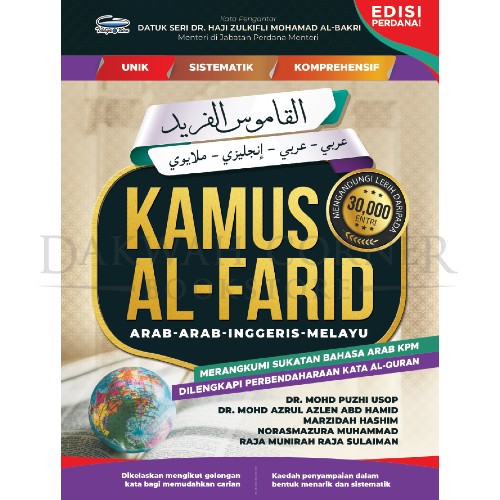

Kamus Al-Farid Edisi Perdana
Highlights:
Advantage
– Trilingual dictionary (Arabic – Arabic – English – Malay) with the latest style & approach.
– Arranging entries alphabetically from “alif” to “ya” to facilitate word and general search.
– Suitable for use and reference by students of schools and institutions of higher learning, Arabic language teachers and the general public.
– Contains more than 50 optional titles for easy word search.
RM59.00
There are no reviews yet.