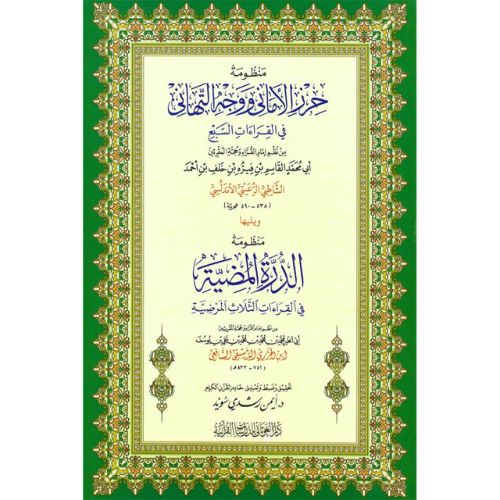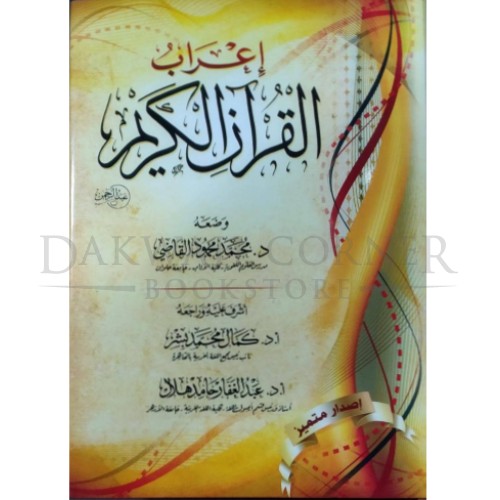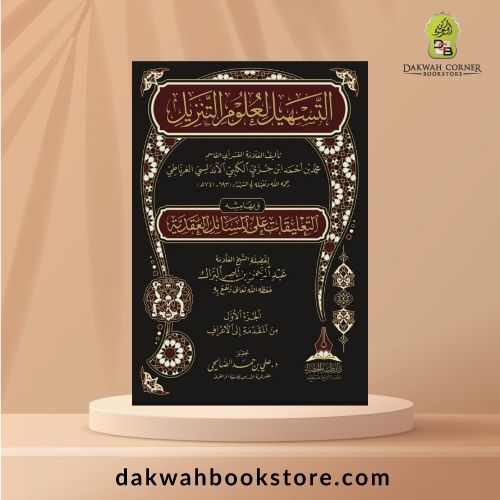
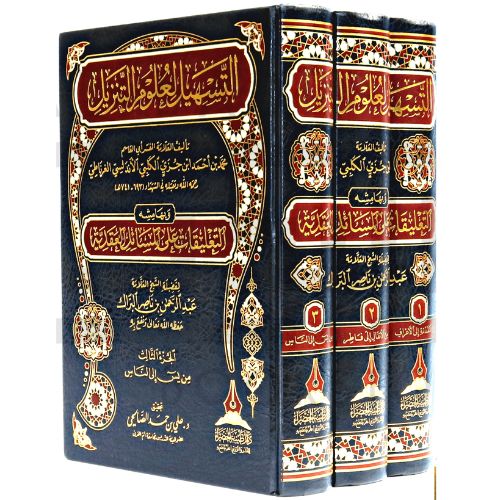
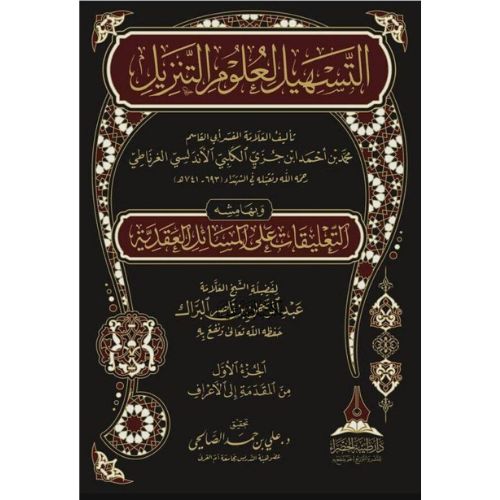

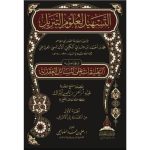
الكتاب يتعلق بتفسير القرآن العظيم وسائر ما يتعلق به من العلوم وقد سلك المؤلف فيه مسلكا نافعا إذ جعله وجيزا جامعا قصد به أربع مقاصد تتضمن أربع فوائد:
الفائدة الأولى :جمع كثير من العلم في كتاب صغير الحجم تسهيلا على الطالبين وتقريبا على الراغبين فلقد احتوى هذا الكتاب على ما تضمنته الدواوين الطويلة من العلم ولكن بعد تلخيصها وتمحيصها وتنقيح فصولها وحذف حشوها وفضولها ولقد أودعه من كل فن من فنون علم القرآن اللباب المرغوب فيه دون القشر المرغوب عنه من غير إفراط ولا تفريط ثم إنه عزم على إيجاز العبارة وإفراط الاختصار وترك التطويل والتكرار
الفائدة الثانية: ذكر نكت عجيبة وفوائد غريبة قلما توجد في كتاب وهي مما أخذها عن شيوخه رضي الله عنهم أو مما التقطه من مستظرفات النوادر الواقعة في غرائب الدفاتر
الفائدة الثالثة: إيضاح المشكلات إما بحل العقد المقفلات وإما بحسن العبارة ورفع الاحتمالات وبيان المجملات
الفائدة الرابعة: تحقيق أقوال المفسرين السقيم منها والصحيح وتمييز الراجح من المرجوح
[QQ] Tashil li ‘Ulum Tanzil 3v / التسهيل لعلوم التنزيل
RM380.00
Frequently Bought Together
| Weight | 4.00 kg |
|---|---|
| Dimensions | 24 × 17 × 6 cm |
| Author | |
| Binding | Hardcover |
| Publisher | Dar Tayba Al Khadhara' |
Be the first to review “[QQ] Tashil li ‘Ulum Tanzil 3v / التسهيل لعلوم التنزيل” Cancel reply
You must be logged in to post a review.
You may also like…
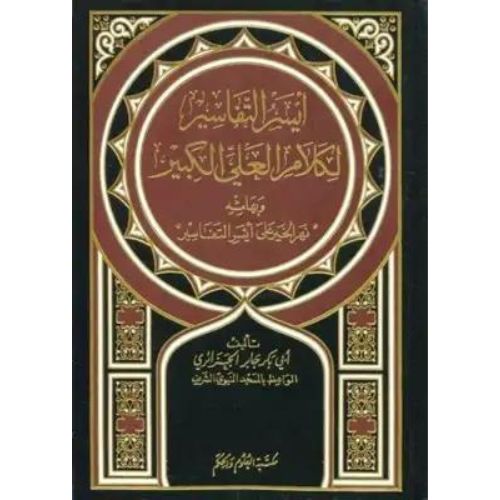
[QQ] Aiqtibasat Alkutub ‘aysar At-tafasir Likalam Alealii Alkabir (أيسر التفاسير لكلام العلي الكبير)
المؤلف كتاب أيسر التفاسير لكلام العلي الكبير – والمؤلف لـ 128 كتب أخرى.
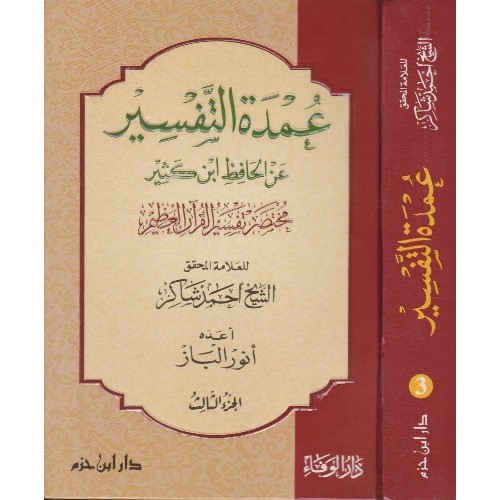
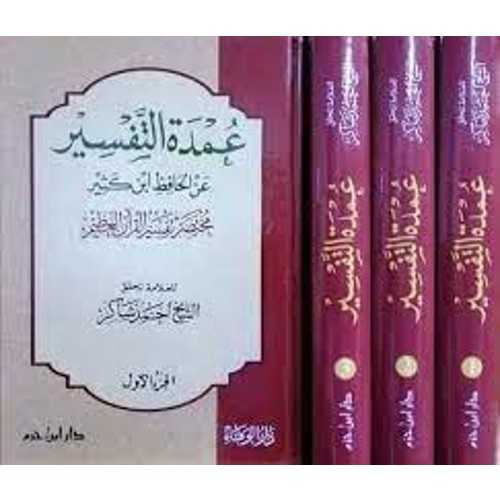
[QQ] Brief Interpretation Of Ibn Katheer (3vols) (عمدة التفسير عن الحافظ ابن كثير مختصر تفسير القران العظيم)
هذا الكتاب هو الطبعة الثانية عشرة المنقحة والمدققة والمصححة من سفر الامام ابن كثير فى تفسير القران العظيم والواقعة في ثلاث مجلدات وهو التفسير الأوسع انتشاراً والاكثر قبولا بين القراء في العالم العربي والإسلامي لسهولة تناوله على العامة والخاصة بعباراته السهلة البعيدة عن التعقيد والاقرب الى تفسير القران بالقران ، وقد اعتمد ابن كثيررحمه الله في تفسيره هذا اعتماداً كبيراً على تفسير الإمام الطبري حتى عُدّ عند بعض المدققين اختصاراً له .وتزداد اهمية وموثوقية هذه الطبعة بقيام العلامة الموسوعى المحقق الشيخ أحمد شاكر بتحقيقها والتعليق عليها ما يجعلها كتابين فى كتاب واحد … كتاب ابن كثير الاصلى وتعليقات واضافات أحمد شاكر عليه… رحم الله الرجلين رحمة واسعة ونفع بعملهما هذا الاسلام والمسلمين .. والله من وراء القصد وهو يهدى السبيل … م.ع.ح.
Related Products
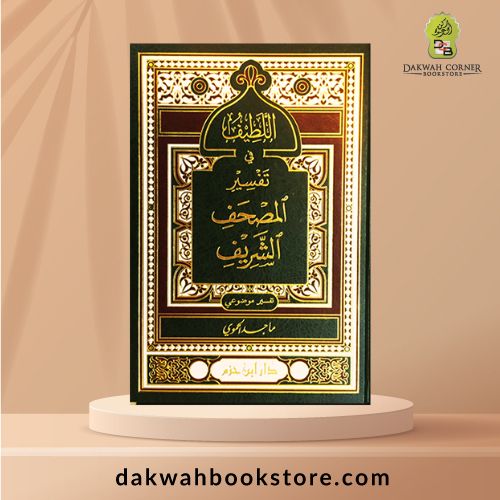
[QQ] Al Latif Fi Tafsir Al Mushaf Sharif /اللطيف في تفسير المصحف الشريف
عمد المؤلف أن يوفر تفسيراً مختصراً على ما يضطر إليه طالب العجالة لفهم المعنى . وقد جعل المؤلف هذا التفسير ممزوجاً بالقرآن مما يسهل على القارىء قراءة الشرح مع القرآن .
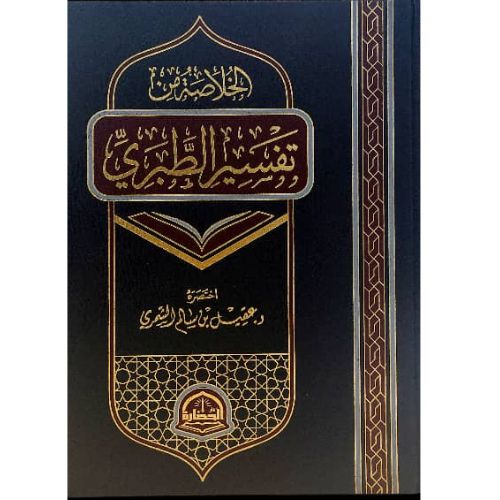
[QQ] Al Khulasat Min Tafsir Al Tabari (الخلاصة من تفسير الطبري)
الخلاصة من تفسير الطبري / مجلد كبير
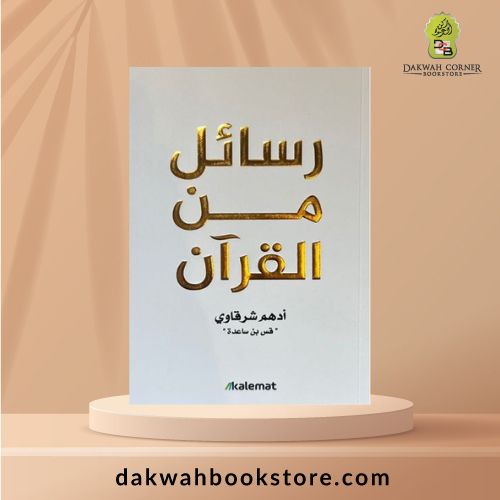
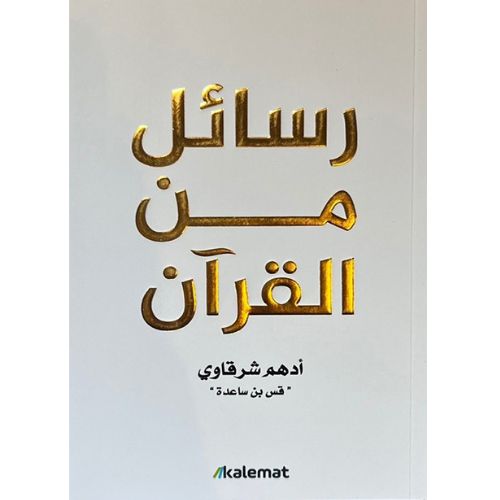
[QQ] Rasail min Al-Quran ( رسائل من القران)
نبذة عن كتاب ( رسائل من القرآن ) : من آخر إصدارات، الكاتب المتميز جدًا، أدهم شرقاوي، لقد أبدع المؤلف في هذا الكتاب الذي يتضمن أكثر من 283 صفحة.. أقل ما يقال عنه أنه راقي في معانيه بامتياز، فكيف لا يكون كذلك وكل عباراته مستخلصة من كلام الله جل وعلا.. ينادي فيها صاحب هذا الإصدار: يا الله، إنك عندما قلت لإبراهيم عليه السلام: (( وأذن في الناس بالحج)) قال لك: رب كيف أبلغ الناس وصوتي لا يصلهم !؟ ، فقلت له: عليك النداء وعلينا البلاغ !.. فبلغ صوته أرجاء الأرض !.. فيا الله: هذا الكتاب نداء عبد ضعيف القلب، ضعيف الصوت، ناداه حب لك، ورغبة فيك، فأكرمه بالبلاغ !؟؟..
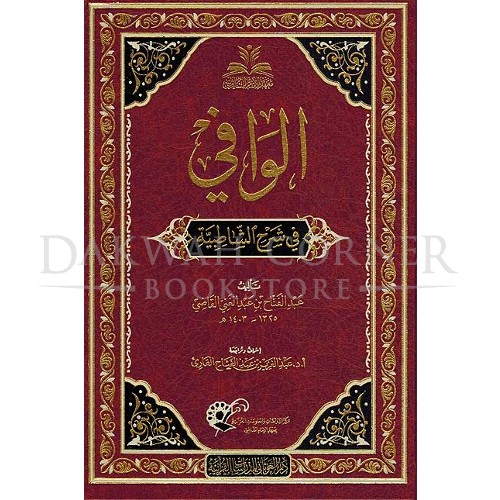
[QQ] Al-Wafi Fi Sharh Ash-Shatibiyyah (الوافي في شرح الشاطبية)
Explanation of the famous poem ash-Shatibiyyah in the science of Qira’at, in a single volume, 100% harakat.
[QQ] Tafsir At Tabari 26 Vol (تفسير الطبري)
يعد من من أشهر الكتب الإسلامية المختصة بعلم تفسير القرآن الكريم عند أهل السنة والجماعة، ويُعده البعض المرجع الأول للتفسير بالمأثور ؛ حيث يذكر الآية من القرآن، ثم يسرد أقوال الصحابة والتابعين في تفسيرها بأسانيدها، ويهتم بالقراءات المختلفة في كل آية ويرجح إحداها، ويسرد الأحاديث النبوية بأسانيدها والأحكام الفقهية واعتنى به العلماء والباحثون كثيرًا.
Recently Viewed
The Box of Manners ( New Edition)
Discover the Secret Behind Well Mannered Children
Are you sometimes embarrassed by the way your children behave in front of guests or when they’re outdoors?
Do you feel frustrated because your kids don’t always listen to you and do as you say?
Do you wish your children were more dignified, polite, or just simply behaved themselves?! After all, Muslims are renowned for their upright behaviour, right?
33 Ways of Developing Al-Khushoo`: Humility and Devotion in Prayer
Shaykh Muhammad Salih al-Munajjid’s little book is perhaps one of the most widely-circulated among Muslims today. This is because the topic touches worshippers where it hurts—we know that we often lapse into an automatic sort of prayer when we lose concentration. The Shaykh points out that this loss of concentration really stems from a lack of humility and devotion—in Arabic, khushoo‘. His aim in writing this book is to help us to get back that khushoo‘. His step-by-step approach makes it simple. He gives practical advice and uses the excellent example of the prayer of the Messenger of Allah (blessings and peace be upon him) to guide us, so that as worshippers, we can truly return to a state of humility and devotion before the Lord.
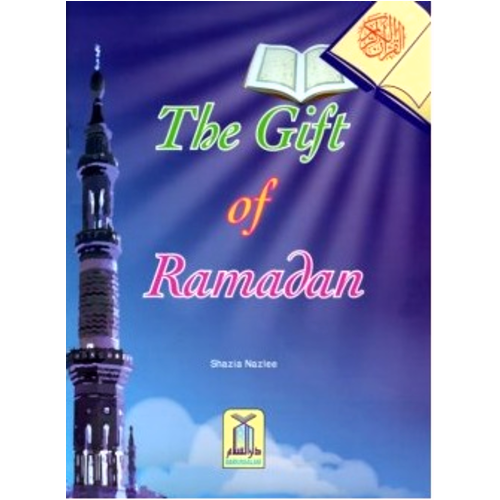
The Gift Of Ramadan
This beautiful book for children about holy month of Ramadan explains its importance and everything related to it like using colorful illustrations that are bound to attract young readers’ attention, stimulate them and amuse them. All while making them knowledgeable about the month of Ramadan. There is a 2 page activity section at the end of the book to test the knowledge gained.
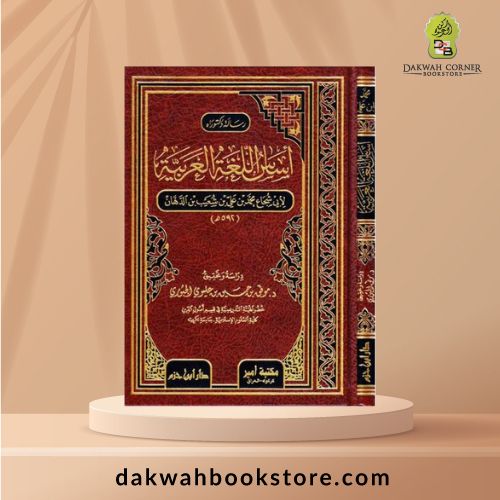
[AR] Asas al-Lughah al-Arabiyah – اساس اللغة العربية
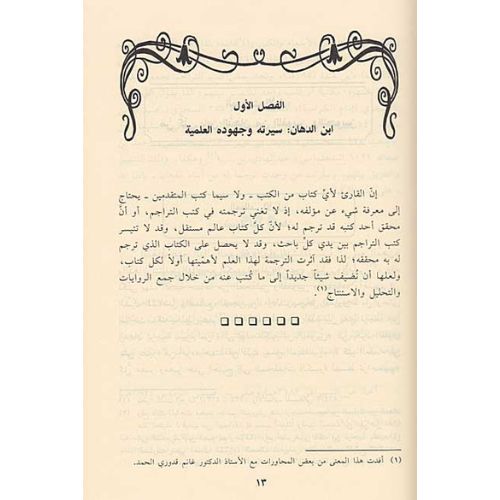
إن كتاب أساس اللغة العربية لابن الدهان من أهم الكتب التي تتحدث عن أصل اللغة العربية و جذورها . و لما كانت اللّغة العربية لغة القرآن الكريم و لغة أهل الجنة ، كان لها أهمية فريدة تحثّ على الغوص في تاريخها و جذورها . هذا الكتاب لابن الدهان رحمه الله و طيب ثراه و قام بتحقيقه الدكتور موفق حسين الجبوري .
The Relief From Distress : An Explanation to the dua of Prophet Yunus (P/B)
Shaykh al-Islam Ibn Taymiyyah, may Allah sanctify his soul, was asked about the saying of the Prophet (pbuh),
The invocation of my brother Yunus, “none has the right to be worshipped save You; glory be to You, far removed are You from any imperfection; I have been amongst the wrong-doers,” none who is experiencing difficulty employs it except that Allah would relieve him of his difficulty.
What is the meaning of this du’a (prayer, supplication)?
Are their any unstated conditions that have to be met when one articulates it?
What is the connection between belief in the heart and the meaning of this supplication such that it leads to the removal of difficulty?
Why did he explicitly confess, ‘I have been amongst the wrong-doers’ when it is known that tawhid in itself leads to the removal of difficulty?
Is it sufficient to acknowledge ones’ sin alone, or must this be accompanied by repentance and the firm resolve not to repeat that sin in the future?
Why is it that difficulty and harm is removed only when a person relinquishes any hope, reliance and dependency upon the creation?
How can the heart relinquish the characteristic of putting hope in the creation and depending on them, and instead put its hope in Allah, Exalted is He, and turn to Him in its entirety?
What are the methods that would aid the heart in doing this?
The author replies to these questions in the form of this book.
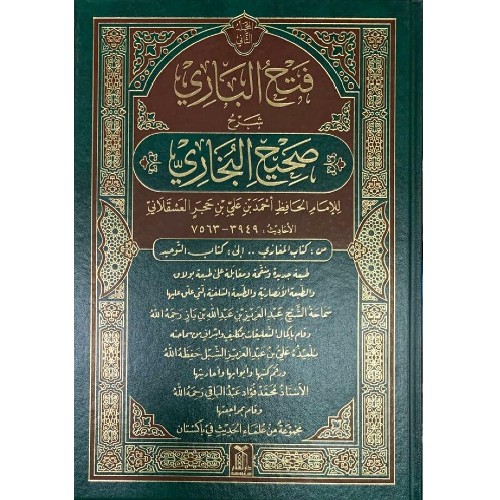
[AH] Fathul-Bari Sharah Sahi Al- Bukhari (2 vols) – فتح الباری شرح صحیح البخاری
Fathul-Bari Sharah Sahi Al- Bukhari vol 1&2
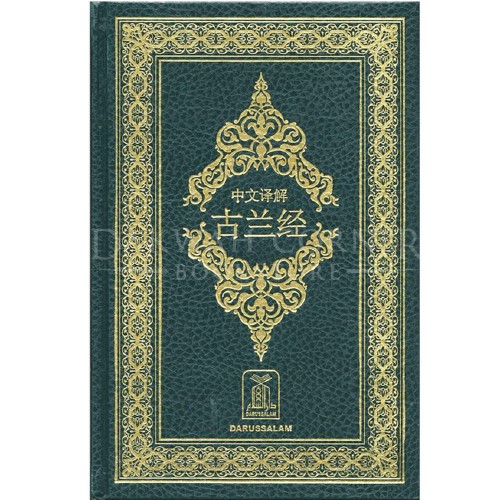
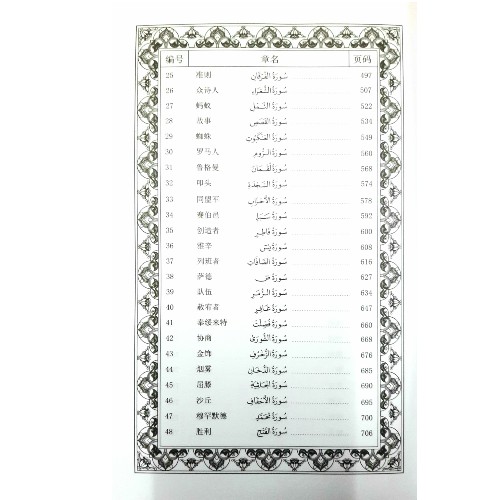
Qur’an Chinese Translation
Quran in Chinese Language (Arabic To Chinese Translation)
The Noble Quran in Chinese Language (Arabic Text with Chinese Translation and little Commentary)
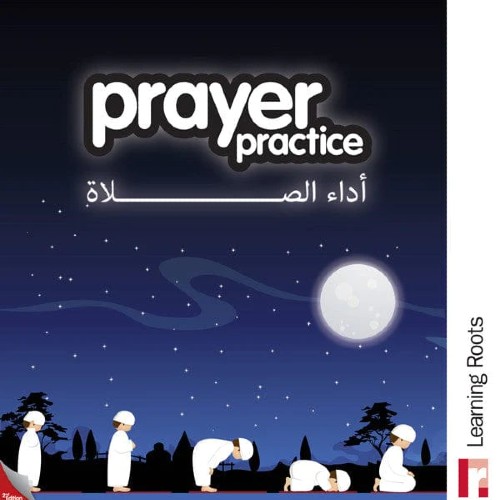
Prayer Practice by Learning Roots
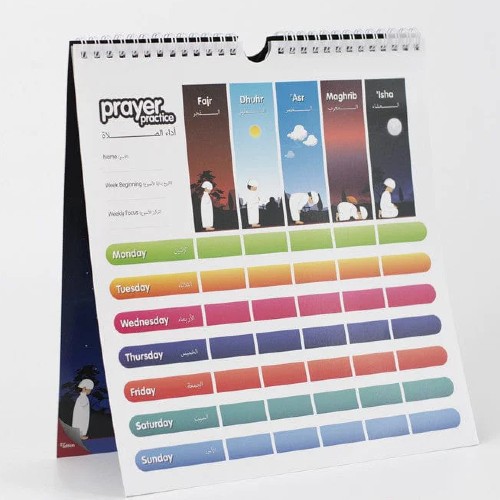
Is Your Child Not Praying Regularly?
Do you wish there was an easy way to get your child to pray the five daily Salah regularly without making them feel as though it’s a chore?
One of the key reasons why, even with the best intentions, the habit of praying is not formed in young children is because progress is not actively measured or encouraged.
What gets measured, improves. And that’s what Prayer Practice offers you. With this tracking system you can ensure that your child will enjoy praying their Salah and do so regularly. Here’s how:
The Sources of the Qur’an
“Who is the author of the Qur’an?” On this subject scholars have flagrantly contradicted each other. This work attempts to make a critical review of the major ‘authorship’ theories by pressing into service logical arguments, historical evidence, textual analysis and scientific data. Probably, the only point of agreement about the Qur’an is that it was uttered for the first time by a man who was born in Makkah (Mecca), a city of Arabia, in the sixth century—a man by the name of Muhammad (blessings and peace be upon him). As to the source of the Qur’an, scholars are divided into three main groups: those who believe that Muhammad (blessings and peace be upon him) himself was the author; those who believe that he was not the author himself but learned it from another human author or authors; and those who believe that the Qur’an has no human author but is rather a word-for-word revelation from God. Hamza Njozi examines the three theories and comes to a firm and logical conclusion.


There are no reviews yet.