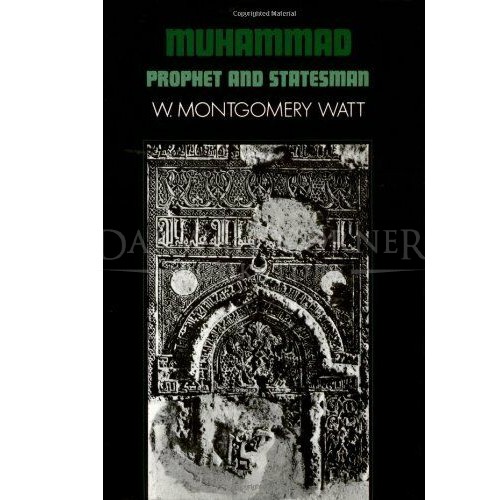
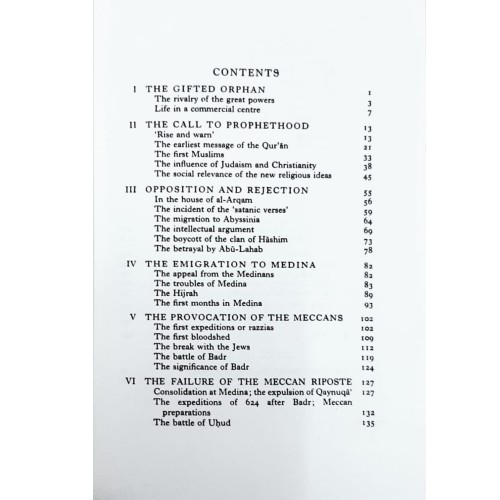
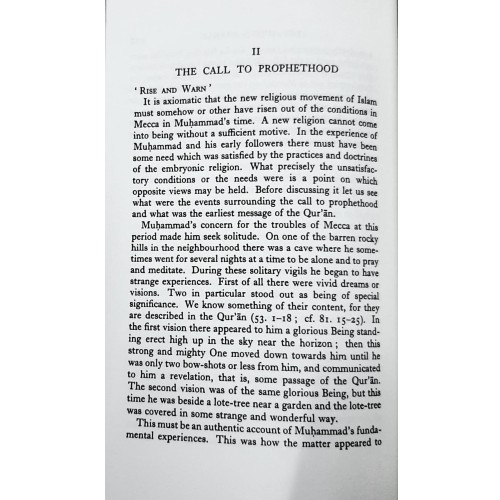
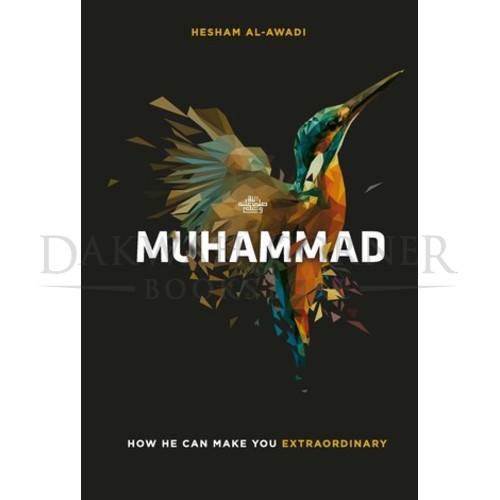
A short account of the life and achievements of one of the great figures of history, this volume also serves as an excellent introduction to one of the world’s major religions. Written with objectivity, the book opens with a background chapter on the birth and early life of the Prophet in Mecca. Dr. Watt tells of Muhammad’s struggle to make his way as an untrained orphan in the city’s commercial world, and his call to prophethood as a result of visions.
Muhammad, Prophet and Statesman (P/B)
RM115.00
A short account of the life and achievements of one of the great figures of history, this volume also serves as an excellent introduction to one of the world’s major religions.
Frequently Bought Together
| Weight | 0.45 kg |
|---|---|
| Dimensions | 20.3 × 12.5 × 1.5 cm |
| Author | |
| Binding | Paperback |
| ISBN | 9780198810780 |
| Pages | 250 |
| Publisher | OXFORD University Press |
Be the first to review “Muhammad, Prophet and Statesman (P/B)” Cancel reply
You must be logged in to post a review.
You may also like…
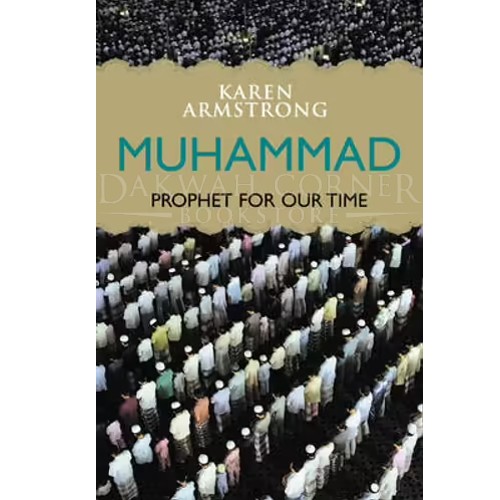
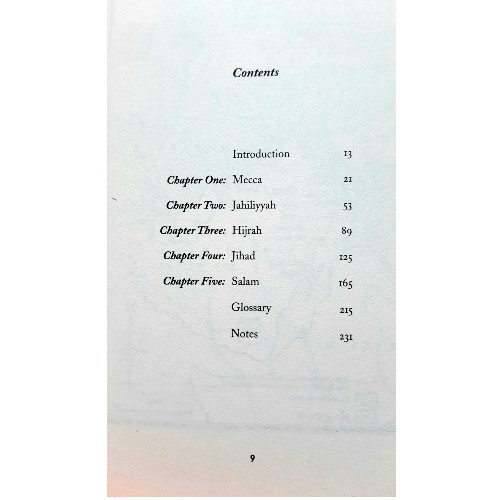
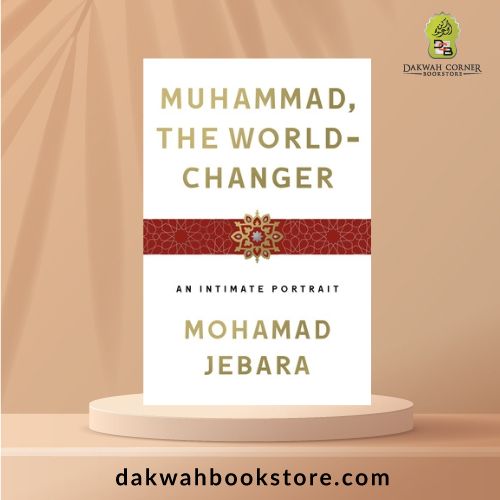
Muhammad: Prophet for Our Time (Harper Perennial)
Muhammad was born in 570 CE, and over the following sixty years built a thriving spiritual community, laying the foundations of a religion that changed the course of world history.
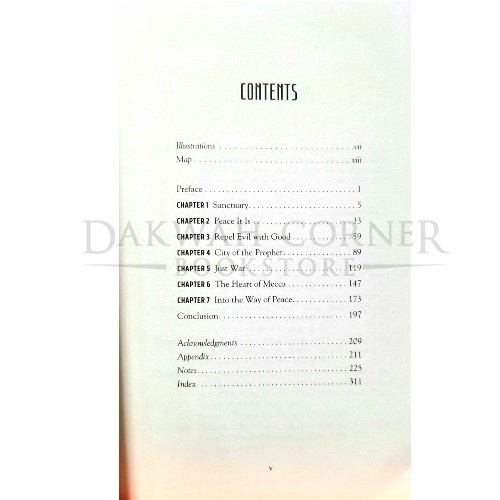
Muhammad: Prophet of Peace Amid The Clash of Empires
“In the midst of the dramatic seventh-century war between two empires, Muhammad was a spiritual seeker in search of community and sanctuary.”
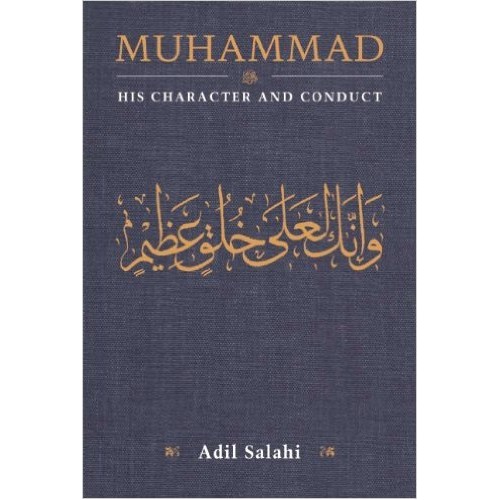
Muhammad His Character and Conduct
Seerah and Biographies
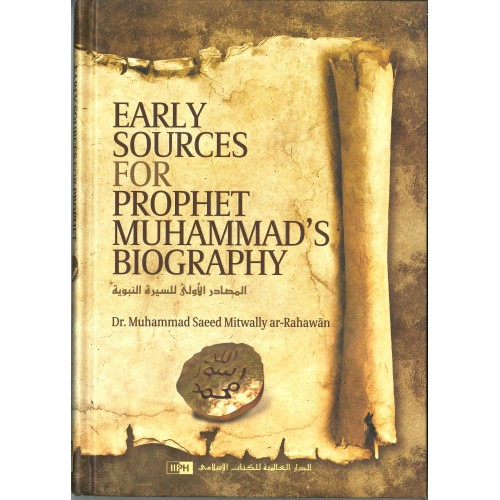
Early Sources For Prophet Muhammad’s Biography (H/B)
In ‘Early Sources for Prophet Muhammad’s Biography’, Dr. Muhammad Saeed Mitwally aims to prove that applying Western methods of critical analysis to the available Muslim sources can take us back to early, reliable information about the Prophet (sa).
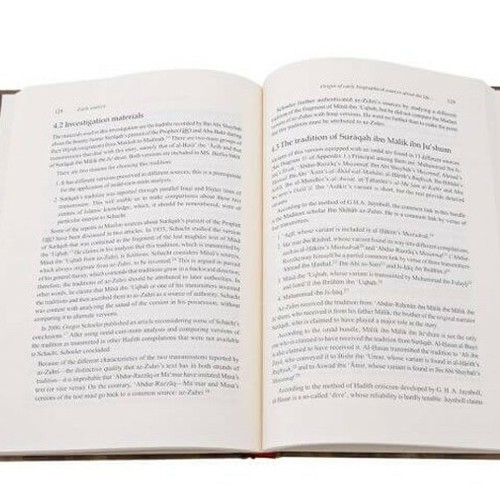
Early Western biographies of the Prophet of Islam (sa) were largely based upon the Qur’an, as well as upon the late Muslim sources dating from the sixteenth century. After the publication of Goldziher’s Muhammedanische Studien in 1890, the reliability of Muslim sources became controversial. This stance was intensified by the publication of Schacht’s The Origins of Muhammadan Jurisprudence, in which he claimed that none of the Hadith literature is authentic. In this book, Dr. Muhammad Saeed Mitwally successfully challenges some of the problems raised by the pessimistic attitude.
Students of Hadith will find this study thought-provoking and informative.
Related Products
Road Blocks (P/B)
“Whether you call yourself an activist, an Islamic worker, a community volunteer, or a caller to God, working for Islam is one of the most worthy occupations in this life. It is also a challenging path, with many roadblocks lying in wait…”
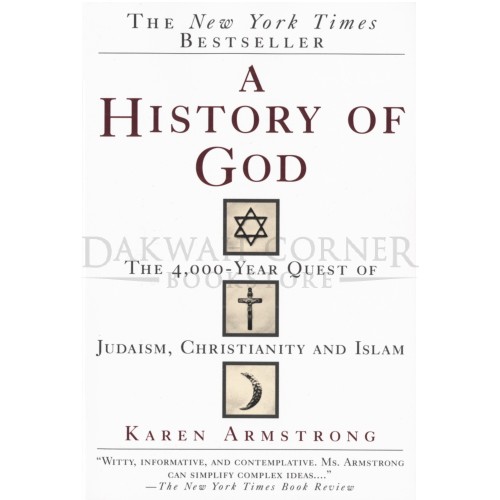
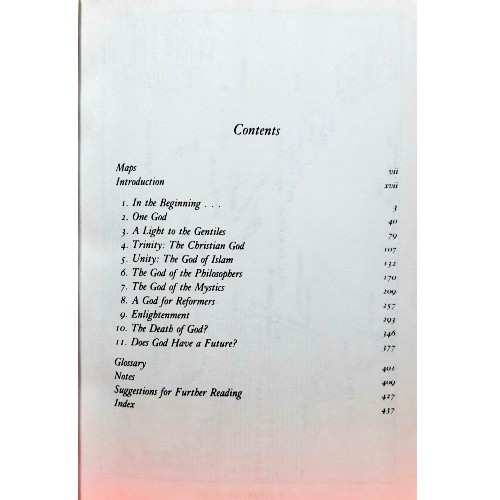
A History of God: The 4000 Year Quest of Judaism, Christianity and Islam
“The most fascinating and learned study of the biggest wild goose chase in history—the quest for God. Karen Armstrong is a genius.”
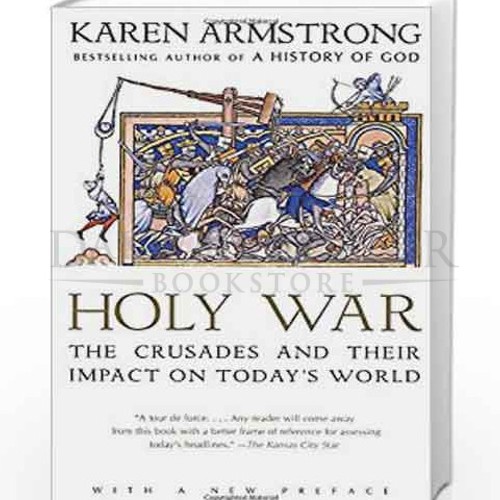
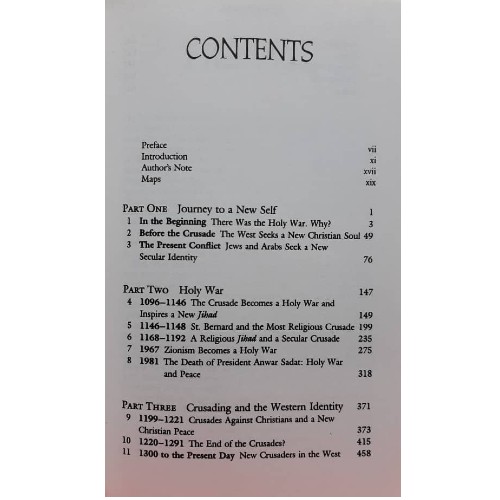
Holy War: The Crusades And Their Impact On Today’s World
Karen Armstrong, the bestselling author of A History of God, enters the minds of kings and sultans, popes, saints, assassins, and simple pilgrims, skillfully presenting the Crusades from the perspective of all three traditions and with a view toward their profound and continuing influence.
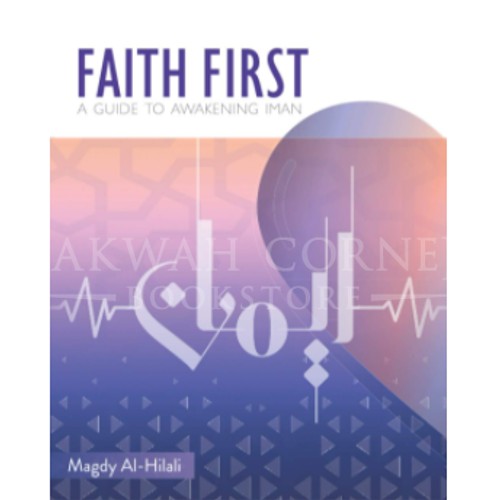
Faith First: A Guide To Awakening Iman
“Fait first is based on a simple premise: Begin with faith, and the rest will follow.”
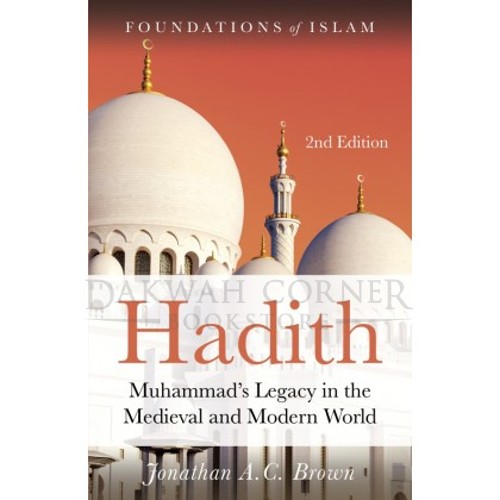
Hadith: Muhammad’s Legacy in the Medieval and Modern World (2nd Edition)
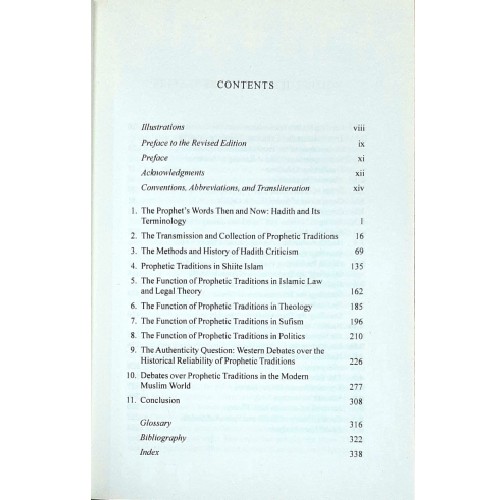
Contrary to popular opinion, the bulk of Islamic law does not come from the Quran but from hadith, first-hand reports of the Prophet Muhammad’s words and deeds, passed from generation to generation. However, with varying accounts often only committed to paper a century after the death of Muhammad, Islamic scholars, past and present, have been faced with complex questions of historical authenticity. In this wide-ranging introduction, Jonathan A. C. Brown explores the collection and criticism of hadith, and the controversy surrounding its role in modern Islam. This edition, revised and updated with additional case studies and attention to the very latest scholarship, also features a new chapter on how hadiths have been used politically, both historically and in the Arab Spring and its aftermath. Informative and accessible, it is perfectly suited to students, scholars and general readers interested in this critical element of Islam.
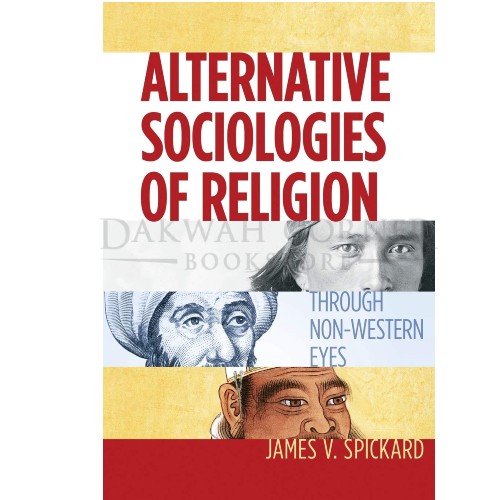
Alternative Sociologies Of Religion: Through Non-Western Eyes
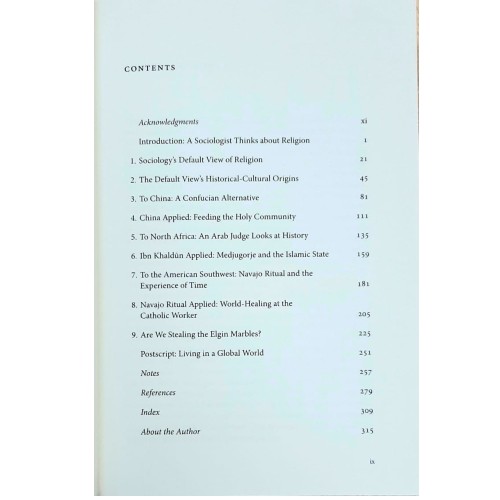
Sociology has long used Western Christianity as a model for all religious life. As a result, the field has tended to highlight aspects of religion that Christians find important, such as religious beliefs and formal organizations, while paying less attention to other elements. Rather than simply criticizing such limitations, James V. Spickard imagines what the sociology of religion would look like had it arisen in three non-Western societies. What aspects of religion would scholars see more clearly if they had been raised in Confucian China? What could they learn about religion from Ibn Khaldun, the famed 14th century Arab scholar? What would they better understand, had they been born Navajo, whose traditional religion certainly does not revolve around beliefs and organizations?
Through these thought experiments, Spickard shows how non-Western ideas understand some aspects of religions―even of Western religions―better than does standard sociology. The volume shows how non-Western frameworks can shed new light on several different dimensions of religious life, including the question of who maintains religious communities, the relationships between religion and ethnicity as sources of social ties, and the role of embodied experience in religious rituals. These approaches reveal central aspects of contemporary religions that the dominant way of doing sociology fails to notice. Each approach also provides investigators with new theoretical resources to guide them deeper into their subjects. The volume makes a compelling case for adopting a global perspective in the social sciences.
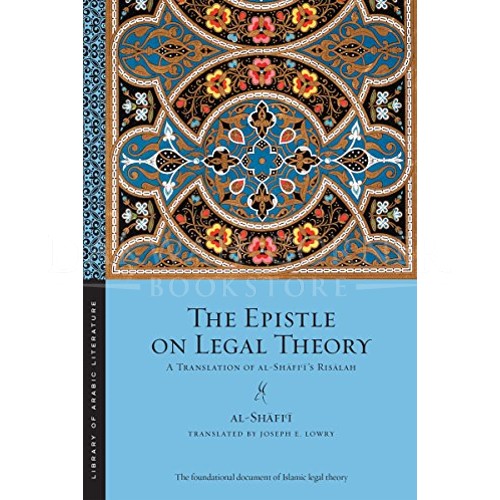
The Epistle On Legal Theory: A Translation of Al-Shafii’s Risalah
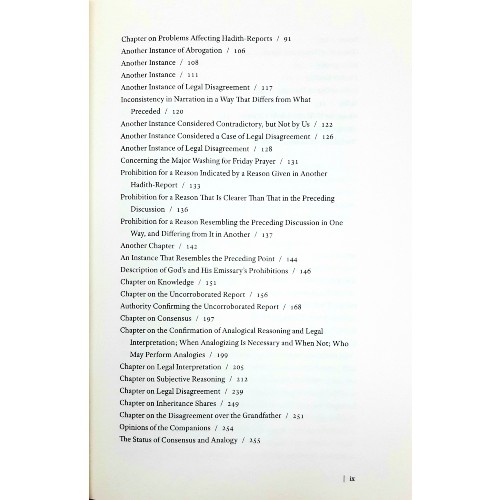
The Epistle on Legal Theory is the oldest surviving Arabic work on Islamic legal theory and the foundational document of Islamic jurisprudence. Its author, Muhammad ibn Idris al-Shafi’i (d. 204/820), was the eponym of the Shafi’i school of legal thought, one of the four rites in Sunni Islam. This fascinating work offers the first systematic treatment in Arabic of key issues in Islamic legal thought. These include a survey of the importance of Arabic as the language of revelation, principles of textual interpretation to be applied to the Qur’an and prophetic Traditions, techniques for harmonizing apparently contradictory precedents, legal epistemology, rules of inference, and discussions of when legal interpretation is required. The author illustrates his theoretical claims with numerous examples drawn from nearly all areas of Islamic law, including ritual law, commercial law, tort law, and criminal law. The text thus provides an important window into both Islamic law and legal thought in particular and early Islamic intellectual history in general .
This new translation by a leading scholar of al-Shafi’i and his thought makes available in lucid, modern English one of the earliest complete works on Islamic law—one that is centrally important for the formation of Islamic legal thought and the Islamic legal tradition.
Transformed by Worship: The Tarbiya Effects of Ritual Worship In Islam
Worship is an act of submission and glorification of God. In His wisdom and mercy, God designed worship to be a dynamic force in human life. We discover in the rituals of worship—purification, prayer, zakah, fasting and Hajj—elements that empower our holistic development and reform our communities. Through worship, we are transformed. Transformed by Worship lays out the textual evidence and scholarship around Islam’s essential acts of worship, extracting the impact on our individual and collective lives. This study explores worship through four lenses in turn: the soul, character, mind and body. Readers will learn how to restore vibrancy to their worship while developing a deeper appreciation for the routines and rulings of Islam. This work is translated from the original Arabic volume Al-Athar Al-Tarbawiyah lil-Ibadat fil-Islam.
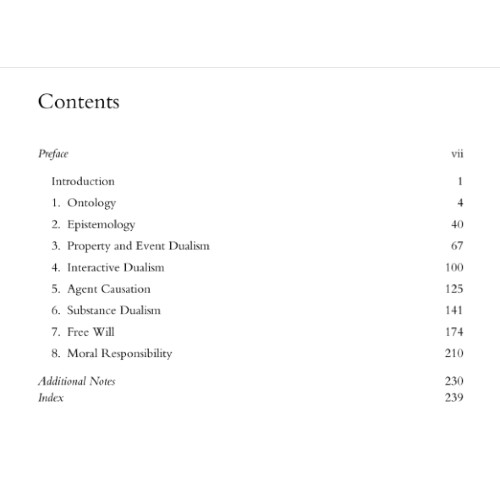
Mind, Brain, & Free Will (P/B)
Mind, Brain, and Free Will presents a powerful new case for substance dualism (the idea that humans consist of two parts–body and soul) and for libertarian free will (that humans have some freedom to choose between alternatives, independently of the causes which influence them). Richard
Recently Viewed
Hajj & Umrah And Visitors (H/B)
Rites and Selected Etiquettes for those intending to Perfom Hajj & Umrah and Visitors In this book the author calls attention to the most important things that those who intend to perform Hajj, Umrah or Visiting the Prophets Mosque in Medinah must have as provisions. The author has made his work brief and arranged its topics according to their priorities. the author mentions a considerable number of sayings of the people of knowledge and calling the attention of the reader to some important matters.
2IN1 Combo P02
1. Man Made Laws Vs. Shari‘ah (384 pages)
2. Traversing the Highs and Lows of Muslim Marriage (195 pages)
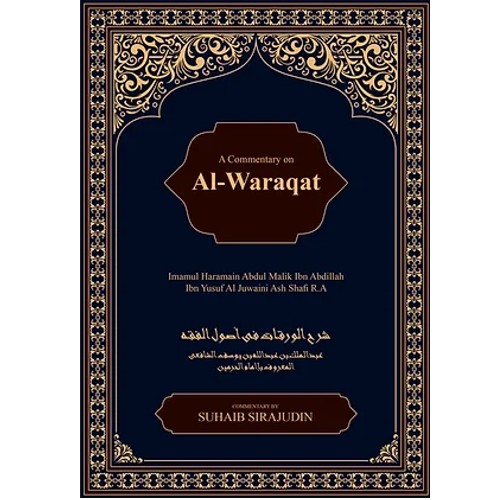
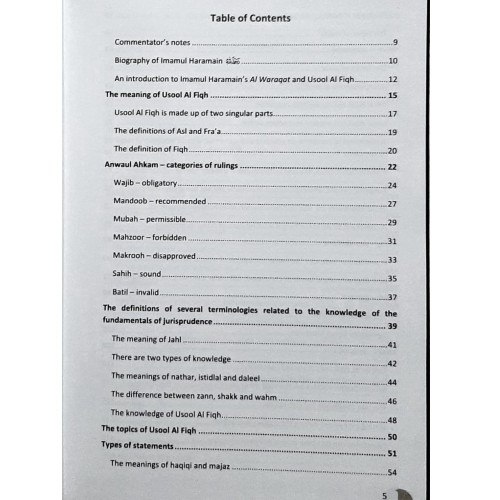
A Commentary On Al-Waraqat
This is a commentary on the book of Imamul Haramin Abul Ma’ali AlJuwaini’s Al-Waraqat. It is a text on the subject of Usul al-fiqh.
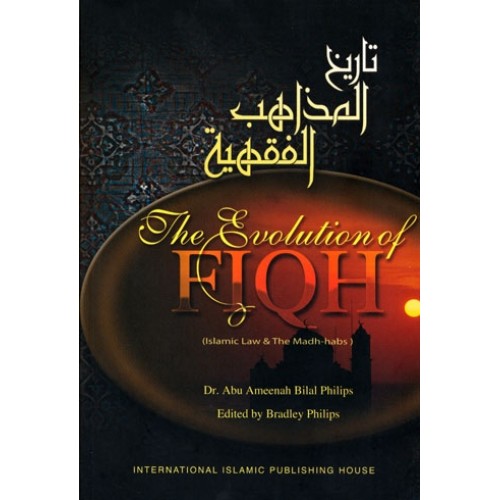
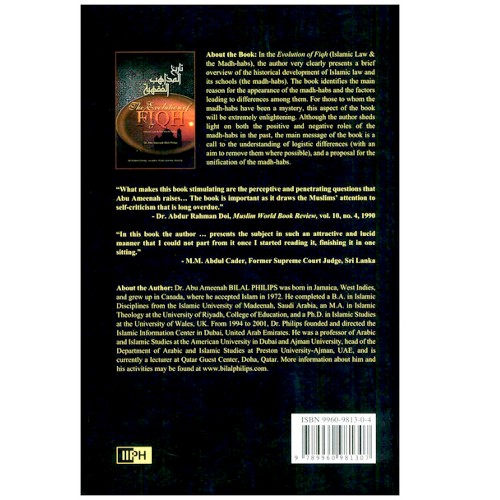
The Evolution of Fiqh (H/B)
In The Evolution of Fiqh: Islamic Law & the Madh-habs, Dr. Bilal Philips presents a brief overview of the historical development of Islamic law and its schools of jurisprudence (the madh-habs). This authentic Islamic book on fiqh identifies the main reason for the appearance of the madh-habs and the factors leading to differences among them, with a call to understanding juristic differences and removing them where possible.
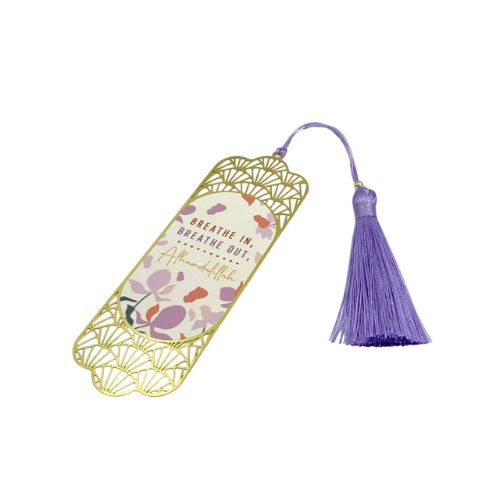
Dua Gifts Bookmark
Material: Enamel, Brass with Gold Finishing
Material: Dua Gifts Metal Bookmark
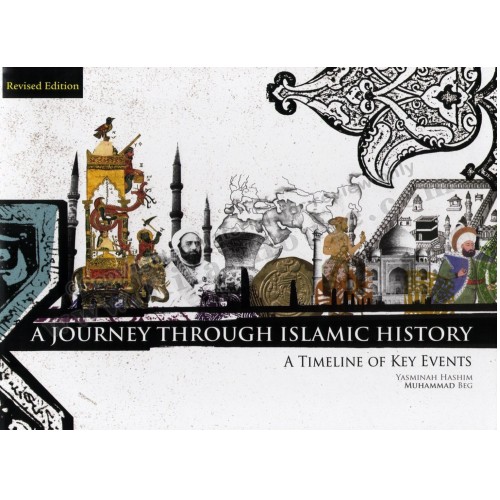
A Journey Through Islamic History (H/B)
A Journey Through Islamic History tells you all you ever wanted to know about the history of the Muslim world from the Prophet Muhammad to the Arab Spring in a short, accessible and lavishly-illustrated format. Suitable for students of all ages. Includes eight chronological essays covering 1500 years of history, with over 175 photographs and illustrations. A comprehensive timeline with over 500 entries, text boxes featuring important personalities, key events and major ideas, as well as several maps.
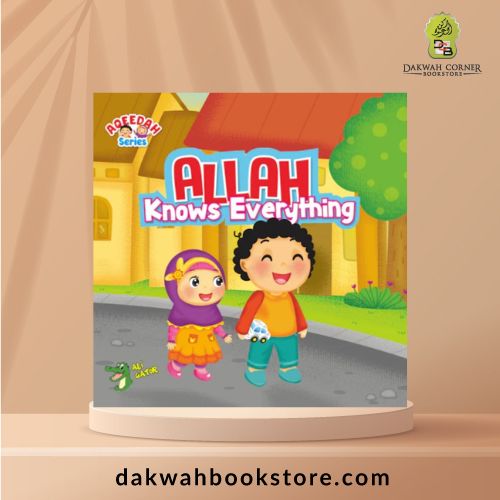
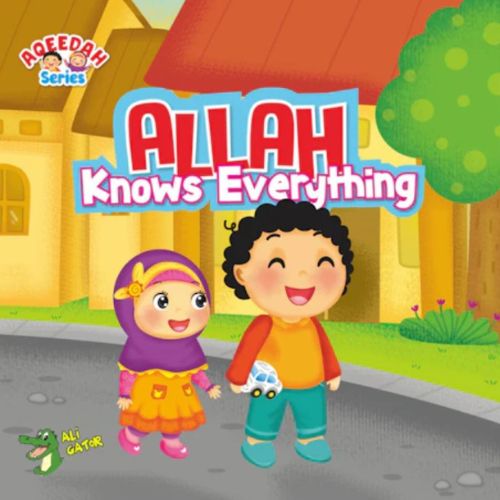
Allah Knows Everything – Aqeedah Series
Brand new Children’s Book Series – Aqeedah Series.
“Whose toy car is that?” asked Mahmoud’s mother. Mahmoud was scared to answer his mother as he thought no one saw him take his friends toy car from the park.
But very quickly Mahmoud learns that Allah knows everything and sees everything we do.
Prayers for Muslim Children (P/B)
Full colour booklet of prayers for Muslim children. Includes English, Arabic, plus English transliteration for pronunciation. All the glorifications and praises are for ALLAH alone, and His countless Blessings be upon the last Prophet, Muhammad صلی الله علیه وآلهِ وسلم. To bring up a child under the blessings of ALLAH, it is necessary that from an early age we should introduce them to the ways of invoking our Lord, the Magnificent, the Beneficent.
All of the invocations, praises and mentioning of ALLAH presented in this book are related from the Sahih Ahadith of our beloved Prophet Muhammad صلی الله علیه وآلهِ وسلم. May ALLAH fulfil our wishes and make our efforts successful in this regard. Amin.
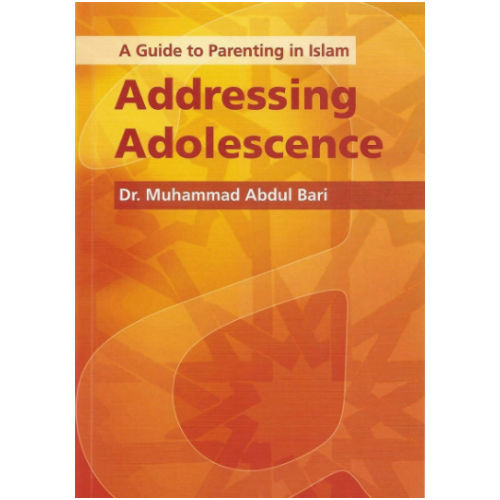
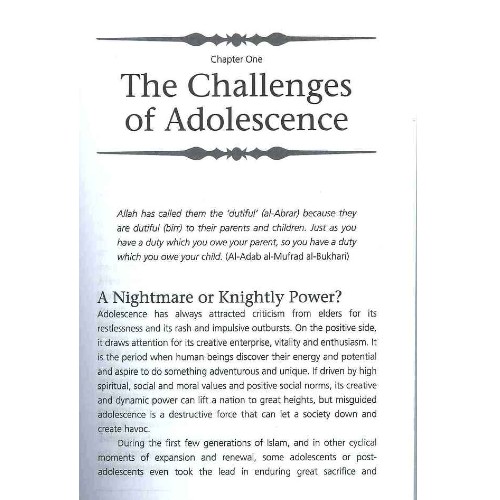
A Guide to Parenting in Islam: Addressing Adolescence
| Addressing Adolescence is a parent-to-parent handbook outlining how to tackle the challenges of parenting adolescents within an Islamic ethos in a pluralist society.
It covers: |
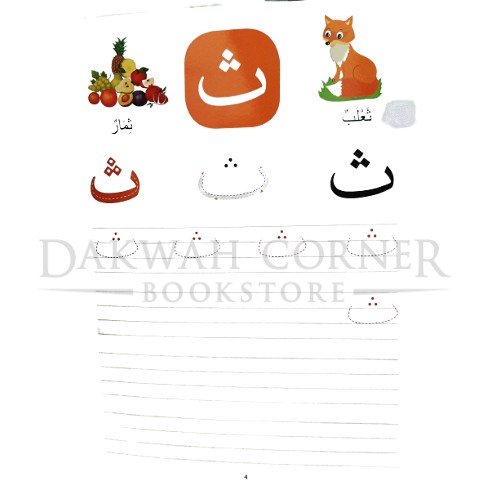
Wipe-Clean Arabic Alphabet P/B
Wipe and Clean Arabic Alphabet introduces children to Arabic alphabet in a very clear, fun and engaging manner. Wipe and clean book is a perfect way to build your child’s early Arabic alphabet recognition and writing skills. Your little one will love discovering Arabic letters and write and wipe them again and again until they feel confident to write them alone.


There are no reviews yet.