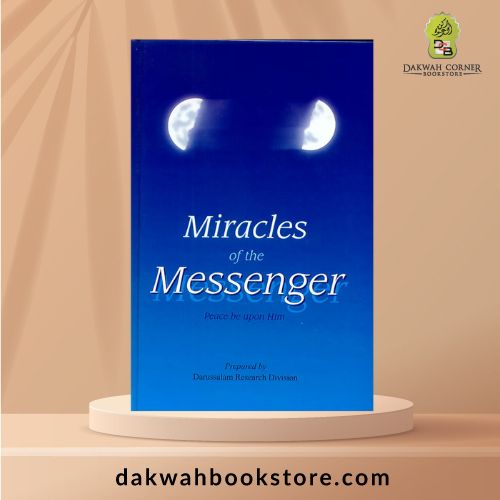
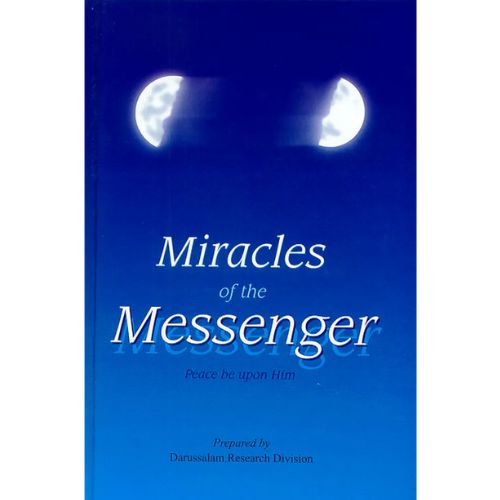
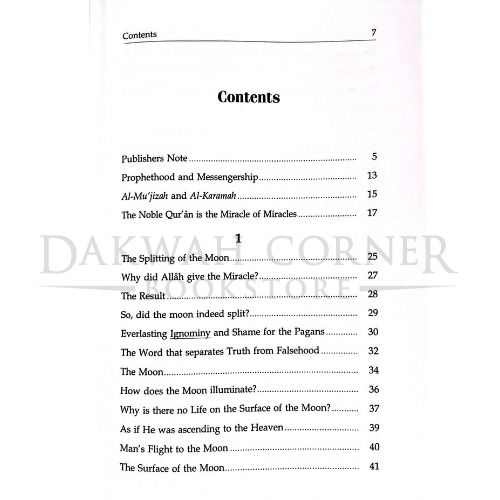
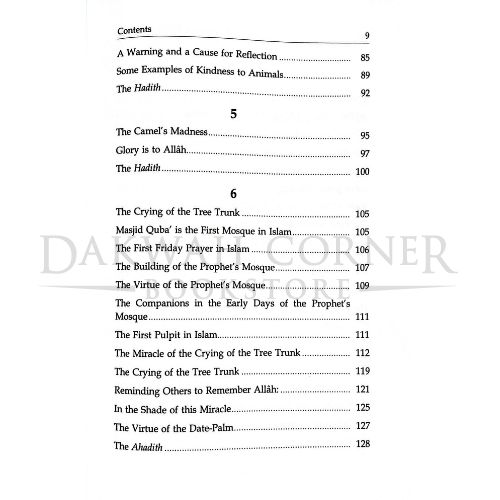
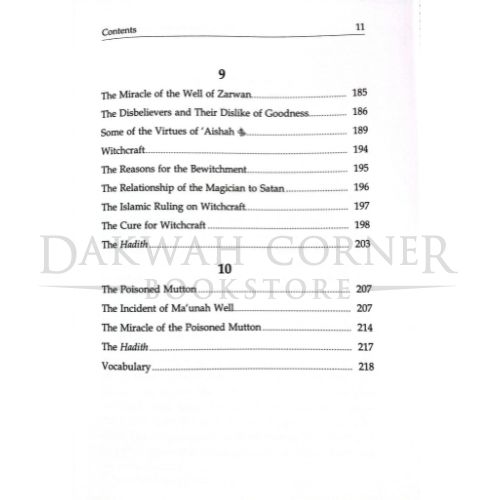
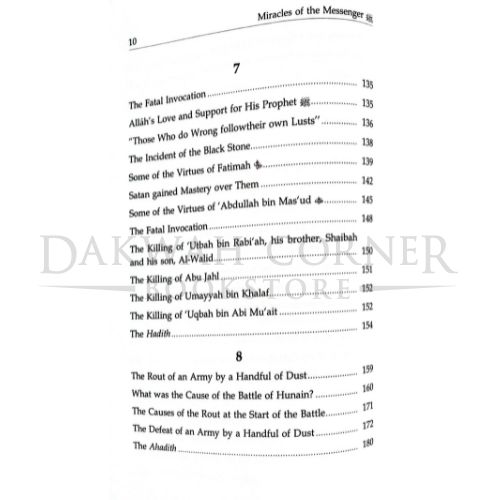
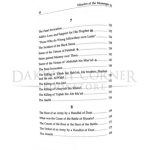
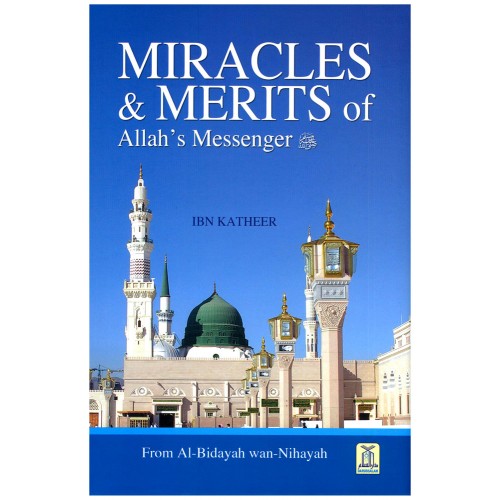
Allah supported his Messengers with miracles to help them in times of distress, to prove the truth of the messages that they were sent with, and to prevent liars and false claimers of Prophethood.
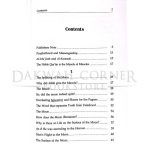
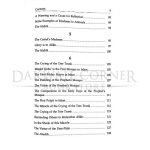
Although the main Miracle given to our Prophet [Islamic phrases=”Shallallahu ‘alaihi wa Sallam”]H[/Islamic] was the Noble Qur’an, but Allah supported him with many other Miracles also. Out of these many Miracles, we are presenting a few of them in this book.
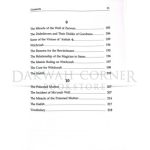
From this book we have started a new feature of providing the meanings of the difficult words. The underlined words are those which have their meanings in the vocabulary given at the end.
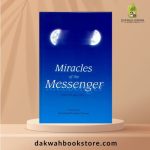
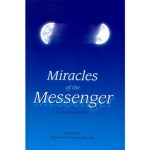
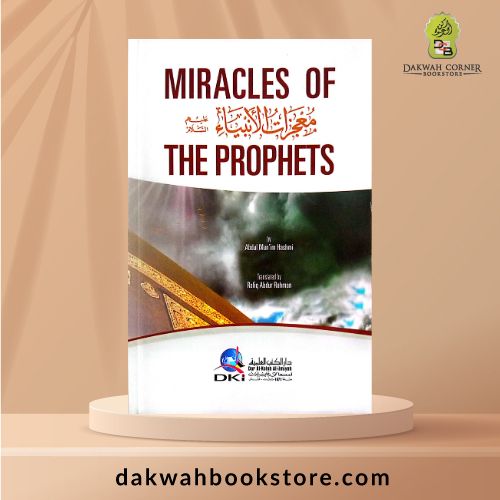
Miracles Of The Messenger (H/B) – Darussalam
RM50.00
Darussalam is pleased to present this book to Muslim youth. The purpose of this book is to enlighten our youth about the Miracles of the Prophet [Islamic phrases=”Shallallahu ‘alaihi wa Sallam”]H[/Islamic].
Frequently Bought Together
| Weight | 0.450 kg |
|---|---|
| Dimensions | 21 × 14 × 1 cm |
| Author | |
| Binding | Hardcover |
| ISBN | 9789960897561 |
| Pages | 239 |
| Year of publication | 2003 |
| Publisher | Darussalam |
Be the first to review “Miracles Of The Messenger (H/B) – Darussalam” Cancel reply
You must be logged in to post a review.
Related Products
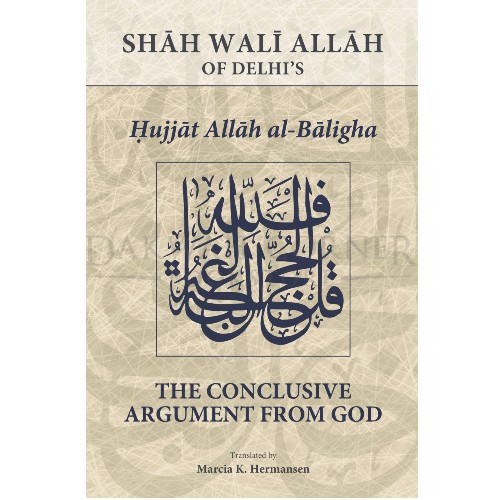
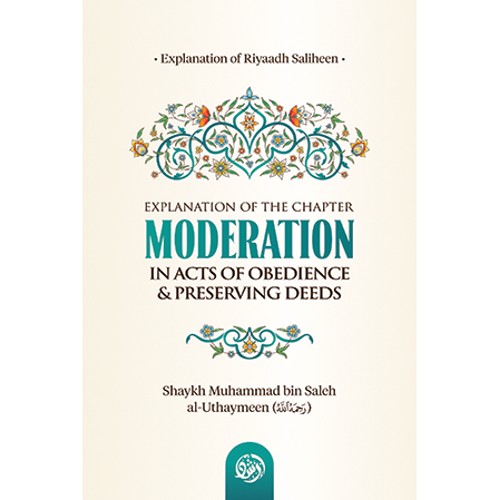
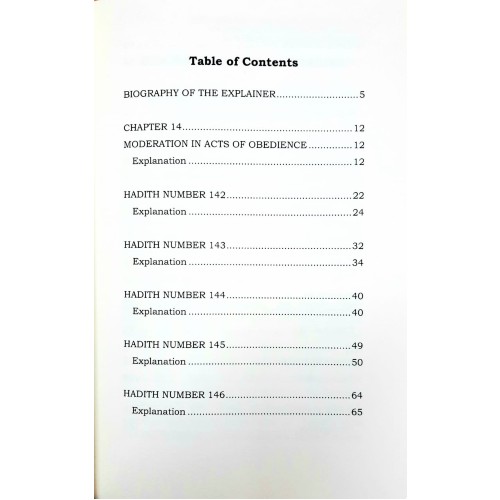
Explanation of the Chapter: Moderation In Acts Of Obedience
Moderation is that one maintains a middle course between extremism and negligence, because it is required from the person in all his circumstances to take a middle course between extremism and neglect. Allaah, the Most High, says, “And those, who, when they spend, are neither extravagant nor niggardly, but hold a medium (way) between those (extremes).” In this manner, the person should or rather must act moderately in acts of obedience. So you should not burden yourself with what you cannot bear because when the Prophet (sallallahu alayhi wa sallam) heard about the three individuals, one of whom said, “Indeed, I will not wed women,” and the second said, “I will observe fasting and never break it,” and the third said, “I will stand up in prayer at night and will not sleep”; he (alayhi salātu wa salaam) delivered a speech in which he said, “What is the matter with those who say such and such, indeed I pray at night and sleep, I observe fasting and break it, and I wed women? For whoever turns away from my Sunnah is not from me.”
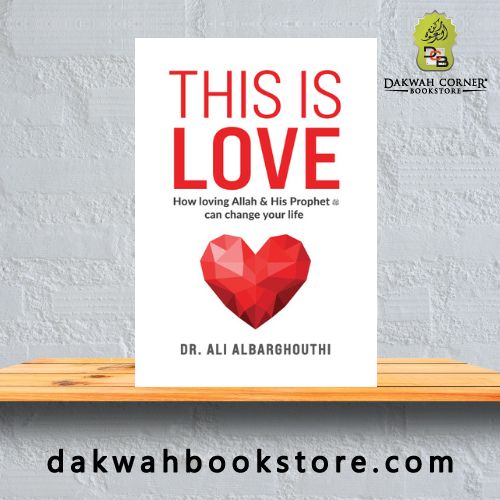
This is Love [3rd Edition]
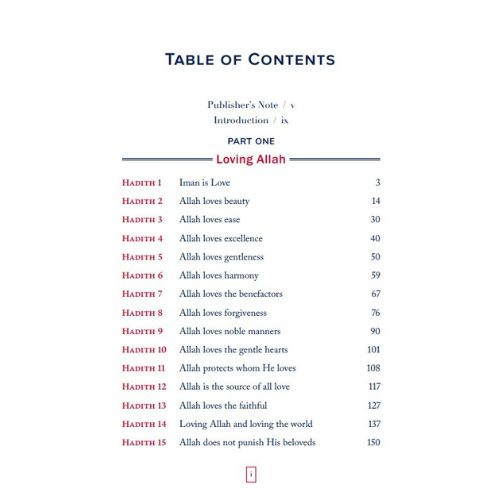
This book presents the Islamic message of love through forty hadiths on loving Allah, His Prophet, and His creation. It explains the indispensability of divine love in human existence, the centrality of love in Islam, and the means to attain and spread love on earth.
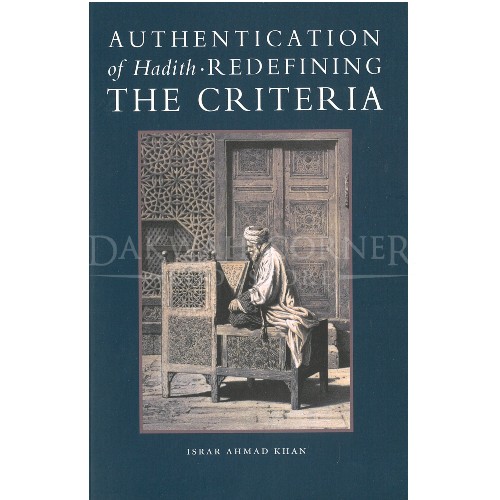
Authentication of Hadith: Redefining the Criteria (IIIT)
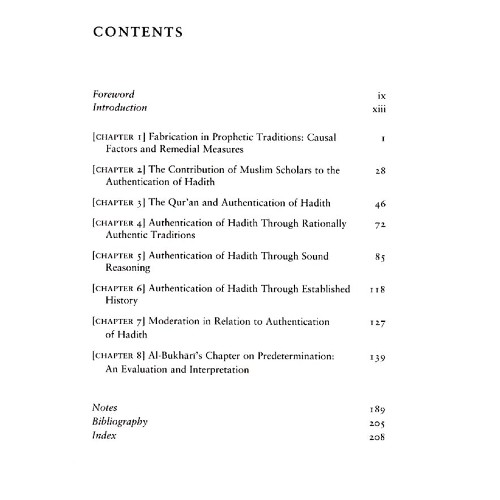
In today’s complex and volatile world the consequences of relying on fraudulent and counterfeit Hadith to legitimise extremist behaviour, issue violent fatwas, and justify blatant abuse, particularly of women, is not only far too easy but in fact dangerous. Israr Khan addresses the sensitive topic of Hadith authentication, focusing on the criteria adopted by classical scholars to maintain that concentration on the continuity and accuracy of the chain of narrators, rather than the textual content of Hadith, has led to particular Hadith being included which either contradict other Hadith directly, project the Prophet (SAAS) in an uncharacteristic light, or do not reflect and/or conflict with the teachings of the Qur an. The study traces in careful detail the historical development of the oral and written traditions, as well as the many targeted attempts at fabrication that took place, critiquing in methodical detail certain Hadith which have come to be widely accepted as authentic. The prominent collections we have today, were made possible by the development of the science of Hadith criticism, and Muslim scholars deserve deep appreciation for their painstaking work, as well as their invaluable contribution towards preserving the Hadith literature to the best of their ability. However, insists the author, the process is ongoing, and the closed door policy which currently surrounds Hadith authentication needs to be carefully reexamined.
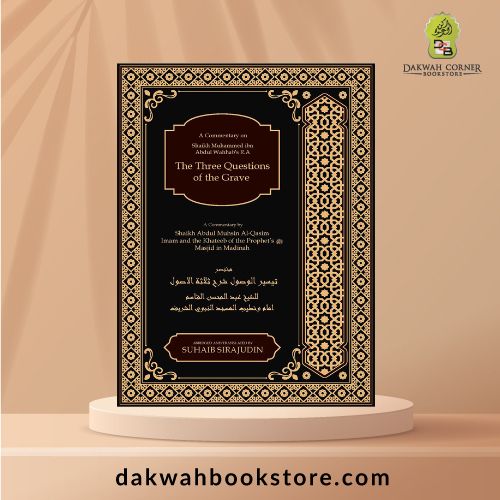
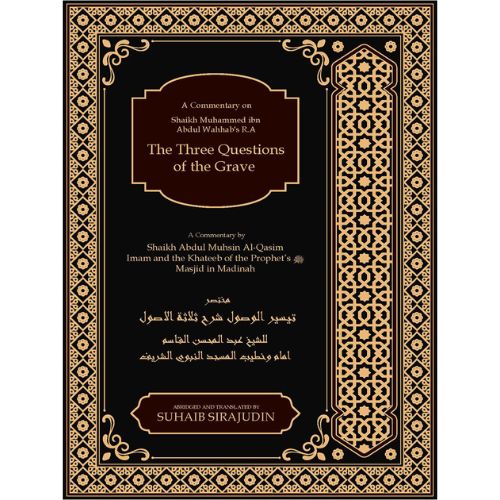
A Commentary on The Three Questions of the Grave
This is a summarised translation of Shaikh Abdul Muhsin Al Qasim’s (The Imam and the Khateeb of the Prophet’s Masjid in Madinah) book titled ‘Tayseerul Wusool’ which is a commentary on the book of Shaikh Muhammed ibn Abdul Wahhab’s Thalathatul Usool (The Three Questions of the Grave). It is a commentary on the three questions of the grave which every human being will be asked in his grave.
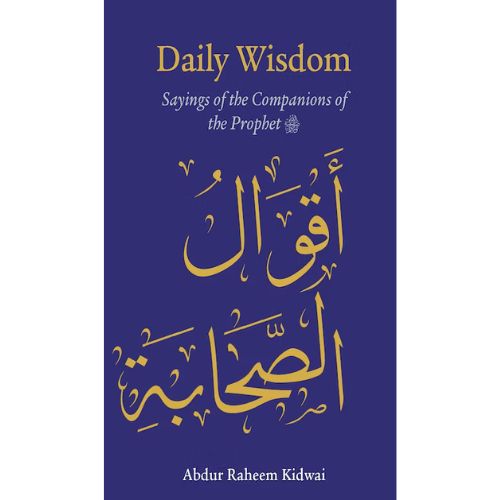
Daily Wisdom : Sayings of the Companions of the Prophet ﷺ
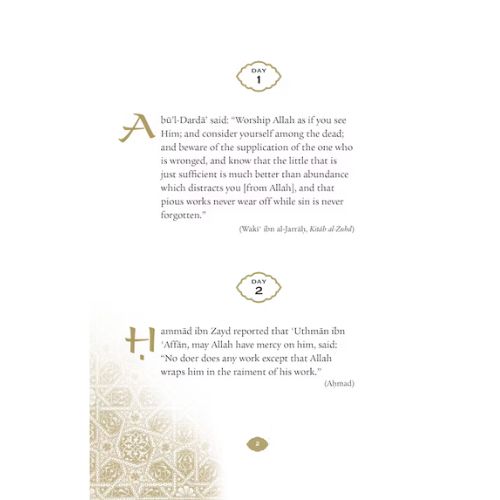
Sayings of the Companions of the Prophet ﷺ is a selection of 365 profound and pithy observations made by the Prophet’s illustrious Companions. The sayings supplement and complement the life-giving message of the Qur’an and Sunnah that these Companions experienced first-hand by being in close companionship with the Prophet.
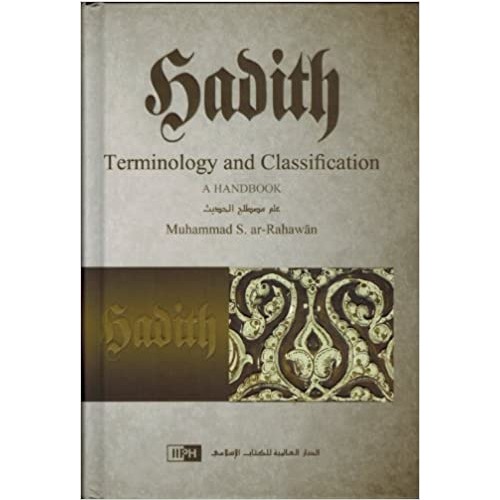
Hadith Terminology and Classification (H/B)
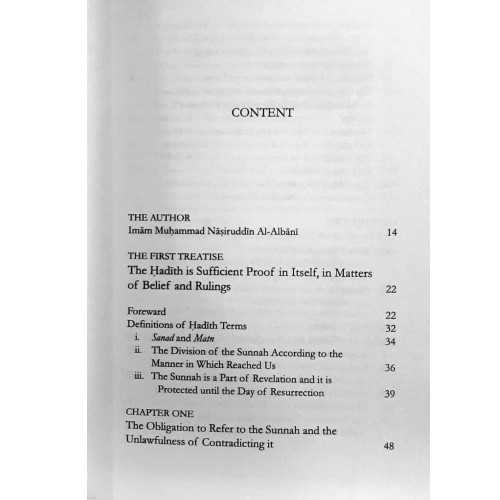
Islam is a complete way of life that enlightens through the Qur’an and the Sunnah, the true path of guidance and success in this world and the hereafter. However, one must accurately comprehend what has been ordained through the Sunnah and identify the authentic hadiths of the Prophet (blessings and peace be upon him). To do that, it is imperative to understand the rules that govern the classification and definitions of hadith methodology and criticism.
Reviving 354 Prophetic Sunnahs: A Practical Guide by Dr. Ragheb Elsergany
Prophet Muhammad (peace be upon him) predicted that a time would come when people would deliberately leave the Sunnah, and rely only on the Noble Quran. Both this authentic hadith and many verses of the Quran make it clear that to do so is delusional and misguided.
Usool Al-Hadeeth (H/B)
Dr. Bilal Philips writes: “The Prophet’s sayings and actions were primarily based on revelation from Allah and, as such, must be considered a fundamental source of guidance second only to the Qur’an.” According to Dr. Philips, the Hadith, the record of these sayings and actions, plays a vital role in that it transmits revelation, tafseer (exegesis of the Qur’an), Islamic law, and the Islamic moral ideal. For instance, the Prophet’s “…character and social interactions became prime examples of moral conduct for Muslims. Consequently, the daily life of the Prophet (blessings and peace of Allah be upon him) as recorded in the hadith represents an ideal code of conduct. It is largely due to the science of hadith that the final message of Islam has been preserved in its original purity for all times.” In Usool al-Hadeeth, the reader will embark on a course of study that will, Allah willing, enable him or her to make critical and intelligent use of the body of Hadith literature in his or her daily life.
A Commentary On Nuzhatun Nazar Fi Tawheedi Nukhbatil Fikr ( 2 Vols)
About Hafiz Ibn Hajar Asqalani Imam Ahmad ibn Ali al-Asqalani (d. 852/1448); famously known as Ibn Hajar after one of his ancestors is arguably the best hadith scholar of the Mamluk period. The Dhahabi of his time and the amir al-muminin of the hadith scholars. Imam Suyuti says that he drank from the well of zamzam and prayed to Allah to give him more knowledge than Shams ad-Din adh-Dhahabi. He is the author of over 300 books some going into lengthy volumes. He died on Friday 28 Dhi al-Hijja 852 hijri and was buried in al-Qarrafa; Cairo; now famously known as the City of the Dead (madinat al-mawta)
Recently Viewed
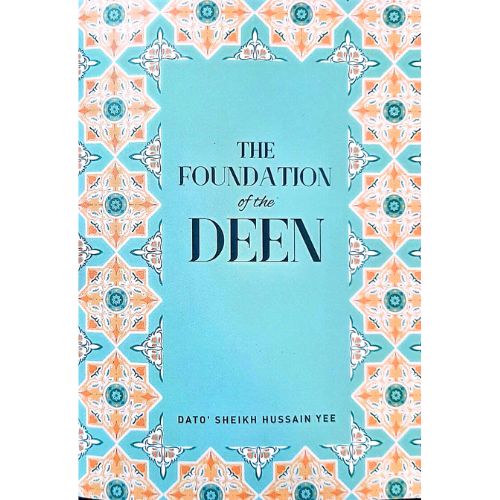
The Foundation of The Deen (Pocketsize)
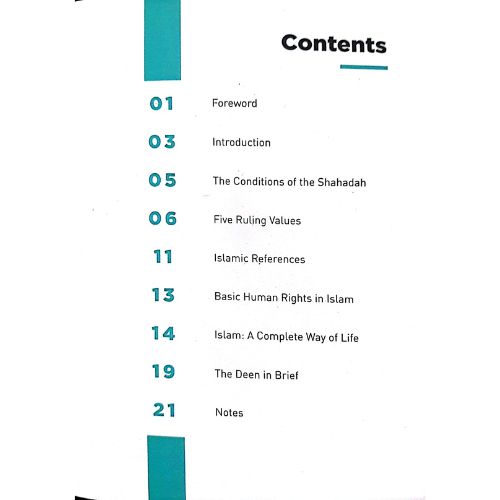
Introduction
The Arabic word ‘Islam’ means ‘submission’, and is derived from the word meaning ‘peace’. In a religious context, Islam means complete submission to the will of Allah.
As such, Islam is not just a religion, but a “deen”, meaning “the way of life”. It addresses all aspects of a person’s life – from cradle to grave – with a complete guidance that touches upon both material as well as spiritual needs. The completeness of
Islam is emphasised in the following Qur’anic verse, meaning: “… This day I have perfected your religion for you, completed My blessing on you and approved Islam as the way of life for you”. (Surah Al-Maidah, 5: 3)
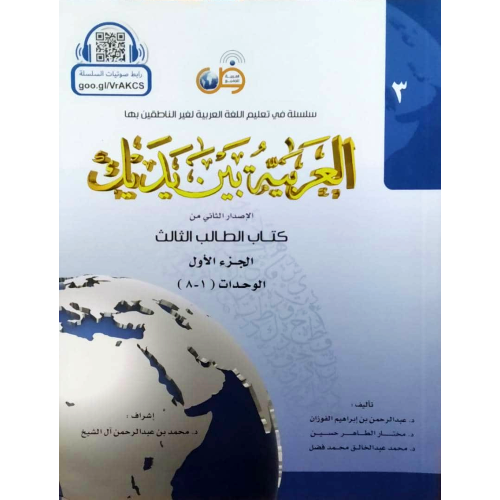
[AR] Al-Arabiyyah Bayna Yadayk Book 3 Part 1
Al-’Arabiyyah bayna yadayk Means Arabic in Your Hands.
The great thing about these books is it covers a lot of vocabulary through pictures, Images, and using Arabic Only, introduces the students to grammar later and gradually rather than pushing them at the deep end before they can swim. Much like the Arabic Course for English Speaking Students 3 Vols Set, UKIA, it is more Islamic inclined and fulfills the desire for the student of knowledge to learn the language of the Qur’an.
The third level (part 1 and 2) comprises 5 tests as follows:
- 1. Level determining test at the beginning of the first book to determining the student’s level and his ability to begin the third level.
- 2. Small test in the middle of the first book.
- 3. Midlevel test at the end of the first book.
- 3. Small test in the middle of the second book.
- 4. Final comprehensive test at the end of the second book.
At the end of the third level, there are lists of vocabulary used n each unit and another list of all the vocabularies of the level arranged alphabetically. It also includes comprehension texts for all text and some exercises used in this level.
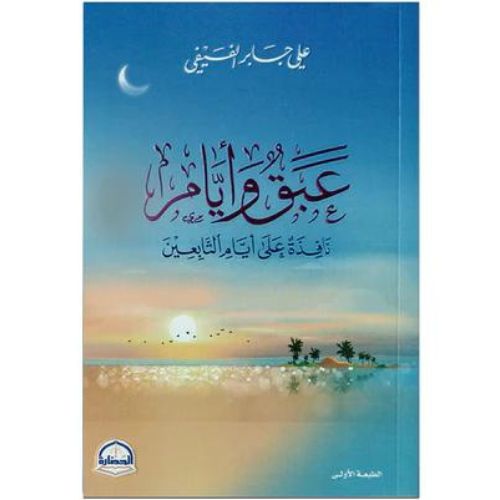
[MM] Abaq Wa Ayyam ( عبق وأيام)
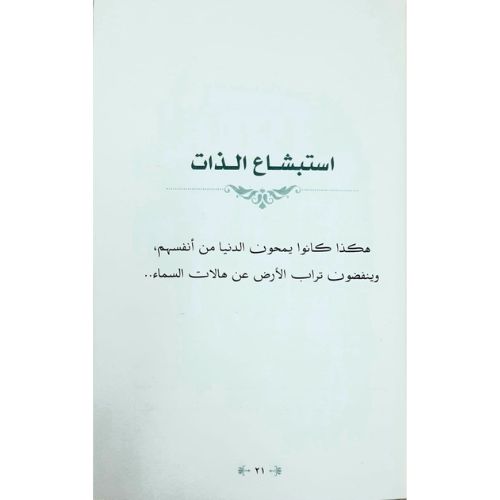
أيام التابعين المضمّخة بذلك العبق الفريد، وتلك المشاعر الاستثنائية وكأنّي بشوارعهم العتيقة وفوانيسهم المعلّقة على أبواب مساجدهم الطينية، وكأني بخطواتهم المخبتة ونوافذهم المشرَعة على عهد الصحابة.. كلها تنبعث عبر كلماتهم ومواعظهم وصدقهم
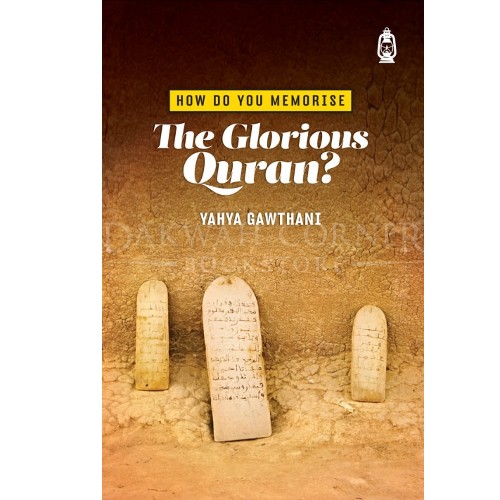
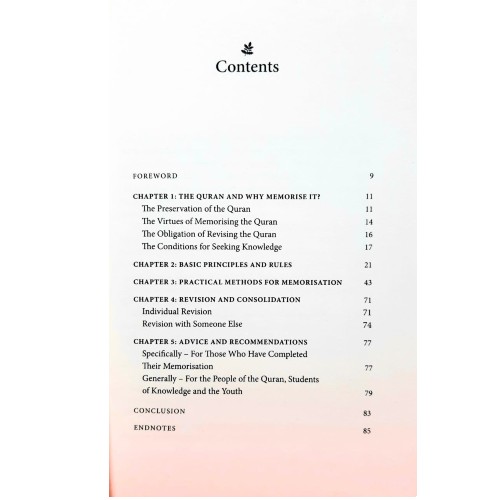
How Do You Memorise The Glorious Quran
Comprehensive but reader-friendly, How Do You Memorise the Glorious Quran is an indispensable guide for anyone who wants to memorise the Quran.
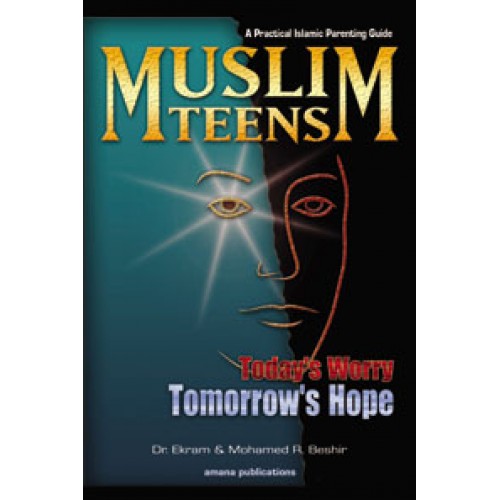
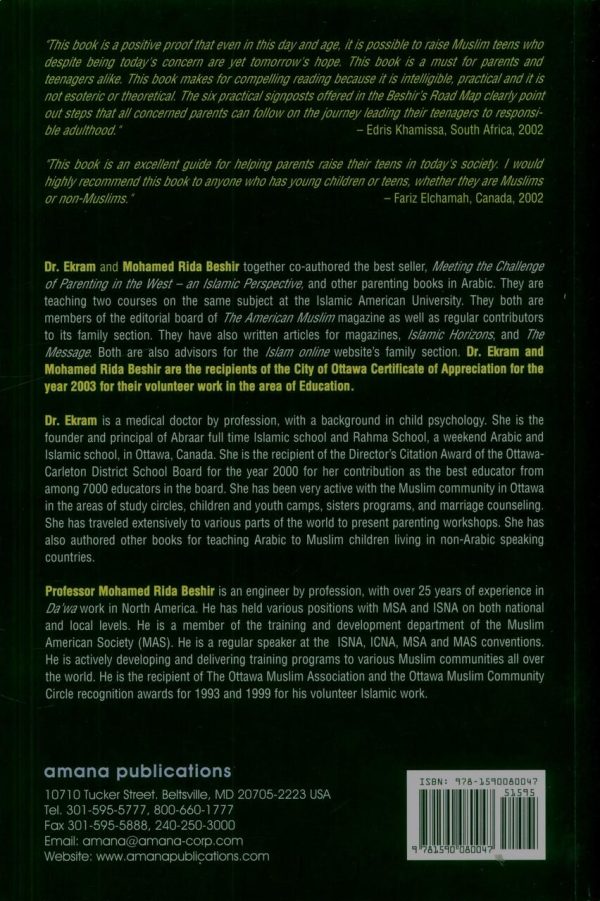
Muslim Teens (English Edition) (P/B)
The book offers a practical guide for parents who wish to protect their teens from the dazzle of a superfluous western culture and help them lead a virtuous life as taught by Islam.
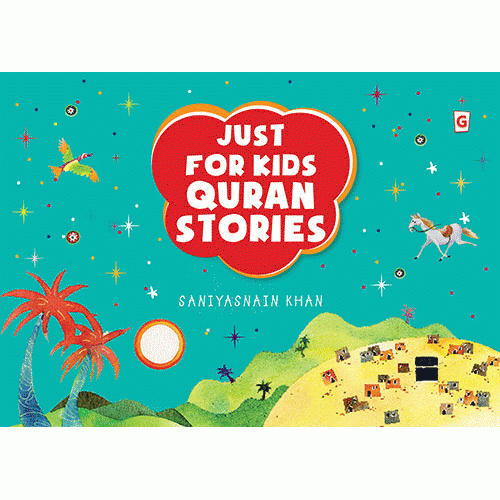
Just for Kids Quran Stories (H/B)
These are some of the best-loved tales from the Quran. Especially chosen for the very young, they provide a foundation on which to build a growing knowledge of the scriptures. This is story telling at its best, with the meaning and message expressed in the simplest of words. As well as being easy to understand, these stories are also fun to read and share with others. Colorful, child-friendly illustrations complement the text and bring the stories vividly to life.
[AEF] Al-Nuqud al-Raqmiyyah / النقود الرقمية دراسة فقهية
النقود الرقمية دراسة فقهية
دراسة النقود الرقمية من منظور فقهي تتطلب التمييز بين أنواعها المختلفة، حيث يختلف الحكم الشرعي باختلاف الجهة المصدرة ومدى خضوعها للرقابة القانونية والمالية
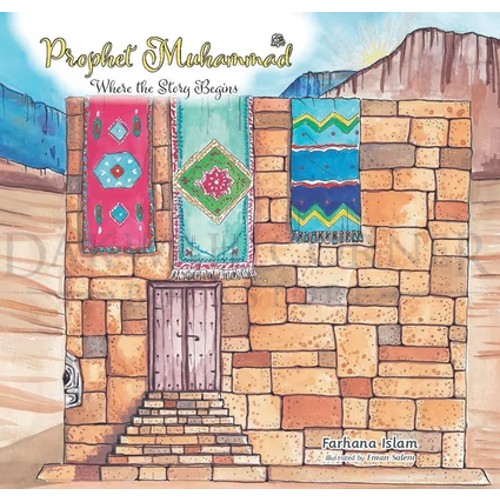
Prophet Muhammad SAW Where The Story Begins
Meet a handful of the men and women that helped shape the early life of Prophet Muhammad. In these pages, you will find his mother, Amina bint Wahb; the women that loved and protected him like their very own, Halimah Sa’diyyah and Barakah (Umm Ayman); and his beloved grandfather Abd al-Muttalib, alongside his uncle Abu Talib. This beautifully illustrated book introduces readers to Prophet Muhammad’s childhood and to those who helped raise the man that would, by the Will of Allah, lead an entire ummah and be an example for all time.
Prophet Muhammad: A Blessing for Mankind
Prophet Muhammad (blessings and peace of Allah be upon him) and the lessons he taught us from the continued hardships he underwent in every stage of his life are a real blessing for humankind. Being an orphan child made him compassionate to widows and orphans as well as to the poor. His multiple marriages strengthened the ties of kinship amongst the different tribes, dissolving long-standing enmity. His message and prophethood were challenged by the polytheistic society in Makkah, forcing him and his few followers to emigrate to Madinah. Despite his illiteracy and the struggles he faced, he conveyed Allah’s Book, the Noble Qur’an, to all humanity, teaching them the values and principles that are presently adopted by billions of Muslims throughout the world. In the Qur’an, Allah, the Almighty addresses the Prophet (blessings and peace of Allah be upon him), saying: {We have sent you only as a mercy to the worlds.} (Qur’an 21: 107)


There are no reviews yet.