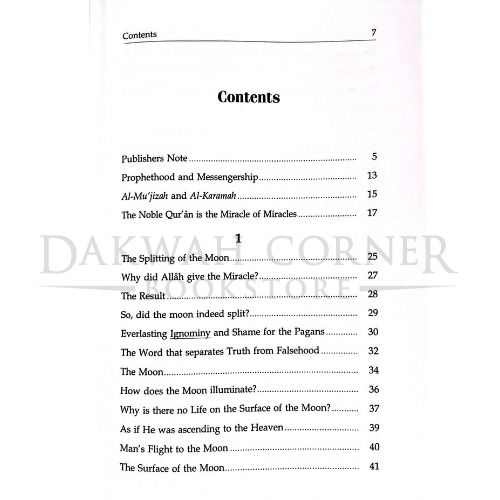
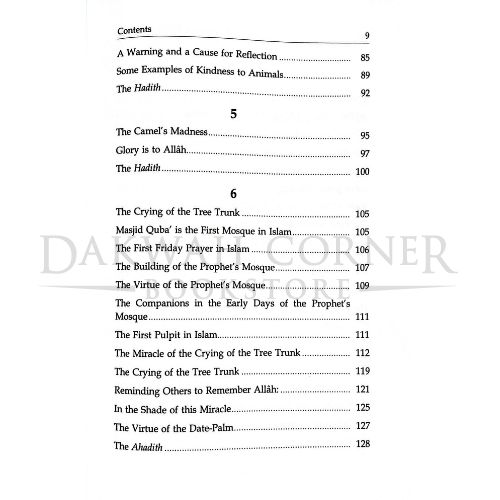
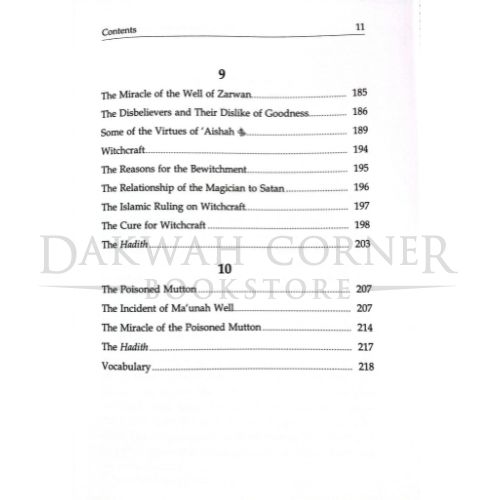
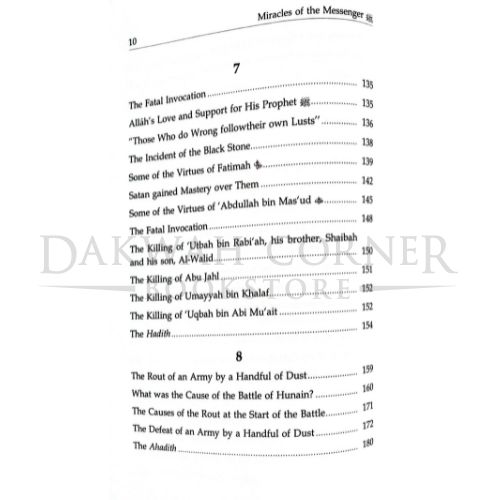


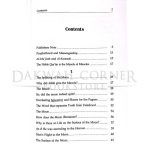
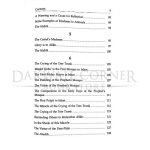
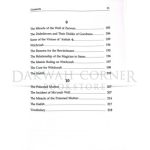
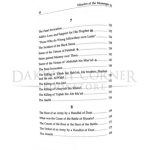
Allah supported his Messengers with miracles to help them in times of distress, to prove the truth of the messages that they were sent with, and to prevent liars and false claimers of Prophethood.
Although the main Miracle given to our Prophet [Islamic phrases=”Shallallahu ‘alaihi wa Sallam”]H[/Islamic] was the Noble Qur’an, but Allah supported him with many other Miracles also. Out of these many Miracles, we are presenting a few of them in this book.
From this book we have started a new feature of providing the meanings of the difficult words. The underlined words are those which have their meanings in the vocabulary given at the end.
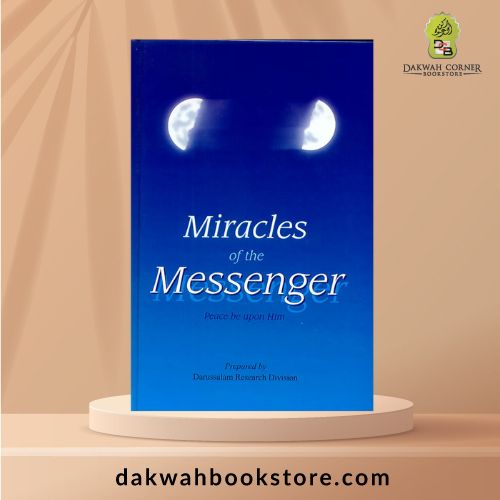
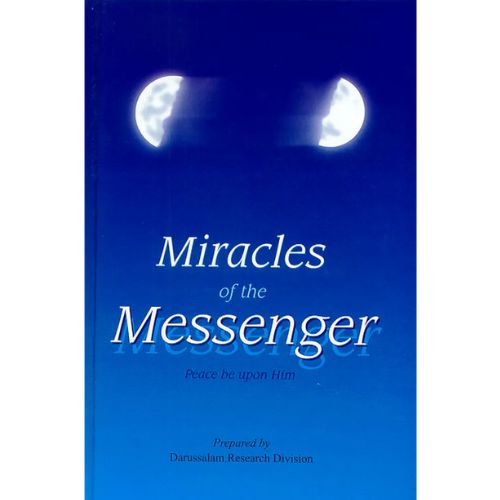
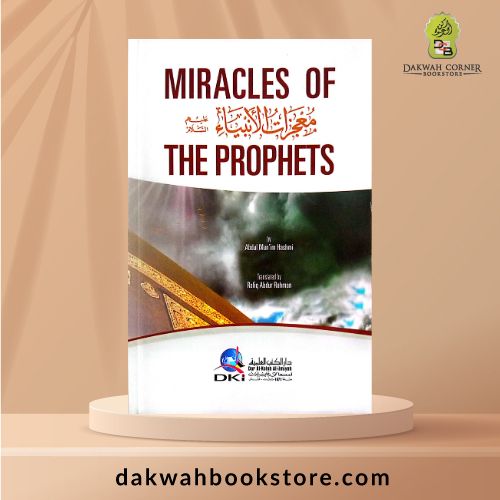
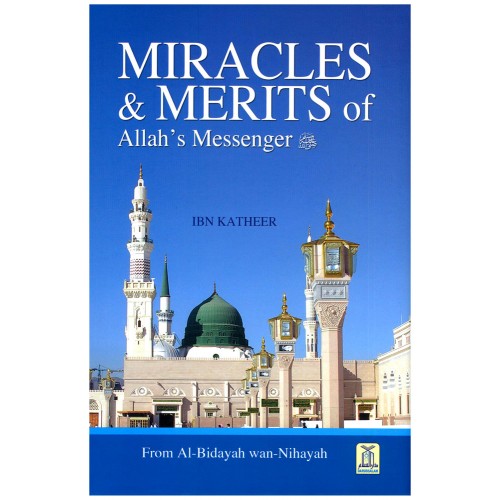
Miracles Of The Messenger (H/B) – Darussalam
RM50.00
Darussalam is pleased to present this book to Muslim youth. The purpose of this book is to enlighten our youth about the Miracles of the Prophet [Islamic phrases=”Shallallahu ‘alaihi wa Sallam”]H[/Islamic].
Frequently Bought Together
| Weight | 0.450 kg |
|---|---|
| Dimensions | 21 × 14 × 1 cm |
| Author | |
| Binding | Hardcover |
| ISBN | 9789960897561 |
| Pages | 239 |
| Year of publication | 2003 |
| Publisher | Darussalam |
Be the first to review “Miracles Of The Messenger (H/B) – Darussalam” Cancel reply
You must be logged in to post a review.
Related Products
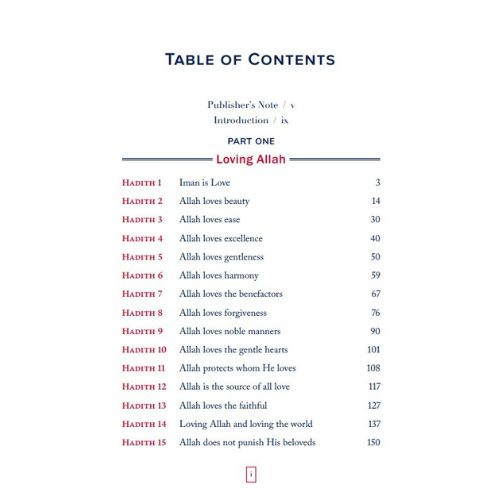
This is Love [3rd Edition]
This book presents the Islamic message of love through forty hadiths on loving Allah, His Prophet, and His creation. It explains the indispensability of divine love in human existence, the centrality of love in Islam, and the means to attain and spread love on earth.
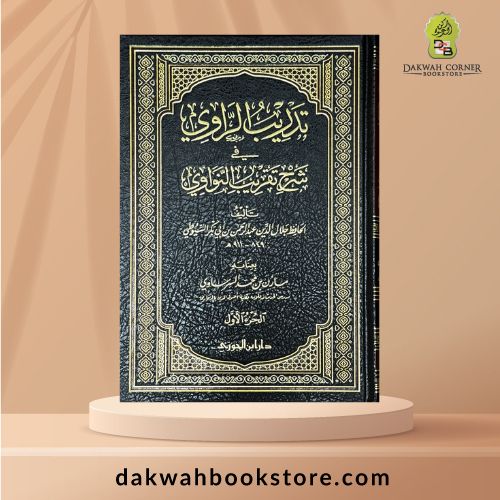
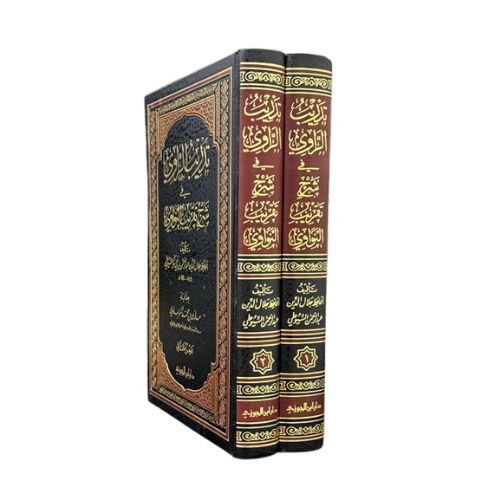
[AH]Tadrib Alrawi Fi Sharh Taqrib Alnawawi 2 Vol / تدريب الراوي في شرح تقريب النواوي 2 مجلد
كتاب “تدريب الراوي في شرح التقريب النووي” هو كتابٌ شهيرٌ في شرح علم الحديث، من تأليف الإمام جلال الدي السيوطي (متوفر على جوجل بوكس). وهو شرحٌ لكتاب “التقريب والتيسير” للإمام النووي، الذي يُعدّ بدوره ملخصًا لكتاب “علوم الحديث” لابن الصلاح. ويُعتبر هذا الكتاب مرجعًا هامًا لطلاب الحديث.
Usool Al-Hadeeth (H/B)
Dr. Bilal Philips writes: “The Prophet’s sayings and actions were primarily based on revelation from Allah and, as such, must be considered a fundamental source of guidance second only to the Qur’an.” According to Dr. Philips, the Hadith, the record of these sayings and actions, plays a vital role in that it transmits revelation, tafseer (exegesis of the Qur’an), Islamic law, and the Islamic moral ideal. For instance, the Prophet’s “…character and social interactions became prime examples of moral conduct for Muslims. Consequently, the daily life of the Prophet (blessings and peace of Allah be upon him) as recorded in the hadith represents an ideal code of conduct. It is largely due to the science of hadith that the final message of Islam has been preserved in its original purity for all times.” In Usool al-Hadeeth, the reader will embark on a course of study that will, Allah willing, enable him or her to make critical and intelligent use of the body of Hadith literature in his or her daily life.
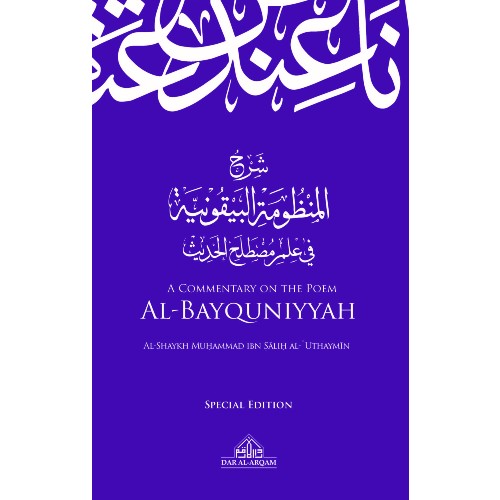
A Commentary On The Poem Al-Bayquniyyah
By Shaykh Ibn al-Uthaymeen
A commentary on the famous poem in the field of hadith sciences entitled al-Manzumah al-Bayquniyyah by Shaykh Muhammad ibn Saalih al-Uthaymeen (rahimullah).
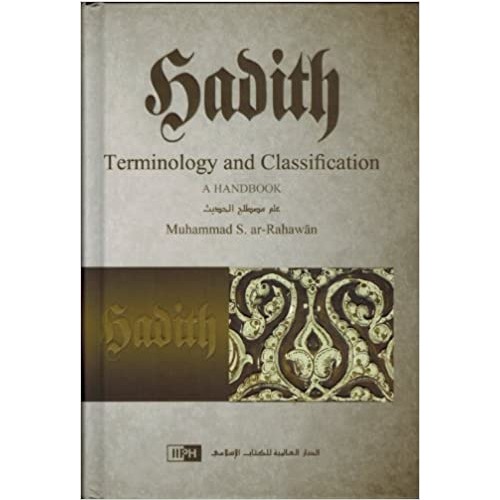
Hadith Terminology and Classification (H/B)
Islam is a complete way of life that enlightens through the Qur’an and the Sunnah, the true path of guidance and success in this world and the hereafter. However, one must accurately comprehend what has been ordained through the Sunnah and identify the authentic hadiths of the Prophet (blessings and peace be upon him). To do that, it is imperative to understand the rules that govern the classification and definitions of hadith methodology and criticism.
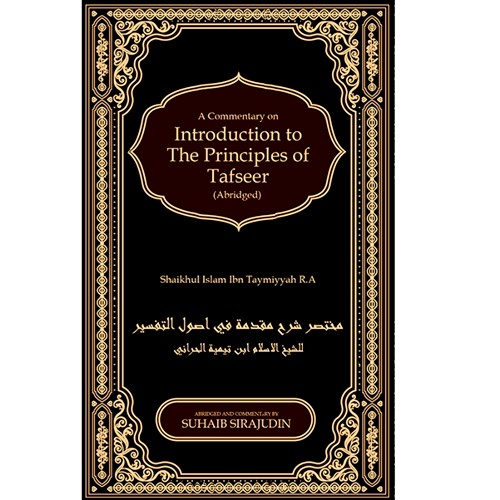
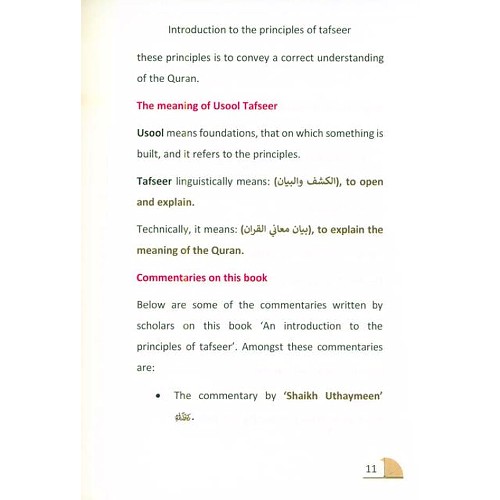
A Commentary on Introduction to The Principles of Tafseer (Abridged)
This is a summary of Shaykh Al Islam Ibn Taymiyyah’s Muqaddamah Fi Usool Tafseer (Introduction to the Principles of Tafsir). It discusses the principles of Tafseer that one should know before studying the Tafseer of the Quran.
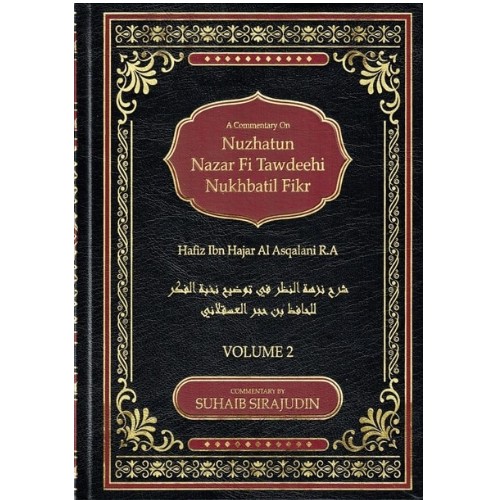
A Commentary On Nuzhatun Nazar Fi Tawheedi Nukhbatil Fikr ( 2 Vols)
About Hafiz Ibn Hajar Asqalani Imam Ahmad ibn Ali al-Asqalani (d. 852/1448); famously known as Ibn Hajar after one of his ancestors is arguably the best hadith scholar of the Mamluk period. The Dhahabi of his time and the amir al-muminin of the hadith scholars. Imam Suyuti says that he drank from the well of zamzam and prayed to Allah to give him more knowledge than Shams ad-Din adh-Dhahabi. He is the author of over 300 books some going into lengthy volumes. He died on Friday 28 Dhi al-Hijja 852 hijri and was buried in al-Qarrafa; Cairo; now famously known as the City of the Dead (madinat al-mawta)
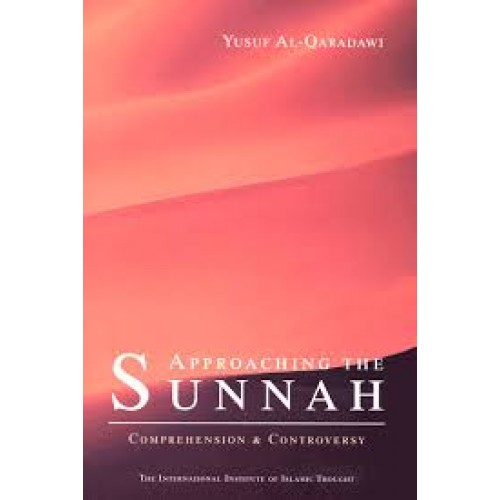
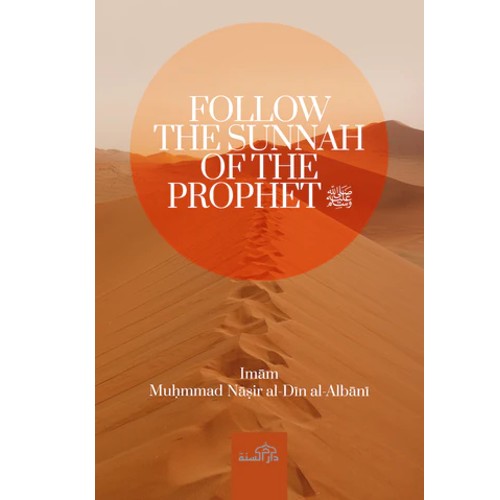
Approaching the Sunnah: Comprehension & Controversy (P/B)
The Sunnah still provides the stable moral framework – the grammar – that enables Muslims, by formal rules and inward sense, to know right from wrong. However, separation from the mainstream of life puts the Sunnah in danger of becoming rigid – an archaism. Addressing that danger, this book explains how the Sunnah can function as the grammar of a living, adaptive language, capable of guiding (and not shying from) the mainstream.
The first chapter sets out the qualities that characterize authentic application of the Sunnah: universality, coherence (so that different spheres of human responsibility are not split), compassionate realism, moderation, and humility. The second explains standards and procedures for determining the Sunnah in the fields of jurisprudence and moral instruction. The third chapter illustrates through detailed examples common errors in understanding the Sunnah – reading hadiths singly without sufficient context, confusing legal and moral injunctions, means and ends, figurative and literal meanings…–and it proposes remedies for these errors.
YUSUF AL-QARADAWI is one of the Islamic world’s most widely respected and prolific scholars. His works have remained popular over many decades. Among the best known of his books to appear in English is The Lawful and the Prohibited in Islam (first edition 1994).
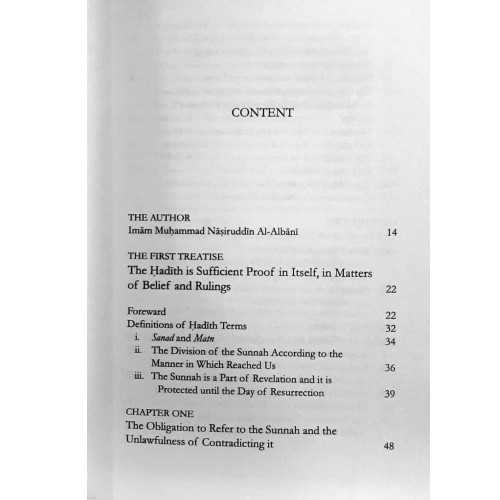
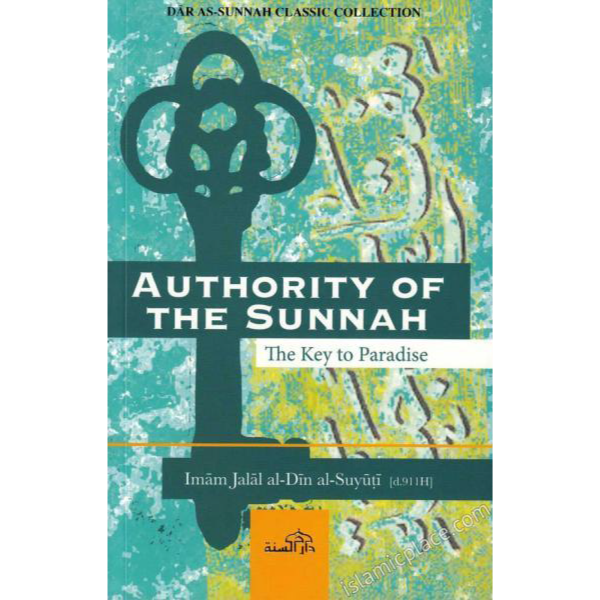
Authority of The Sunnah the Key to Paradise
Allah Most High Said, “And whatever the Messenger has given you, take it; and what he has forbidden you, refrain from it.” [Al-Hashr (59):7]
The Prophet said, “I have not left out anything of which Allah, The Most High has Commanded you with except I have apprised you of it. Likewise, I have not left out anything of which Allah has Prohibited you from it, except I have apprised you of it…” [Al Bayhaqi, 7/76 & others]
Together with the Qur’an, the Sunnah is the pivotal foundation and primary source of the Islamic faith. Following both of them is mandated by Allah Himself and obligated upon Muslims to adhere and live accordingly. Muslim theology is established upon them and remains defective and incomplete should either be forsaken for they both explain and interpret each other.
During his time, Imam al-Suyuṭi felt a genuine need to pen this compelling book in confuting those who either rejected the Sunnah altogether or did not grant it the status and respect it deserves in the religion. He primarily compiled from the works of Imam Al-Bayhaqi elucidating the position of Imam Shafi’i, and firmly laid out the arguments supporting the Sunnah of the Prophet by outlining its critical importance, its authority, and implication to one’s life.
Salvation, therefore, lies in embracing the Sunnah fully, for indeed it is the key to facilitating our worldly lives and thereafter, unlocking the doors of Paradise, as Shadh ibn Yaḥya said perfectly, “There is no better way to Paradise than the way of those who have followed the Sunnah.”
Recently Viewed
A to Z of Akhlaaq: Moral Values for Children


There are no reviews yet.