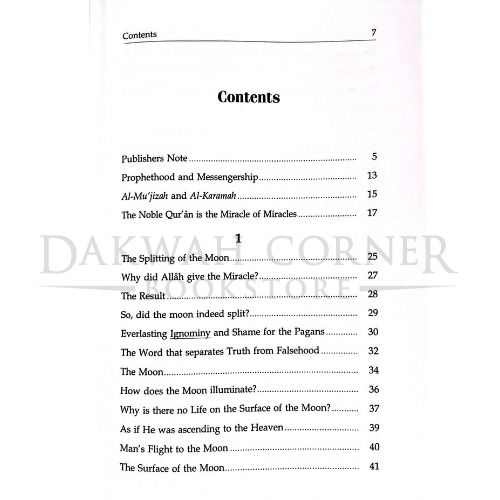
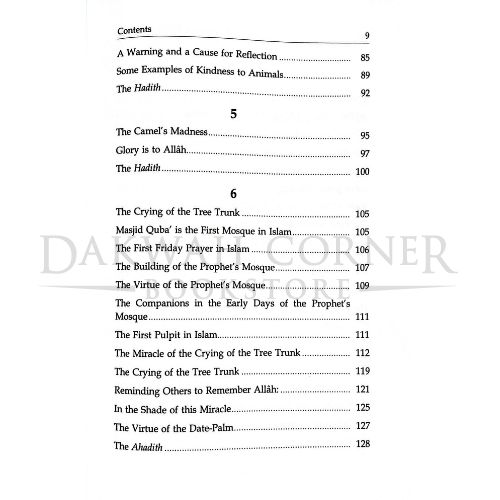
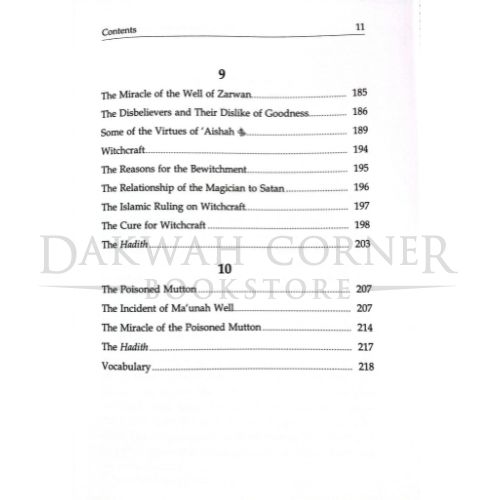
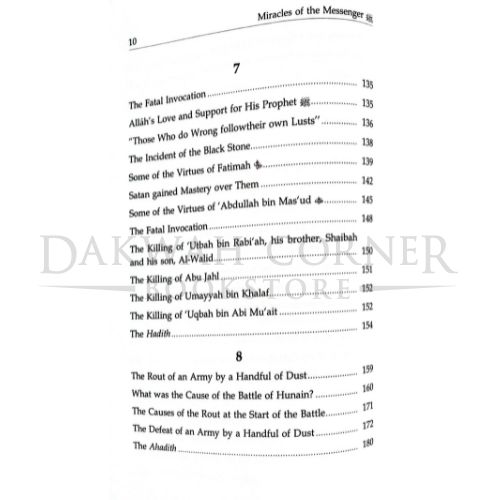

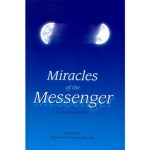
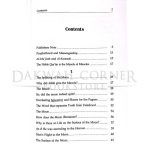
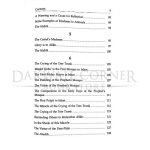
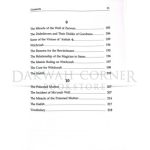
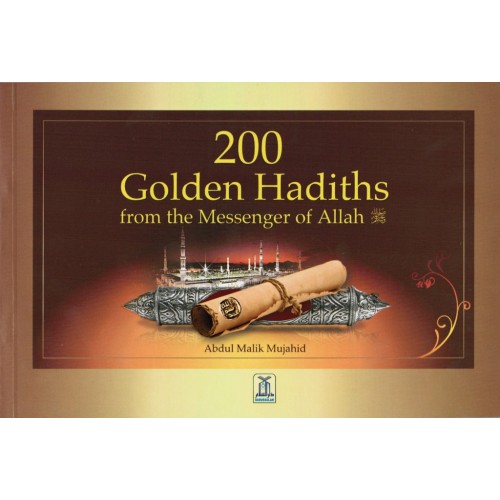
Allah supported his Messengers with miracles to help them in times of distress, to prove the truth of the messages that they were sent with, and to prevent liars and false claimers of Prophethood.
Although the main Miracle given to our Prophet [Islamic phrases=”Shallallahu ‘alaihi wa Sallam”]H[/Islamic] was the Noble Qur’an, but Allah supported him with many other Miracles also. Out of these many Miracles, we are presenting a few of them in this book.
From this book we have started a new feature of providing the meanings of the difficult words. The underlined words are those which have their meanings in the vocabulary given at the end.
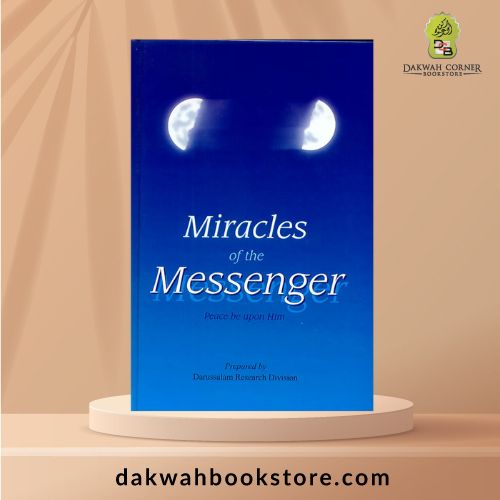
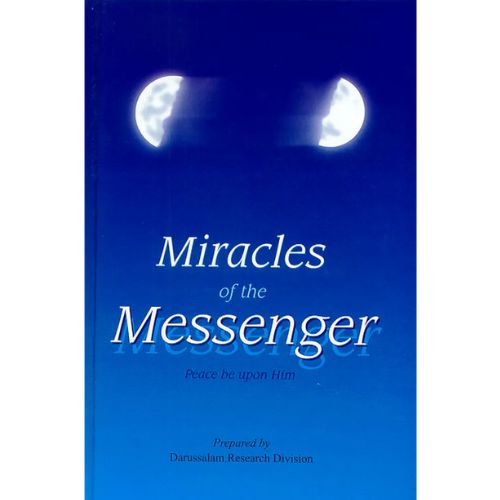
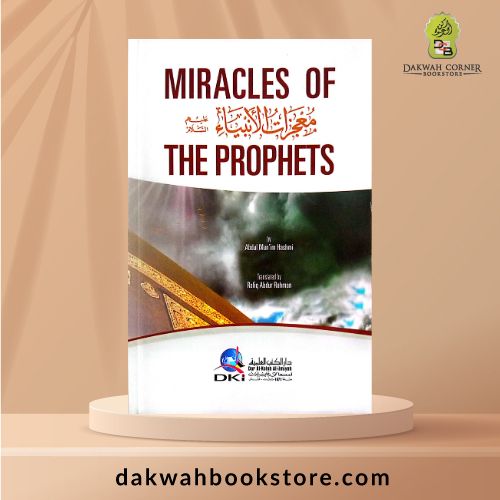
Miracles Of The Messenger (H/B) – Darussalam
RM50.00
Darussalam is pleased to present this book to Muslim youth. The purpose of this book is to enlighten our youth about the Miracles of the Prophet [Islamic phrases=”Shallallahu ‘alaihi wa Sallam”]H[/Islamic].
Frequently Bought Together
| Weight | 0.450 kg |
|---|---|
| Dimensions | 21 × 14 × 1 cm |
| Author | |
| Binding | Hardcover |
| ISBN | 9789960897561 |
| Pages | 239 |
| Year of publication | 2003 |
| Publisher | Darussalam |
Be the first to review “Miracles Of The Messenger (H/B) – Darussalam” Cancel reply
You must be logged in to post a review.
Related Products
Approaching the Sunnah: Comprehension & Controversy (P/B)
The Sunnah still provides the stable moral framework – the grammar – that enables Muslims, by formal rules and inward sense, to know right from wrong. However, separation from the mainstream of life puts the Sunnah in danger of becoming rigid – an archaism. Addressing that danger, this book explains how the Sunnah can function as the grammar of a living, adaptive language, capable of guiding (and not shying from) the mainstream.
The first chapter sets out the qualities that characterize authentic application of the Sunnah: universality, coherence (so that different spheres of human responsibility are not split), compassionate realism, moderation, and humility. The second explains standards and procedures for determining the Sunnah in the fields of jurisprudence and moral instruction. The third chapter illustrates through detailed examples common errors in understanding the Sunnah – reading hadiths singly without sufficient context, confusing legal and moral injunctions, means and ends, figurative and literal meanings…–and it proposes remedies for these errors.
YUSUF AL-QARADAWI is one of the Islamic world’s most widely respected and prolific scholars. His works have remained popular over many decades. Among the best known of his books to appear in English is The Lawful and the Prohibited in Islam (first edition 1994).
Scholars of Hadith (P/B)
This book presents an extensive, in-depth analysis of great Muhaddithun (scholars of the science of Hadith). Each chapter presents detailed biographies of Malik b. Anas, Ibn Hanbal, al-Bukhari, Muslim, al-Tirmidhi, Abu Dawud, an-Nasai, Ibn Majah, ad-Darimi and al-Bayhaqi along with the methods they used in Hadith collection and classification. This work is especially important in today’s world where many Muslims have a dire need to connect with the great corpus of work that was produced by the scholars or traditional Islam. A work such as Scholars of Hadith has been long overdue in the English language and it will certainly make for productive reading for all interested in deepening their knowledge of Islam.
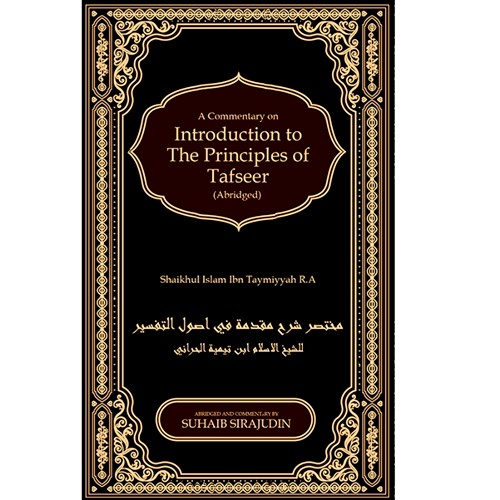
A Commentary on Introduction to The Principles of Tafseer (Abridged)
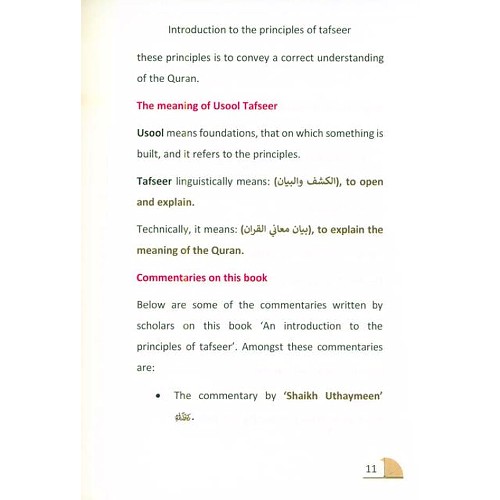
This is a summary of Shaykh Al Islam Ibn Taymiyyah’s Muqaddamah Fi Usool Tafseer (Introduction to the Principles of Tafsir). It discusses the principles of Tafseer that one should know before studying the Tafseer of the Quran.
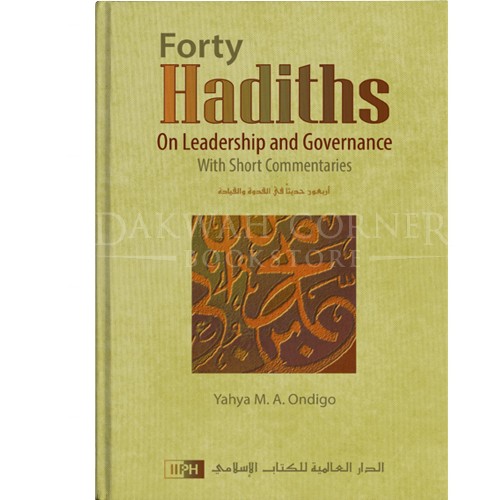
Forty Hadiths On Leadership and Governance With Short Commentaries
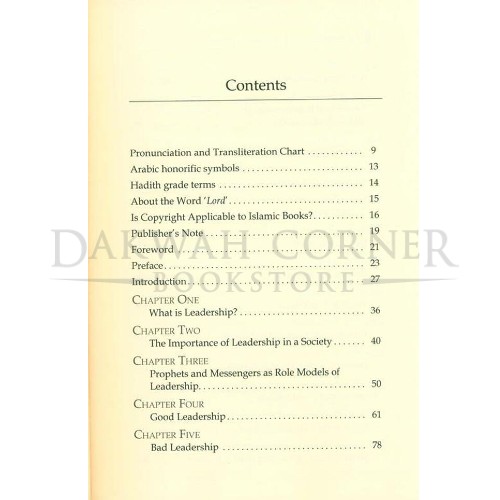
Forty Hadiths on Leadership and Governance brings forth the stark realities of the leadership crisis in the present era in the light of authentic hadiths. This invaluable piece of work teaches the readers – in the light of authentic hadiths – what a true Muslim leader is like. It can also be every leader’s guidebook illumining the path through examples from the lives of the Rightly-Guided Caliphs and teaching how Muslims can regain their past glory by holding on to the rope of Allah and Prophet Muhammad (blessings and peace be upon him).
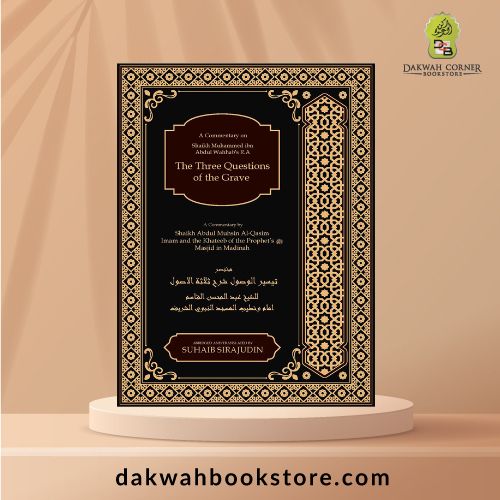
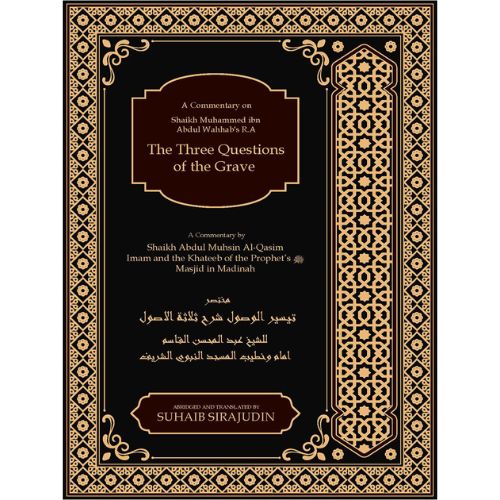
A Commentary on The Three Questions of the Grave
This is a summarised translation of Shaikh Abdul Muhsin Al Qasim’s (The Imam and the Khateeb of the Prophet’s Masjid in Madinah) book titled ‘Tayseerul Wusool’ which is a commentary on the book of Shaikh Muhammed ibn Abdul Wahhab’s Thalathatul Usool (The Three Questions of the Grave). It is a commentary on the three questions of the grave which every human being will be asked in his grave.
Usool Al-Hadeeth (H/B)
Dr. Bilal Philips writes: “The Prophet’s sayings and actions were primarily based on revelation from Allah and, as such, must be considered a fundamental source of guidance second only to the Qur’an.” According to Dr. Philips, the Hadith, the record of these sayings and actions, plays a vital role in that it transmits revelation, tafseer (exegesis of the Qur’an), Islamic law, and the Islamic moral ideal. For instance, the Prophet’s “…character and social interactions became prime examples of moral conduct for Muslims. Consequently, the daily life of the Prophet (blessings and peace of Allah be upon him) as recorded in the hadith represents an ideal code of conduct. It is largely due to the science of hadith that the final message of Islam has been preserved in its original purity for all times.” In Usool al-Hadeeth, the reader will embark on a course of study that will, Allah willing, enable him or her to make critical and intelligent use of the body of Hadith literature in his or her daily life.
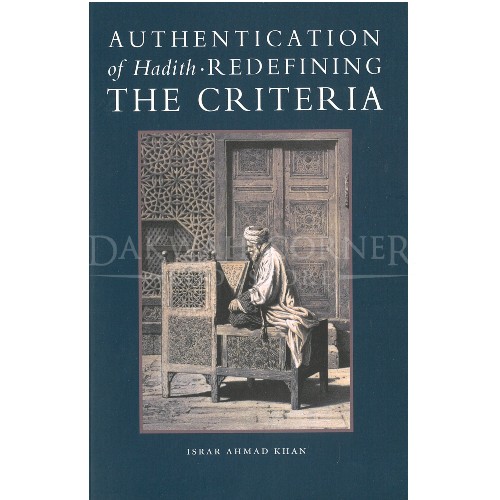
Authentication of Hadith: Redefining the Criteria (IIIT)
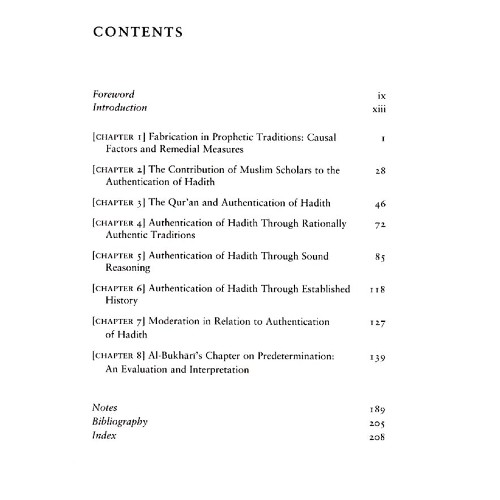
In today’s complex and volatile world the consequences of relying on fraudulent and counterfeit Hadith to legitimise extremist behaviour, issue violent fatwas, and justify blatant abuse, particularly of women, is not only far too easy but in fact dangerous. Israr Khan addresses the sensitive topic of Hadith authentication, focusing on the criteria adopted by classical scholars to maintain that concentration on the continuity and accuracy of the chain of narrators, rather than the textual content of Hadith, has led to particular Hadith being included which either contradict other Hadith directly, project the Prophet (SAAS) in an uncharacteristic light, or do not reflect and/or conflict with the teachings of the Qur an. The study traces in careful detail the historical development of the oral and written traditions, as well as the many targeted attempts at fabrication that took place, critiquing in methodical detail certain Hadith which have come to be widely accepted as authentic. The prominent collections we have today, were made possible by the development of the science of Hadith criticism, and Muslim scholars deserve deep appreciation for their painstaking work, as well as their invaluable contribution towards preserving the Hadith literature to the best of their ability. However, insists the author, the process is ongoing, and the closed door policy which currently surrounds Hadith authentication needs to be carefully reexamined.
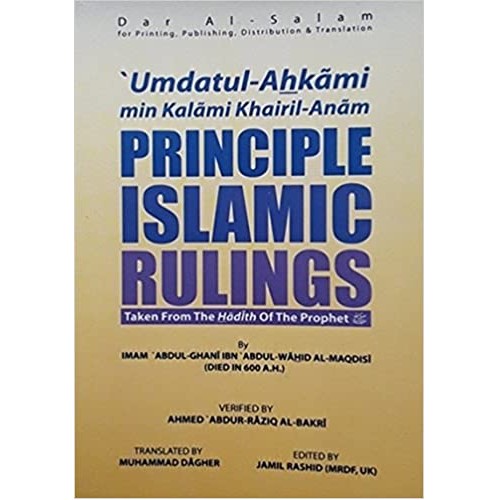
Umdatul-Ahkami min Kalami Khairil-Anam (Principle Islamic Rulings, Taken From The Hadith Of The Prophet SAW) (POCKET SIZE)
The Sunnah of the Prophet Muhammad (ص) is the practical implementation of the Noble Qur’an, it was taught to the Prophet along with the Scripture, side by side. Neither the Noble Qur’an nor the honourable Sunnah can be understood correctly without recourse to the other.
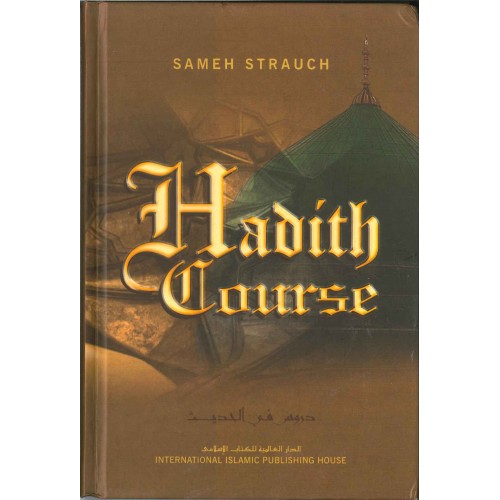
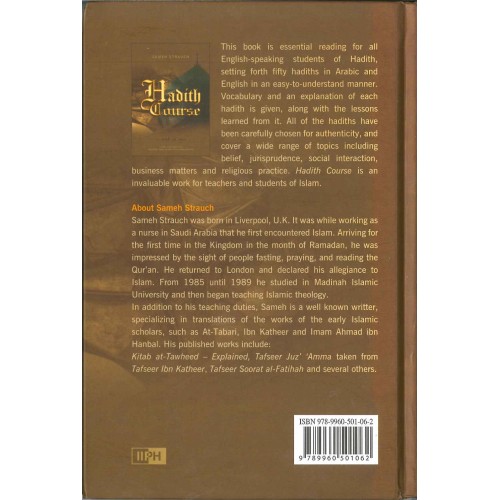
Hadith Course
Hadith Course is essential reading for all English speaking students of Hadith, presenting fifty hadiths in Arabic and English in an easy-to-understand manner. Vocabulary and an explanation of each hadith are given, along with the lessons learned from it. All of the hadiths have been carefully chosen for authenticity and cover a wide range of topics, including belief, jurisprudence, social matters, business and much more. This book is an invaluable handbook for schools and self-learners.
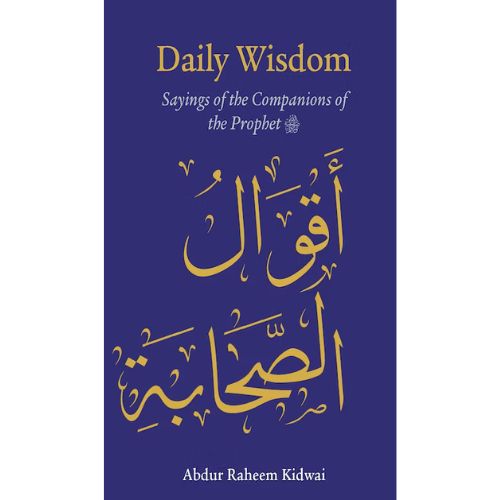
Daily Wisdom : Sayings of the Companions of the Prophet ﷺ
Sayings of the Companions of the Prophet ﷺ is a selection of 365 profound and pithy observations made by the Prophet’s illustrious Companions. The sayings supplement and complement the life-giving message of the Qur’an and Sunnah that these Companions experienced first-hand by being in close companionship with the Prophet.
Recently Viewed
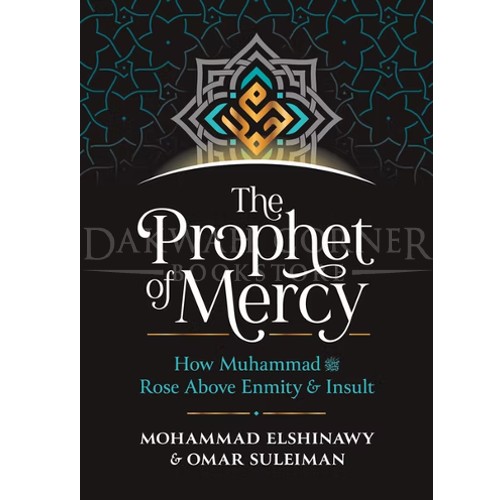
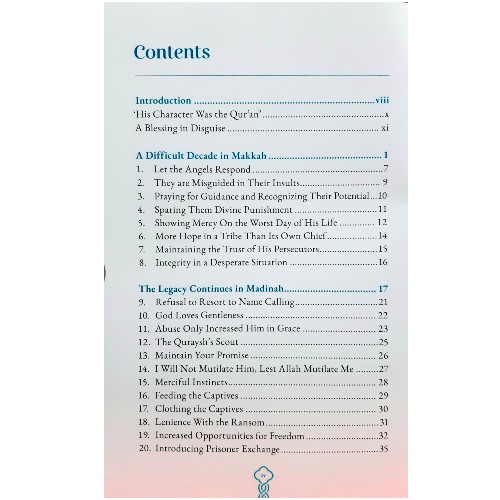
The Prophet of Mercy by Kube
This short and wonderful book provides 70 examples of difficult situations from the life of the Prophet (sws) and the wisdom with which he faced each and every struggle. May it offer many enlightening lessons from the Seerah of the Prophet of Mercy (sws). Our life in this world is a trial. We will experience ups and downs and face difficult situations. Who better to learn from than our beloved Prophet (sws), our guide and a role model to emulate in our daily lives.
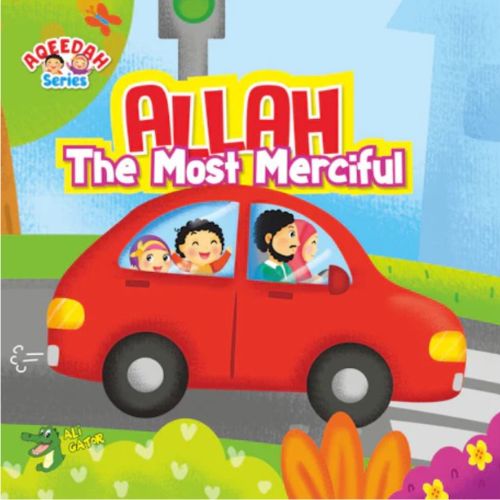
Allah the Most Merciful – Aqeedah Series
Brand new Children’s Book Series – Aqeedah Series.
From the food they eat, to the clothes they wear, and the family they have.
Mahmoud and Mariam learn that Allah has blessed them in so many ways and Allah is the most merciful.
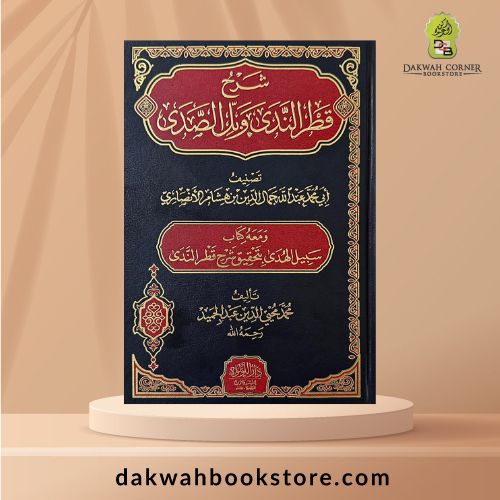
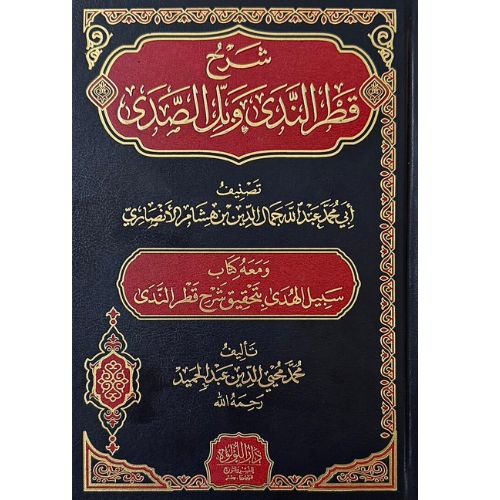
[ALA] Sharḥ Qaṭr al-Nadā wa Bal al-Ṣadā / شرح قطر الندى وبل الصدى
The severe – something that is not specific to a book from the books of our ancestors, and it is not unique to a trace of their precious traces, but you do not fall – except in the rare little – on the book of their books, the publisher of which has taken out on your face if you look at it, and God is sufficient for us and the best deputy!
Therefore, I did not find a beginning to do this book: by adjusting its examples and testones from the Holy Qur’an, the Prophet’s hadith and Arabic poetry, and then by explaining its verses as a middle explanation between the brief and the boring simple, with the expression of the verses in full expression, and I did all this with an easy phrase and a close style.
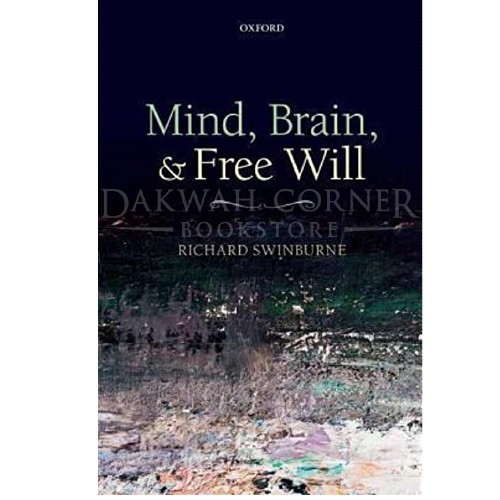
Mind, Brain, & Free Will (P/B)
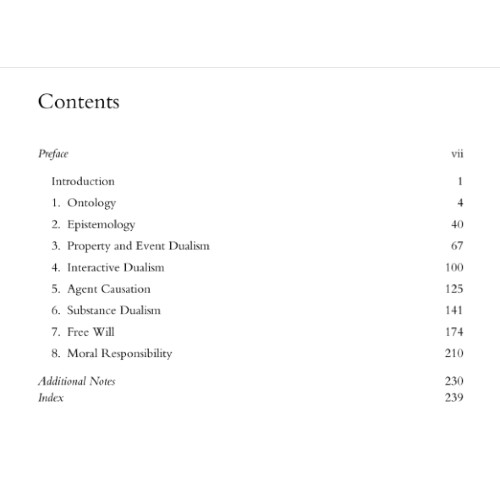
Mind, Brain, and Free Will presents a powerful new case for substance dualism (the idea that humans consist of two parts–body and soul) and for libertarian free will (that humans have some freedom to choose between alternatives, independently of the causes which influence them). Richard


There are no reviews yet.