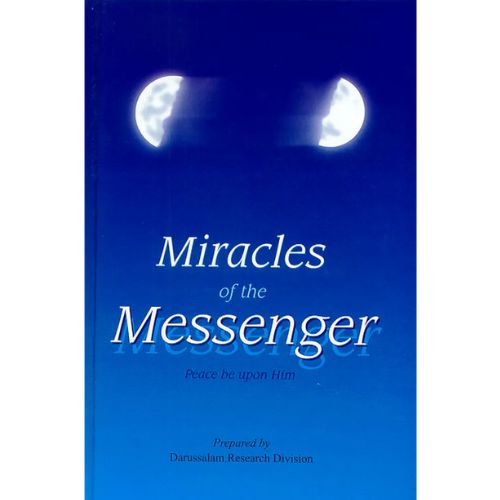
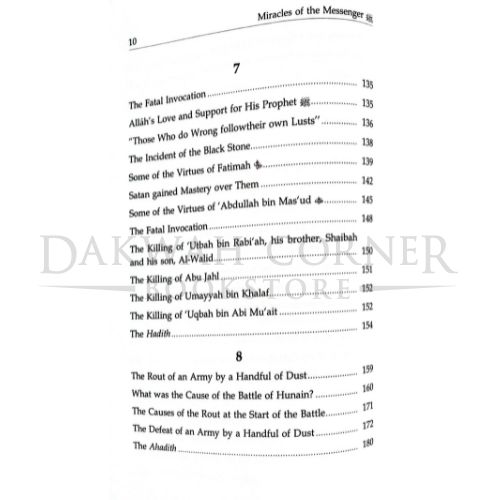


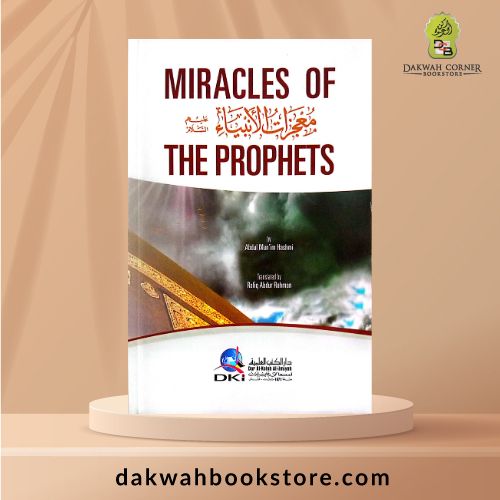
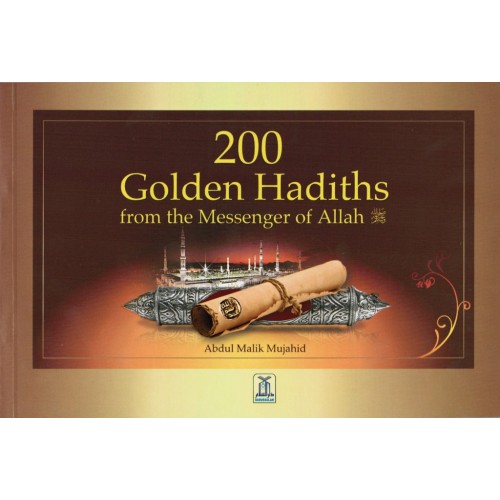
Allah supported his Messengers with miracles to help them in times of distress, to prove the truth of the messages that they were sent with, and to prevent liars and false claimers of Prophethood.
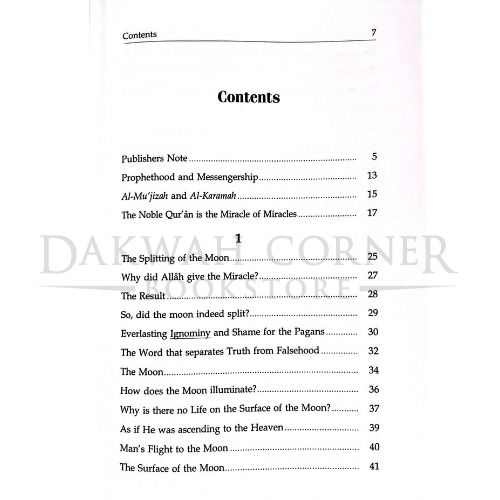
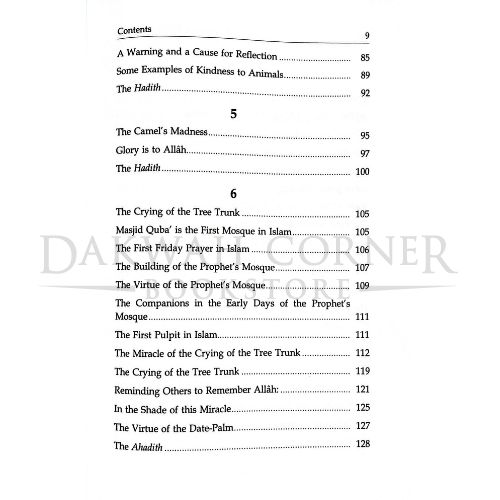
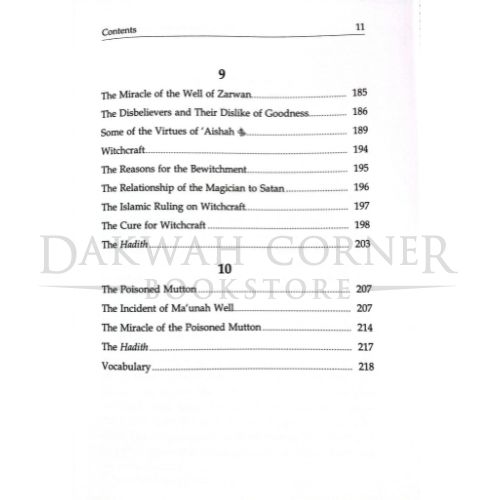
Although the main Miracle given to our Prophet [Islamic phrases=”Shallallahu ‘alaihi wa Sallam”]H[/Islamic] was the Noble Qur’an, but Allah supported him with many other Miracles also. Out of these many Miracles, we are presenting a few of them in this book.
From this book we have started a new feature of providing the meanings of the difficult words. The underlined words are those which have their meanings in the vocabulary given at the end.
Miracles Of The Messenger (H/B) – Darussalam
RM50.00
Darussalam is pleased to present this book to Muslim youth. The purpose of this book is to enlighten our youth about the Miracles of the Prophet [Islamic phrases=”Shallallahu ‘alaihi wa Sallam”]H[/Islamic].
Frequently Bought Together
| Weight | 0.450 kg |
|---|---|
| Dimensions | 21 × 14 × 1 cm |
| Author | |
| Binding | Hardcover |
| ISBN | 9789960897561 |
| Pages | 239 |
| Year of publication | 2003 |
| Publisher | Darussalam |
Be the first to review “Miracles Of The Messenger (H/B) – Darussalam” Cancel reply
You must be logged in to post a review.
Related Products
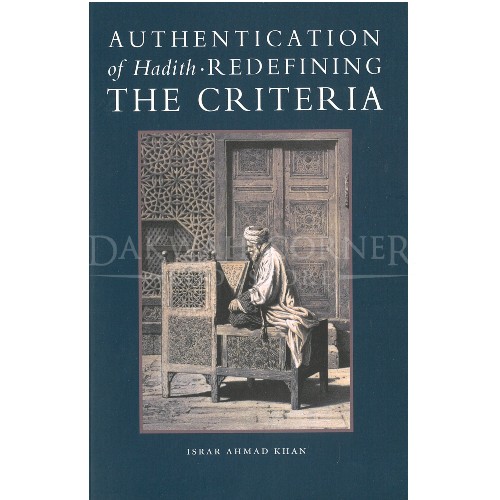
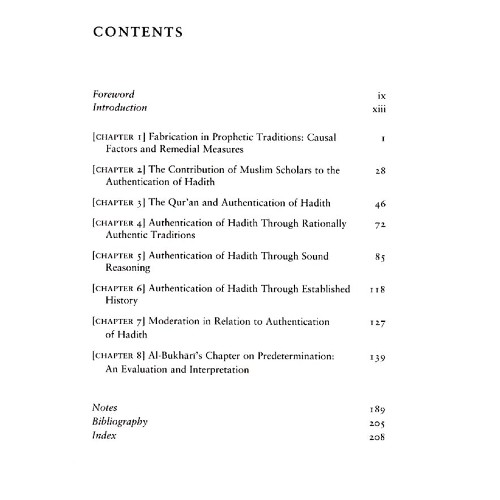
Authentication of Hadith: Redefining the Criteria (IIIT)
In today’s complex and volatile world the consequences of relying on fraudulent and counterfeit Hadith to legitimise extremist behaviour, issue violent fatwas, and justify blatant abuse, particularly of women, is not only far too easy but in fact dangerous. Israr Khan addresses the sensitive topic of Hadith authentication, focusing on the criteria adopted by classical scholars to maintain that concentration on the continuity and accuracy of the chain of narrators, rather than the textual content of Hadith, has led to particular Hadith being included which either contradict other Hadith directly, project the Prophet (SAAS) in an uncharacteristic light, or do not reflect and/or conflict with the teachings of the Qur an. The study traces in careful detail the historical development of the oral and written traditions, as well as the many targeted attempts at fabrication that took place, critiquing in methodical detail certain Hadith which have come to be widely accepted as authentic. The prominent collections we have today, were made possible by the development of the science of Hadith criticism, and Muslim scholars deserve deep appreciation for their painstaking work, as well as their invaluable contribution towards preserving the Hadith literature to the best of their ability. However, insists the author, the process is ongoing, and the closed door policy which currently surrounds Hadith authentication needs to be carefully reexamined.
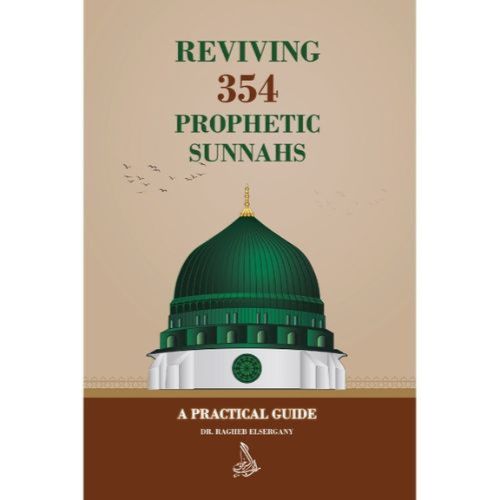
Reviving 354 Prophetic Sunnahs: A Practical Guide by Dr. Ragheb Elsergany
Prophet Muhammad (peace be upon him) predicted that a time would come when people would deliberately leave the Sunnah, and rely only on the Noble Quran. Both this authentic hadith and many verses of the Quran make it clear that to do so is delusional and misguided.
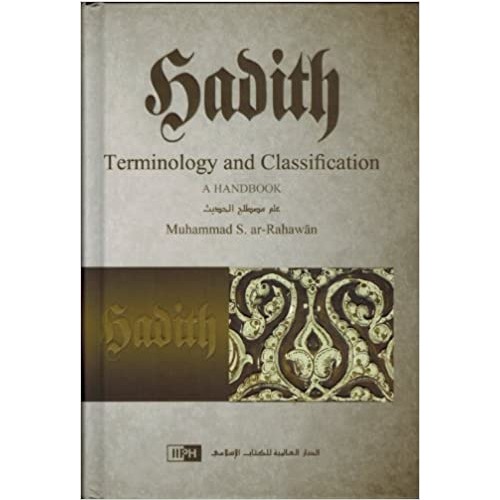
Hadith Terminology and Classification (H/B)
Islam is a complete way of life that enlightens through the Qur’an and the Sunnah, the true path of guidance and success in this world and the hereafter. However, one must accurately comprehend what has been ordained through the Sunnah and identify the authentic hadiths of the Prophet (blessings and peace be upon him). To do that, it is imperative to understand the rules that govern the classification and definitions of hadith methodology and criticism.
Scholars of Hadith (P/B)
This book presents an extensive, in-depth analysis of great Muhaddithun (scholars of the science of Hadith). Each chapter presents detailed biographies of Malik b. Anas, Ibn Hanbal, al-Bukhari, Muslim, al-Tirmidhi, Abu Dawud, an-Nasai, Ibn Majah, ad-Darimi and al-Bayhaqi along with the methods they used in Hadith collection and classification. This work is especially important in today’s world where many Muslims have a dire need to connect with the great corpus of work that was produced by the scholars or traditional Islam. A work such as Scholars of Hadith has been long overdue in the English language and it will certainly make for productive reading for all interested in deepening their knowledge of Islam.
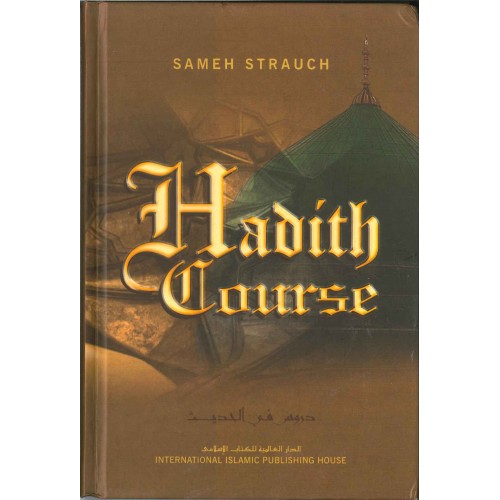
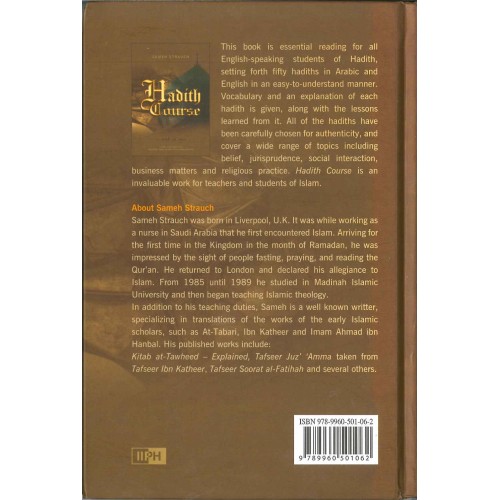
Hadith Course
Hadith Course is essential reading for all English speaking students of Hadith, presenting fifty hadiths in Arabic and English in an easy-to-understand manner. Vocabulary and an explanation of each hadith are given, along with the lessons learned from it. All of the hadiths have been carefully chosen for authenticity and cover a wide range of topics, including belief, jurisprudence, social matters, business and much more. This book is an invaluable handbook for schools and self-learners.
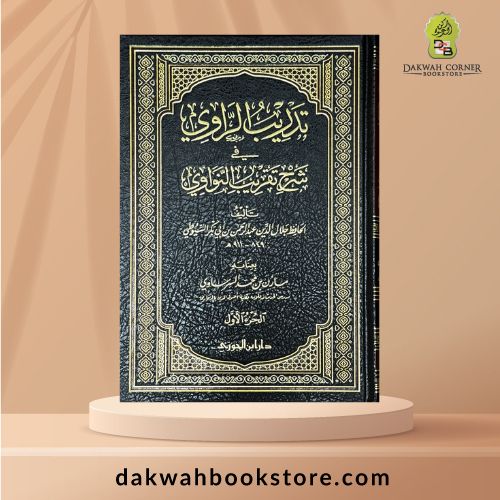
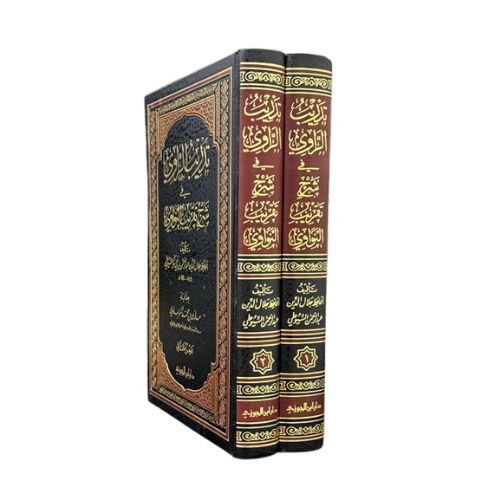
[AH]Tadrib Alrawi Fi Sharh Taqrib Alnawawi 2 Vol / تدريب الراوي في شرح تقريب النواوي 2 مجلد
كتاب “تدريب الراوي في شرح التقريب النووي” هو كتابٌ شهيرٌ في شرح علم الحديث، من تأليف الإمام جلال الدي السيوطي (متوفر على جوجل بوكس). وهو شرحٌ لكتاب “التقريب والتيسير” للإمام النووي، الذي يُعدّ بدوره ملخصًا لكتاب “علوم الحديث” لابن الصلاح. ويُعتبر هذا الكتاب مرجعًا هامًا لطلاب الحديث.
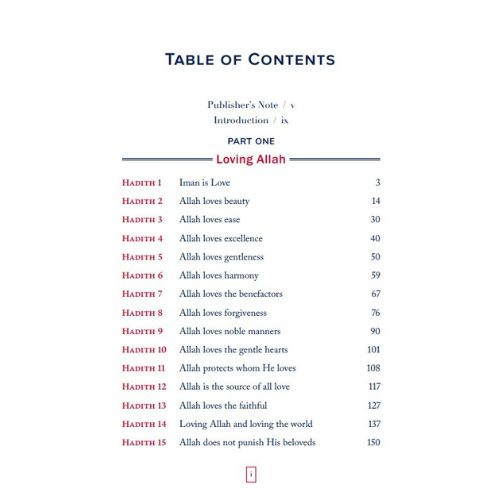
This is Love [3rd Edition]
This book presents the Islamic message of love through forty hadiths on loving Allah, His Prophet, and His creation. It explains the indispensability of divine love in human existence, the centrality of love in Islam, and the means to attain and spread love on earth.
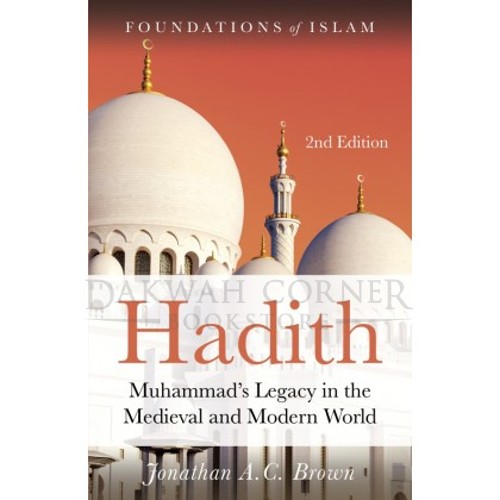
Hadith: Muhammad’s Legacy in the Medieval and Modern World (2nd Edition)
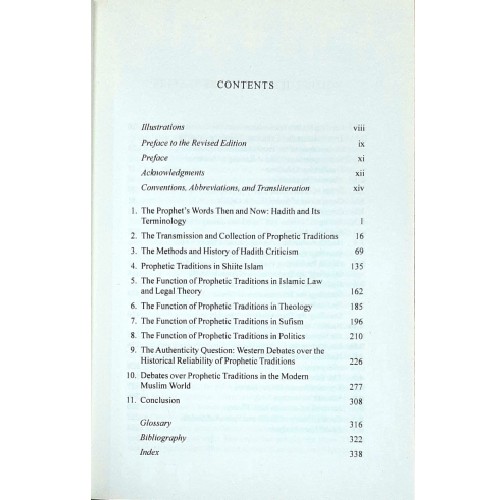
Contrary to popular opinion, the bulk of Islamic law does not come from the Quran but from hadith, first-hand reports of the Prophet Muhammad’s words and deeds, passed from generation to generation. However, with varying accounts often only committed to paper a century after the death of Muhammad, Islamic scholars, past and present, have been faced with complex questions of historical authenticity. In this wide-ranging introduction, Jonathan A. C. Brown explores the collection and criticism of hadith, and the controversy surrounding its role in modern Islam. This edition, revised and updated with additional case studies and attention to the very latest scholarship, also features a new chapter on how hadiths have been used politically, both historically and in the Arab Spring and its aftermath. Informative and accessible, it is perfectly suited to students, scholars and general readers interested in this critical element of Islam.
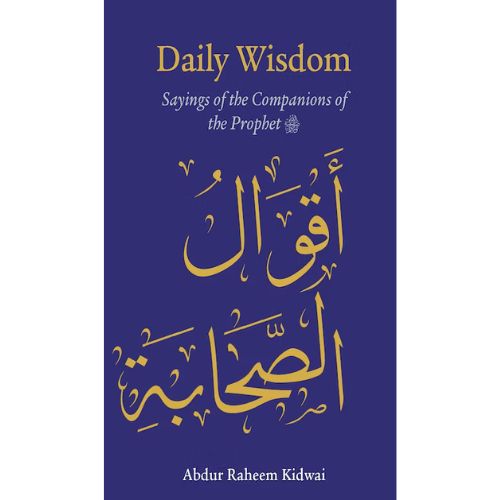
Daily Wisdom : Sayings of the Companions of the Prophet ﷺ
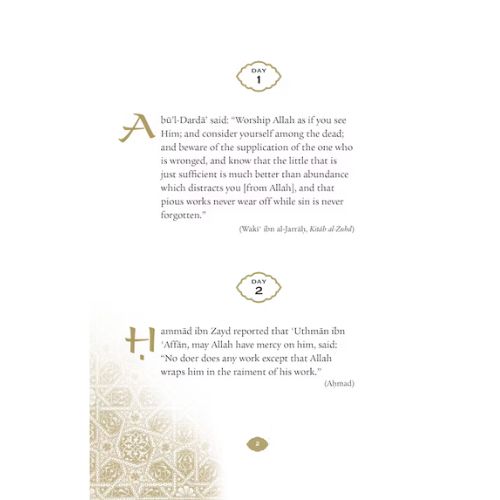
Sayings of the Companions of the Prophet ﷺ is a selection of 365 profound and pithy observations made by the Prophet’s illustrious Companions. The sayings supplement and complement the life-giving message of the Qur’an and Sunnah that these Companions experienced first-hand by being in close companionship with the Prophet.
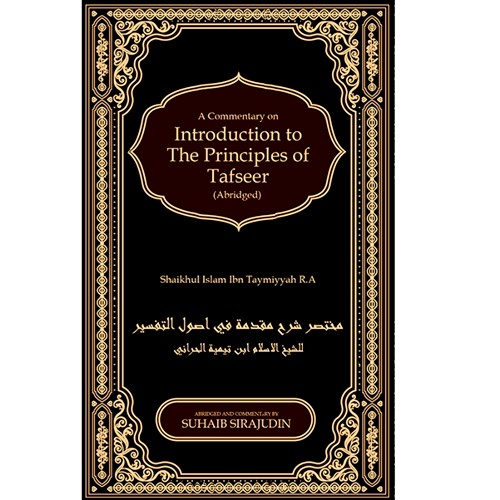
A Commentary on Introduction to The Principles of Tafseer (Abridged)
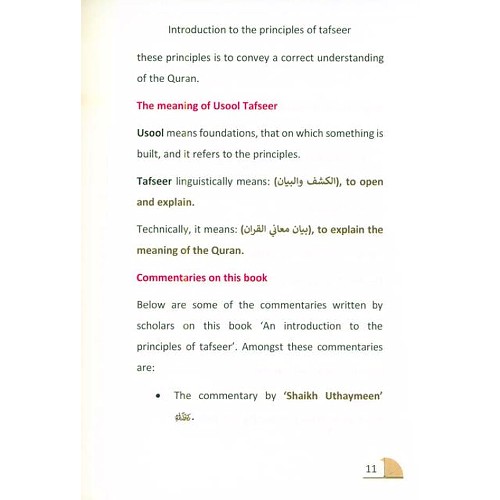
This is a summary of Shaykh Al Islam Ibn Taymiyyah’s Muqaddamah Fi Usool Tafseer (Introduction to the Principles of Tafsir). It discusses the principles of Tafseer that one should know before studying the Tafseer of the Quran.
Recently Viewed
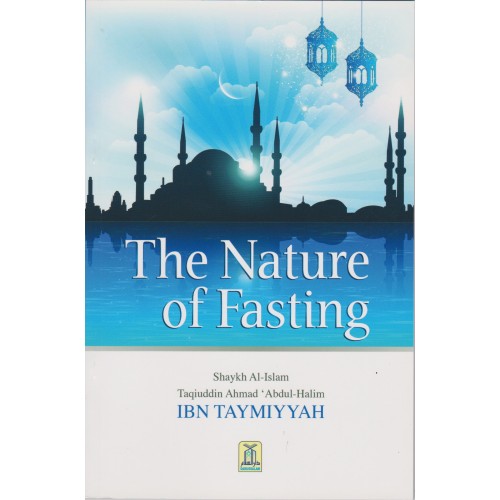
The Nature of Fasting
This book will help the reader better understand the fine points about fasting. What is the nature of the things that break the fast? What are the rules by which one can know the difference between what breaks the fast and what does not?
These question are more answered by Shaykh Al-Islam Ibn Taymiyyah in his discussion of the Nature of Fasting.
Publishers Note All praise is due to Allah, and may He grant peace and blessings upon His Last Messenger Muhammad.
This is a translation one of the smaller publications from the works of Shaykh Al-Islam Taqiuddin Ahmad bin ‘Abdul-Halim Ibn Taymiyyah. It has been published in this form a variety of times with a number of minor additions to the text under the title, “Hagigatus-Siyam,” or, “The Nature of Fasting.” We have revised our version to meet the source section of Majmu’ AI-Fatawa (25:219) from where it appears that the original booklet – with the exception of the questions, of which most appear on earlier pages – has been taken. We have inserted brackets to signify the additions, which earlier publishers probably took from other sections of his writings. We have also added brief references to the text for the Hadiths. I would like to express gratitude to brother Ebrahim Aly Ma’rouf for the original translation of this booklet, and the Darussalam staff for their editing and layout work.
Manhiyyat Prohibitions in Islam (P/B) (IIPH)
Whatever has been prohibited in the Qur’an and the Sunnah is for a good reason. Every Muslim is commanded to learn his or her religion, and being aware of these prohibitions is part of that essential knowledge. The Qur’an and the Sunnah enjoin virtuous behaviour, and any actions they prohibit are destructive deeds that a Muslim should avoid. In Prohibitions in Islam, Shaykh Muhammad Sâlih al-Munajjid explains that Allah Almighty and His Messenger (blessings and peace be upon him) have prohibited everything that contains any sort of harm or evil. These prohibitions vary in their degree of evil: they are either forbidden or detestable, and a practicing Muslim should avoid both kinds.
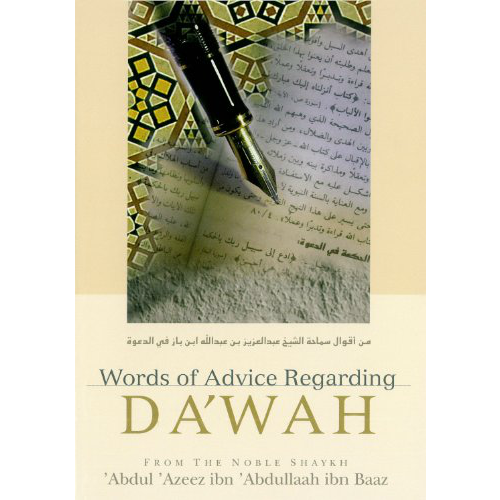
Words of Advice Regarding Da’wah
A unique collection of fatawa (Islamic legal rulings) by the noble Shaikh Bin Baz (Former Grand Mufti of Saudi Arabia) on the subject of da’wah, calling to Islam. This book clearly illustrates the vast experience, the deep wisdom and the expansive knowledge of the author, particularly in the field of da’wah. This discourse should prove to be beneficial to every Muslim but indispensable for those engaged in da’wah. The reader will find that the book addresses many practical points and contains answers to questions that often arise concerning da’wah.
Scholars of Hadith (P/B)
This book presents an extensive, in-depth analysis of great Muhaddithun (scholars of the science of Hadith). Each chapter presents detailed biographies of Malik b. Anas, Ibn Hanbal, al-Bukhari, Muslim, al-Tirmidhi, Abu Dawud, an-Nasai, Ibn Majah, ad-Darimi and al-Bayhaqi along with the methods they used in Hadith collection and classification. This work is especially important in today’s world where many Muslims have a dire need to connect with the great corpus of work that was produced by the scholars or traditional Islam. A work such as Scholars of Hadith has been long overdue in the English language and it will certainly make for productive reading for all interested in deepening their knowledge of Islam.


There are no reviews yet.