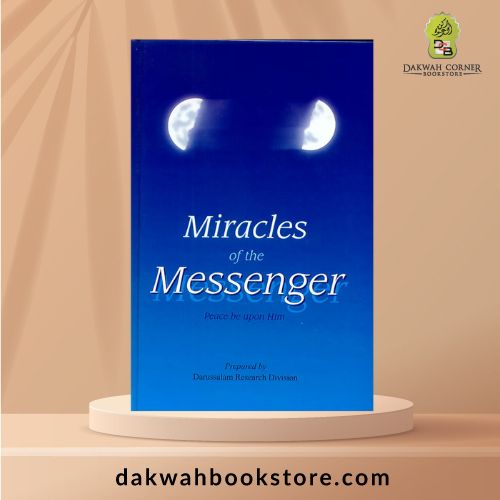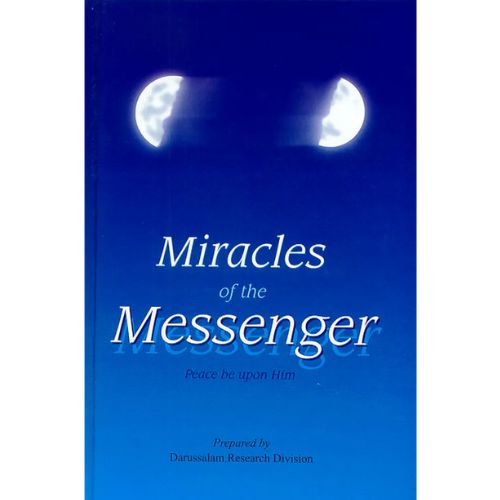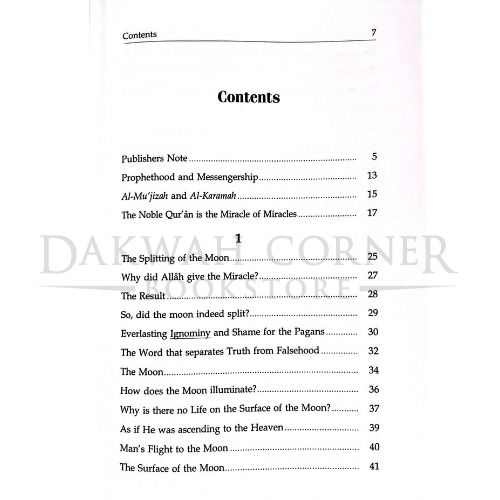
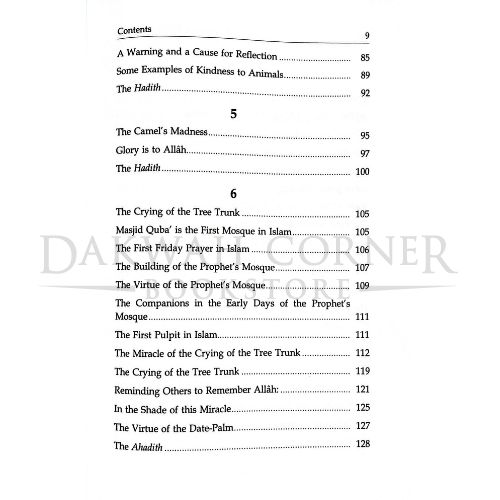

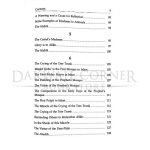
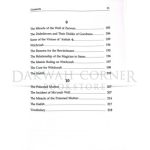
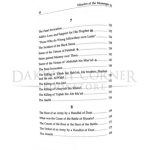
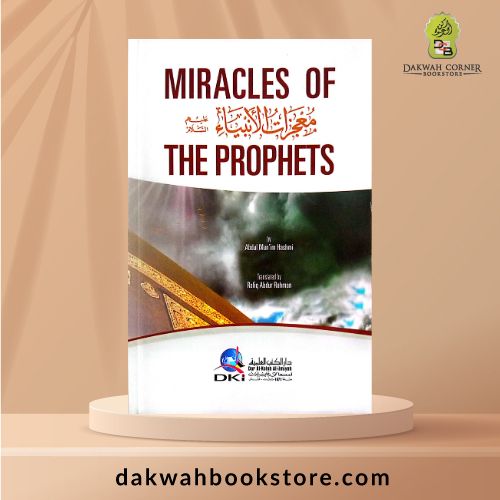
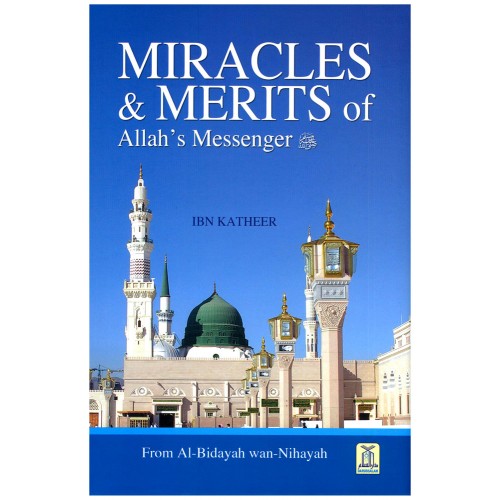
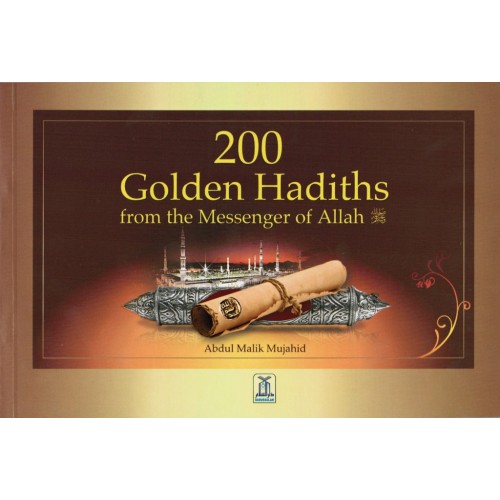
Allah supported his Messengers with miracles to help them in times of distress, to prove the truth of the messages that they were sent with, and to prevent liars and false claimers of Prophethood.
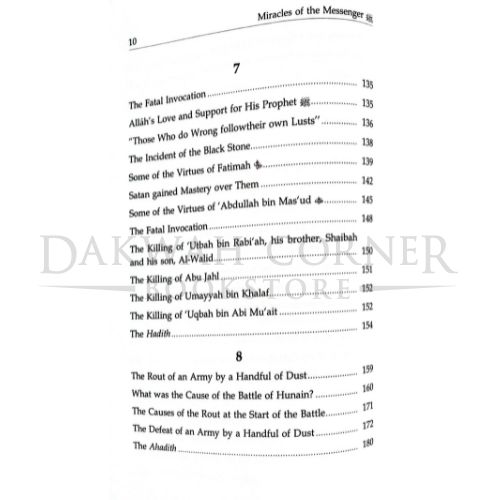
Although the main Miracle given to our Prophet [Islamic phrases=”Shallallahu ‘alaihi wa Sallam”]H[/Islamic] was the Noble Qur’an, but Allah supported him with many other Miracles also. Out of these many Miracles, we are presenting a few of them in this book.
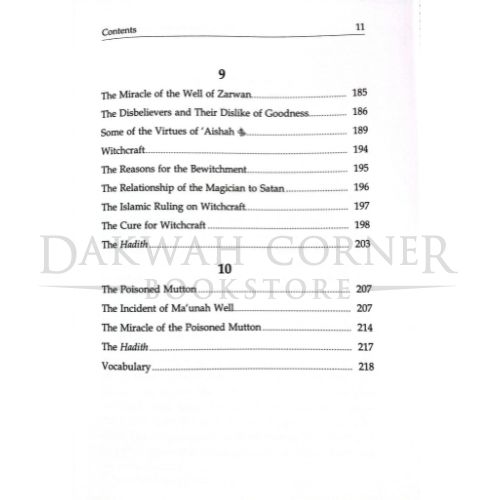
From this book we have started a new feature of providing the meanings of the difficult words. The underlined words are those which have their meanings in the vocabulary given at the end.
Miracles Of The Messenger (H/B) – Darussalam
RM50.00
Darussalam is pleased to present this book to Muslim youth. The purpose of this book is to enlighten our youth about the Miracles of the Prophet [Islamic phrases=”Shallallahu ‘alaihi wa Sallam”]H[/Islamic].
Frequently Bought Together
| Weight | 0.450 kg |
|---|---|
| Dimensions | 21 × 14 × 1 cm |
| Author | |
| Binding | Hardcover |
| ISBN | 9789960897561 |
| Pages | 239 |
| Year of publication | 2003 |
| Publisher | Darussalam |
Be the first to review “Miracles Of The Messenger (H/B) – Darussalam” Cancel reply
You must be logged in to post a review.
Related Products
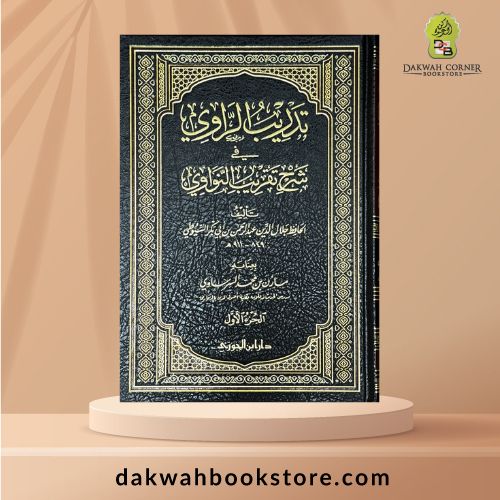
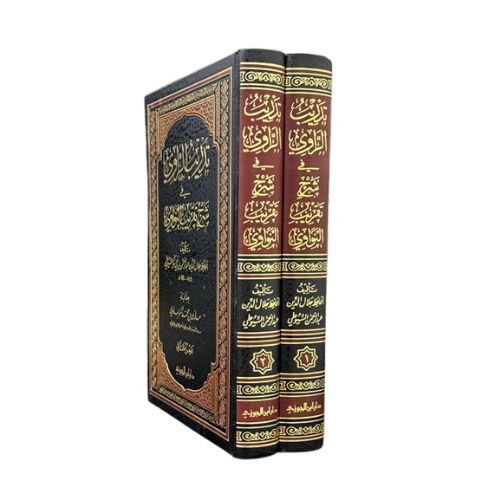
[AH]Tadrib Alrawi Fi Sharh Taqrib Alnawawi 2 Vol / تدريب الراوي في شرح تقريب النواوي 2 مجلد
كتاب “تدريب الراوي في شرح التقريب النووي” هو كتابٌ شهيرٌ في شرح علم الحديث، من تأليف الإمام جلال الدي السيوطي (متوفر على جوجل بوكس). وهو شرحٌ لكتاب “التقريب والتيسير” للإمام النووي، الذي يُعدّ بدوره ملخصًا لكتاب “علوم الحديث” لابن الصلاح. ويُعتبر هذا الكتاب مرجعًا هامًا لطلاب الحديث.
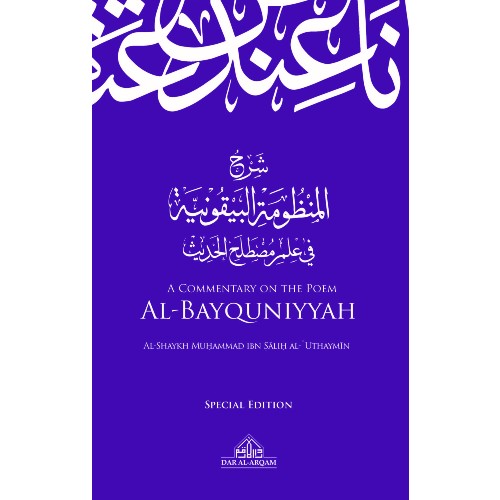
A Commentary On The Poem Al-Bayquniyyah
By Shaykh Ibn al-Uthaymeen
A commentary on the famous poem in the field of hadith sciences entitled al-Manzumah al-Bayquniyyah by Shaykh Muhammad ibn Saalih al-Uthaymeen (rahimullah).
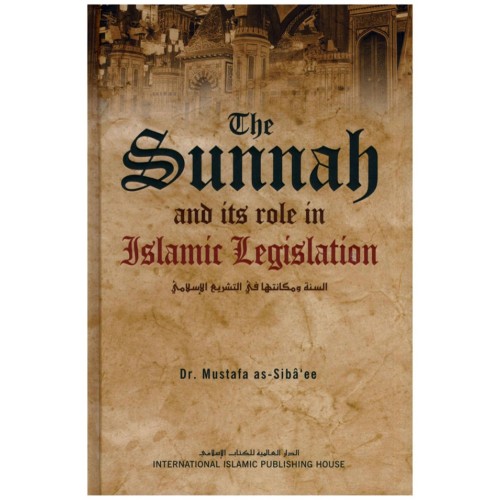
The Sunnah And Its Role In Islamic Legislation (H/B)
The Sunnah and its Role in Islamic Legislation is a groundbreaking effort by Dr. Mustafa as-Siba’ee, for it has a completeness to it in two regards: first, the author manages to cover all topics related to the Sunnah—its status, its legislative force, the stages that led to its recording, just to mention a few—in a comprehensive and organized manner. Second, he presents the views of those that have attacked the Sunnah throughout history, detailing their arguments and then refuting them. Among those groups from the past were the Shi’aa and the Mu’tazilah; today, they are mainly the Orientalists and those that are influenced by them.
Sheikh as-Siba’ee takes us through the historical development of the Sunnah, from the early stages of revelation to the recording of the Sunnah during the era of the great Imams of Hadith. Throughout that account, he highlights the contributions of the scholars in preserving the Sunnah and cleansing it from fabrications and lies. Shaykh as-Siba’ee gives a clear account of the revolutionary methods and scholarly principles that were established in order to authenticate historical reports and narrations. The author shows us that the fruits of that endeavour were the preservation of the authentic Sunnah and the birth of the Hadith sciences.
This book has been a perennial source of knowledge for Arabic-speaking students of Islam, for its clarity, readability, and insightful research. New English-speaking students too have available to them this authoritative treatise on the Sunnah of our beloved Prophet Muhammad) may the peace and blessings of ALLAH be upon him).
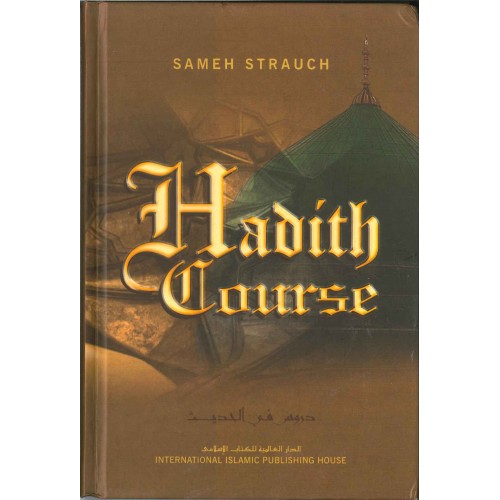
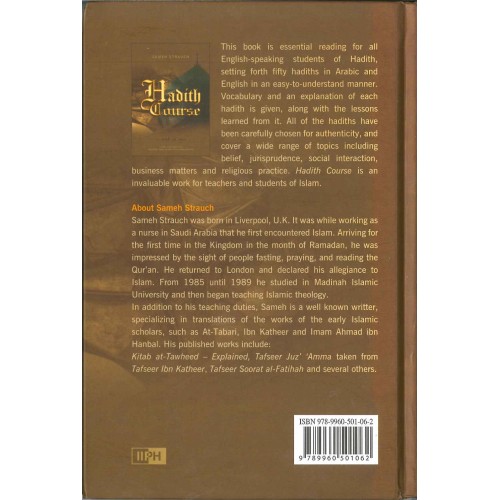
Hadith Course
Hadith Course is essential reading for all English speaking students of Hadith, presenting fifty hadiths in Arabic and English in an easy-to-understand manner. Vocabulary and an explanation of each hadith are given, along with the lessons learned from it. All of the hadiths have been carefully chosen for authenticity and cover a wide range of topics, including belief, jurisprudence, social matters, business and much more. This book is an invaluable handbook for schools and self-learners.
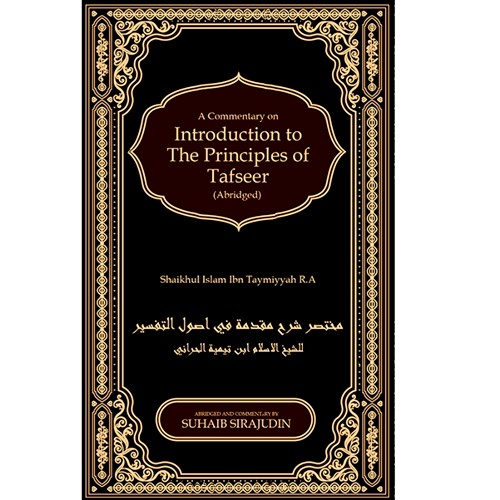
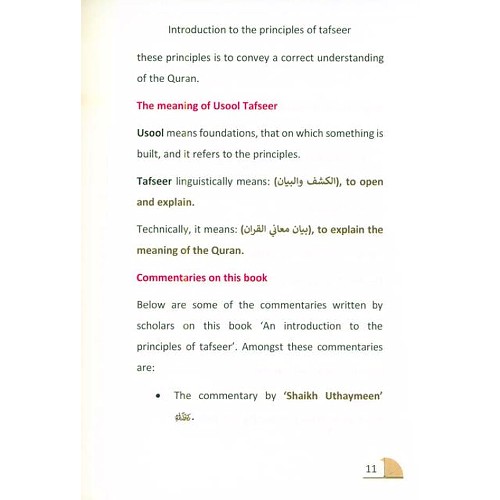
A Commentary on Introduction to The Principles of Tafseer (Abridged)
This is a summary of Shaykh Al Islam Ibn Taymiyyah’s Muqaddamah Fi Usool Tafseer (Introduction to the Principles of Tafsir). It discusses the principles of Tafseer that one should know before studying the Tafseer of the Quran.
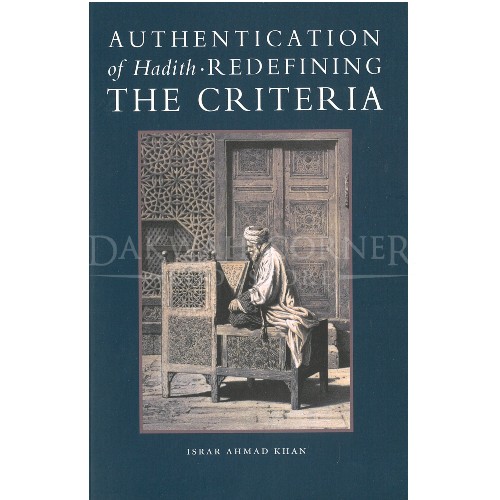
Authentication of Hadith: Redefining the Criteria (IIIT)
In today’s complex and volatile world the consequences of relying on fraudulent and counterfeit Hadith to legitimise extremist behaviour, issue violent fatwas, and justify blatant abuse, particularly of women, is not only far too easy but in fact dangerous. Israr Khan addresses the sensitive topic of Hadith authentication, focusing on the criteria adopted by classical scholars to maintain that concentration on the continuity and accuracy of the chain of narrators, rather than the textual content of Hadith, has led to particular Hadith being included which either contradict other Hadith directly, project the Prophet (SAAS) in an uncharacteristic light, or do not reflect and/or conflict with the teachings of the Qur an. The study traces in careful detail the historical development of the oral and written traditions, as well as the many targeted attempts at fabrication that took place, critiquing in methodical detail certain Hadith which have come to be widely accepted as authentic. The prominent collections we have today, were made possible by the development of the science of Hadith criticism, and Muslim scholars deserve deep appreciation for their painstaking work, as well as their invaluable contribution towards preserving the Hadith literature to the best of their ability. However, insists the author, the process is ongoing, and the closed door policy which currently surrounds Hadith authentication needs to be carefully reexamined.
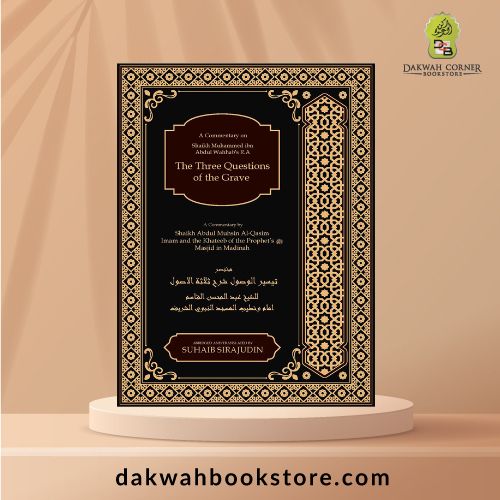
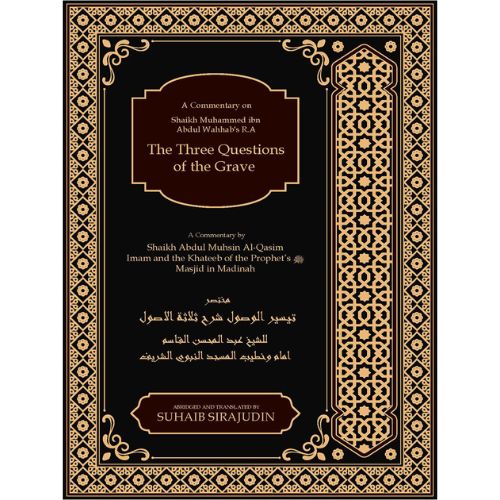
A Commentary on The Three Questions of the Grave
This is a summarised translation of Shaikh Abdul Muhsin Al Qasim’s (The Imam and the Khateeb of the Prophet’s Masjid in Madinah) book titled ‘Tayseerul Wusool’ which is a commentary on the book of Shaikh Muhammed ibn Abdul Wahhab’s Thalathatul Usool (The Three Questions of the Grave). It is a commentary on the three questions of the grave which every human being will be asked in his grave.
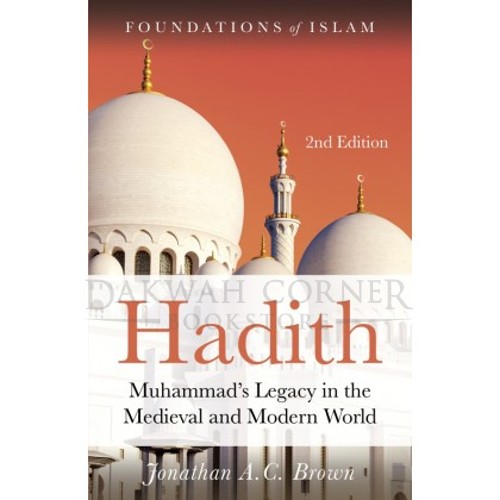
Hadith: Muhammad’s Legacy in the Medieval and Modern World (2nd Edition)
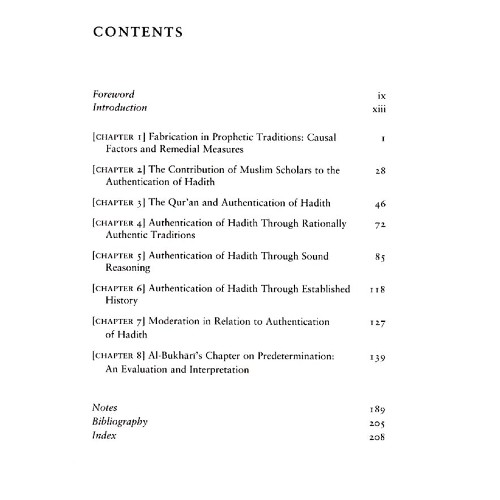
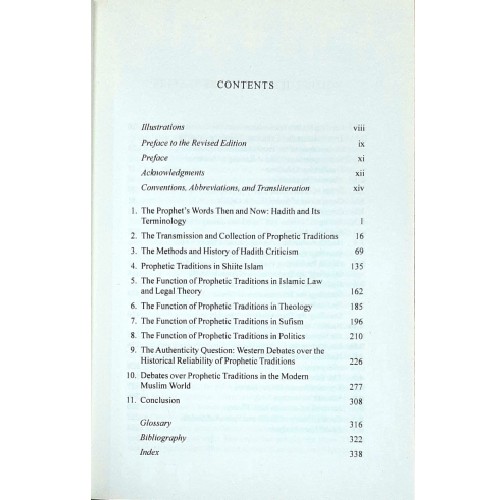
Contrary to popular opinion, the bulk of Islamic law does not come from the Quran but from hadith, first-hand reports of the Prophet Muhammad’s words and deeds, passed from generation to generation. However, with varying accounts often only committed to paper a century after the death of Muhammad, Islamic scholars, past and present, have been faced with complex questions of historical authenticity. In this wide-ranging introduction, Jonathan A. C. Brown explores the collection and criticism of hadith, and the controversy surrounding its role in modern Islam. This edition, revised and updated with additional case studies and attention to the very latest scholarship, also features a new chapter on how hadiths have been used politically, both historically and in the Arab Spring and its aftermath. Informative and accessible, it is perfectly suited to students, scholars and general readers interested in this critical element of Islam.
Recently Viewed
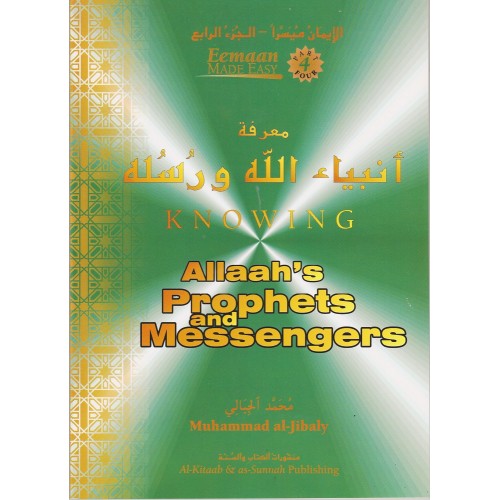
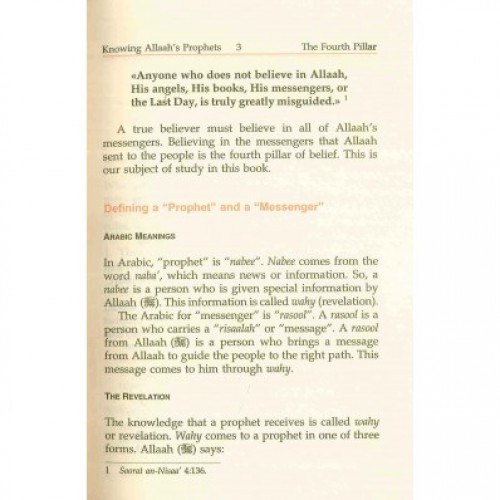
Knowing Allaah’s Prophets and Messengers (P/B) (Eeman Made Easy Series)
This is a simplified series of books dealing with the fundamental Islaamic beliefs. The material is well-founded on authentic proofs from the Qur’aan and Sunnah. The books are written in easy language, making them accessible to individuals with limited vocabulary.
The Modernist Menace To Islam
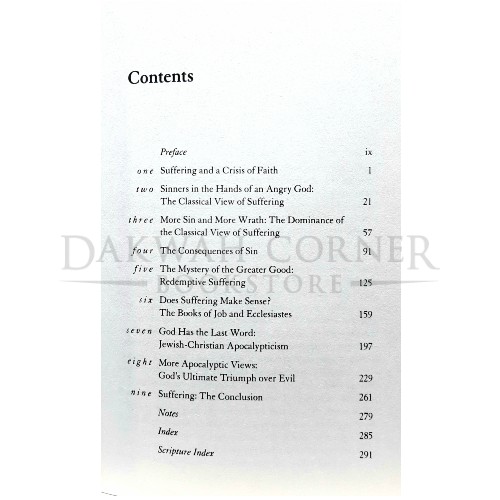
God’s Problem: How the Bible Fails to Answer Our Most Important Question–Why We Suffer
In times of questioning and despair, people often quote the Bible to provide answers. Surprisingly, though, the Bible does not have one answer but many “answers” that often contradict one another. Consider these competing explanations for suffering put forth by various biblical writers:
The prophets: suffering is a punishment for sin
The book of Job, which offers two different answers: suffering is a test, and you will be rewarded later for passing it; and suffering is beyond comprehension, since we are just human beings and God, after all, is God
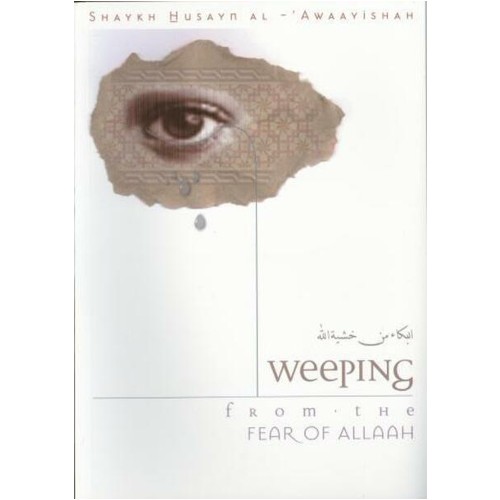
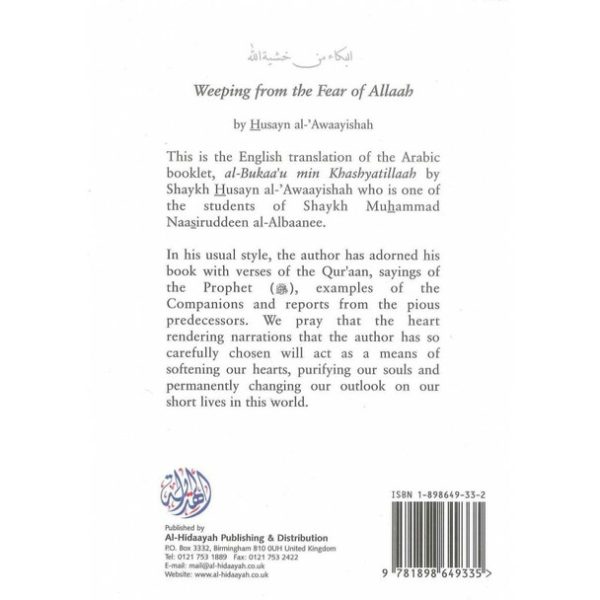
Weeping from the Fear Of Allah (Al-Hidaayah UK)
This is a very moving book on the topic of crying out of fear of Allaah. It is being presented at a time when crying is considered a weakness rather than a virtue – and this has lead to the hardness of the hearts. The author brings narrations from the Prophet as well as many Companions as examples of weeping from the fear of Allaah. The book also has a section containing many practical points on ways and means of developing this noble quality of weeping due to the fear of Allah.
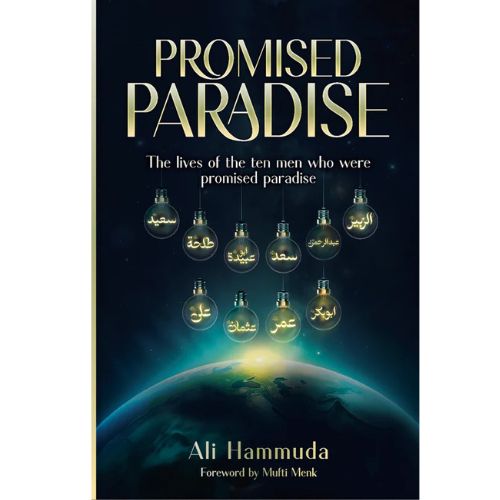
Promised Paradise (P/B) – Quillspire (HS137)
With vivid storytelling and meaningful reflections, Shaykh Ali Hammuda brings their stories to life — stories of sacrifice, loyalty, and deep faith. Each chapter invites you to learn from their character, reflect on your own journey, and strive for the ultimate reward.
More than a collection of biographies, Promised Paradise is a spiritual guide that encourages you to embody the values of those who came before us and to pursue your own place in Paradise with conviction and hope.
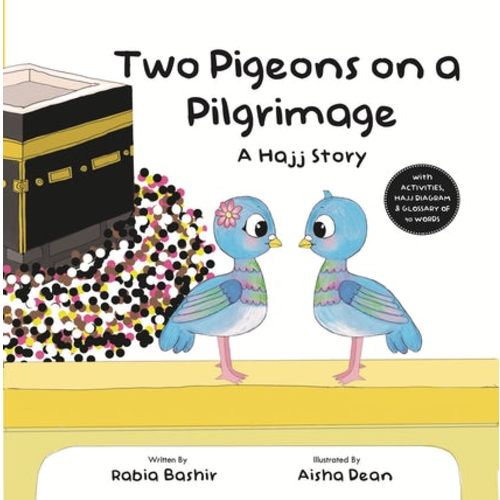
Two Pigeons on a Pilgrimage: A Hajj Story by Rabia Bashir
Follow two pigeons as they leave their nest and join millions of pilgrims performing Hajj. This book is the perfect introduction to Hajj for kids! It’s written in rhyme and goes in the order of steps Muslims take to perform Hajj. It contains a Hajj diagram, 2 activities plus, a child-friendly glossary of 40 Islamic/Arabic terms related to Hajj and Makkah.
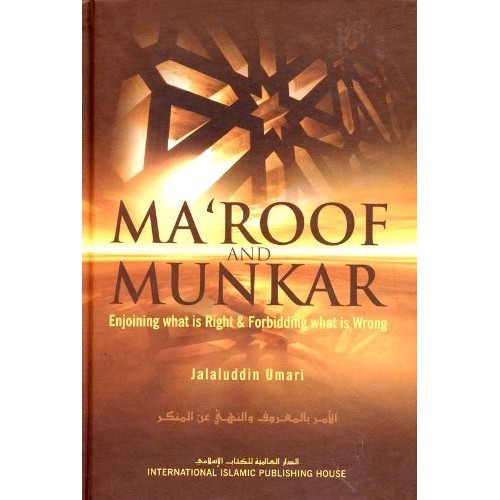
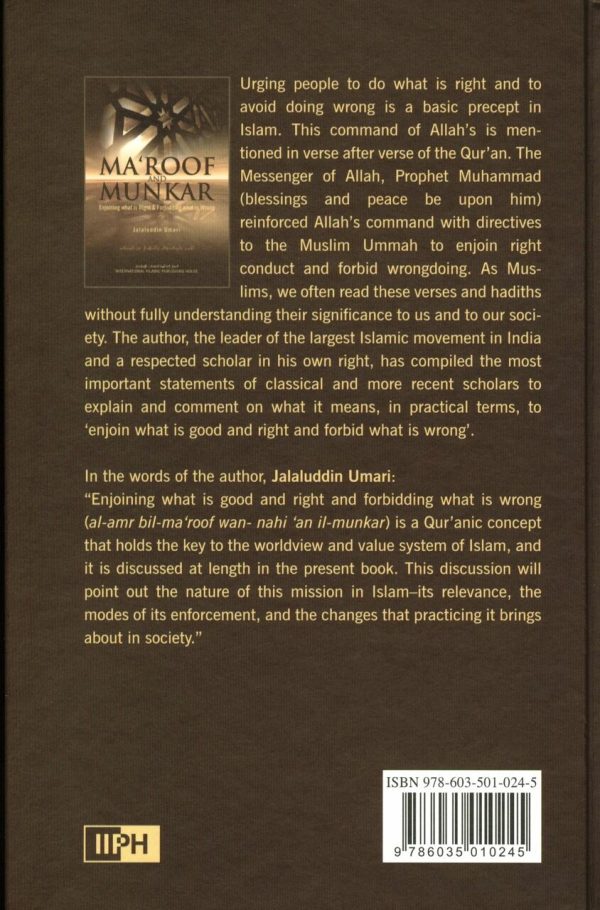
Ma’roof And Munkar – Enjoining what is Right & Forbidding what is Wrong
Ma’roof and Munkar (Enjoining what is Right & Forbidding What is Wrong) By : Jalaludin Umari Urging people to do what is right and to avoid doing wrong is a basic precept in islam . This command of allah is mentiones in verse after verse of the quran. The Messenger of Allah,Prophet Muhammad (PBUH) reinforced Allah’s command with Directives to the muslim Ummah to enjoin right conduct and forbid wrongdoing. As Muslims , we often read these verses and hadiths without fully understanding their significance to us and to our society . The Author has compiled the most important statements of classical and more recent scholars to explain and comment on what it means,in practical terms to enjoin what is good and right and forbid what is wrong.
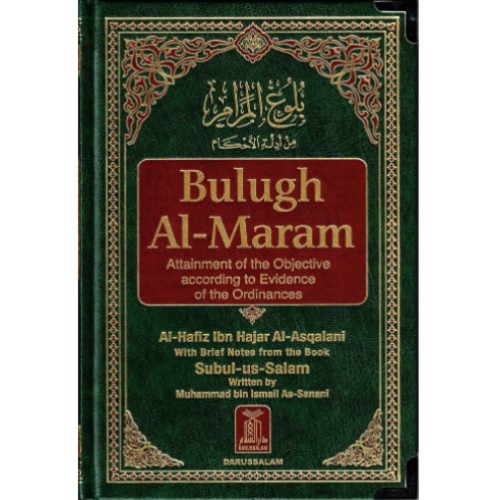
Bulugh Al-Maram (Attainment of the Objective)
Bulugh Al-Maram is based upon the Ahadith of our Prophet which have been the sources of Islamic Jurisprudence. Al-Hafiz Ibn Hajar Al-Asqalani (Hijrah 777-853) has recorded the true significance of the Ahadith and their origins & also made a comparison of the versions, if the sources are more than one
Miracles Of The Messenger (H/B) – Darussalam
Darussalam is pleased to present this book to Muslim youth. The purpose of this book is to enlighten our youth about the Miracles of the Prophet [Islamic phrases=”Shallallahu ‘alaihi wa Sallam”]H[/Islamic].
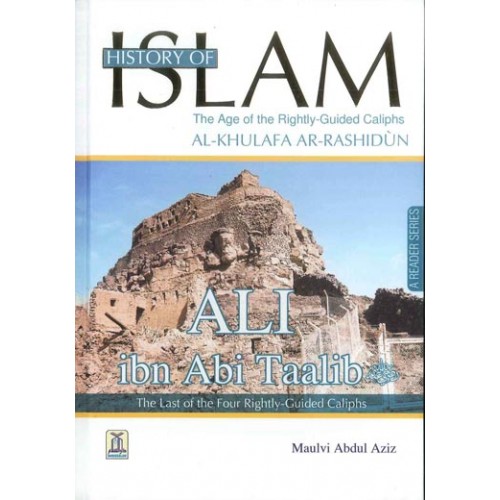
History of Islam: Ali ibn Abi Taalib (H/B)
This is the fourth volume from this series, which deals with the life of the last of the Four Rightly-Guided Caliphs, Ali ibn Abi ?alib . He was the first male to accept Islam at the young age of approximately nine years. He was the Prophet’s cousin, the son of Abu Talib, the Prophets supportive and loving uncle who protected him during the worst trials of his early Prophethood. Alis devotion to the Prophet is best evidenced during the Hijrah (migration) when he acted as the Prophet’s decoy in Makkah while the Prophet left under the cover of night and migrated to Madinah, accompanied by Abu Bakr. Darussalam presents the entire History of Islam to our youth in language that appeals to them, in a simple yet lucid manner. The first four volumes in this series explore Islamic history during the period of the first Four Rightly-Guided Caliphs. Later volumes would be devoted to the History of Islam, down through the ages to modern times, inshaAllah. volumes would be devoted to the History of Islam, down through the ages to modern times, inshaAllah.
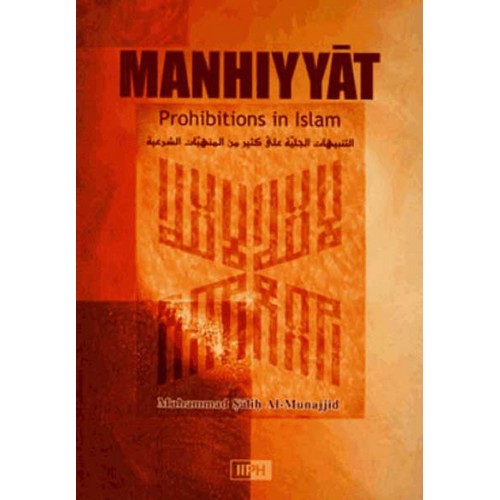
Manhiyyat Prohibitions in Islam (P/B) (IIPH)
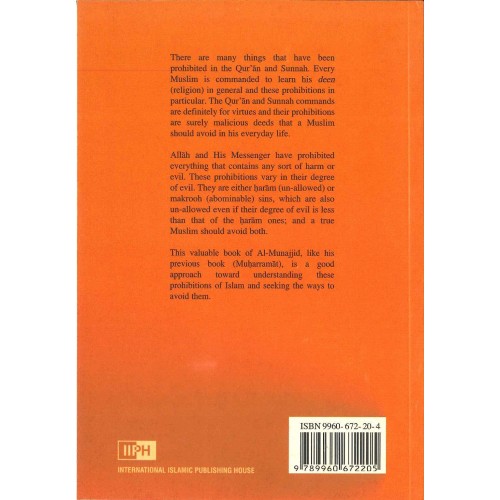
Whatever has been prohibited in the Qur’an and the Sunnah is for a good reason. Every Muslim is commanded to learn his or her religion, and being aware of these prohibitions is part of that essential knowledge. The Qur’an and the Sunnah enjoin virtuous behaviour, and any actions they prohibit are destructive deeds that a Muslim should avoid. In Prohibitions in Islam, Shaykh Muhammad Sâlih al-Munajjid explains that Allah Almighty and His Messenger (blessings and peace be upon him) have prohibited everything that contains any sort of harm or evil. These prohibitions vary in their degree of evil: they are either forbidden or detestable, and a practicing Muslim should avoid both kinds.
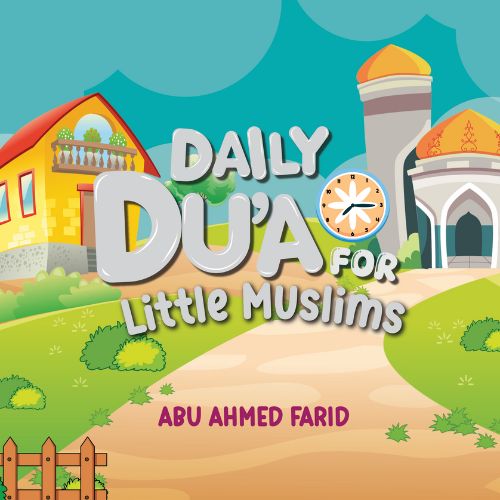
Daily Dua’s for Little Muslims
Supplications made easy for young hearts!
Join us on a joyful journey to remember Allah every day. Discover simple adhkar and du’as taught by our beloved Prophet Muhammad ﷺ, filling our lives with love, protection, and endless rewards. Let us grow in faith together and keep Allah close in everything we do.
The Journey to Allah (P/B)
Bukhari records on the authority of abu Hurayrah (raiyAllahu ?anhu) that the Prophet said, ?Your actions alone will not save any of you.? They asked, ?Messenger of Allah, not even you?? He replied, ?not even me, unless Allah were to envelop me in His mercy.
Be firm; steadfast and balanced; and journey [to Allah] in the beginning of the day, the end of the day, and a portion of the latter part of the night. Moderation, moderation! Through this you will attain your goal!?
He also recorded this hadith in another place with the wording, ?This religion is easy, none makes it hard upon himself except that it overwhelms him; therefore be firm, steadfast, and balanced; upon which have glad tidings! Seek help in this by journeying [to Allah] at the beginning of the day, at the end of the day, and a portion of the latter part of the night.?
He also records on the authority of ?A?ishah (raiyAllahu ?anhu) that the Prophet said, ?be firm, steadfast, and balanced upon which have glad tidings for indeed actions alone will not cause one to enter Paradise.? They asked, ?Messenger of allah, not even you?? He replied, ?not even me, unless Allah were to envelop me in His forgiveness and mercy.?
He also records on her authority that the Prophet said, ?be firm, steadfast, and balanced: know that your actions alone will not be a cause for your entry into Paradise and that the most beloved actions to allah are those that are done continuously and persistently, even if they be few.?
These noble ahadith detail a great and important principle from which stem many issues related to the journey to Allah while wayfaring along His Path.
Some of the Salaf said, ?The Hereafter consists either of allah?s forgiveness or the Fire; and this world is either a source of allah?s protection or a source of destruction.? On his deathbed, Muhammad ibn Wasi bid farewell to his companions saying, ?Peace be upon you, either to the Fire or to the forgiveness of allah.?


There are no reviews yet.