![[AFT] Al 'Aql wa Mada I'tibaruhu Masdar / العقل ومدى اعتباره مصدرا](https://shop.dakwahbookstore.com/wp-content/uploads/2025/11/website-500x500-61.jpg)

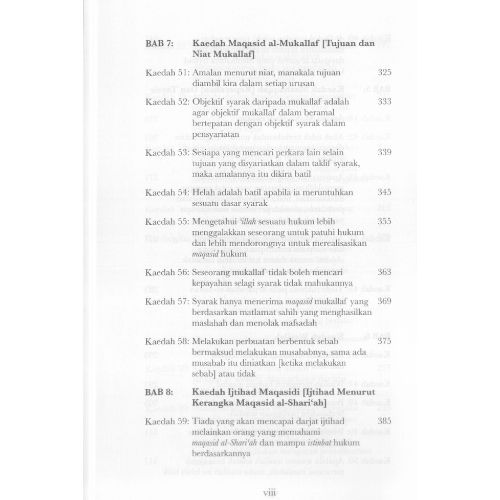
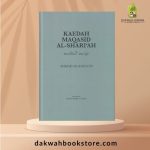
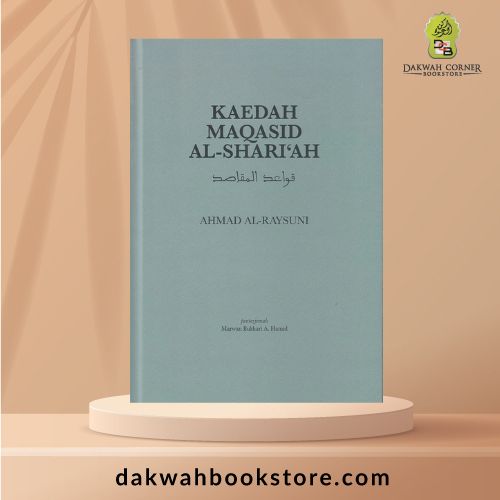
Buku ini mengandungi 80 kaedah setelah melalui beberapa kali saringan oleh penulis yang awalnya menyenaraikan 200 kaedah. Menurut kajian beliau, 80 kaedah ini berstatus disepakati atau hampir disepakati oleh ulama. Setiap kaedah dijelaskan konteksnya, diikuti dengan maknanya, dalilnya dan seterusnya contoh-contoh praktikal. Susunannya teratur, 80 kaedah dibahagikan kepada sembilan bab. Cara penulisannya menyebabkan buku ini sesuai sekali menjadi silibus atau bahan mengajar dan kursus intensif.
Kaedah Maqasid al-Shariah
RM80.00
Hurry up, Only 1 left.
Highlights:
somdn_product_page
Compare
Kandungan buku ini bukan hanya sesuai untuk pelajar dan pengkaji bidang usul al-fiqh dan Maqasid al-Shari’ah, malah juga bidang tafsir dan pemikiran Islam kerana hakikatnya kandungan ini berkait dengan metodologi berinteraksi dengan al-Quran dan al-Sunnah. Selain itu, pembaca serius yang di luar bidang pengajian Islam juga boleh memanfaatkan buku itu terutama dalam memahami kaedah berfikir menurut kerangka Islam.
Frequently Bought Together
1 Item
RM80.00
0 Add-Ons
RM0.00
Total
RM80.00
Additional information
| Weight | 1 kg |
|---|---|
| Dimensions | 16 × 3.3 × 23 cm |
| Author | |
| Binding | Hardcover |
| ISBN | 978-967-18100-8-8 |
| Pages | 566 |
| Publisher | Hawzah Fikir |
You may also like…
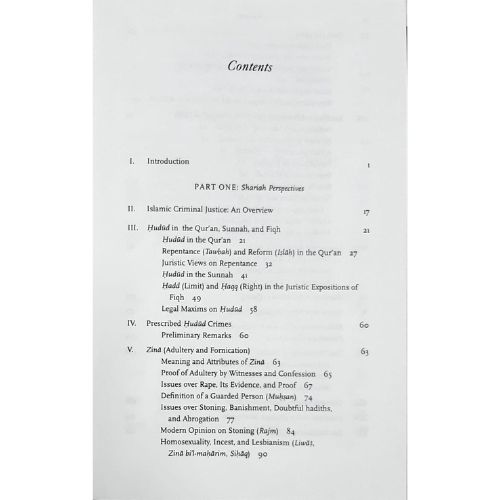
The Lawful And The Prohibited In Islam (IBT)
Highlights:
“This famous work by Yusuf al-Qaradawi has enjoyed a huge readership I the Muslim world and has been translated into many languages. It dispels the ambiguities surrounding the Shariah to fulfil the essential needs of the Muslims in this age. It clarifies the halal (lawful) and why it is halal, and the haram (prohibited) and why it is haram, referring to the Qur’an and Sunnah. It answers questions which may face the Muslims today, and refutes the ambiguities and lies about Islam.”
RM35.00
Related Products

Islamic Fatawa Regarding Women (H/B)
Highlights:
Women face a lot of special problems regarding their menses, postpartum bleeding, istihada, hijab, mixing with men, rights & duties with respect to their husband, husband’s household, children, inheritance, marriage, divorce, etc
More than 350 of such problems & issues have been answered in this book by Grand Mufti of Saudi Arabia Sheikh Ibn Baz, and the eminent scholars like Sheikh Ibn Uthaimin, Sheikh Ibn Jibreen and others.
.
RM56.00


Al-Jumu’ah: The Day of Congregation
Highlights:
In our busy lives, Friday comes around once a week. It often comes and goes without our being really aware of it. For many Muslim men, it may be punctuated by the congregational prayer that they make special efforts to attend. For many Muslim women, it may go by just like any other day. This ought not to be the case. In this unique book, Dr. Gowher Yusuf gives us reason to stop and think about how special Friday (al-Jumu‘ah) really is, and what we should be doing to achieve the many bounteous blessings it holds for those who observe it. Drawing constantly from the Qur`an and the Sunnah and the great works of the scholars of Islam, Dr. Gowher Yusuf explores this topic in depth and presents it to the reader in simple language for them to understand and ponder over. This book travels through the various issues pertaining to the Friday prayer and its Khutbah, or sermon. These issues are explained within the Islamic framework, thus abolishing any myths and misunderstandings and clarifying the topic for the reader. Dr. Yusuf writes: The day of the week known as al-Jumu‘ah, or simply Jumu‘ah, is Friday, and it is special. Compared to the other days of the week, Friday has been accorded the largest amount of merit, so much so that the father of all humankind, Prophet Âdam (peace be upon him), was created on this day and a particular prayer was ordered for this day. It was from the guidance given to Prophet Muhammad (blessings and peace of Allah be upon him) to magnify this day, honour it, and designate it for acts of worship. …On a Friday, we all will be gathered and will stand congregated in front of Allah, the Exalted, on the Day of Resurrection, also called the Day of Accountability or the Day of Judgement.
RM38.00


Common Mistakes Regarding Prayer – IIPH
Highlights:
Formal prayer (salat) is the second pillar of Islam, and the most important of a Muslim’s acts of worship. Prophet Muhammad (PBUH) said: “The first of one’s actions for which a slave of Allah will be held accountable on the Day of Judgment will be one’s prayers. If they are correct and accounted for, then he (or she) will have succeeded (gained paradise); and if they are lacking, then he (or she) will have failed (lost paradise). If there is something defective in his (or her) obligatory prayers, the Lord will say: ‘See if my slave has any supererogatory prayers with which that which was defective in his (or her) obligatory prayers may be completed. Then the rest of his (or her) deeds will be judged in like manner.” (At-Tirmidhi and others) Shaykh Mashhur Hasan Salman has compiled a list of the most common errors that we make when we pray, discussing and explaining each one. This book is a valuable aid to Muslims hoping to perfect their prayers, so that their prayers may be free of defects and acceptable to Allah. This new and revised edition of the English translation of his work presents the text in a fluent, highly readable style.
RM38.00

The Pillars of Islam Made Easy – II Salah & Its Essential Conditions (H/B)
Highlights:
Salah is one of the five pillars on which the edifice of Islam rests. Most of us feel that we already know all there is about salah – the formal prayers of a Muslim. However, very few individuals actually do justice to it or derive any worldly or spiritual benefits from it.
Salah & Its Essential Conditions is an effort to detail the essential prerequiires of salah. Moreever, it takes a detailed look at its importance along with the different types of obligatory and voluntary prayers. It alsa presents an illustrated guide to help those who wish to learn or correct the performance of their prayers.
Inshallah, all those who wish to improve their salah will find plenty of help in this book whether they are looking for information on cleanliness and purify, locating the direction of qibla, improving their congregation during salah, making up for the missed salah, or joining acongregation when the imam has already sarted the salah, or joining a congregation when the imam has already started the salah. All in all, it is a relevant handbook on what the Prophet (saw) has described as the coolness of his eyes.
RM50.00


Funeral Rites In Islam (H/B)
Highlights:
The purpose of this book is to provide English speaking Muslims a concise and authentic compilation of the instructions regarding funeral rites in Islam.
RM35.00

War and Peace in Islam : The Uses and Abuses of Jihad (P/B)
Highlights:
Written by a number of Islamic religious authorities and Muslim scholars, this work presents the views and teachings of mainstream Sunni and Shi’i Islam on the subject of jihad. It authoritatively presents jihad as it is understood by the majority of the world’s 1.7 billion Muslims in the world today, and supports this understanding with extensive detail and scholarship. No word in English evokes more fear and misunderstanding than “jihad.” To date the books that have appeared on the subject in English by Western scholars have been either openly partisan and polemical or subtly traumatized by so many acts and images of terrorism in the name of jihad and by the historical memory of nearly 1,400 years of confrontation between Islam and Christianity. Though jihad is the central concern of War and Peace in Islam: The Uses and Abuses of Jihad, the range of the essays is not confined exclusively to the study of jihad. The work is divided into three parts: War and Its Practice, Peace and Its Practice, and Beyond Peace: The Practice of Forbearance, Mercy, Compassion and Love. The book aims to reveal the real meaning of jihad and to rectify many of the misunderstandings that surround both it and Islam’s relation with the “Other.”
Reviews:
“A dynamic myth-busting clarification of the real position of mainstream orthodox Islam on the whole question of violence and jihad.” —T. J. Winter, University of Cambridge
“This is the best book on the subject in English. It will be of inestimable value.” —Shaykh Mustafa Ceric, Grand Mufti Emeritus of Bosnia
RM145.00


Should A Muslim Follow A Particular Madhhab?
Highlights:
In this book, the author has widely described the main principle of Taqleed. He says that Allah and Prophet Mohammed (SAW) has not ordered us to follow any opinions and interpretations. So there’s a possibility of being correct or incorrect in the opinions because there are many issues on which the Imams had different views and they explain them according to their own reasons and speculations, but the real and true Islam is based on the book (Quran) and Prophet’s Sunnah.
Allah says: “But no, by your Lord, they can have no Faith until they make you judge in all disputed matters between them, and find in themselves no resistance against your decision, and accept them with full submission.” And the prophet said: “I leave you with two things as long as you hold them tightly, you never go astray: they are the book of Allah and my Sunnah.” In this sense, the author has described the difference between different Madhahib (madhabs/mazhabs), and their views and urged to follow only the Quran and Sunnah.
RM11.00

The Right to Education, Work and Welfare in Islam (P/B)
Highlights:
In The Right to Education, Work and Welfare in Islam Professor M.H. Kamali develops an Islamic perspective on three connected and complementary areas of rights and liberties. He urges that education is often a necessary ingredient of professional work even more so now than in earlier times when the range and variety of specialised knowledge were relatively limited. A person who acquires education, whether generally or at advanced levels of specialisation, is more likely to stand in a better position to enter the workforce and thus to contribute to the welfare of the community.
The author commences his discussions on education, work and welfare in Islam by focusing on how each is treated in the Qur’an; and follows this by the example of the Prophet and, after him, the Pious Caliphs who gave prominence to the education and welfare needs of people at times both of scarcity and affluence. Professor Kamali then moves forward to our time and discusses the right to education, the education of children, institutionalisation of learning, academic freedom and the debate between science and religion.
The section on work elaborates on the value of work, work ethics, workers’ and employers’ rights and responsibilities, and the role and responsibility of governments.
Finally, the section on welfare focuses on the importance in Islam of caring for those who are in need and the different forms of provision that can be made available by individuals, the state and charities.
RM63.00

Worship In Islam: An In-depth Study of Ibadah, Salah and Sawm (P/B)
Highlights:
Worship in Islam is in-depth study of the nature and significance of Islamic spirituality by Abul A‘la Mawdudi (1903–79), one of the leading Muslim intellectuals of the twentieth century, with special reference to the concepts of God’s Oneness (tawhid), the finality of Prophethood (risalah) and the Islamic system of worship (‘ibadah) with a focus upon prayer (salah) and fasting (sawm) and their role in the development of the Islamic personality and Islam’s social order. The distinguishing feature of Mawdudi’s approach is his elaboration of the social dimension of worship, which extends the traditional approach found in Islamic jurisprudence, with its focus upon ritual and self-purification, to consider worship’s transformative role in social life. Presenting a holistic view of the Islamic system, Mawdudi highlights Islam’s social, economic and political dimensions, which he argues has the capacity to resolve emergent issues and problems that humankind faces.
This historic text should be of wider interest to both students and specialists in contemporary Islamic thought, and includes an introduction by Professor Anis Ahmad.
Edited and translated into accessible English by Ahmad Imam Shafaq Hashemi, this book is an authoritative compilation by a leading Islamic twentieth-century revivalist on the central matter of worship’s role in Islam.
RM84.00


Having Fun The Halal Way Entertainment In Islam
5 ★
5 ★
1 Rating
5 ★
1
4 ★
0
3 ★
0
2 ★
0
1 ★
0
Highlights:
With the advent of technology, the entertainment industry has flourished and become immensely popular. Combine this with the exponential advances in technology, and the result is an increasing number of ways to amuse ourselves. As a result of such advances, Muslim react in a variety of manners towards entertainment. Some label entertainment as completely forbidden. This sometimes includes parents who say no to almost everything that their young ones deem to be ‘fun’, without providing them with suitable alternatives. Others, who do not want to take this extreme approach, fall into the trap of excessive use of – and even addiction to – various sources of entertainment, without any limits.
In Having Fun the Halal Way, Ismail Kamdar explores the teachings of Islam regarding entertainment. Drawing upon the Quran, the Sunnah and the understanding of the righteous scholars of Islam, he provides a detailed and balanced analysis of the topic. He not only explains the detriments of the current entertainment industry, but also suggests alternative means to have a good time with friends and family members.
RM18.00


Fiqh Course: Tahaarah, Salaah & Janaa’iz
Highlights:
This course was compiled for English-speaking Muslims and is especially beneficial for new Muslims. It covers tahârah (purification), salâh (prayer) and janâ‘iz (funerals). It is set out in an easy-to-understand manner, citing evidence from the Qur’an and authentic hadiths. The aim of this book is to provide the reader with a correct, yet uncomplicated guide to the performance of the aforementioned acts of worship. Allah willing, it is the first in a series which will cover all aspects of worship and Islamic jurisprudence.
RM46.00
Preservation of Health in Islamic Law (P/B)
Highlights:
Preservation of health (hifz al-sihhah) is the most important branch of Islamic medicine since it is primarily concerned with the prevention of illness rather than cure. This book represents one of the few attempts to introduce the role of Islamic medicine, although Chapter One provides information about a historical background of the preservation of helath in Islam, its aim is to provide fresh ant timely overview of the major aspects of legal, ritual and spiritual structures of teh Islamic law (shariah). These include the laws related to Ibadah, Islamic family laws, foods and drinks as well as environmental laws, for maintaning and preserving human health. Findings indicated that prevention of any diseases from Islamic medical law presentive cannot attain any real success unless it emanates from an Islamic fundamental teaching, namely: the pillars of Islam. Iman and observance of the Islamic rituals such as Salah, zakah, Sawm and Hajj, have played an important role in shaping the attitude, behavior and model personality of the Muslim, in boosting the spiritual motivation or attitude change, and in disseminating the message of prevention. This indicates that bodily and spiritual health goes hand in hand and that pyscho-spritual balance and health is a primary consideration whereas physical health is a secondary one.
RM47.00
Recently Viewed
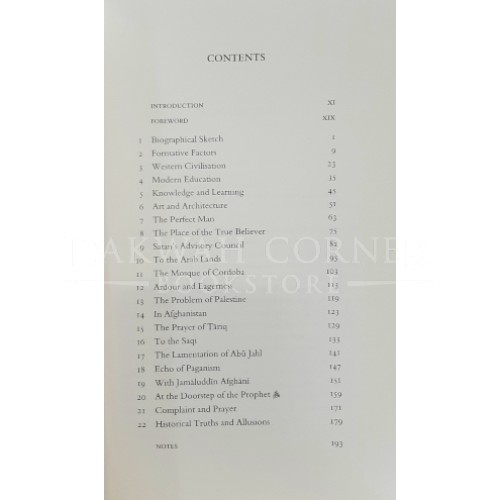
The Glory Of Iqbal
Highlights:
Even as I depart from this world, Everyone will say, “I knew him,” But the truth is, alas! That none knew, Who the stranger was, or what he said, or whence he came!
RM65.00
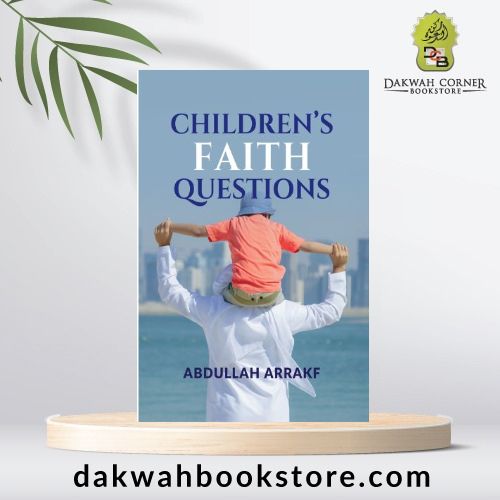
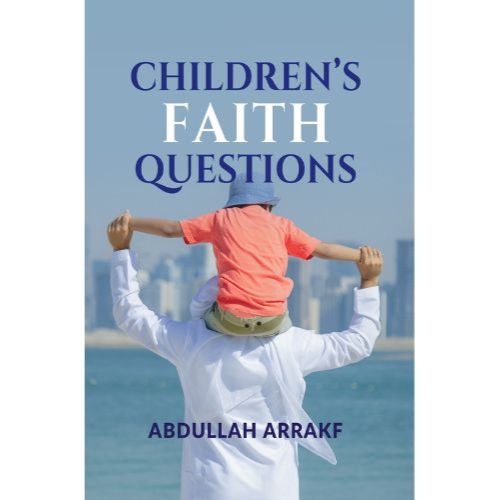
Children’s Faith Questions (New Cover)
Highlights:
This book calls upon Muslim parents to teach the faith to their children in a time of globalization and unlimited access—through technology—to all that is confusingly contradictory to the Islamic faith.
RM20.00
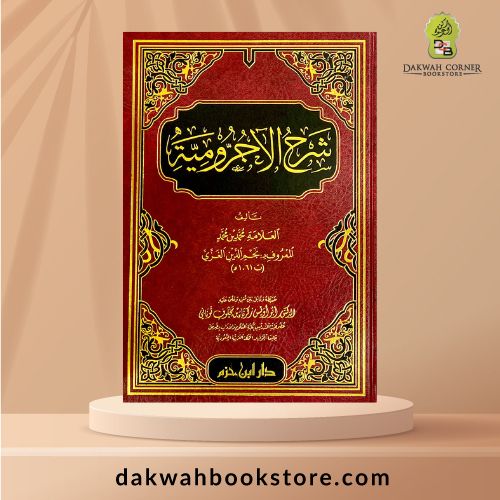
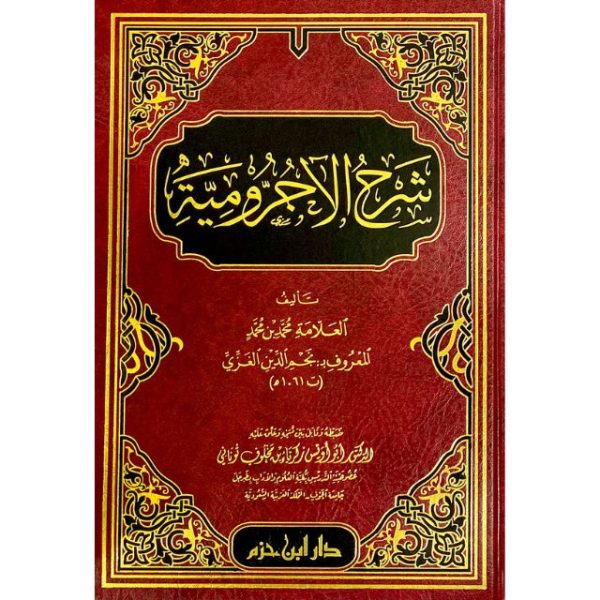
[ALA] Sharh Al Ajrumiah / شرح الآجرومية
Highlights:
نبذة
يعتير هذا كتاب من أهم وأقدم الكتب في علم النحو حيث شاع المتن الآجرومية في أرجاء الأرض، وكثرت عليه الشروح والأنظام والحواشي والإعرابات والمتممات. ومن بين هذه الشروح هذا الشرح الوجيز الذي بين أيدينا فقد سلك فيه مؤلفه مسلك المحققين والمحررين في اخراجه والاستفادة منه وإفادة المتبحرين في اللّغة العربية..
RM50.00
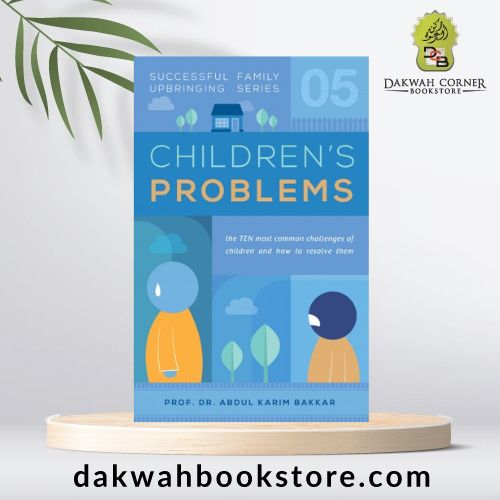
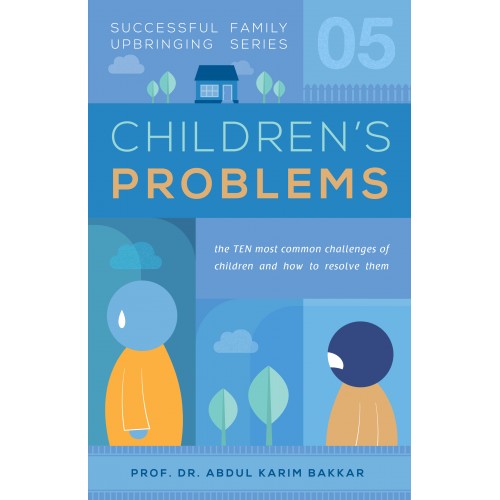
Children’s Problems (Successful Family Upbringing Series-05)
Highlights:
The 10 most common challenges of children and how to resolve them.
RM15.00
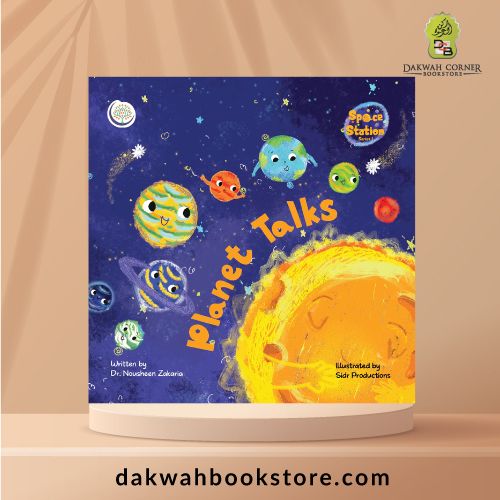
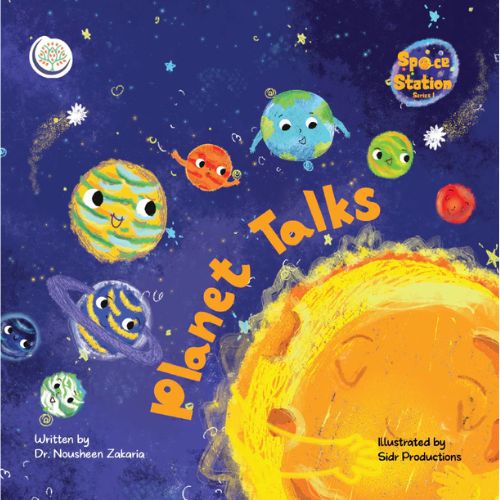
Planet Talks (P/B)
Highlights:
What if the planets could talk?
High above the Earth, beyond clouds and stars, the planets gather for a quiet conversation. Some are hot. Some are icy. Some spin fast, others slowly.
Each one has a story to tell.
What makes Earth so special?
Why does Mars hold secrets of ancient water?
Planet Talks is a gentle journey through space where science meets wonder, and every planet becomes a sign to reflect upon.
RM20.00 RM35.00
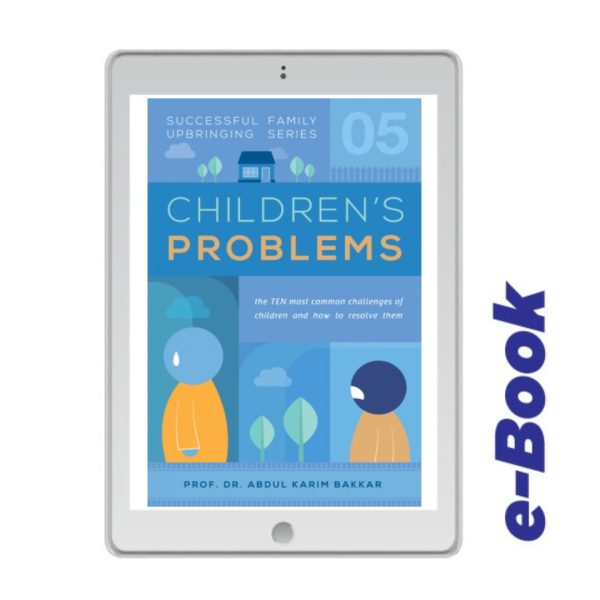
(E-Book) Children’s Problems (Successful Family Upbringing Series-05)
Highlights:
(E-book FREE)
Ridding children of their psychological disorders, altering their behavior, and changing their habits are complex matters – and they are so in view of the wide differences between children with regard to their responding to the same therapy; we educators are also diverse with regard to our culture and situations. From this we go on to say that educational guidance can work well with a certain child, but not with another. I am often consulted about children’s problems, and I do give my advice: but I am sometimes surprised to hear that the inquirer has actually tried the same method I was suggesting, not only once, but frequently: some say that their child’s condition actually deteriorated rather than improved after applying the recommended method. Therefore, it is crucial that we have more than one approach in store for dealing with any problem; for we may need to try all the methods to help the child get rid of his/her trouble, from which they suffer, and maybe the family suffers as well.
RM16.00
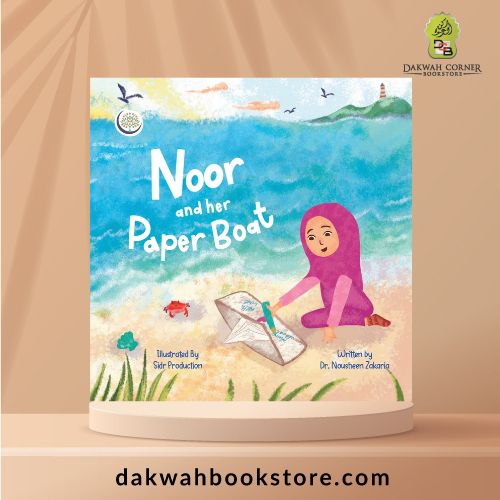
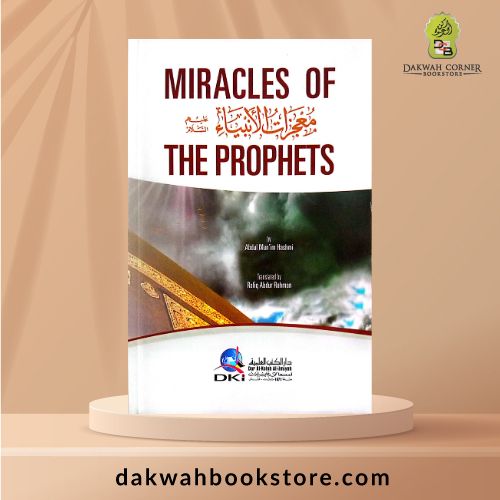
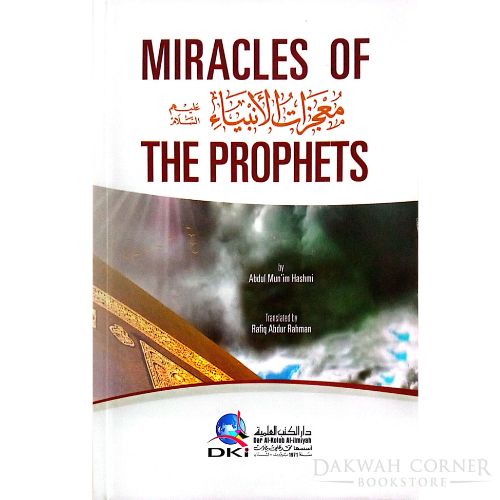
Miracles Of The Prophets (P/B) – DKI
Highlights:
The Glorious Qur’an Dealt with four topics:
- Faith,
- Rituals,
- The Stories, and
- The Rules.
The third topic of the Qur’an to be tackled in this book is about the many stories of the Prophets and their Miracles. These Stories are elaborately told, and the aim is honest as well as sublime; for they sharpen the hearts, beautify the tempers, teach sermons and manners, and, all in all, make the human self subtle and well-organized.
RM27.00
[ATQ] Ahkam Alquran / أحكام القرآن
Highlights:
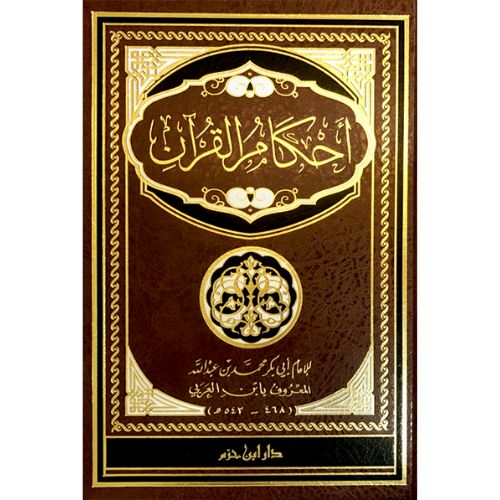
أحكام القرآن كتاب تفسير فقهي للقرآن الكريم حسب المذهب الحنفي من تأليف أبو بكر الجصاص، استنبط مؤلفه من آيات الأحكام، مع ذكر اختلاف العلماء، ثم ينبسط في ذكر الأدلة بتوسع من الكتاب والسنة واللغة العربية والنظر.
RM165.00
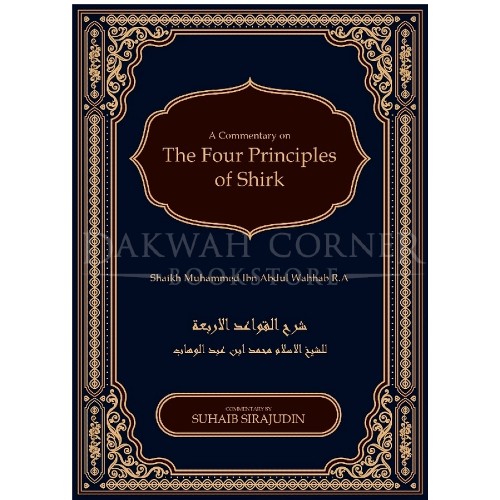
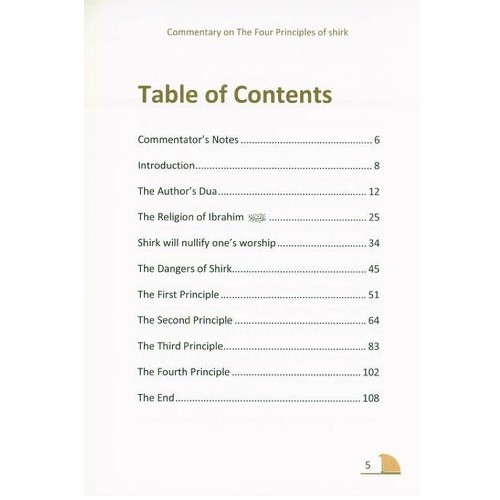
A Commentary on The Four Principles of Shirk
Highlights:
A commentary on the treatise of Shaikh Muhammed ibn Abdul Wahhab’s ‘Qawaidul Arba’ah’ The Four Principles of Shirk. In this treatise, the Shaikh discusses and brings the evidence for four principles; about knowing the disbelievers, knowing what they worship, that they differ in their religions, and the mushrikeen of now are worse than those before.
RM53.00
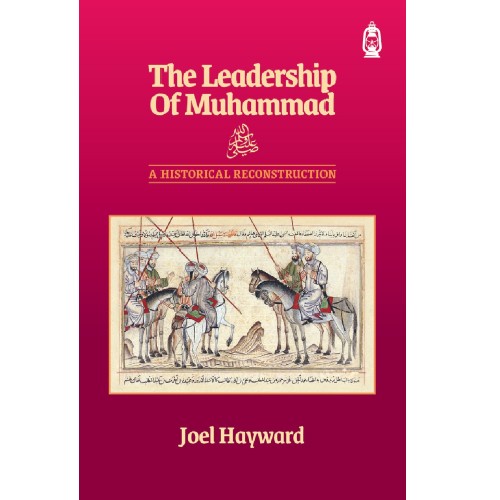
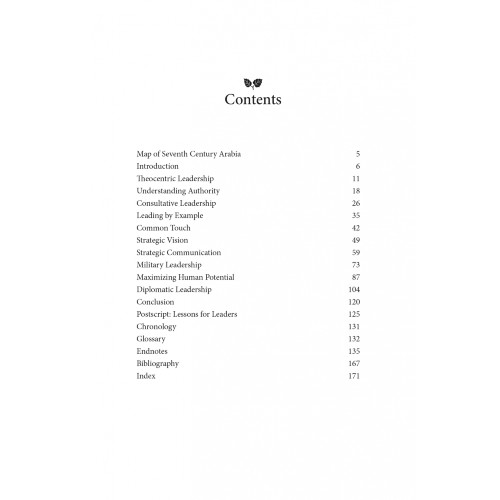
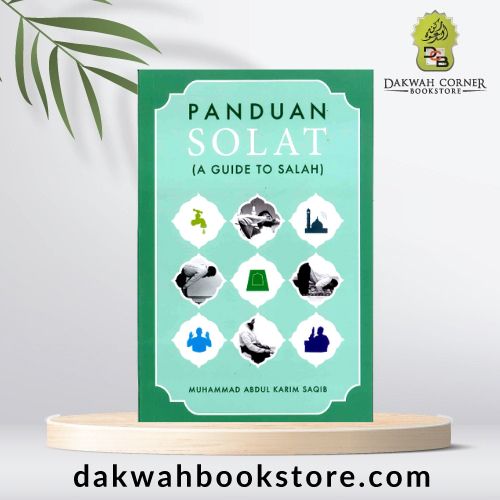
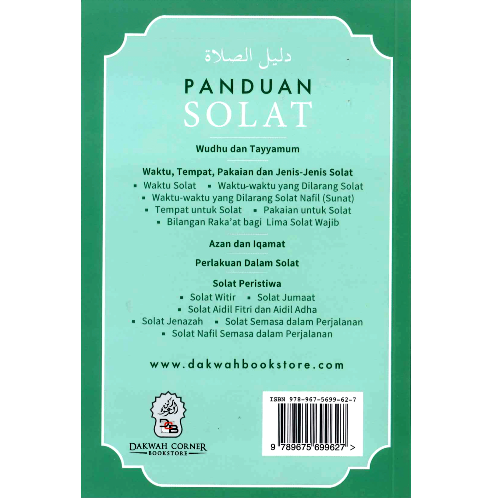
Panduan Solat (A Guide To Salah)
Highlights:
Panduan Solat
Wudhu dan Tayyamum
Waktu, Tempat, Pakaian dan Jenis-Jenis Solat
RM16.00