



![[AFT] Al 'Aql wa Mada I'tibaruhu Masdar / العقل ومدى اعتباره مصدرا](https://shop.dakwahbookstore.com/wp-content/uploads/2025/11/website-500x500-61.jpg)

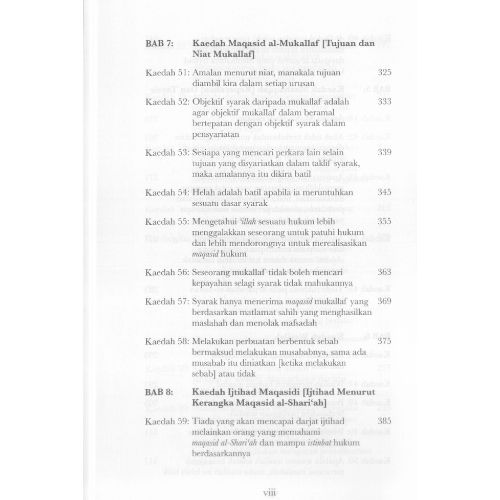
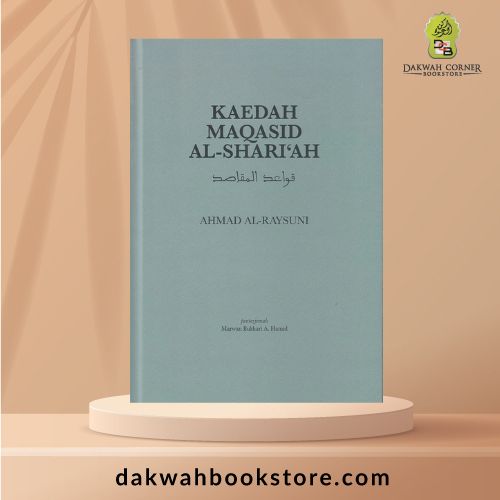
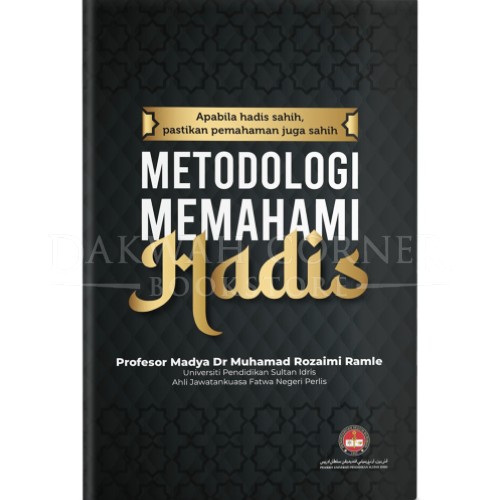
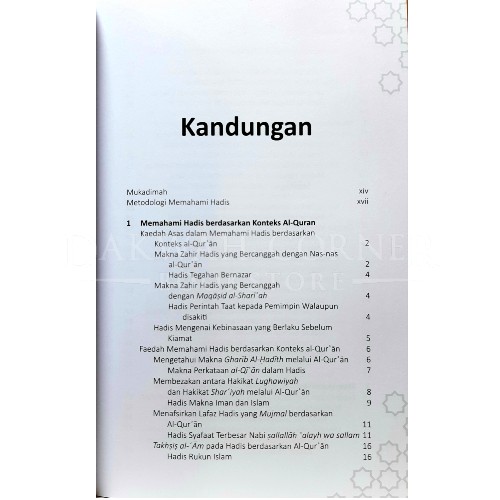
Buku ini mengandungi 80 kaedah setelah melalui beberapa kali saringan oleh penulis yang awalnya menyenaraikan 200 kaedah. Menurut kajian beliau, 80 kaedah ini berstatus disepakati atau hampir disepakati oleh ulama. Setiap kaedah dijelaskan konteksnya, diikuti dengan maknanya, dalilnya dan seterusnya contoh-contoh praktikal. Susunannya teratur, 80 kaedah dibahagikan kepada sembilan bab. Cara penulisannya menyebabkan buku ini sesuai sekali menjadi silibus atau bahan mengajar dan kursus intensif.
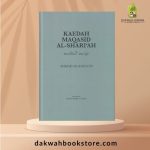
Kaedah Maqasid al-Shariah
RM80.00
Hurry up, Only 1 left.
Highlights:
somdn_product_page
Compare
Kandungan buku ini bukan hanya sesuai untuk pelajar dan pengkaji bidang usul al-fiqh dan Maqasid al-Shari’ah, malah juga bidang tafsir dan pemikiran Islam kerana hakikatnya kandungan ini berkait dengan metodologi berinteraksi dengan al-Quran dan al-Sunnah. Selain itu, pembaca serius yang di luar bidang pengajian Islam juga boleh memanfaatkan buku itu terutama dalam memahami kaedah berfikir menurut kerangka Islam.
Frequently Bought Together
1 Item
RM80.00
0 Add-Ons
RM0.00
Total
RM80.00
Additional information
| Weight | 1 kg |
|---|---|
| Dimensions | 16 × 3.3 × 23 cm |
| Author | |
| Binding | Hardcover |
| ISBN | 978-967-18100-8-8 |
| Pages | 566 |
| Publisher | Hawzah Fikir |
You may also like…
The Lawful And The Prohibited In Islam (IBT)
Highlights:
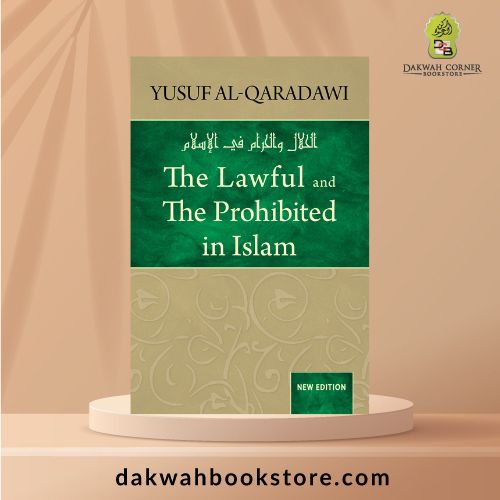
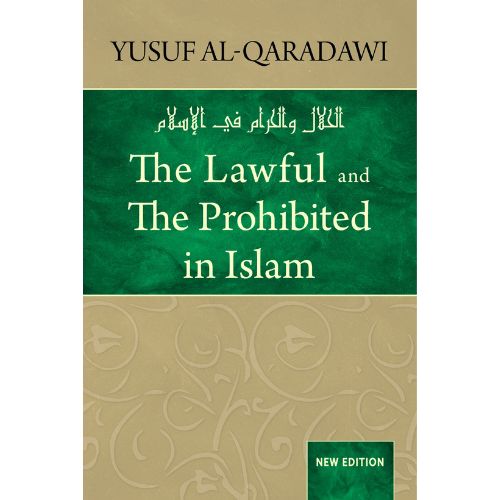
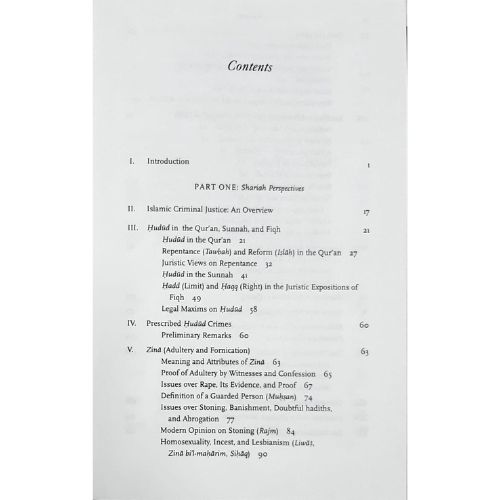
“This famous work by Yusuf al-Qaradawi has enjoyed a huge readership I the Muslim world and has been translated into many languages. It dispels the ambiguities surrounding the Shariah to fulfil the essential needs of the Muslims in this age. It clarifies the halal (lawful) and why it is halal, and the haram (prohibited) and why it is haram, referring to the Qur’an and Sunnah. It answers questions which may face the Muslims today, and refutes the ambiguities and lies about Islam.”
RM35.00
Related Products


Smoking Intoxicants & Narcotics (P/B)
Highlights:
This book deals with the epidemic of smoking, which enslaves many of today’s Muslims, and which is aggravated by that most victims belittle its dangers and deny its prohibition.
This book includes a discussions of intoxicants, establishing the prohibition of various practices associated with them, as well as penalties (in both lives) for those who partake in them.
This book also includes a discussion of narcotics, with an overview of marijuana and qaat (or khat). Based on their established effects and harms, we conclude that narcotics are strongly prohibited, except in very limited medical settings.
This book, we hope, will provide many Muslims with guidance toward a healthier, cleaner and worthies Islamic personality. My Allah grant us guidance and facilitation.
RM28.00

The Problems of the Illegitimate Child (P/B)
Highlights:
This book addresses the views of the Sunni scholars regarding the importance of genealogical relationship (nasab) in Islamic family law and examines the role of legitimacy on the basis of the legal maxim “al-walad li al-firash”, evidence (al-bayyinah), and doubtful intercourse (wat’ shubhah). It also elucidates the views of the Sunni schools of law on how to establish illegitimacy. For the Sunni jurists, there are several situations that determine the illegitimacy of the child. A child is considered illegitimate if its birth is the outcome of adultery (zina) or the result of legitimate union but accompanied with imprecation (li‘an). Other circumstances include the birth of the child taking place in less than six lunar months, the father of the child being categorized as one who is incapable of begetting, or the birth as a result of marital relationship considered unlawful because of consanguinity. The book also deals comprehensively with the moral, religious, legal and other aspects of the illegitimate child and the foundling in the works of the Sunni jurists. The status and rights of the illegitimate child and the foundling in the Islamic family law of Malaysia and Brunei are also discussed by referring to some provisions from Federal Territory Act 1984 (Act 303) and Brunei law.
RM49.00
Preservation of Health in Islamic Law (P/B)
Highlights:
Preservation of health (hifz al-sihhah) is the most important branch of Islamic medicine since it is primarily concerned with the prevention of illness rather than cure. This book represents one of the few attempts to introduce the role of Islamic medicine, although Chapter One provides information about a historical background of the preservation of helath in Islam, its aim is to provide fresh ant timely overview of the major aspects of legal, ritual and spiritual structures of teh Islamic law (shariah). These include the laws related to Ibadah, Islamic family laws, foods and drinks as well as environmental laws, for maintaning and preserving human health. Findings indicated that prevention of any diseases from Islamic medical law presentive cannot attain any real success unless it emanates from an Islamic fundamental teaching, namely: the pillars of Islam. Iman and observance of the Islamic rituals such as Salah, zakah, Sawm and Hajj, have played an important role in shaping the attitude, behavior and model personality of the Muslim, in boosting the spiritual motivation or attitude change, and in disseminating the message of prevention. This indicates that bodily and spiritual health goes hand in hand and that pyscho-spritual balance and health is a primary consideration whereas physical health is a secondary one.
RM47.00

A Guide to Male-Female Interaction
Highlights:
Are Muslim men allowed to interact with female students, and vice versa, in a virtual classroom? Can a Muslim woman pursue a professional career that necessitates her interaction with men? Is it appropriate for a woman to serve her husband’s guests? Do mixed wedding ceremonies comply with the Sharia? Read this bilingual book to find the answers and more!
RM56.00


Should A Muslim Follow A Particular Madhhab?
Highlights:
In this book, the author has widely described the main principle of Taqleed. He says that Allah and Prophet Mohammed (SAW) has not ordered us to follow any opinions and interpretations. So there’s a possibility of being correct or incorrect in the opinions because there are many issues on which the Imams had different views and they explain them according to their own reasons and speculations, but the real and true Islam is based on the book (Quran) and Prophet’s Sunnah.
Allah says: “But no, by your Lord, they can have no Faith until they make you judge in all disputed matters between them, and find in themselves no resistance against your decision, and accept them with full submission.” And the prophet said: “I leave you with two things as long as you hold them tightly, you never go astray: they are the book of Allah and my Sunnah.” In this sense, the author has described the difference between different Madhahib (madhabs/mazhabs), and their views and urged to follow only the Quran and Sunnah.
RM11.00


Funeral Rites In Islam (H/B)
Highlights:
The purpose of this book is to provide English speaking Muslims a concise and authentic compilation of the instructions regarding funeral rites in Islam.
RM35.00

Islamic Rules of Order (P/B)
Highlights:
Organizations must have rules of order to facilitate their debate and to fill in the procedures not detailed by their constitutional documents. While most American organizations are content to operate by Robert’s Rules of Order, Muslim organizations have often wrestled with questions over whether the rules of order systemized by a Western military figure are in accord with the Qur’an and the Sunnah.
This book tackles the matter directly and takes into account the Qur’an, the sunnah, Islamic manners and the history of Islamic consultation and leadership to provide a simple, practical guide to organizational procedure that can be incorporated into the governance of Muslim organizations. The book includes advice on writing bylaws and on complying with the best practices of the U.S. Dept. of Justice in a way that is Islamically authentic, transparent, and accountable. It provides a basic starting point for any Muslim organization while allowing for flexibility so that organizations may make any variations they require within their own bylaws and constitution, so that it can accommodate differing schools of thought on Islamic law. In its discursive approach it is an essential primer for understanding the value of rules of order and the Islamic context for their application. The Islamic Rules of Order has been adopted as the rules of order of the Association of Muslims Social Scientists.
RM50.00

Shatibi’s Philosophy of Islamic Law (P/B)
Highlights:
Abu Ishaq al-Shatibi, who died in 1888, had sought an answer to the challenge posed by modernisation and change to Islamic law, by introducing maslahah, which forms the basis of his philosophy of Islamic law. In a fascinating way, the author leads us step by step to what he considers the true import of Shatibi’s views concerning jurisprudence.
RM41.00


Al-Jumu’ah: The Day of Congregation
Highlights:
In our busy lives, Friday comes around once a week. It often comes and goes without our being really aware of it. For many Muslim men, it may be punctuated by the congregational prayer that they make special efforts to attend. For many Muslim women, it may go by just like any other day. This ought not to be the case. In this unique book, Dr. Gowher Yusuf gives us reason to stop and think about how special Friday (al-Jumu‘ah) really is, and what we should be doing to achieve the many bounteous blessings it holds for those who observe it. Drawing constantly from the Qur`an and the Sunnah and the great works of the scholars of Islam, Dr. Gowher Yusuf explores this topic in depth and presents it to the reader in simple language for them to understand and ponder over. This book travels through the various issues pertaining to the Friday prayer and its Khutbah, or sermon. These issues are explained within the Islamic framework, thus abolishing any myths and misunderstandings and clarifying the topic for the reader. Dr. Yusuf writes: The day of the week known as al-Jumu‘ah, or simply Jumu‘ah, is Friday, and it is special. Compared to the other days of the week, Friday has been accorded the largest amount of merit, so much so that the father of all humankind, Prophet Âdam (peace be upon him), was created on this day and a particular prayer was ordered for this day. It was from the guidance given to Prophet Muhammad (blessings and peace of Allah be upon him) to magnify this day, honour it, and designate it for acts of worship. …On a Friday, we all will be gathered and will stand congregated in front of Allah, the Exalted, on the Day of Resurrection, also called the Day of Accountability or the Day of Judgement.
RM38.00

Istihsan (P/B)
Highlights:
This work constitutes a critical analysis of classical and modern aspects of the concept of istihsan (juristic preference), an important principle in Islamic legal legislation throughout history. Although there has been many research works on the subject, it still requires further investigation on the role and nature of istihsan with regard to a combination of classical and modern approaches. Consisting of four chapters, the author begins by introducing some general principles of Islamic law, before discussing the history of istihsan during the time of the Prophet and his Companions. He also analyses the validity of istihsan as a source of law and discusses the differences among scholars on its method of implementation.
RM57.00

Forensic Psychiatry In Islamic Jurisprudence (P/B) (IBT)
Highlights:
This is the first book in Forensic Psychiatry that focuses on the application of psychiatry to legal issues connected to Islamic jurisprudence. It gives contemporary psychiatry in any Islamic country a broad spectrum of tools to work with, enabling the utilization of options specific to particular societal and cultural norms. This book will appeal to both the general as well as the academic reader.
RM40.00


Zakah According to the Quran & Sunnah (Darussalam)
Highlights:
Zakah, the third Pillar of Islam, is probably the first Pillar of its economic system. It represents the first and most important mechanism to implement economic justice and to provide sustenance to the economically unfortunate, two issues for which Islam is especially sensitive. These two issues are the essence of this book. This book consists of all the main issues of Zakat (i-e, Zakah on Gold, Silver, Paper Money, Livestock, Fruits, Grains, Rented Land, Buried treasures, Minerals, Trade, Shares, Stocks, and Exploited Assets etc). The main objective of this work is to serve an easy and authentic reference to the reader.
RM65.00
Recently Viewed
The Problems of the Illegitimate Child (P/B)
Highlights:
This book addresses the views of the Sunni scholars regarding the importance of genealogical relationship (nasab) in Islamic family law and examines the role of legitimacy on the basis of the legal maxim “al-walad li al-firash”, evidence (al-bayyinah), and doubtful intercourse (wat’ shubhah). It also elucidates the views of the Sunni schools of law on how to establish illegitimacy. For the Sunni jurists, there are several situations that determine the illegitimacy of the child. A child is considered illegitimate if its birth is the outcome of adultery (zina) or the result of legitimate union but accompanied with imprecation (li‘an). Other circumstances include the birth of the child taking place in less than six lunar months, the father of the child being categorized as one who is incapable of begetting, or the birth as a result of marital relationship considered unlawful because of consanguinity. The book also deals comprehensively with the moral, religious, legal and other aspects of the illegitimate child and the foundling in the works of the Sunni jurists. The status and rights of the illegitimate child and the foundling in the Islamic family law of Malaysia and Brunei are also discussed by referring to some provisions from Federal Territory Act 1984 (Act 303) and Brunei law.
RM49.00
RM24.00
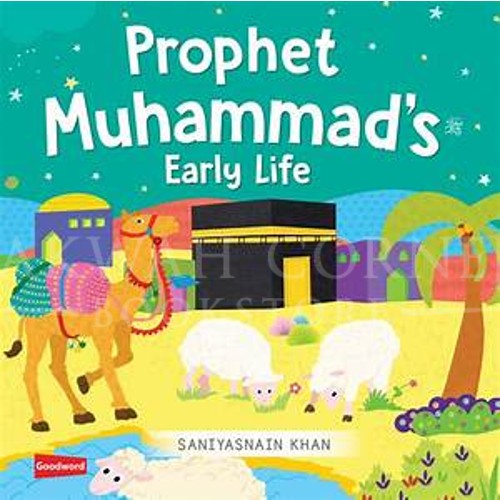
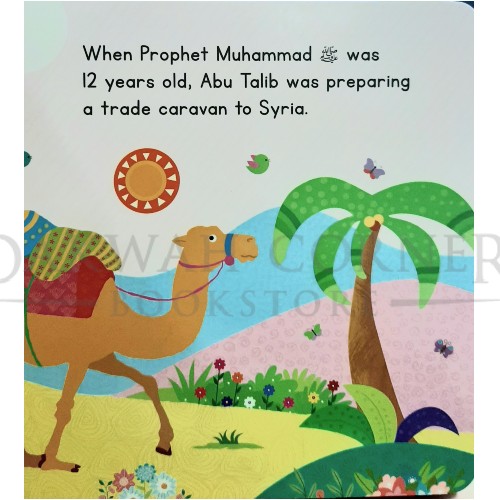
Prophet Muhammad’s Early Life Board Book (Delightful Series)
Highlights:
This enchantingly illustrated board book, delightfully introduces to the children the inspiring life and teachings of the Prophet Muhammad
RM22.00
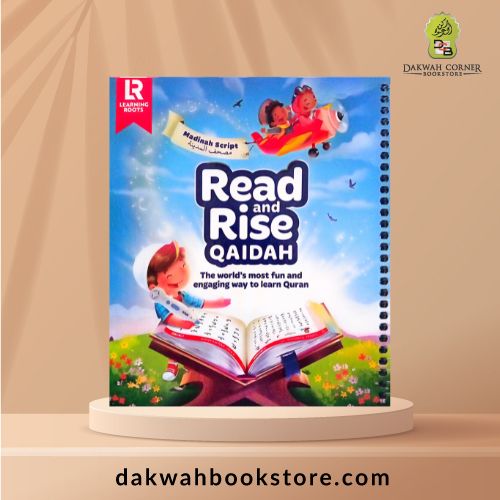
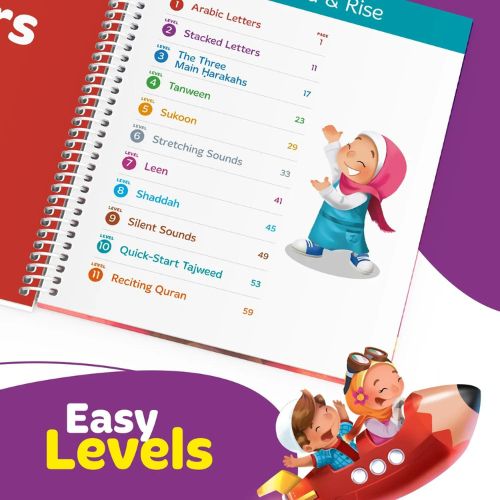
Read & Rise Qaidah (Madinah Script)
Highlights:
The fun, firm and fast way to fluent Quran recitation!
- Motivational stickers
- Compatible with Kiitab (sold separately)
- Hardback spiral bound book – lays flat
RM120.00
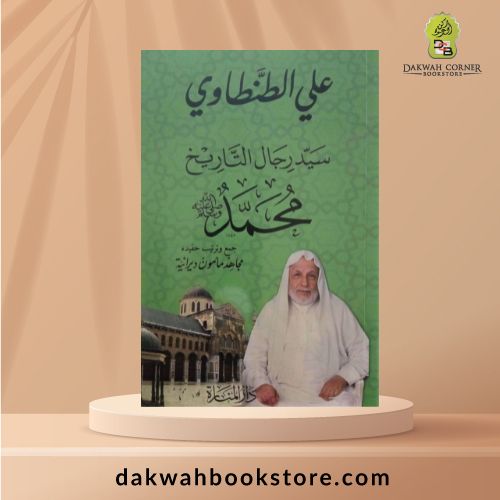

The Middle Path of Moderration in Islam (H/B)
Highlights:
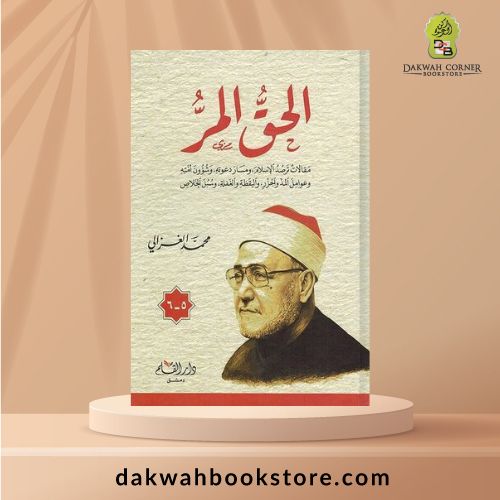
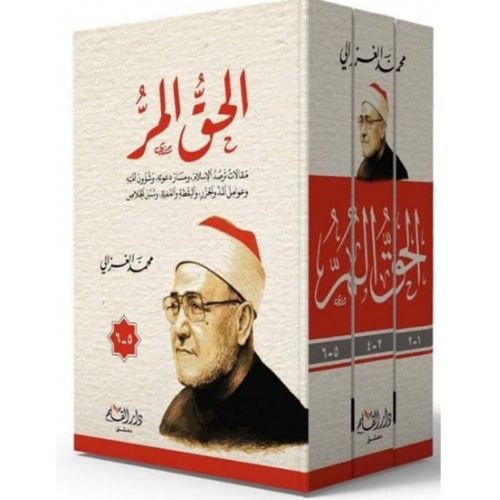
In The Middle Path of Moderation in Islam, leading Islamic law expert Mohammad Hashim Kamali examines the concept of wasatiyyah, or moderation, arguing that scholars, religious communities, and policy circles alike must have access to this governing principle that drives the silent majority of Muslims, rather than focusing on the extremist fringe. Kamari explores wasatiyyah in both historical/conceptual terms and in contemporary/practical terms. Tracing the definition and scope of the concept from the foundational sources of Islam, the Qu’ran and Hadith, he demonstrates that wasatiyyah has a long and well-developed history in Islamic law and applies the concept to contemporary issues of global policy, such as justice, women’s rights, environmental and financial balance, and globalization.
Framing his work as an open dialogue against a now-decades long formulation of the arguably destructive Huntingtonian “clash of civilizations” thesis as well as the public rhetoric of fear of Muslim extremism since the attacks of September 11, 2001, Kamali connects historical conceptions of wasatiyyah to the themes of state and international law, governance, and cultural maladies in the Muslim world and beyond. Both a descriptive and prescriptive meditation on a key but often neglected principle of Islam, The Middle Path of Moderation in Islam provides insight into an idea that is in the strategic interest of the West both to show and practice for themselves and to recognize in Muslim countries.
RM189.00
End of the World – Darussalam
Highlights:
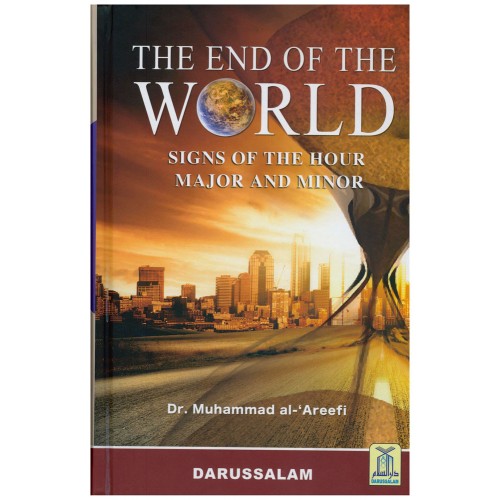
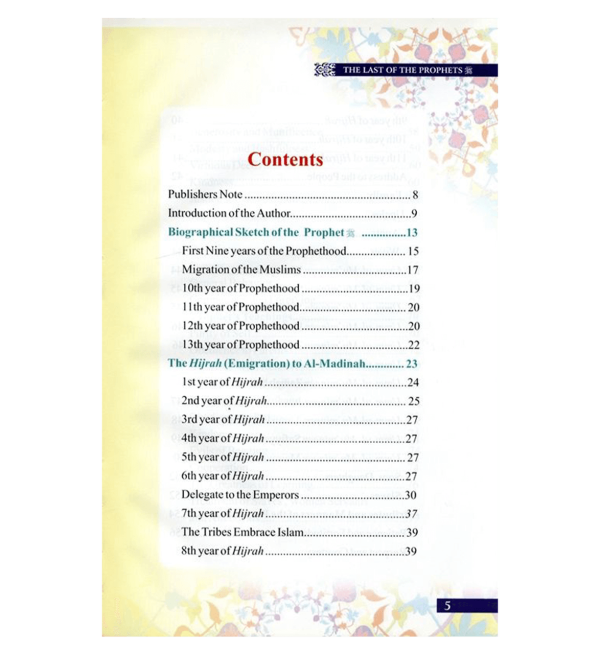
In recent times things have become very confusing and we have begun to see in book stores and on websites speculations about future events, based on ayah and hadeeths which refer to these future events concerning the signs of the Hour.
Sometimes you hear about the appearance of the Mahdi, sometimes you hear that the final battle between the Good and the Evil is close at hand, other time you hear some thing happening in the East or in the West.
So, learn about the Final hour and it signs by reading this book which is backed by proofs from Quran and Hadith.
RM85.00
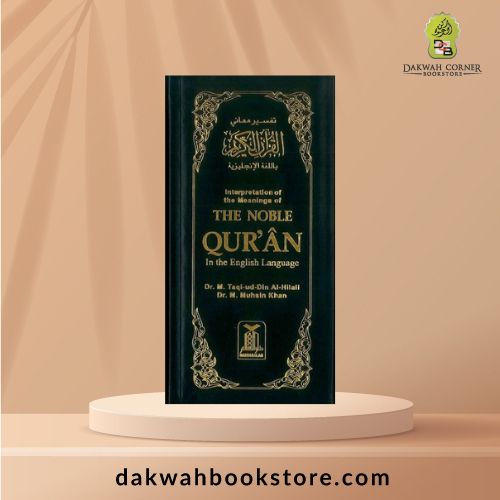
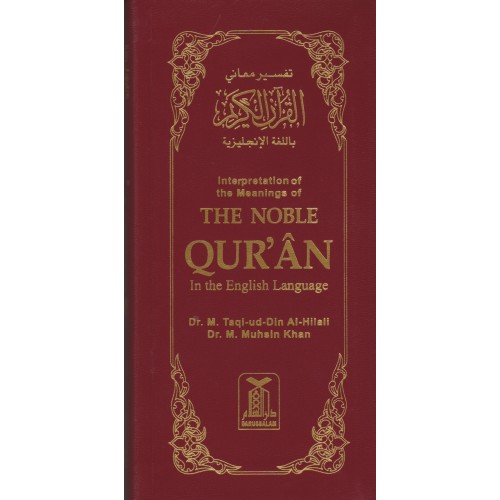
The Noble Quran (Tall Version English Text Only) (RANDOM COLOR)
Highlights:
Interpretion of the meanings of The Noble Quran in the English Language.
RM60.00
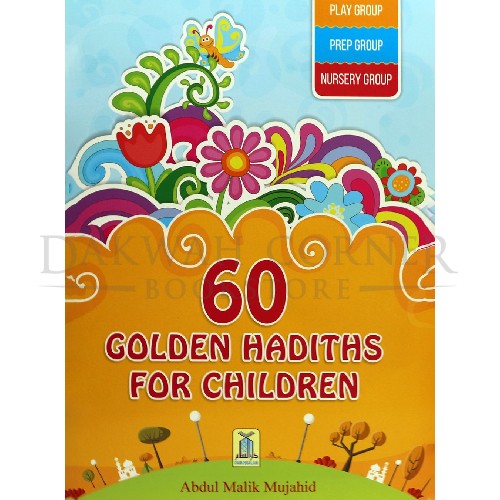
60 Golden Hadiths for Children
4 ★
4 ★
1 Rating
5 ★
0
4 ★
1
3 ★
0
2 ★
0
1 ★
0
Highlights:
This book “Sixty Golden Hadiths for Children” is specially written for youngsters. We are guided by the Prophet’s sacred example at all moments of our lives and we also have lots of guidance for our newborns. Lots of companions of young age in their boyhood were in companionship with Prophet (S) and Prophet (S) taught them about Islam, literature with love and wisdom. Under consideration, we have chosen only those golden Ahadith which are especially for educating children. These will definitely help children to make their lifestyle better.
RM34.00

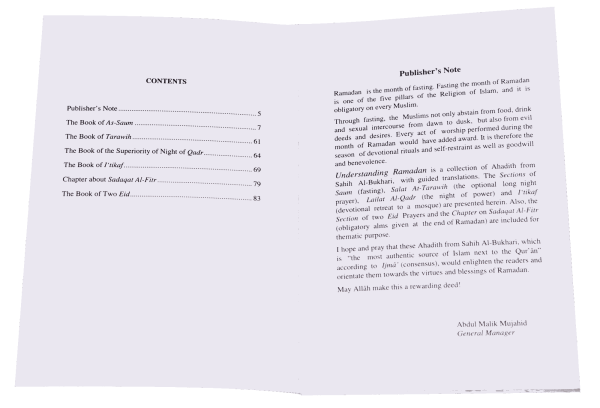
Understanding Ramadan
Highlights:
This book covers important aspects regarding Ramadan. The book is a collection of Ahadith from Sahih Al-Bukhari, with guided translations. The topics which are covered are Fasting, Salat at-Tarawih, Lailat Al-Qadr and Itikaf. Also, the section of two Eid Prayers and the chapter on Sadaqat Al-Fitr are included for the thematic purpose. This book is a must-read for all.
RM20.00
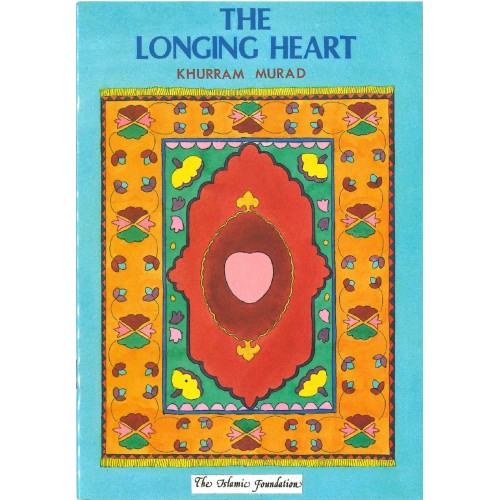
The Longing Heart : Story of Abu Dhar (P/B)
Highlights:
This is the story of a young man who longed to meet the new Prophet who had announced God’s message to the people of Makkah.
RM13.00
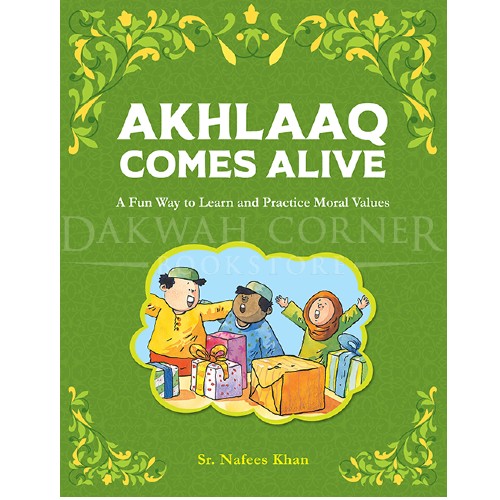
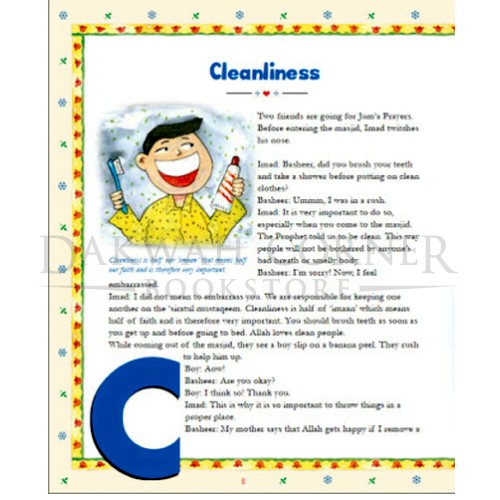
Akhlaaq Comes Alive (P/B)
Highlights:
Often elders find it difficult to find a fun way to teach children akhlaaq, that is, moral values and good manners in Islam. All About Akhlaaq, being a fun book, will aid them in this. Designed for use at home and school, it covers a wide range of moral issues and the occasions in daily life when good manners are essential. Colourful and story-filled, with an easy-to-use format and short skits, it will give a better understanding of each akhlaaq by encouraging children, parents and teachers to engage in role playing. Each theme, listed alphabetically, is expressed in simple language and has attractive illustrations on every page. What better way to learn akhlaaq than by acting it out! So, be active and practice akhlaaq!
RM25.00