



![[SJ] Al-Ḥalāl wa al-Ḥarām / الحلال والحرام](https://shop.dakwahbookstore.com/wp-content/uploads/2024/08/website-500x500-18.jpg)
![[SJ] Majmu'ah Fatawa li Ibn Taymiyah 1/20 Vols / مجموعه الفتاوي لابن تيميه 1/20](https://shop.dakwahbookstore.com/wp-content/uploads/2024/08/website-500x500-15-2.jpg)
| Weight | 2.20 kg |
|---|---|
| Dimensions | 25.5 × 20 × 2.5 cm |
| Product Type | Book |
| Publisher | ISRA |
| Pages | 757 |
| ISBN | 9789673496525 |
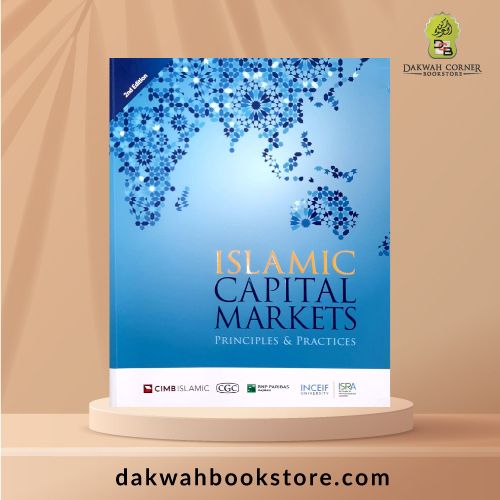
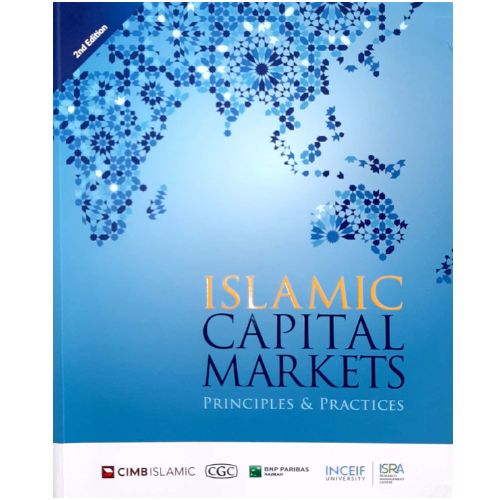
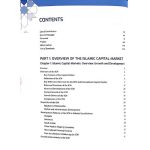
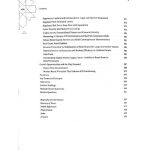
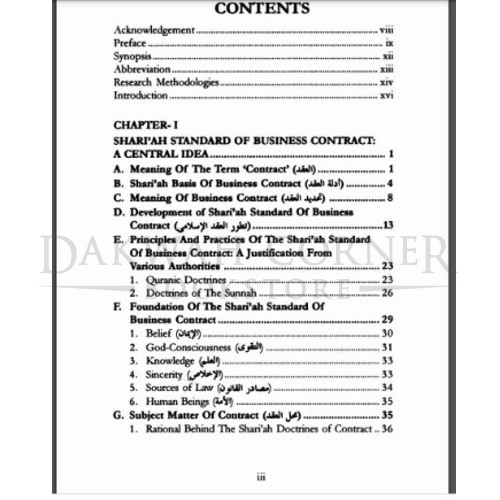
Islamic Capital Markets: Principles and Practices (P/B)
RM180.00
Hurry up, Only 1 left.
Highlights:
somdn_product_page
Compare
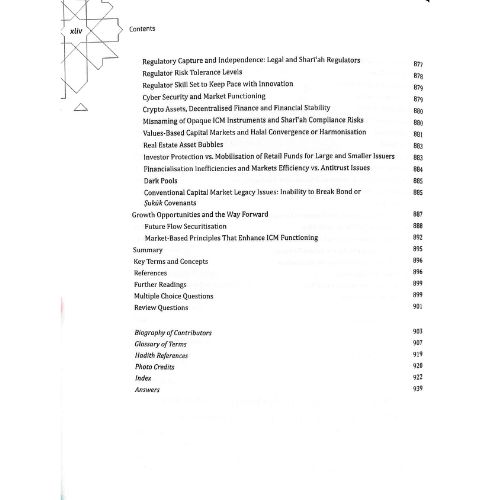
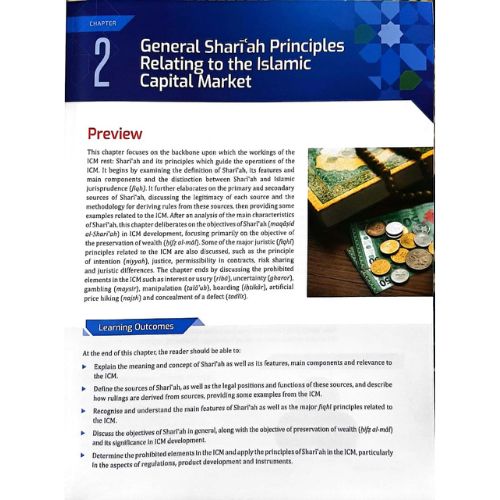
KEY FEATURES OF THE BOOK
* It elucidates the principles and practices of the Islamic capital market with academic rigours.
* It sheds light on the cutting-edge practical issues faced by the industry.
* Every chapter contains relevant case studies and supportive illustrations.
* Multiple Choice Questions (MCQs) and discussion questions are provided at the end each chapter.
KEY SUBJECTS
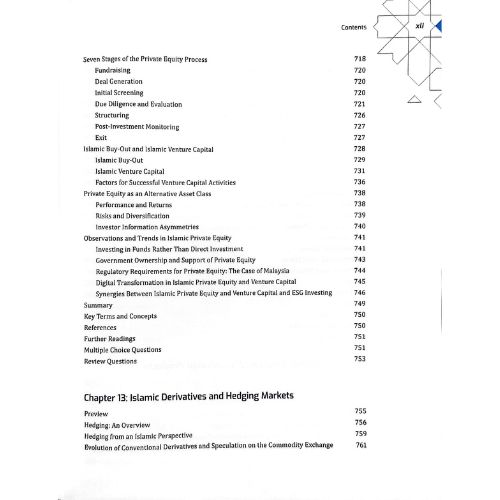
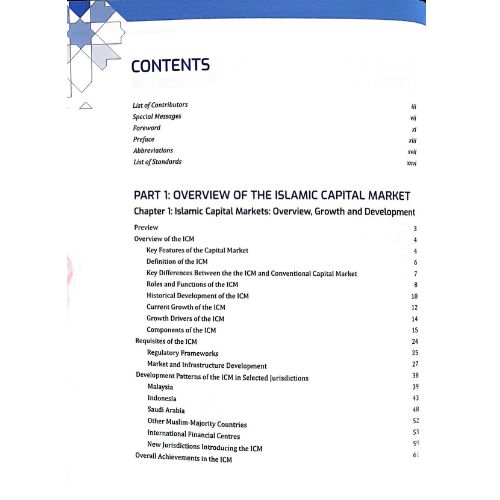
Shari’ah framework, Regulatory framework, Corporate and Shari’ah governance, Risk management, Accounting and taxation, Sukuk Islamic equity market, Islamic unit trust, REITs and ETFs, Islamic private equity and venture capital, Islamic derivatives and hedging and Islamic structured investment products.
Additional information
Reviews (0)
Be the first to review “Islamic Capital Markets: Principles and Practices (P/B)” Cancel reply
You must be logged in to post a review.
Related Products
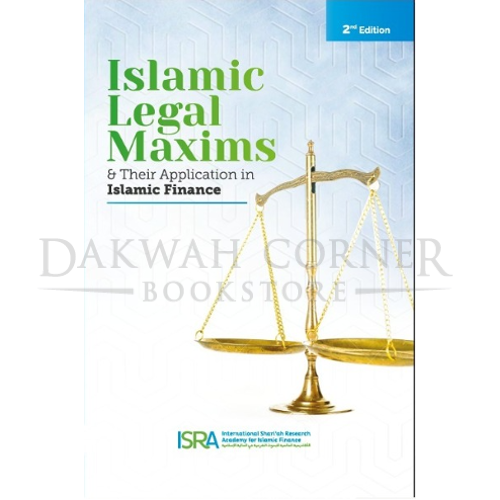

Islamic Legal Maxims & Their Application in Islamic Finance (2nd Ed.)
Highlights:
Islamic Legal Maxims and Their Application in Islamic Finance is one of the most comprehensive compilations of Islamic legal maxims available in English. The most important feature of this book is that it explains each maxim in a way comprehensible to both Shari’ah experts and Islamic finance practitioners. Another feature is its emphasis on the application of the maxims in the actual practice of Islamic finance.
RM65.00
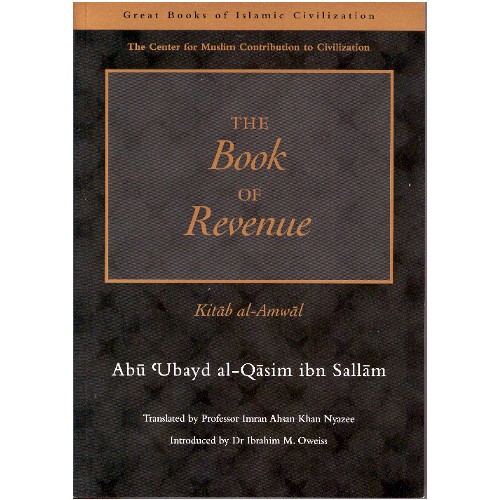
The Book Of Revenue
Highlights:
Kitab al-Amwal (The Book of Revenue) is the work of a brilliant legal mind. Abu Ubayd al-Qasim ibn Sallam provides us with an accurate record of legal precedents laid down in the first two centuries of Islam, in particular those pertaining to the sources of revenue and the avenues of public expenditure. The power of the book, however, lies in the method of the author and the analysis undertaken by him. He gathers together the traditions of the Prophet (pbuh), the opinions of his companions, and the views of eminent jurists, and then subjects them to legal analysis that is unparalleled in Islamic legal literature. The book is essential for every student of Islamic law, especially those who wish to master the art of interpreting and analyzing legal traditions and early precedents. In the discipline known as fiqh al-sunnah, there is no book or manual that can compete with this outstanding work.
RM165.00
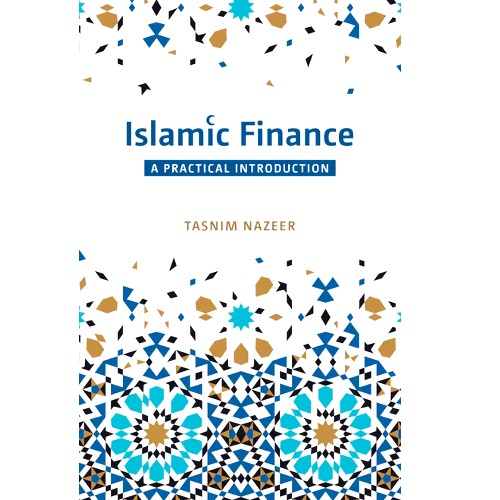
Islamic Finance : A Practical Introduction
Highlights:
Islamic finance and banking is governed by the tenets of Islam and is based upon the principles of the Shariah, a code of conduct for Muslims to adhere to when managing their lives, including their finances. This slim volume breaks down this code and teaches readers how it is practically applied in business, personal finances, and the global economy.
RM65.00
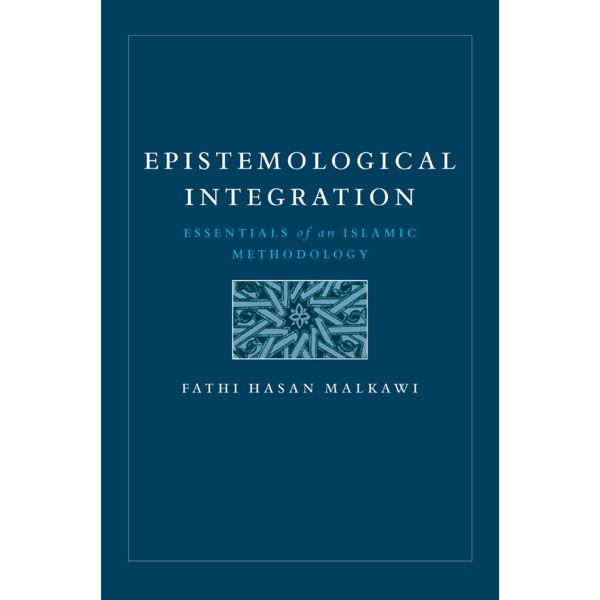
Epistemological Integration Essentials of an Islamic Methodology
Highlights:
Epistemological Integration: Essentials of an Islamic Methodology is a program which seeks to construct an intellectual framework for Islamic methodology with a view to realizing practical training in the thoughtful investigation of issues related to knowledge in various fields. The book’s title affirms the distinctive types of integration that characterize Islamic methodology, including integration of sources, means, and schools of thought, as well as existing realities with desired ideals etc. This is fully consistent with human nature, as variety is fundamental to the functions people perform and skills they master. The work essentially makes the case that fundamental to any Muslim recovery is laying the foundations of sound thinking and values that integrate the two main sources of knowledge: Revelation and Reality (that is the created worlds both physical, societal and psychological) under the umbrella of Tawhid. Islamic methodology adopts that and extends human hopes to integrate efforts so that humanity can realistically achieve prosperity on earth and earn eternal happiness in the afterlife.
RM132.00
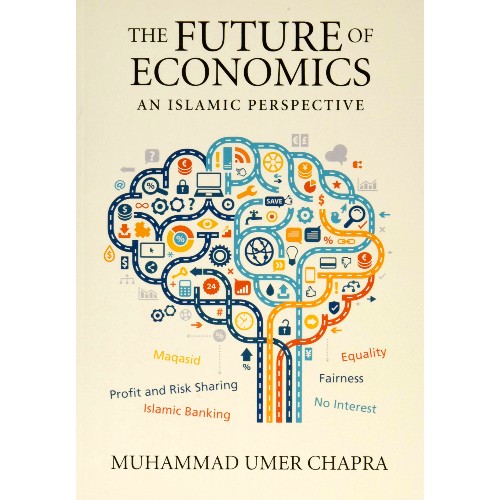

The Future of Economics An Islamic Perpective
Highlights:
This profound book is a powerful yet balanced critique of mainstream economics that makes a forceful plea for taking economics out of its secular and occident-centered cocoon. It presents an innovative and formidable case to re-link economics with moral and egalitarian concerns so as to harness the discipline in the service of humanity
RM150.00
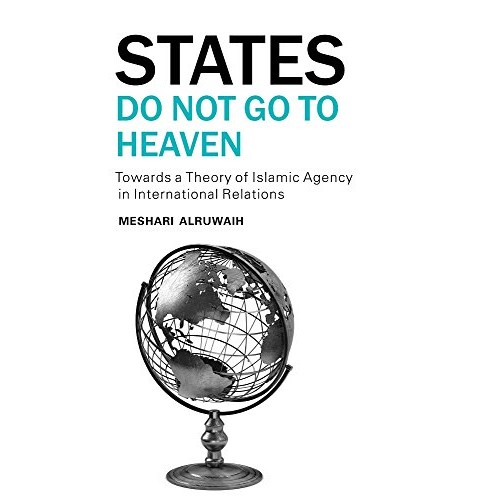
States Do Not Go to Heaven: Towards a Theory of Islamic Agency in International Relations
Highlights:
This book compares and contrasts Islamic world views and Western theoretical perspectives on international relations to suggest that a combination of the two could lead to a mutually beneficial redefinition of contemporary international relations utilizing Western theoretical tools and incorporating an Islamic perspective. Particular focus is given to the Islamic concept of istikhlaf as an ontological and normative foundation. The reasoning being that all man-made social arrangements on “earth”, as well as international society, should be considered a realm of istikhlaf. This allows for return to an eternal and critical first principle, linking all social roles to this principle, which is that man as designated by the Qur’an, is God’s khalifah or Vicegerent on earth. It’s a statement of great magnitude.
RM45.00

The Higher Objectives of Humanity
Highlights:
A video summary of this book can be found here: https://www.youtube.com/watch?v=YdNQxv_ODdc&t=26s This book discusses the why, what and how of Rahmatan lil-Alamin as the higher objective of humanity. It presents a practical understanding of the purpose of creation and humanity to improve the individual and collective well-being of Muslims and society. The intention is to re-introduce and re-emphasize the correct Islamic perspective of humanity. The first five chapters revisits the common understanding among Muslims as to why mankind is created. We show that the prevalent view that we are created to worship Allah (SWT) is incomplete. There is a higher and more noble purpose; Rahmatan lil-Alamin (mercy to the worlds). We next describe the what of Rahmatan lil-Alamin. The best role model of Rahmatan lil-Alamin is undoubtedly Prophet Muhammad (SAW), the last and final prophet and messenger, whom Allah (SWT) sent with a very clear purpose, “And We have not sent you but as a mercy to the worlds.” [21:107]. We present many examples from the history of Prophet Muhammad (SAW) and a collection of his (SAW) sayings and advice on being the best. The final chapters of the book deal with the how of Rahmatan lil-Alamin. We describe in detail how the Muslim can apply Rahmatan lil-Alamin daily in his or her life. We propose a practical model of Rahmatan lil-Alamin that we induced from the Quran. We also addressed how to apply Rahmatan lil-Alamin to a broader society by proposing a decision-making tool that can guide us as persons and as communities to make decisions that conform to the foundations and priorities of Rahmatan lil-Alamin. We present case studies from the history of the Companions using this decision-making model. This book seeks to establish a connection between Islam and civilization within a civilizational and ethical framework. We believe that a more proper and complete understanding of the Islamic view about humanity may present to us new perspectives of Islam and how Muslims should engage with fellow Muslims and people of other faiths. In fact, the implication of this new reinterpretation framework goes even further in that: any human civilization built on this framework is the most prosperous for the whole and also for the individuals in it.
RM45.00
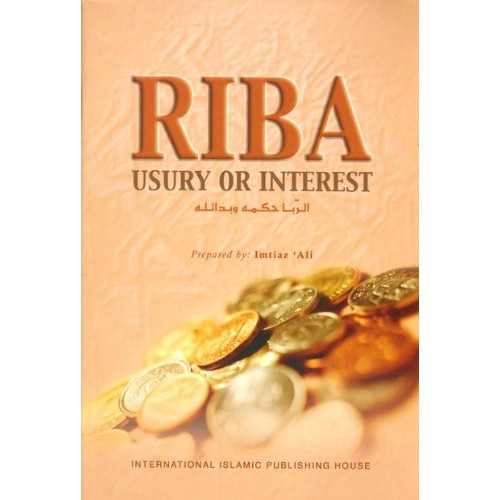
Riba: Usury or Interest
Highlights:
The Noble Qur’an states: {… Fear Allah, and give up what remains of your demand for usury/interest, if you are indeed believers. If you do not do so, then take notice of war from Allah and His Messenger.} (Qur’an 2: 278-279) Despite this obvious prohibition, the practice of ribâ (usury and interest) has polluted the global economy completely. This booklet explains the awful consequences of dealing in usury and interest in a summarized but convincing manner.
RM8.00 RM9.00
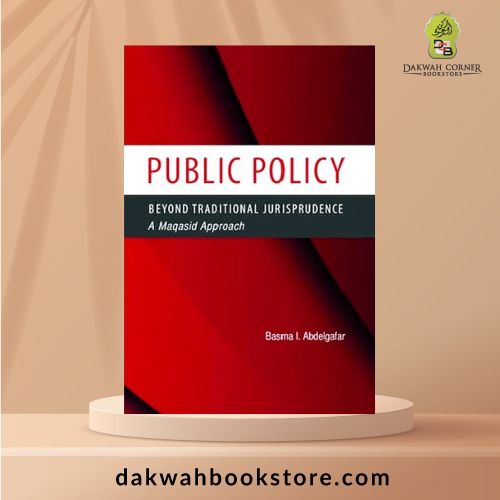
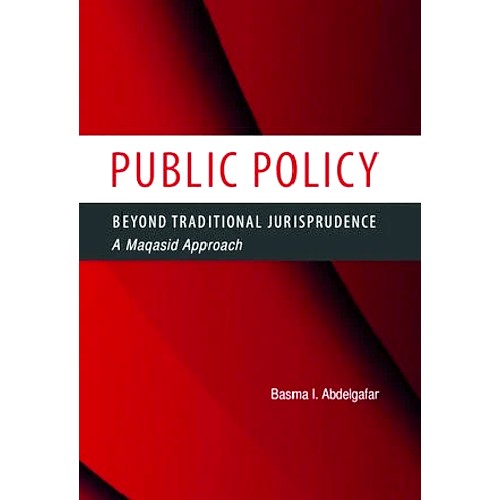
Public Policy: Beyond Traditional Jurisprudence A Maqasid Approach (IIIT)
Highlights:
This work charts new territory in Islamic scholarship by attempting to address the field of public policy from a maqasid (higher objectives of the Shariah) perspective. Public Policy is an independent discipline from both law and politics. Thus, Public Policy in Islam is introduced here as a qualitatively different enterprise from both fiqh (Islamic jurisprudence) and siyasah shar’iyyah (Shariah-oriented politics). The book deals with a number of critical topics that include methodology, governance, human rights, ethics, political power, and reform and renewal. It highlights how the maqasid approach is indispensable to the theory and practice of public policy in Islam, how it could resolve some of the most persistent governance dilemmas throughout Muslim history, but more significantly, how it forces a re-conceptualization of the wealth of knowledge available in Islam s primary sources to introduce Public Policy in Islam to mainstream policy studies.
RM100.00
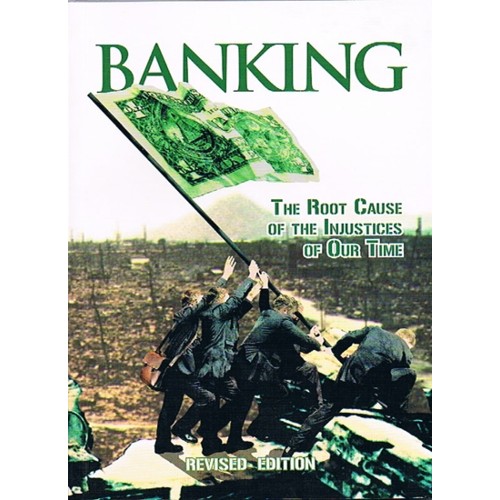
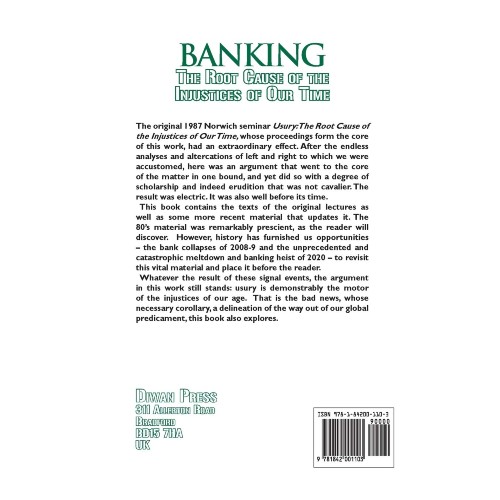
Banking: The Root Cause Of The Injustices Of Our Time (Revised Ed.)
Highlights:
The original 1987 Norwich seminar Usury: The Root Cause of the Injustices of Our Time, whose proceedings form the core of this work, had an extraordinary effect.
After the endless analyses and altercations of left and right to which we were accustomed, here was an argument that went to the core of the matter in one bound, and yet did so with a degree of scholarship and indeed erudition that was not cavalier. The result was electric. It was also well before its time.
RM38.00
Recently Viewed
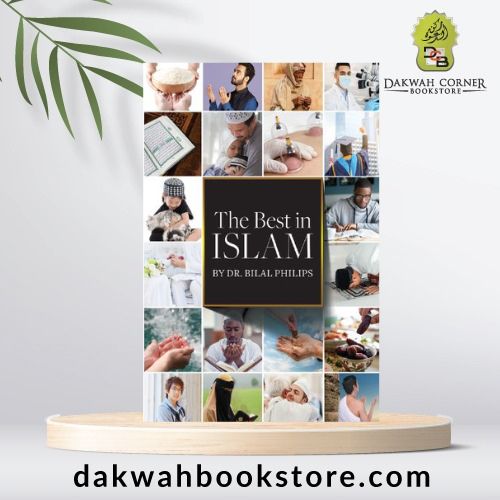

The Best in Islam
Highlights:
A groundbreaking, first-of-its-kind, compilation of authentic prophetic statements and Qur’anic verses that describe people, places and things using the terms of praise: “Good”, “Better” and “Best” or their equivalents like “beloved”, “more beloved” and “most beloved.” The 182 Hadeeth and Quranic verses are alphabetically grouped according to their various subject matters.
This truly unique work, originally compiled in the beginning of the 1990s, was aimed at enlightening English readers with issues which Islam considers to be the best and most pleasing to the Almighty God. Hence, readers can appreciate the higher objectives and goals of Islamic teachings, rites and rituals.
RM36.00

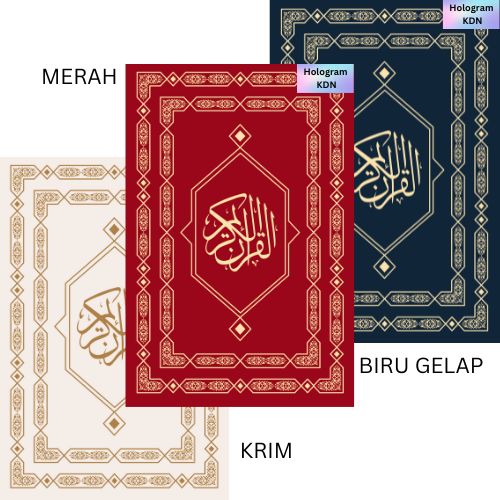
Mushaf Madinah DCB (Local Edition)
Highlights:
Mushaf Madinah Local Edition (Explanation in Malay)
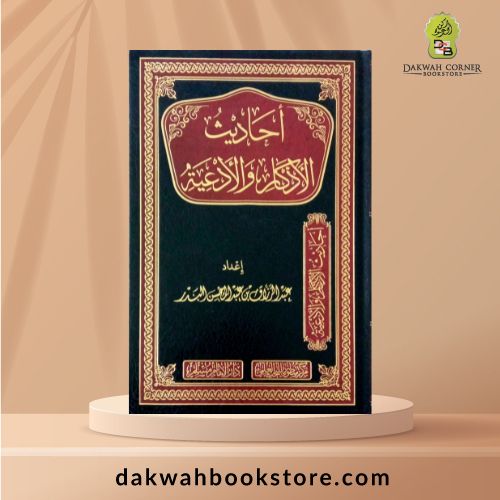
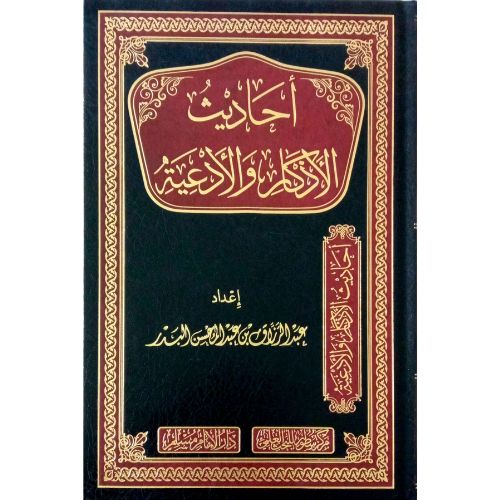
[AH] Ahadith Al Adhkar Wal Adiayah /احاديث الاذكار والادعية
Highlights:
مجموعة من الأحاديث وشروحها، للشيخ عبد الرزاق البدر، تتناول بشكل رئيسي موضوع الأذكار والأدعية. مفيدة جدًا للطالب، جزاه الله خيرًا.

طبعة جميلة تتضمن بعض الحركات على متنها وجميع الحركات على الحديث.
RM85.00
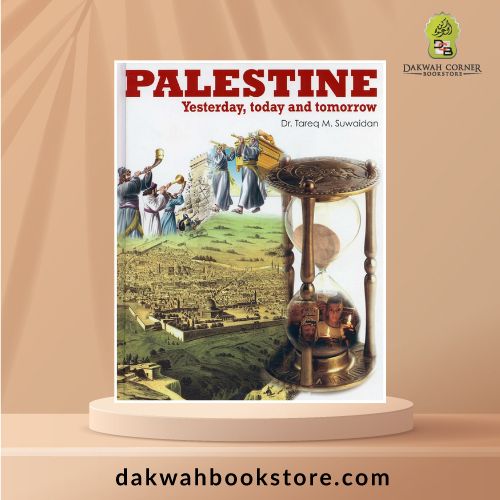
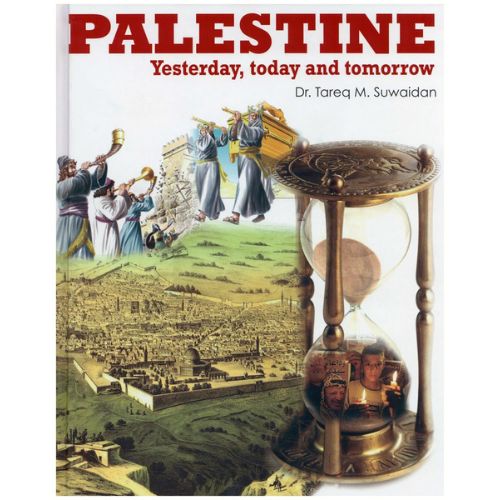
Palestine : Yesterday, Today and Tomorrow
Highlights:
Since the dawn of history, the Palestinian issue has been the focal point of national and international conflicts in the Middle East.
RM125.00
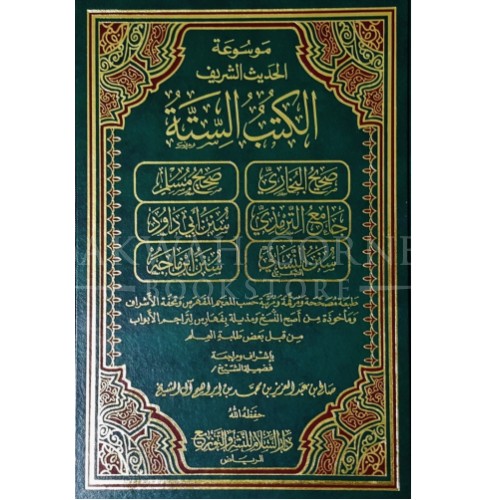
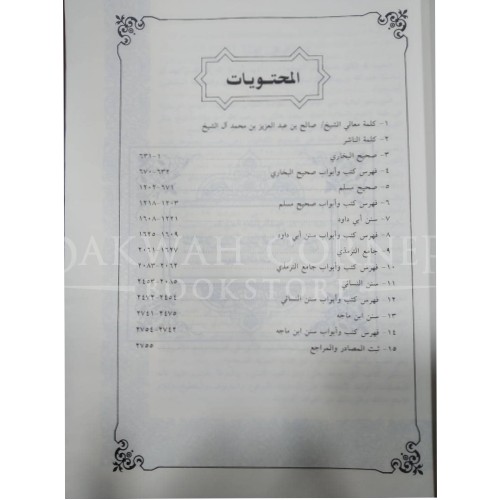
[HH] Al-Kutub Al-Sittah (موسوعة الحديث (الكتب الستة
Highlights:
Al-Kutub Al-Sittah: 6 Sahih Hadith Books ARABIC IN 1 VOLUME
This is a unique collection book that includes the whole six books of Sahih Hadith of:
1- Sahih Al-Bukhari
2- Sahih Muslim
3- Sunan Abu Dauod
4- Jame’ At-Termidhi
5- Sunan An-Nasa’ie As-Sughra
6- Sunan Ibn Majah
The Text includes the Tashkeel or Harakat
This edition is corrected, numbered and ordered according to the (Mu’jam Mufahras & Tuhfat Al-Ashraf). This edition is taken from the most authintic sources, and includes tables of chapters’ discriptions, hadith & traces’ ends which were collected by some students of knowledge.
RM500.00

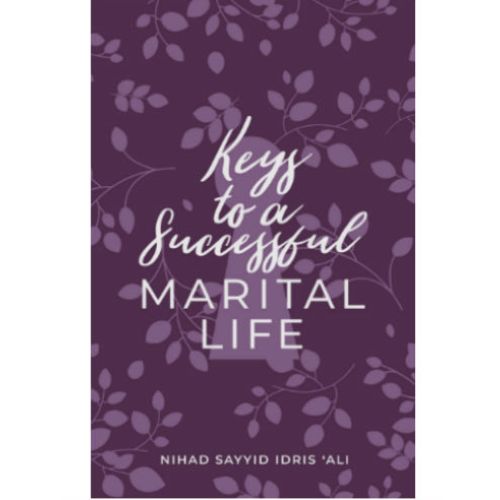
Keys to a Successful Marital Life
5 ★
5 ★
2 Ratings
5 ★
2
4 ★
0
3 ★
0
2 ★
0
1 ★
0
RM20.00
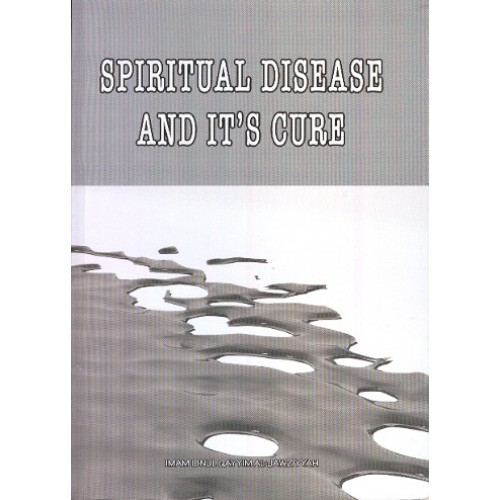
Spiritual Disease and It’s Cure
Highlights:
The Imam was asked a long question of which a part was – What is the opinion of the scholars regarding a man who is afflicted by a disease, and knows that if it should continue it would damage his life? The Imam Quoted the Hadith from Sahih Bukhari The prophet (S) said: ‘Allah has appointed a remedy for every disease He has sent down’ Imam Ahmad reported on the authority of Usamah bin Shareek that the ‘ Prophet (S) said Allah has not made a disease without providing a remedy for it, wih the exception of one disease, namely old age’ This Applies to the medicine for the heart, soul and body. The well being of the servant’s heart, is far more important than that of his body, for while the well being of his body enables him to lead a life that is free from illnesses in this world, that of the heart ensures him both a fortunate life in this world and eternal bliss in the next.
Imam Ibn al-Qayyim al-Jawziyya was born into a scholarly and virtuous family in 691 AH/ 1292 A.D. At that time Damascus was a centre of literature and thought. Many schools were located there and he studied and graduated under the protection, direction and sponsorship of his father. He was particularly influenced by his Shaykh and teacher Imam Ibn Taymiyyah, and also by Ibn ash-Shirazi amongst others. Ibn al-Qayyim al-Jawziyya died in the city of Damascus the year 751 AH/1350 C.E.,when he was scarcely 60 years old, and was buried at the cemetery of Bab- al-Saghir, near the grave of his father – Rahimahuma Allah.
RM56.00
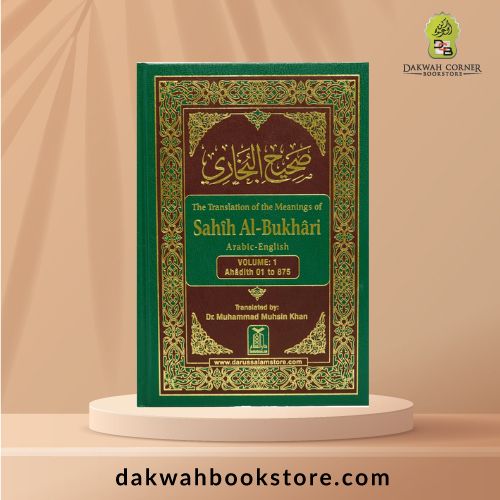
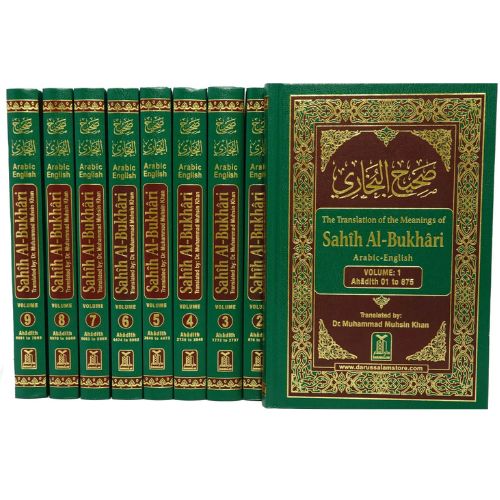
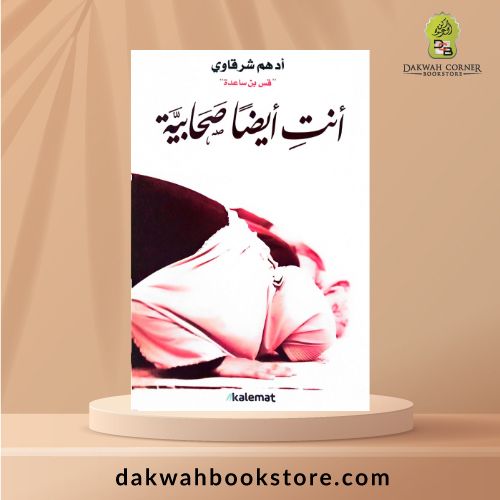
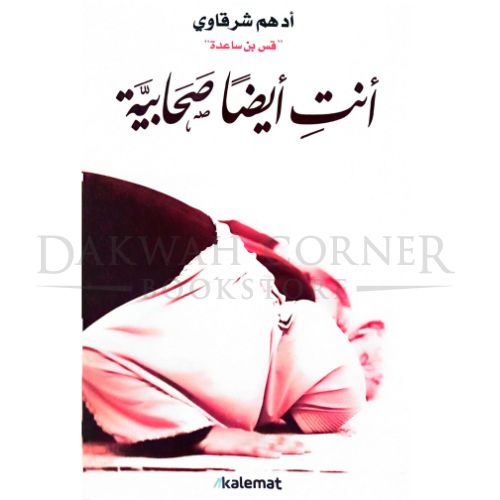
[MM] Anti Aydan Sohabiyyah / أنتِ أيضا صحابية
Highlights:
أنت الحضن الحنون الذي نأوي إليه هاربين من مشقة الحياة وأنت الكتف الذي لا نستغني عن الاتكاء عليه رغم رقته وأنت العكاز الذي لا نستغني عن الاستناد عليه رغم نعومته
RM95.00
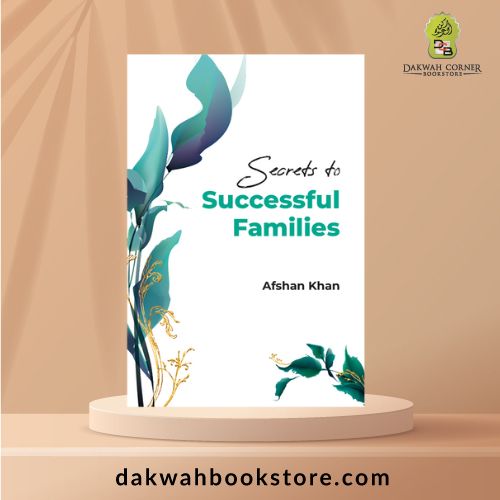
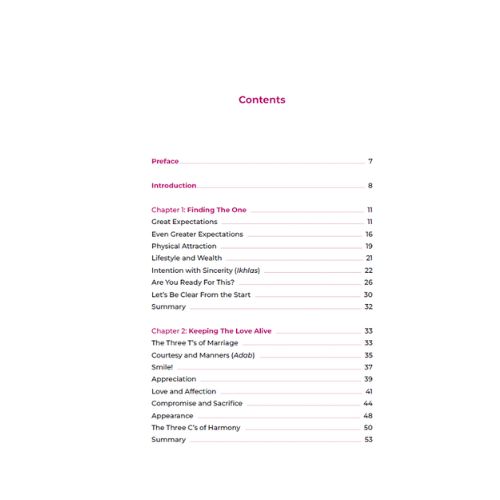
Secrets to Successful Families
Highlights:
Secrets to Successful Families provides an honest and hard-hitting look at more complex marital and family issues, such as lack of emotion, anger, narcissism, addiction, and infidelity.
RM45.00
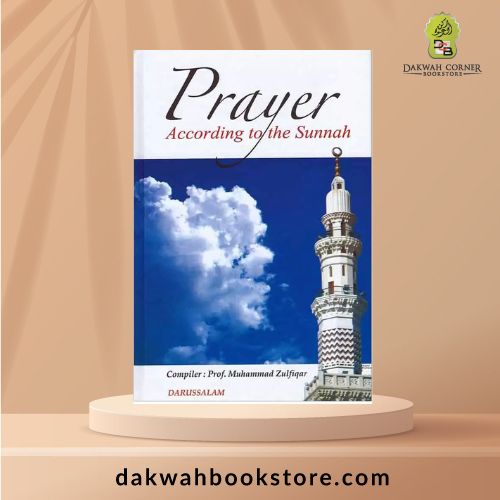
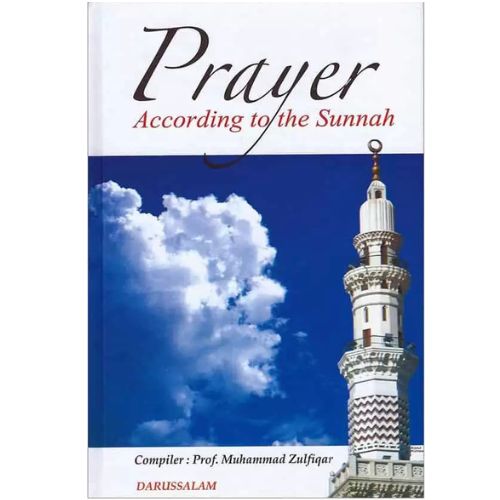
Prayer According to The Sunnah
Highlights:
A complete, comprehensive book covering almost every aspect related to prayer (Salah) according to the Quran and authentic Sunnah of the Prophet Muhammad (S). It is a must for every Muslim to learn and educate themselves about this basic and most important pillar of Islam that everyone is required to do 5 times every day.
RM85.00
There are no reviews yet.