




| Weight | 0.415 kg |
|---|---|
| Dimensions | 24.5 cm |
| Author | |
| Pages | 118 |
| Product Type | Book |
| Publisher | The Islamic Foundation UK |
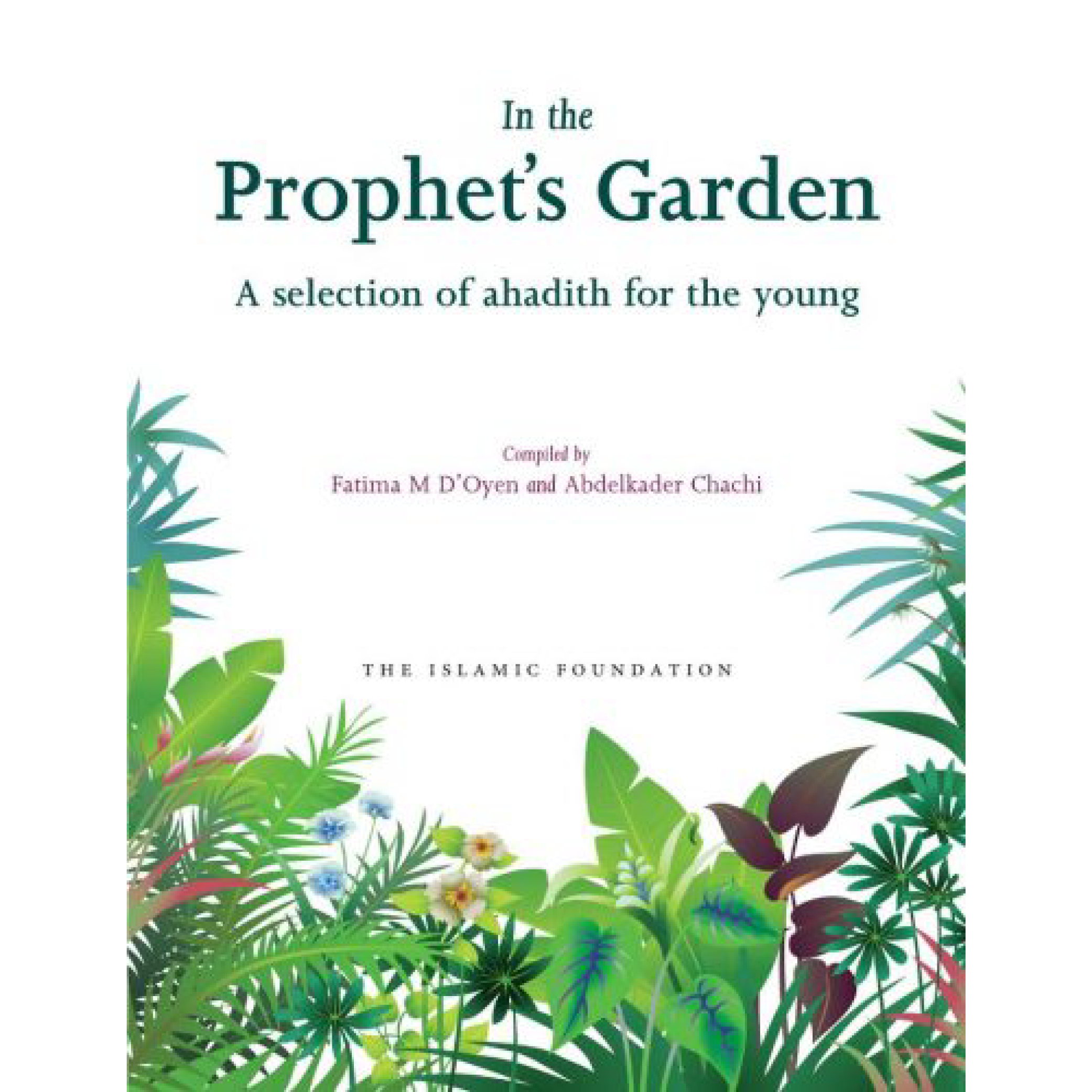
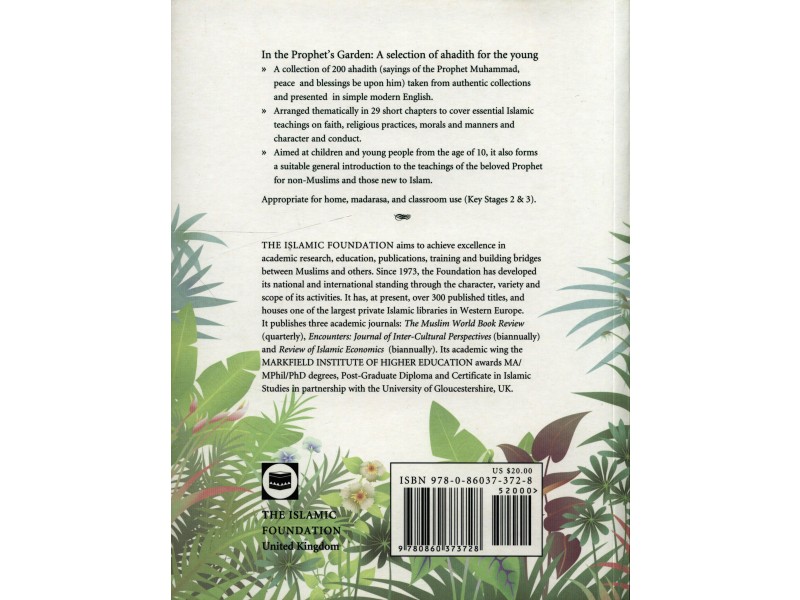
In The Prophet’s Garden
RM62.00
Hurry up, Only 3 left.
somdn_product_page
Compare
SKU: HH67
Categories: Books Of Hadith, Noble Hadith and Hadith Sciences
Additional information
Reviews (0)
Be the first to review “In The Prophet’s Garden” Cancel reply
You must be logged in to post a review.
Related Products
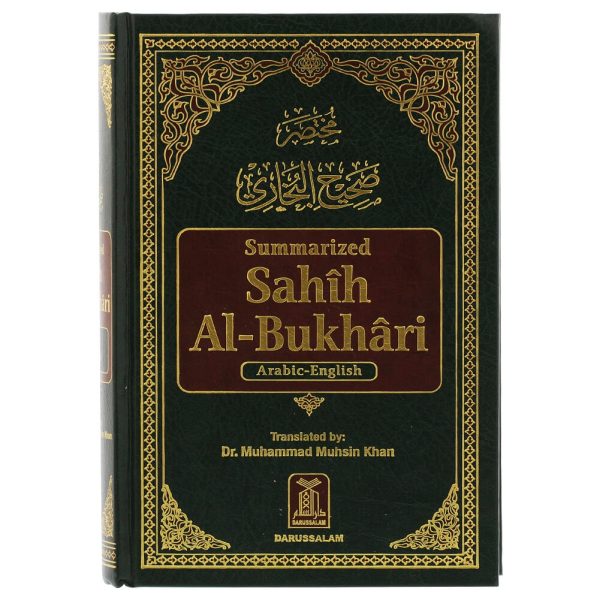
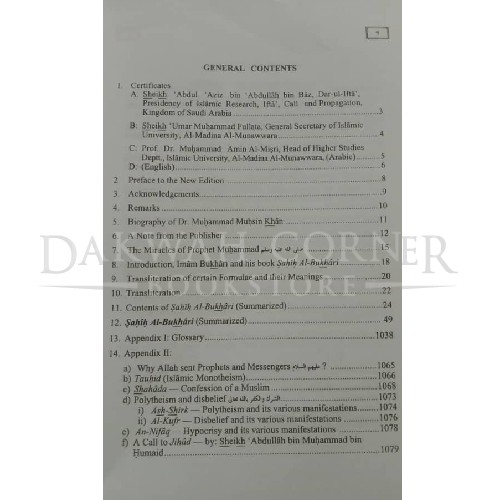
Summarized Sahih Al-Bukhari (Medium)
Highlights:
Noble Hadith and Hadith Sciences
RM90.00
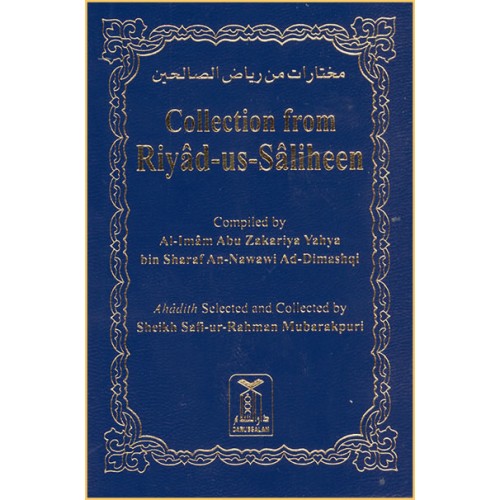
Collection from Riyad-us-Saliheen -Pocket Size (Softback)
Highlights:
This edition of Riyad-us-Saliheen has selected hadith from the full 2 volume edition. It has Arabic text, followed by English translation. It does not contain commentary like the larger editions.
Imam Nawawi was a great scholar of Hadith and Fiqh of his time. He compiled Riyad-us-Saliheen which acclaimed an important position in the Hadith Collections. It is an extremely popular and useful compilation of authentic hadith. Commentaries on the Ahadith were added by Hafiz Salahuddin Yusuf of Pakistan.
Keeping in view the problems of our times, we wished to print a concise volume of Riyad-us-Saliheen. For this volume, Sheikh Safi-ur-Rahman Mubarakpuri has made the selection of Ahddith.
RM36.00
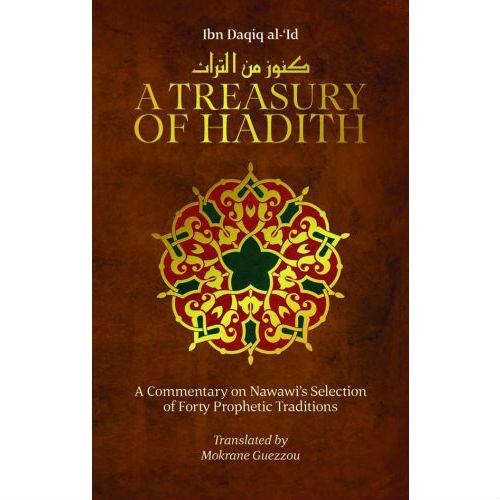
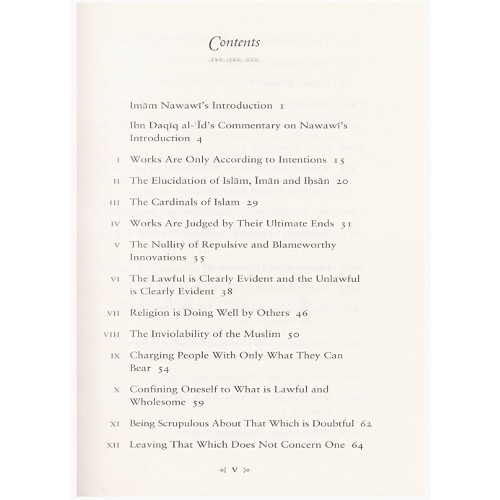
A Treasury of Hadith
Highlights:
This classical short commentary on Imam Nawawi’s famous collection of forty-two traditions of the Prophet Muhammad, may Allah bless him and give him peace, is an authoritative introduction to key Islamic principles and teachings, Accounted as hadith master, in this collection Imam Nawawi collected together those traditions that he considered were axial to the entire Islamic faith. As the first title in Kube’s new Treasury Series in Islamic Thought and Civilization, this accessible translation is presented in a beautiful gift format.
Ibn Daqiq al-‘Id (d.1302) was a Shafi’i mujtahid imam, who was educated in Damascus, Alexandria, and Egypt. Accounted as one of the greatest scholars in Islam in the fundamentals of law and belief, he wrote extensively in the areas of law, principles of jurisprudence, hadith, and tenets of faith. Imam Nawawi (d.1277) was accounted as an Imam of the later Shafi’i school and was known for his piety and knowledge.
RM60.00
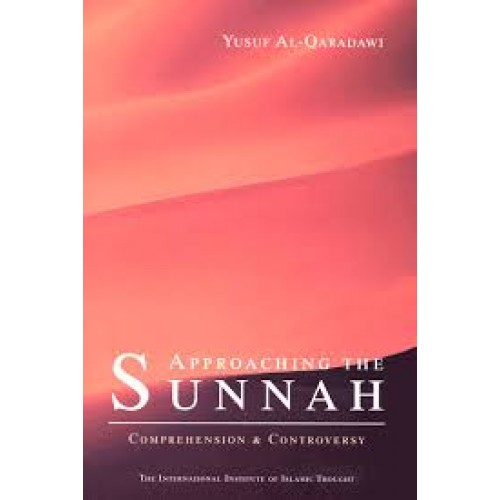
Approaching the Sunnah: Comprehension & Controversy (P/B)
Highlights:
The Sunnah still provides the stable moral framework – the grammar – that enables Muslims, by formal rules and inward sense, to know right from wrong. However, separation from the mainstream of life puts the Sunnah in danger of becoming rigid – an archaism. Addressing that danger, this book explains how the Sunnah can function as the grammar of a living, adaptive language, capable of guiding (and not shying from) the mainstream.
The first chapter sets out the qualities that characterize authentic application of the Sunnah: universality, coherence (so that different spheres of human responsibility are not split), compassionate realism, moderation, and humility. The second explains standards and procedures for determining the Sunnah in the fields of jurisprudence and moral instruction. The third chapter illustrates through detailed examples common errors in understanding the Sunnah – reading hadiths singly without sufficient context, confusing legal and moral injunctions, means and ends, figurative and literal meanings…–and it proposes remedies for these errors.
YUSUF AL-QARADAWI is one of the Islamic world’s most widely respected and prolific scholars. His works have remained popular over many decades. Among the best known of his books to appear in English is The Lawful and the Prohibited in Islam (first edition 1994).
RM75.00

Scholars of Hadith (P/B)
Highlights:
This book presents an extensive, in-depth analysis of great Muhaddithun (scholars of the science of Hadith). Each chapter presents detailed biographies of Malik b. Anas, Ibn Hanbal, al-Bukhari, Muslim, al-Tirmidhi, Abu Dawud, an-Nasai, Ibn Majah, ad-Darimi and al-Bayhaqi along with the methods they used in Hadith collection and classification. This work is especially important in today’s world where many Muslims have a dire need to connect with the great corpus of work that was produced by the scholars or traditional Islam. A work such as Scholars of Hadith has been long overdue in the English language and it will certainly make for productive reading for all interested in deepening their knowledge of Islam.
RM24.00
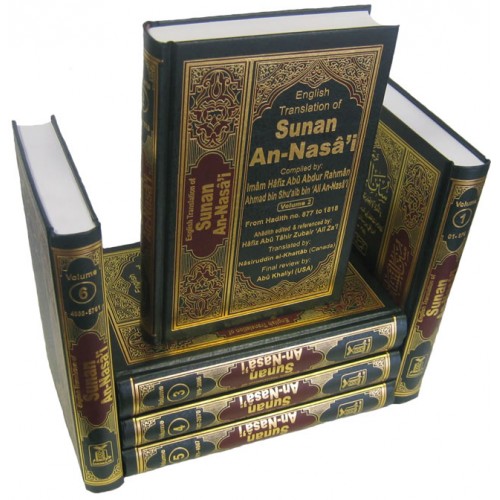
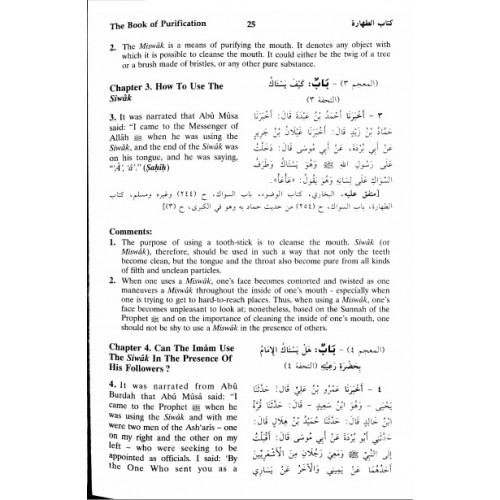
Sunan An-Nasa’i (6 Vol) (H/B)
Highlights:
Sunan An-Nasai has the fewest weak ahadith after the two Sahih collections. This Sunan is one of the six is al-Mujtaba or as-Sunan as-Sughara, which is a synopsis of a large collection of ahadith which he considered to be fairly reliable. In the smaller collection, only those ahadith which he considered to be reliable have been included.
It was compiled by the great scholar of hadith, Abu Abdur-Rahman Ahmad bin Shu’aib bin Bahr An-Nasae (Nasa’ of Khurasan) (214-303AH). Imam An-Nesai, like other great scholars of hadith traveled to Baghdad, Ash-Sham, Egypt, Mecca, and many other cities to seek knowledge. He received the praises of many scholars including Ad-Daraqutni who said about him: “He is given preference over all others who are mentioned with this knowledge from the people of his time”. Some scholars consider his compilation to have the least number of defective or weak narrations among the four Sunan. This great book of his contains 5761 ahadith, making it as an invaluable addition to anyone’s library.
RM460.00
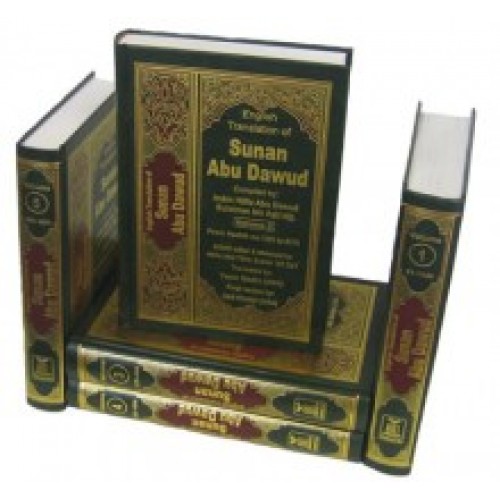
Sunan Abu Dawud (5 Volumes) H/B
Highlights:
New edition of Sunan Abu Dawood in 5 volumes by Dar-us-Salam with commentary after each hadith. Unlike other prints, this edition has crisp and clear printing in deluxe 6×9″ bounding. Like the other translations of the six books of hadith, Dar-us-Salam Publications, has taken great care in correct translation, simple and clear modern English language, and high quality publishing.
Ahadith in the book are followed by comments to explain issues and to help readers derive lessons. To aid readers further, Dar-us-Salam, has added several features like section on how to benefit from Sunan Abi Dawud, about the Arabic and technical terms used, information about the hadith compilations and a glossary of Islamic terms in the last volume.
Each hadith is also followed by its status in regards to the authenticity. The status is explained more in detail in the Arabic text. The chain is also complete in the Arabic text while it is removed from the English to reduce the length and not being of much benefit to the English readers.
RM315.00
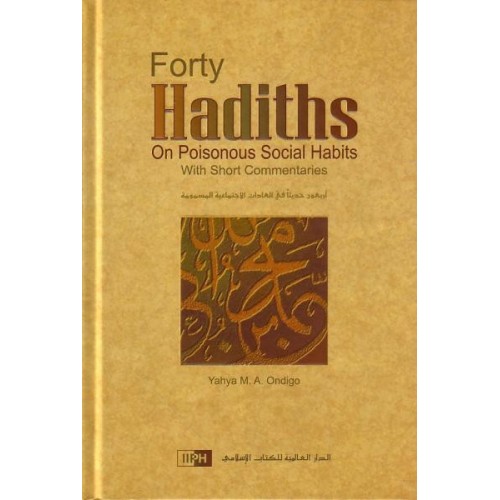
Forty Hadiths On Poisonous Social Habits With Short Commentaries
Highlights:
In this unique collection of Forty Hadiths on Poisonous Social Habits, Yahya Ondigo emulates the tradition of Imam an-Nawawi and other great scholars. He has compiled hadiths (records of the guidance) of the Messenger of Allah (peace and blessings of Allah be upon him) and briefly commented on each.
This well-researched and thoroughly documented book offers both Muslim and non-Muslim readers a clear understanding of how the divinely-inspired words and actions of Prophet Muhammad (peace and blessings be upon him) apply to our contemporary societies. Such social ills as lying, greed, corruption, smoking, gambling and others have been discussed along with their social implications.
After elaborating each issue, the author has offered wise and insightful advice to get rid of that particular social habit. In this beautifully-worded piece, his deep faith in Islam shines through along with his love and concern for humanity.
This compilation is meant to awaken our realization of the causes and effects of these poisonous habits so that perhaps we may be reminded, take admonition, and try to change our situations. As is the rule, Allah will not change the condition of a people either from bad to good, or vice versa, until the people change what is in them selves.
RM65.00
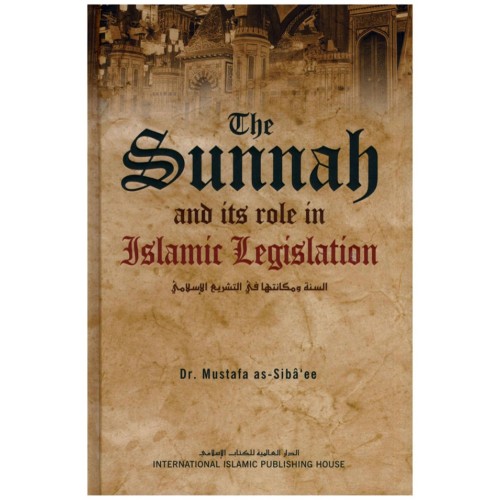
The Sunnah And Its Role In Islamic Legislation (H/B)
Highlights:
The Sunnah and its Role in Islamic Legislation is a groundbreaking effort by Dr. Mustafa as-Siba’ee, for it has a completeness to it in two regards: first, the author manages to cover all topics related to the Sunnah—its status, its legislative force, the stages that led to its recording, just to mention a few—in a comprehensive and organized manner. Second, he presents the views of those that have attacked the Sunnah throughout history, detailing their arguments and then refuting them. Among those groups from the past were the Shi’aa and the Mu’tazilah; today, they are mainly the Orientalists and those that are influenced by them.
Sheikh as-Siba’ee takes us through the historical development of the Sunnah, from the early stages of revelation to the recording of the Sunnah during the era of the great Imams of Hadith. Throughout that account, he highlights the contributions of the scholars in preserving the Sunnah and cleansing it from fabrications and lies. Shaykh as-Siba’ee gives a clear account of the revolutionary methods and scholarly principles that were established in order to authenticate historical reports and narrations. The author shows us that the fruits of that endeavour were the preservation of the authentic Sunnah and the birth of the Hadith sciences.
This book has been a perennial source of knowledge for Arabic-speaking students of Islam, for its clarity, readability, and insightful research. New English-speaking students too have available to them this authoritative treatise on the Sunnah of our beloved Prophet Muhammad) may the peace and blessings of ALLAH be upon him).
RM75.00
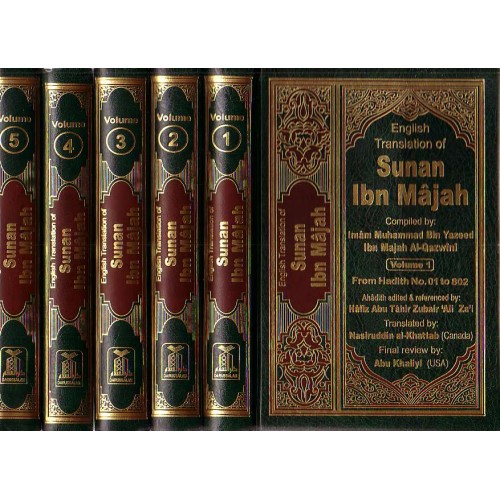
Sunan Ibn Majah (5 Vol. Set) (H/B)
Highlights:
Sunan Ibn Majah is one of the six most authentic collections of the Ahadith and contains 4,341 total Ahadith. Like the other translations of the six books of hadith, Dar-us-Salam Publications, has taken great care in correct translation, simple and clear modern English language, and high quality publishing.
Ahadith in the book are followed by comments to explain issues and to help readers derive lessons. To aid readers further, Dar-us-Salam, has added several features like section on how to benefit from Sunan Ibn Majah, about the Arabic and technical terms used, information about the hadith compilations and a glossary of Islamic terms in the last volume.
Each hadith is also followed by its status in regards to the authenticity. The status is explained more in detail in the Arabic text. The chain is also complete in the Arabic text while it is removed from the English to reduce the length and not being of much benefit to the English readers.
RM420.00
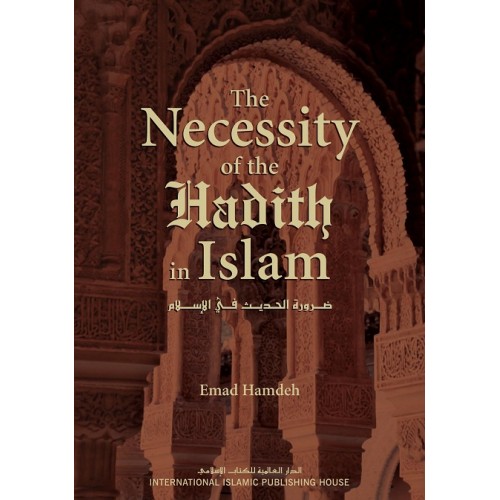
The Necessity of the Hadith in Islam (H/B)
Highlights:
There was a time when the notion of Hadith rejection was inconceivable. Sad to say, it is now becoming a widespread phenomenon in many countries. The educated and the ignorant, veteran Muslims and reverts, the middle class as well as the elite are falling prey to the misleading ideas projected by the Hadith rejecters through books and other forms of publication. The Internet has, unfortunately, given them a new and effective platform. Emad Hamdeh has taken up the task of replying to these Hadith rejecters with sound and convincing arguments. The Necessity of the Hadith in Islam not only explains the need for the Hadith and the Sunnah at all times, but also presents and refutes the main arguments put forward by Hadith rejecters. Furthermore, Hamdeh has profiled the top few Hadith rejecters and summarized their ideas. This is a well-researched, well-referenced and comprehensive work, which provides useful information to those seeking more knowledge on the subject. It will also sufficiently answer many different questions which come to mind after reading some of the arguments of the Hadith rejecters. Muslims today need to read works such as these to ensure that they are not misled, especially through the Internet.
RM45.00
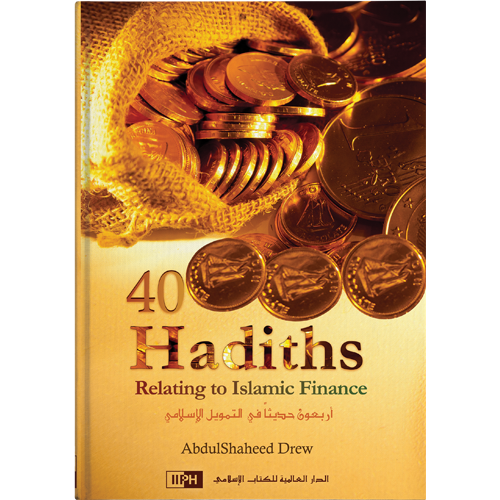
40 Hadiths Relating to Islamic Finance
Highlights:
A comprehensive guide that every Muslim should possess, 40 Hadiths Relating to Islamic Finance by AbdulShaheed Drew untangles some of the intricacies of finance and economics, bringing forth a Sharia-compliant solution to earning and using wealth. This collection presents authentic hadiths and clear explanations, showing how they relate to contemporary circumstances. Read and study it to be empowered with general knowledge relating to wealth in Islam, so that you can earn and spend your money the halal way.
RM50.00
Recently Viewed
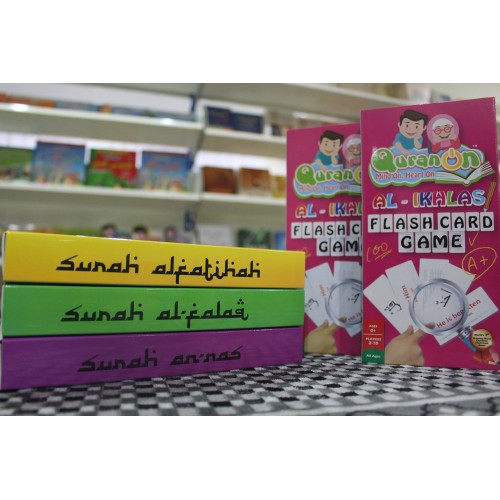
Al-Ikhlas Quran On Flash Card Game
Highlights:
Introducing our NEW QuranOn Flash Card Game that will enhance our understanding on the Arabic words, translations, makhraj, tajweed, grammar, meaningful contents and many more.
✔ Recite the verse in the surah clearly from one word to another.
✔ Combination of Arabic alphabets from word by word in the surah to the beginners.
✔ Translation for the each word.
RM40.00
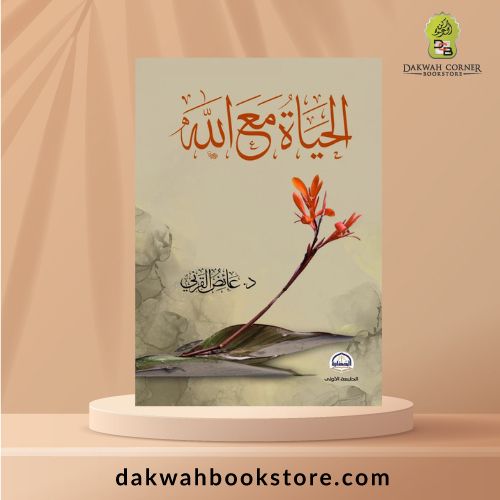
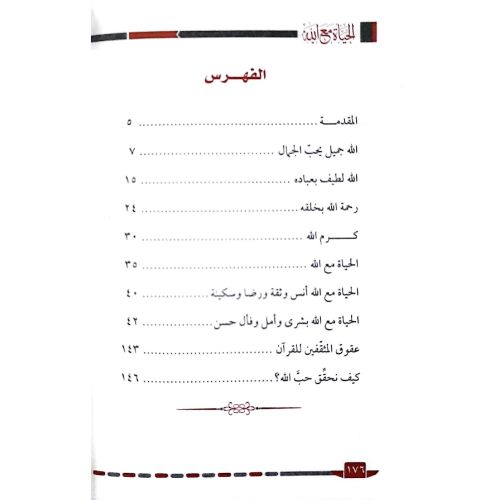
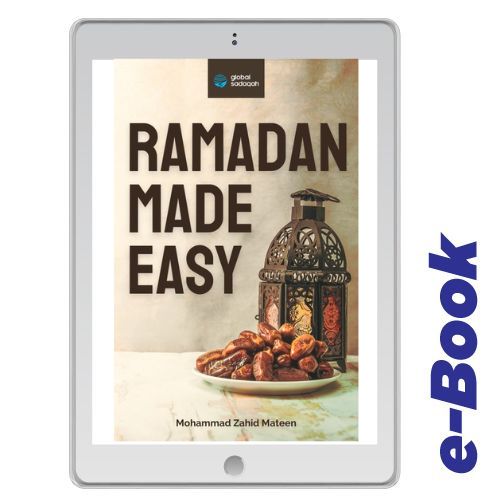
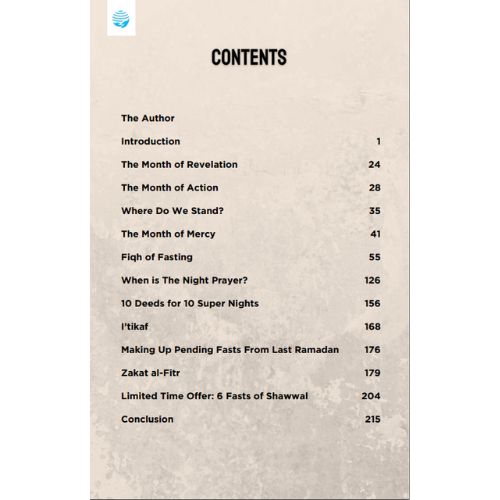
(FREE-eBook) Ramadan Made Easy 2024
Highlights:
رمضان أقِبل فالقلوُب مريضة
O Ramadan, come forth, for the hearts are ill.
RM0.00
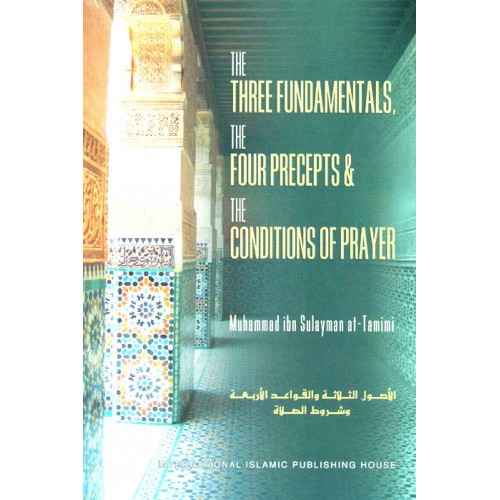
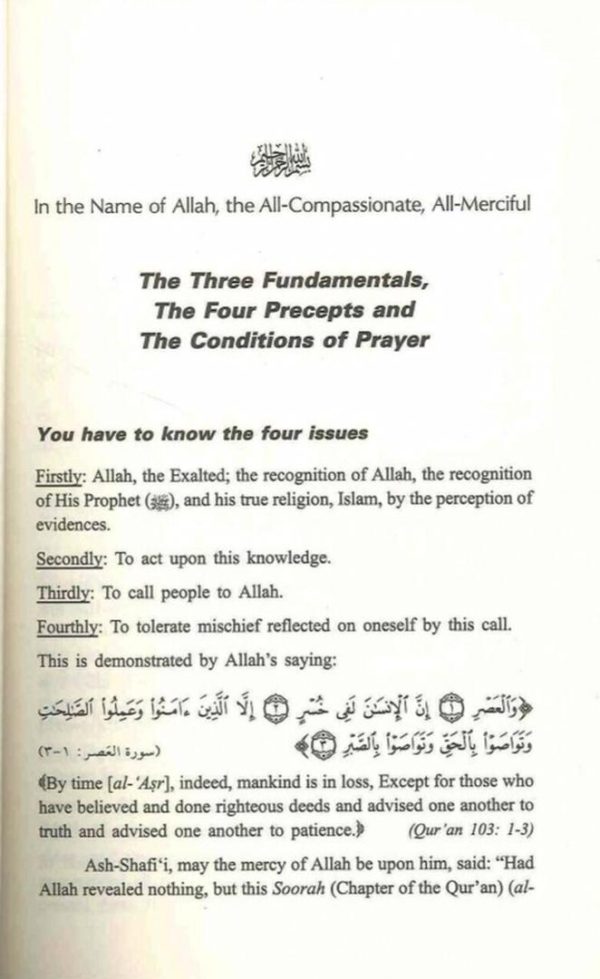
The Three Fundamentals, The Four Precepts & The Conditions Of Prayer (P/B)
Highlights:
(I have only created Jinn and men, but to worship me)
And the most common and lofty way of worship Allah, as we all know, is to pray. Pray, pray, pray.
But how will we react if we find out that after years and years of praying, our prayer is performed incorrectly?!?!
Some of us would be angry… actually, very very angry… while some will be dissappointed and wishing that they knew the correct way of praying earlier…
This book covers all of the guidelines of prayer, and what you need to do before, after, and during prayer, to keep you from that humiliating moment of “learning it the hard way.”
So once this book is between your hands, flip through its thin pages and earn the knowledge of your deen as you sit on the cushions of a warm, comfortable couch.
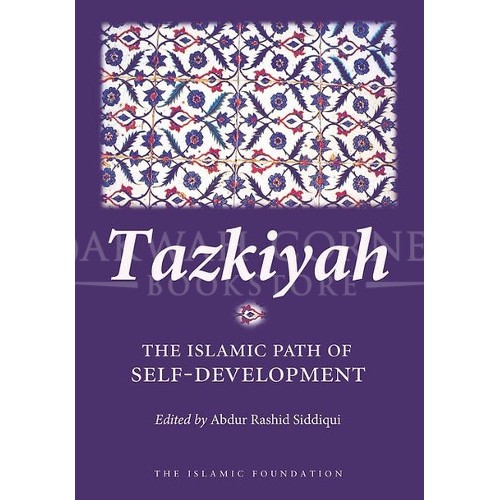
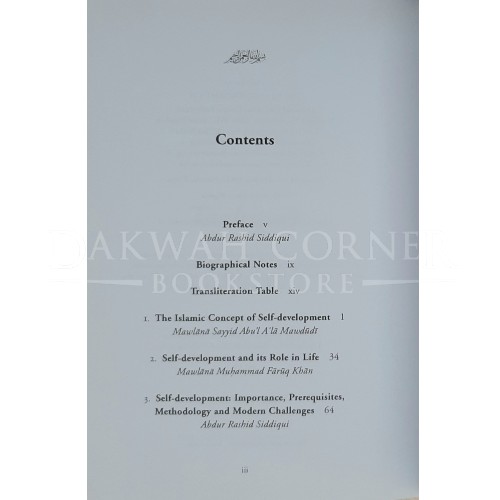
Tazkiyah The Islamic Path of Self Development (P/B)
Highlights:
Tazkiyyah, self-development, lies at the core of the Islamic life. Success in this life and the next depends very much on it. There are many works in Islamic literature on this subject, written from a variety of angles. This anthology has been compiled to meet the need of self-development from an authentic Islamic perspective. Mawlana Mawdudi, Mawlana Amin Ahsan Islahi and Ustadh Khurram Murad are the leaders of the Islamic Movement of the last century and their contributions are the bedrock for initiating the process of self-development.
Mawlana Faruq Khan, a well-known Islamic writer from India, while discussing self-development, brings out the importance and relevance of morals and motivation. Abdur Rashid Siddiqui in his contribution emphasizes the importance of making deliberate efforts to achieve self-development.
This anthology is a practical manual for those who want to achieve self-development by purifying their soul and actions.
RM46.00
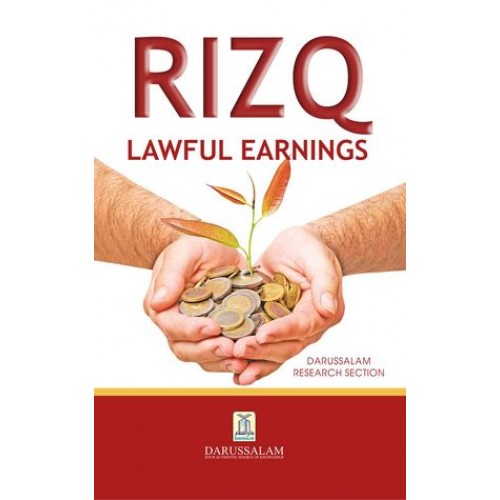
Rizq Lawful Earnings (P/B)
Highlights:
Narrated by Umar Ibn al-Khattaab (May Allah be pleased with him), the Prophet (Peace be upon him) said:
“If you put your faith completely in Allah, He will arrange for your sustenance in the same way as he provides for the bird. They go out in the morning with their stomachs empty and return filled in the evening.” (Tirmidhee)
This book discusses the place of pride Islam gives to making lawful earnings and rizq through hard work and striving. It also looks at the contempt Islam places on begging and indolence. Then it looks at which earnings are lawful, which are not and the many ways by which wealth can increase while seeking the pleasure of Allah (Glorified and Exalted is He).
RM30.00
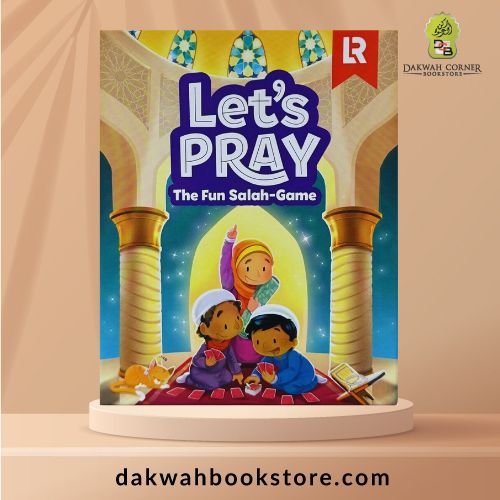
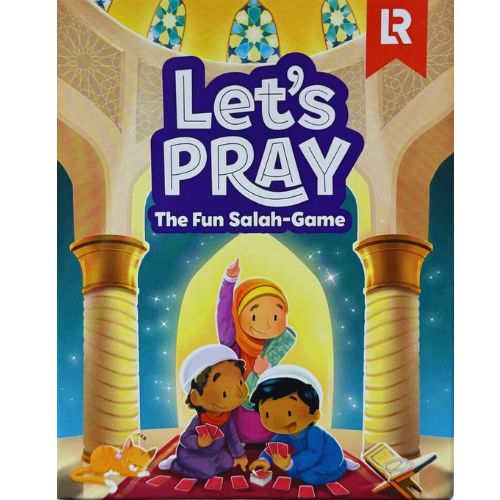
Let’s Pray: The Fun Salah Game
Highlights:
Salah is a blessing, not a burden. And the way in which we teach Salah can have a great impact on our children. Let’s pray makes learning Salah fun and enjoyable so it sticks for life.
RM87.00
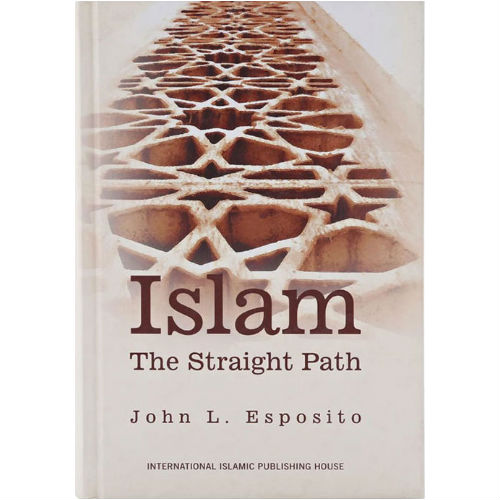
Islam The Straight Path
Highlights:
This updated version of Islam: The Straight Path includes a new Epilogue by John Esposito in which he addresses the impact 9/11 and its aftermath have had on both the Muslim and non-Muslim world, discussing Islam’s relationship to democracy and modernity and focusing more sharply on the origins and growth of extremism and terrorism in the name of Islam. This exceptionally successful survey text introduces the faith, belief, and practice of Islam from its earliest origins up to its contemporary resurgence. Esposito, an internationally renowned expert on Islam, traces the development of this dynamic faith and its impact on world history and politics, discussing the formation of Islamic belief and practice and chronicling the struggle of Muslims to define and adhere to their Islamic way of life. Lucidly written and expansive in scope, Islam: The Straight Path provides keen insight into one of the world’s least understood religions and is ideally suited for use in courses on Islam, comparative religions, and Middle Eastern history and culture.
RM91.00
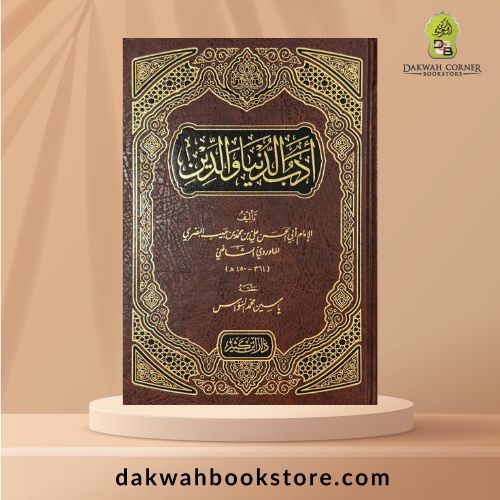
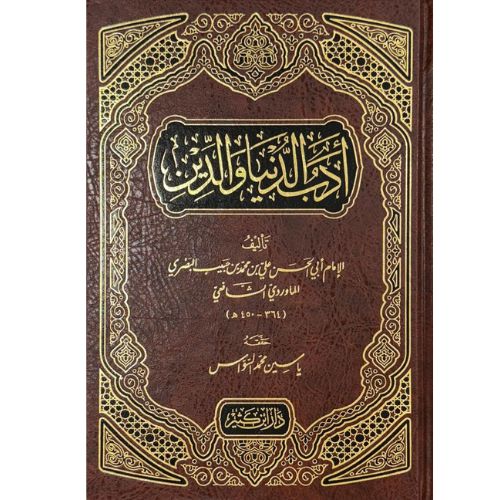
[AMM] Adab ad-Dunyā wad-Dīn / أدب الدنيا والدين
Highlights:
This book of ours is but a glimpse of this religion and those morals. “The greatest of matters in importance and value, and the most comprehensive in benefit and support, is that by which religion and this world are established, and by which the welfare of the Hereafter and this world is regulated; because with the integrity of religion, worship is sound, and with the welfare of this world, happiness is complete.” (1)
The book has been printed many times, and is well-known and widely circulated. At the beginning of this century (around 1920 AD), the Egyptian Ministry of Education had designated it for reading in secondary schools, due to its refined literature and wonderful wisdom. The author gathered evidence for it from the Holy Qur’an, the Sunnah of the Messenger and his family, the works of the Companions and their Successors, the etiquette of the eloquent, the sayings of poets, and the wisdom of the Arabs and other nations. He formulated all of this in a harmonious style, combining “the investigation of the jurists and the refinement of the literary men.” (2) He addressed the Muslim individual who is aware of the reality of life, in order to awaken in him the mind and thought, more than he arouses in him emotion and feeling, and in order to guide him towards the straight path and the path of guidance, and to elevate him from his limited reality. And his small experience, to a wider world, and a greater experience.
RM95.00
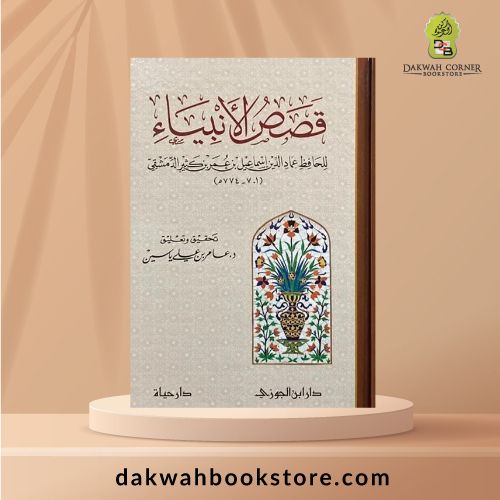
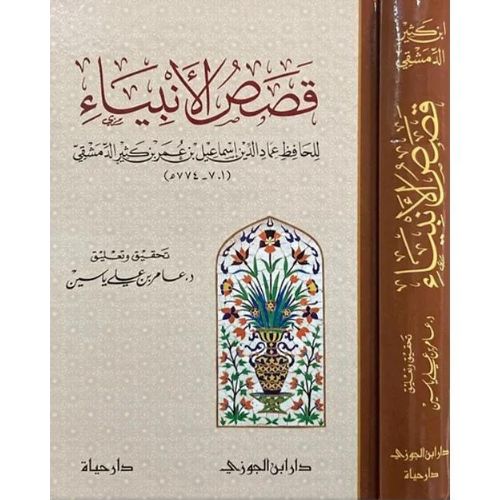
[HS] Qisas Al Anbiya’ / قصص الانبياء
Highlights:
قصص الأنبياء
للحافظ عماد الدين إسماعيل بن عمر بن كثير الدمشقي (٧.١ – ٥٧٧٤)
RM150.00
There are no reviews yet.