| Weight | 0.18 kg |
|---|---|
| Dimensions | 20 × 14 × 1 cm |
| Author | |
| Binding | Paperback |
| Pages | 133 |
| ISBN | 9786038404034 |
| Publisher | Dar Al Hadharah |
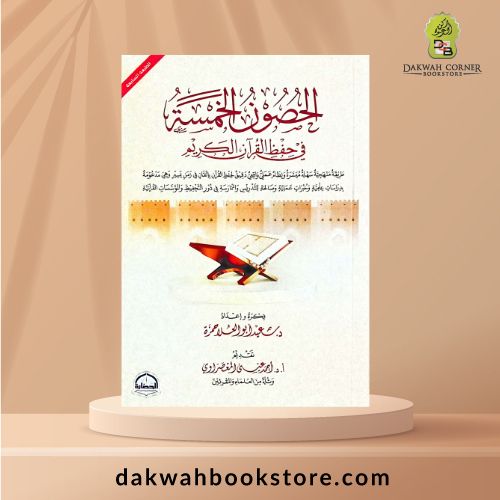
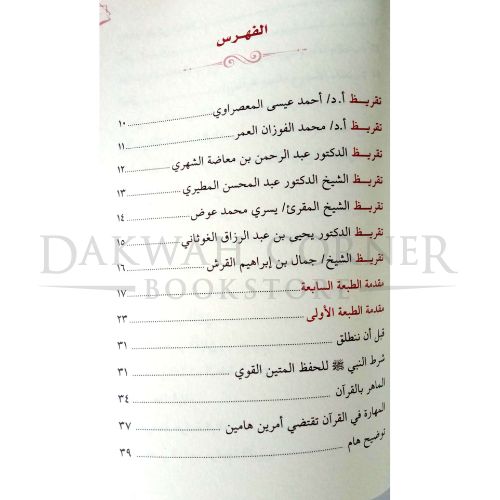
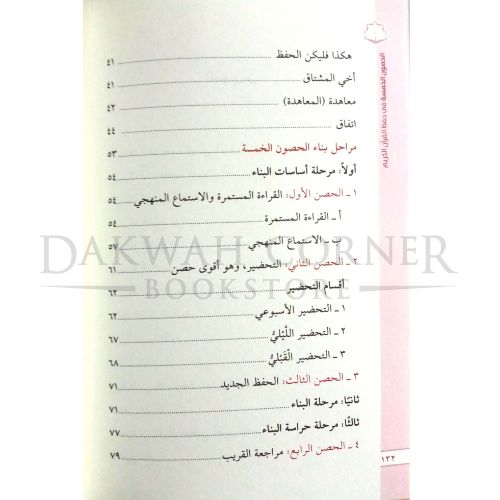
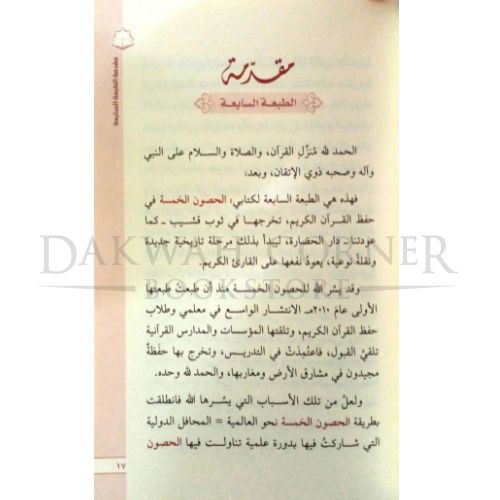
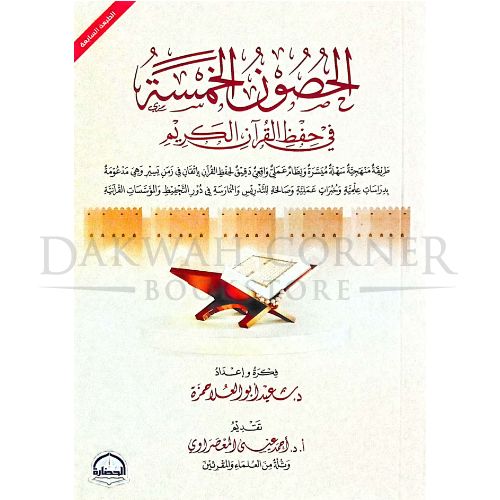
[QQ] Alhusun Alkhamsah / الحصون الخمسة
RM45.00
Frequently Bought Together
Be the first to review “[QQ] Alhusun Alkhamsah / الحصون الخمسة” Cancel reply
You must be logged in to post a review.
You may also like…
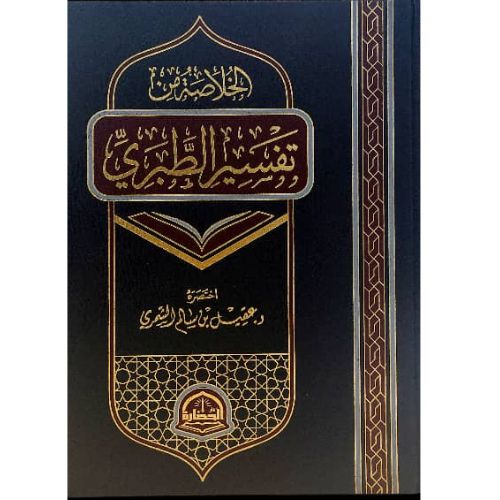
[QQ] Al Khulasat Min Tafsir Al Tabari (الخلاصة من تفسير الطبري)
الخلاصة من تفسير الطبري / مجلد كبير
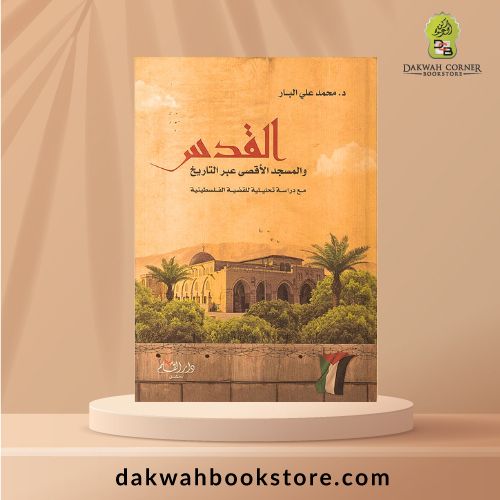
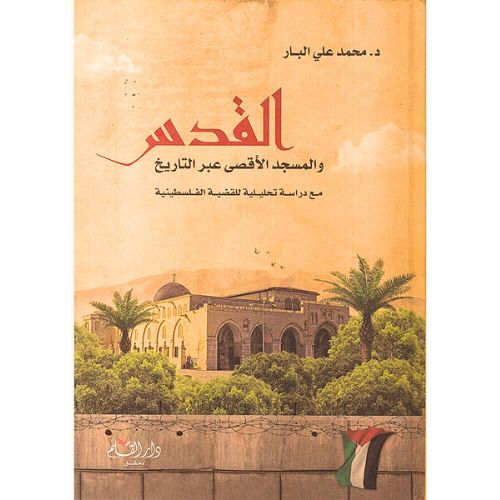
[HS] Al Quddus Wal Masjid Al Aqsa / القدس والمسجد الأقصى عبر التاريخ مع دراسة تحليلية للقضية الفلسطينية
كتاب القدس والمسجد الاقصى عبر التاريخ مع دراسة تحليلية للقضية الفلسطينية بقلم محمد علي البار
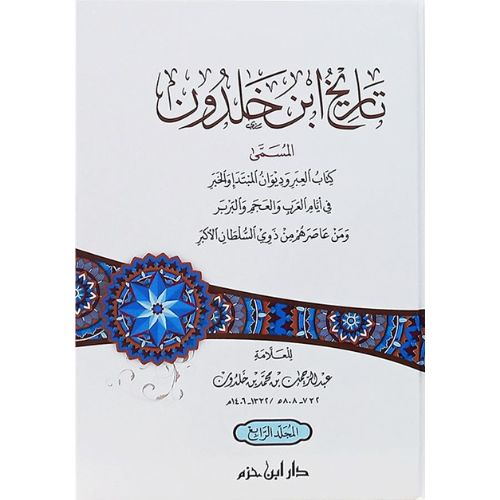
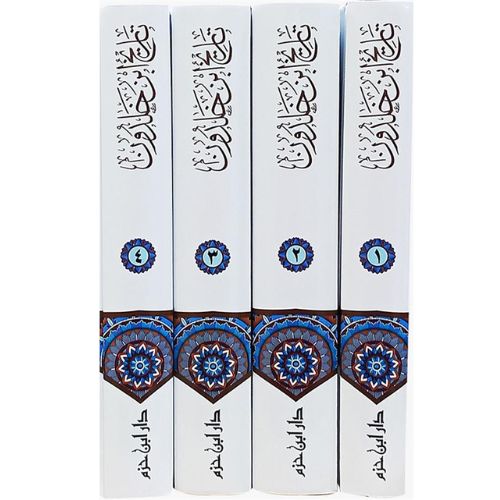
[HS] Tarikh Ibn Khaldun 4 Vol (تاريخ ابن خلدون 1 /4)
كتاب “تاريخ الطبري” تاريخ “الرسل والملوك” أو الأمم والملوك من أهم كتب المصادر في مجال التاريخ، إذ يعد أوفى عمل تاريخي بين مصنفات العرب أقامه مصنفه على منهج مرسوم، وساقه في طريق استقرائي شامل، بلغت فيه الرواية مبلغها من الثقة والأمانة، أكمل ما قام به المؤرخون قبله، كاليعقوبي والبلاذري، والواقدي، ومهد لمن جاء بعده كالمسعودي، وابن مسكويه وابن الأثير وابن خلدون ولم يقتصر على تاريخ الإسلام بل أرخ لما قبل الهجرة بل ابتدأ من القول في ابتداء الخلق ما كان أوله
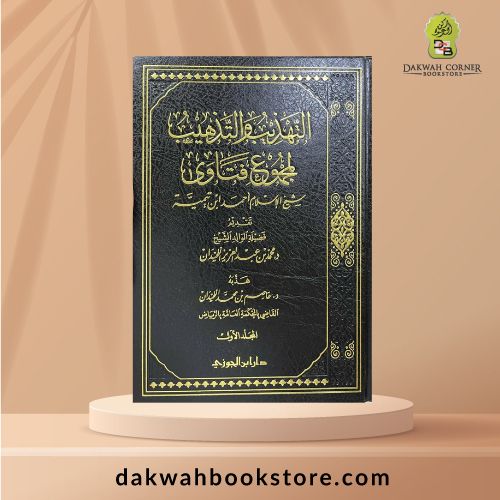
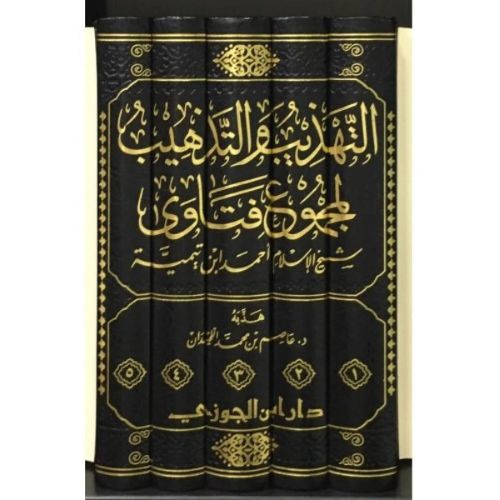
[SJ] Tahzib wa Tazhib li Majmu’ Fatawa 5v / التهذيب والتذهيب لمجموع فتاوى شيخ الإسلام ابن تيمية 1- 5
التهذيب والتذهيب لمجموع فتاوى شيخ الإسلام ابن تيمية
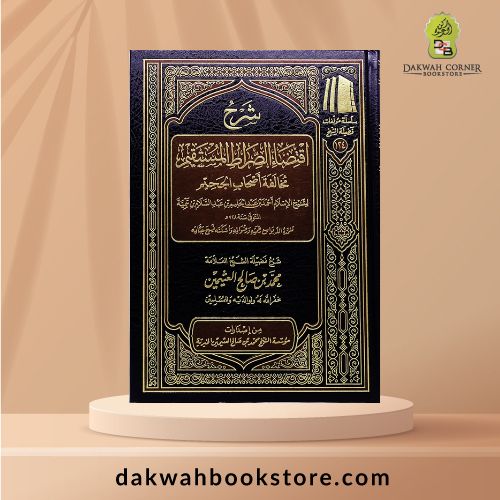
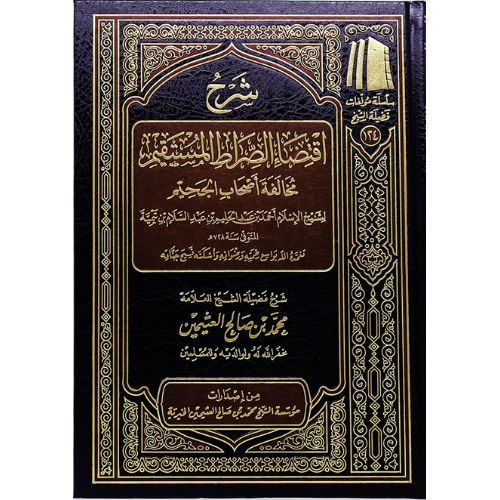
[AC] Sharh Iqtidha’ As Siratol Mustaqim / شرح اقتضاء الصراط المستقيم
يعتبر كتاب اقتضاء الصراط المستقيم للإمام ابن تيمية – رحمه الله – من أفضل ما كتب في قاعدة عظيمة و هي: مخالفة الكفار و المشركين
و ذها هو شرح الشيخ العثيمين على اقتضاء الصراط المستقيم مخالفة أصحاب الجحيم لشيخ الإسلام ابن تيمية
Related Products
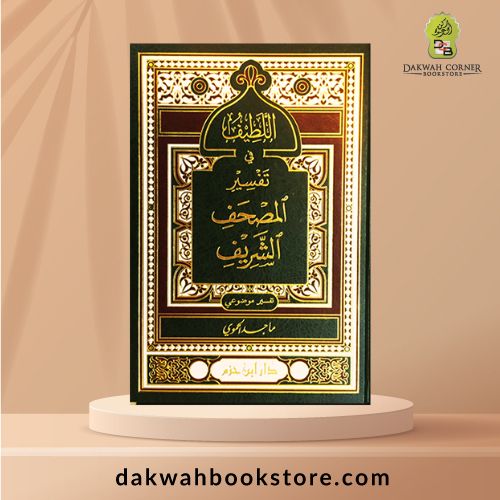
[QQ] Al Latif Fi Tafsir Al Mushaf Sharif /اللطيف في تفسير المصحف الشريف
عمد المؤلف أن يوفر تفسيراً مختصراً على ما يضطر إليه طالب العجالة لفهم المعنى . وقد جعل المؤلف هذا التفسير ممزوجاً بالقرآن مما يسهل على القارىء قراءة الشرح مع القرآن .
[QQ] Al-Tafseer Al-Muyassar (Large) – (التفسير الميسر)
إليكم تفسير جيد للغاية لخصه نخبة من العلماء. هذا التفسير الميسر مقدمة ممتازة لتفسير القرآن، سهل و مختصر
[QQ] Aiqtibasat Alkutub ‘aysar At-tafasir Likalam Alealii Alkabir (أيسر التفاسير لكلام العلي الكبير)
المؤلف كتاب أيسر التفاسير لكلام العلي الكبير – والمؤلف لـ 128 كتب أخرى.
[QQ] Tafsir At Tabari 26 Vol (تفسير الطبري)
يعد من من أشهر الكتب الإسلامية المختصة بعلم تفسير القرآن الكريم عند أهل السنة والجماعة، ويُعده البعض المرجع الأول للتفسير بالمأثور ؛ حيث يذكر الآية من القرآن، ثم يسرد أقوال الصحابة والتابعين في تفسيرها بأسانيدها، ويهتم بالقراءات المختلفة في كل آية ويرجح إحداها، ويسرد الأحاديث النبوية بأسانيدها والأحكام الفقهية واعتنى به العلماء والباحثون كثيرًا.
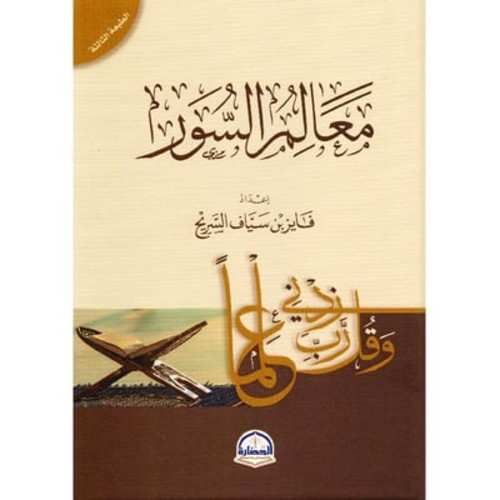
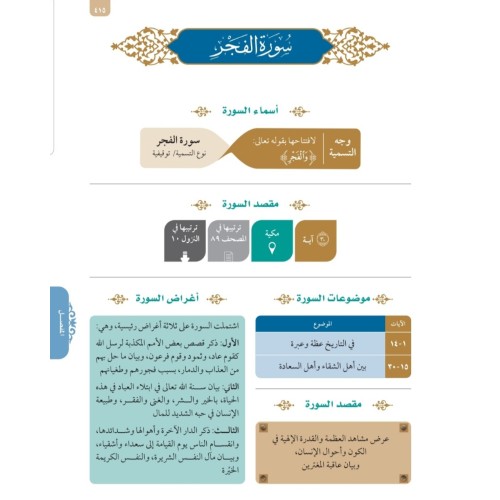
[QQ] Mualimu Suari (معالم السور)
Mualimu Suari (معالم السور)
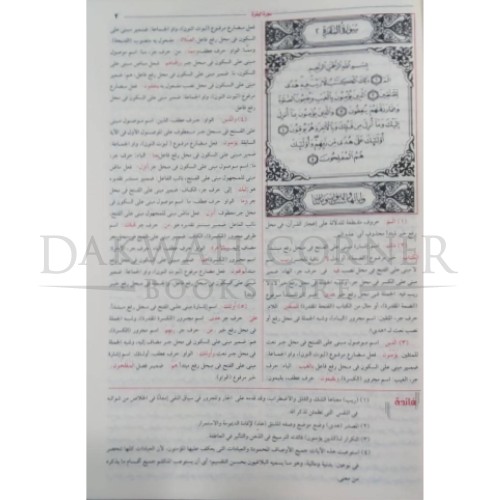
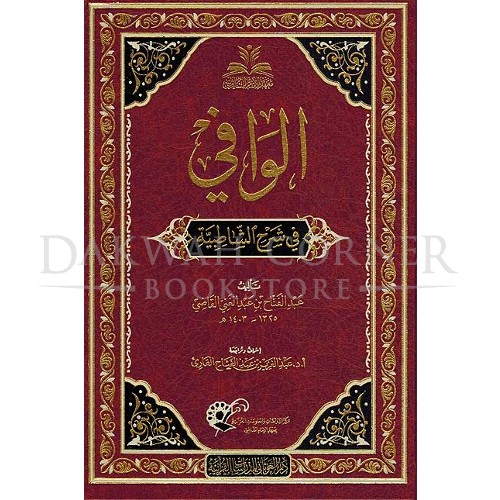
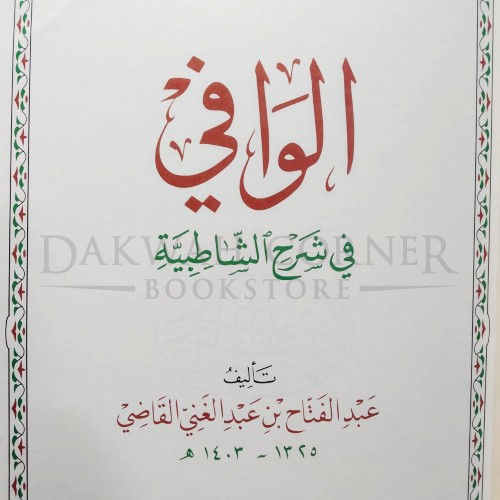
[QQ] Al-Wafi Fi Sharh Ash-Shatibiyyah (الوافي في شرح الشاطبية)
Explanation of the famous poem ash-Shatibiyyah in the science of Qira’at, in a single volume, 100% harakat.
Recently Viewed
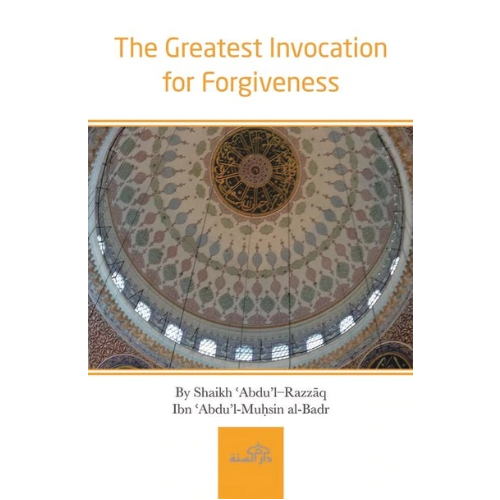
The Greatest Invocation for Forgiveness (Dar-as-Sunnah)
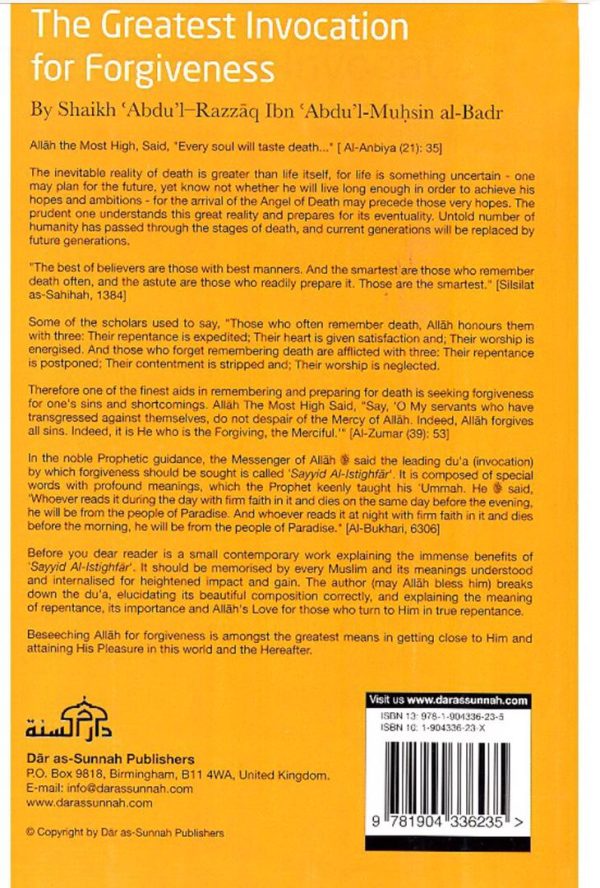
Allah the Most High, Said, “Every soul will taste death…” [ Al-Anbiya (21): 35] The inevitable reality of death is greater than life itself, for life is something uncertain – one may plan for the future, yet know not whether he will live long enough in order to achieve his hopes and ambitions – for the arrival of the Angel of Death may precede those very hopes. The prudent one understands this great reality and prepares for its eventuality.
Untold number of humanity has passed through the stages of death, and current generations will be replaced by future generations. “The best of believers are those with best manners. And the smartest are those who remember death often, and the astute are those who readily prepare it. Those are the smartest.” [Silsilat as-Sahihah, 1384] Some of the scholars used to say, “Those who often remember death, Allah honours them with three: Their repentance is expedited; Their heart is given satisfaction and; Their worship is energised. And those who forget remembering death are afflicted with three: Their repentance is postponed; Their contentment is stripped and; Their worship is neglected. Therefore one of the finest aids in remembering and preparing for death is seeking forgiveness for one’s sins and shortcomings. Allah The Most High Said, “Say, ‘O My servants who have transgressed against themselves, do not despair of the Mercy of Allah. Indeed, Allah forgives all sins. Indeed, it is He who is the Forgiving, the Merciful.'” [Al-Zumar (39): 53] In the noble Prophetic guidance, the Messenger of Allah (saw) said the leading du’a (invocation) by which forgiveness should be sought is called ‘Sayyid Al-Istighfār’.
It is composed of special words with profound meanings, which the Prophet keenly taught his ‘Ummah. He (saw) said, ‘Whoever reads it during the day with firm faith in it and dies on the same day before the evening, he will be from the people of Paradise. And whoever reads it at night with firm faith in it and dies before the morning, he will be from the people of Paradise.” [Al-Bukhari, 6306] Before you dear reader is a small contemporary work explaining the immense benefits of ‘Sayyid Al-Istighfar’. It should be memorised by every Muslim and its meanings understood and internalised for heightened impact and gain.
The author (may Allah bless him) breaks down the du’a, elucidating its beautiful composition correctly, and explaining the meaning of repentance, its importance and Allah’s Love for those who turn to Him in true repentance. Beseeching Allah for forgiveness is amongst the greatest means in getting close to Him and attaining His Pleasure in this world and the Hereafter.
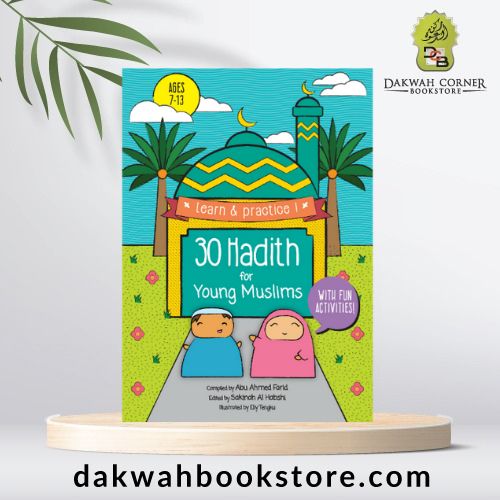
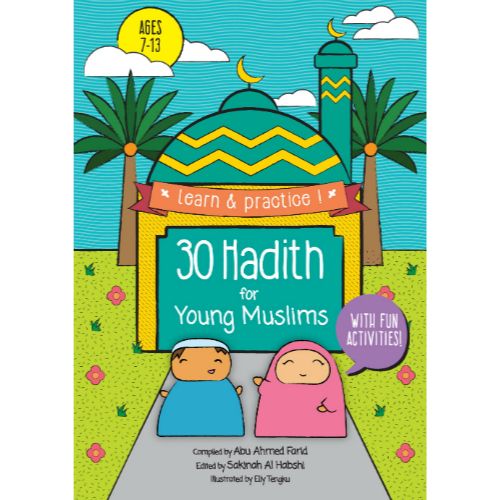
30 Hadith For Young Muslims
30 Hadith for Youn Muslims aims to educate children from their tender age with the sayings of our beloved Prophet Muhammad (PBUH) in a fun, colorful, and simplified modern approach.
Unique features such as lessons, discussion corners, and activities make it an ideal teaching tool for parents, teachers and educational institutions.
Its creative presentation invites readers to grasp the knowledge of the noble hadith and apply them in their lives.
In Pursuit of Allah’s Pleasure
In this book the authors outlined a complete methodology for Islamic work today. From `Aqeedah to Da’wah, Jihad to Khilafah and Taqwa to Sabr (patience), they explained how all of these parts of Islam come together for the sole objective of each and every Muslim: to seek the Pleasure of Allah ( SWT ), the Irresistible. It was written in a manner portraying the true situation of the Muslims today and, coming from imprisoned scholars: a realistic portrayal.
This book is an excellent read by itself and an even better guide if used as a syllabus in learning Islam in an organised, collective manner. It is ideal as a basis for study circles and acts as a comprehensive manual. Coupled with the supplementary reading of some other books in the English language and memorisation of the Holy Quran, it can consolidate the knowledge of anyone seeking to work for Islam in this day and age.
Contents
Preface
Introduction
Part One: Our Ultimate Goal
Part Two: Our `Aqeedah
Part Three: Our Understanding
Part Four: Our Aim
Part Five: Our Path
Part Six: Our Provisions
Part Seven: Our Walaa’ (Loyalty)
Part Eight: Our ‘Adaa’ (Animosity)
Part Nine: Our Gathering
Glossary of Arabic Trems
The Twentieth Century has witnessed one of the fiercest blows inflicted upon our Ummah by our enemy: the collapse of the Khilafah. If only their conspiracy had stopped at the demise of Khilafah. But they went on to indoctrinate Muslims with strange, foreign ideas and concepts, in order to confuse our understanding of our Deen. Once we wake up and try to return to our original Deen, we will be confronted with an intellectual perplexity, in which evil and good is mixed. Hence, the truth will be ambiguous and we will go astray, and lose the true understanding of Islam.
And hold fast, all of you together, to the Rope of Allah (this Qur’an) and be not divided among yourselves.” [Surah Ale-Imran (3), Ayah 103.]
by Dr. Naahah Ibrahim, Asim Abdul Maajid and Esaam-ud-Deen Darbaalah

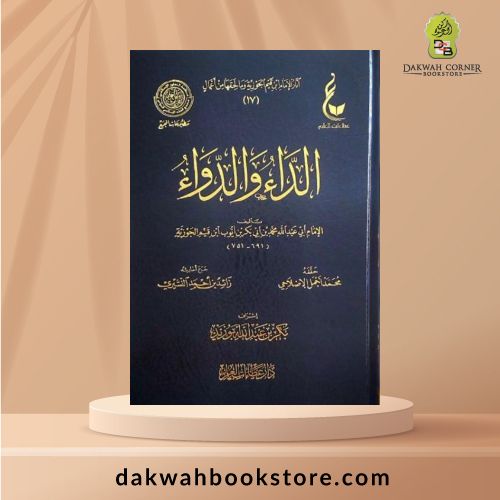
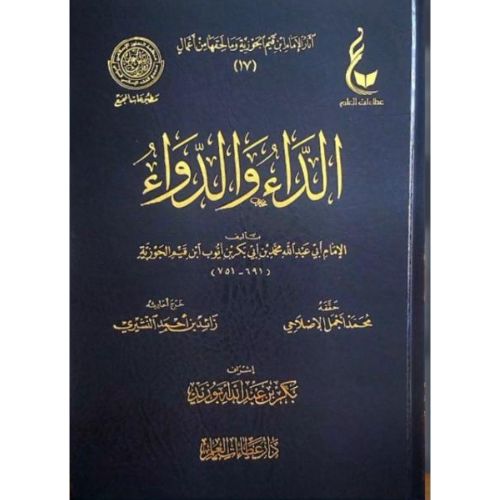
[MM] Adda Waddawa (Dar Attaat Ilm) / الداء والدواء
الداء والدواء
تأليف: الإمام أبي عبد الله محمد بن ابي بكر بن أيوب أبن قيم الجوزية مطبوعات الجمع (٦٩١ – ٧٥١)
حققه: محمد أجمل الإصلاحي
خرج أحاديثه: زائد بن أحمد النشيري
إشراف: بكر بن عبد اللانه موزيك


There are no reviews yet.