

| Weight | 0.35 kg |
|---|---|
| Dimensions | 24.5 × 17.5 × 1 cm |
| Author | |
| Pages | 96 |
| Binding | Leather |
| Publisher | Dar al Imam Muslim |
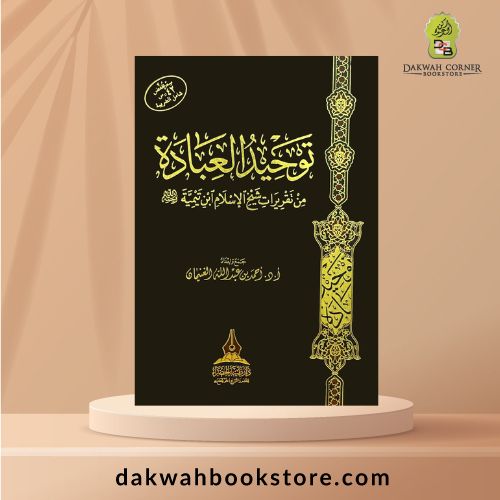
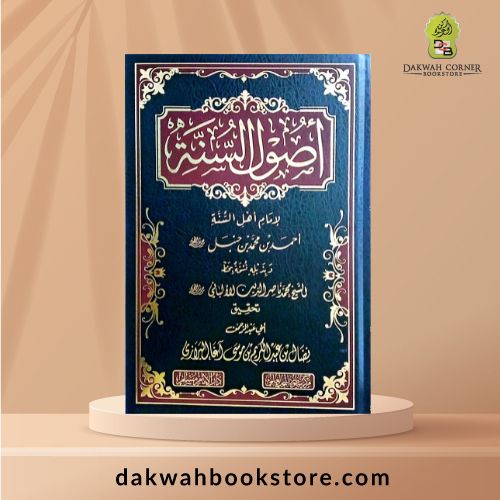
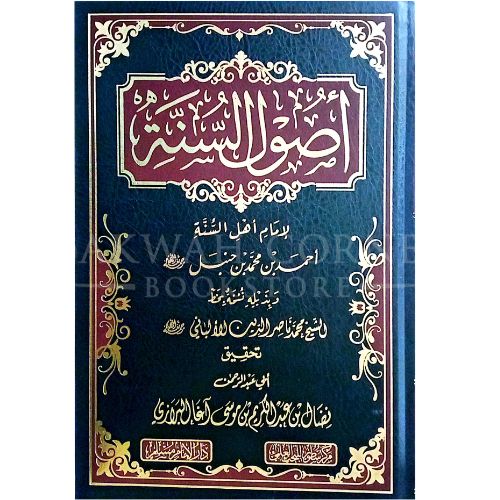
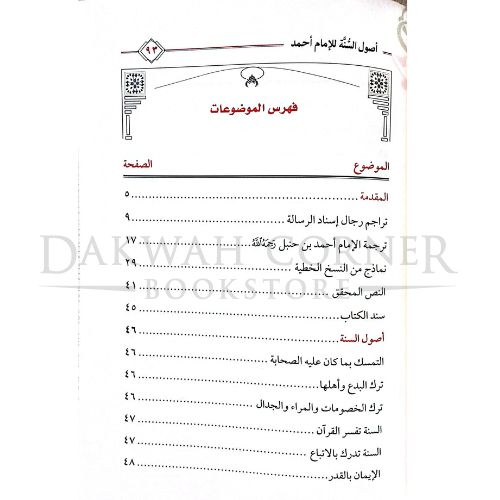
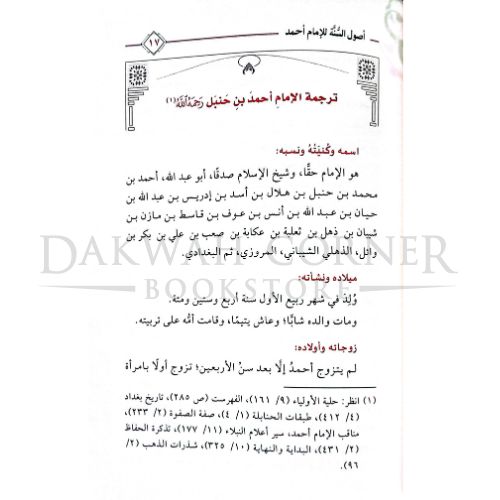
[AC] Usul Al Sunah Imam Ahmad (Thin)/ (نَحيف) أصول السنة للامام أحمد
RM50.00
Frequently Bought Together
Be the first to review “[AC] Usul Al Sunah Imam Ahmad (Thin)/ (نَحيف) أصول السنة للامام أحمد” Cancel reply
You must be logged in to post a review.
Related Products
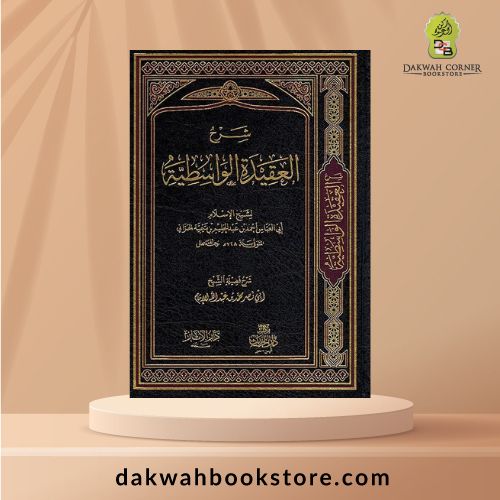
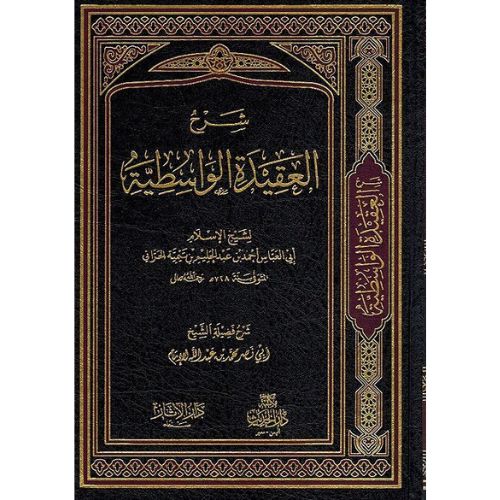
[AC] Sharh Al Aqidah Al Wasatiah / شرح العقيدة الواسطية
شرح كتاب العقيدة الشهير للشيخ ابن تيمية والذي تم شرحه عدة مرات، هذا شرح جديد للشيخ أبي نصر الإمام.
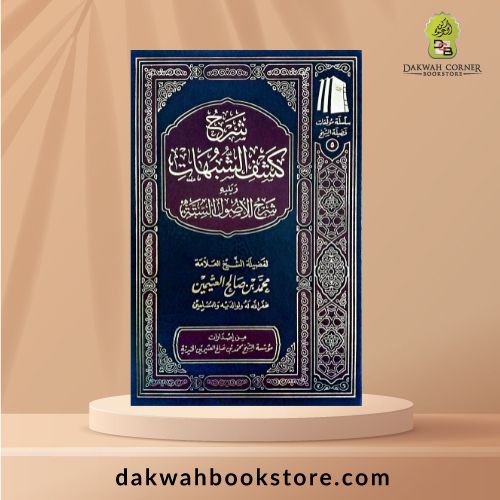
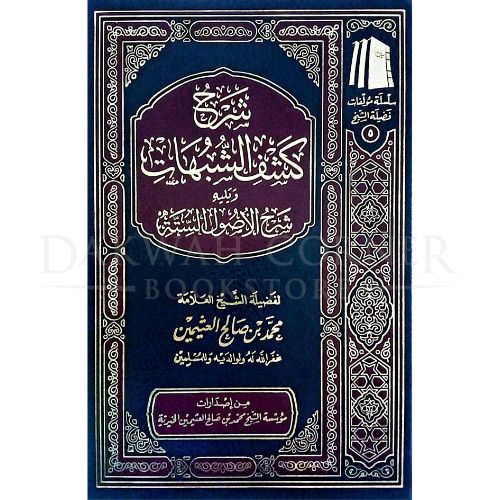
[AC] Sharh Kashf Al Shubahat wayalihi Sharhu Usulu Sittah /شرح كشف الشبهات
شرح كتاب كشف الشبهات ويليه شرح الأصول الستة
المؤلف: العثيمين، محمد بن صالح
المحقق: فهد بن ناصر بن إبراهيم السليمان
حالة الفهرسة: غير مفهرس
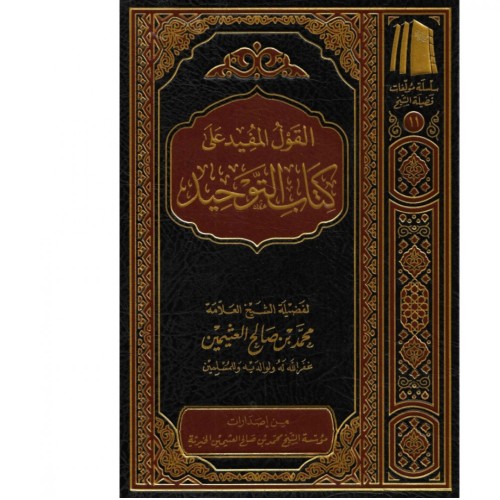
[AC] Al-qawl Al-mufid Ealaa Kitab AT-tawhid (القول المفيد على كتاب التوحيد)
كتاب مهم جداً لكل قارئ تناول فيه مؤلفه موضوع التوحيد حيث بيّن معناه وأقسامه وكلّ ما يتعلق به، والكتاب مقسّم في أبواب مثل: باب من الشّرك إرادة الإنسان بعمله الدنيا، وباب من جحد شيئاً من الأسماء والصفات.وباب وصف الله الحاكمين بغير ما انزل الله وباب ما جاء في الرياء وباب التسمي بقاضي القضاة باب احترام أسماء الله وتغيير الاسم لأجل ذلك باب قول اللهم اغفر لي إن شئت… وغير ذلك من الأبواب الهامّة
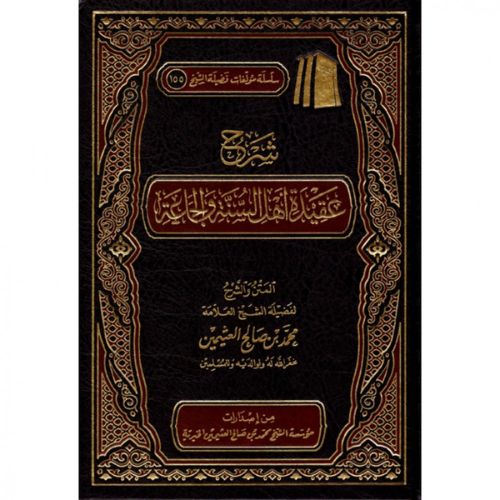
[AC] Sharh Aqidah Ahl As-Sunna Wal-Jama’Ah – Al-Uthaymin (شرح عقيدة أهل السنة والجماعة – العثيمين
شرح الشيخ العثيمين على كتابه عقيدة أهل السنة والجماعة, فالمتن و الشرح من الشيخ رحمه الله
[AC] Sharhu Al’aqidah Alwasatiah Mujalid Wahid (شرح العقيدة الواسطية مجلد واحد)
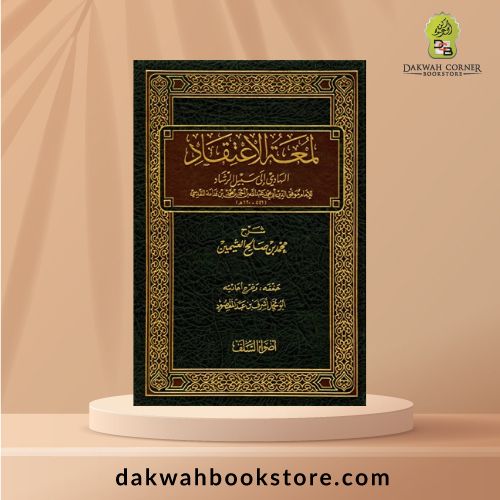
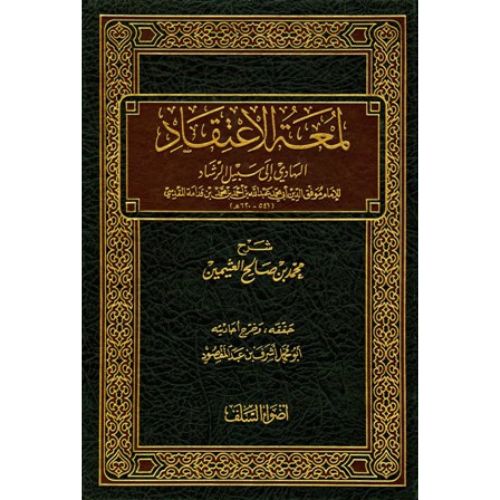
[AC] Lam’at Al-I’tiqad Al-Hadi Ila Sabil Al-Rashad / لمعة الاعتقاد الهادي إلى سبيل الرشاد
شرح لمعة الاعتقاد الهادي الى سبيل الرشاد
لابن قدامة المقدسي
كتاب من كتب العقيدة، ألفه الحافظ ابن قدامة (541 هـ – 620 هـ)، يعتبر الكتاب رسالة جمع فيها
المؤلف معتقد أهل السنة والجماعة في إثباته لصفات الله عز وجل كما جاءت في القرآن أو على لسان
النبي بدون تحريف أو تأويل أو تعطيل أو تمثيل، كما أن الرسالة احتوت على الإيمان بالقضاء والقدر،
والرد على من أنكر القدر، واحتوت أيضا على مسائل الإيمان، واليوم الآخر، والممعتقد في أصحاب رسول الله.
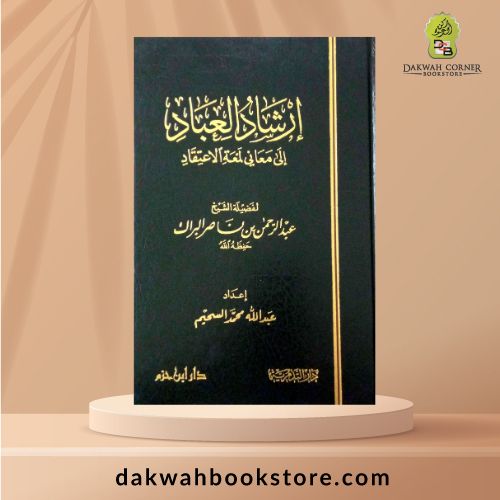
[AC] Irsyadul ‘ibadi ila Ma aani Lam’atil I’tiqhadi (إرشاد العباد إلى معاني لمعة الاعتقاد)
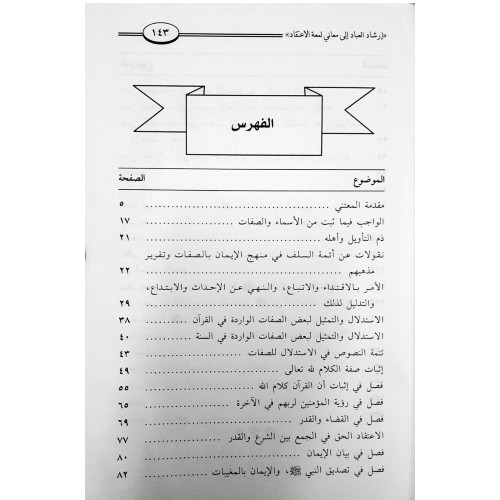
ان الله عز وجل خلق الخلق لعبادته وحده لا شريك له، كما قال سبحانه : -و ما خلقت الجنّ والإنس إلاّ ليعبدون-…و لأجل ذلك ارسل الله الرسل، و شرع المِلل، و فطر الخلق على هذا الأصل العظيم … و من المتون المهمة التي غدت نبراساً في السنة و الاعتقاد المتن الموسوم ب -لمعة الاعتقاد- لمؤلفه الامام الجهبذ شيخ الاسلام… و هذا الكتاب هو شرحٌ يسير لهذا المتن لفضيلة الشيخ عبج الرحمن بن ناصر البراك..
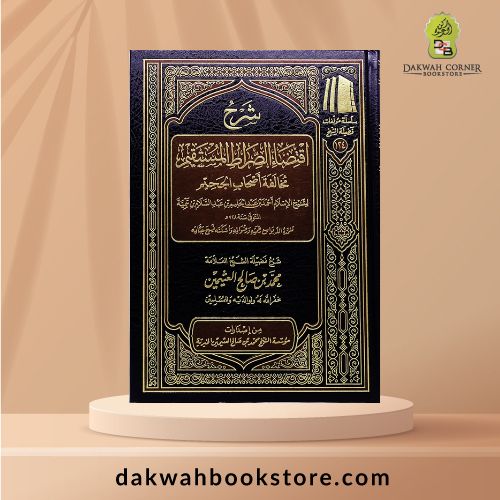
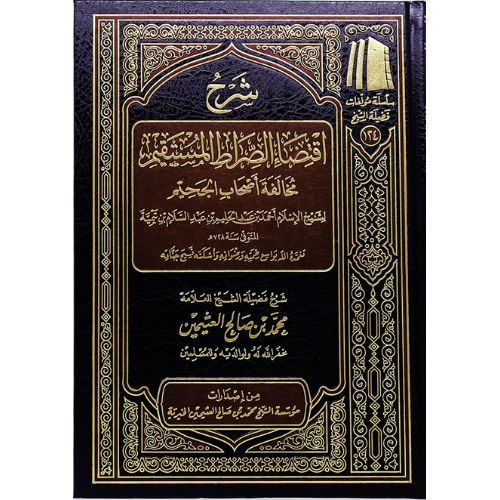
[AC] Sharh Iqtidha’ As Siratol Mustaqim / شرح اقتضاء الصراط المستقيم
يعتبر كتاب اقتضاء الصراط المستقيم للإمام ابن تيمية – رحمه الله – من أفضل ما كتب في قاعدة عظيمة و هي: مخالفة الكفار و المشركين
و ذها هو شرح الشيخ العثيمين على اقتضاء الصراط المستقيم مخالفة أصحاب الجحيم لشيخ الإسلام ابن تيمية
Recently Viewed
Philanthropy and Social Justice in Islam (P/B)
This book analyses the principles and practices of philanthropy and distributive justice in Islam. It argues, with analyses and examples, that the accomplishment of purposive philanthropy, as commanded by the fundamental tenets of Islam, through the professionalization and rationalization of zakat management, modernization of awaqaf, etc. has the potential of optimizing justice in Muslim societies. The work draws on the Quran, Hadithe, other authentic literature, and also on official documents and publications of management agencies dealing with philanthropy in different Muslim countries/societies. The analyses are documented enough to be used as a text for the study of philanthropy in Islam in tertiary institutions nonetheless are simple enough to draw general readership and to be used by non-profit and international organizations worldwide in order to order to understand the principles and issues of philanthropy and distributive justice in Muslim societies.
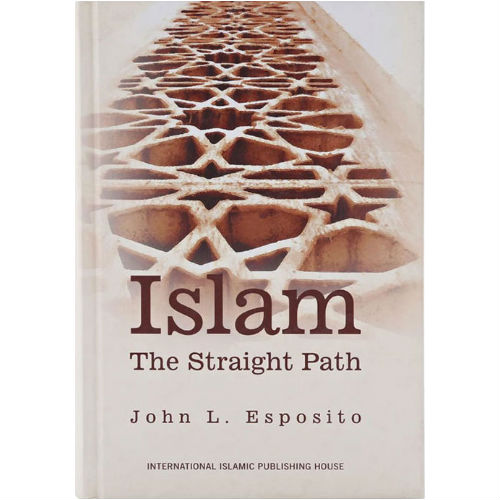
Islam The Straight Path
This updated version of Islam: The Straight Path includes a new Epilogue by John Esposito in which he addresses the impact 9/11 and its aftermath have had on both the Muslim and non-Muslim world, discussing Islam’s relationship to democracy and modernity and focusing more sharply on the origins and growth of extremism and terrorism in the name of Islam. This exceptionally successful survey text introduces the faith, belief, and practice of Islam from its earliest origins up to its contemporary resurgence. Esposito, an internationally renowned expert on Islam, traces the development of this dynamic faith and its impact on world history and politics, discussing the formation of Islamic belief and practice and chronicling the struggle of Muslims to define and adhere to their Islamic way of life. Lucidly written and expansive in scope, Islam: The Straight Path provides keen insight into one of the world’s least understood religions and is ideally suited for use in courses on Islam, comparative religions, and Middle Eastern history and culture.
The Rulings Of The Two Eids
Islam the religion revealed by Allah the All-Merciful did not ignore the human need for entertainment and allowed pleasure. The Two Eids are two occasions on which people show and feel happiness. After performing Hajj, the Muslim enjoys the Eid festival and eats his sacrifice meat. After Ramadan, the breakfast (Fitr) festival is another occasion for happiness, love and entertainment.
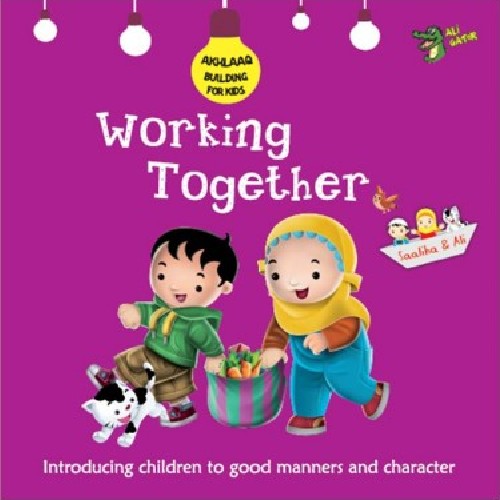
Working Together (Akhlaaq Building Series)
Working Together – The latest title in the best selling Akhlaaq Building Series
Saaliha and her younger brother Ali love top do their work together.
This way the finish their chores around the house quicker.
The Higher Objectives of Humanity
A video summary of this book can be found here: https://www.youtube.com/watch?v=YdNQxv_ODdc&t=26s This book discusses the why, what and how of Rahmatan lil-Alamin as the higher objective of humanity. It presents a practical understanding of the purpose of creation and humanity to improve the individual and collective well-being of Muslims and society. The intention is to re-introduce and re-emphasize the correct Islamic perspective of humanity. The first five chapters revisits the common understanding among Muslims as to why mankind is created. We show that the prevalent view that we are created to worship Allah (SWT) is incomplete. There is a higher and more noble purpose; Rahmatan lil-Alamin (mercy to the worlds). We next describe the what of Rahmatan lil-Alamin. The best role model of Rahmatan lil-Alamin is undoubtedly Prophet Muhammad (SAW), the last and final prophet and messenger, whom Allah (SWT) sent with a very clear purpose, “And We have not sent you but as a mercy to the worlds.” [21:107]. We present many examples from the history of Prophet Muhammad (SAW) and a collection of his (SAW) sayings and advice on being the best. The final chapters of the book deal with the how of Rahmatan lil-Alamin. We describe in detail how the Muslim can apply Rahmatan lil-Alamin daily in his or her life. We propose a practical model of Rahmatan lil-Alamin that we induced from the Quran. We also addressed how to apply Rahmatan lil-Alamin to a broader society by proposing a decision-making tool that can guide us as persons and as communities to make decisions that conform to the foundations and priorities of Rahmatan lil-Alamin. We present case studies from the history of the Companions using this decision-making model. This book seeks to establish a connection between Islam and civilization within a civilizational and ethical framework. We believe that a more proper and complete understanding of the Islamic view about humanity may present to us new perspectives of Islam and how Muslims should engage with fellow Muslims and people of other faiths. In fact, the implication of this new reinterpretation framework goes even further in that: any human civilization built on this framework is the most prosperous for the whole and also for the individuals in it.
On Remembering Death by Ibn Rajab Al-Hanbali
“Abdullah Ali’s faithful transaltion of a section concerning the meditation of death from Ibn Rajab’s famous work on yearly devotions is much needed in our culture of forgetfulness.
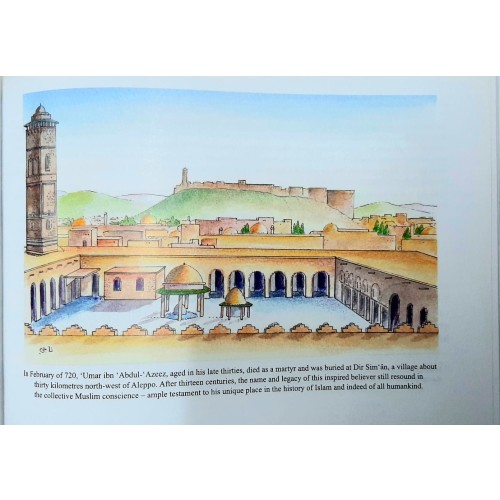
Umar ibn Abdul-Azeez The Just Caliph (IIPH)
This book, written by Luqman Nagy, highlights the life and times of ‘Umar ibn ‘Abdul-‘Azeez, a truly exceptional Muslim ruler who, during his twenty-nine months in office, governed the Ummah totally in accordance with the Qur’an and the Sunnah. His sincere devotion to the religion of Islam enabled ‘Umar ibn ‘Abdul-‘Azeez to bring prosperity and contentment not only to the Ummah but to all those residing within the Umayyad state.
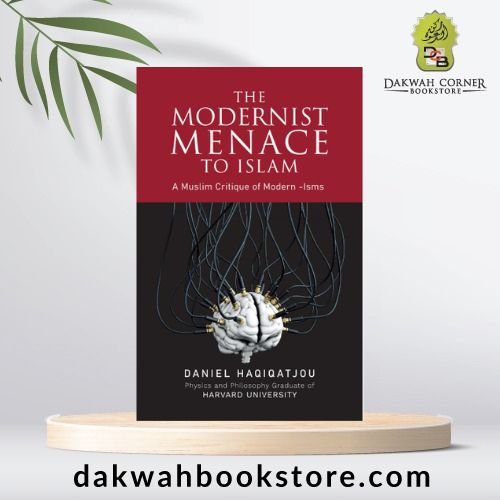
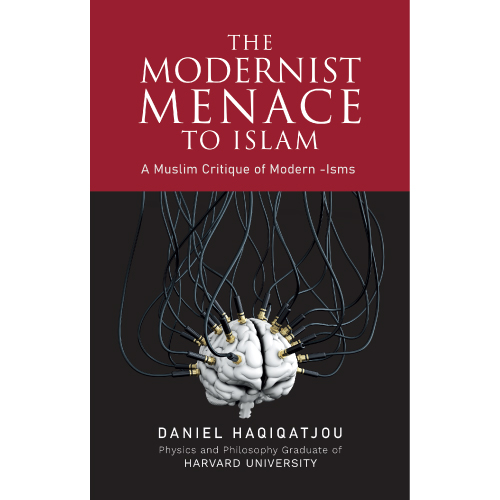
The Modernist Menace To Islam
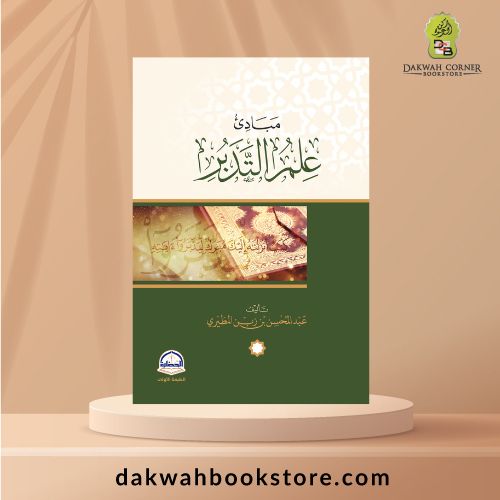
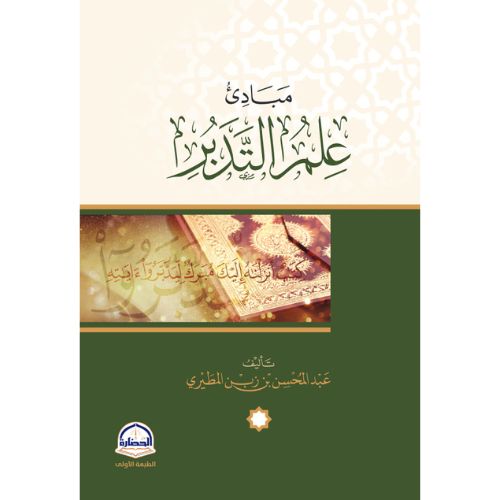
[AQR] Mabadi’ ‘Ilm at-Tadabbur – مبادئ علم التدبر
تقرأ في هذا الكتاب
الفصل الأول: مبادئ فنّ التدبر وفيه عشرة بحوث :اسماء هذه العلم، تعريف التدبر، نسبة علم التدبر إلى العلوم، موضوع علم التدبر، الواضع لهذا العلم، حكم الشرع في هذا العلم، فضل التدبر، ثمرة التدبر، مسائل هذا العلم، استمداد هذا العلم.وفي الفصل الثاني: أسباب وموانع التدبر: سواء كانت حسية أو
Fiqh Course: Tahaarah, Salaah & Janaa’iz
This course was compiled for English-speaking Muslims and is especially beneficial for new Muslims. It covers tahârah (purification), salâh (prayer) and janâ‘iz (funerals). It is set out in an easy-to-understand manner, citing evidence from the Qur’an and authentic hadiths. The aim of this book is to provide the reader with a correct, yet uncomplicated guide to the performance of the aforementioned acts of worship. Allah willing, it is the first in a series which will cover all aspects of worship and Islamic jurisprudence.
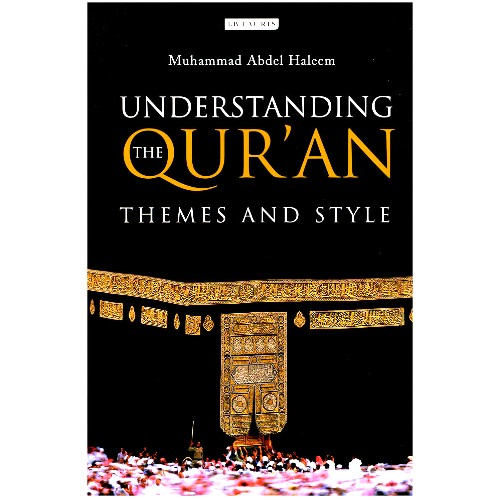
Understanding the Qur’an Themes and Style
The tenets of Islam cannot be grasped without a proper understanding of the Qur’an. In this book, Muhammad Abdel Haleem examines its recurrent themes and for the first time sets them in the context of the Qur’an’s linguistic style. Haleem examines the background to the development of the surahs (chapters) and the ayahs (verses) and the construction of the Qur’an itself.


There are no reviews yet.