

| Weight | .650 kg |
|---|---|
| Author | |
| Binding | Paperbound |
| ISBN | 9781980608929 |
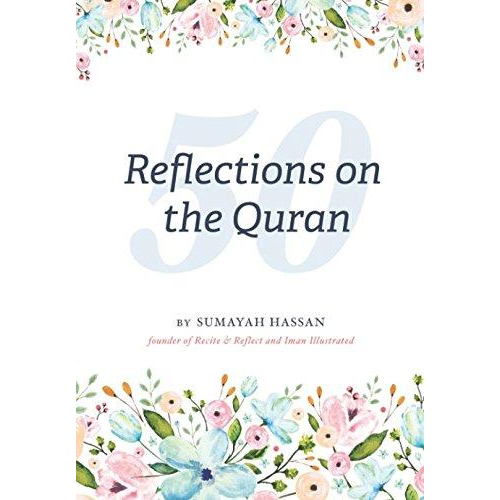
50 Reflections On The Quran
RM99.00
Out of Stock
Highlights:
somdn_product_page
Compare
50 Reflections on the Quran is a collection of brief reflections on the Quran written and compiled by Sumayah Hassan. It’s aimed at inspiring others to find their personal truth in the words of our Creator, (swt). May this book be the first step in your own journey towards understanding, living and being transformed by the Quran.
SKU: QQ76
Categories: Holy Quran and Quranic Sciences, Tafseer / Commentary
Additional information
Reviews (0)
Be the first to review “50 Reflections On The Quran” Cancel reply
You must be logged in to post a review.
You may also like…
Related Products
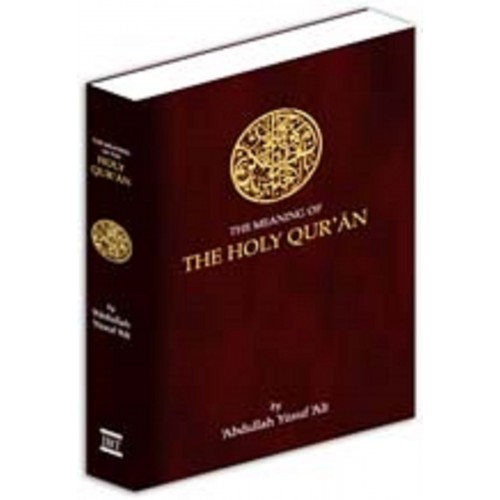
The Meaning of The Holy Qur’an -Pocket Size (P/B) (IBT)
Highlights:
This very handy pocket-sized edition contains the complete meaning of the Holy Qur’an, without the Arabic text and the commentaries. Weighing just under 170 grammes, sized 9.5 cm X 13 cm and with a thickness of 1.5cm, it is intended as a handy travel companion as well as a gift to friends and colleagues.
RM23.00

The Spiritual Cure An Explanation to Surah al-Fatihah (P/B)
Highlights:
Surah al Fatiha is the greatest chapter of the Qur’an, its like is not found in the rest of the Book or in the previous scriptures. It is a
Light that was granted to Prophet Muhammad (S) which had not been granted to any other Prophet or Messenger before him; indeed
some of the Salaf stated that when this chapter was revealed, Shaytãn l let out a great cry of lament.
It holds a central position in the daily Prayer hence the daily life of the Muslim.
The underlying theme, of al-Fatiha is one of contemplation and serenity; pondering the Names and Attributes of Allah, pondering the creation , and acknowledging that He Alone deserves praise and Worship, that He Alone should be asked for help, that He Alone Should be feared and hoped in, that He Alone should be invoked, that there is indeed a Day of Judgment, and that guidance has come to us and we are required to follow it.
It calls us to carefully scrutinise our relationship with our Lord: are we living according to the dictates of ‘none has the right to be worshipped save of Allah’ or not? This opening chapter, despite its brevity, calls man to fulfil the rights of Tawhid, the right that Allah has over us to worship Him Alone without any partner
A Summary of numerous Classical Commentaries of the Qur’an
at-Tabari, al-Baghawi, Az-Zamakhshari, ibn Atityyah, Ibn Jawzi, Al-Qurtubi, Ibn Qayyim, Ibn Kathir, as-Suyuti, Alusi, ash-Shawkani, as-Sa’di, ash-Shaqiti and many Others
RM73.00
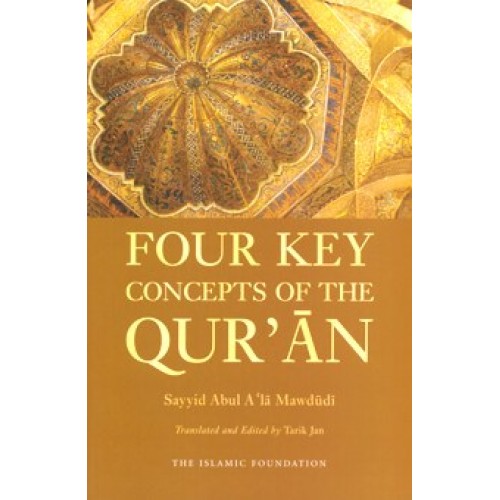
Four Key Concept of the Qur’an
Highlights:
Four Key concepts oF the Qur’An elucidates these basic Qur’anic concepts Ilah, Rabb, Ibadah and Din in order to bring out fully the Islamic way of life, as distinct from other perspectives. This elaboration goes a long way in developing a sound understanding of the Qur’an. It also explains the man-God relationship in Islam, guiding Muslims on how to lead their lives in total surrender to Allah.
RM46.00
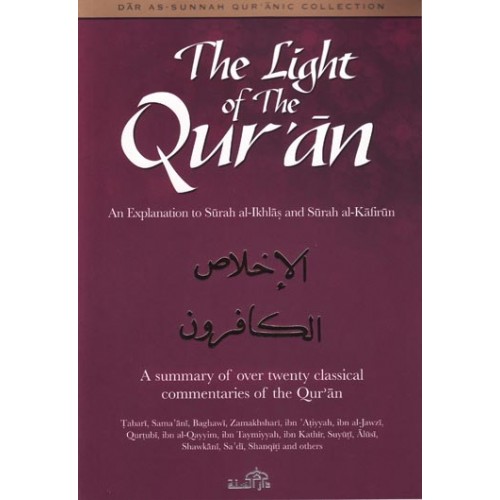
The Light of The Qur’an
Highlights:
The Prophet peace and blessings of Allah be upon him, passed by a person reciting Surah Al – Kafirun and remarked, “He has been saved from shirk”. He passed by another reciting Surah Al – Ikhlas and remarked. Paradise has become obligatory for him. Reported by Muslim.
These two chapters have both been given the title Al-Ikhlas, or purity of faith, because they deal with the topic of Tawhid in all its various aspects. Al – Ikhlas concentrates on the pure, essential faith in Allah that all mankind is required to have. Al – Kafirun deals with purity of deed and disavowal of disbelief and paganism. Both chapters lay out the parameters of mans relationship with his/her lord and creator, as well as his/her relationship those around him/her.
Pure, unblemished monotheism combined with sincerity in belief and deed defines the relationship with Allah. Hi is one and only true God, unique, without peer, equal or opposite, and nothing is like on to him. He is the one who stands in need of nothing whereas everything is in dire need of him.
Maintaining the essential Muslim identity and character defines the relationship between the Muslim and his fellow man. The Muslim is unambiguous about his religion, truthful and upright in speech, deed and his dealings with those around him. Hi is proud of his faith and has unshakable conviction in it. He loves his lord, his Messenger and the Muslims and is loyal to them. Because of this, the dearest thing to him is his religion and he will not compromise it, pleasing Allah comes before pleasing the people.
The prophet would frequently recite these two chapters in prayer because of the commonality of their theme and to stress that success is achieved, in this life and the next, by internalising their message and living by it.
RM41.00
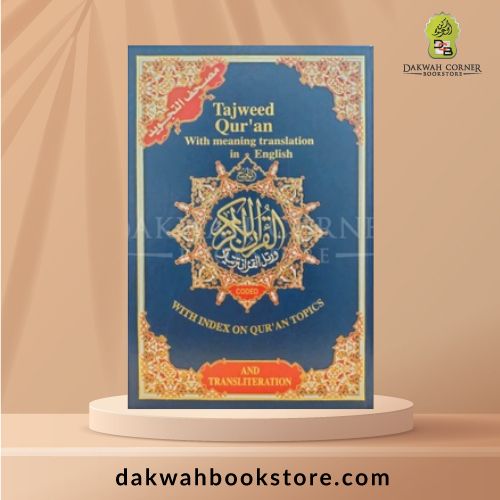
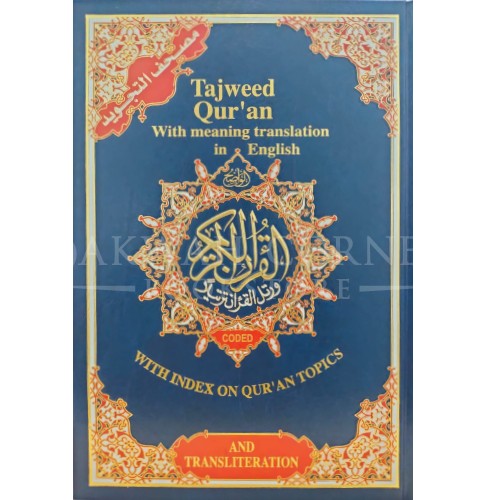
Tajweed Qur’an with Meaning Translation in English and Transliteration
Highlights:
Translation: meanings of the Quranic versus are translated into English and placed on the margins around the Arabic text.
Transliteration: Arabic letters are presented by English letters with added symbols in order to give the same sound of Arabic letters.
English transliteration makes it easier for the speakers of the English language to read the Tajweed Quran in Arabic pronunciation using the English alphabet letters.
Considering that this Part contains small suras; it is a perfect start for kids, beginners and students.
This Amma Part comes in the standard portrait form, with a nice glossy soft cover. Each page contains 15 lines as any standard Quran.
Meanings tranlated by Abdullah Yusuf Ali
Alla (sw) ordered us in his holy book to recite the Quran with Tajweed … “Quran recitation modulating”. System of Tajweed serves as a guide for improving the recitation of Quranic style. It was in this way that the Qur’an revealed to Prophet Muhammad (peace be upon him), as well as the manner in which he recited it. Therefore, the readers of the Quran are eager to realize the promise of the Prophet Muhammad (pbuh): “whoever recites the Quran correctly and proficiently will be with the bountiful dutiful writers (the angels of the preserved tablet – Al lauh Al Mahfuz”.
Based on a practical understanding of phonology, we have color-coded some letters to facilitate the correct recitation of the holy Quran. This enabled us to classify these letters into three possible categories to enhance the reader’s knowledge and remembering of Tajweed rules:
– The letters which requires expanded vocalization. We used red color to highlight these letters.
– The letters which are nasalized these letters are green in color.
– The dark blue color indicates the emphasis of the letter (R), the blue color indicates the unrest letters-echoing sound- (qualquala)
– While the letters which are written but are not vocalized. These letters are gray in color.
The reader will get used to reciting the Quran by using colors very easily. By engaging the eye, the reader will find him/herself applying 24 rules of Tajweed with ease and precision while his/her mind is left un-enganged to comprehend and understand the meaning of the holy Quran. For more details click here
This Tajweed Quran is in Hafs narration.
All our Tajweed Quran products -including this Quran- come with the following:
- Color coded letters: to present the Tajweed rules, very good and simple way to learn and apply Tajweed rules.
- Obvious script: extra spaces were added between the words in order to make it easier to read and recite the Quran.
- Permissible stops: long spaces were added at certain places where it is permissible to stop. It helps to avoid stopping at wrong places or times.
- A set of very useful indexes such as: Surahs Color Index, Subject Index.
- Tajweed rules explained in details with helpful illustration.
RM200.00
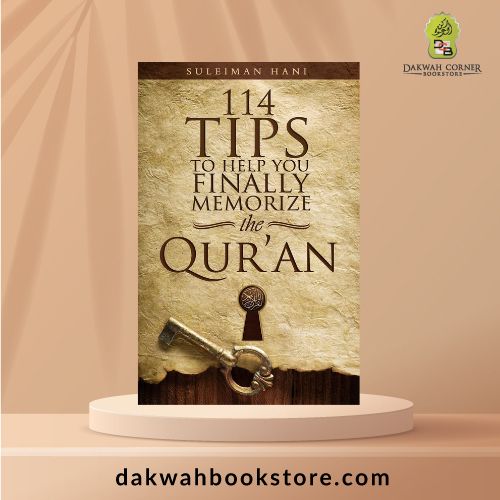
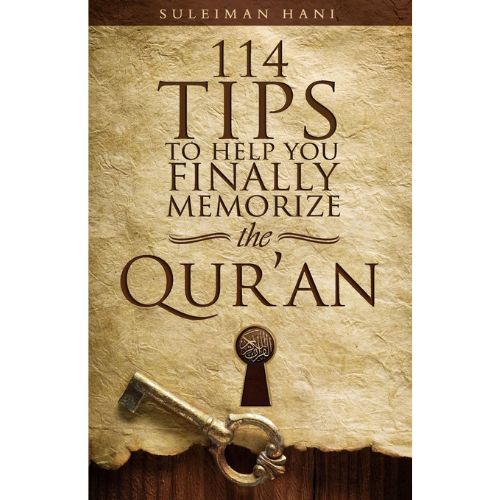
114 Tips to Help You Finally Memorize The Qur’an (P/B)
5 ★
5 ★
1 Rating
5 ★
1
4 ★
0
3 ★
0
2 ★
0
1 ★
0
Highlights:
“114 Tips to Help You Finally Memorize the Qur’an is a concise book that aims to equip readers of all backgrounds with the information and techniques necessary in order to begin, continue with, and complete the memorization of the Qur’an, eliminating thereby the common excuse and reasons for not memorizing.”
RM80.00

Usool at-Tafseer (H/B)
Highlights:
Usool at-Tafseer, essentially refers to the branches of knowledge necessary for providing an accurate interpretation of the Quranic texts, such as Arabic grammar and syntax, Arabic literature and Quranic sciences (Uloom al-Quran). Familiarity with modern fields of learning, like the pure sciences and social sciences is also necessary for a commentator in this era to make the Quraanic explanations relevant to human society. This book addresses the actual step-by-step methodology of interpreting Quran to ensure that interpretations are not merely the result of human whims and fancies.
RM60.00


The Sources of the Qur’an
Highlights:
“Who is the author of the Qur’an?” On this subject scholars have flagrantly contradicted each other. This work attempts to make a critical review of the major ‘authorship’ theories by pressing into service logical arguments, historical evidence, textual analysis and scientific data. Probably, the only point of agreement about the Qur’an is that it was uttered for the first time by a man who was born in Makkah (Mecca), a city of Arabia, in the sixth century—a man by the name of Muhammad (blessings and peace be upon him). As to the source of the Qur’an, scholars are divided into three main groups: those who believe that Muhammad (blessings and peace be upon him) himself was the author; those who believe that he was not the author himself but learned it from another human author or authors; and those who believe that the Qur’an has no human author but is rather a word-for-word revelation from God. Hamza Njozi examines the three theories and comes to a firm and logical conclusion.
RM14.00
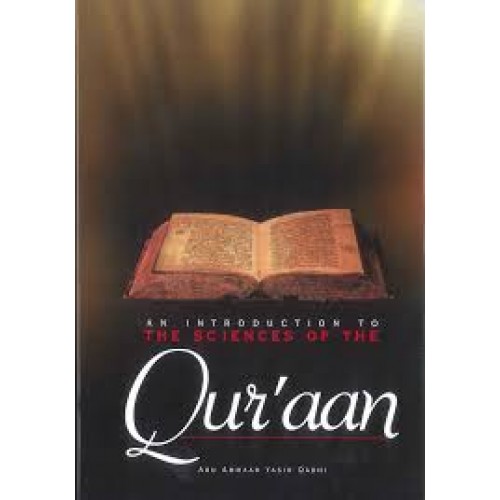
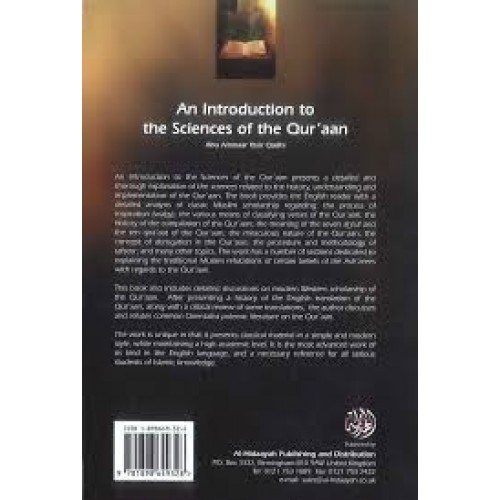
An Introduction to The Sciences of The Qur’an (H/B) Al-Hidaayah UK
Highlights:
An introduction to the Sciences of the Qur’aan presents a detailed and thorough explanation of the sciences related to the history, understanding and implementation of the Qur’aan. The book provides the English reader with a detailed analysis of classic Muslim scholarship regarding: the process on Inspiration (Wahy); the various means of classifying verses of the Qur’aan; the history of the compilation of the Qur’aan; the meaning of the seven ahruf and the ten qira’aat of the Qur’aan; the miraculous nature of the Qur’aan; the concept of abrogation in the Qur’aan; the procedure and methodology of tafseer; and many other topics. The work has a number of sections dedicated to explaining the traditional Muslim refutations of certain belief of the Ash’arees with regards to the Qur’aan.
This book also includes detailed discussions on modern Western scholarship of the Qur’aan. After presenting a history of the English translation of the Qur’aan, along with a critical review of some translations, the author discusses and refutes common Orientalist polemic literature on the Qur’aan.
The work is unique in that it presents classical material in a simple and modern style, while maintaning a hight academic level. It is the most advanced work of its kind in the English language, and a necessary reference for all serious students of Islamic knowledge.
RM149.00


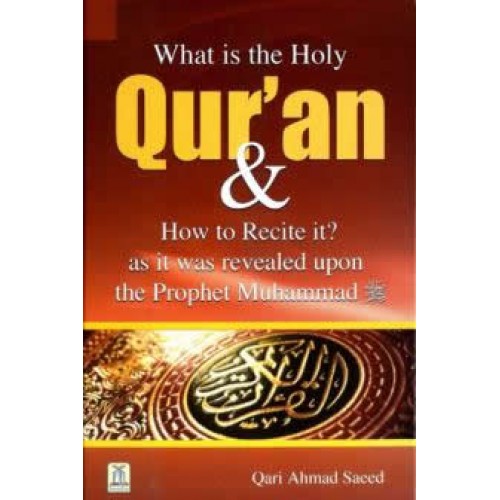
What is the Holy Quran & How to Recite it? (H/B)
Highlights:
This book guides readers to pronunciate the Arabic alphabet from their correct point of articulations. It also guides them to recite the Holy Qur’an according to the laws and principles of the art of recitation and intonation.
The correct pronunciation of the Arabic words and alphabet was difficult to some extent for the people living in the West as compared to those of East. So they need some more efforts to solve this problem and to make it easy for them.
By the grace of Allah, this book will do the job successfully and in a very convenient way.
RM46.00
Recently Viewed
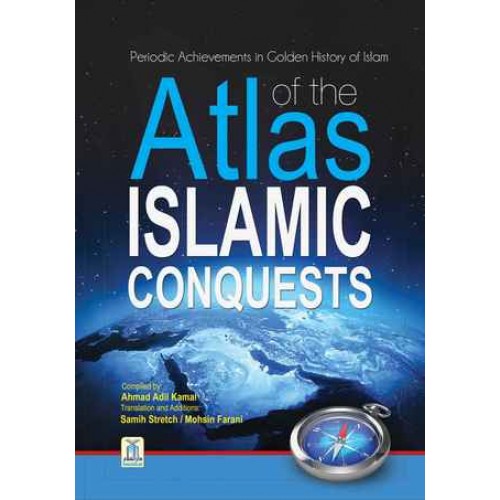
Atlas Of The Islamic Conquests (H/B)
Highlights:
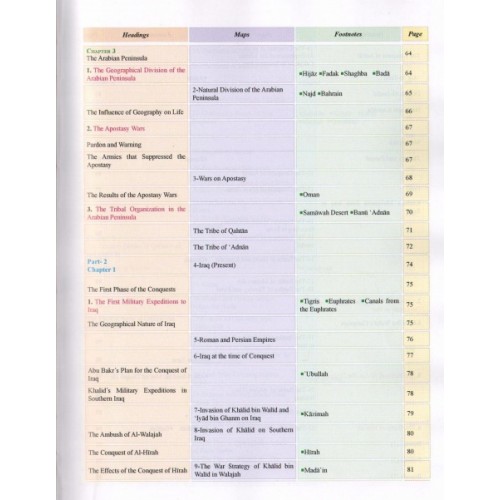
History is a mirror of the past days and nights of nations and communities. Hence the History of Islam is not only a mirror of the fourteen centuries of the Muslim Ummah but it also signifies the best Human Civilization on the face of the earth. So a stark necessity arises to acquaint new generation of Muslim Ummah with great intellectual and political leaders and renowned personalities along with such men of achievements and valiant heroes who defeated false forces in the battle fields in order to propagate the true religion in those lands where darkness and ignorance prevailed.
“Atlas of the Islamic Conquests” has been prepared in view of the same lofty aim. In it are events of consecutive days, months & years of major Islamic Conquests, starting from the period of first Caliph Abu Bakr Siddiq (RA) to the reign of Ottoman Caliph Murad 3, have been described, with full color maps and unique snaps, in such a manner that the reader goes along with them and comes across wonderful historical happenings and new secrets of History are disclosed.
Make thorough study of “Atlas of Islamic Conquests” yourself and motivate your children, kith and kins and friends to study it. This unique Atlas, having intrinsic and apparent beauty, is masterpiece of history and research and rich presentation for English readers.
RM151.00
[AUF] Bughyat al-Mushtāq / بغية المشتاق
Highlights:
علم الفقه هو من العلوم الشرعية، وهو علم يمكن من خلاله معرفة الأحكام الشرعية العلية المستنبطة من الأدلة التفصيلية، وهو شعر الإسلام، والذي نبني عليه قوام دين المسلم كله بعد تصحيح عقائده، والاطمئنان على إيمانه، فهو ضالة متشردة لجميع المسلمين في مشارق الأرض ومغاربها، ولذلك كان من أشرف العلوم وأحلّها. وكان لابد لهذا العلم من صياغة لنظريات عامة له، يُستطاع بها التعرف على مبادئه الكلية، وأسسه العامة ليتمكن من النفاذ إلى أغوار الأحكام الفقهية، والتفصيلات المتشعبة.
من هنا، فإن علم أصول الفقه هو الذي أخذ على عاتقه هذا الأمر؛ فهو علم عظيم شأنه، عميم نفعه، يحتاج إليه الفقيه والمتفقه، والمحدث والمفسر، وهو الدستور القويم للاجتهاد، الذي تكتمل به لدى الفقيه ملكة استنباط الأحكام من أدلتها التفصيلية، وبالجملة؛ فهو المنهج الأساسي للعلوم الدينية، ودائرة المعارف المصغرة له.
RM45.00

Forensic Psychiatry In Islamic Jurisprudence (P/B) (IBT)
Highlights:
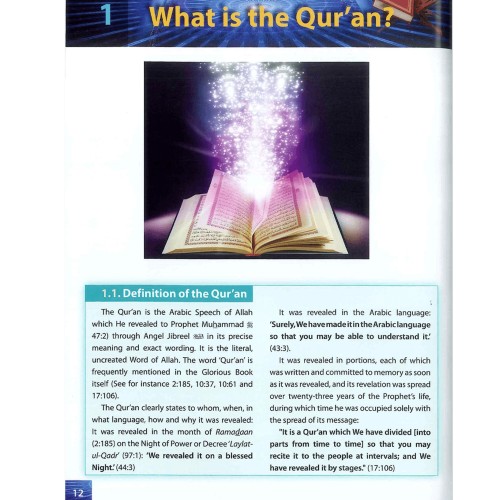
This is the first book in Forensic Psychiatry that focuses on the application of psychiatry to legal issues connected to Islamic jurisprudence. It gives contemporary psychiatry in any Islamic country a broad spectrum of tools to work with, enabling the utilization of options specific to particular societal and cultural norms. This book will appeal to both the general as well as the academic reader.
RM40.00
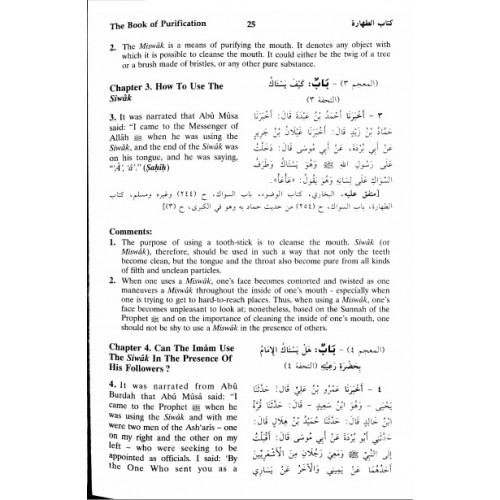
Sunan An-Nasa’i (6 Vol) (H/B)
Highlights:
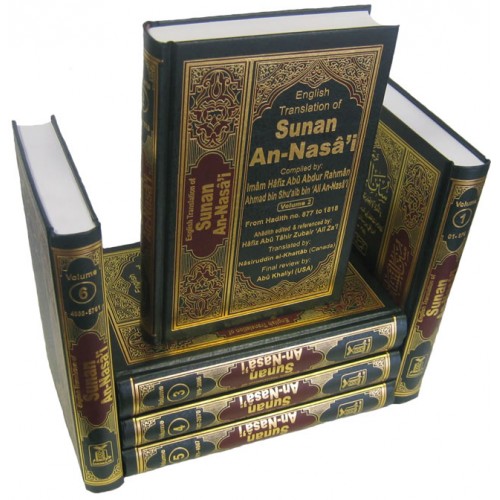
Sunan An-Nasai has the fewest weak ahadith after the two Sahih collections. This Sunan is one of the six is al-Mujtaba or as-Sunan as-Sughara, which is a synopsis of a large collection of ahadith which he considered to be fairly reliable. In the smaller collection, only those ahadith which he considered to be reliable have been included.
It was compiled by the great scholar of hadith, Abu Abdur-Rahman Ahmad bin Shu’aib bin Bahr An-Nasae (Nasa’ of Khurasan) (214-303AH). Imam An-Nesai, like other great scholars of hadith traveled to Baghdad, Ash-Sham, Egypt, Mecca, and many other cities to seek knowledge. He received the praises of many scholars including Ad-Daraqutni who said about him: “He is given preference over all others who are mentioned with this knowledge from the people of his time”. Some scholars consider his compilation to have the least number of defective or weak narrations among the four Sunan. This great book of his contains 5761 ahadith, making it as an invaluable addition to anyone’s library.
RM460.00
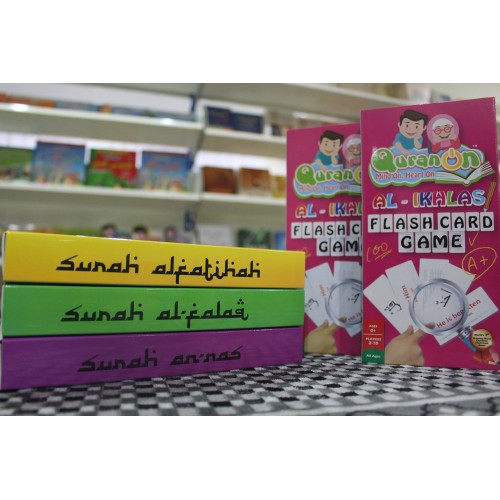
Al-Ikhlas Quran On Flash Card Game
Highlights:
Introducing our NEW QuranOn Flash Card Game that will enhance our understanding on the Arabic words, translations, makhraj, tajweed, grammar, meaningful contents and many more.
✔ Recite the verse in the surah clearly from one word to another.
✔ Combination of Arabic alphabets from word by word in the surah to the beginners.
✔ Translation for the each word.
RM40.00
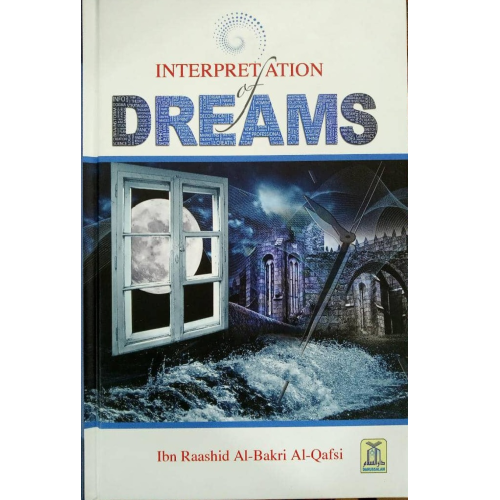
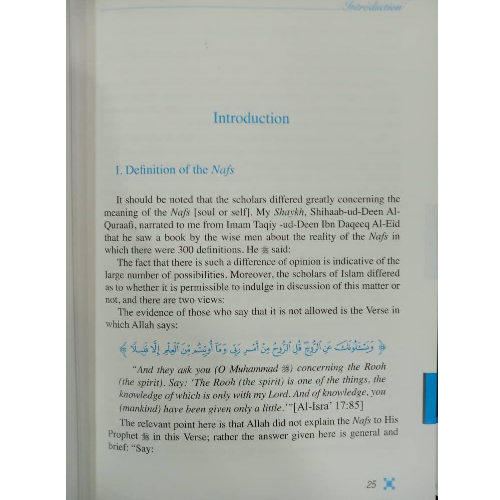
Interpretation Of Dreams
Highlights:
The Present book tackles the issue of the interpretation of dreams in the light of the Quran and the Sunnah, based on the Prophet’s hadeeth in which he said, “The dream of a Muslim is one of the forty-six parts of Prophet-hood. ” In this book, the author provides a definition of the word ‘dream’, discusses the various types of dreams, mention some dreams that were interpreted by the Prophet صلّی الله علیهِ وآلهِ وسلم etiquette to be observed by the person who has a dream and the person who has a dream and the person who interprets it and provides the interpretation of a large number of dreams, among some other issues related to the subject. The author is the well-known erudite scholar Sheikh Muhammad ibn Abd-Allah ibn Raashid al-Bakri (d. 736 Ah/1336 CE). The english reader will definitely find this book highly interesting and thought-provoking.
RM95.00
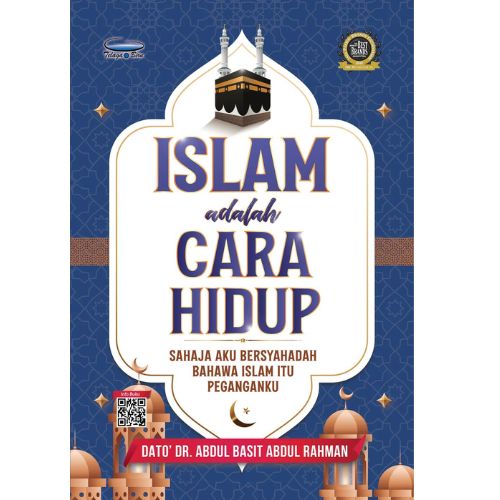
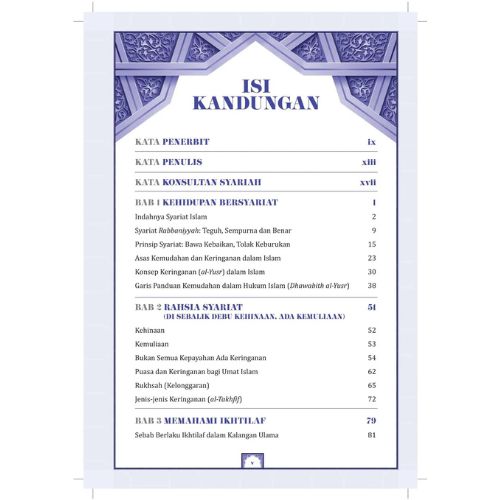
Islam Adalah Cara Hidup
Highlights:
- Isi kandungan buku ini tidak bercanggah dengan akidah Ahli Sunnah Waljamaah.
- Penulisan ini dapat memberikan sedikit sebanyak manfaat kepada masyarakat untuk berubah menjadi hamba yang soleh.
- Buku ini sesuai untuk semua peringkat umur malahan amat bersesuaian jika dibacakan di surau-surau atau masjid-masjid.
RM59.00
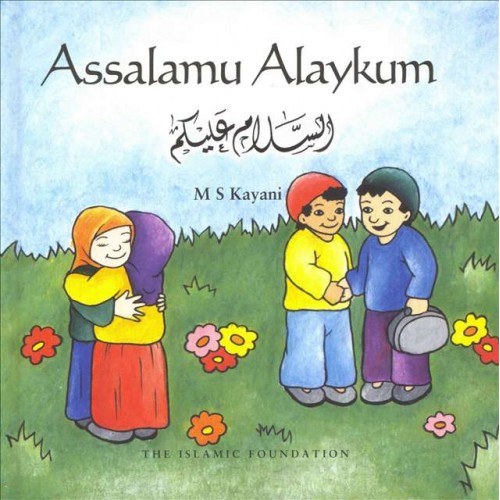
Assalamu Alaykum (H/B)
Highlights:
Come with Abdullah and Aminah as they show you how Muslims greet and share their every day lives with each other.
Recommended for children aged 3+
RM34.00
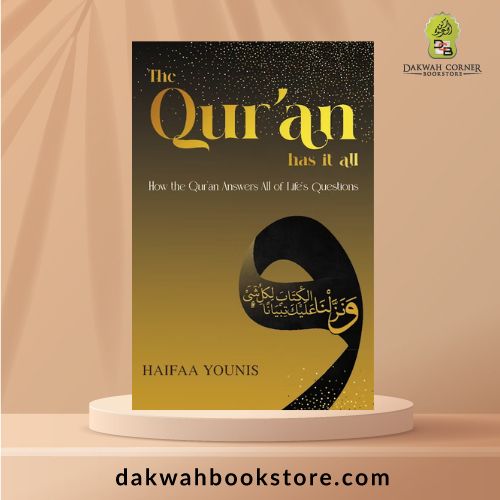
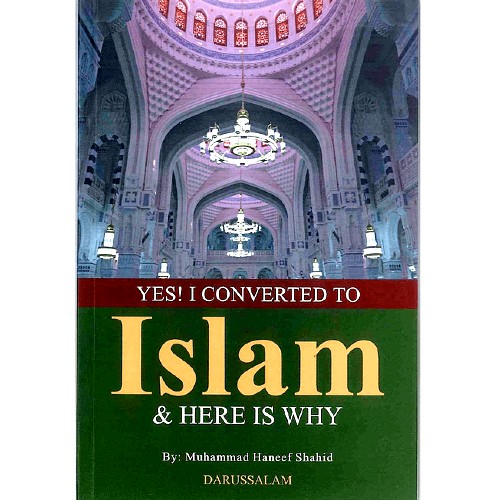
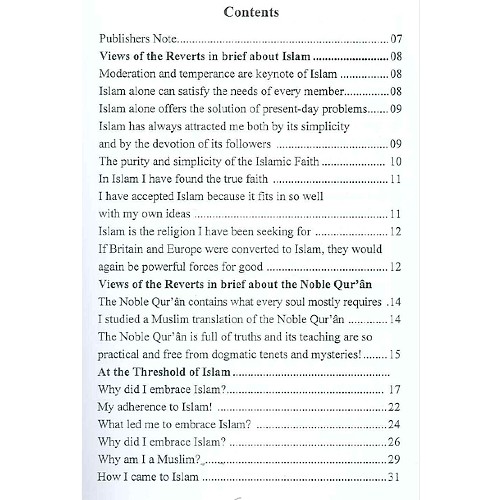
Yes! I Converted To Islam & Here Is Why
Highlights:
This book is a collection from the several narratives about the lives, experiences and previous beliefs as well as Islamic impressions and reasons of different personalities belonging to all walks of life as to why they reverted to Islam.
RM14.00
There are no reviews yet.