


| Weight | 0.20 kg |
|---|---|
| Dimensions | 21 × 15 × 1 cm |
| Product Type | Book |
| Author | |
| Publisher | Al-Hidayaah Publishing and Distribution |
| Pages | 128 |
| ISBN | 978-1898649564 |
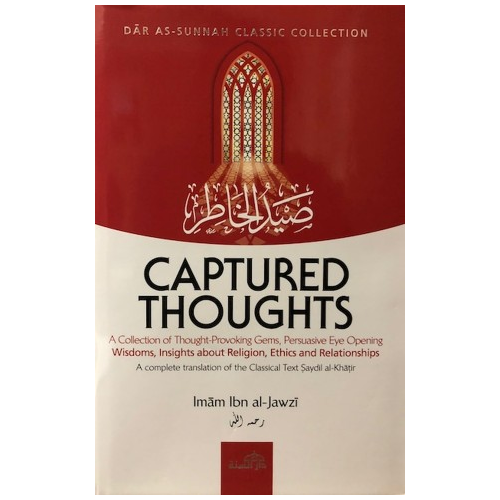
15 Ways to Increase Your Earnings from the Quran and Sunnah (P/B)
5 ★
5 ★
1 Rating
5 ★
1
4 ★
0
3 ★
0
2 ★
0
1 ★
0
RM47.00
Hurry up, Only 1 left.
Highlights:
somdn_product_page
Compare
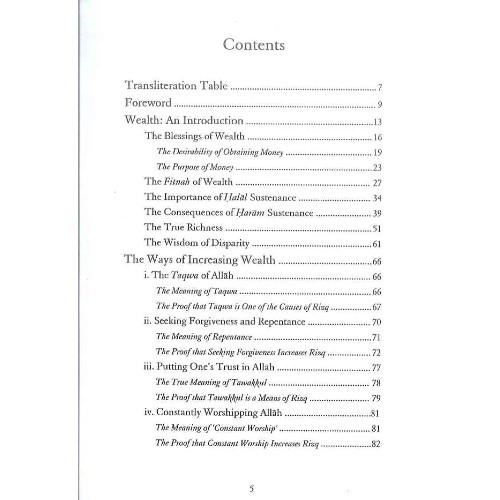
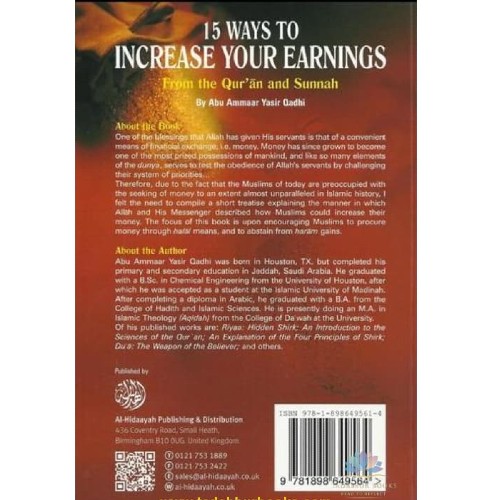
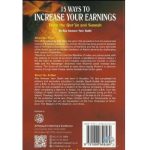
One of the blessings that Allah has given His servants is that of a convenient means of financial exchange, i.e. money. Money has since grown to become one of the most’ prized possessions of mankind, and like so many elements of the dunya, serves to test the obedience of Allah’s servants by challenging their system of priorities… Therefore, due to the fact that the Muslims of today are preoccupied with the seeking of money to an extent almost unparalleled in Islamic history, I felt the need to compile a short treatise explaining the manner in which Allah and His Messenger described how Muslims could increase their money. The focus of this book is upon encouraging Muslims to procure money through halal means, and to abstain from haram gains. Abu Ammaar Yasir Qadhi was born in Houston, TX, but completed his primary and secondary education in Jeddah, Saudi Arabia. He graduated with a B.Sc. in Chemical Engineering from the University of Houston, after which he was accepted as a student at the Islamic University of Madinah. After completing a diploma in Arabic, he graduated with a B.A. from the College of Hadith and Islamic Sciences. He is presently doing an M.A. in Islamic Theology (‘aqidah) from the College of Da’wah at the University. Of his published works are: Riyaa: Hidden Shirk; An Introduction to the Sciences of the Qur’an; An Explanation of the Four Principles of Shirk;Du’a: The Weapon of the Believer; and others.
SKU: MM26
Category: Motivational & Manners
Frequently Bought Together
15 Ways to Increase Your Earnings from the Quran and Sunnah (P/B)
5 ★
5 ★
1 Rating
5 ★
1
4 ★
0
3 ★
0
2 ★
0
1 ★
0
30 Ways To Attain Happiness (3rd Edition)
5 ★
5 ★
1 Rating
5 ★
1
4 ★
0
3 ★
0
2 ★
0
1 ★
0
1 Item
RM47.00
0 Add-Ons
RM0.00
Total
RM47.00
Additional information
Reviews (1)
5 ★
1 Rating
5 ★
1
4 ★
0
3 ★
0
2 ★
0
1 ★
0
Add a review Cancel reply
You must be logged in to post a review.
You may also like…
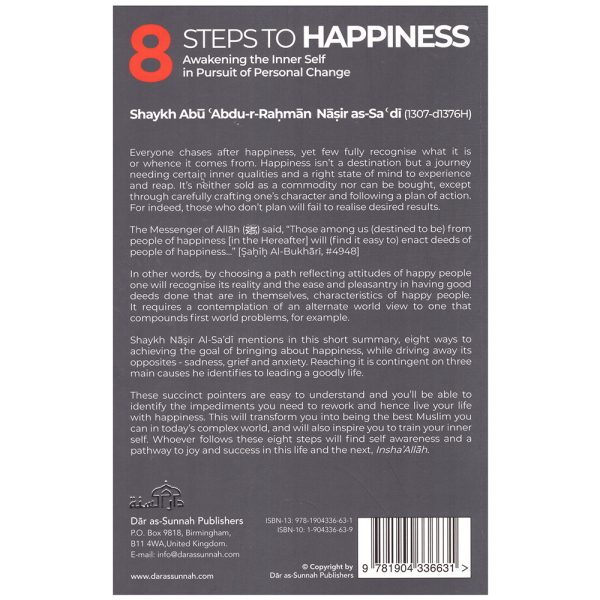
8 Steps to Happiness By as-Sa’di (Wasa’il al-Mufida lil-Hayat al-Sa’idah)
5 ★
5 ★
1 Rating
5 ★
1
4 ★
0
3 ★
0
2 ★
0
1 ★
0
Highlights:
Everyone chases after happiness, yet few fully recognize what it is or whence it comes from. Happiness isn’t a destination but a journey needing certain inner qualities and a right state of mind to experience and reap. It’s neither sold as a commodity nor can be bought, except through carefully crafting one’s character and following a plan of action.
For indeed, those who don’t plan will fail to realize desired results. The Messenger of Allah (peace and blessings be upon him) said, “Those among us (destined to be) from people of happiness [in the Hereafter] will (find it easy to) enact deeds of people of happiness…” [Sahih Al-Bukhari, #4948].
In other words, by choosing a path reflecting attitudes of happy people one will recognize its reality and the ease and pleasantry in having good deeds done that are in themselves, characteristics of happy people. It requires contemplation of an alternate world view to one that compounds first world problems, for example.
Shaykh Nasir Al-Sa’di mentions in this short summary, eight ways to achieving the goal of bringing about happiness while driving away its opposites – sadness, grief, and anxiety. Reaching it is contingent on three main causes he identifies to leading a goodly life.
These succinct pointers are easy to understand and you’ll be able to identify the impediments you need to rework and hence live your life with happiness. This will transform you into being the best Muslim you can in today’s complex world, and will also inspire you to train your inner self.
Whoever follows these eight steps will find self-awareness and a pathway to joy and success in this life and the next, Insha’Allah.
RM35.00
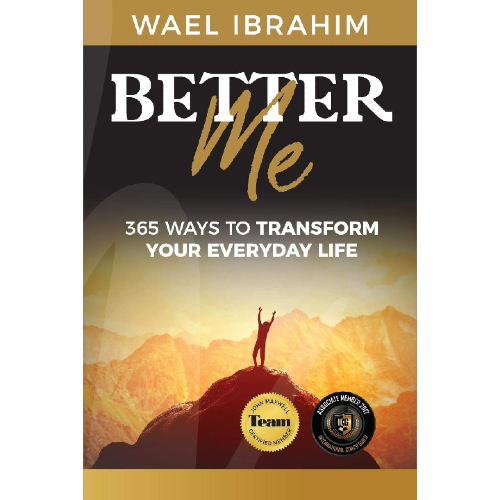
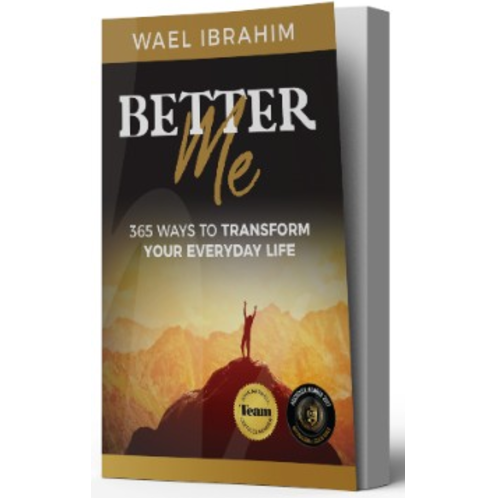
Better Me : 365 Ways to Transform Your Everyday Life
5 ★
5 ★
1 Rating
5 ★
1
4 ★
0
3 ★
0
2 ★
0
1 ★
0
RM75.00
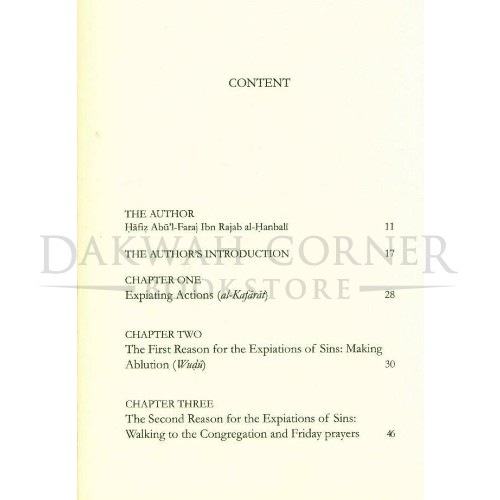
The Heavenly Dispute (Dar Us Sunnah)
Highlights:
The Prophet (peace and blessing be upon him) said of this hadith, “Indeed, it is the truth, so study and learn it.”
RM43.00
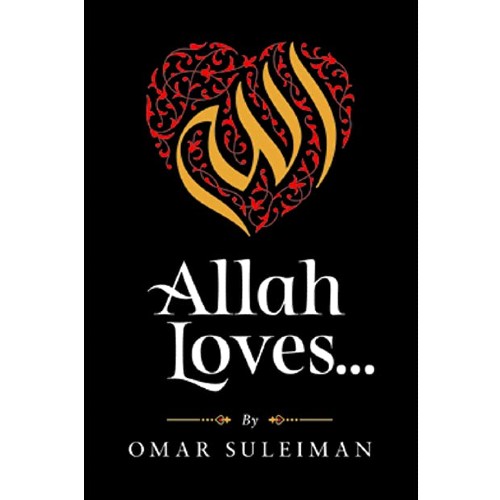
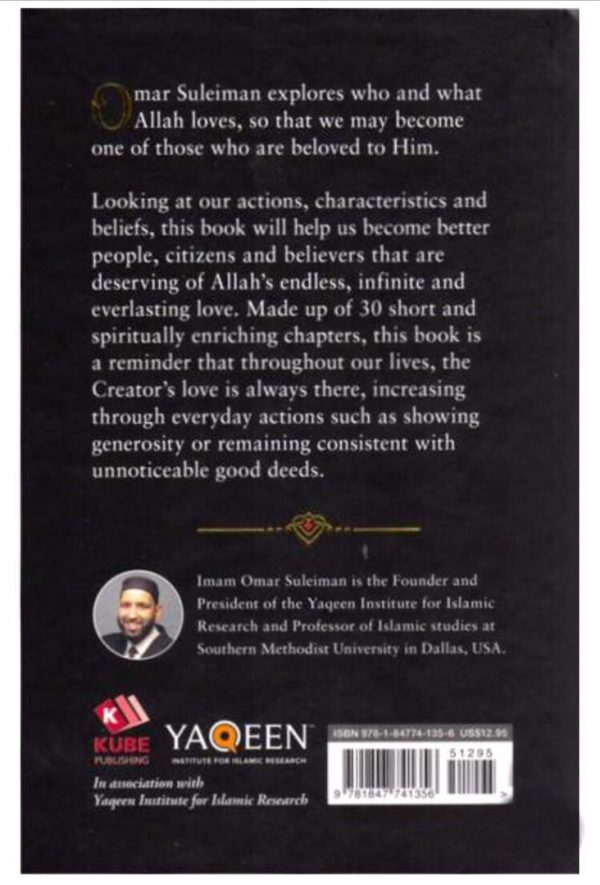
Allah Loves by Omar Suleiman (KUBE)
5 ★
5 ★
1 Rating
5 ★
1
4 ★
0
3 ★
0
2 ★
0
1 ★
0
Highlights:
In Allah Loves, Omar Suleiman explores who and what Allah loves so that we may become one of those who are beloved to Him.
The Prophet Muhammad said that one of the supplications of Prophet Dawud was, “O Allah I ask You for Your love and the love of those that love You and all of those actions that would bring me closer to being loved by you.”
By looking at our actions, characteristics and beliefs, this book will help us become better individuals, citizens and believers that are deserving of Allah’s endless, infinite and ever-lasting love.
Made up of 30 short and spiritually enriching chapters, this book is a reminder that throughout our lives, the Creator’s love is always there, increasing through everyday actions such as showing generosity or remaining consistent with unnoticeable good deeds.
RM65.00
A Thinking Person’s Guide to Islam
Highlights:
The world is at a crossroads today. A tiny minority of Muslims seems to be bent on hijacking the religion of Islam and bringing it into perpetual conflict with the rest of the world. Because of their actions, very few non-Muslims understand the real difference between Islam as it has always been, and the distorted perversions of Islam today. This book is an attempt to positively say what Islam actually is—and always was—as well as what it is not.
RM80.00
Related Products
Golden Stories of Accepted Prayers
5 ★
5 ★
1 Rating
5 ★
1
4 ★
0
3 ★
0
2 ★
0
1 ★
0
Highlights:
What are invocations? In a real sense these are requests which come from the bottom of our hearts to Allah Almighty. Allah is always ready and happy to receive prayers from anyone at any time.
If you’re facing any difficulties or trouble you should immediately turn to Allah for help. The best invocations are those narrated by the Prophet (S). If you don’t speak Arabic, you can pray in your mother tongue.
When we pray we should feel assured that Allah will accept our requests. We should do so with complete sincerity and devotion.
Prayers can be made at any time, but there is a greater possibility our prayers will be accepted if we do so at specific times.
RM68.50
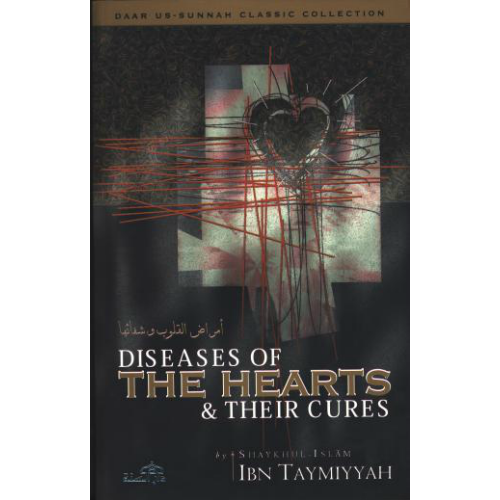
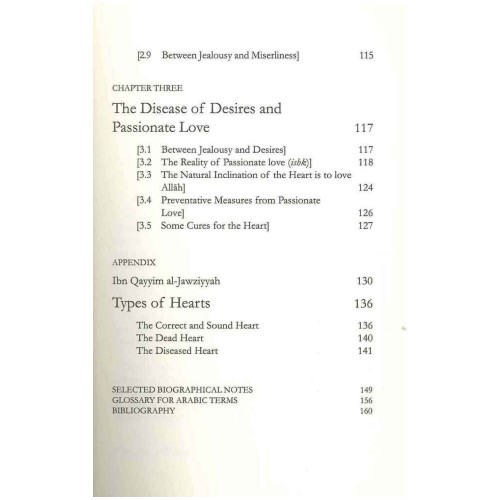
Diseases Of The Hearts & Their Cures (Dar as Sunnah)
4 ★
4 ★
1 Rating
5 ★
0
4 ★
1
3 ★
0
2 ★
0
1 ★
0
Highlights:
Translated by Abu Rumaysah “Know O beloved reader that it is most important to spend one’s time and energy in treating the heart, and hastening to correct and purify it from sickness and all sins. This is due to the heart occupying a great and lofty position in Islaam, for it is the place to which the Lord looks and the storehouse for tawheed, faith, and sincerity. Actions are distinguished, one from the other, with respect to their excellence in the Sight of Allah in accordance with the condition of the heart, not by their number or form, but rather due to the strength of the caller, his or her truthfulness, his or her sincerity and the extent to which he or she prefers Allah over himself or herself … Al-Haafidh ibn Hajr al-Asqalaanee, may Allah have mercy upon him and provide us with his knowledge, said: “The heart has been singled out for this because it is the leader of the body, and through the purification of the leader the subjects become purified, and with his corruption they become corrupted. So if you, O servant of Allah, with to cure your heart then it is upon you to be truthful with regards to seeking refuge with Allah and putting your trust in Him, to pray a great deal of superogatory prayers, to perform the actions of obedience to Allah frequently, to pray the night prayer while the people are sleeping, and to treat your heart by making it continuously stick to the remembrances and by befriending only the righteous … and to frequently recite the Qur’an. And Allah will indeed allow all of this to be preserved by him.”
RM54.00
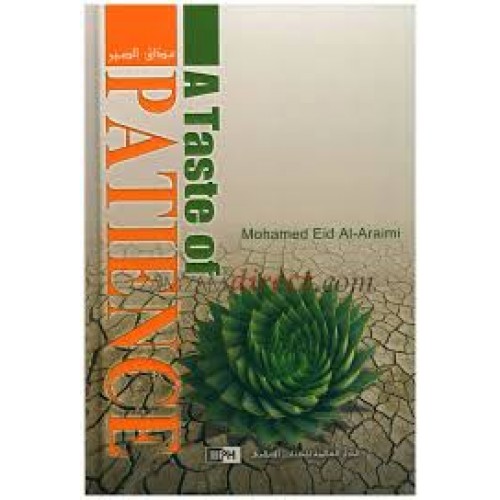
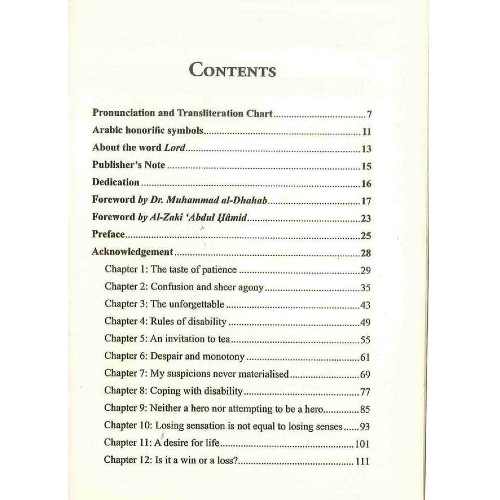
A Taste of Patience
3 ★
3 ★
1 Rating
5 ★
0
4 ★
0
3 ★
1
2 ★
0
1 ★
0
Highlights:
The writer is a survivor of an accident that altered his life. He is a man who managed to overcome adversity and transform bitterness into personal success, as his literary gains outweighed his physical restrictions. Where his physical condition limited his movements, his creative writing opened up a new horizon that enabled him to freely interact with his readers.
This is a real-life account of how a human being can overcome obstacles, giving effect to the epithet: ‘What does not kill me makes me stronger.’ The autobiography defines patience in two ways: first, as a bitter experience and then second, as the ability to tolerate and turn one’s misfortune into investment. The accident that the writer suffered has paralysed his body, but at the same time it has unleashed his writing talents. (Yousef el-Sharoni, Egypt)
RM38.00
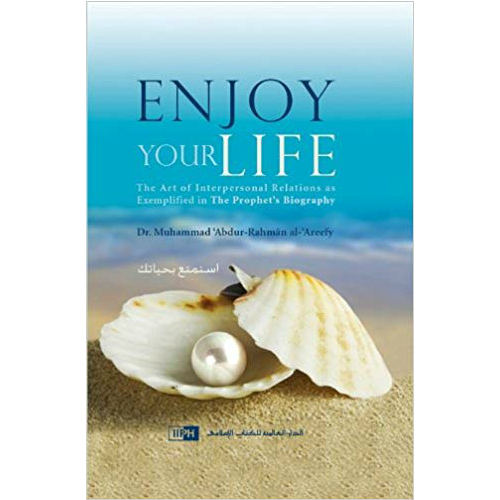
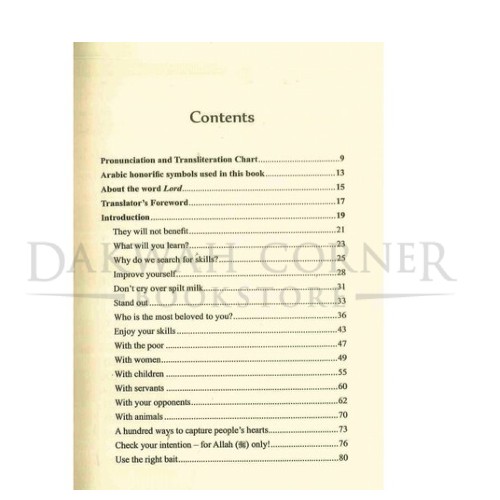
Enjoy Your Life (B/W) – IIPH
5 ★
5 ★
1 Rating
5 ★
1
4 ★
0
3 ★
0
2 ★
0
1 ★
0
Highlights:
Enjoy Your Life! Enjoy Your Life: The Art of Interpersonal Relations as Exemplified in The Prophet’s Biography is a comprehensive guide towards improving interpersonal skills and hence, enjoying life. The author, Dr. Muhammad ‘Abdur-Rahmân al-‘Areefy, writes: An enjoyable life entails learning and practicing multiple skills; the few who truly apply them savour the success that comes with it. Of course, atop the list of the successful is the chief of humanity, Muhammad (blessings and peace be upon him). His entire life was an ocean of pearls that I have scattered throughout the pages of this book.
Enjoy Your Life! is not the product of an effort of a month or a year. Rather, it has resulted from the research that I devoted myself to for twenty years. I inscribed it with my tears, pouring my soul and squeezing my memories into it. I penned down various incidents involving the joy of our eyes – our first teacher, Muhammad (blessings and peace be upon him). I highlighted his exceptional talents; his skills in dealing with people and enjoying his life. Enjoy Your Life! contains personal memories, real-life experiences, and incidents that I have publicised for the first time – praying that Allah, the Exalted, makes them a source of benefit for you.
Enjoy Your Life! contains words that are straight from my heart, hoping to find a place in yours. It is the dearest and most beloved of my books. I ask Allah, the Exalted, to benefit others with it, make this effort solely for His sake, and amply reward all those who have contributed to spread it.
RM85.00
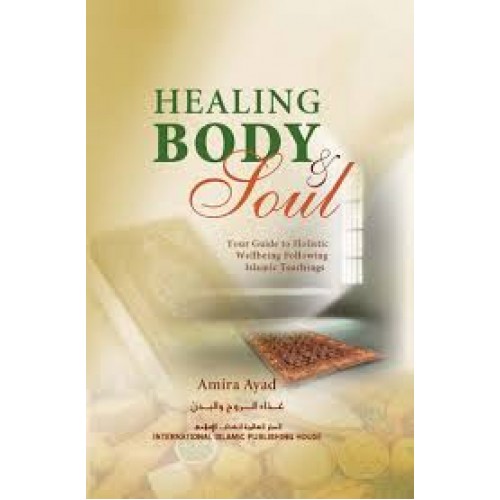
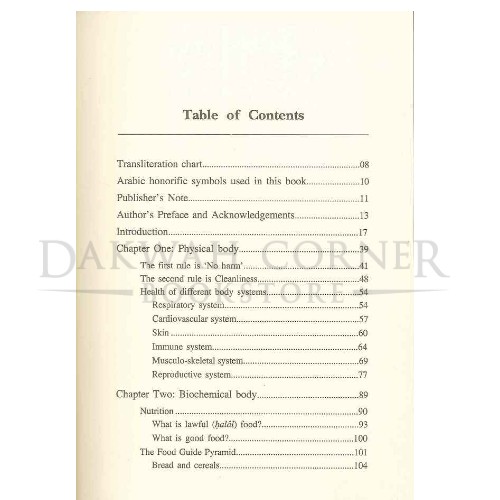
Healing Body and Soul : Your Guide to Holistic Wellbeing Following Islamic Teachings
5 ★
5 ★
1 Rating
5 ★
1
4 ★
0
3 ★
0
2 ★
0
1 ★
0
Highlights:
Like other guides to good health, Healing Body & Soul advocates abandoning an unhealthy diet and altering a sedentary lifestyle, but this book goes beyond the mere physical aspects of health. Amira Ayad is a practitioner and researcher with a Master’s in Pharmaceutics and pursuing her Doctorate in Natural Health. She writes: During the course of this work, I try to explain how you can combine the rich tradition of Islamic teaching with beneficial contemporary scientific knowledge in order to lead a holistically healthy and happy life. The book is divided into five chapters, each concerning one of the five components that make up your body, mind and soul, clarifying in each chapter how to look after that part of you and keep it healthy. During the course of the book you will notice how these bodies are interconnected; the health of one is highly dependent on the wellbeing of the others, so that a happy, healthy life entails a balance between all of them. Healing Body & Soul presents holistic Islamic health science in a simple yet comprehensive user-friendly guide to better health. Healing Body& Soul is an invaluable reference that encourages and empowers people to take control of their health and their lives.
RM96.00

A Muslim Girl’s Guide To Life’s Big Changes (Ta-Ha)
4 ★
4 ★
1 Rating
5 ★
0
4 ★
1
3 ★
0
2 ★
0
1 ★
0
Highlights:
Motivational & Manners
RM35.00

A Muslim Boy’s Guide to Life’s Big Changes (Ta-Ha)
5 ★
5 ★
1 Rating
5 ★
1
4 ★
0
3 ★
0
2 ★
0
1 ★
0
Highlights:
Motivational & Manners
RM35.00
Ghibah (Backbiting) : The Root Cause of All Evil : The Commands and Prohibitions of the Shariah
Highlights:
Islam is a religion of peace, love, and compassion. Lies, suspicion, backbiting, slander, vain talk — all these are anathema to Islam. Indeed, such negative activity sows the seeds of enmity among the people and ultimately brings about the downfall of society. Backbiting (ghibah) in particular, according to the Qur’an, is not just a common social evil, but rather an abhorrent act, a major sin — the equivalent of eating one’s brother’s flesh.
Numerous ahadith of the Prophet Muhammed (pbuh) also underscore the complete futility, extreme loathsomeness and grave consequences of the deliberate misrepresentation of others. Backbiting, by the unanimous rulings of religious scholars (ijma) is forbidden, so that anyone who indulges in it is guilty of serious wrongdoing. Yet people have no qualms about engaging in this practice, flouting all prohibitions and strict commands.
Drawing upon important source material on the subjects of backbiting, false accusation (bhutan), and related issues, this book highlights the need to keep our society free of his ignoble malaise. To this end, it elucidates the relevant commands and prohibitions of the Shari’ah, so as to create in the minds of its readers a deep awareness of the sinfulness and ill effects of calumny.
By Shakil Ahmad Khan and Wasim Ahmad
RM16.00

50 Candles To Light Your Path (P/B)
5 ★
5 ★
2 Ratings
5 ★
2
4 ★
0
3 ★
0
2 ★
0
1 ★
0
Highlights:
One goal brings them together : how to improve the well-being of our sons and daughters, how to aid them towards threading the path of guidance to engender their excelling in their academic, work and other facets of life.
RM36.00
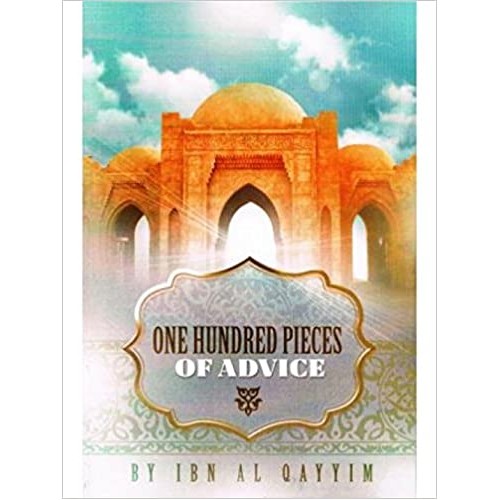
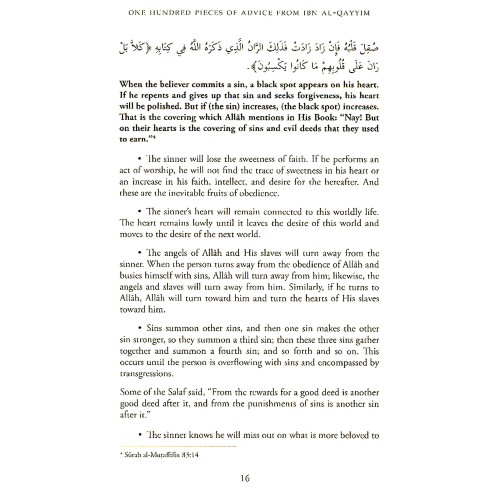
One Hundred Pieces of Advice
3 ★
3 ★
1 Rating
5 ★
0
4 ★
0
3 ★
1
2 ★
0
1 ★
0
Highlights:
One hundred treasured advices extracted from the writings of the illustrious scholar, Imām Ibn al-Qayyim (may Allāh have mercy upon him): Ten ways to acquire Allāh’s love Ten ways to be patient and avoid sins Ten ways to be patient during a calamity Ten benefits to lowering your gaze Ten ways sins are expiated Ten barriers between the slave and his Lord Ten reasons knowledge is not put into action Ten ways to open your heart Ten ways to protect against envy Ten ways to protect against the plots of the Shayṭān
RM48.00
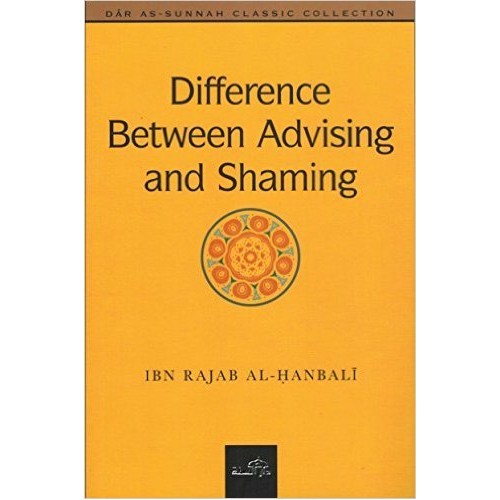
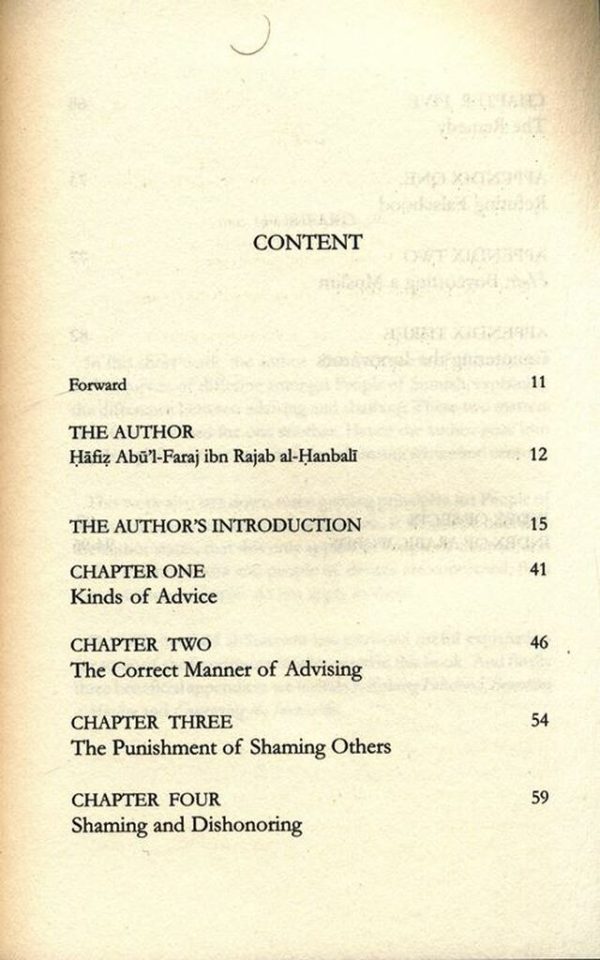
Difference Between Advising And Shaming ( Dar as-Sunnah)
4.5 ★
4.5 ★
2 Ratings
5 ★
1
4 ★
1
3 ★
0
2 ★
0
1 ★
0
Highlights:
[This book] beautifully illustrates the difference between advising that is encouraged and shaming that is not permitted.
RM40.00
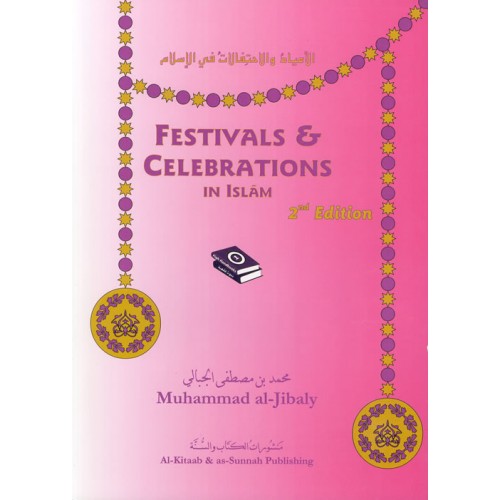
Festivals & Celebrations In Islam
5 ★
5 ★
1 Rating
5 ★
1
4 ★
0
3 ★
0
2 ★
0
1 ★
0
Highlights:
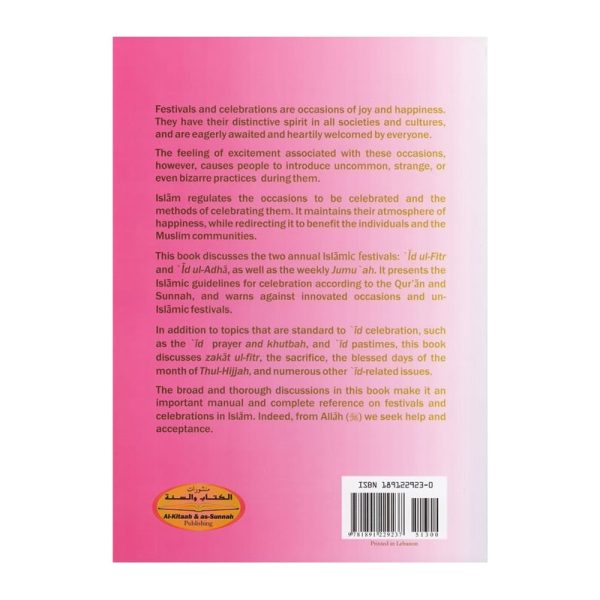
Festivals and celebrations are occasions of joy and happiness. They have their distinctive spirit in all societies and cultures, and are eagerly awaited and heartily welcomed by everyone.
The feeling of excitement associated with these occasions, however, causes people to introduce uncommon, strange or even bizarre practices during them.
Islam regulates the occasions to be celebrated and the methods of celebrating them. It maintains their atmosphere of happiness, while redirecting
This book discusses the two annual Islaamic festivals: Eid ul-Fitr and Eid ul-Adhaa as well as the weekly Jumu’ah. It presents the Islaamic guidelines for celebration according to the Quraan and Sunnah, and warns against innovated occasions and un-Islaamic festivals.
In addition to topics that are standard to ‘Id celebration, such as the ‘Id prayer and khutbah, and ‘Id pastimes, this book discusses zakat-ul-fitr, the sacrifice, the blessed days of the month of Thul-Hijjah, and numerous other ‘Id-related issues.
The broad and thorough discussions in this book make it an important manual and complete reference on festivals and celebrations in Islam. Indeed, from Allah (swt) we seek help and acceptance.
RM51.00
Recently Viewed

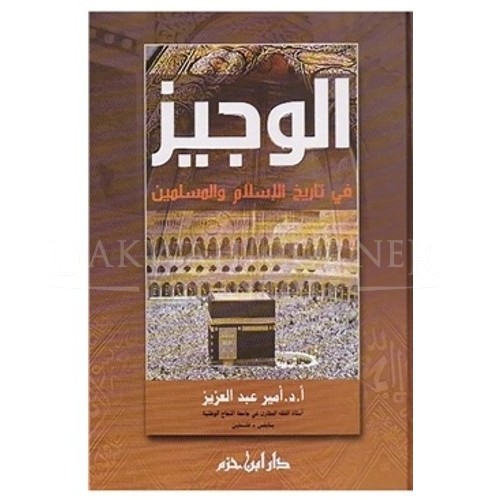
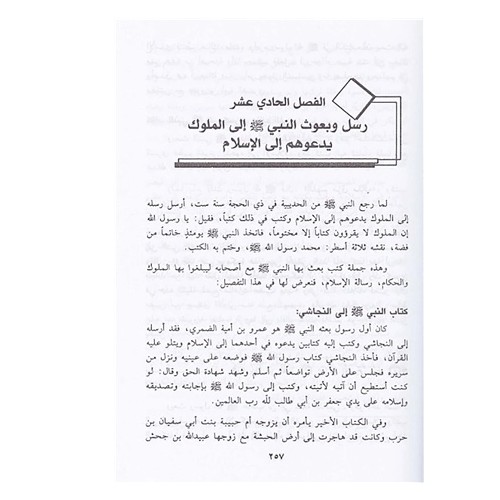
[HS] History of Islam and Muslims (الوجيز في تاريخ الإسلام والمسلمين)
Highlights:
كتب المؤلف هذا الكتاب لاجل تجلية الحقة بقدر التصدي لأصوات المنكر والباطل التي يراد بها تشويه هذا جاء الكتاب مبدوءا بالحديث عن حياة الرسول صلى الله عليه وسلم ، ثم الخلافة الراشدة المباركة ، ثم دولة الأمويين والعباسيين، ويظل الحديث يتوالى عن مراحل التاريخ الاسلامي واحدة تلو الاخرى حتى أيامنا هذه
RM110.00
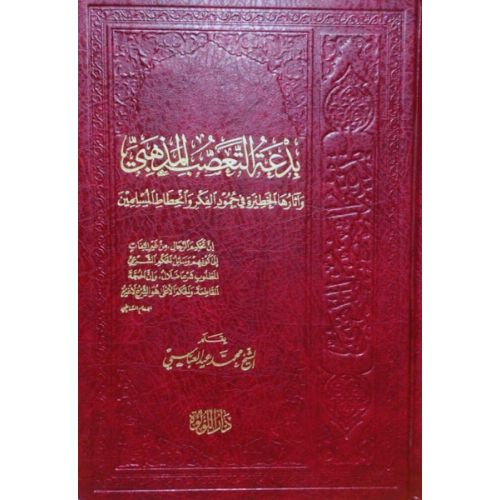
[AAC] Bidaah Al Taasub Al Madhhabi / بدعة التعصب المذهبي
Highlights:
بدعة التعصب المذهبي واثارها الخطيرة في جهود الفكر وانحطاط المسلمين
RM140.00
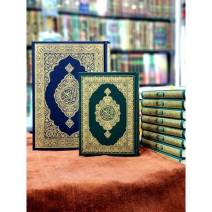
وقف مصاحف في المسجد الحرام
Highlights:
مشروع وقف مصاحف في المسجد الحرام
لا شك أن الحسنات تتضاعف أجرها في الزمان الفاضل والمكان الفاضل حسب الأدلة الشرعية الثابتة ومنها على سبيل المثال مضاعفة الأجر في رمضان وعشرذي الحجة وفي المسجد الحرام .
انطلاقا من هذا المبدأ، لاحظنا اهتمام المسلمين قديما وحديثا من معتمرين وحجاج وزوار مكة التحري في مضاعفة الحسنات والأجر طوال فترة مكثهم في بلاد الحرمين من قراءة القرآن وتدبره والصدقات والطواف بالبيت والنوافل وغير ذلك من العبادات تقربا بها الى الله عزوجل ,
وأيضا من الأعمال التي يقوم بها المسلمون وقف المصاحف الشريفة والمصاحف المترجمة في المسجد الحرام مستغلا انشغال المسلمين بكتاب الله في مهبطه و الانتفاع من تدبره وفهمه ؛ طلبا رضا خالقهم في أطهر بقعة علي الكرة الارضية ,
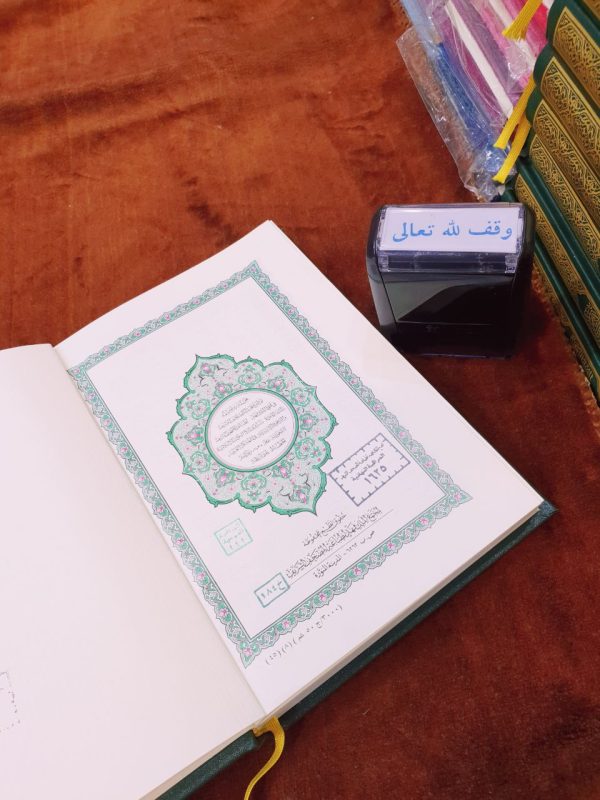
ففرع مكتبة ركن الدعوة بمكة المكرمة (شركة مكة ) تعلن خدمة تيسيروقف المصاحف الشريفة في المسجد الحرام آليا عبرالموقع وفق الضوابط المقررة من رئاسة شئون الحرمين ألا وهي :
1- أن يكون المصحف مطبوعة من مجمع الملك فهد بالمدينة
2- وأن يوضع في الأماكن المخصصة للمصاحف .
3- مع وضع ختم ( وقف لله تعالى ) واضح .
والآن مع هذه الخدمة الالكترونية يمكن للجميع وقف المصاحف في المسجد الحرام وغيرهما من المساجد متى ما أرادوا ذلك و اينما كانوا .
وبهذا تتشرف فرع مكتبة ركن الدعوة القيام بذلك نيابة عنكم وتزويدكم بالصور والمستندات حسب احتياجاتكم للحفظ والضبط ,
ويمكنكم اختيار نوع المصحف وعدده وحجمه مع العلم بأن قيمة المصحف سيتم اعتماده على نفس قيمة السوق في ذلك الوقت ,
RM75.00 – RM108.00Price range: RM75.00 through RM108.00
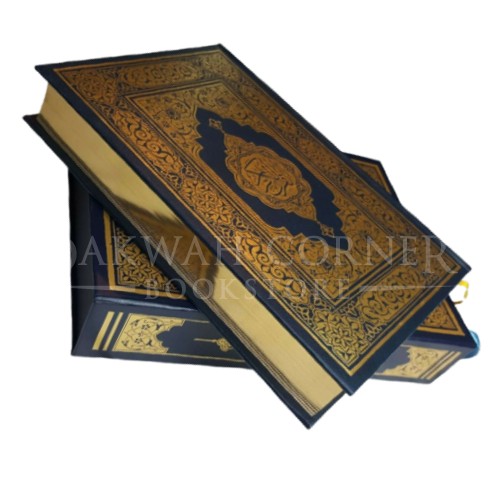
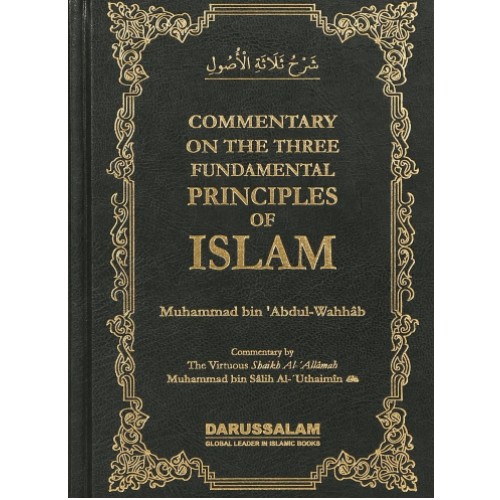
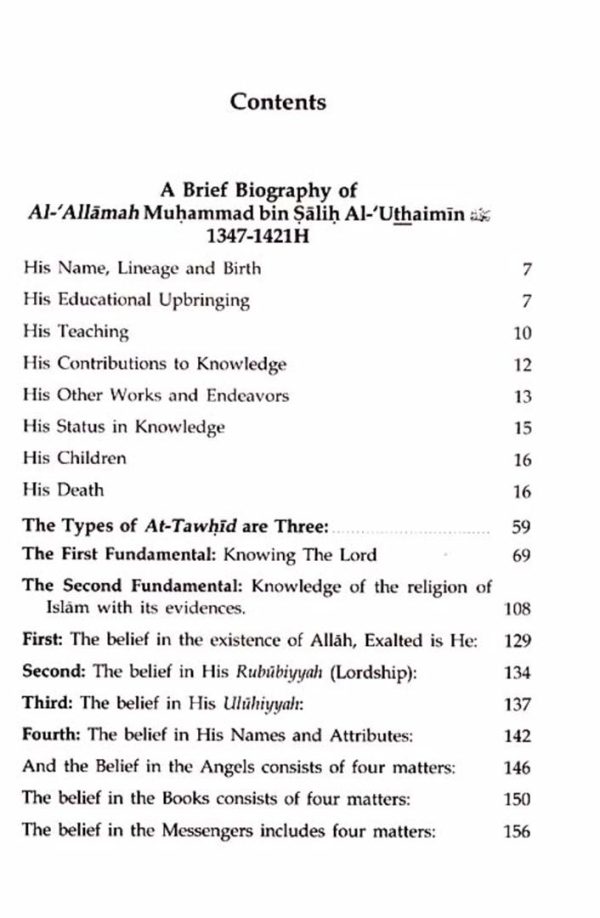
Commentary On The Three Fundamental Principles Of Islam (H/B)
Highlights:
Commentary on the Three Fundamental Principles of Islam by Darussalam is an excellent book for everyone looking to correct their aqeedah. The commentary has been done by the virtuous Shaykh Al-Allamah Muhammad bin Salih Al-Uthaimin and the book also begins by his brief biography. The three fundamentals of Islam mentioned in this book are related to At-Tawhid, knowledge of Islam and knowledge about Prophet Muhammad (peace be upon him).
RM55.00
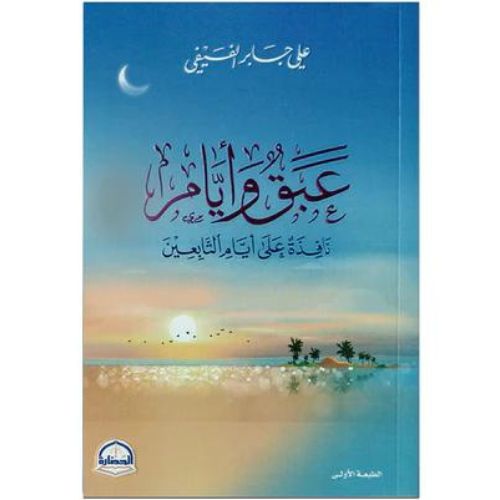
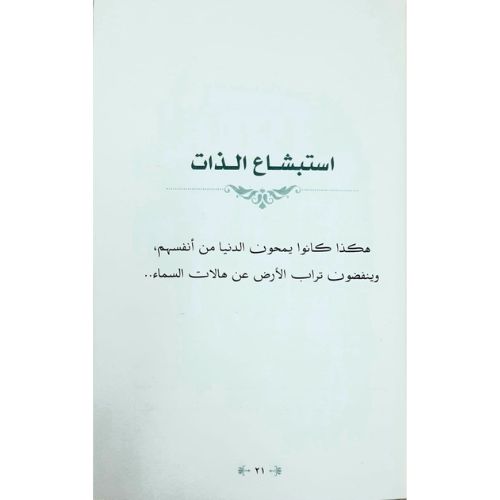
[MM] Abaq Wa Ayyam ( عبق وأيام)
Highlights:
أيام التابعين المضمّخة بذلك العبق الفريد، وتلك المشاعر الاستثنائية وكأنّي بشوارعهم العتيقة وفوانيسهم المعلّقة على أبواب مساجدهم الطينية، وكأني بخطواتهم المخبتة ونوافذهم المشرَعة على عهد الصحابة.. كلها تنبعث عبر كلماتهم ومواعظهم وصدقهم
RM33.00
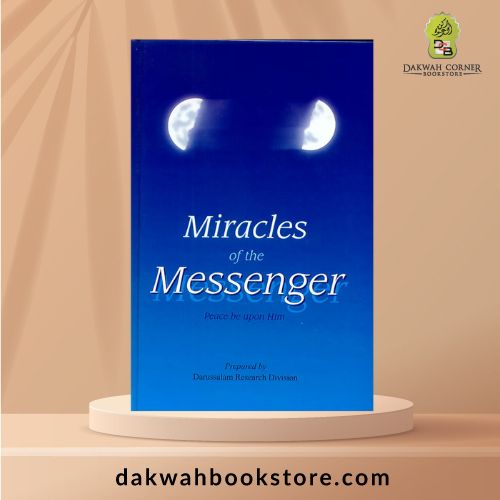
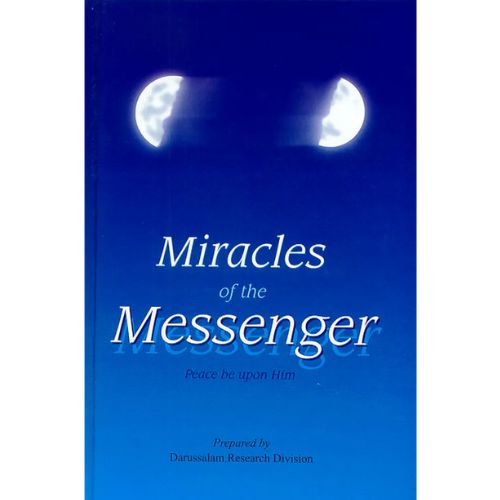
Miracles Of The Messenger (H/B) – Darussalam
Highlights:
Darussalam is pleased to present this book to Muslim youth. The purpose of this book is to enlighten our youth about the Miracles of the Prophet [Islamic phrases=”Shallallahu ‘alaihi wa Sallam”]H[/Islamic].
RM50.00
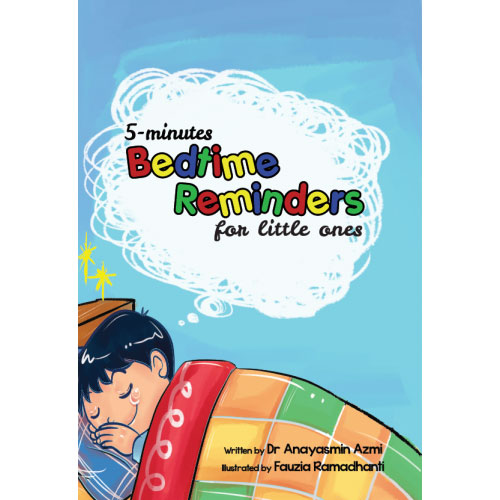
5 – Minutes Bedtime Reminders for Little Ones
Highlights:
Bedtime reminders for children. 1 night 1 reminder for parent to read to their children.
Main objectives are to initiate children to think of their responsibilities as Muslim and practise better behaviour.
RM20.00
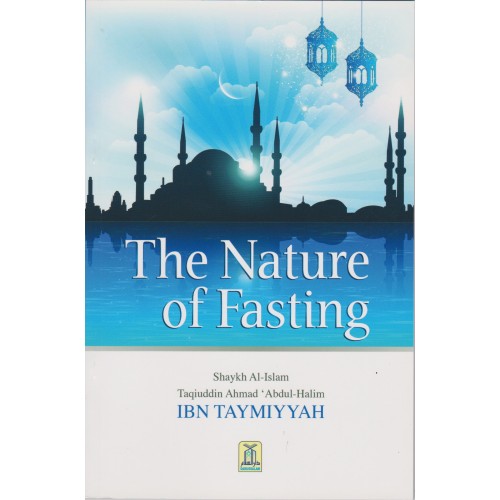
The Nature of Fasting
5 ★
5 ★
1 Rating
5 ★
1
4 ★
0
3 ★
0
2 ★
0
1 ★
0
Highlights:
This book will help the reader better understand the fine points about fasting. What is the nature of the things that break the fast? What are the rules by which one can know the difference between what breaks the fast and what does not?
These question are more answered by Shaykh Al-Islam Ibn Taymiyyah in his discussion of the Nature of Fasting.
Publishers Note All praise is due to Allah, and may He grant peace and blessings upon His Last Messenger Muhammad.
This is a translation one of the smaller publications from the works of Shaykh Al-Islam Taqiuddin Ahmad bin ‘Abdul-Halim Ibn Taymiyyah. It has been published in this form a variety of times with a number of minor additions to the text under the title, “Hagigatus-Siyam,” or, “The Nature of Fasting.” We have revised our version to meet the source section of Majmu’ AI-Fatawa (25:219) from where it appears that the original booklet – with the exception of the questions, of which most appear on earlier pages – has been taken. We have inserted brackets to signify the additions, which earlier publishers probably took from other sections of his writings. We have also added brief references to the text for the Hadiths. I would like to express gratitude to brother Ebrahim Aly Ma’rouf for the original translation of this booklet, and the Darussalam staff for their editing and layout work.
RM14.00

au.mu.smj –
Great read! Great tips which are easy to implement.