| Weight | 0.36 kg |
|---|---|
| Product Type | Book |
| Author | |
| Publisher | IIUM |
| Pages | 222 |
| ISBN | 9789674180119 |
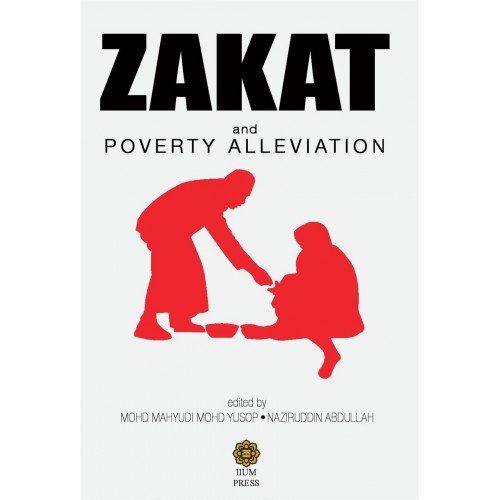
Zakat and Poverty Alleviation (P/B)
RM66.00
This edited book aims to raise issues pertaining to the topic of zakat and its primary goal of poverty alleviation. It portrays the dynamism of zakat by highlighting pertinent issues on the management of zakat institutions and innovative programmes that are designed as effective distribution mechanisms. Discussions include zakat payment motives, ways to measure the efficiency of zakat disbursement, economic development initiatives, housing programme, microfinancing, and actual impact on poverty alleviation. The discussions raised put emphasis on policy-orientation with dedicated sections on policy implications and recommendations. This approach is deemed necessary since it could guide the thought process of interested parties towards the creation of new ideas to actualize zakat as a very reliable tool in addressing the massive problem of poverty among Muslim communities. This special feature also significantly adds to the much-needed reference materials in courses on zakat at the intermediate level of undergraduate studies and introductory level of postgraduate programmes.
Be the first to review “Zakat and Poverty Alleviation (P/B)” Cancel reply
You must be logged in to post a review.
Related Products
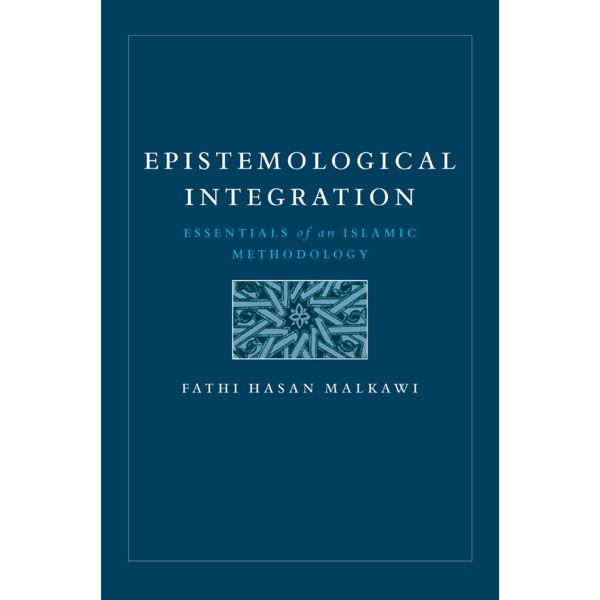
Epistemological Integration Essentials of an Islamic Methodology
Epistemological Integration: Essentials of an Islamic Methodology is a program which seeks to construct an intellectual framework for Islamic methodology with a view to realizing practical training in the thoughtful investigation of issues related to knowledge in various fields. The book’s title affirms the distinctive types of integration that characterize Islamic methodology, including integration of sources, means, and schools of thought, as well as existing realities with desired ideals etc. This is fully consistent with human nature, as variety is fundamental to the functions people perform and skills they master. The work essentially makes the case that fundamental to any Muslim recovery is laying the foundations of sound thinking and values that integrate the two main sources of knowledge: Revelation and Reality (that is the created worlds both physical, societal and psychological) under the umbrella of Tawhid. Islamic methodology adopts that and extends human hopes to integrate efforts so that humanity can realistically achieve prosperity on earth and earn eternal happiness in the afterlife.
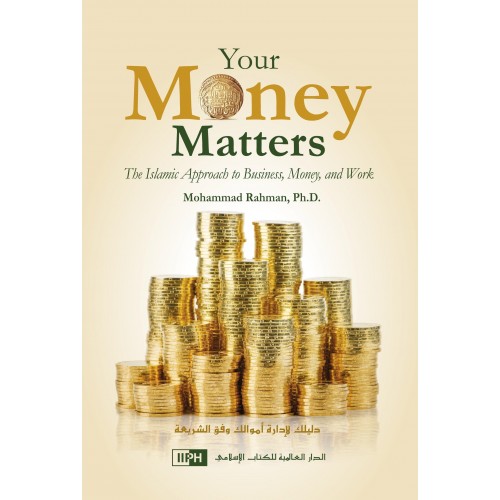
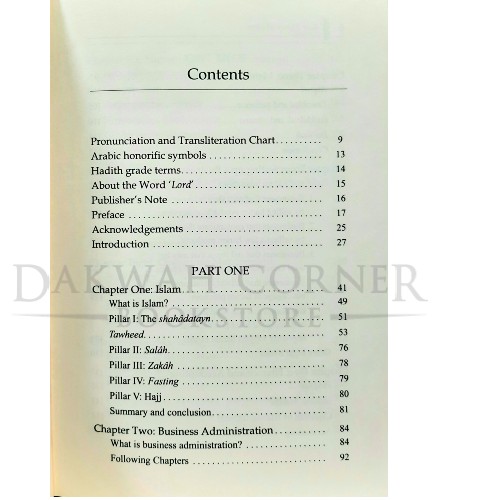
Your Money Matters (H/B)
This book highlights issues that are important and relevant to Muslims when they engage in tasks related to personal finances, business administration, investment, and work. Readers will find an overview of relevant excerpts from the Qur’an and the authentic Sunnah. Non-Muslims as well can gain valuable insights from this book that should prove useful in today’s multi-cultural business landscapes.
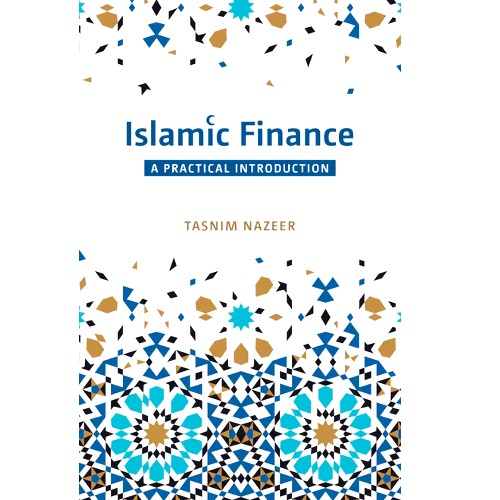
Islamic Finance : A Practical Introduction
Islamic finance and banking is governed by the tenets of Islam and is based upon the principles of the Shariah, a code of conduct for Muslims to adhere to when managing their lives, including their finances. This slim volume breaks down this code and teaches readers how it is practically applied in business, personal finances, and the global economy.
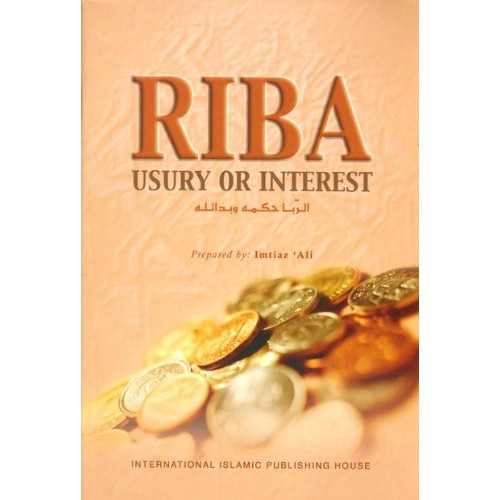
Riba: Usury or Interest
The Noble Qur’an states: {… Fear Allah, and give up what remains of your demand for usury/interest, if you are indeed believers. If you do not do so, then take notice of war from Allah and His Messenger.} (Qur’an 2: 278-279) Despite this obvious prohibition, the practice of ribâ (usury and interest) has polluted the global economy completely. This booklet explains the awful consequences of dealing in usury and interest in a summarized but convincing manner.
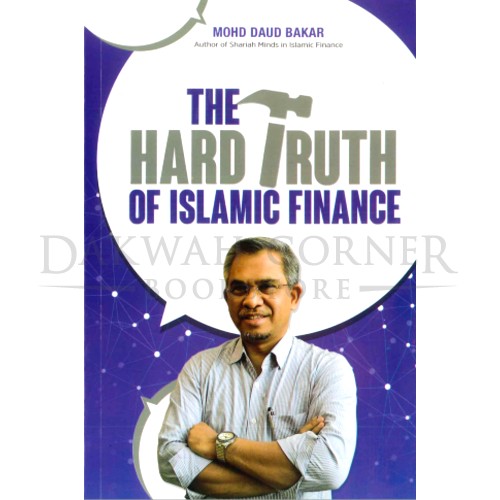
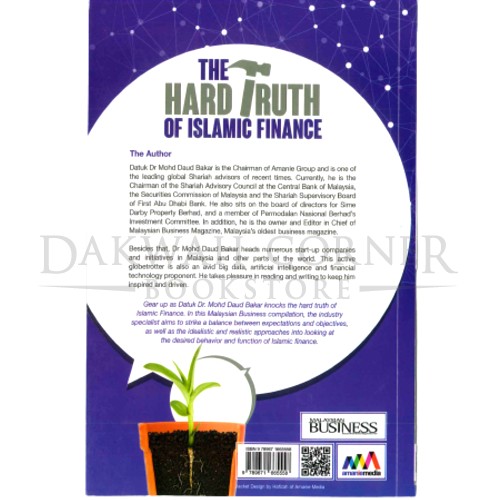
The Hard Truth of Islamic Finance
What is the book all about? It seeks to strike a balance between objectives and expectations. While expectations are easy, meeting objectives is hard.
The book also aims at unlocking the real face of Islamic finance without any make-up or cosmetic touch-up. The moment it is linked to something external and artificial, it becomes cluttered.
For all intents and purposes, every discipline has its core torso and fabric. Islamic finance should have its own ‘DNA’ and identity. The book is simply about bringing Islamic finance back to its basics. You may add on additional verticals and layers but it cant be on the expense of its core foundation.
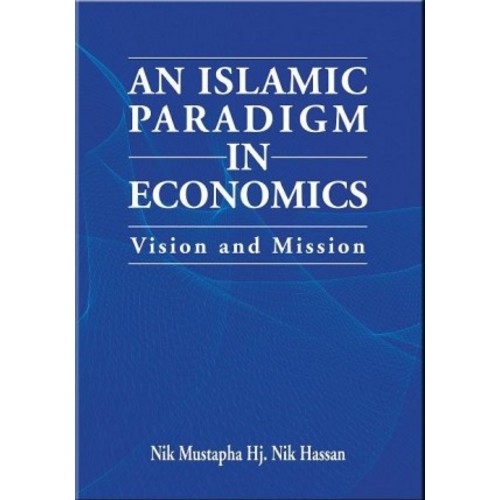
An Islamic Paradigm In Economics Vision And Mission
This book emphasises not only thoughts and theoretical concepts, but also discusses their application.
in the real world. Hence, it suggests that a holistic approach to economic development, which harmonises between material and spiritual well-being is not entirely idealistic but is, in fact, pragmatic and applicable.
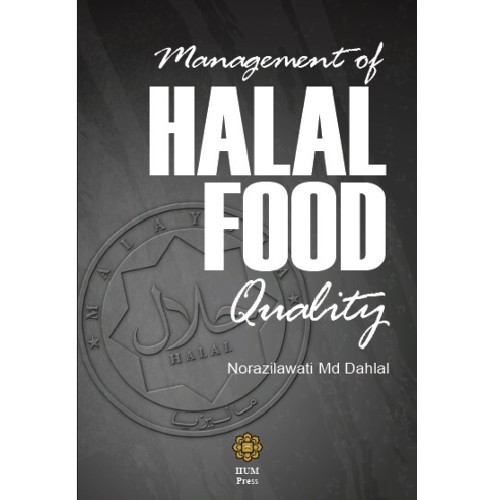
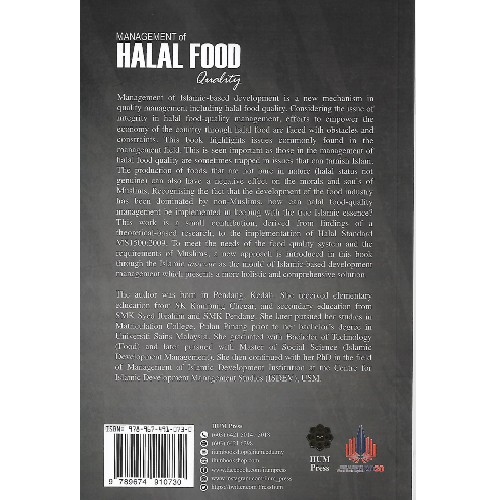
Management of Halal Food Quality
Management of Islamic-based development is a new mechanism in quality management including halal food quality. Considering the issue of integrity in halal food-quality management, efforts to empower the economy of the country through halal food are faced with obstacles and constraints. This book highlights issues commonly found in the management field. This is seen important as those in the management of halal food quality are sometimes trapped in issues that can tarnish Islam. The production of foods that are not pure in nature (halal status not genuine) can also have a negative effect on the morals and souls of Muslims.
The Higher Objectives of Humanity
A video summary of this book can be found here: https://www.youtube.com/watch?v=YdNQxv_ODdc&t=26s This book discusses the why, what and how of Rahmatan lil-Alamin as the higher objective of humanity. It presents a practical understanding of the purpose of creation and humanity to improve the individual and collective well-being of Muslims and society. The intention is to re-introduce and re-emphasize the correct Islamic perspective of humanity. The first five chapters revisits the common understanding among Muslims as to why mankind is created. We show that the prevalent view that we are created to worship Allah (SWT) is incomplete. There is a higher and more noble purpose; Rahmatan lil-Alamin (mercy to the worlds). We next describe the what of Rahmatan lil-Alamin. The best role model of Rahmatan lil-Alamin is undoubtedly Prophet Muhammad (SAW), the last and final prophet and messenger, whom Allah (SWT) sent with a very clear purpose, “And We have not sent you but as a mercy to the worlds.” [21:107]. We present many examples from the history of Prophet Muhammad (SAW) and a collection of his (SAW) sayings and advice on being the best. The final chapters of the book deal with the how of Rahmatan lil-Alamin. We describe in detail how the Muslim can apply Rahmatan lil-Alamin daily in his or her life. We propose a practical model of Rahmatan lil-Alamin that we induced from the Quran. We also addressed how to apply Rahmatan lil-Alamin to a broader society by proposing a decision-making tool that can guide us as persons and as communities to make decisions that conform to the foundations and priorities of Rahmatan lil-Alamin. We present case studies from the history of the Companions using this decision-making model. This book seeks to establish a connection between Islam and civilization within a civilizational and ethical framework. We believe that a more proper and complete understanding of the Islamic view about humanity may present to us new perspectives of Islam and how Muslims should engage with fellow Muslims and people of other faiths. In fact, the implication of this new reinterpretation framework goes even further in that: any human civilization built on this framework is the most prosperous for the whole and also for the individuals in it.
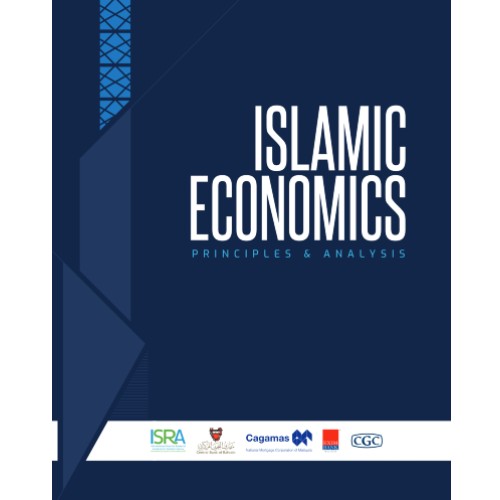
Islamic Economics : Principles & Analysis (P/B)
Economics is a social science that studies the behaviour and interactions of economic agents and analyses how economies work at the macro- and micro-levels. It studies production, distribution and consumption of goods and services, identifies economic problems and phenomena, and addresses economic questions from a positive perspective (what is) as well as a normative (how it should be) perspective. Islamic economics examines the same areas as its conventional counterpart. However, it involves the application of Sharīʿah to the different economic functions and issues. It is postulated that Islam offers a better approach compared to conventional economics in managing economic activities and solving economic and social issues.
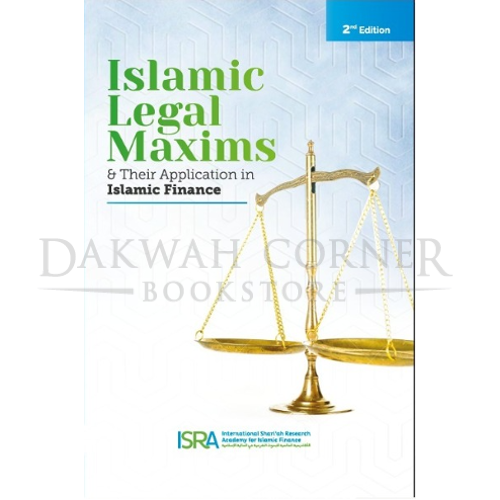
Islamic Legal Maxims & Their Application in Islamic Finance (2nd Ed.)
Islamic Legal Maxims and Their Application in Islamic Finance is one of the most comprehensive compilations of Islamic legal maxims available in English. The most important feature of this book is that it explains each maxim in a way comprehensible to both Shari’ah experts and Islamic finance practitioners. Another feature is its emphasis on the application of the maxims in the actual practice of Islamic finance.
Recently Viewed
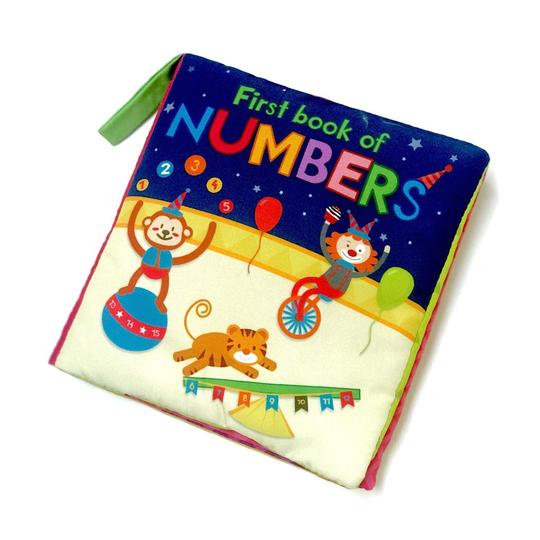
SOFT BOOK – First Book of NUMBERS
Numbers from 1 to 20
Complete with pictures to count
Colorful illustrations
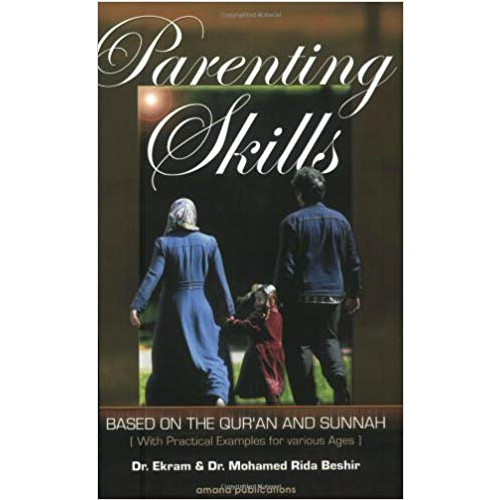
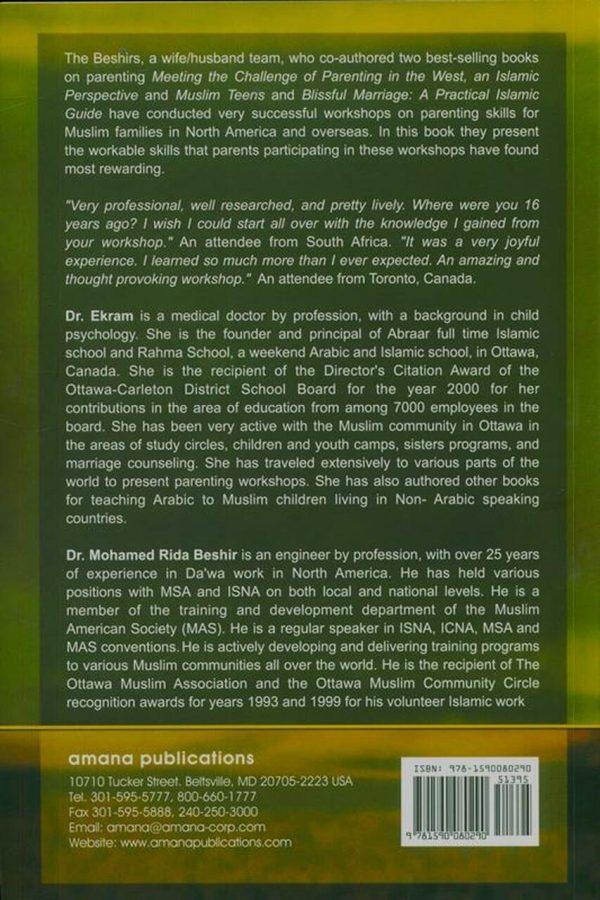
Parenting Skills Based On The Qur’an And Sunnah
Motivational & Manners
Islam A Total Beginners Guide – Part Three (P/B)
In present era we are facing lot of questions:
• What is status of women in Islam?
• Who is superior – man or women?
• What does Islam say about inter-religious marriages, man’s treatment towards his wife and privacy in homes?
• What does Islam say about dress, veil, clothing and ornaments, perfumes and the wisdom of banning gold and silk for men?
This beginner’s guide to Islam answers all such questions.
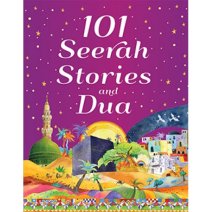
101 Seerah Stories and Dua (H/B)
101 Seerah Stories and Dua is a richly illustrated collection of 101 great stories told in simple language that children will easily understand and relate to. Each story comes with delightful illustrations and a beautiful prayer. The book includes well known tales from the life of the Prophet Muhammad — the Year of Elephant, the birth and childhood of the Prophet, the revelation of the Quran, the first Muslims, opposition of the Quraysh, the spread of Islam and migration to Madinah to name a few. It’s a unique experience the whole family will cherish and revisit again and again!
The Box of Manners ( New Edition)
Discover the Secret Behind Well Mannered Children
Are you sometimes embarrassed by the way your children behave in front of guests or when they’re outdoors?
Do you feel frustrated because your kids don’t always listen to you and do as you say?
Do you wish your children were more dignified, polite, or just simply behaved themselves?! After all, Muslims are renowned for their upright behaviour, right?
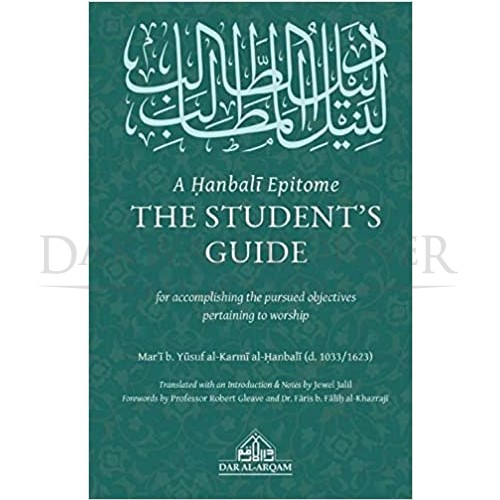
A Hanbali Epitome: A Student’s Guide
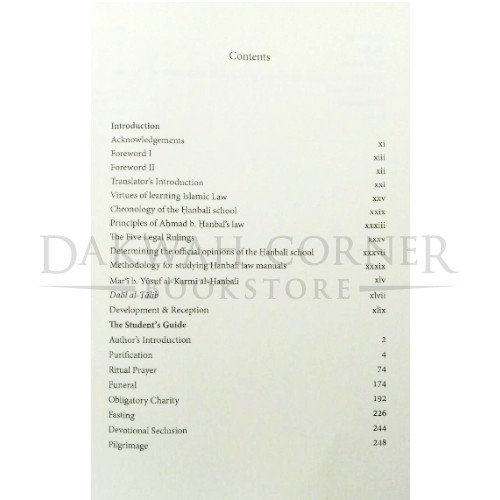
The present work focuses on the Muslim community requires for purification, prayer, charity, fasting, pilgrimage, and warfare. A lengthy introduction to Islamic law and the Hanbali’ school has been included to prepare the readers. The language employed in the translation has been kept simple, straightforward, and modern to make the work accessible to everyone who speaks English – law student or otherwise. This bilingual edition, with its parallel Arabic text, will allow readers to access the original Arabic and hopefully help with vocabulary building, oracy, and future translation. Muslims for many centuries have turned to Dalil al-Talib for study, and ultimately to be informed of their religious practices. It is hoped the translation, The Student’s Guide, will produce a similar response and convey the spirit and manner of the original owing to its style and simplicity.
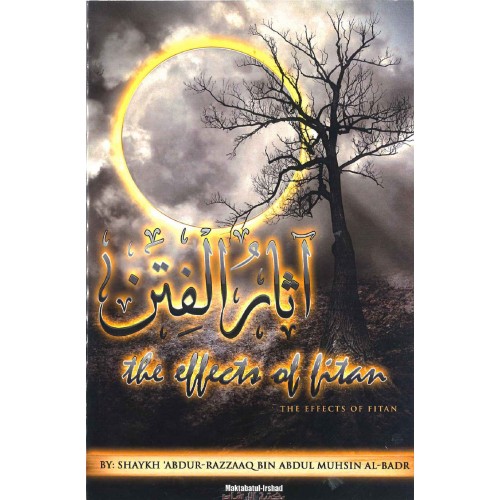
The Effects of Fitan (P/B)
Among his outstanding traits (radhiallahu ‘anhu) is what Al-Bukhari and Muslim collected on the authority of Anas bin Malik (radhiallahu ‘anhu) that Allah’s Messenger (sallallahu ‘alayhi wa sallam) said to Ubay,
إِنَّ اللهَ أَمَـرَنِـي أَنْ أَقْـرَأَ عَـلَـيْـكَ , قَـالَ : آلله سَـمَّـانِـي لَـكَ ؟ قَـالَ : اللهُ سَـمَّـاكَ لِـي . قَـالَ : فَـجَـعَـلَ أُبَـيٌّ يَـبْـكِـي .
“Indeed Allah ordered me to teach you” He (i.e. Ubay) said, “Did Allah mention my name to you?” the Prophet said, “Allah mentioned your name to me” Anas bin Malik said, “Ubay began to weep.”
Likewise you should contemplate in order to grasp Ubay’s the full extent of understanding of the religion (radhiallahu ‘anhu); his response to this question wasn’t after long period of time like a week or a month in which he could review the verses and contemplate its meanings; rather he (radhiallahu ‘anhu) merely responded immediately after the Messenger (sallallahu ‘alayhi wa sallam) repeated the question; so he chose this blessed verse.
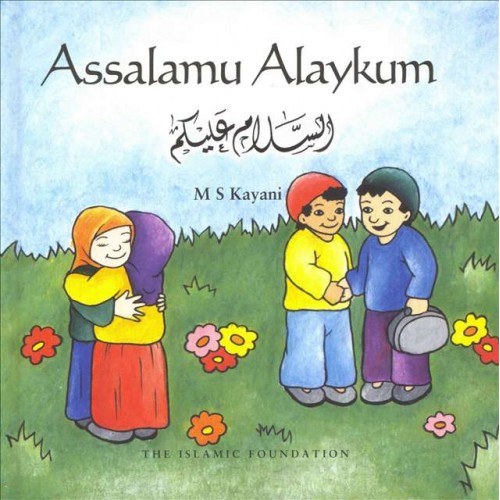
Assalamu Alaykum (H/B)
Come with Abdullah and Aminah as they show you how Muslims greet and share their every day lives with each other.
Recommended for children aged 3+


There are no reviews yet.