| Weight | 0.10 kg |
|---|---|
| Dimensions | 21 × 15 cm |
| Author | |
| Binding | Paperback |
| ISBN | 9782987459125 |
| Pages | 64 |
| Publisher | Darussalam |
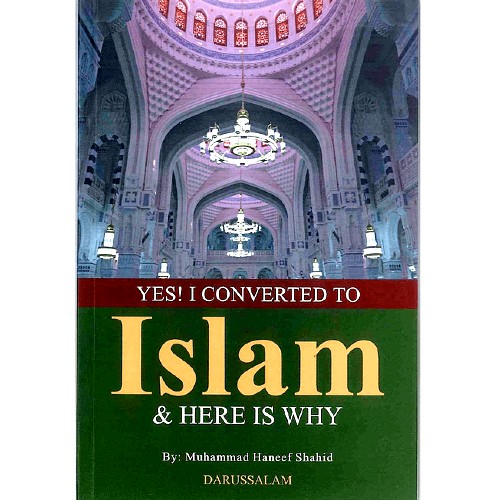
Yes! I Converted To Islam & Here Is Why
RM14.00
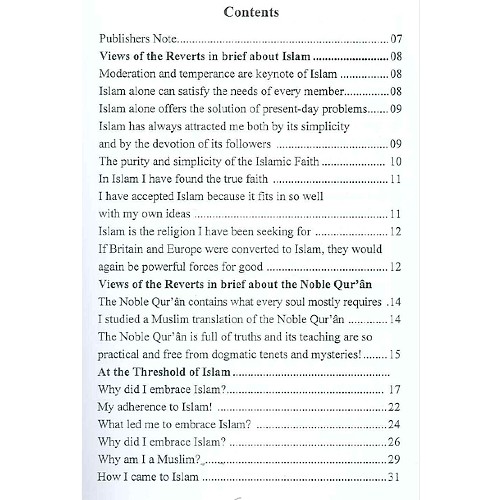
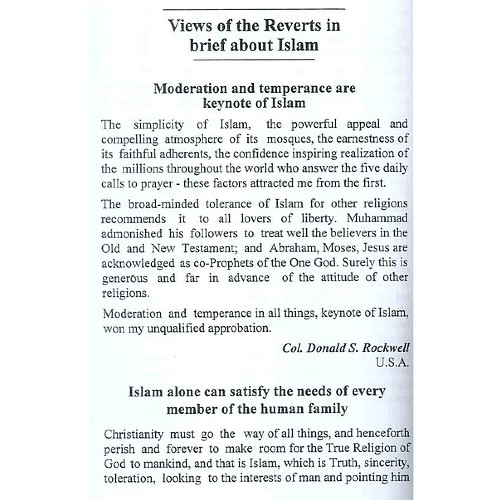
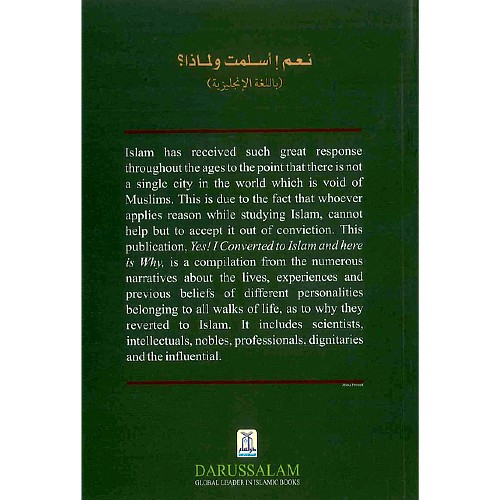
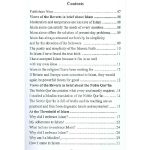
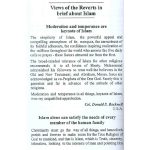
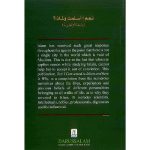
This book is a collection from the several narratives about the lives, experiences and previous beliefs as well as Islamic impressions and reasons of different personalities belonging to all walks of life as to why they reverted to Islam.
Be the first to review “Yes! I Converted To Islam & Here Is Why” Cancel reply
You must be logged in to post a review.
Related Products
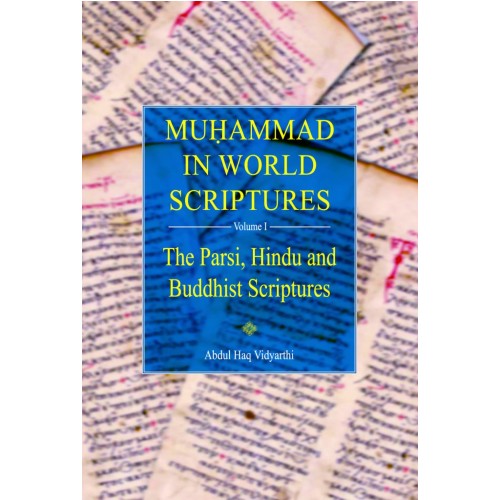
Muhammad in World Scriptures: Volume I (IBT)
This is the first volume of the series on the Prophet Muhammad as found in world scriptures. The author, a scholar of the Vedas and comparative religion, argues that numerous prophecies of the coming of the Holy Prophet are found in the Parsi (Zoroastrian), Hindu and Buddhist scriptures. He attempts to illuminate these prophecies and explains the rationale of his conclusions.
The Way to Salvation (P/B)
DA’WAH MATERIAL
This book can use for da’wah with the topic Salvation.
Salvation is the aim of human life, according to the religious ideologies. What is salvation? Is there an existence after this life? Are the religious scriptures in controversy on dealing with the topic ‘salvation”? Or are there any common points between them? An extensive study on the basis of Hindu, Christian, and Islamic scriptures.
Choosing Faith (P/B)
Choosing Faith In a world of spiritual options, people constantly tell us what to believe. Yet, while we hear these pleas, we’re already functioning with existing beliefs–even if they are beliefs by default. So how do we choose what to believe–especially in the area of faith? Do we need to choose.
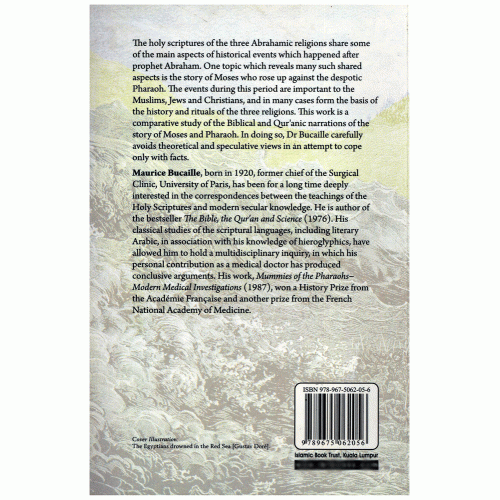
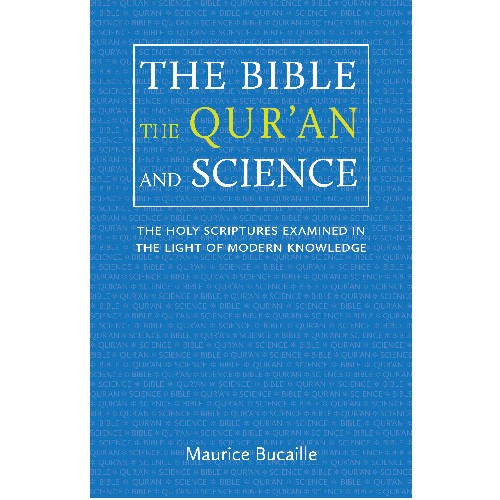
The Bible The Quran and Science (P/B) by Dar Al Wahi
In his objective study of the texts, Maurice Bucaille clears away many preconceived ideas about the Old Testament, the Gospels and the Qur’an. He tries, in this collection of Writings, to separate what belongs to Revelation from what is the product of error or human interpretation. His study sheds new light on the Holy Scriptures. At the end of a gripping account, he places the Believer before a point of cardinal importance: the continuity of a Revelation emanating from the same God, with modes of expression that differ in the course of time. It leads us to meditate upon those factors which, in our day, should spiritually unite rather than divide-Jews, Christians and Muslims.
As a surgeon, Maurice Bucaille has often been in a situation where he was able to examine not only people’s bodies, but their souls. This is how he was struck by the existence of Muslim piety and by aspects of Islam which remain unknown to the vast majority of non-Muslims. In his search for explanations which are otherwise difficult to obtain, he learnt Arabic and studied the Qur’an. In it, he was surprised to find statements on natural phenomena whose meaning can only be understood through modern scientific knowledge.
He then turned to the question of the authenticity of the writings that constitute the Holy Scriptures of the monotheistic religions. Finally, in the case of the Bible, he proceeded to a confrontation between these writings and scientific data.
The results of his research into the Judeo-Christian Revelation and the Qur’an are set out in this book.
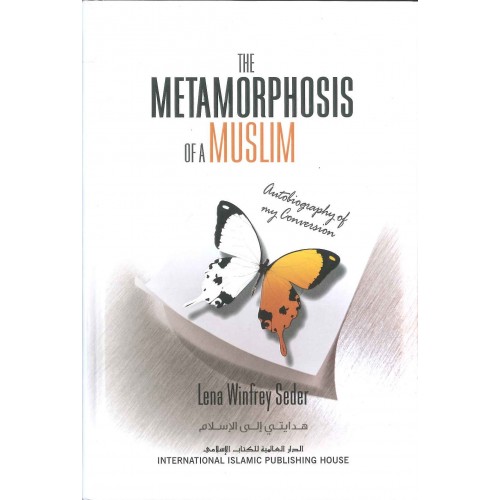
The Metamorphosis Of A Muslim (IIPH)
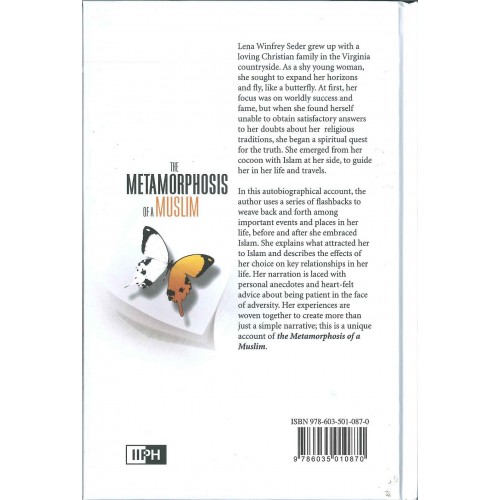
Lena Winfrey Seder grew up with a loving Christian family in the Virginia countryside. As a shy young woman, she sought to expand her horizons and fly, like a butterfly. At first, her focus was on worldly success and fame, but when she found herself unable to obtain satisfactory answers to her doubts about her religious traditions, she began a spiritual quest for the truth. She emerged from her cocoon with Islam at her side, to guide her in her life and travels. In this autobiographical account
, the author uses a series of flashbacks to weave back and forth among important events and places in her life, before and after she embraced Islam. She explains what attracted her to Islam and describes the effects of her choice on key relationships in her life. Her narration is laced with personal anecdotes and heart-felt advice about being patient in the face of adversity. Her experiences are woven together to create more than just a simple narrative; this is a unique account of the Metamorphosis of a Muslim.
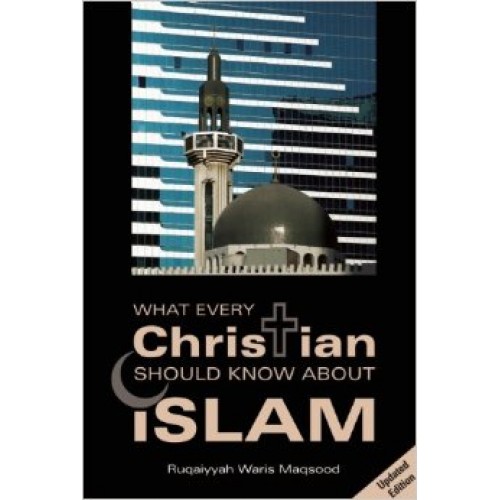
What Every Christian Should Know About Islam (P/B)
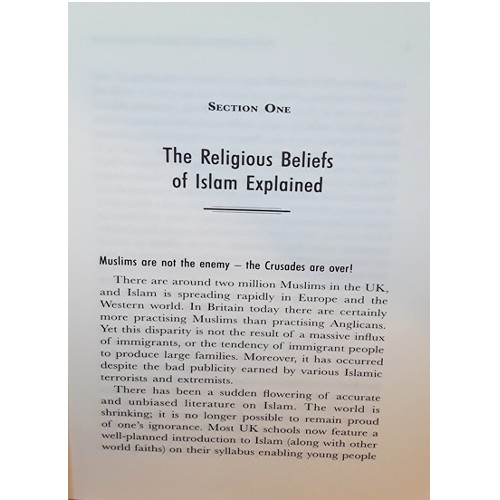
Of the many books explaining Islam, few specifically address the concerns and questions of those from a Christian background. Moreover, the commonalities between the Abrahamic faiths—Judaism, Christianity, and Islam—are too often ignored. Set out in an easy and informative question-and-answer format, the book addresses the specific theological points of agreement and difference between Christianity and Islam, explains the core religious beliefs and practices of Islam, and answers today’s most common questions of Islam and Muslims in an age when there is much conflict and misunderstanding. Islam is best judged not by the limitations and transgressions of its most extreme, ignorant, and outlandish followers, but by the example of its moderate majority, and Ruqaiyyah Waris Maqsood presents this introduction to the theology and practice of Islam in an attempt to explore some of the false impressions that surround it.
Table of Contents:
Section 1: The Religious Beliefs of Islam Explained
Section 2: the Religious Duties of Islam Explained
Section 3: Miscellaneous Questions
Section 4: Christianity and Islam
Ruqaiyyah Waris Maqsood gained an honors degree in Christian Theology from the University of Hull in 1963 and then taught religious studies at various state schools until her retirement in 1996. She converted to Islam in 1986 and now lectures and writes on Islam.
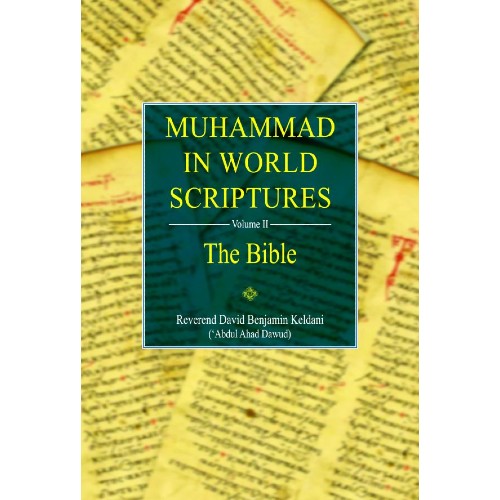
Muhammad In World Scriptures: Volume II (IBT)
This is the second volume of the series on the Prophet Muhammad as found in world scriptures. While the first volume explores the Parsi, Hindu and Buddhist scriptures, this volume explores what the Bible says about the Holy Prophet of Islam. Written some hundred years ago by a Christian priest who converted to Islam, this book helps readers understand the absolute unity of God and the ultimate source of all revealed Scriptures.
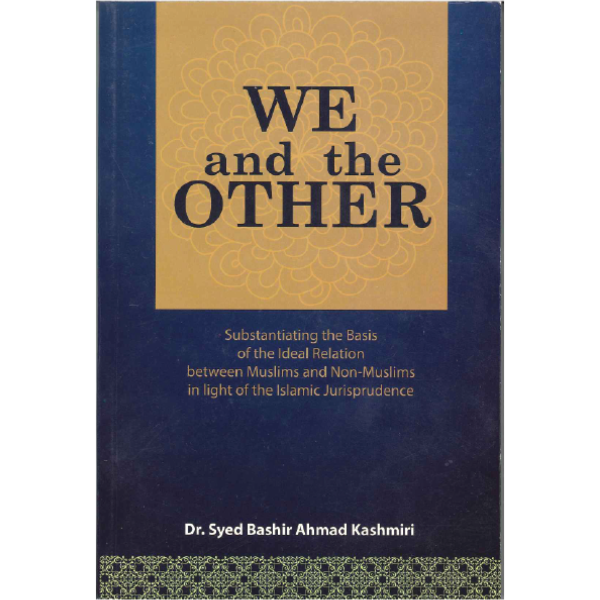
We and The Other
This book is a highly relevant piece of research for our turbulently chaotic world today. The heavy baggage of mutual distrust and detestation from the days of ethnic cleansing of Muslims in Spain through to the Crusades and Colonialism has left behind a fuzzy and muddled image of Islam and Muslims in the eyes of others; Muslims too, have been seeing the West as the primary cause of all their woes and vilification.
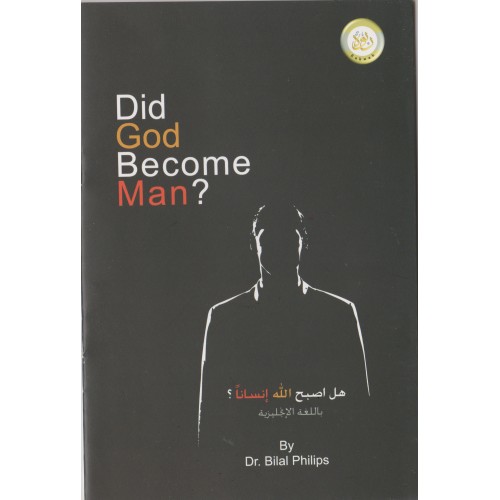
Did God Become Man? (P/B)
Table of Contens:
- Foreword
- Belief in God
- Man is Gods
- God Becomes His Creatures
- God Becomes One Man
- Men Becom God
- Why?
- Did God Become Man?
- Can Man Become God?
- Did God Have a Son?
- Bibliography
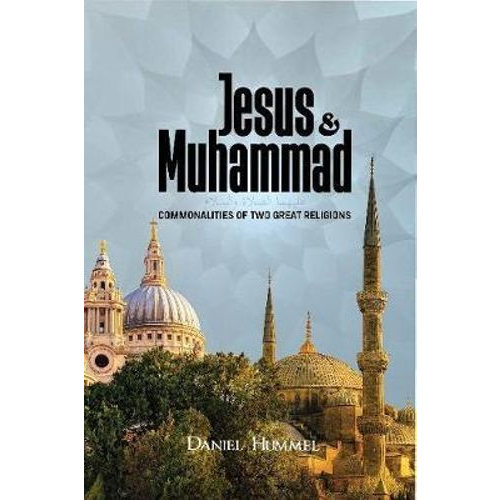
Jesus and Muhammad : Commonalities of Two Great Religions
Jesus and Muhammad lived in different times and in different contexts. An absolute comparison of the careers of these two men is not a satisfactory method in understanding the similarities and differences between their teachings. This book approaches this topic from a different perspective. The time that Muhammad preached in Mecca is compared to the time Jesus spent preaching throughout Palestine. This improves the similarities in contexts between them and makes a comparison more valid. The number of similarities outweighs the number of differences when looking at the four books of the Gospel and the chapters of the Qur’an revealed in Mecca. On issues related to prayer, the Oneness of God, charity, the Hereafter and forgiveness the teachings in these two books are practically the same. A number of core theological issues surfaced in the Book of John do clash with Qur anic teachings about the person of Jesus. These differences and the possible reasons for them are explored in this book. The conclusion of this book is that Muslims and Christians have more shared values and even theological similarities than differences. It is recommended that Muslims and Christians should spend more time understanding these commonalities.”
Recently Viewed
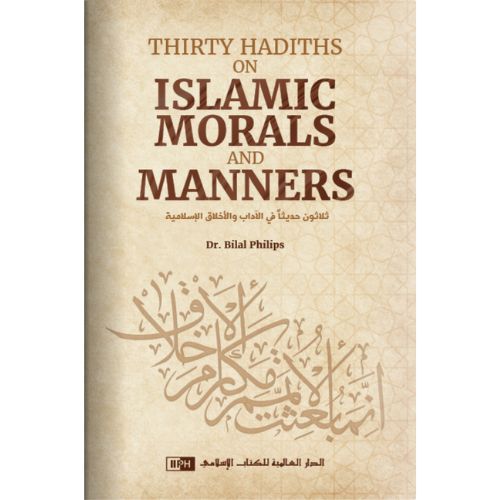
Thirty Hadiths on Islamic Morals and Manners (IIPH)
30 Hadiths on Islamic Morals and Manners is an attempt to draw guidance from Allah’s Messenger (sa) on diverse topics such as intentions, suspicion, jealousy, backbiting, bribery, greetings, marriage, and families. Dr. Bilal Philips has offered a commentary with each hadith to enable readers to learn about morality, ethics, and manners, as taught by Prophet Muhammad (sa).
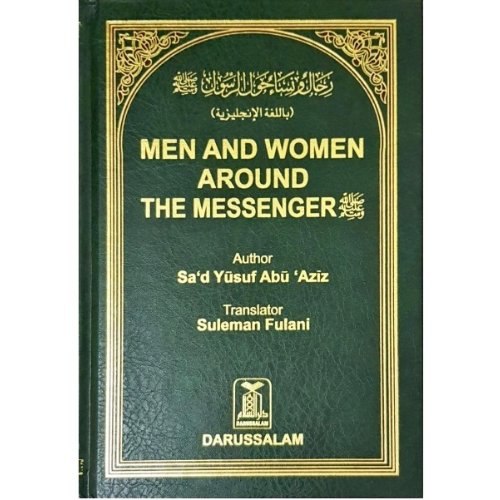
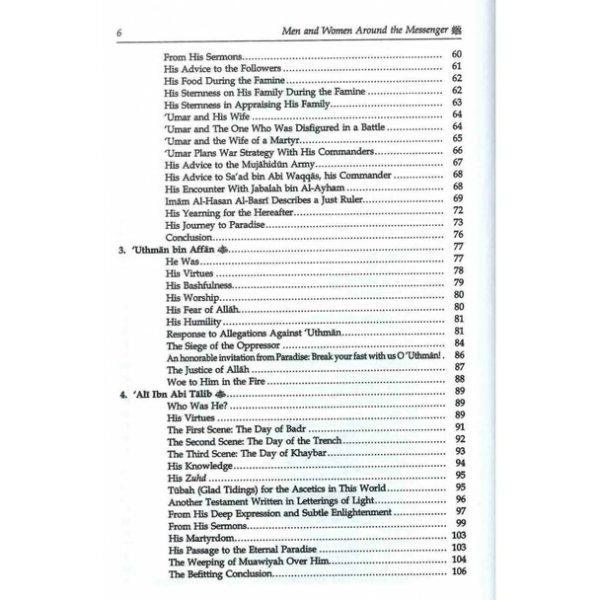
Men & Women Around The Messenger – Darussalam
The author has chosen one hundred personalities amongst the Companions. He compiled narrations, hadiths and incidences that contributed to the distinction of these individuals who have no similitude in the history of mankind after the Prophets of Allah and His Messengers. Their excellence is further clearly established from the study of these individuals, their attributes and their characters with which they were embellished. For this reason, they were from the best of people ever raised up for mankind.
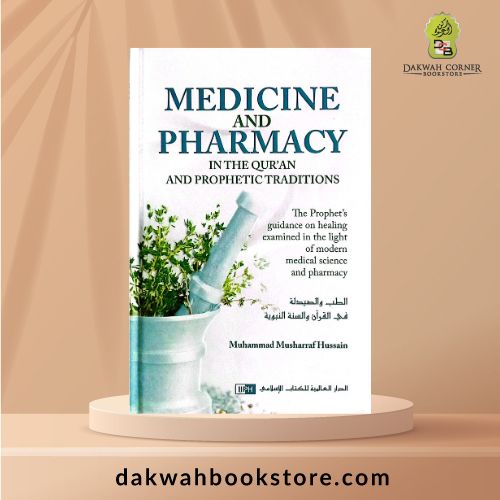
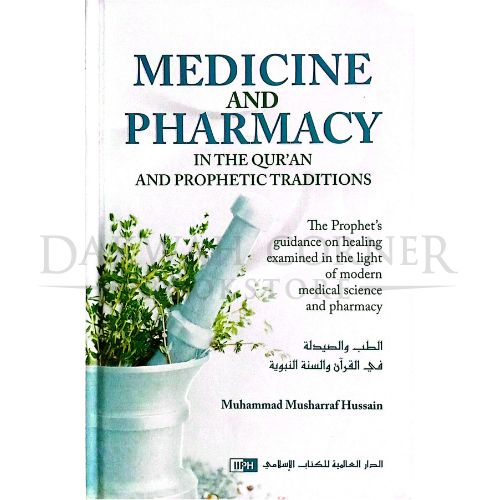
Medicine And Pharmacy In The The Prophetic Traditions (H/B)
Medicine and Pharmacy in the Qur’an and Prophetic Traditions aims to integrate the science of healing into the religion of Islam. It provides advice and guidance on maintaining sound health and preventing diseases and ailments in compliance with the Qur’an and the Sunnah of Prophet Muhammad (blessings and peace be upon him). It also discusses the Qur’anic verses related to health, sickness, and cure, as well as the spiritual and physical remedies recommended by the Prophet (blessings and peace be upon him) in light of modern knowledge.
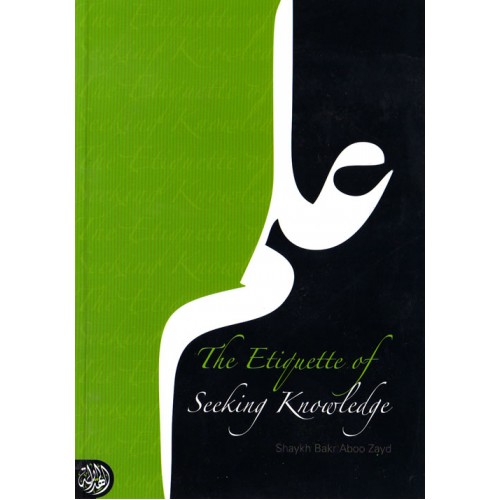
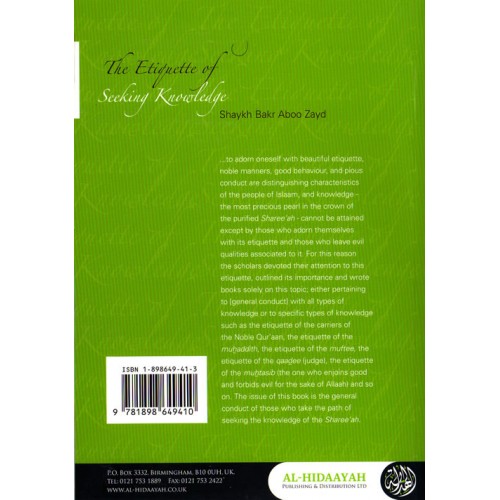
The Etiquette of Seeking Knowledge (P/B)
The Etiquette of Seeking Knowledge … to adorn oneself with beautiful etiquette, noble manners, good behaviour, and pious conduct are distinguishing characteristics of the people of Islaam, and knowledge – the most precious pearl in the crown of the purified Shareeah – cannot be attained except by those who adorn themselves with its etiquette and those who leave evil qualities associated to it. For this reason the scholars devoted their attention to this etiquette, outlined its importance and wrote books solely on this topic; either pertaining to (general conduct] with all types of knowledge or to specific types of knowledge such as the etiquette of the carriers of the Noble Quireaan, the etiquette of the muhaddith, the etiquette of the muftee, the etiquette of the qaadee (judge), the etiquette of the muhtasib (the one who enjoins good and forbids evil for the sake of Allaah) and so on. The issue of this book is the general conduct of those who take the path of seeking the knowledge of the Sharee’ah.
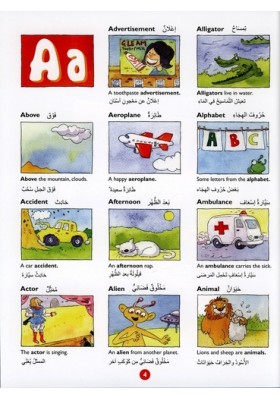
Arabic Picture Dictionary for Kids (P/B)
Goodword Arabic Picture Dictionary for Kids, is the perfect first reference book created to help your child learn Arabic in an easy and fun-filled way. This book includes over 500 commonly used words and their helpful definitions of them in English and Arabic. These are accompanied by colourful and amusing illustrations of familiar subjects to better understanding. Goodword Arabic Picture Dictionary of Kids, is a must-have vocabulary building and Arabic learning resource book for your child.
33 Ways of Developing Al-Khushoo`: Humility and Devotion in Prayer
Shaykh Muhammad Salih al-Munajjid’s little book is perhaps one of the most widely-circulated among Muslims today. This is because the topic touches worshippers where it hurts—we know that we often lapse into an automatic sort of prayer when we lose concentration. The Shaykh points out that this loss of concentration really stems from a lack of humility and devotion—in Arabic, khushoo‘. His aim in writing this book is to help us to get back that khushoo‘. His step-by-step approach makes it simple. He gives practical advice and uses the excellent example of the prayer of the Messenger of Allah (blessings and peace be upon him) to guide us, so that as worshippers, we can truly return to a state of humility and devotion before the Lord.
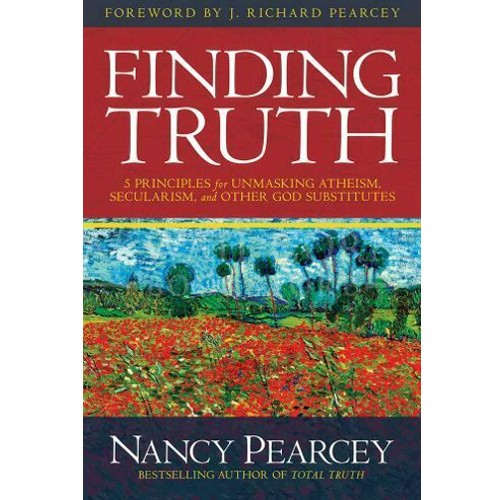
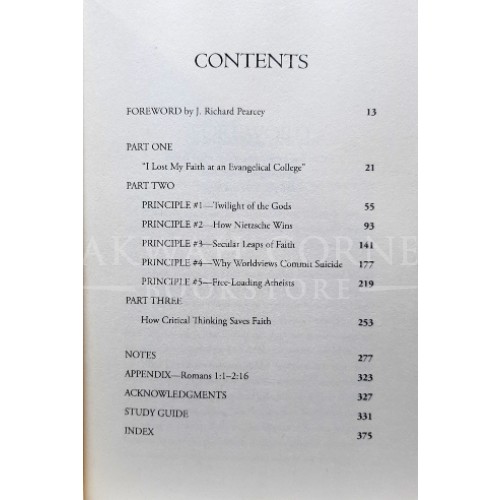
Finding Truth: 5 Principles for Unmasking Atheism, Secularism, and Other God Substitutes
“If I’d read this book as a young man, I would have been challenged to re-examine my views much earlier.”
– J. Warner Wallace
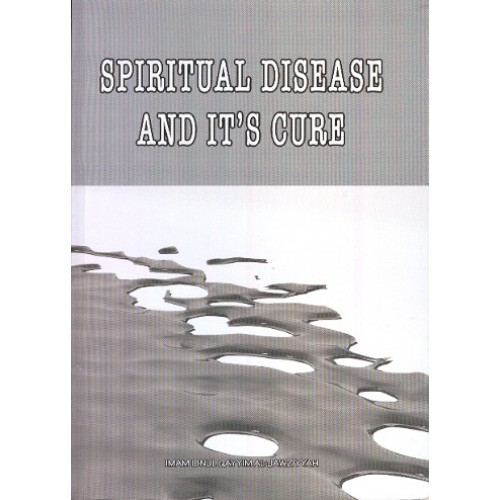
Spiritual Disease and It’s Cure
The Imam was asked a long question of which a part was – What is the opinion of the scholars regarding a man who is afflicted by a disease, and knows that if it should continue it would damage his life? The Imam Quoted the Hadith from Sahih Bukhari The prophet (S) said: ‘Allah has appointed a remedy for every disease He has sent down’ Imam Ahmad reported on the authority of Usamah bin Shareek that the ‘ Prophet (S) said Allah has not made a disease without providing a remedy for it, wih the exception of one disease, namely old age’ This Applies to the medicine for the heart, soul and body. The well being of the servant’s heart, is far more important than that of his body, for while the well being of his body enables him to lead a life that is free from illnesses in this world, that of the heart ensures him both a fortunate life in this world and eternal bliss in the next.
Imam Ibn al-Qayyim al-Jawziyya was born into a scholarly and virtuous family in 691 AH/ 1292 A.D. At that time Damascus was a centre of literature and thought. Many schools were located there and he studied and graduated under the protection, direction and sponsorship of his father. He was particularly influenced by his Shaykh and teacher Imam Ibn Taymiyyah, and also by Ibn ash-Shirazi amongst others. Ibn al-Qayyim al-Jawziyya died in the city of Damascus the year 751 AH/1350 C.E.,when he was scarcely 60 years old, and was buried at the cemetery of Bab- al-Saghir, near the grave of his father – Rahimahuma Allah.
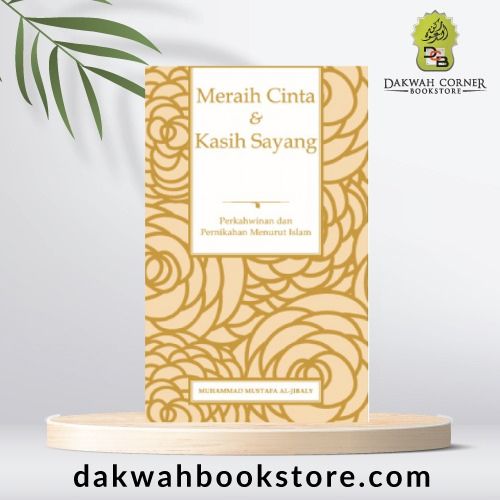
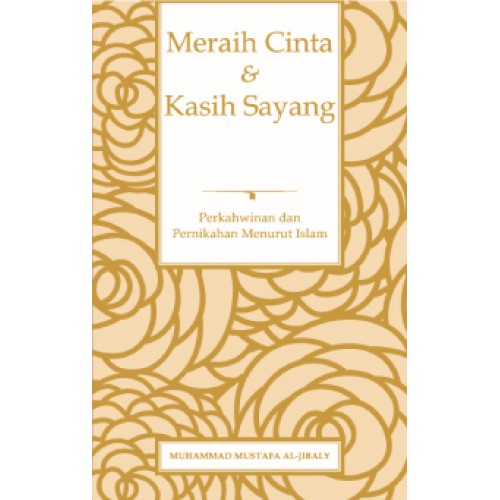
Meraih Cinta & Kasih Sayang (Jibaly Rumah Tangga Siri)
Melalui ketiga-tiga buku dalam siri ini, kami berusaha membincangkan perkahwinan menurut Sunnah yang sahih.
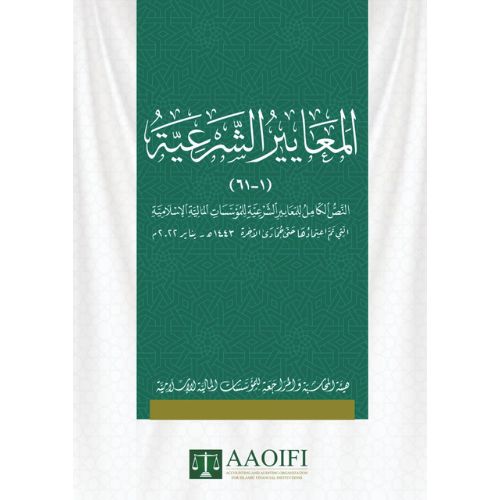
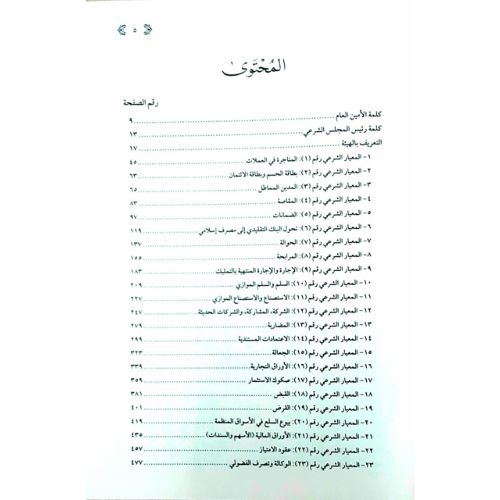
[AE] Al Maa’yir Ash Shari’ah (Shari’ah Standard) / المعايير الشرعية
من أهم ما أنتجه الاجتهاد الفقهي المعاصر في فقه المعاملات المالية، وقد عالجت محتوياته تفصيلاتِ جزءٍ كبيرٍ من عقود الصناعة المالية الإسلامية ومنتجاتها (بما تشتمل عليه من مصرفية، وتكافل، ومصرفية استثمارية، وأسواق المال ومنتجاتها، وتمويل، وغيرها).وقد جُع
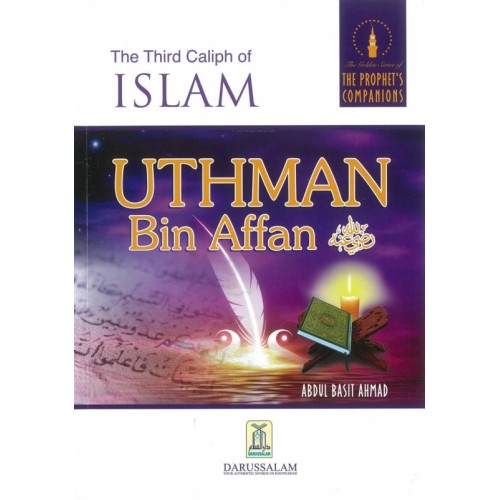
The Third Caliph of Islam: Uthman bin Affan (P/B)
Uthman bin Affan (R) was one of the early men who accepted Islam in Makkah. From the first moment he became a Muslim, he put all his wealth under the service of Islam. He spent most of his resources to satisfy the needs of poor Muslims. Recognizing his generosity and devotion to Islam, the Prophet (S) told him that his place would be in Paradise on the Hereafter. He married Ruqayah (R),the Prophet’s daughter. After she died, he married her sister Um Kulthum ;for that, the people at that time called him Dhun Nurain, “The Man with the Two Lights.”


There are no reviews yet.