


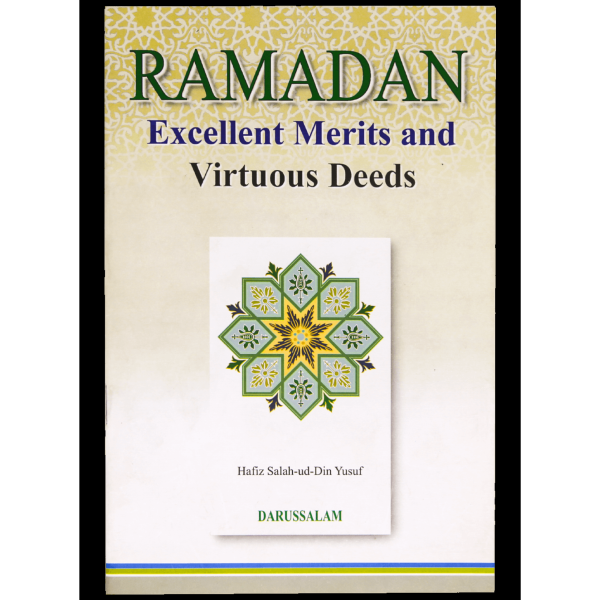
| Weight | 0.14 kg |
|---|---|
| Dimensions | 21 cm |
| Author | |
| ISBN | 9789960717173 |
| Pages | 102 |
| Product Type | Book |
| Publisher | Darussalam |
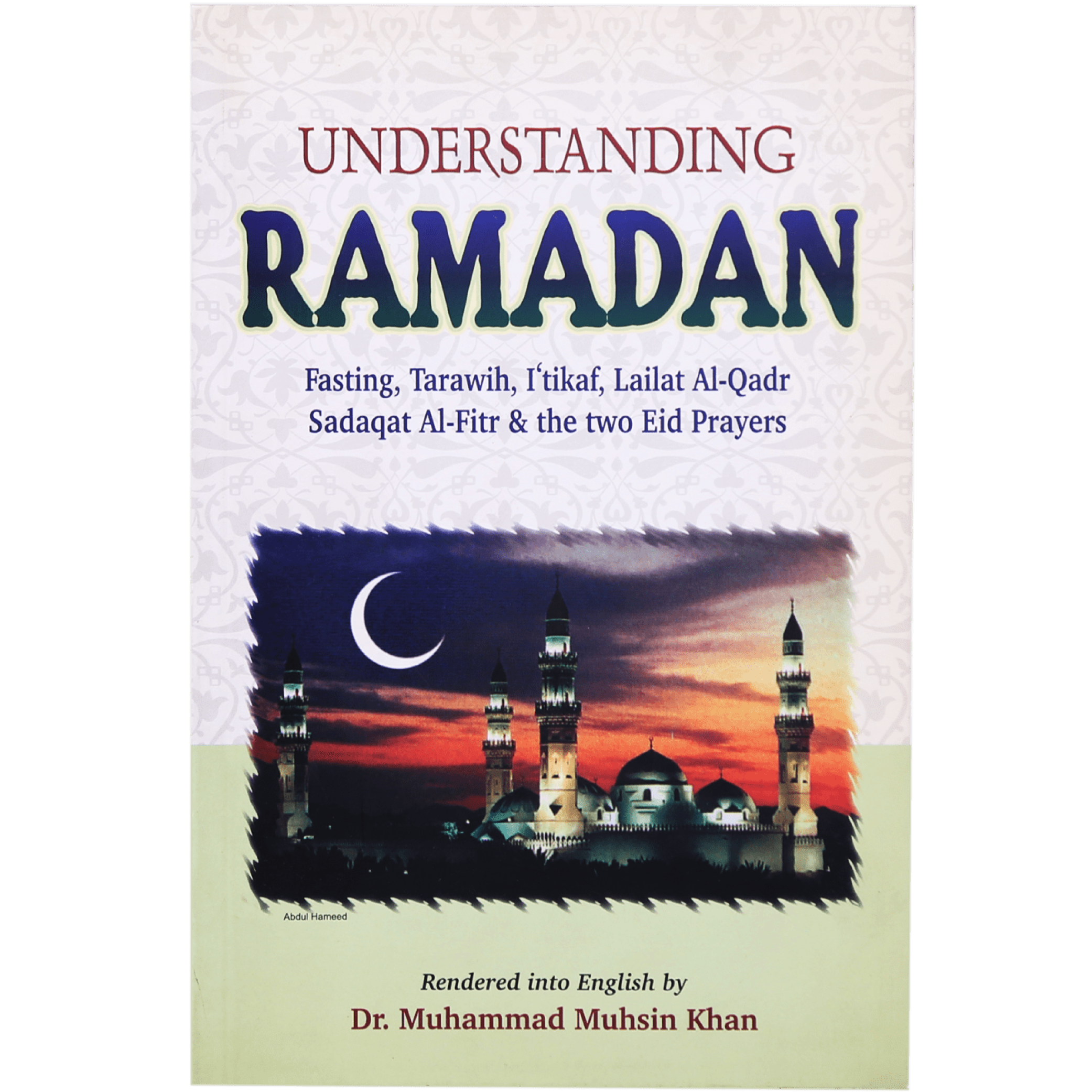
Understanding Ramadan
RM20.00
Hurry up, Only 2 left.

Highlights:
somdn_product_page
Compare
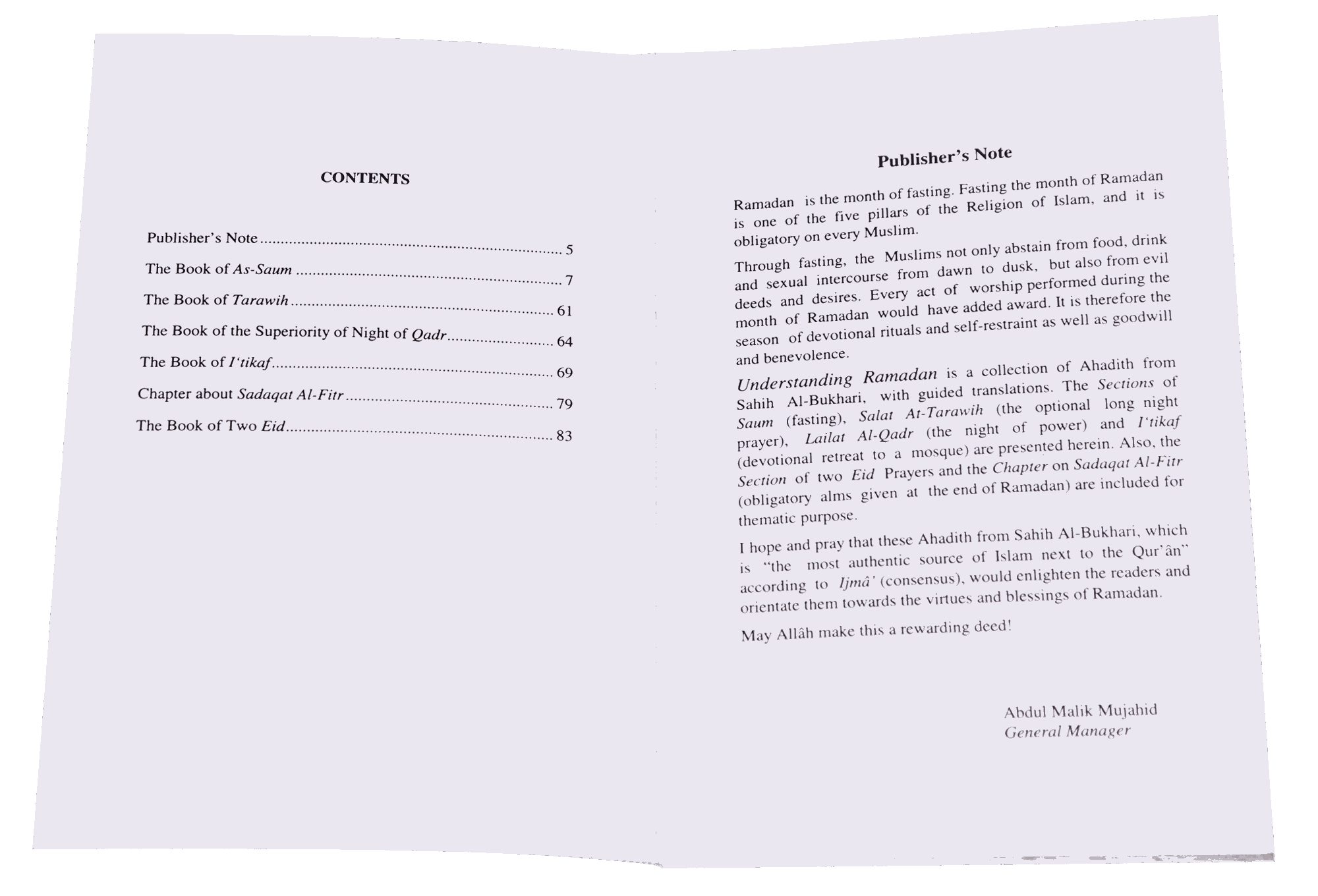
This book covers important aspects regarding Ramadan. The book is a collection of Ahadith from Sahih Al-Bukhari, with guided translations. The topics which are covered are Fasting, Salat at-Tarawih, Lailat Al-Qadr and Itikaf. Also, the section of two Eid Prayers and the chapter on Sadaqat Al-Fitr are included for the thematic purpose. This book is a must-read for all.
Additional information
Reviews (0)
Be the first to review “Understanding Ramadan” Cancel reply
You must be logged in to post a review.
Related Products
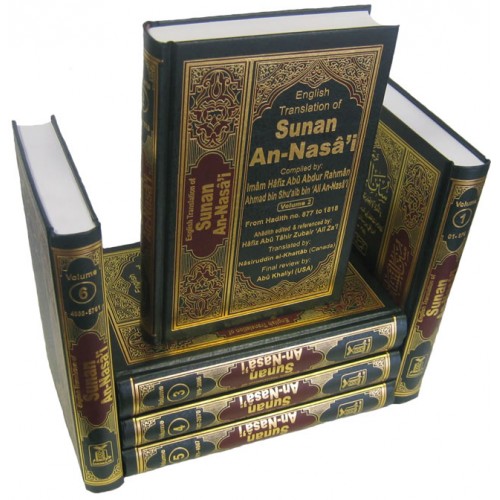
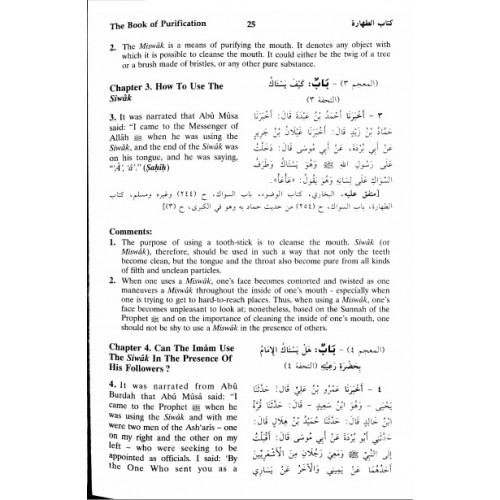
Sunan An-Nasa’i (6 Vol) (H/B)
Highlights:
Sunan An-Nasai has the fewest weak ahadith after the two Sahih collections. This Sunan is one of the six is al-Mujtaba or as-Sunan as-Sughara, which is a synopsis of a large collection of ahadith which he considered to be fairly reliable. In the smaller collection, only those ahadith which he considered to be reliable have been included.
It was compiled by the great scholar of hadith, Abu Abdur-Rahman Ahmad bin Shu’aib bin Bahr An-Nasae (Nasa’ of Khurasan) (214-303AH). Imam An-Nesai, like other great scholars of hadith traveled to Baghdad, Ash-Sham, Egypt, Mecca, and many other cities to seek knowledge. He received the praises of many scholars including Ad-Daraqutni who said about him: “He is given preference over all others who are mentioned with this knowledge from the people of his time”. Some scholars consider his compilation to have the least number of defective or weak narrations among the four Sunan. This great book of his contains 5761 ahadith, making it as an invaluable addition to anyone’s library.
RM460.00

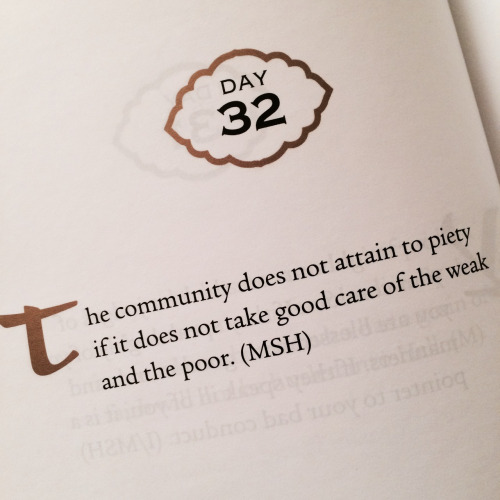
Daily Wisdom: Sayings of the Prophet Muhammad (H/B)
Highlights:
This beautiful presentation of the Prophet Muhammad’s (s) teachings engages the reader in a moment of daily reflection. With 365 traditions covering the whole year, this is a must for every home. Apart from setting out the Islamic worldview, as reflected in the Prophet’s sayings, it is hoped that this work will serve as a useful volume for reflection, for soul-searching and for self -development as a single hadith appears on each of its pages, it has been designed to engage readers in a few moments of daily self-reflection throughout the year.
Abdur Raheem Kidwai is Professor of English at the Aligarh Muslim University in India and the well-known author of many works on the Qur’an and Islam.
RM75.00

Scholars of Hadith (P/B)
Highlights:
This book presents an extensive, in-depth analysis of great Muhaddithun (scholars of the science of Hadith). Each chapter presents detailed biographies of Malik b. Anas, Ibn Hanbal, al-Bukhari, Muslim, al-Tirmidhi, Abu Dawud, an-Nasai, Ibn Majah, ad-Darimi and al-Bayhaqi along with the methods they used in Hadith collection and classification. This work is especially important in today’s world where many Muslims have a dire need to connect with the great corpus of work that was produced by the scholars or traditional Islam. A work such as Scholars of Hadith has been long overdue in the English language and it will certainly make for productive reading for all interested in deepening their knowledge of Islam.
RM24.00
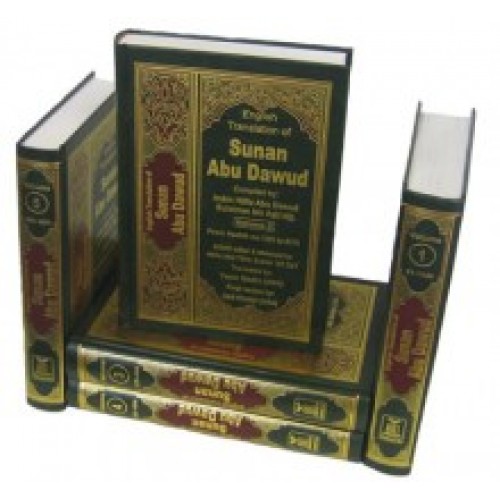
Sunan Abu Dawud (5 Volumes) H/B
Highlights:
New edition of Sunan Abu Dawood in 5 volumes by Dar-us-Salam with commentary after each hadith. Unlike other prints, this edition has crisp and clear printing in deluxe 6×9″ bounding. Like the other translations of the six books of hadith, Dar-us-Salam Publications, has taken great care in correct translation, simple and clear modern English language, and high quality publishing.
Ahadith in the book are followed by comments to explain issues and to help readers derive lessons. To aid readers further, Dar-us-Salam, has added several features like section on how to benefit from Sunan Abi Dawud, about the Arabic and technical terms used, information about the hadith compilations and a glossary of Islamic terms in the last volume.
Each hadith is also followed by its status in regards to the authenticity. The status is explained more in detail in the Arabic text. The chain is also complete in the Arabic text while it is removed from the English to reduce the length and not being of much benefit to the English readers.
RM315.00
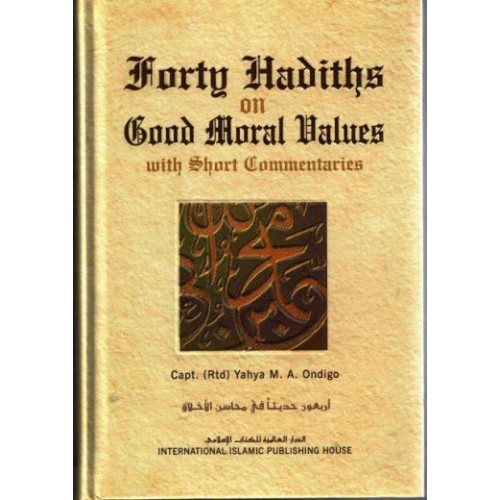
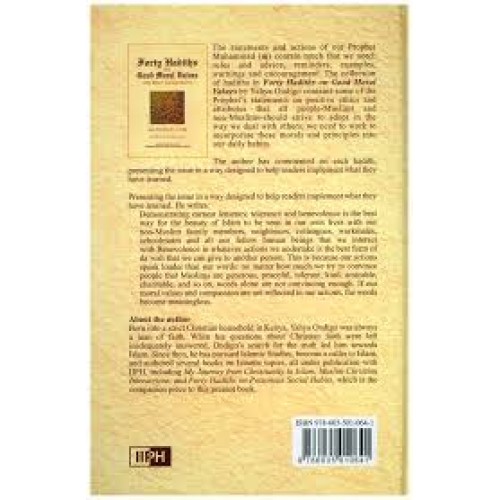
Forty Hadiths On Good Moral Values (H/B)
Highlights:
The statements and actions of our Prophet Muhammad (s) contain much that we need: rules and advice, reminders, examples, warnings and encouragement. The collection of hadiths in Forty Hadiths on Good Moral
Values by Yahya Ondigo contains some of the Prophet?s statements on positive ethics and attributes that all people-Muslims and non-Muslims-should strive to adopt in the way we deal with others; we need to work to incorporate these morals and principles into our daily habits.
RM65.00
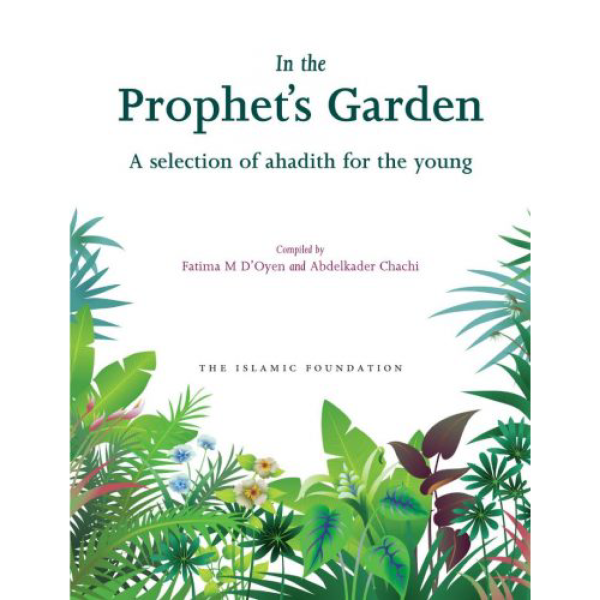
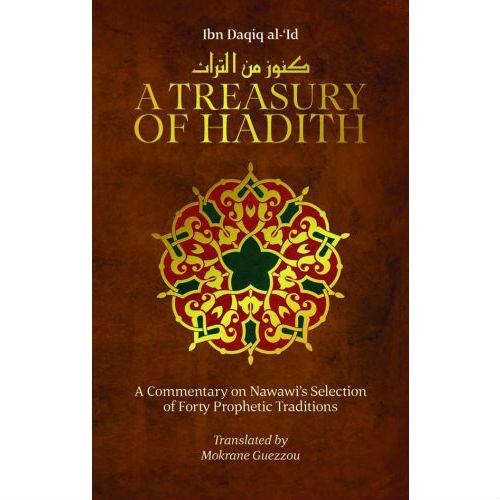
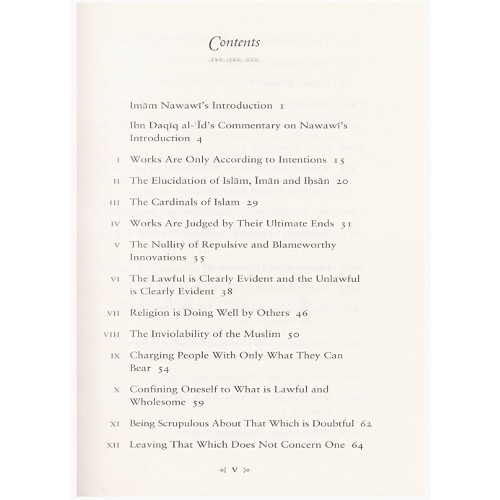
A Treasury of Hadith
Highlights:
This classical short commentary on Imam Nawawi’s famous collection of forty-two traditions of the Prophet Muhammad, may Allah bless him and give him peace, is an authoritative introduction to key Islamic principles and teachings, Accounted as hadith master, in this collection Imam Nawawi collected together those traditions that he considered were axial to the entire Islamic faith. As the first title in Kube’s new Treasury Series in Islamic Thought and Civilization, this accessible translation is presented in a beautiful gift format.
Ibn Daqiq al-‘Id (d.1302) was a Shafi’i mujtahid imam, who was educated in Damascus, Alexandria, and Egypt. Accounted as one of the greatest scholars in Islam in the fundamentals of law and belief, he wrote extensively in the areas of law, principles of jurisprudence, hadith, and tenets of faith. Imam Nawawi (d.1277) was accounted as an Imam of the later Shafi’i school and was known for his piety and knowledge.
RM60.00
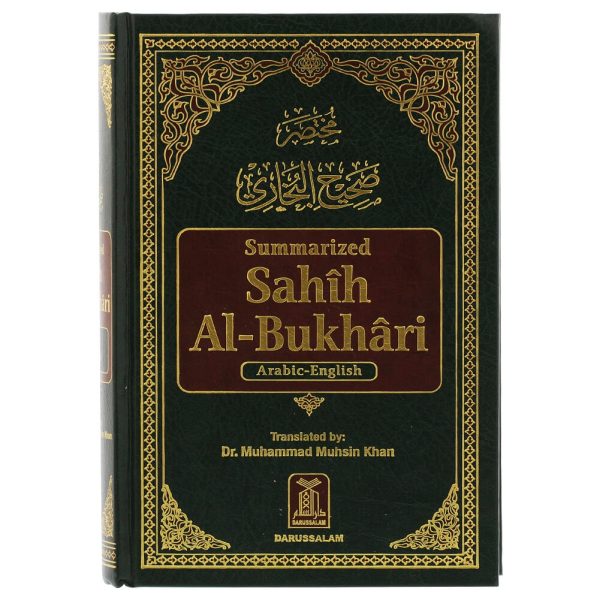
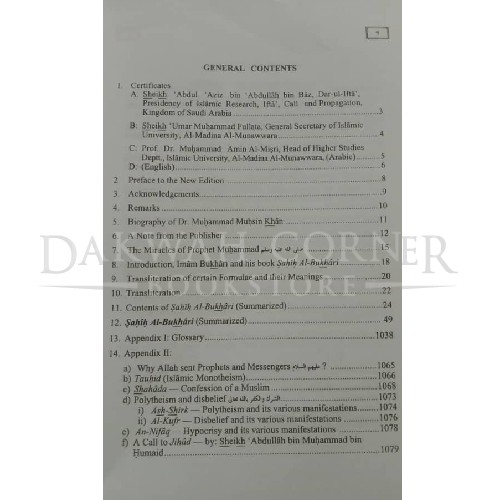
Summarized Sahih Al-Bukhari (Medium)
Highlights:
Noble Hadith and Hadith Sciences
RM90.00
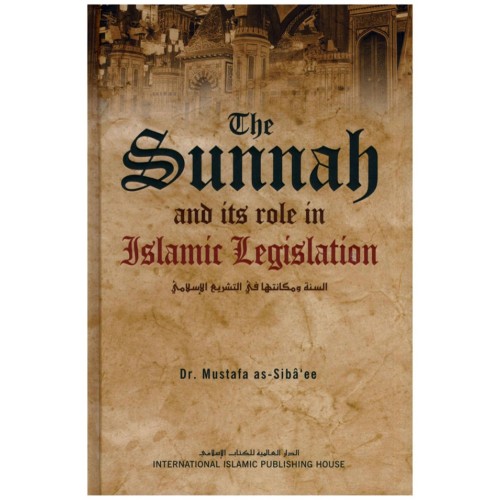
The Sunnah And Its Role In Islamic Legislation (H/B)
Highlights:
The Sunnah and its Role in Islamic Legislation is a groundbreaking effort by Dr. Mustafa as-Siba’ee, for it has a completeness to it in two regards: first, the author manages to cover all topics related to the Sunnah—its status, its legislative force, the stages that led to its recording, just to mention a few—in a comprehensive and organized manner. Second, he presents the views of those that have attacked the Sunnah throughout history, detailing their arguments and then refuting them. Among those groups from the past were the Shi’aa and the Mu’tazilah; today, they are mainly the Orientalists and those that are influenced by them.
Sheikh as-Siba’ee takes us through the historical development of the Sunnah, from the early stages of revelation to the recording of the Sunnah during the era of the great Imams of Hadith. Throughout that account, he highlights the contributions of the scholars in preserving the Sunnah and cleansing it from fabrications and lies. Shaykh as-Siba’ee gives a clear account of the revolutionary methods and scholarly principles that were established in order to authenticate historical reports and narrations. The author shows us that the fruits of that endeavour were the preservation of the authentic Sunnah and the birth of the Hadith sciences.
This book has been a perennial source of knowledge for Arabic-speaking students of Islam, for its clarity, readability, and insightful research. New English-speaking students too have available to them this authoritative treatise on the Sunnah of our beloved Prophet Muhammad) may the peace and blessings of ALLAH be upon him).
RM75.00
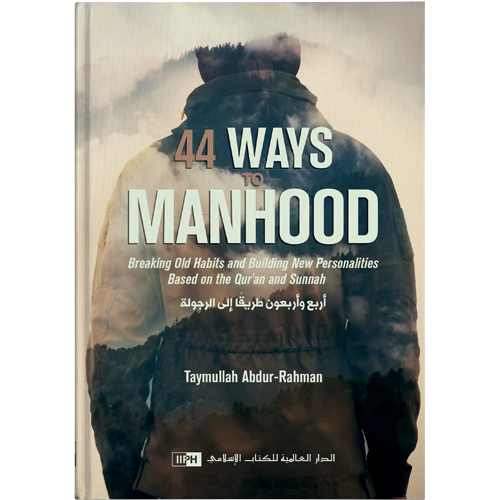
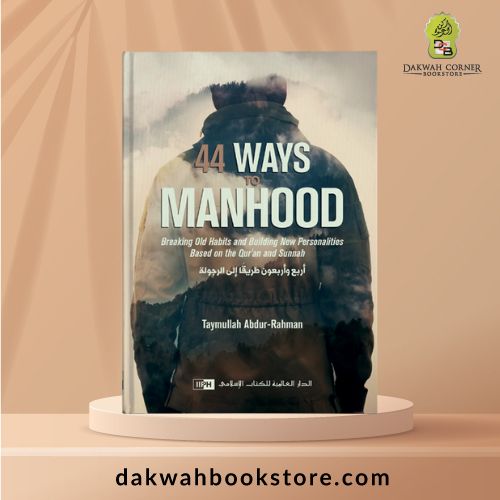
44 Ways to Manhood (H/B)
5 ★
5 ★
1 Rating
5 ★
1
4 ★
0
3 ★
0
2 ★
0
1 ★
0
Highlights:
What does it mean for a Muslim man to have a personality that is in accordance with the Islamic guidelines? In this informative and enlightening book, based on the teachings of the Qur’an and Sunnah, Taymullah Abdur-Rahman presents 44 principles that Muslim men need to implement in their lives. This book will be a useful resource for Muslim men of all ages, as well as in study circles and family discussions.
RM50.00
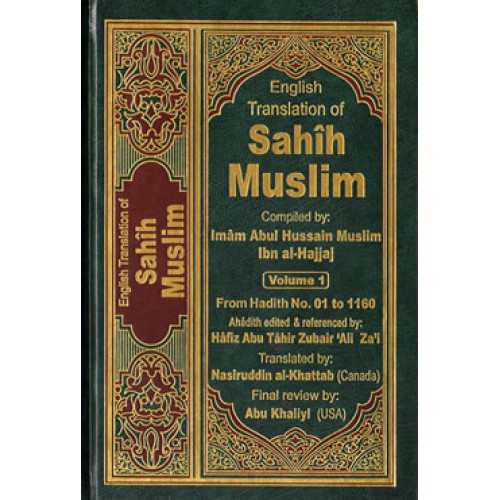
Sahih Muslim (7 Volumes)
Highlights:
The authentic hadith collections of Bukhari and Muslim are excellent in respect to both chain of transmissions and the texts as well as their general utility in that they gave guidance in almost all walks of life. The collections won the praise and acclaim of of Hadith scholars so much that they themselves produced works containing the same Ahadith as found in the collection of both Bukhari and Muslim but with their own independent chains consisting of a lesser # of sub-narrators and called their works Mustakhraj.
Imam Muslim is one of the foremost preservers of ahadith of the Prophet. His book comes second only to Sahih al Bukhari in terms of authenticity according to majority of scholars. It is considered to be better than Sahih Bukhari in terms of organization and repetition according to some scholars of Islam. It is the second in the collection of 6 books called “Sihah Sittah” or “6 most authentic books”. Imam Muslim took painstaking efforts in preserving the words/actions/sayings & approvals of the Prophet. He has mostly used 4-5 narrators in the chain of transmission although there are a couple of hadith containing 3 narrators. Imam Muslim was a very good student of Imam Bukhari and some of his Shuyukhs, although he did not narrate from Imam Bukhari too much, thus reducing the # of narrators.
RM405.00
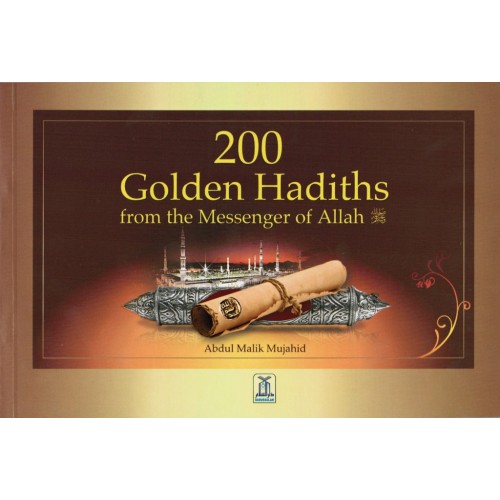
200 Golden Hadiths from the Messenger of Allah swt (P/B)
Highlights:
Islam is based on two major souces : the Quran and the Sunnah, and the latter is available to us in the form of hadiths. The Prophet said, “Whoever comes to know one hadith of mine should spread it.”
I have come to the realization that many youth from among the Muslims have not memorized even one hadith of the Prophet. For this reason I have chosen smaller hadiths so that they can be easily memorized by them and they can spread them to others.
I supplicate to Allah to make this book a source of light on the Day of Judgment for us.
RM25.00
Recently Viewed


Divine Speech
5 ★
5 ★
3 Ratings
5 ★
3
4 ★
0
3 ★
0
2 ★
0
1 ★
0
Highlights:
The Quran, the sacred scripture of Islam, is revered as the spoken word of God by approximately one-fifth of the world’s population. Since its inception, the power of the Quran has derived not only from its message, but also from the inimitable literary style and rhetorical impact that the Arabic scripture has on its audiences. Divine Speech: Exploring the Quran as Literature attempts to make some of the most recent Arabic and European-language scholarship on its literary features accessible to a wider, English-speaking audience. These features include its language and word choice, its use of figures of speech and other rhetorical devices, its manner of narrating parables and stories, and the structure, coherence, and the order of its “chapters”-aspects that typically remain mysterious to readers of English translations of the text. Divine Speech furnishes its readers with a better appreciation of the Quran from a literary perspective, and in the process stimulates interest in, and provides tools and resources for, further study of the scripture.
RM100.00
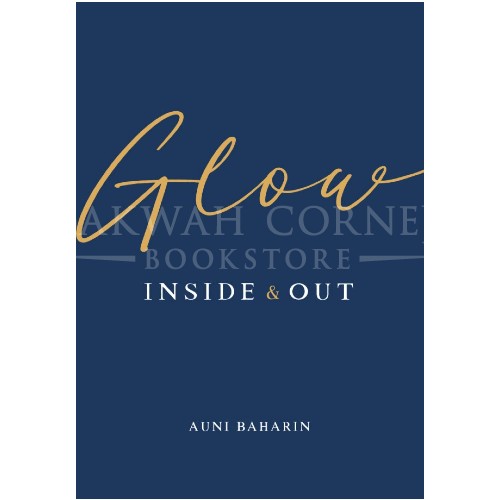
Glow Inside & Out
Highlights:
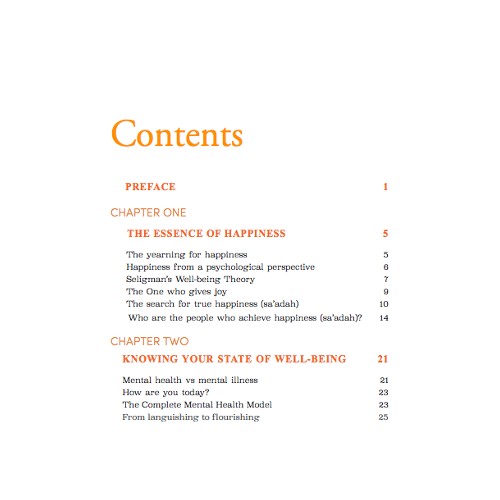
‘To me, reviving our inner beauty means reclaiming our happiness and well-being.’ Happiness and well-being are adornments of this temporary life. They lift up the heaviness in our chests when navigating through obstacles and challenges in our journey towards the eternal destination; akhirah. Though happiness in its truest sense is a gift from the Creator, we also hold some degree of power on the reigns of our life to improve our well-being. Inspired by the scientific input from Positive Psychology and understandings from the al-Quran and Sunnah, Glow Inside & Out presents to you 10 steps to rejuvenate your happiness and well-being. If following the 10-step Korean skincare routine can give you radiant “glass skin”, then the author is hopeful that the 10 main insights from this book could ignite the spark to your inner glow.
RM35.00
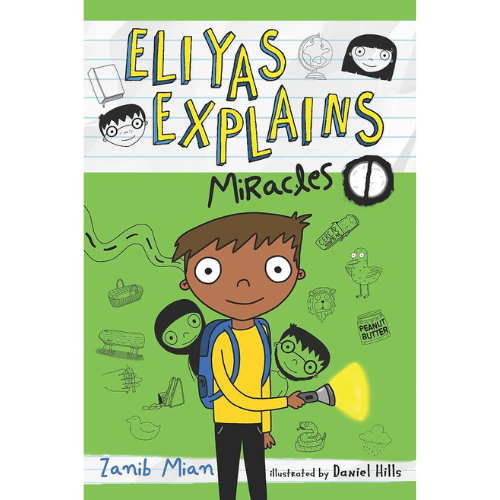
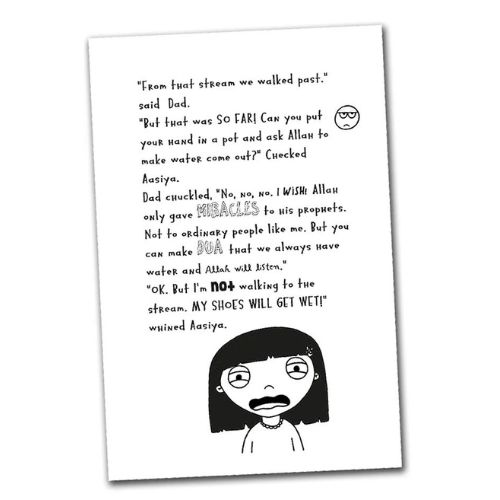
Eliyas Explains: Miracles
Highlights:
The second in a lively middle-grade series by prize-winning author, Zanib Mian. This children’s Islamic book is fantastic for those children reading for themselves.
RM45.00
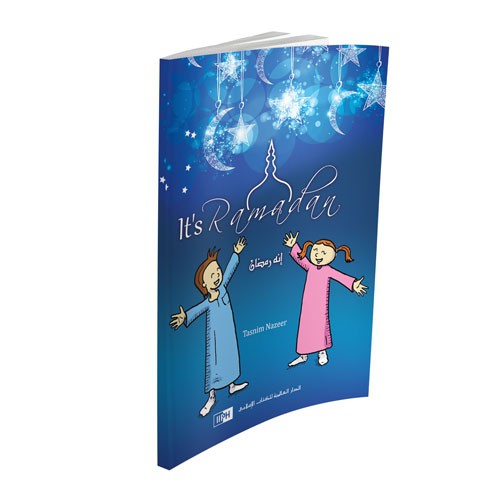
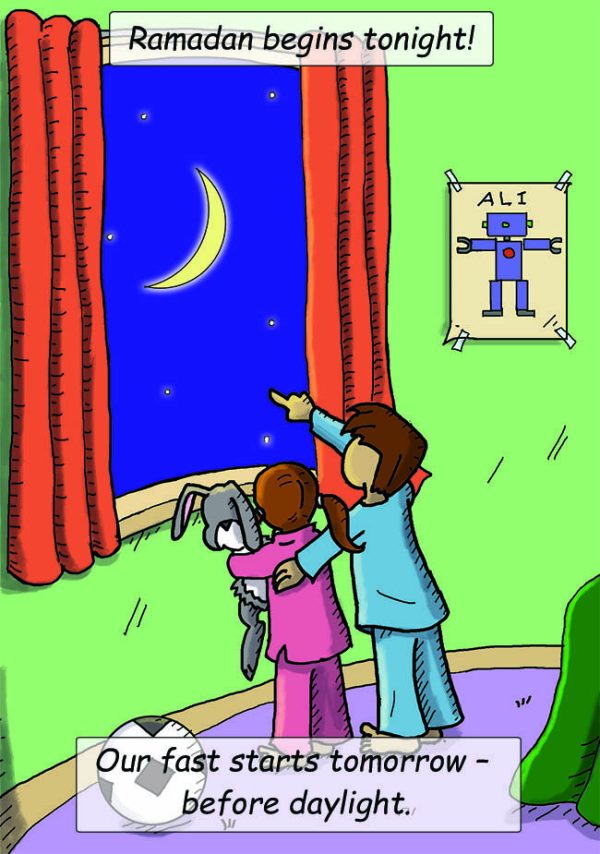
It’s Ramadan
Highlights:
It’s Ramadan, authored by Tasnim Nazeer, is an engaging story that uses interactive, simple language to introduce the key concepts of the Islamic fasting month of Ramadan and to motivate young children to be excited about this sacred month. It is written in a lively, rhythmic tone that is suitable for children aged 3 years and up.
RM19.00
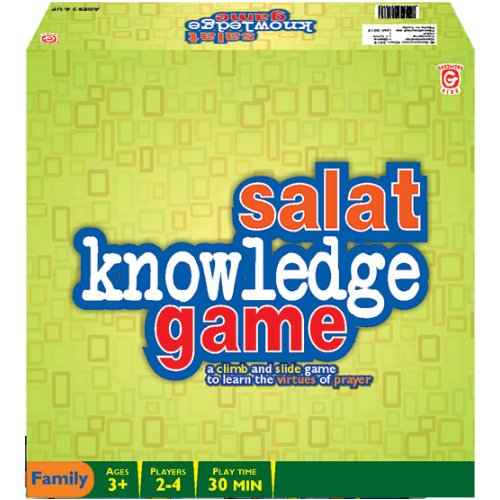
Salat Knowledge Game
Highlights:
The Salat Knowledge Game is suitable for 2 to 4 players aged three and above. In this game of slides and ladders, you spin the wheel and race to the finish before your friend reaches there. Along the way you learn the meaning and message of salat, that is, the five daily prayers. If you miss a prayer, you go down through the slippery slide, but if you offer it on time and with care, you climb up the ladder. And that is not all. There are chances to win a Salat Card too. Answer the question given on the card correctly and increase your knowledge about the five daily prayers. In this way, you don’t just try to run for the finish line, but learn all about salat as well. Isn’t this a fun way to play and learn!
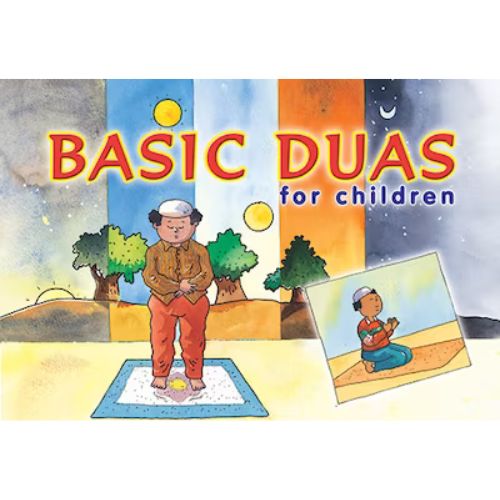
Basic Duas for Childrens
Highlights:
Duas your children can recite at various times through the day, in simple rhyming text that is easy on the ears.
RM15.00
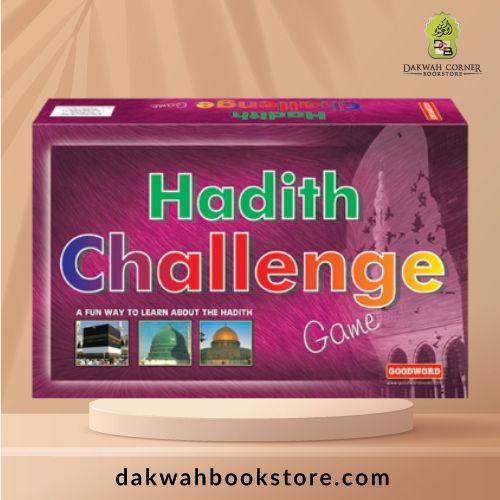
Hadith Challenge Game
Highlights:
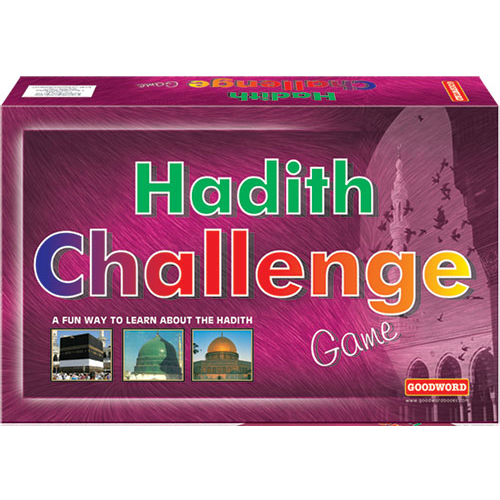
The Hadith Challenge Game is a unique game based on sayings of the Prophet Muhammad. The idea behind this game is to provide the children with both fun and education. All questions are based on the authentic sayings of the Prophet Muhammad. They have been creatively worked into this game and children will enjoy answering them. This game can be played at school or at home with all the family members. Begin your journey and find out what fun it is to learn from the Hadith.
RM55.00

Starting from Scratch – Tajweed Made Easy
Highlights:
Holy Quran and Quranic Sciences
RM10.00

Quranic Arabic With Basic Grammar
Highlights:
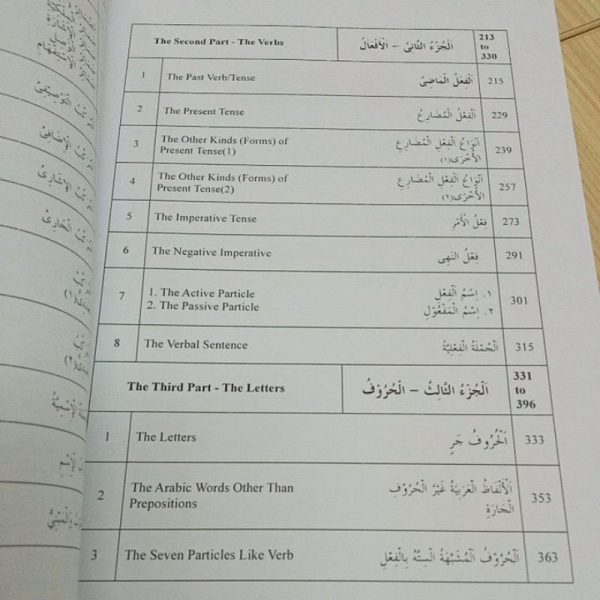
This book, which is a compilation of the author’s lectures in seminars during his post-doctoral research at the Centre for Islamic Development Management Studies, Universiti Sains Malaysia, dwells on Arabic language with a focus on Quranic grammar. It comprises of three parts, each part contains various units. The first part contains 15 unit which look into the nouns, pronouns, different types of compounds, the nominal sentence and punctuation. The second part consists of seven units which discuss the various types of tenses, sentences, the imperatives and the particles. The last part featuring five units covers prepositions and different types of words in Arabic.
RM79.00
Rasul dan Risalah ; Serial Aqidah Islam – 4
Highlights:
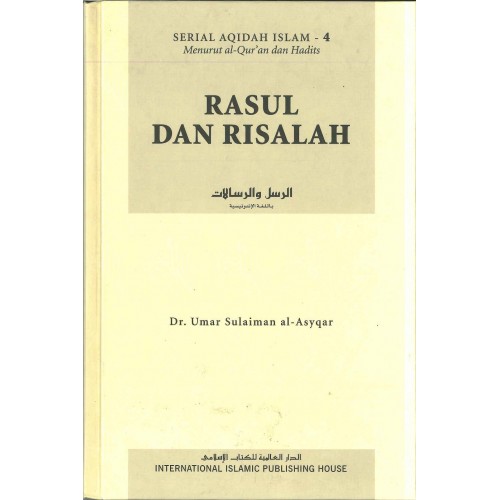
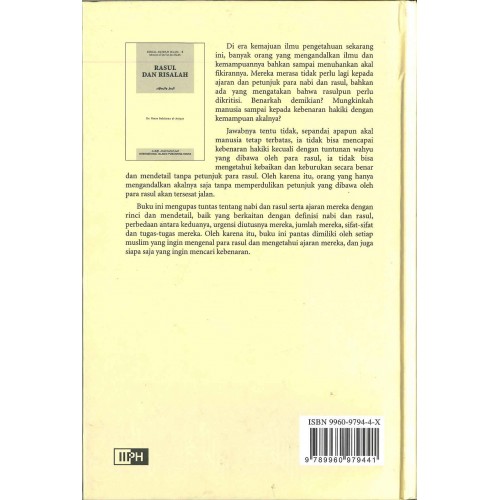
Rasul Dan Risalah: menurut al-Qurán dan hadits – Serial Aqidah Islam 4/ Dr. Umar Sulaiman al-Asyqar. Di era kemajuan ilmu pengetahuan sekarang ini, banyak orang yang mengandalkan ilmu dan kemampuannya bahkan sampai menuhankan akal fikirannya. Mereka merasa tidak perlu lagi kepada ajaran dan petunjuk para nabi dan rasul, bahkan ada yang mengatakan bahawa rasul pun perlu dikritisi. Benarkah demikian? Mungkinkah manusia sampai kepada kebenaran hakiki dengan kemampuan akalnya. Jawabnya tentu tidak, sepandai apapun akal manusia tetap terbatas, ia tidak bisa mencapai kebenaran hakik kecuali dengan tuntunan wahyu yang dibawa oleh para rasul, ia tidak bisa mengetahui kebaikan dan keburukan secara benar dan mendetail tanpa petunjuk para rasul. Oleh karena itu, orang yang hanya mengandalkan akalnya saja tanpa memperdulikan petunjuk yang dibawa oleh para rasul akan tersesat jalan. Buku ini mengupas tuntas tentang nabi dan rasul serta ajaran mereka dengan rinci dan mendetail, baik yang berkaitan dengan definisi nabi dan rasul, perbedaan antara keduanya, urgensi diutusnya mereka, jumlah mereka, sifat-sifat dan tugas-tugas mereka. Oleh karena itu, buku ini pantas dimilikioleh setiap muslim yang ingin mengenal para rasul dan mengetahui ajaran mereka, dan juga siapa saja yang ingin mencari kebenaran.
RM65.00
There are no reviews yet.