

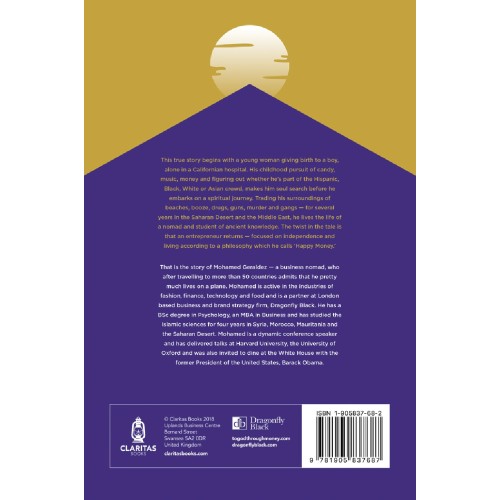

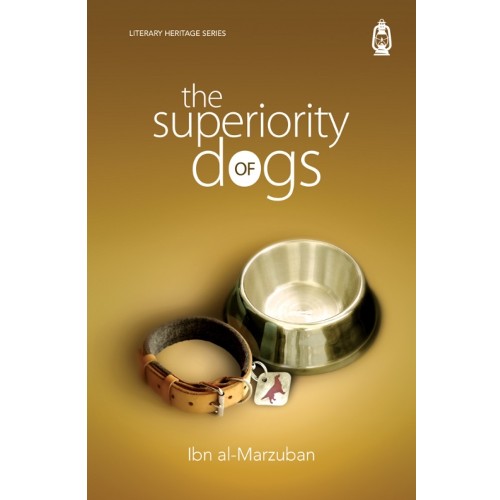
That is the story of Mohamed Geraldez — a business nomad, who after travelling to more than 50 countries admits that he pretty much lives on a plane. Mohamed is active in the industries of fashion, finance, technology and food and is a partner at London based business and brand strategy firm, Dragonfly Black. He has a BSc degree in Psychology, an MBA in Business and has studied the Islamic sciences for four years in Syria, Morocco, Mauritania andthe Saharan Desert. Mohamed is a dynamic conference speaker and has delivered talks at Harvard University, the University of Oxford and was also invited to dine at the White House with the former President of the United States, Barack Obama.
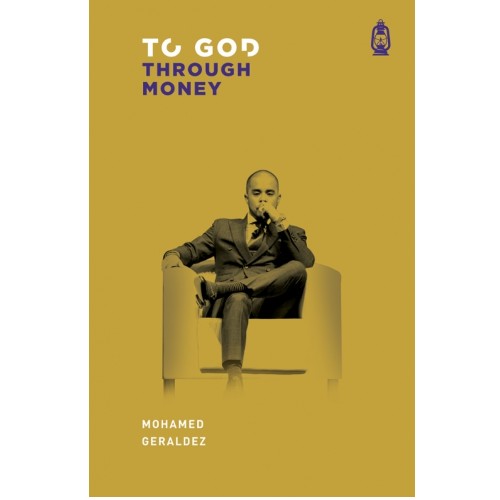
To God Through Money by Mohamed Geraldez (Claritas)
RM67.00
Hurry up, Only 2 left.

Highlights:
somdn_product_page
Compare
This true story begins with a young woman giving birth to a boy, alone in a Californian hospital. His childhood pursuit of candy, music, money and figuring out whether he’s part of the Hispanic, Black, White or Asian crowd, makes him soul search before he embarks on a spiritual journey. Trading his surroundings of beaches, booze, drugs, guns, murder and gangs — for several years in the Saharan Desert and the Middle East, he lives the life of a nomad and student of ancient knowledge. The twist in the tale is that an entrepreneur returns — focused on independence and living according to a philosophy which he calls ‘Happy Money.’
Additional information
| Weight | 0.310 kg |
|---|---|
| Dimensions | 14 × 21.5 cm |
| Author | |
| ISBN | 9781905837687 |
| Pages | 240 |
| Publisher | Claritas |
| Binding | Paperback |
Reviews (0)
Be the first to review “To God Through Money by Mohamed Geraldez (Claritas)” Cancel reply
You must be logged in to post a review.
Related Products
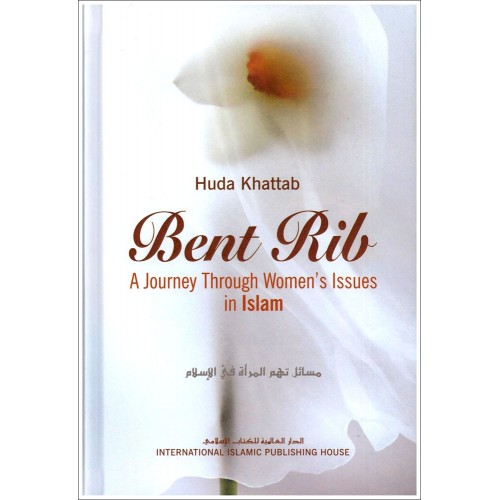
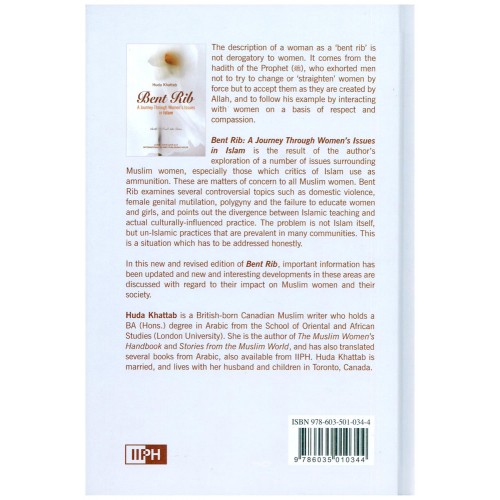
Bent Rib: A Journey Through Women’s Issues in Islam (H/B)
5 ★
5 ★
1 Rating
5 ★
1
4 ★
0
3 ★
0
2 ★
0
1 ★
0
Highlights:
This book examines the role of women in Islam, their education and marriage, and several controversial topics such as domestic violence, female genital mutilation and polygyny. It addresses honestly the divergence between Islamic teaching and actual culturally-influenced practices.
RM40.00
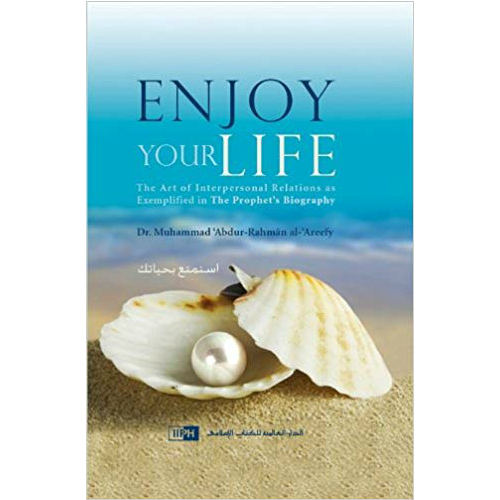
Enjoy Your Life (B/W) – IIPH
5 ★
5 ★
1 Rating
5 ★
1
4 ★
0
3 ★
0
2 ★
0
1 ★
0
Highlights:
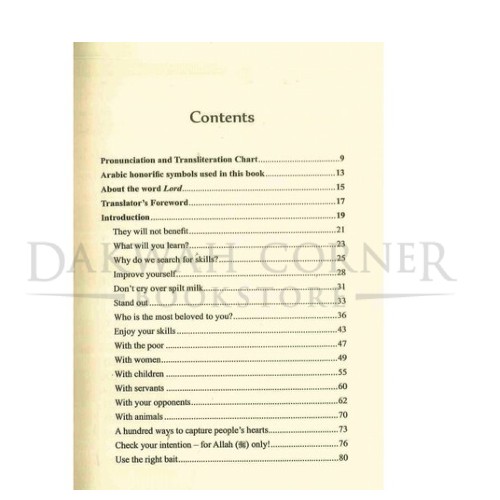
Enjoy Your Life! Enjoy Your Life: The Art of Interpersonal Relations as Exemplified in The Prophet’s Biography is a comprehensive guide towards improving interpersonal skills and hence, enjoying life. The author, Dr. Muhammad ‘Abdur-Rahmân al-‘Areefy, writes: An enjoyable life entails learning and practicing multiple skills; the few who truly apply them savour the success that comes with it. Of course, atop the list of the successful is the chief of humanity, Muhammad (blessings and peace be upon him). His entire life was an ocean of pearls that I have scattered throughout the pages of this book.
Enjoy Your Life! is not the product of an effort of a month or a year. Rather, it has resulted from the research that I devoted myself to for twenty years. I inscribed it with my tears, pouring my soul and squeezing my memories into it. I penned down various incidents involving the joy of our eyes – our first teacher, Muhammad (blessings and peace be upon him). I highlighted his exceptional talents; his skills in dealing with people and enjoying his life. Enjoy Your Life! contains personal memories, real-life experiences, and incidents that I have publicised for the first time – praying that Allah, the Exalted, makes them a source of benefit for you.
Enjoy Your Life! contains words that are straight from my heart, hoping to find a place in yours. It is the dearest and most beloved of my books. I ask Allah, the Exalted, to benefit others with it, make this effort solely for His sake, and amply reward all those who have contributed to spread it.
RM85.00


33 Ways of Developing Al-Khushoo`: Humility and Devotion in Prayer
5 ★
5 ★
1 Rating
5 ★
1
4 ★
0
3 ★
0
2 ★
0
1 ★
0
Highlights:
Shaykh Muhammad Salih al-Munajjid’s little book is perhaps one of the most widely-circulated among Muslims today. This is because the topic touches worshippers where it hurts—we know that we often lapse into an automatic sort of prayer when we lose concentration. The Shaykh points out that this loss of concentration really stems from a lack of humility and devotion—in Arabic, khushoo‘. His aim in writing this book is to help us to get back that khushoo‘. His step-by-step approach makes it simple. He gives practical advice and uses the excellent example of the prayer of the Messenger of Allah (blessings and peace be upon him) to guide us, so that as worshippers, we can truly return to a state of humility and devotion before the Lord.
RM15.00
Don’t Be Sad By Dr. A’id al-Qarni
5 ★
5 ★
1 Rating
5 ★
1
4 ★
0
3 ★
0
2 ★
0
1 ★
0
Highlights:
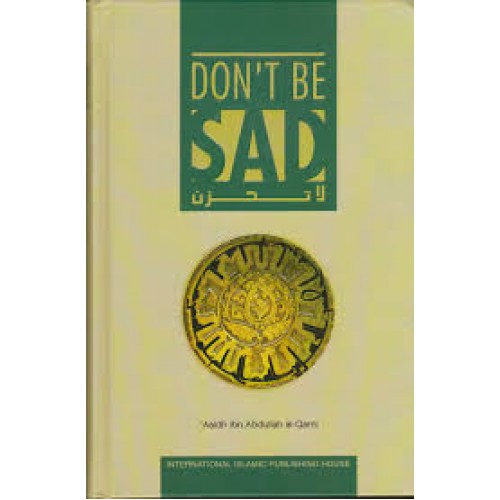
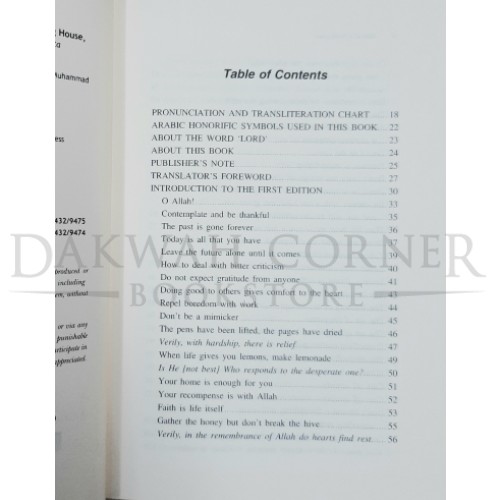
At a time in which the Muslims are beset with trials from every periphery and within, comes this heartening book rooted in the commandments of Allah (swt), the Sunnah and the excellent guidance and examples of the Muslims that have come before us. Don’t Be Sad is an absolute must-read for all people. It is full of practical advice on how to replace sadness with a pragmatic and ultimately satisfying Islamic outlook on life. It exposes to the modern reader how Islam teaches us to deal with the tests and tribulations of this world. So, take heart and hold firmly onto the rope of Allah (swt)
RM75.00 – RM85.00Price range: RM75.00 through RM85.00
HardcoverPaperback
Clear
Excellence of Patience & Gratefulness
5 ★
5 ★
1 Rating
5 ★
1
4 ★
0
3 ★
0
2 ★
0
1 ★
0
Highlights:
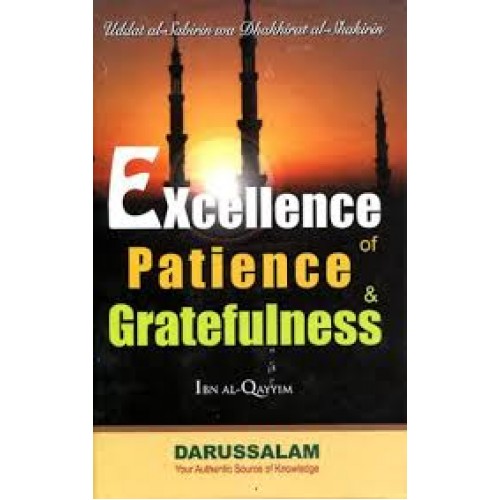
This book is written to highlight the necessity and the pressing need to pursue these two qualities and to illustrate that happiness in this world and the Hereafter is dependent on them. It is intended to be a comprehensive, extensive and useful book.
RM65.00
Governing Yourself and Your Family
5 ★
5 ★
1 Rating
5 ★
1
4 ★
0
3 ★
0
2 ★
0
1 ★
0
Highlights:
The subject matter of this work has preoccupied and continues to preoccupy the minds of our Nation?s members; yet in spite of this preoccupation, many people lack a correct understanding regarding it. Because the issues that fall under the subject matter of this work are so important, I decided to write this work, through which I hope to make plain the way to live and act according to what Allah has revealed.
Contrary to what some may think, this work is relevant not just to leaders, but to every individual as well. Each and every human being is a leader and chief of sorts, for just as a ruler is responsible for the welfare of his state and citizens, each one of us is responsible for his flock ? the members of his family and, more importantly, his own self?
RM25.00
A Taste of Patience
3 ★
3 ★
1 Rating
5 ★
0
4 ★
0
3 ★
1
2 ★
0
1 ★
0
Highlights:
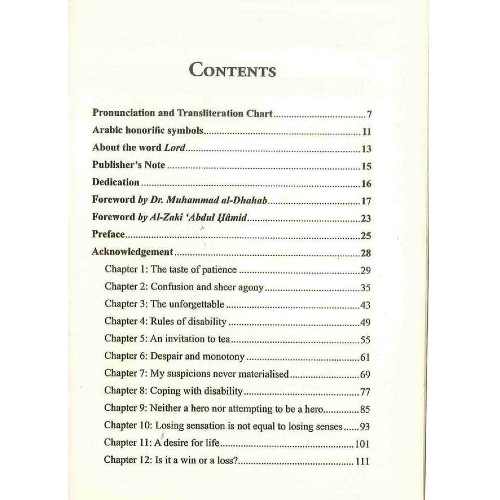
The writer is a survivor of an accident that altered his life. He is a man who managed to overcome adversity and transform bitterness into personal success, as his literary gains outweighed his physical restrictions. Where his physical condition limited his movements, his creative writing opened up a new horizon that enabled him to freely interact with his readers.
This is a real-life account of how a human being can overcome obstacles, giving effect to the epithet: ‘What does not kill me makes me stronger.’ The autobiography defines patience in two ways: first, as a bitter experience and then second, as the ability to tolerate and turn one’s misfortune into investment. The accident that the writer suffered has paralysed his body, but at the same time it has unleashed his writing talents. (Yousef el-Sharoni, Egypt)
RM38.00
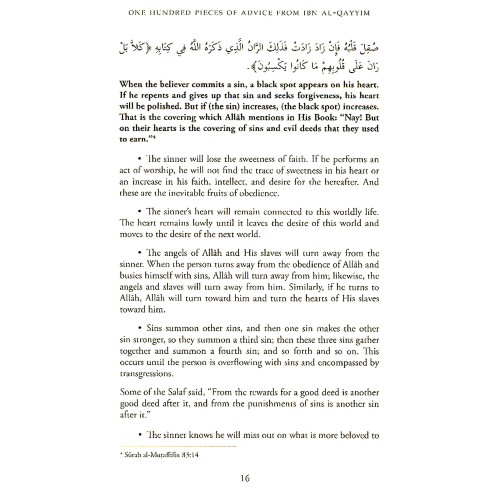
One Hundred Pieces of Advice
3 ★
3 ★
1 Rating
5 ★
0
4 ★
0
3 ★
1
2 ★
0
1 ★
0
Highlights:
One hundred treasured advices extracted from the writings of the illustrious scholar, Imām Ibn al-Qayyim (may Allāh have mercy upon him): Ten ways to acquire Allāh’s love Ten ways to be patient and avoid sins Ten ways to be patient during a calamity Ten benefits to lowering your gaze Ten ways sins are expiated Ten barriers between the slave and his Lord Ten reasons knowledge is not put into action Ten ways to open your heart Ten ways to protect against envy Ten ways to protect against the plots of the Shayṭān
RM48.00

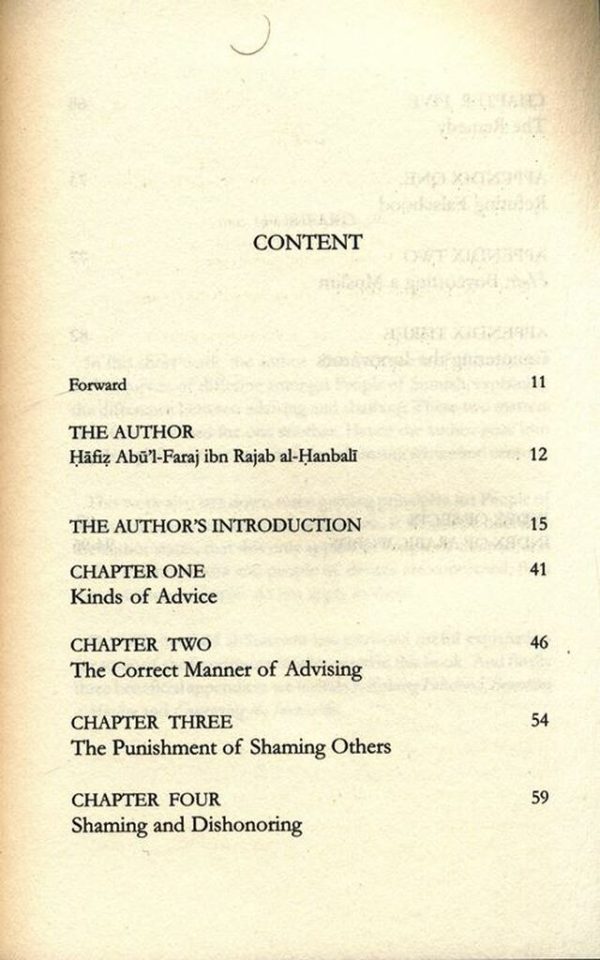
Difference Between Advising And Shaming ( Dar as-Sunnah)
4.5 ★
4.5 ★
2 Ratings
5 ★
1
4 ★
1
3 ★
0
2 ★
0
1 ★
0
Highlights:
[This book] beautifully illustrates the difference between advising that is encouraged and shaming that is not permitted.
RM40.00
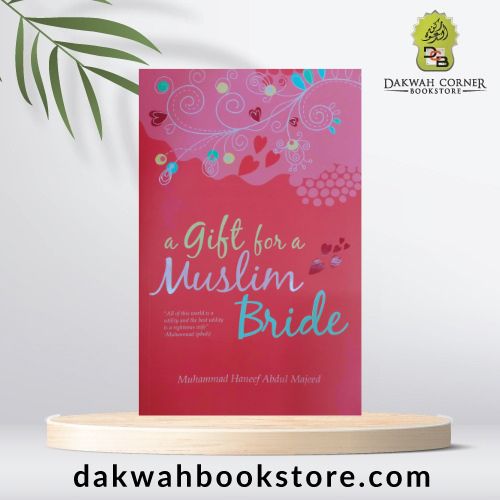
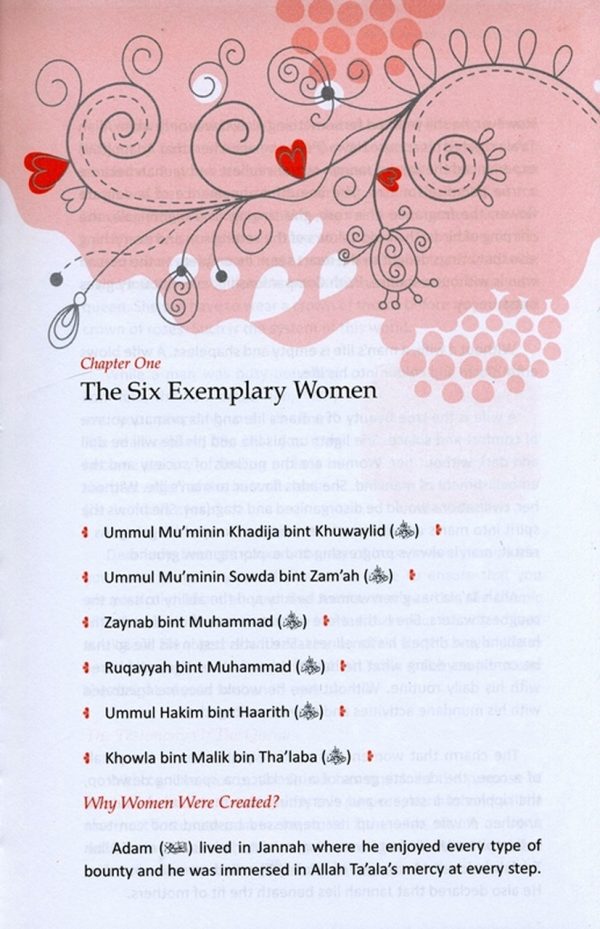
A Gift For Muslim Bride (P/B)
4.5 ★
4.5 ★
2 Ratings
5 ★
1
4 ★
1
3 ★
0
2 ★
0
1 ★
0
Highlights:
This book, truthfully, is an ideal gift to Muslim sisters (brides) and women in general, as it mainly deals with the concerned affairs of the marital life according to the Qur’an and Sunnah; touching upon topics like the excellence of a righteous wife, her attributes and duties to her husband.
RM45.00
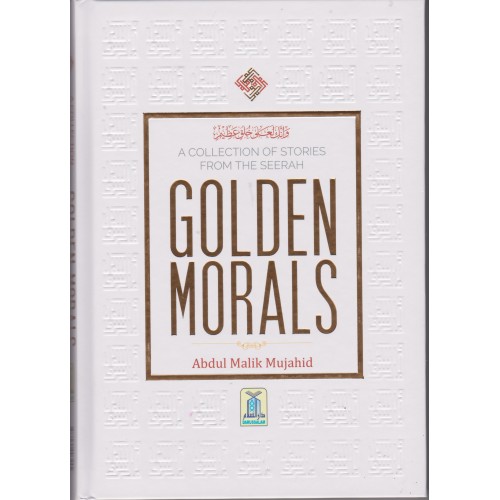
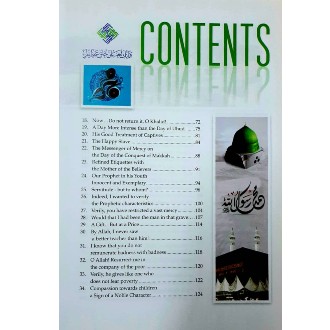
Golden Morals (A Collection Of Stories From The Seerah) (H/B)
5 ★
5 ★
1 Rating
5 ★
1
4 ★
0
3 ★
0
2 ★
0
1 ★
0
Highlights:
The Seerah of the Prophet (PBUH) is an everlasting topic. The Muslims are never fed up with its fragrance. It has been a topic for writing sine centuries and it will be a topic for writing till the Day of Judgment. Every author shows his love and affection for the Messenger of Allah in his own style and he tries to highlight every aspect of his life. No doubt, thousands of books have been written on the Seerah of the Messenger in different languages from the ancient.
RM67.00
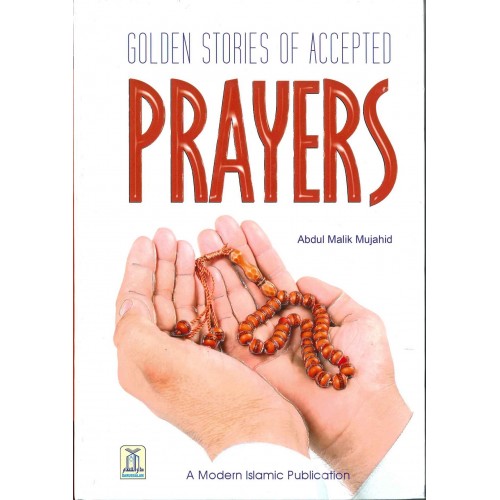
Golden Stories of Accepted Prayers
5 ★
5 ★
1 Rating
5 ★
1
4 ★
0
3 ★
0
2 ★
0
1 ★
0
Highlights:
What are invocations? In a real sense these are requests which come from the bottom of our hearts to Allah Almighty. Allah is always ready and happy to receive prayers from anyone at any time.
If you’re facing any difficulties or trouble you should immediately turn to Allah for help. The best invocations are those narrated by the Prophet (S). If you don’t speak Arabic, you can pray in your mother tongue.
When we pray we should feel assured that Allah will accept our requests. We should do so with complete sincerity and devotion.
Prayers can be made at any time, but there is a greater possibility our prayers will be accepted if we do so at specific times.
RM68.50
Recently Viewed
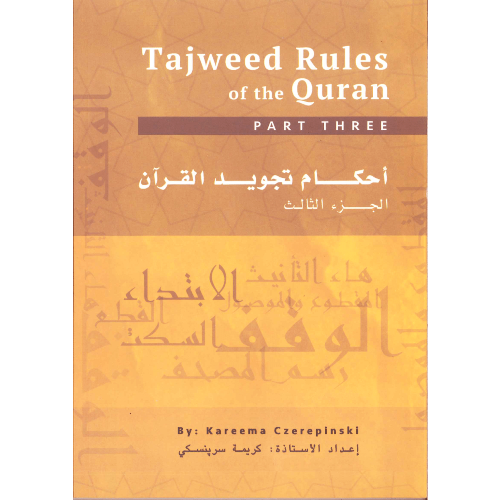
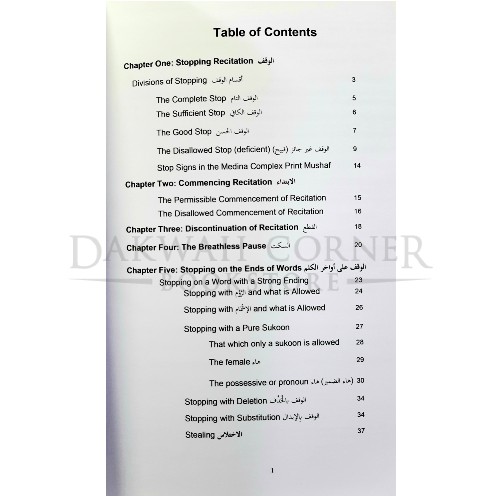
Tajweed Rules of the Quran (Part Three)
Highlights:
This is the third and final part of a three part series in English on the rules of tajweed the Qur’an for the recitation of Hafs from ‘Aasim by the way of Ash-Shaatibiyyah. These books are meant as a guide for non-Arabs with a good grasp of English for studying tajweed of the Glorious Qur’an. This final book explains the stop and start when reading the Glorious Qur’an, and gives details as to what kind of stop is allowed, what kind is preferred, and what kind of stop is forbidden. Stopping on the ends of words with strong endings (consonants) and rules for what is allowed on the last letter of the word is described, including ar-room (الروم) and al-ishmaam (الإشمام). Stopping on the ends of words with weak endings (words ending in the alif, ya’ or wow) and different rules and explanations for these type of words is clarified. One important aspect of Qur’an recitation is knowing and understanding which word combinations are written together and which separately in different parts of the Qur’an as well as in which places of the Qur’an are some words are written the female haa (هاء), and in which places they are written with the taa (تاء). This part lays out the different places in the Qur’an these occurrences take place, so the reader knows how he/she can stop on these words. The words that are read in a special way, or have two allowed ways for the reading of Hafs from ‘Aasim by the way of Ash-Shaatibiyyah are detailed in this book. The history of the writing of the Glorious Qur’an (رسم) and the general rules for the writing of the Qur’an are laid out in the last chapter of this part. This last part of the three parts on tajweed is for students who have studied and mastered the other two parts, or have studied everything covered in the first two parts. The explanations of the different subjects are in English, and the Arabic terms are translated. The goal is always to assist the students in understanding and to encourage them to learn the Arabic terms and definitions. The three parts of this series on tajweed rules of the Glorious Qur’an should facilitate non-Arabic speaking students of the Qur’an whether they are in a classroom with an Arabic medium for teaching or English. With this third part completed, insha’ Allah the non-Arab English speaking student of the Qur’an will find a complete curriculum and explanation of the tajweed rules for the recitation of Hafs ‘an ‘Aasim from the way of Ash-Shatibiyyah in any classroom or study situation that he/she may find themselves in. These three parts are only guidance; the real goal is reciting and applying all the different rules correction which can only be done by reciting to and being corrected by a qualified teacher of the Qur’an.
RM30.00
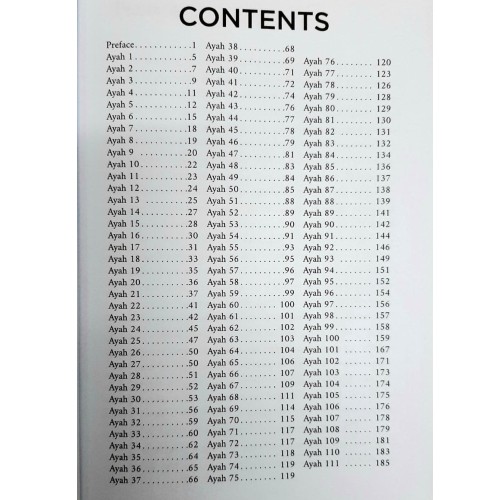
When The Stars Prostrated: Meditations On Surat Yusuf
Highlights:
They say the Qur’an is like a bottomless ocean of knowledge. Wisdom, lessons, letters from the Divine. Still, he who dives into its depth collects just a handful of pearls—so what of those who idle at its shore?
When the Stars Prostrated is a meditative, verse-by-verse journey into the heart of Surat Yusuf. Revealed to Prophet Muḥammad (s.a.w.) in his period of loss and mourning, and lauded by God as “the best of stories,” Surat Yusuf bears relevance to modern readers of all ages. It is an intimate guide for enduring hardship with patience, hope, and, most importantly, trust in the grand workings of the Divine. But deriving these lessons isn’t an effortless pursuit. Tadabbur, the art of contemplating the meaning of a verse to its end, requires our companionship and sincere engagement with the Qur’an. In this collection of short essays, two writers lay bare the pearls they carry from their own tadabbur journey. Every passage is a blend of classical exegesis and personal insight to show readers that healing, growth, and spiritual ascension through Surat Yusuf can be anyone’s reality.
RM65.00
The History of the Qur’anic Text (P/B) (IBT)
Highlights:
The Qur’an reigns supreme in Muslim hearts as the most sacred of texts: a profusion of exalted ideas to rouse the mind, noble histories to stir the soul, universal truths to awaken the conscience and precise injunctions directing humanity to its own deliverance, all distilled into the melodious essence that is the Word of Allah. Through fourteen centuries Muslims have persevered in championing the text against corruption, memorising its every word and contemplating its every phrase, so that in our own times untold millions have enthusiastically committed each letter to heart.
Beginning with a catalogue of ancient and contemporary attacks on the Qur’an, this expansive book provides unique insights into the holy text’s immaculate preservation throughout its history, as well as exploring many of the accusations leveled against it. The reception of divine revelations, Prophet Muhammad’s role in teaching and disseminating these verses, the text’s compilation under his guidance and the setting of its final external shape shortly after his death, are meticulously and scientifically examined alongside such topics as the origins of Arabic, its paleography and orthography, the so-called Mushaf of Ibn Mas’ud, and the strict methodology employed in assembling textual fragments.
By way of comparison the author investigates the histories of the Old and New Testaments, relying entirely on Judaeo-Christian sources including the Dead Sea Scrolls and uncovers a startling range of alterations that touch almost every fact of the Biblical Scriptures. Using this as a springboard for assessing Western theories regarding the Qur’an, he makes a sophisticated yet passionate case for questioning the aims of Western scholarship in continuously undermining Islam’s holy book, and illustrates convincingly that such research, motivated by more than mere curiousity, has no scientific bearing on the Qur’an’s integrity.
This monumental effort, a scholarly work composed in an impassioned tone, provides a welcome foundation for sincere study at a time when assailing the Qur’an has become all too common.
A cornerstone addition to any personal library. A Truly monumental effort. This work presents a cogent and powerful argument for the Qur’an’s unique inviolability.
RM79.00
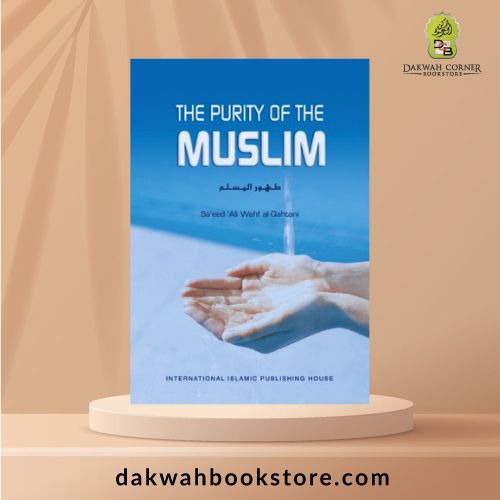
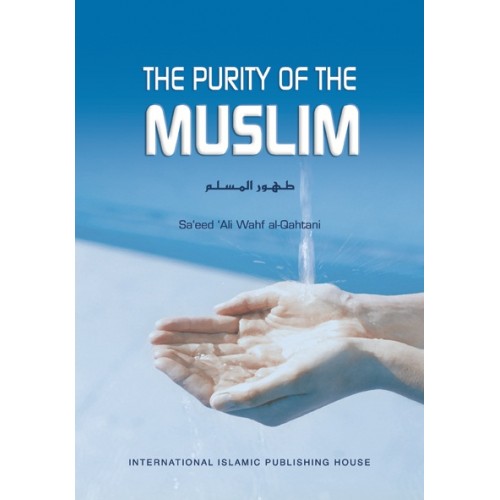
The Purity of Muslim (P/B)
Highlights:
According to a well-known hadith, cleanliness and purity are half of the faith. It is obligatory for a Muslim to be clean and in a state of purity in order to offer formal prayer and recite the Quran by way of ablution, a ritual shower, or dry ablution. Purity and cleanliness encompass both physical and spiritual aspects. Physical impurities can be removed by clean, pure water or dry, clean earth or stone, and this is a beginning step for spiritual cleanliness. In the Purity of the Muslim, Saeed al-Qahtani explains in a clear and comprehensive manner the types of various impurities and the ways to attain purity and cleanliness according to the teachings of the Quran and of the final prophet, Muhammad (blessings and peace of Allah be upon him).
RM15.00

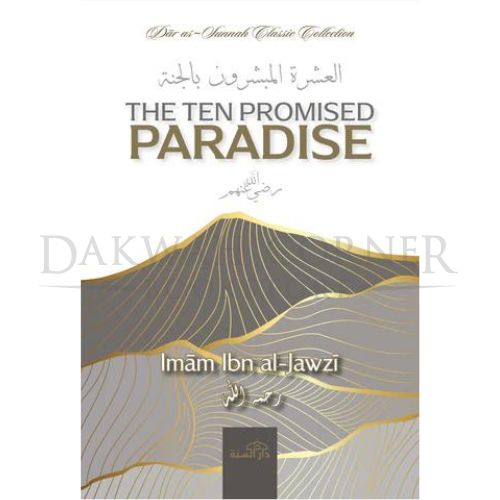
The Ten Promised Paradise (Dar usSunnah)
Highlights:
“Not equal are those of you who spent (in the way of Allah) and fought before the victory (in Makkah). They are far greater in rank than those who spent and fought afterwards. Yet Allah has promised each a fine reward.” {57:10}While the Companions of the Prophet # were given the glad tidings of Paradise in general, there are those promised Paradise individually such as those mentioned in Hadith of ‘Al-‘Ashara Mubashara’. This term is used as a designation for those ten great Companions singled out by the Prophet peace and blessing be upon him for the privilege of being among the inhabitants of Paradise during their lifetime.
RM55.00
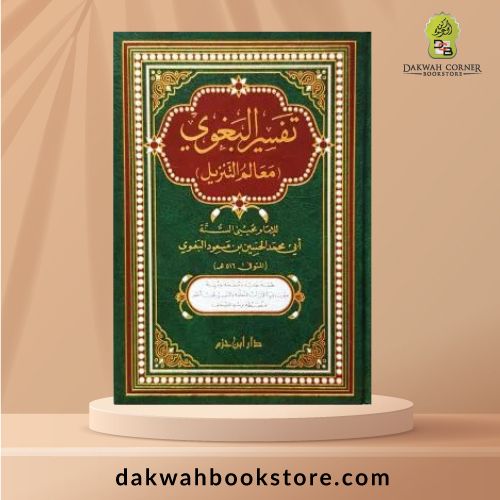
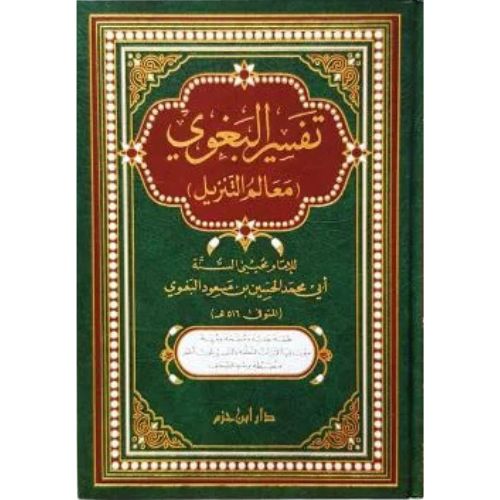
[ATQ] Tafsir Al Baghawi (Ma’alim Al Tanzil) / تفسير البغوي
Highlights:
من أجلّ الكتب وأنبلها حاوٍ للصحيح من الأقول , عارٍ عن الغموض والتكلف في توضيح النص القرآني , محلى بالأحاديث النبوية والآثار الغالب عليها الصحة . فمعالم التنزيل من أشهر كتب التفسير بالمأثور وهو تفسير كامل للقرآن مع مقدمة للمؤلف يستهلها بحمد الله والصلاة والسلام على رسوله، ثم يبين مهمة إرسال الرسول وإنزال الكتاب المعجز عليه، ثم يذكر ما اشتمل عليه القرآن من الأمور عقيدة وفقهاً وقصصاً وحكماً.
معالم التنزيل : كتاب متوسط , نقل فيه مصنفه عن مفسري الصحابة والتابعين ومن بعدهم
RM130.00
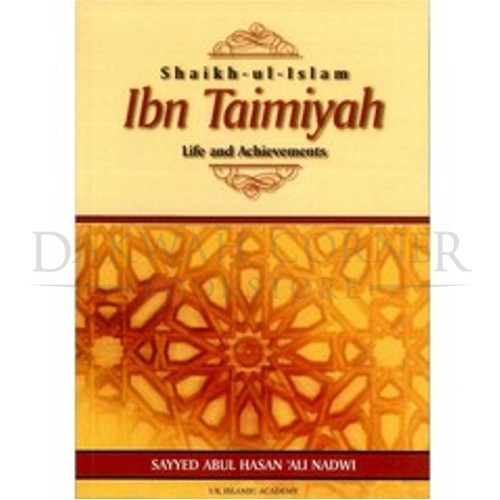
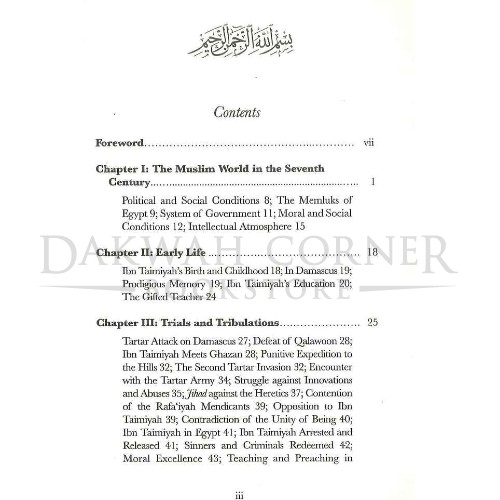
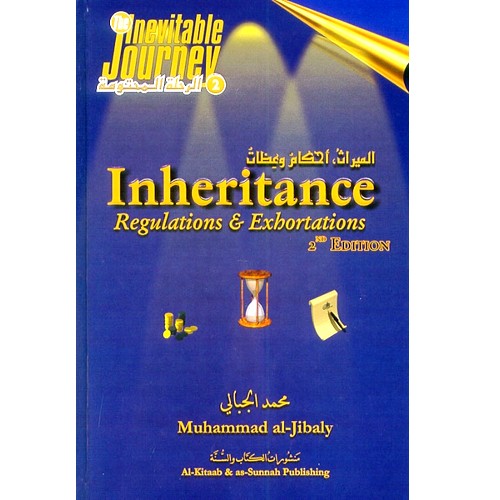
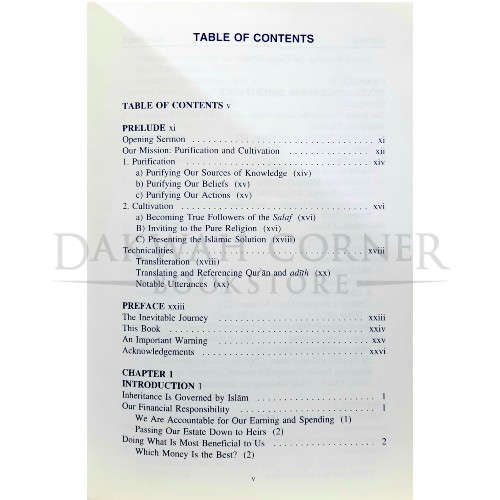
Inheritance Regulations & Exhortations
Highlights:
Description from the publisher: We inevitably go through the journey starting in this life, and extending into the grave, before our final abode in the hereafter. In the process, we pass through stages of sickness, death, and the intermediate life in the grave (al-Barzakh). Writing a will is a religious obligation on every capable Muslim. It protects against many problems and conflicts that could arise after a person’s death. This obligation is more emphasized in the West; Failing to write a well founded will may result in the distribution of one’s estate in discord with the Islamic law, and may lead to losses for some of the rightful inheritors
RM46.00
Tenets of Faith
5 ★
5 ★
1 Rating
5 ★
1
4 ★
0
3 ★
0
2 ★
0
1 ★
0
Highlights:
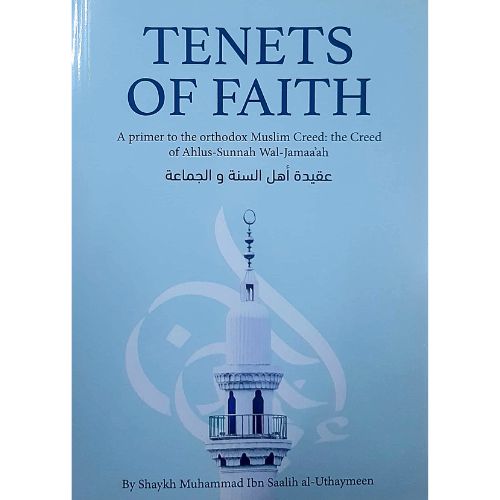
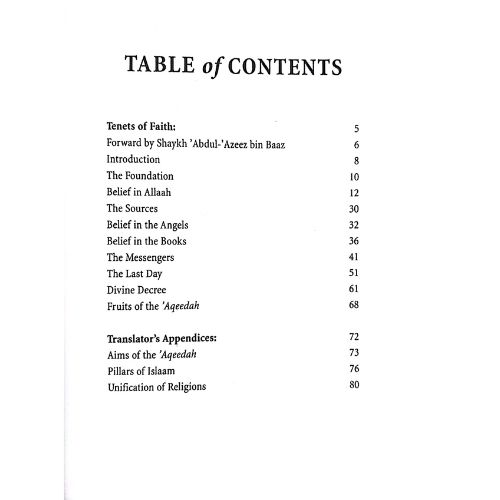
This book covers the very basis of the religion of Islam, the belief in the oneness of Allah. This text is unique in that it covers many of the essential points of belief that every Muslim should be aware of. The author has also dealt with some of the obnoxious practices and superstitions that the ‘Muslims’ of today have fallen into such as fortune-telling, grave worship and good luck charms. The uniqueness of this work lies not only in its thorough treatment of the subject in a fluid and uncomplicated style but also in its modern presentation of classical theological issues.
RM37.00
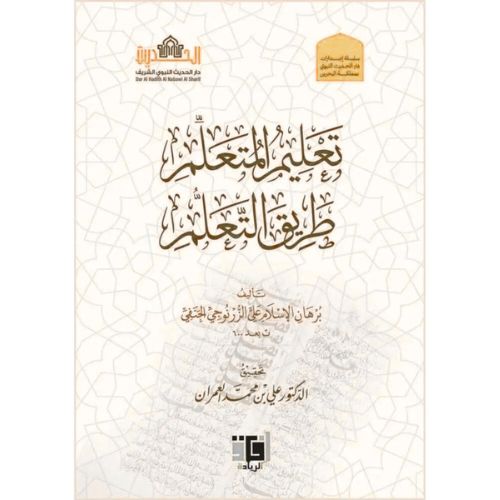

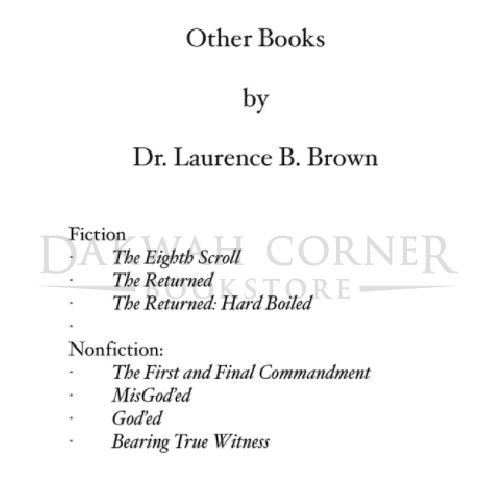
The Zion Deception
Highlights:
With a keen sense of closure and awareness of the interconnectedness behind history’s failings, author Dr. Laurence B. Brown exposes popularized fallacies, and reveals the threat Zionism poses not only to Jews, but to the world as a whole.
RM85.00
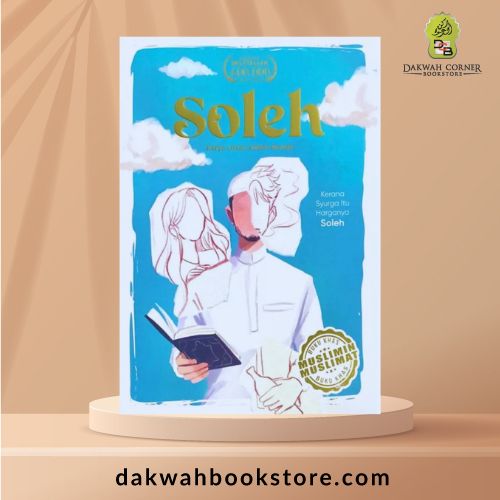
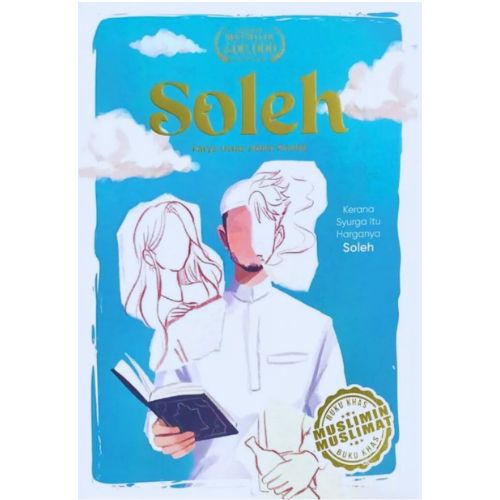
Soleh karya Ustaz Adnin
Highlights:
Soleh bukan buku untuk lelaki semata, ia istimewa untuk lelaki dan wanita menjadi soleh dan solehah. Ini buku untuk sesiapa saja yang sedang mujahadah nak jadi lebih baik, tapi masih terperangkap dalam dosa yang diam-diam membunuh iman. Dalam buku ini, kamu akan jumpa 100 dosa dan maksiat — yang selama ni kita pandang ringan, tapi rupanya itulah punca hati makin jauh dari Allah.
Tapi buku ni bukan sekadar nak bagi rasa bersalah. Ia bawa juga 70 kisah qudwah — insan-insan hebat dari zaman Nabi sampai zaman sekarang, yang pernah jatuh, tapi bangkit semula dan jadi cahaya pada orang lain. Daripada mereka, kita belajar bahawa jalan taubat sentiasa terbuka.
Dan paling menyentuh hati, buku ini senaraikan 7 langkah hijrah dan istiqamah yang boleh kamu ikut satu per satu. Mudah, jujur, dan berpijak di bumi nyata. Kalau kamu sedang rasa nak berubah tapi tak tahu dari mana nak mula — mungkin, Soleh ini jawapannya.
RM60.00
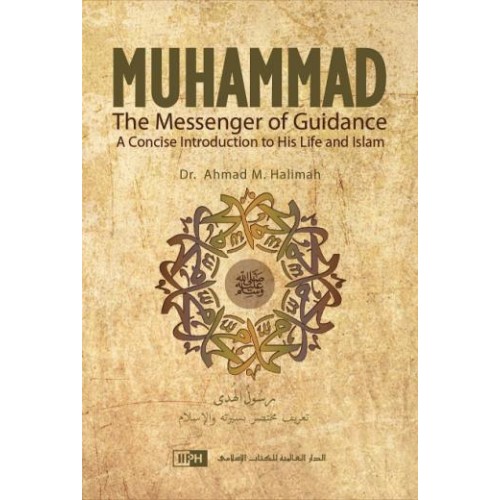
Muhammad The Messenger of Guidance (H/B)
Highlights:
Muhammad (blessings and peace be upon him), the Messenger of Guidance: A Concise Introduction to His Life and Islam is an excellent resource for both Muslims and non-Muslims. In Part One, the author succinctly summarises the life of Prophet Muhammad (blessings and peace be upon him), using authentic reports from his Companions to paint a beautiful portrait of his qualities and characteristics. In addition, he examines and explains the basic pillars of faith and worship in Islam, and then goes on to discuss issues that are relevant to the Muslim nation today.
Part Two brings together a wide selection of sound hadiths, or sayings of the Prophet (blessings and peace be upon him). The author has carefully chosen these to cover a broad variety of topics, thus creating a useful reference that is easy to follow and comprehend.
This book provides the reader with an academic perspective on Islam, which is supported by modern, eloquent translations of the original textual sources: the Qur’an and the Sunnah of the Prophet Blessings and peace be upon him. It is an excellent resource for both the casual and the academic reader.
RM58.00
There are no reviews yet.