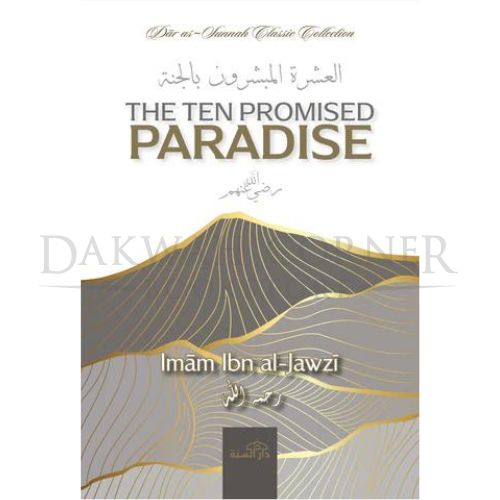
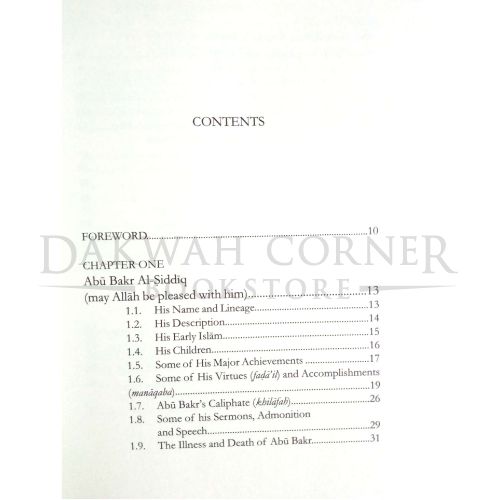
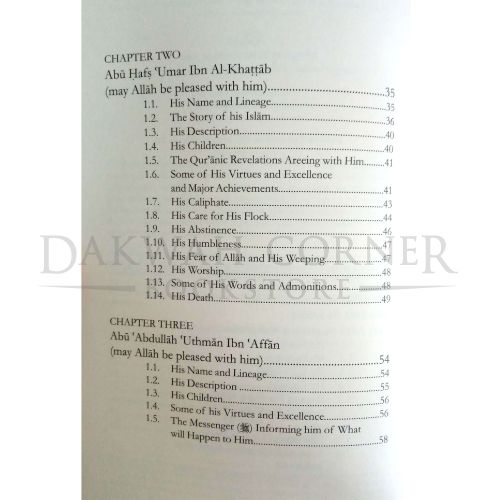
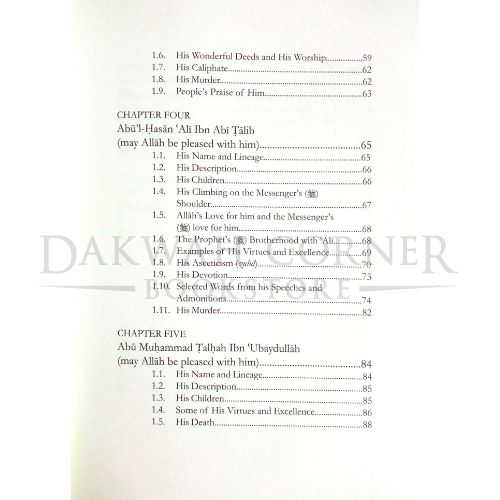
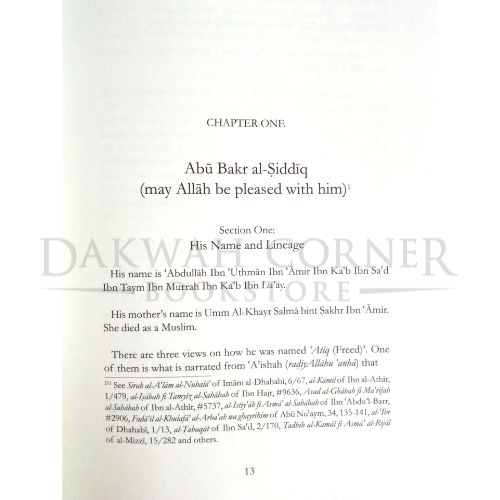
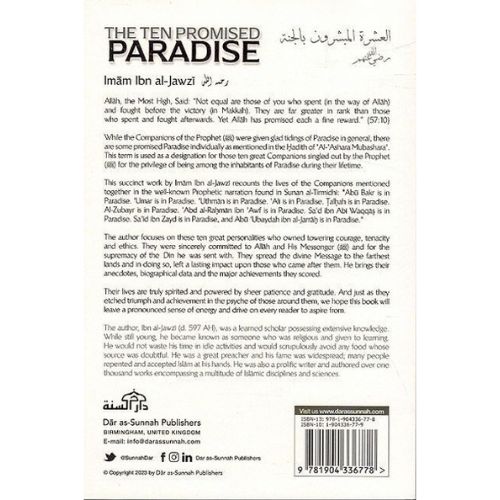


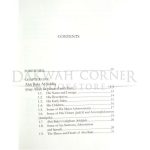
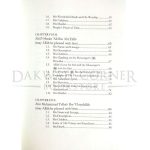
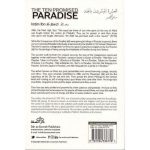
This succinct work by Imam Ibn al-Jawzi recounts the lives of those very Companions mentioned together in the well-known Prophetic narration found in Sunan al-Tirmidhi: “Abu Bakr is in Paradise. ‘Umar is in Paradise. ‘Uthman is in Paradise. ‘Ali is in Paradise. Talhah is in Paradise. Al-Zubayr is in Paradise. ‘Abd al-Rahman ibn ‘Awf is in Paradise. Sa’d ibn Abi Waqqas is in Paradise. Sa’id ibn Zayd is in Paradise, and Abu ‘Ubaydah ibn al-Jarrah is in Paradise.”The author focuses on these ten great personalities who owned towering courage, tenacity and ethics. They were sincerely committed in their devotion to Allah and His Messenger [#] and for the supremacy of the Deen he was sent with. They spread the divine Message to the farthest lands and in doing so, left a lasting impact upon those who came after them. This work recounts anecdotes of their lives, biographical data and the major achievements they scored.Their lives are truly spirited and powered by sheer patience and gratitude. And just as they etched triumph and achievement in the psyche of those around them, we hope this book will leave a pronounced sense of energy and drive on every reader to aspire from.
The Ten Promised Paradise (Dar usSunnah)
RM55.00
“Not equal are those of you who spent (in the way of Allah) and fought before the victory (in Makkah). They are far greater in rank than those who spent and fought afterwards. Yet Allah has promised each a fine reward.” {57:10}While the Companions of the Prophet # were given the glad tidings of Paradise in general, there are those promised Paradise individually such as those mentioned in Hadith of ‘Al-‘Ashara Mubashara’. This term is used as a designation for those ten great Companions singled out by the Prophet peace and blessing be upon him for the privilege of being among the inhabitants of Paradise during their lifetime.
Frequently Bought Together
| Weight | 0.215 kg |
|---|---|
| Dimensions | 23 × 15.5 × 1 cm |
| Author | |
| Pages | 112 |
| Binding | Paperback |
| ISBN | 9781904336778 |
| Publisher | Dar us-Sunnah Publishers |
Be the first to review “The Ten Promised Paradise (Dar usSunnah)” Cancel reply
You must be logged in to post a review.
Related Products
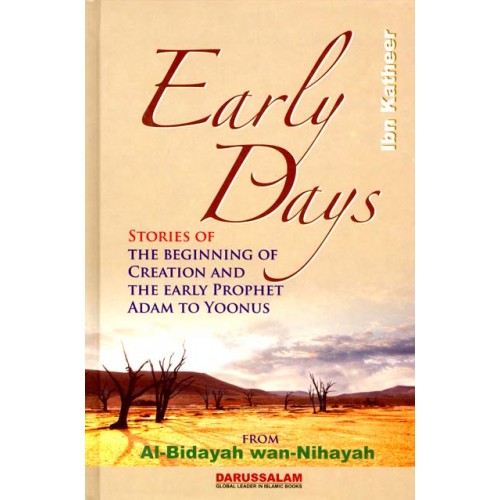
Early Days : From Al – Bidayah wan – Nihayah (H/B)
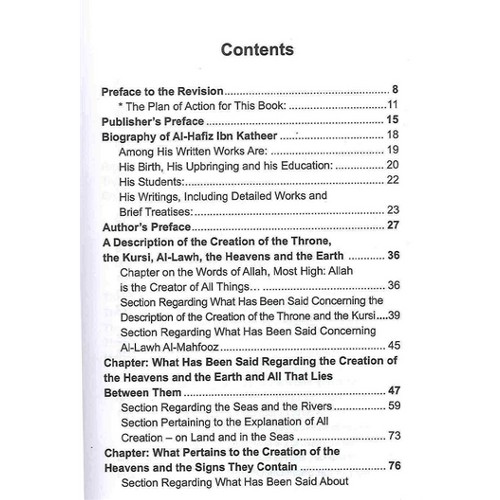
The book starts by describing the beginning of creation- from the throne and the Kursi, the universe and all that is in it , such as the angels, the jinn and humans . The book also recounts stories from the lives of the prophets and their nations up to the times of the children of Israeel and the Days of Igorance,which ended with the advent of the final Prophet Muhammad ( PBUH ).
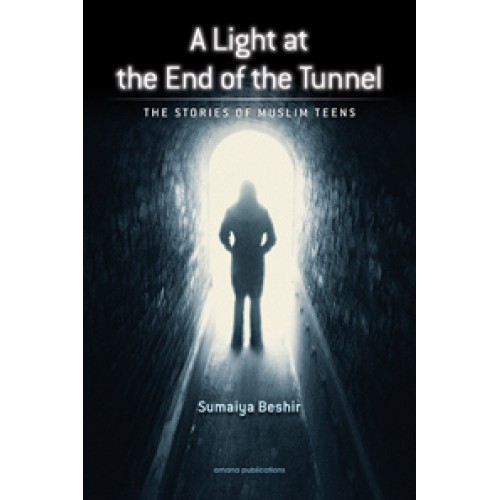
A Light at the End of the Tunnel (P/B)
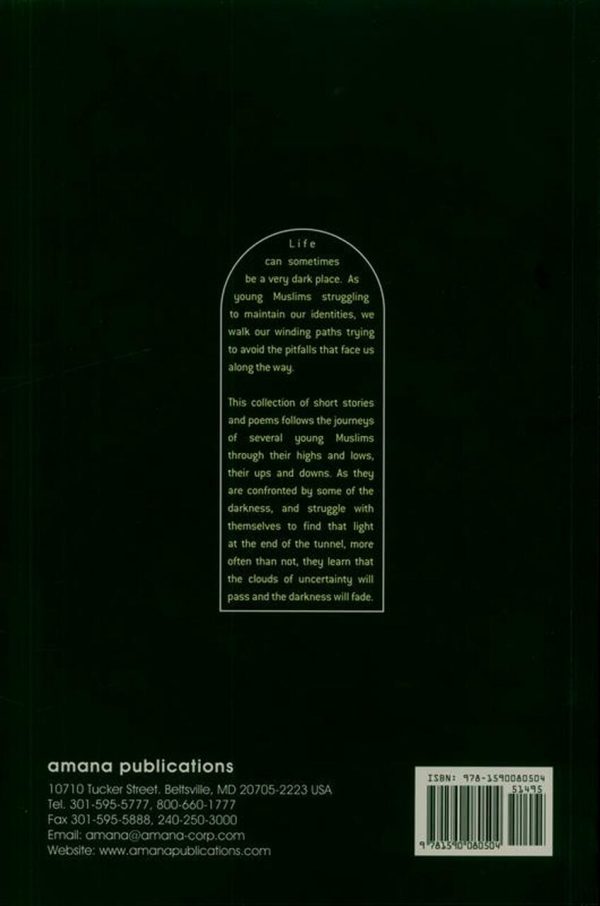
The book features a collection of short stories written by Muslim teens. Through their stories they share the struggles and experiences they have faced on issues such as dating, friendship, hijab, respecting parents, clarifying misconceptions about Islam and defining one’s identity.
Abraham – The Friend Of God
Abraham, as a prophet and patriarch, is called “the friend of God” in Jewish, Christian, and Islamic scriptures, and has a place of eminence in the shared scriptures and histories of each of these three monotheistic, prophetic, and Middle Eastern religions.
In Abraham: The Friend of God, Dr. Dirks provides Jewish, Christian, and Muslim readers with a unique and original presentation of the life of Abraham. In constructing a chronological biography of Abraham, the author integrated and synthesized information from a wide range of Judaeo-Christian and Islamic traditions, including the Bible, the Pseudeigrapha (I.e. Jubilees and the Genesis Apocryphon), the Qur’an, the authenticated sayings (Sahih Ahadith) of Prophet Muhammad, and the classic books of ancient history authored by Josephus and Al-Tabari. This integrated biographical sketch is embedded in a framework drawn from the various historical and geographical contexts dealing with different aspects of Abraham’s life.
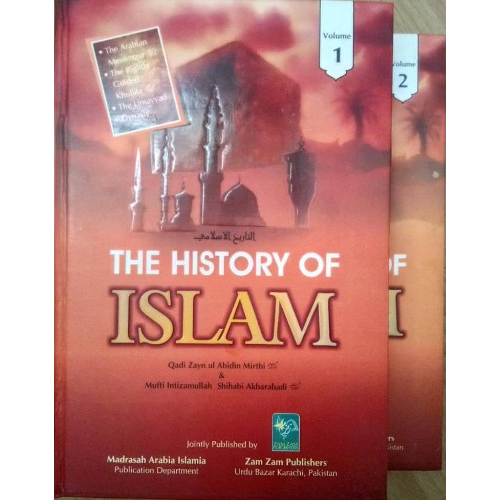
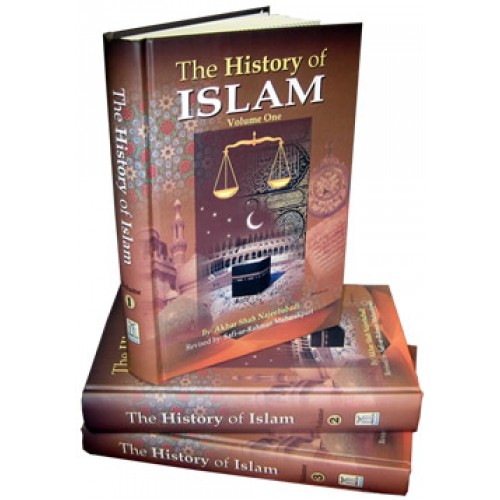
The History of Islam 3 Vol (H/B)
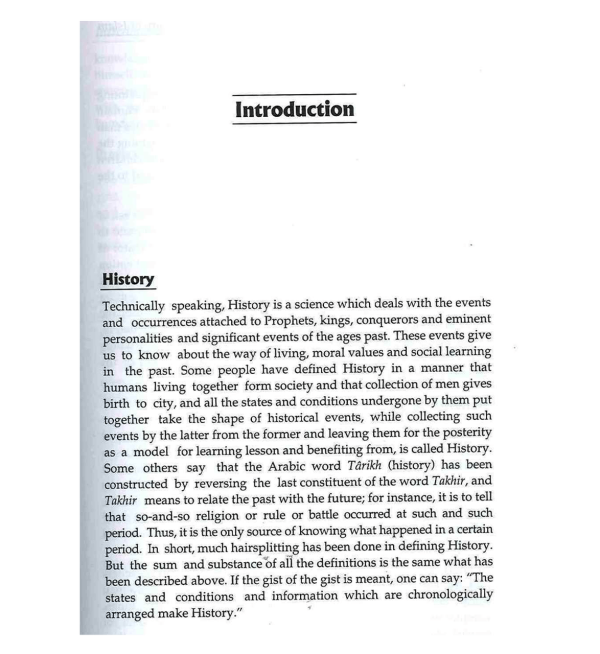
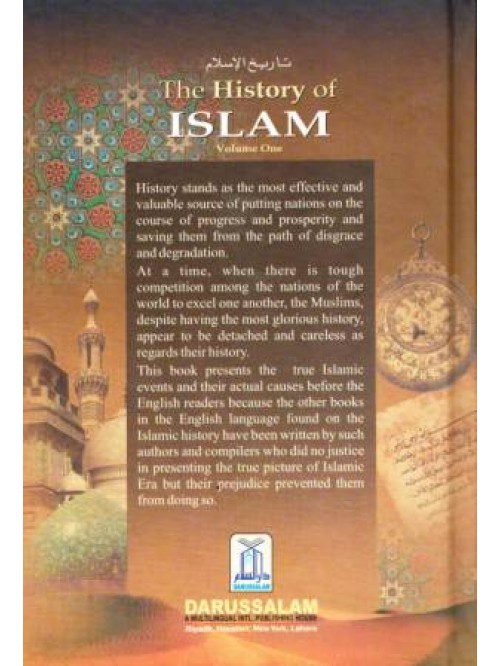
History stands as the most effective and valuable source of putting nation on the course of progress and prosperity and saving them from the path of disgrace and degradation.
At a time, when there is tough competition among the nations of the world to excel one another, the Muslim, despite having the most glorious history, appear to be detached and careless as regards their history.
This book presents the true Islamic events and their actual causes before the English readers because the other books in the English language found on the Islamic history have been written by such authors and compilers who did no justice in presenting the true picture of Islamic Era but their prejudice prevented them from doing so.
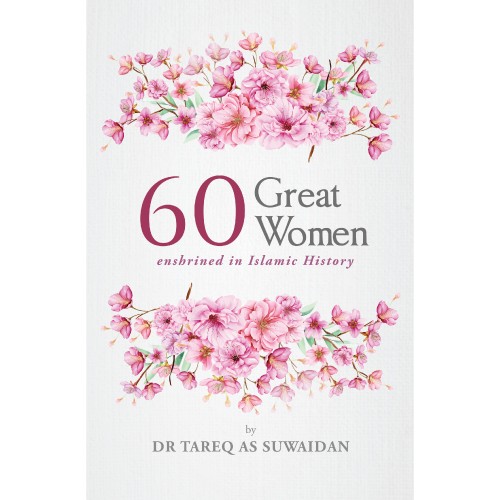
60 Great Women Enshrined in Islamic History
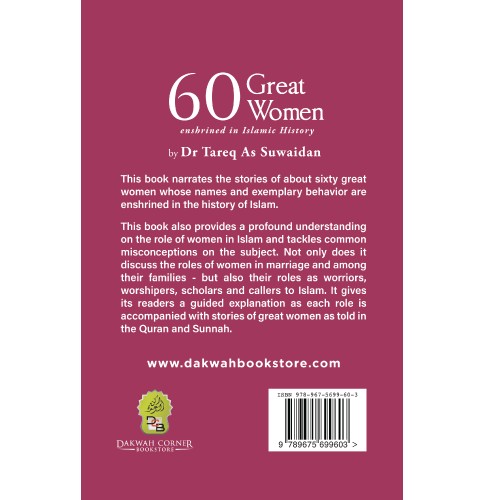
This book provides a profound understanding on the role of women in Islam and tackles common misconceptions on the subject. Not only does it discuss the roles of women in marriage and among their families – but also their families – but also their roles as warriors, worshipers, scholars and callers to Islam. It gives its readers a guided explanation as each role is accompanied with stories of great women as told in the Quran and Sunnah.
This book narrates the stories of about sixty great women whose names and exemplary behavior are enshrined in the history of Islam.
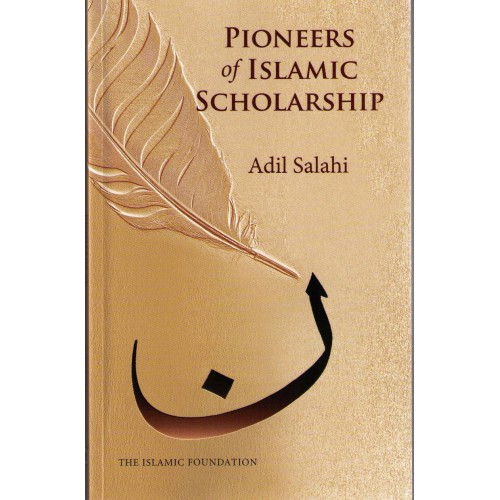
Pioneers of Islamic Scholarship
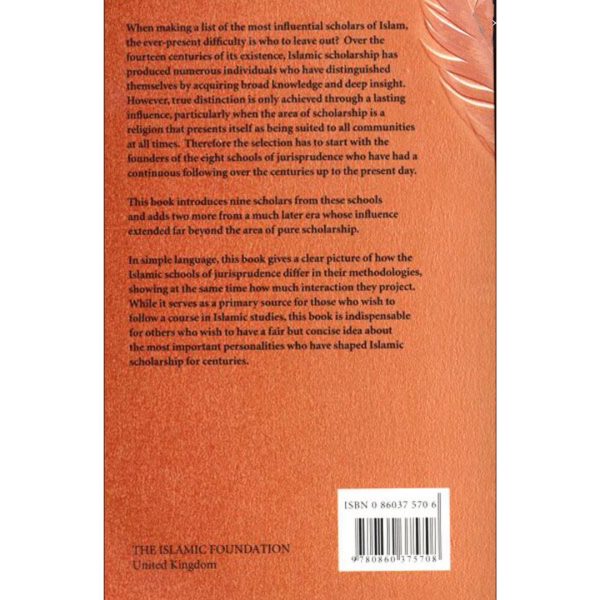
Over the fourteen centuries of its existence, Islamic scholarship has produced numerous individuals who have distinguished themselves by acquiring broad knowledge and deep insight.
- However, true distinction is only achieved through a lasting influence, particularly when the area of scholarship is a religion that presents itself as being suited to all communities at all times.
- The selection has to start with the founders of the eight schools of jurisprudence who have had a continuous following over the centuries up to the present day.
- This book introduces nine scholars from these schools and adds two more from a much later era whose influence extended far beyond the area of pure scholarship.
- In simple language, this book gives a clear picture of how the Islamic schools of jurisprudence differ in their methodologies, showing at the same time how much interaction they project.
- It serves as a primary source for those who wish to follow a course in Islamic studies, this book is indispensable for others who wish to have a fair but concise idea about the most important personalities who have shaped Islamic scholarship for centuries.
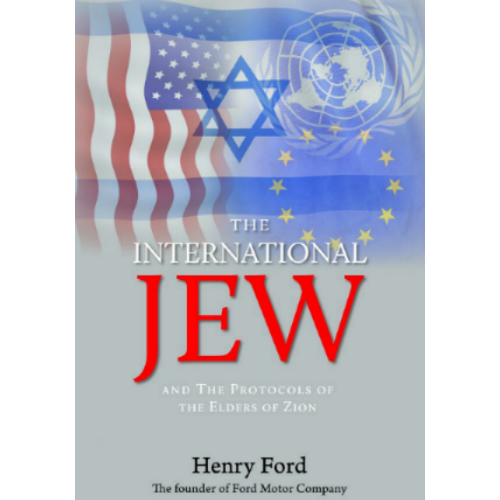
The International Jew and the Protocols of the Elders of Zion (P/B)
Much is known about Henry Ford (1863-1947), one of the greatest industrialists of our times, and his ‘Model T’.
What is not so well known is that Ford devoted years of his life and a substantial part of his fortune to awakening the American people to the enemies of the nation. Ford had become convinced that there was an organized, dangerous, largely secret, and incredibly powerful menace to America, almost completely Jewish at its highest levels, and he was determined to do something about it. Thus, 1920 marked the beginning of the publication of Ford’s research series in The Dearborn Independent, the Ford Motor Company’s weekly magazine. These articles were eventually collected in book form under the title The International Jew. When first published, more than 10 million copies were sold in the United States alone. It was translated into sixteen LANGUAGEs and distributed by the millions in Europe, South America and the Middle East, making it one of the greatest bestsellers of all time.
Yet today this book is almost impossible to find. You will not be able to buy it in your local bookstore, nor check it out at your local library. The truth is that in the so called “democratic, pluralist†America this book has been nakedly suppressed.
The International Jew is relevant to all of us, even if Henry Ford addressed this question to the Americans. Its insights into the roots of today’s political situation is astounding and prophetic. The International Jew and the Zionist movement have assumed gigantic proportions affecting the peace of the world.
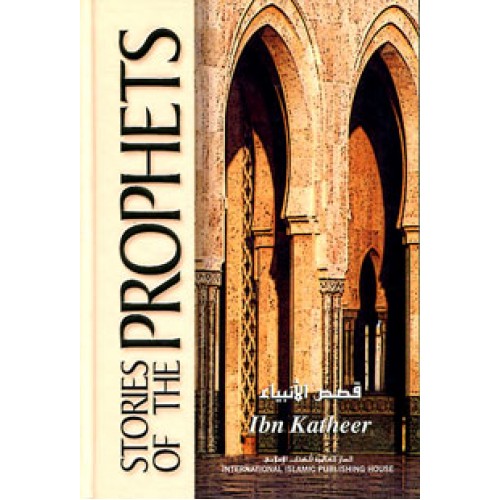
Stories Of The Prophets (IIPH)
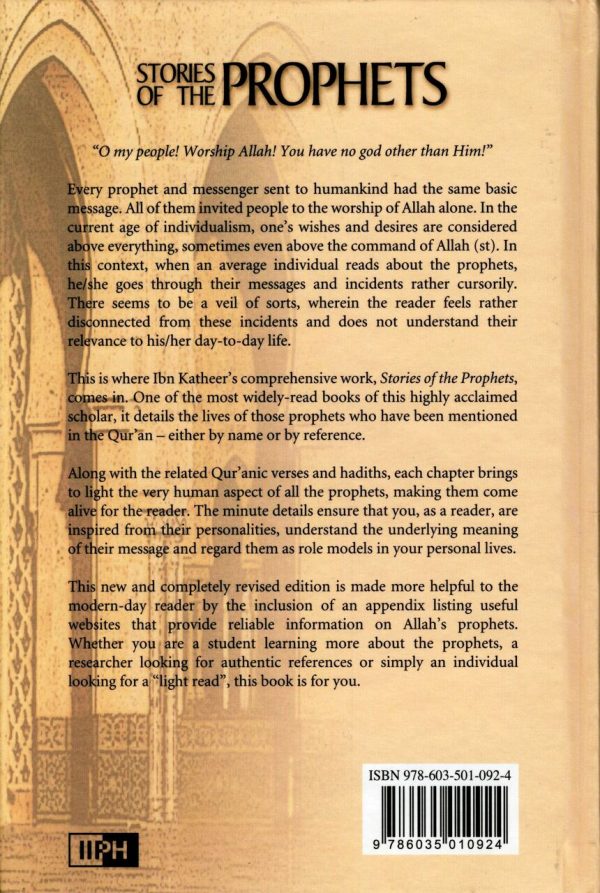
In this book, the stories of the prophets have been compiled from ‘Al-Bidayah wan-Nihayah’ (The Beginning and the End) which is a great work of the famous Muslim exegete and historian Ibn Kathir and has a prominent place in the Islamic literature. The stories of the prophets and all the events in their lives have been supported by the Qur’anic Verses and the Sunnah (traditions) of the Prophet (S). Wherever it was necessary, other sources have also been reported for the sake of historical accounts, but on such places a comparative study has been made to prove the authenticity of the sources. Ibn Kathir has reproduced the views and interpretations of all the great exegetes of the Qur’an of his time. The systemic narratives of the Stories of the Prophets have been written in chronological order which renders a historical style to the book.
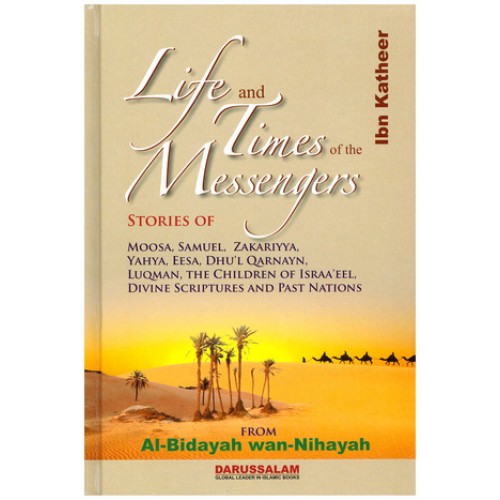
Life and the Times of the Messengers (H/B)
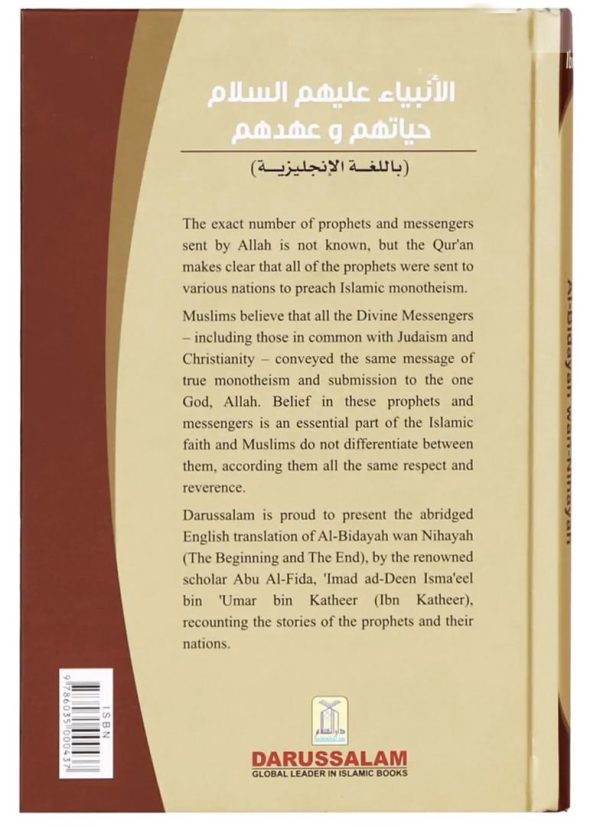
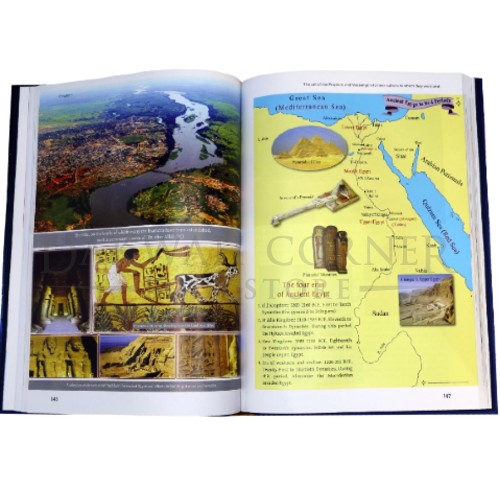
The exact number of prophets and messengers sent by Allah is not known, but the Qur’an makes clear that all of the prophets were sent to various nations to preach Islamic monotheism. Muslims believe that all the Divine Messengers ? including those in common with Judaism and Christianity ? conveyed the same message of true monotheism and submission to the one God, Allah. Belief in these prophets and messengers is an essential part of the Islamic faith and Muslims do not differentiate between them, according them all the same respect and reverence.
Atlas of the prophets & Messengers (H/B)
Historical atlas of the Prophets & Messengers
Recently Viewed
Tajweed Rules of the Quran (Part Three)
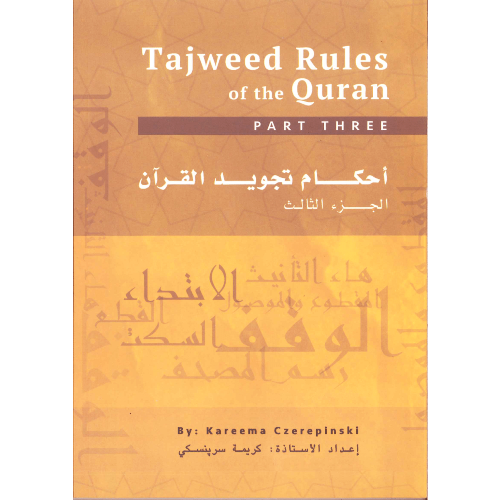
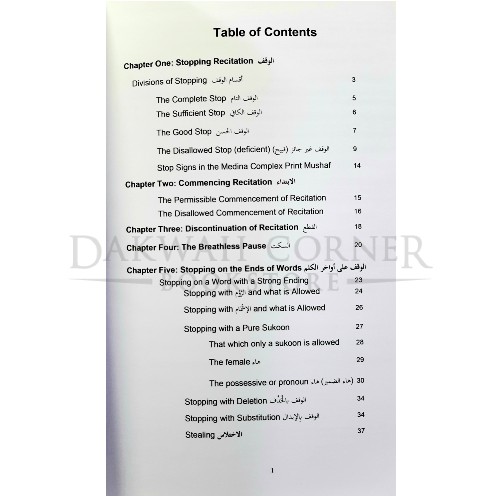
This is the third and final part of a three part series in English on the rules of tajweed the Qur’an for the recitation of Hafs from ‘Aasim by the way of Ash-Shaatibiyyah. These books are meant as a guide for non-Arabs with a good grasp of English for studying tajweed of the Glorious Qur’an. This final book explains the stop and start when reading the Glorious Qur’an, and gives details as to what kind of stop is allowed, what kind is preferred, and what kind of stop is forbidden. Stopping on the ends of words with strong endings (consonants) and rules for what is allowed on the last letter of the word is described, including ar-room (الروم) and al-ishmaam (الإشمام). Stopping on the ends of words with weak endings (words ending in the alif, ya’ or wow) and different rules and explanations for these type of words is clarified. One important aspect of Qur’an recitation is knowing and understanding which word combinations are written together and which separately in different parts of the Qur’an as well as in which places of the Qur’an are some words are written the female haa (هاء), and in which places they are written with the taa (تاء). This part lays out the different places in the Qur’an these occurrences take place, so the reader knows how he/she can stop on these words. The words that are read in a special way, or have two allowed ways for the reading of Hafs from ‘Aasim by the way of Ash-Shaatibiyyah are detailed in this book. The history of the writing of the Glorious Qur’an (رسم) and the general rules for the writing of the Qur’an are laid out in the last chapter of this part. This last part of the three parts on tajweed is for students who have studied and mastered the other two parts, or have studied everything covered in the first two parts. The explanations of the different subjects are in English, and the Arabic terms are translated. The goal is always to assist the students in understanding and to encourage them to learn the Arabic terms and definitions. The three parts of this series on tajweed rules of the Glorious Qur’an should facilitate non-Arabic speaking students of the Qur’an whether they are in a classroom with an Arabic medium for teaching or English. With this third part completed, insha’ Allah the non-Arab English speaking student of the Qur’an will find a complete curriculum and explanation of the tajweed rules for the recitation of Hafs ‘an ‘Aasim from the way of Ash-Shatibiyyah in any classroom or study situation that he/she may find themselves in. These three parts are only guidance; the real goal is reciting and applying all the different rules correction which can only be done by reciting to and being corrected by a qualified teacher of the Qur’an.


There are no reviews yet.