| Weight | 0.135 kg |
|---|---|
| Product Type | Book |
| Author | |
| Publisher | Darussalam |
| Pages | 80 |
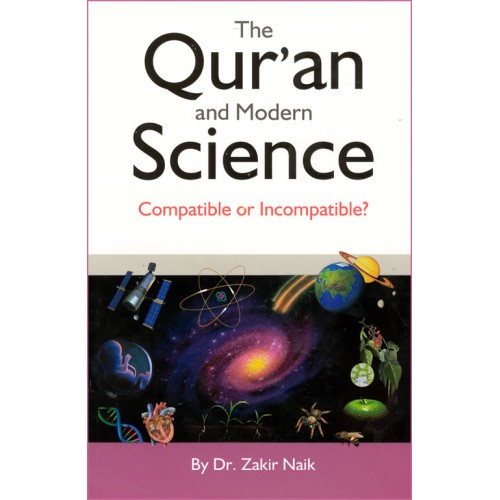
The Quran & Modern Science: Compatible or Incompatible? (P/B)
RM26.00
Ever since the dawn of human life on this planet, Man has always sought to understand Nature, his own place in the scheme of Creation and the purpose of Life itself. In this seek for Truth, spanning many centuries and diverse civilizations, the course of history has been determined to a large extent by organizing religion which has shaped human life. While some religions have been based on books as claimed by their adherents to be divinely inspired, others have relied only on human experience.
The main source of the Islamic faith, Al-Qur’an, is a book believed by Muslims, to be of fully Divine origin. It is also believed by Muslims that it contains Divine guidance for all humankind. As the message of Quran is believed to be for all times, it should be relevant to every age. Does the Qur’an pass this test? I intend to give an objective analysis of the Muslim belief in this booklet regarding the Divine origin of the Qur’an, in the light of established scientific discoveries.
In the history of world civilization there was a time when ‘miracles’, or what was perceived to be a miracle, took precedence over human reason and logic. But how do we define the term ‘miracle’? A miracle is anything that takes place out of the normal course of life and for which humankind has no explanation. Though, we must be careful before we accept something as a miracle. An article in `The Times of India’, Mumbai, in 1993 reported that ‘a saint’ by the name ‘Baba Pilot’ claimed to have stayed continuously submerged under water in a tank for three consecutive days and nights.
But he refused the reporters to examine the base of the tank of water where he claimed to have performed this ‘miraculous’ feat. He argued by asking as to how one could examine the womb of a mother that gives birth to a child. The `Baba’ was hiding something and it was considered to be a gimmick simply to gain publicity.
Certainly, no contemporary man with even the slightest inkling towards rational thinking would accept such a ‘miracle’. We would have to accept Mr. P.C. Sorcar, the world famous magician known for his ingenious magical tricks and illusions, as the best god-man if such false miracles are the tests of divinity.
A book, claiming Divine origin, is in effect, claiming to be a miracle. Such a claim should be easily verifiable in any age, as per the standards of that age. It is believed by the Muslims that the Quran is the last and final revelation of God, the miracle of miracles revealed as a mercy to humankind. Both Quran and science are related. Let us therefore scrutinize the veracity of this belief.
Be the first to review “The Quran & Modern Science: Compatible or Incompatible? (P/B)” Cancel reply
You must be logged in to post a review.
Related Products

The Sources of the Qur’an
“Who is the author of the Qur’an?” On this subject scholars have flagrantly contradicted each other. This work attempts to make a critical review of the major ‘authorship’ theories by pressing into service logical arguments, historical evidence, textual analysis and scientific data. Probably, the only point of agreement about the Qur’an is that it was uttered for the first time by a man who was born in Makkah (Mecca), a city of Arabia, in the sixth century—a man by the name of Muhammad (blessings and peace be upon him). As to the source of the Qur’an, scholars are divided into three main groups: those who believe that Muhammad (blessings and peace be upon him) himself was the author; those who believe that he was not the author himself but learned it from another human author or authors; and those who believe that the Qur’an has no human author but is rather a word-for-word revelation from God. Hamza Njozi examines the three theories and comes to a firm and logical conclusion.
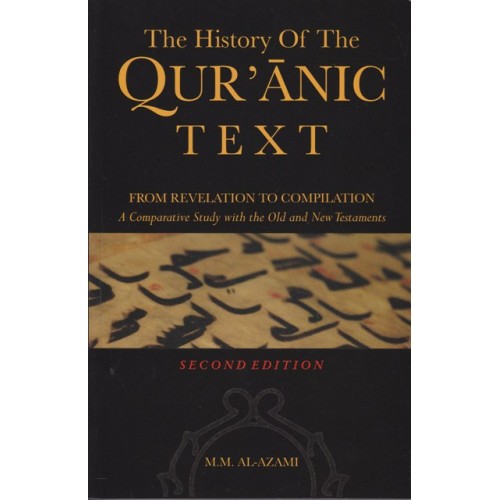
The History of the Qur’anic Text (P/B) (IBT)
The Qur’an reigns supreme in Muslim hearts as the most sacred of texts: a profusion of exalted ideas to rouse the mind, noble histories to stir the soul, universal truths to awaken the conscience and precise injunctions directing humanity to its own deliverance, all distilled into the melodious essence that is the Word of Allah. Through fourteen centuries Muslims have persevered in championing the text against corruption, memorising its every word and contemplating its every phrase, so that in our own times untold millions have enthusiastically committed each letter to heart.
Beginning with a catalogue of ancient and contemporary attacks on the Qur’an, this expansive book provides unique insights into the holy text’s immaculate preservation throughout its history, as well as exploring many of the accusations leveled against it. The reception of divine revelations, Prophet Muhammad’s role in teaching and disseminating these verses, the text’s compilation under his guidance and the setting of its final external shape shortly after his death, are meticulously and scientifically examined alongside such topics as the origins of Arabic, its paleography and orthography, the so-called Mushaf of Ibn Mas’ud, and the strict methodology employed in assembling textual fragments.
By way of comparison the author investigates the histories of the Old and New Testaments, relying entirely on Judaeo-Christian sources including the Dead Sea Scrolls and uncovers a startling range of alterations that touch almost every fact of the Biblical Scriptures. Using this as a springboard for assessing Western theories regarding the Qur’an, he makes a sophisticated yet passionate case for questioning the aims of Western scholarship in continuously undermining Islam’s holy book, and illustrates convincingly that such research, motivated by more than mere curiousity, has no scientific bearing on the Qur’an’s integrity.
This monumental effort, a scholarly work composed in an impassioned tone, provides a welcome foundation for sincere study at a time when assailing the Qur’an has become all too common.
A cornerstone addition to any personal library. A Truly monumental effort. This work presents a cogent and powerful argument for the Qur’an’s unique inviolability.
Daily Wisdom: Selections from the Holy Qur’an (H/B)
This beautiful presentation of a selection from the Holy Qur’an engages the reader in a moment of daily reflection. Edited for ease of comprehension, English-speaking readers will find this compilation both spiritually enriching and easy to understand. With 365 verses covering the whole year, this is a must for every home.
An introduction to the Qur’an and its eternal message for humanity is included, giving the reader an insight into its origin, purpose, and style.
Abdur Raheem Kidwai is professor of English at the Aligarh Muslim University in India and the well-known author of many works on the Qur’an and Islam.
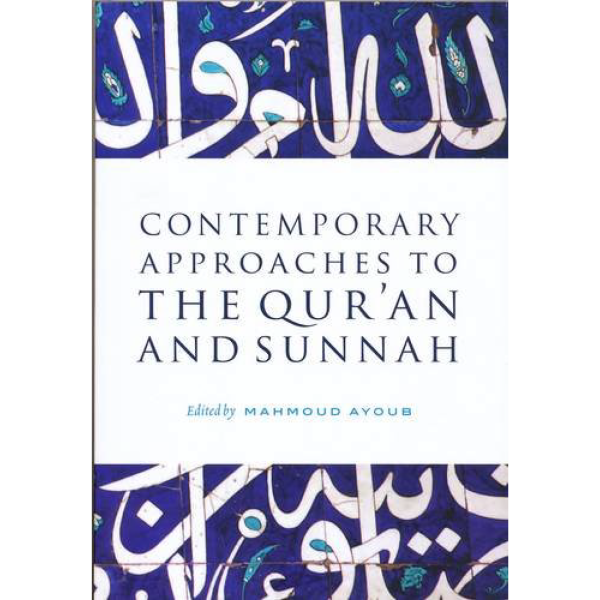
Contemporary Approaches to The Qur’an
The Qur’an and Sunnah are the two primary sources of Muslim faith, life, law and morality. The Qur’an is for Muslims the foundation of their faith and the Sunnah is the framework of their morality. Together they constitute the two sources of the law (Shari ah) of God, a guide to prosperity and happiness in this life and to the bliss of the hereafter. Although the Qur’an and Sunnah are materially and formally two independent sources, they are inextricably bound in a dynamic relationship. The rulings and precepts (ahkam) of the Qur’an constitute the law (shar ) of God. They are supplemented by the precepts of the authentic Sunnah, which possess authority second only to the precepts of the Qur’an. The Qur’an commands Muslims, Whatever the Messenger gives you, that you must take, and whatever he forbids you, you must desist therefrom…. (59:7).
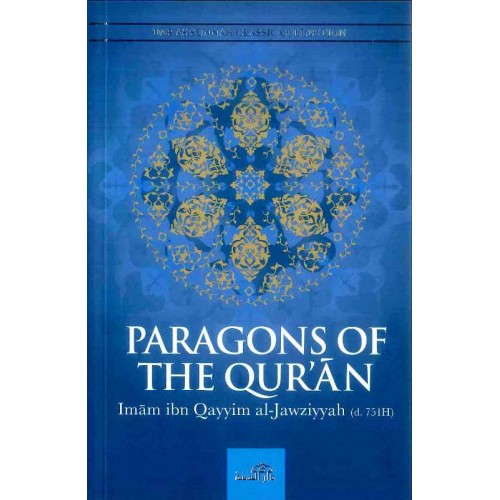
Paragons of The Qur’an (P/B)
In discussing the unique style, theme and content of the Qur’an – this is the first work of its kind in English literature.
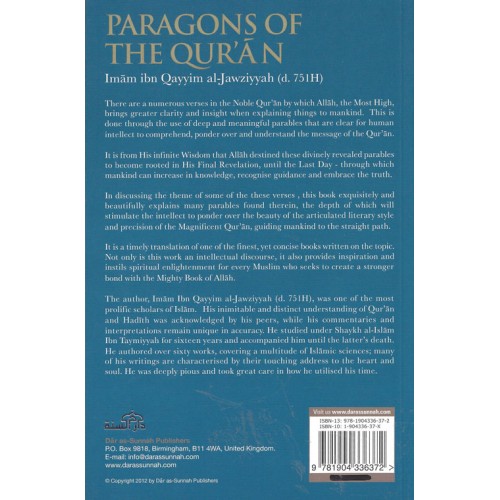
There are a numerous verses in the Noble Qur’an by which Allah, the Most High, brings Greater clarity and insight when explaining things to mankind. This is done through the use of deep and meaningful parables that are clear for human intellect to comprehend, ponder over and understand the message of the Qur’an. It is from his infinite Wisdom that Allah destined these divinely revealed parables to become rooted in His Final Revelation, until the Last Day – through which mankind can increase in knowledge, recognise guidance and embrace the truth.
This book explains many parables in the Qur’an, in such depth – exquisitely and beautifully. It is an amazing work that will get the intellect thinking and pondering over the beauty and precisions of the Magnificent Qur’an, guiding mankind to the straight path. Not only is this work an intellectual discourse, but also a spiritual enlightenment for every Muslim.
It is a timely translation of one on the finest, yet concise books written on the topic. Not only is this work an intellectual discourse, it also provides inspiration and instils spiritual enlightenment for every Muslim who seeks to create a stronger bond with the Mighty Book Of Allah.
In discussing the theme of some of these verses, this book exquisitely and beautifully explains many parables found therein, the depth of which will stimulate the intellect to ponder over the beauty of the articulated literary style and precision of the Magnificent Quran, guiding mankind to the straight path.
Into The Qur’an Let It Enrich Your Soul and Your Life
Do you want to improve the quality of your relationship with the Qur’an? If yes, then this book is definitely for you! Beautifully written, straight from the author’s heart, Into the Qur’an offers comprehensive and inspiring reminders about commandments from the Qur’an and the Hadith, in a way that you can apply to everyday life. Sadaf Farooqi urges you to study the Qur’an and then implement its teachings, regardless of personal whims and desires or traditional customs and practices.
The Soul of the Quran (P/B)
This book is a unique collection of prayers and verses distilled from the Sacred Book. It contains one hundred and fifty four passages of exquisite beauty, majestic prose and breadth of vision. Lucid in style and rich in spiritual wisdom, they have been judiciously selected to inspire and uplift the soul.
Understanding the Qur’an Themes and Style
The tenets of Islam cannot be grasped without a proper understanding of the Qur’an. In this book, Muhammad Abdel Haleem examines its recurrent themes and for the first time sets them in the context of the Qur’an’s linguistic style. Haleem examines the background to the development of the surahs (chapters) and the ayahs (verses) and the construction of the Qur’an itself.
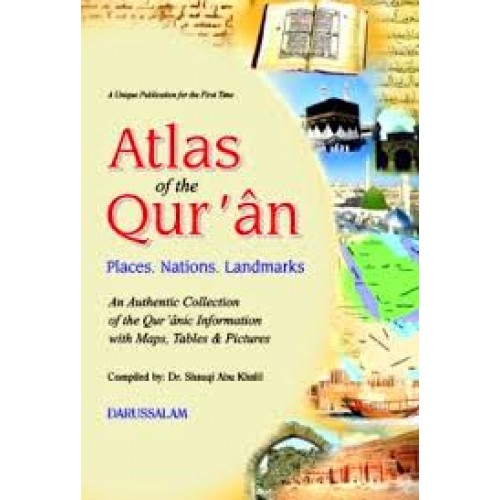
Atlas of the Qur’an (Darussalam)
This Atlas is new in its subject, a subject that has not been touched before. It helps whoever recites the Qur’an or studies it to specify the locations mentioned by the Noble Verses, and to mark those places of ancient people mentioned in the Qur’Gn. This is besides locating areas where the incidents of the prophetic Seerah occurred.
Eventually the diligent reader will easily recognize those places, learn about them, and take heed of them while reciting.
Eventually the diligent reader will easily recognize those places, learn about them, and take heed of them while reciting. The Atlas has also revealed obscure places we used to pass through inattentively, like the site where Nuh’s Ark settled, the site of the curved Sand-hills {Al Ahqah}, the cave of the young faithful men, the houses of median, the site of Sodom and other places determined by the Atlas depending on reliable sources.
Thus the Atlas eliminates all the guessing and the fantasies we used to encounter when reciting the Noble Quran, and takes us to the specific place.
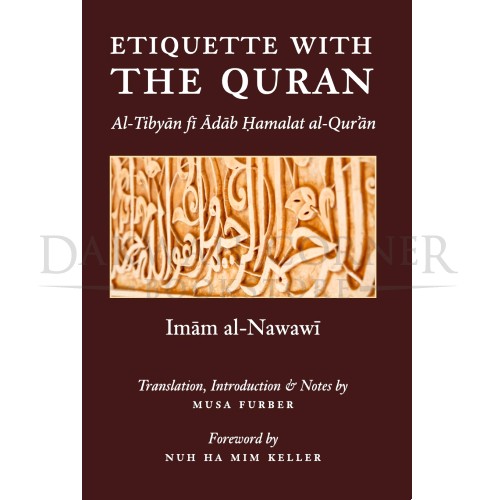
Etiquette With The Quran (Islamosaic)
An enduring classic work on the etiquette that a Muslim must or should have with regard to handling and reciting the Quran (the Muslim scripture). The topics this volume raises include: ritual cleanliness, opportune times for recitation, the etiquette that students have with their teachers (and that teachers must have with their students), and variety of other issues that every Muslim should know and frequently ask about.
He present works was designed and written to explain to men and women how best to benefit from the Book of Allah. The blessing of the Quran is that whoever recites it as it should be recited is changed by it, and brought by imperceptible degrees to see why everything is the way it is. The seed of this knowledge is a humble intention to draw nearer to the Divine, the soil in which it takes root are reverence, awe, and love, ant its fruit is this world and the next. It is well known to everyone conversant wuth the Islamic disciplines that the learning of many thins does not teach wisdom, and that traditional books do not reveal their secrets or bestow their benefits to those without the key to them.
This key is adab, the “the right way of doing things,” rendered in the title as “etiquette.”… Books, especially sacred ones, give their knowledge to those of adab, and Westerns who know something about the sciences of Islam have been waiting for a book like this in English for a long time.
-From the Foreword by
Nuh Ha Mim Keller
Recently Viewed
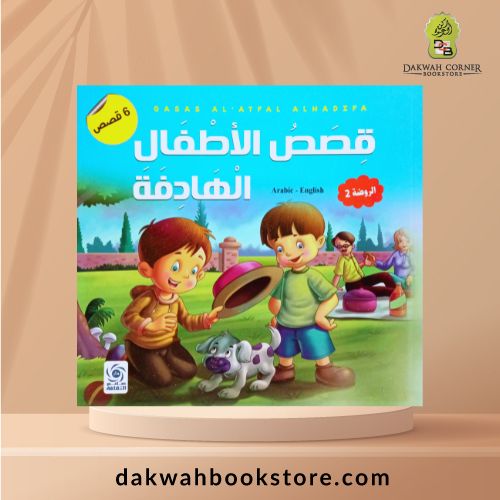
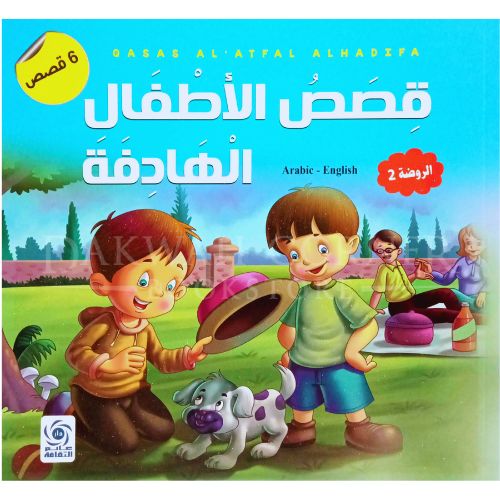
[CB] Qisas Al Atfal Al Hadifa / قصص الأطفال الهادفة
قصص الأطفال الهادفة
ابتسامة سالي ▪️
زيارة مهمة ▪️
صديقي المشاغب ▪️
غالي والعصائر ▪️
هدايا الجد ▪️
هيا نتعاون ▪️
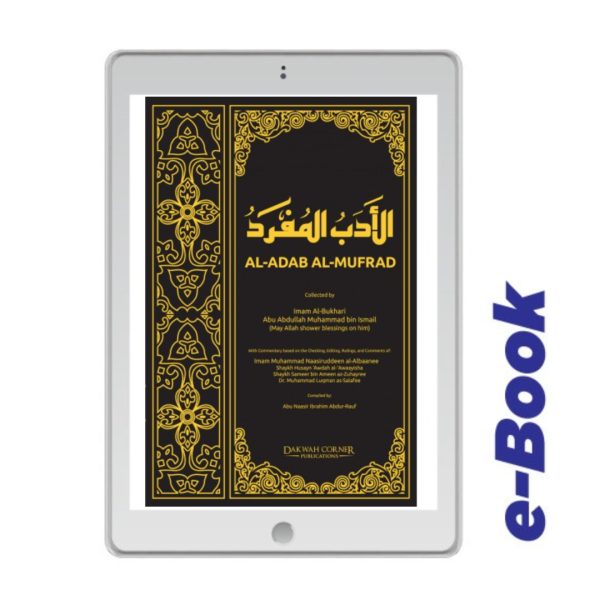
( E-Book) Al-Adab Al-Mufrad
This book deals exclusively with the subject of moral etiquette in Islam, focusing on the customs and traditions of the early Muslims.
Al Adab Al Mufrad is Imam al-Bukhari’s second most well known work, which contains 644 sections with 1322 ahaadith and narrations from the pious predecessors. It comprises benefits from the daily life of the Prophet Muhammad (PBUH), his companions, and the early Muslims.
You may expect a fascinating insight into how one should behave as practiced by the Prophet Muhammad (PBUH), his companions, and the Aimmah of the Tabi’in from the following generation. It tackles a variety of issues; from dealing with specific family members, to how to write letters, as well as how to go shopping, or even on how to walk properly. The unique depth and importance of this book makes it an undeniable classic, covering all areas of life. One would become a model citizen for others by following this true guidance and adapting these great characters.
Al Adab Al Mufrad deserves the most attention after the book Sahih Al Bukhari by the one who seeks to follow the sunnah of beloved Prophet (PBUH).
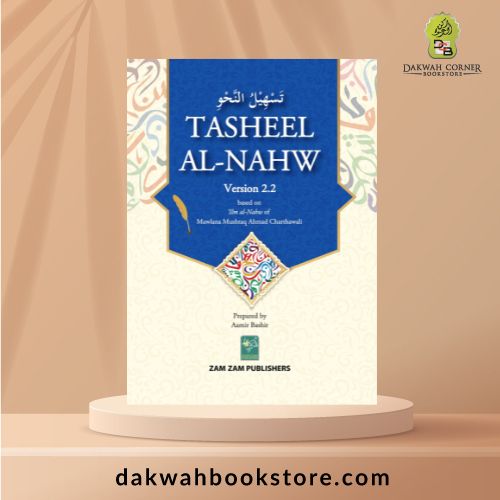
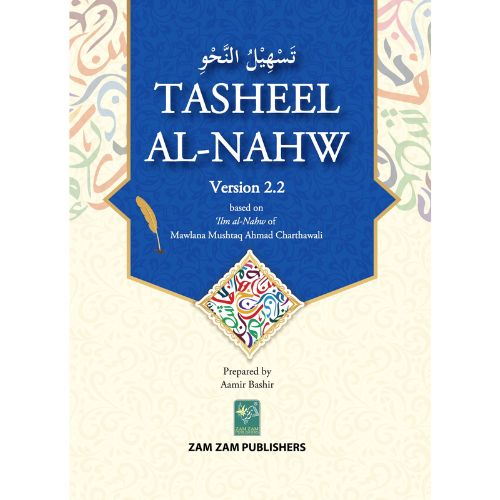
[AR] Tasheel Al Nahw (Nahu) Ver. 2.2
Tasheel al-nahw is an expanded English translation of the famous Urdu work ‘Ilm al-nahw of Mawlana Mushtaq Ahmad Charthawali which has been used to teach Arabic grammar in madrasas around the world for decades.
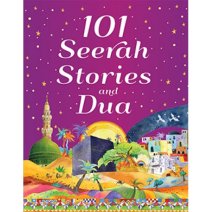
101 Seerah Stories and Dua (H/B)
101 Seerah Stories and Dua is a richly illustrated collection of 101 great stories told in simple language that children will easily understand and relate to. Each story comes with delightful illustrations and a beautiful prayer. The book includes well known tales from the life of the Prophet Muhammad — the Year of Elephant, the birth and childhood of the Prophet, the revelation of the Quran, the first Muslims, opposition of the Quraysh, the spread of Islam and migration to Madinah to name a few. It’s a unique experience the whole family will cherish and revisit again and again!
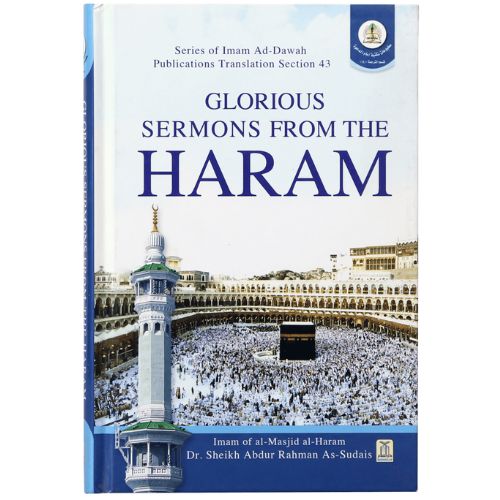
Glorious Sermons from The Haram (Darussalam)
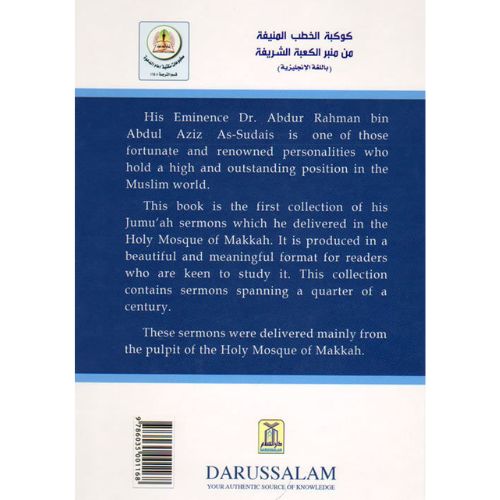
This book is the first collection of his Jumu’ah sermons which he delivered in Haram Makkah after doing intensive preparation for each Khutba, thus making each Khutba unique and outstanding. It is produced in a beautiful and meaningful format for readers who are keen to study it. This collection contains sermons spanning a quarter of a century. These sermons were delivered mainly from the pulpit of the Holy Mosque of Makkah.
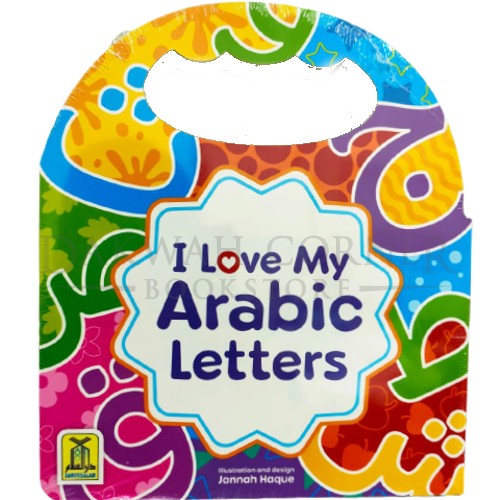
I Love My Arabic Letters
A Bright and fun Learning Experience
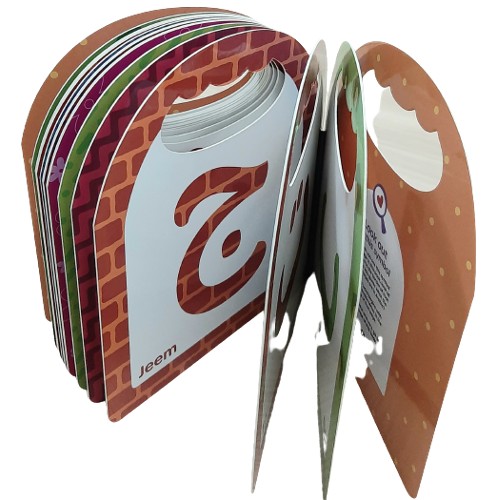
Get your child excited and engaged with this colourful and clever Arabic alphabet book. Play along with them and search for clues to guess the shapes and symbols linked to the letters. Each page has a single large letter to help your child recognise the shapes of the Arabic alphabet while feeling highly impressed by the vibrant colours that make learning lots of fun.
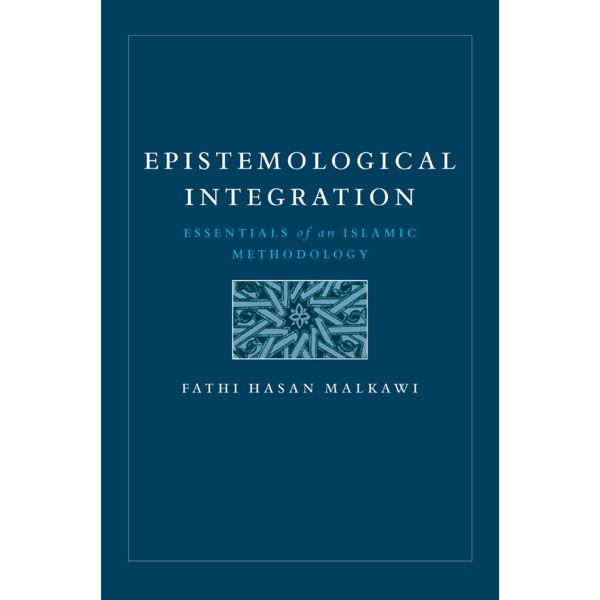
Epistemological Integration Essentials of an Islamic Methodology
Epistemological Integration: Essentials of an Islamic Methodology is a program which seeks to construct an intellectual framework for Islamic methodology with a view to realizing practical training in the thoughtful investigation of issues related to knowledge in various fields. The book’s title affirms the distinctive types of integration that characterize Islamic methodology, including integration of sources, means, and schools of thought, as well as existing realities with desired ideals etc. This is fully consistent with human nature, as variety is fundamental to the functions people perform and skills they master. The work essentially makes the case that fundamental to any Muslim recovery is laying the foundations of sound thinking and values that integrate the two main sources of knowledge: Revelation and Reality (that is the created worlds both physical, societal and psychological) under the umbrella of Tawhid. Islamic methodology adopts that and extends human hopes to integrate efforts so that humanity can realistically achieve prosperity on earth and earn eternal happiness in the afterlife.
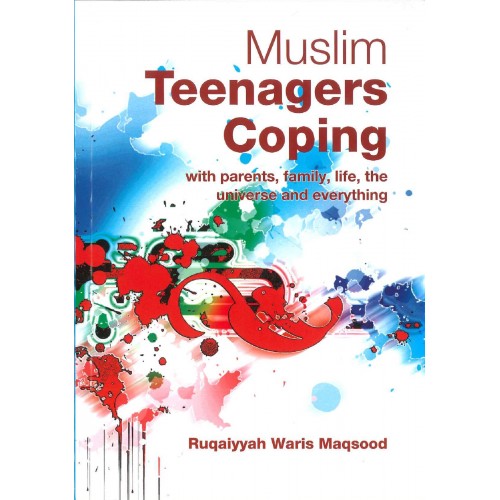
Muslim Teenagers Coping (P/B)
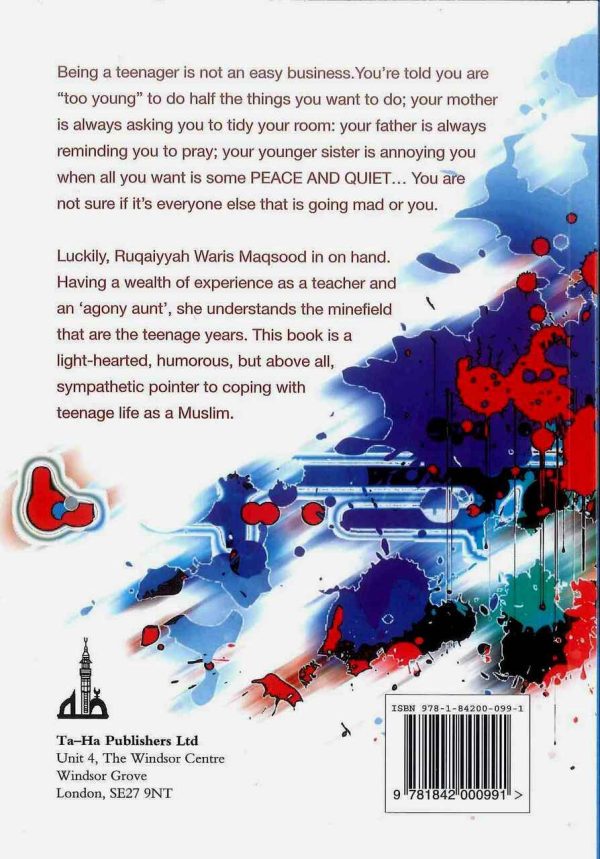
Being a teenager is not an easy business.You’re told you are “too young” to do half the things you want to do; your mother is always asking you to tidy your room: your father is always reminding you to pray; your younger sister is annoying you when all you want is some PEACE AND QUIET … You are not sure if it’s everyone else that is going mad or you.
Luckily, Ruqaiyyah Waris Maqsood in on hand. Having a wealth of experience as a teacher and an ‘agony aunt’, she understands the minefields that are the teenage years. This book is a light-hearted, humorous, but above all, sympathetic pointer to coping with teenage life as a Muslim.
[CB]I Say As-Salamu’Alaykum
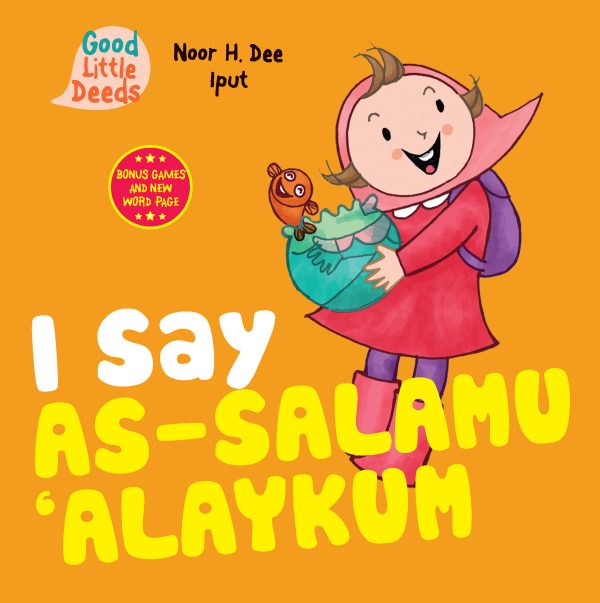
The phrase translates to “Peace be upon you”. An extended, more formal version is As-salamu ʿalaykum wa-raḥmatu -llāhi wa-barakātuhᵘ̄, meaning “May the peace, mercy, and blessings of God be upon you”.
Nabil and Noura are going to the park. Along the way Nabil greets the gardener and park ranger. Now Noura wants to say, ‘AS-SALAMU ‘ALAYKUM!’ Who, or what, will she salam?


There are no reviews yet.