

| Weight | N/A |
|---|---|
| Dimensions | 23 × 15.5 × 1 cm |
| Author | |
| Binding | Hardcover, Paperback |
| Pages | 192 |
| Publisher | The Islamic Foundation UK |
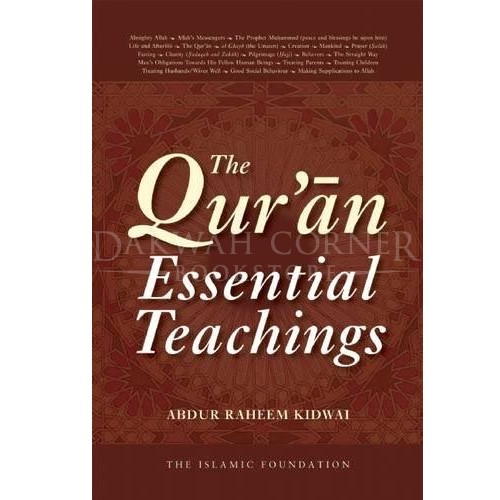
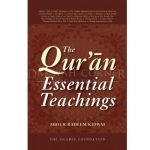
The Qur’an Essential Teachings
RM114.00
Hurry up, Only 1 left.
Highlights:
somdn_product_page
Compare
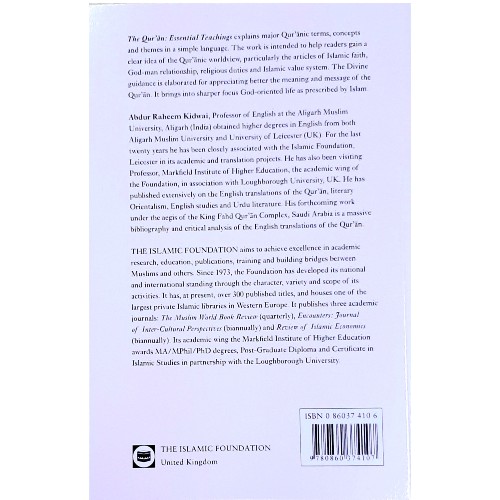
The Qur’an: Essential Teachings explains major Qur’anic terms, concepts and themes in a simple language. The work is intended to help readers gain a clear idea of the Qur’anic worldview, particularly the articles of Islamic faith, God – man relationship, religious duties and Islamic value system. The Divine guidance is elaborated for appreciating better the meaning and message of the Qur’an. It brings into sharper focus God – oriented life as prescribed by Islam.
SKU: N/A
Categories: Holy Quran and Quranic Sciences, Quranic Science/ Related
Brand: The Islamic Foundation UK
Frequently Bought Together
1 Item
RM114.00
2 Add-Ons
RM236.00
Total
RM350.00
Additional information
Reviews (0)
Be the first to review “The Qur’an Essential Teachings” Cancel reply
You must be logged in to post a review.
You may also like…
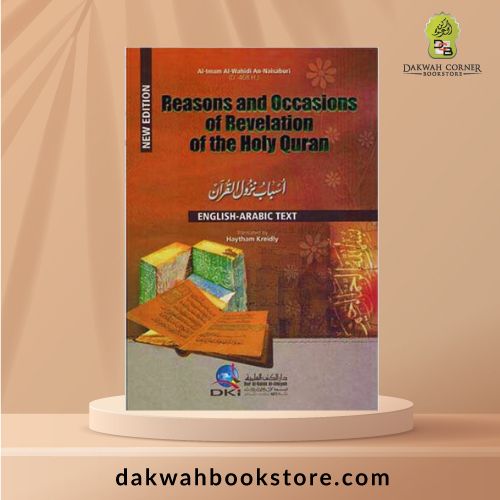
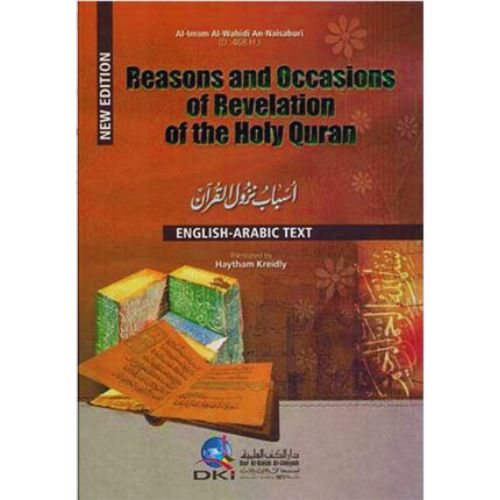
Reasons and Occasions of Revelation of the Holy Quran (DKI)
Highlights:
Without doubt, to know the cause of a thing, the occasion on which an incident has come in a particular way, and the circumstances under which an event has taken place in a certain manner can remove a great deal of ambiguity because of which it is not only difficult to understand this thing, but also it is possible to understand it quite differently from what it really is.
RM68.00
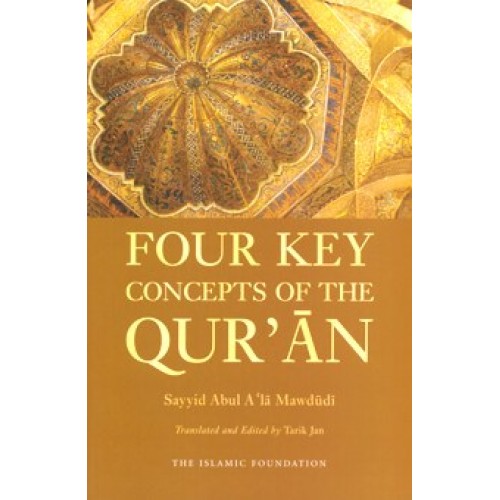
Four Key Concept of the Qur’an
Highlights:
Four Key concepts oF the Qur’An elucidates these basic Qur’anic concepts Ilah, Rabb, Ibadah and Din in order to bring out fully the Islamic way of life, as distinct from other perspectives. This elaboration goes a long way in developing a sound understanding of the Qur’an. It also explains the man-God relationship in Islam, guiding Muslims on how to lead their lives in total surrender to Allah.
RM46.00
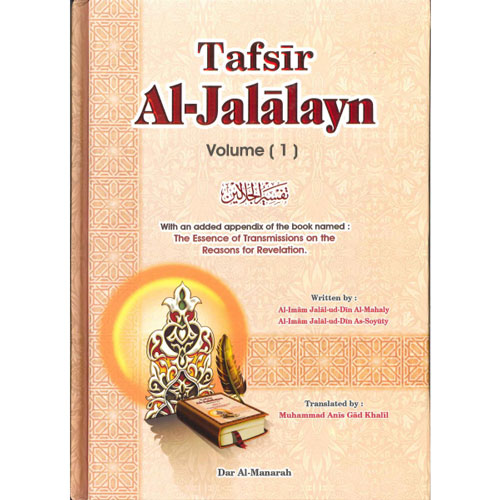
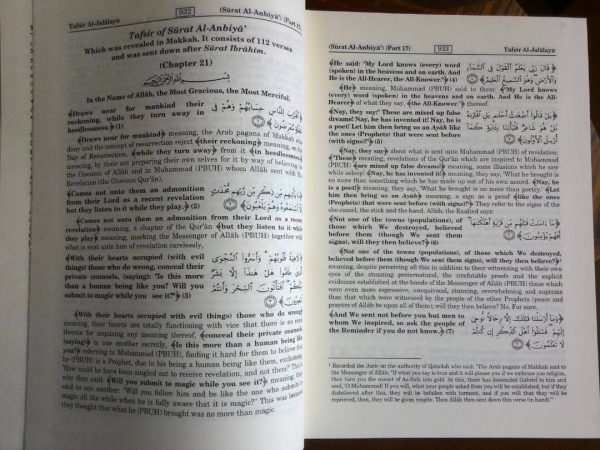
Tafsir Al-Jalalayn (set of 2 vol)
Highlights:
This book, “Tafsir al-Jalalayn,” meaning “The Commentary of the Two Jalals”, is named after its two authors: Jalalu’d-Din al-Mahalli (1389-1459), who wrote half of it, and his student, Jalalu’d-Din as-Suyuti (1445-1505), one of the greatest Muslim scholars of all, who completed it after al-Mahalli’s death. For half a millennium Tafsir al-Jalalayn has been considered the essential first step in the study of the meanings of the Quran by teachers and students throughout the Islamic world. Although it is among the shortest and simplest of the complete commentaries, it is at the same time both wide-ranging and profound. This translation by Muhammed Anis Gad Khalil gives non-Arabic speakers access to one of the seminal works of classical tafsir literature. It is hoped that it will prove a valuable aid to the correct understanding of the Quranic Revelation throughout the English-speaking world.
RM240.00
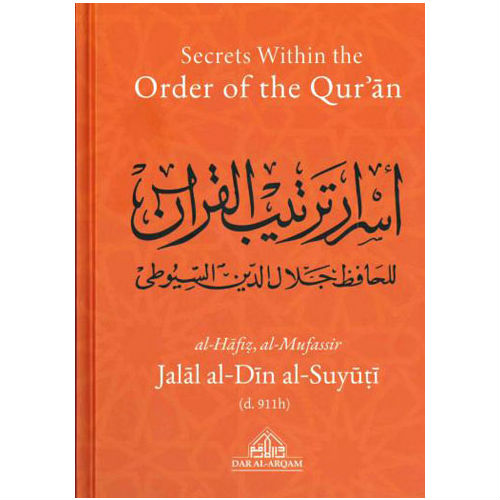
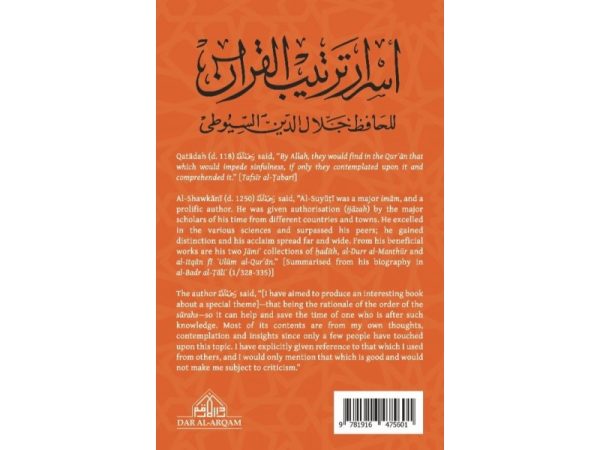
Secrets Within the Order of the Qur’an (H/B)
Highlights:
This unique book displays the genius of al-Suyūṭī in exegesis of the Qurʾān. Through his deep reflection and knowledge of the Qurʾān and its related sciences, he provides insights into why its chapters are ordered so and unveils intricacies to the reader which could only have been unearthed by one possessing such mastery and genius. The author states at many junctures within the book that he is displaying his reflections to the reader, so one is given the opportunity through this intimate writing style to ponder over the Qurʾān from the perspective of a true tafsīr master.
RM100.00
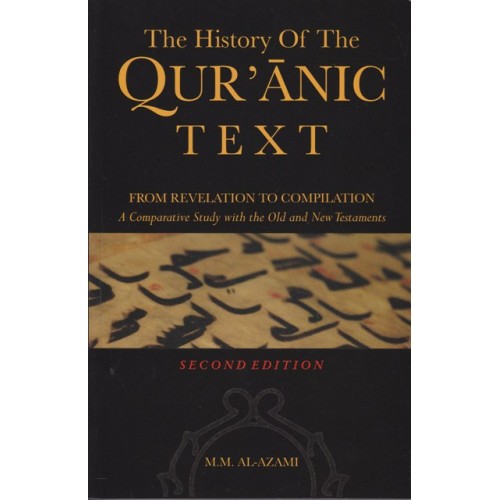
The History of the Qur’anic Text (P/B) (IBT)
Highlights:
The Qur’an reigns supreme in Muslim hearts as the most sacred of texts: a profusion of exalted ideas to rouse the mind, noble histories to stir the soul, universal truths to awaken the conscience and precise injunctions directing humanity to its own deliverance, all distilled into the melodious essence that is the Word of Allah. Through fourteen centuries Muslims have persevered in championing the text against corruption, memorising its every word and contemplating its every phrase, so that in our own times untold millions have enthusiastically committed each letter to heart.
Beginning with a catalogue of ancient and contemporary attacks on the Qur’an, this expansive book provides unique insights into the holy text’s immaculate preservation throughout its history, as well as exploring many of the accusations leveled against it. The reception of divine revelations, Prophet Muhammad’s role in teaching and disseminating these verses, the text’s compilation under his guidance and the setting of its final external shape shortly after his death, are meticulously and scientifically examined alongside such topics as the origins of Arabic, its paleography and orthography, the so-called Mushaf of Ibn Mas’ud, and the strict methodology employed in assembling textual fragments.
By way of comparison the author investigates the histories of the Old and New Testaments, relying entirely on Judaeo-Christian sources including the Dead Sea Scrolls and uncovers a startling range of alterations that touch almost every fact of the Biblical Scriptures. Using this as a springboard for assessing Western theories regarding the Qur’an, he makes a sophisticated yet passionate case for questioning the aims of Western scholarship in continuously undermining Islam’s holy book, and illustrates convincingly that such research, motivated by more than mere curiousity, has no scientific bearing on the Qur’an’s integrity.
This monumental effort, a scholarly work composed in an impassioned tone, provides a welcome foundation for sincere study at a time when assailing the Qur’an has become all too common.
A cornerstone addition to any personal library. A Truly monumental effort. This work presents a cogent and powerful argument for the Qur’an’s unique inviolability.
RM79.00
Related Products

Starting from Scratch – Tajweed Made Easy
Highlights:
Holy Quran and Quranic Sciences
RM10.00


The Sources of the Qur’an
Highlights:
“Who is the author of the Qur’an?” On this subject scholars have flagrantly contradicted each other. This work attempts to make a critical review of the major ‘authorship’ theories by pressing into service logical arguments, historical evidence, textual analysis and scientific data. Probably, the only point of agreement about the Qur’an is that it was uttered for the first time by a man who was born in Makkah (Mecca), a city of Arabia, in the sixth century—a man by the name of Muhammad (blessings and peace be upon him). As to the source of the Qur’an, scholars are divided into three main groups: those who believe that Muhammad (blessings and peace be upon him) himself was the author; those who believe that he was not the author himself but learned it from another human author or authors; and those who believe that the Qur’an has no human author but is rather a word-for-word revelation from God. Hamza Njozi examines the three theories and comes to a firm and logical conclusion.
RM14.00

The Spiritual Cure An Explanation to Surah al-Fatihah (P/B)
Highlights:
Surah al Fatiha is the greatest chapter of the Qur’an, its like is not found in the rest of the Book or in the previous scriptures. It is a
Light that was granted to Prophet Muhammad (S) which had not been granted to any other Prophet or Messenger before him; indeed
some of the Salaf stated that when this chapter was revealed, Shaytãn l let out a great cry of lament.
It holds a central position in the daily Prayer hence the daily life of the Muslim.
The underlying theme, of al-Fatiha is one of contemplation and serenity; pondering the Names and Attributes of Allah, pondering the creation , and acknowledging that He Alone deserves praise and Worship, that He Alone should be asked for help, that He Alone Should be feared and hoped in, that He Alone should be invoked, that there is indeed a Day of Judgment, and that guidance has come to us and we are required to follow it.
It calls us to carefully scrutinise our relationship with our Lord: are we living according to the dictates of ‘none has the right to be worshipped save of Allah’ or not? This opening chapter, despite its brevity, calls man to fulfil the rights of Tawhid, the right that Allah has over us to worship Him Alone without any partner
A Summary of numerous Classical Commentaries of the Qur’an
at-Tabari, al-Baghawi, Az-Zamakhshari, ibn Atityyah, Ibn Jawzi, Al-Qurtubi, Ibn Qayyim, Ibn Kathir, as-Suyuti, Alusi, ash-Shawkani, as-Sa’di, ash-Shaqiti and many Others
RM73.00
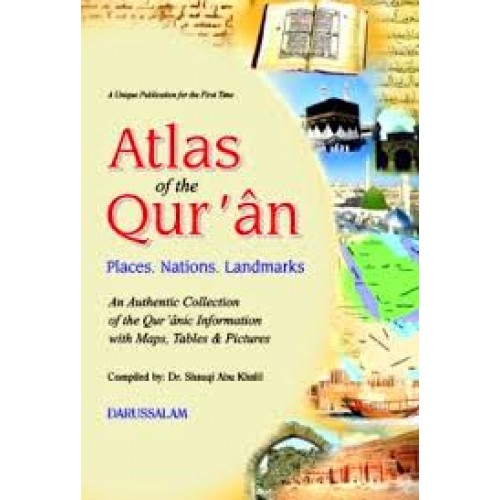
Atlas of the Qur’an (Darussalam)
Highlights:
This Atlas is new in its subject, a subject that has not been touched before. It helps whoever recites the Qur’an or studies it to specify the locations mentioned by the Noble Verses, and to mark those places of ancient people mentioned in the Qur’Gn. This is besides locating areas where the incidents of the prophetic Seerah occurred.
Eventually the diligent reader will easily recognize those places, learn about them, and take heed of them while reciting.
Eventually the diligent reader will easily recognize those places, learn about them, and take heed of them while reciting. The Atlas has also revealed obscure places we used to pass through inattentively, like the site where Nuh’s Ark settled, the site of the curved Sand-hills {Al Ahqah}, the cave of the young faithful men, the houses of median, the site of Sodom and other places determined by the Atlas depending on reliable sources.
Thus the Atlas eliminates all the guessing and the fantasies we used to encounter when reciting the Noble Quran, and takes us to the specific place.
RM80.00
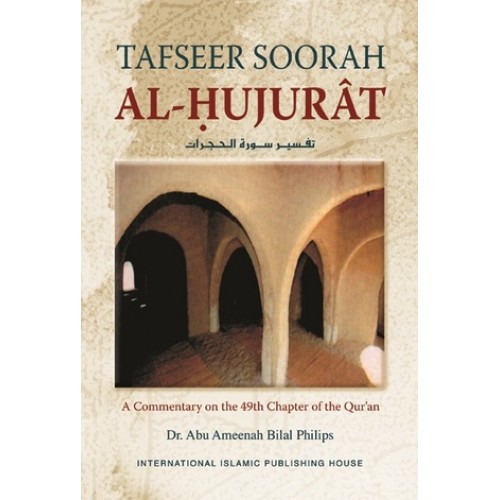
Tafseer Soorah Al-Hujurat (H/B)
Highlights:
Tafseer Soorah al-Hujurât: A Commentary on the 49th Chapter of the Qur’an is a treasury of divine advice, commandments, and prohibitions regarding common problems in social relations, including gossip, spying, arguing, and bigotry. To make the best use of this chapter, the believer needs a detailed explanation of the meanings of the verses.
Dr. Bilal Philips has based his tafseer (exegesis) on the methodology used in the classical works of tafseer. He has relied first of all on the explanations found within the Qur’an itself, then on explanations found in the Sunnah and related incidents which occurred at the time of the revelation of the verses in question. Beyond these primary sources, Dr. Philips has relied on the interpretations made by the Prophet’s Companions (may Allah be pleased with them) who were noted for their ability to interpret and comment on the Qur’an. ‘Abdullâh ibn ‘Abbâs, for example, was called ‘The interpreter of the Qur’an’ by Prophet Muhammad (blessings and peace of Allah be upon him). Finally, the author has made use of the grammatical explanations given in the classical tafseer works. Wherever possible, Dr. Philips has tried to apply the derived meanings of the verses to the problems of contemporary society.
RM40.50 RM60.00
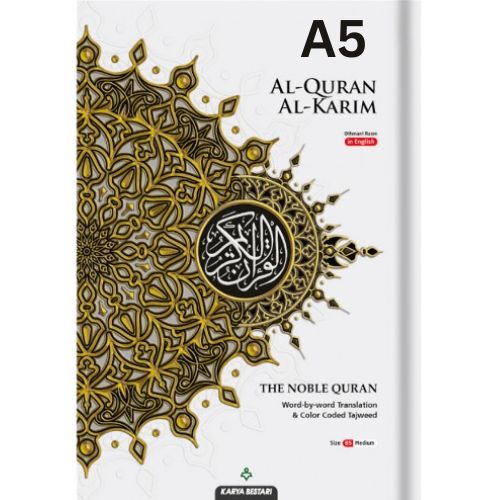

The Noble Quran Word-By-Word Translation & Color Coded Tajweed A5 Size (Arabic-English)
5 ★
5 ★
1 Rating
5 ★
1
4 ★
0
3 ★
0
2 ★
0
1 ★
0
Highlights:
Al-Quran Al-Kareem is a translation learning method of word-by-word Al-Quran with every word and sentence is colored differently, in Arabic and English.
Every word in the Quran was translated literally so that the reader could understand the meaning of every single word. It needs to be remembered that not all literal translation represents the exact meaning of the word since the Quran uses varied Arabic language style and sometimes metaphor.
Accordingly, to understand the full or intended meaning of the word or the verse, Muhsin Khan’s the Holy Quran Translation had been included in this edition. However, to comprehend more of the meaning of the Quran, reading the commentary of the Quran from trusted scholars would be necessary.
Approved by the Department of Islamic Development of Malaysia (JAKIM) and Malaysian Ministry of Home Affairs (KDN).
Features:
● Rasm Uthmani script in English
● Word-by-word translation Arabic-English
● Color coded tajweed
● Thematic Index
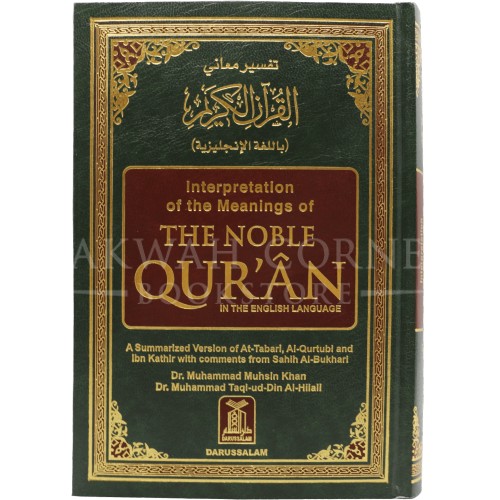
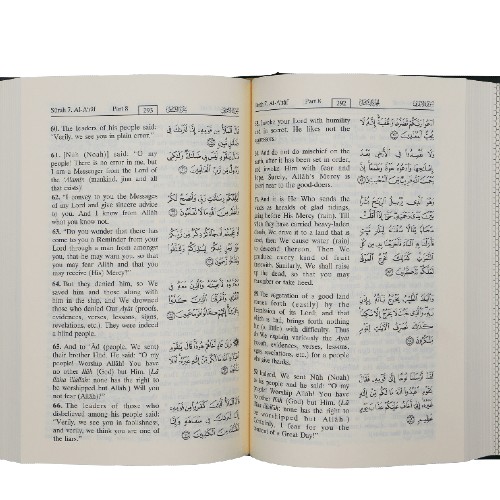
Interpretation of The Meanings of The Noble Qur’an- A5 (23x15cm)
Highlights:
Interpretation of the Meanings of The Noble Qur’an in the English Language
927 black and white pages
RM115.00
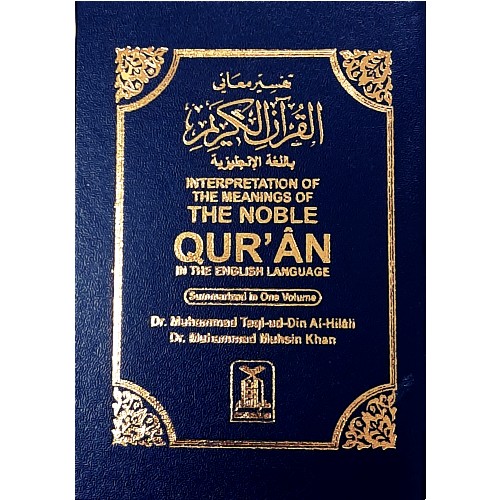
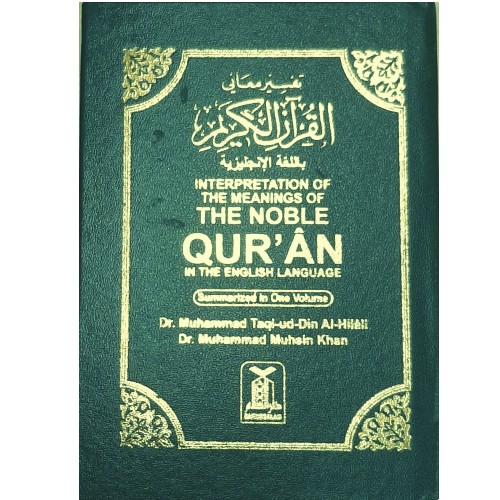
The Noble Qur’an pocket size H/B (Arabic/English)
Highlights:
The Noble Qur’an is a widely popular translation by Islamic University – Madina scholars Dr. Muhsin Khan and Dr. Taqi-ud-Din Hilali. It features frequent footnotes gleaned by the translators from Tafsir At-Tabari, Tafsir Ibn Kathir, and Sahih-al-Bukhari. Arabic-English format with detailed index.
Interpretation of the meanings of the Noble Qur’an with Arabic text in the modern English language. A summarized version of At-Tabari, Al-Qurtubi and Ibn Kathir with comments from Sahih Al-Bukhari.
This summarized 1 volume version offers brief commentary and Ahadith wherever necessary. This unique combination of commentary and relevant Ahadith makes this a very useful study reference tool. The Arabic text is taken from Mushaf al Madinah.
RM85.00
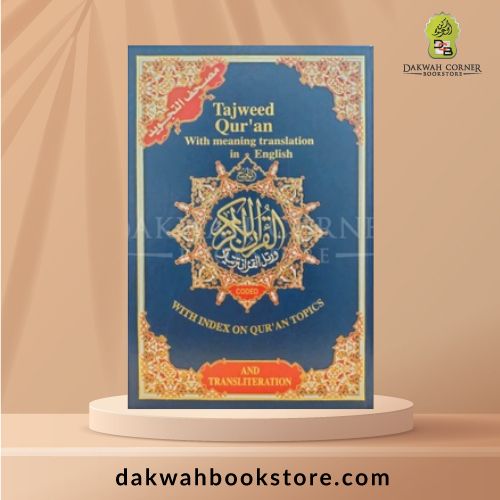
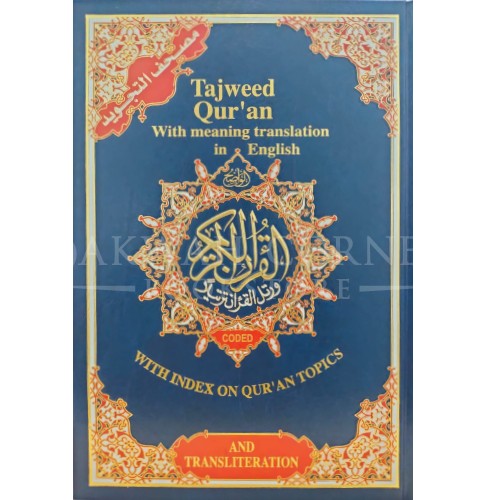
Tajweed Qur’an with Meaning Translation in English and Transliteration
Highlights:
Translation: meanings of the Quranic versus are translated into English and placed on the margins around the Arabic text.
Transliteration: Arabic letters are presented by English letters with added symbols in order to give the same sound of Arabic letters.
English transliteration makes it easier for the speakers of the English language to read the Tajweed Quran in Arabic pronunciation using the English alphabet letters.
Considering that this Part contains small suras; it is a perfect start for kids, beginners and students.
This Amma Part comes in the standard portrait form, with a nice glossy soft cover. Each page contains 15 lines as any standard Quran.
Meanings tranlated by Abdullah Yusuf Ali
Alla (sw) ordered us in his holy book to recite the Quran with Tajweed … “Quran recitation modulating”. System of Tajweed serves as a guide for improving the recitation of Quranic style. It was in this way that the Qur’an revealed to Prophet Muhammad (peace be upon him), as well as the manner in which he recited it. Therefore, the readers of the Quran are eager to realize the promise of the Prophet Muhammad (pbuh): “whoever recites the Quran correctly and proficiently will be with the bountiful dutiful writers (the angels of the preserved tablet – Al lauh Al Mahfuz”.
Based on a practical understanding of phonology, we have color-coded some letters to facilitate the correct recitation of the holy Quran. This enabled us to classify these letters into three possible categories to enhance the reader’s knowledge and remembering of Tajweed rules:
– The letters which requires expanded vocalization. We used red color to highlight these letters.
– The letters which are nasalized these letters are green in color.
– The dark blue color indicates the emphasis of the letter (R), the blue color indicates the unrest letters-echoing sound- (qualquala)
– While the letters which are written but are not vocalized. These letters are gray in color.
The reader will get used to reciting the Quran by using colors very easily. By engaging the eye, the reader will find him/herself applying 24 rules of Tajweed with ease and precision while his/her mind is left un-enganged to comprehend and understand the meaning of the holy Quran. For more details click here
This Tajweed Quran is in Hafs narration.
All our Tajweed Quran products -including this Quran- come with the following:
- Color coded letters: to present the Tajweed rules, very good and simple way to learn and apply Tajweed rules.
- Obvious script: extra spaces were added between the words in order to make it easier to read and recite the Quran.
- Permissible stops: long spaces were added at certain places where it is permissible to stop. It helps to avoid stopping at wrong places or times.
- A set of very useful indexes such as: Surahs Color Index, Subject Index.
- Tajweed rules explained in details with helpful illustration.
RM200.00
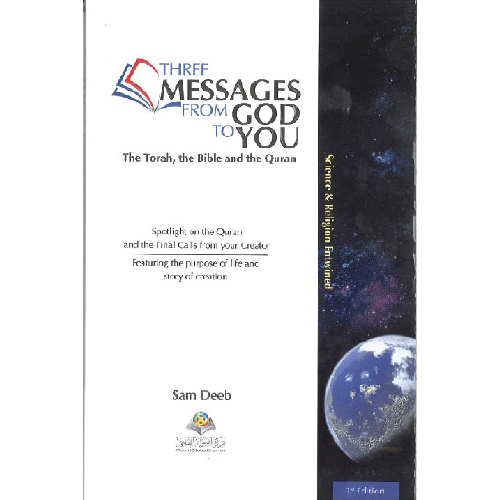
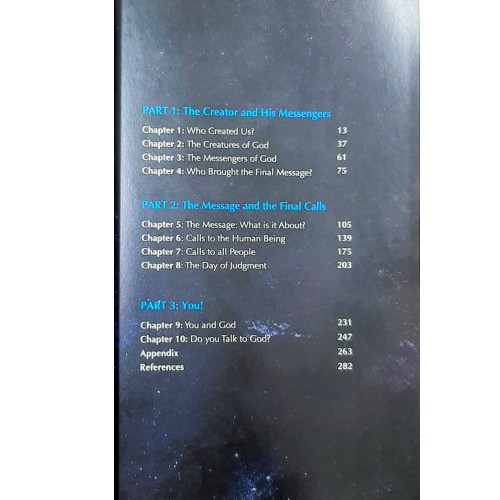
Three Messages from God to You
Highlights:
● Who created the universe? Who created us and the beings on the earth? Who gave life to billions of creatures on our plant? Is He our God? What is His name? Are there other creators than Him?
● Why do we live on the earth? What is the purpose of life? Did our creator really send us messages? What does He want to inform us? Are these messages true?
● Are the Torah, the Bible and the Quran true divine books? Are they related? Do they contain true Messages from God to us? Is there a final testament?
● Why all creatures die? Is there another life after death? Do we return to our Creator? Why?
RM25.00

Usool at-Tafseer (H/B)
Highlights:
Usool at-Tafseer, essentially refers to the branches of knowledge necessary for providing an accurate interpretation of the Quranic texts, such as Arabic grammar and syntax, Arabic literature and Quranic sciences (Uloom al-Quran). Familiarity with modern fields of learning, like the pure sciences and social sciences is also necessary for a commentator in this era to make the Quraanic explanations relevant to human society. This book addresses the actual step-by-step methodology of interpreting Quran to ensure that interpretations are not merely the result of human whims and fancies.
RM60.00
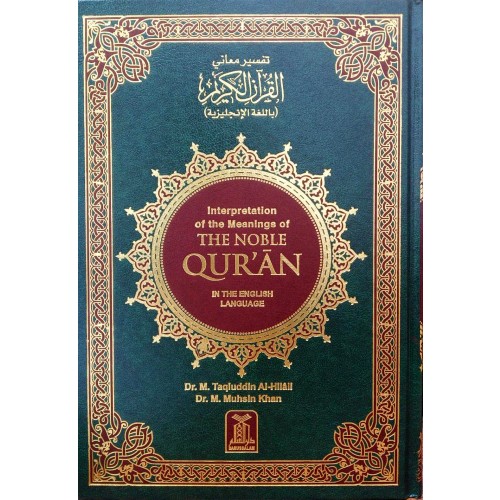
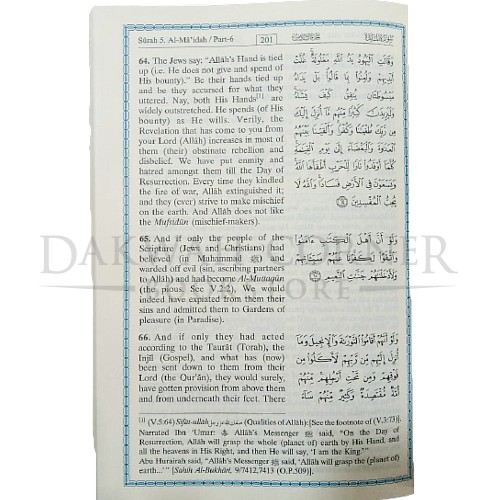
Interpretation of the Meanings of the Noble Qur’an in the English Language (17x24cm)
Highlights:
Note: Any order for this item, Please send to us your information details at sale@dakwahbookstore.com.
This item will be shipped directly from Dawah Corner Bookstore, Makkah to your address.
New type of Noble Quran with Arabic Mushaf Uthmani 15 lines/page print on the right side and English translation on the left side of every page. It also includes tafsir footnotes on the bottom of the English page.
Interpretation of the meanings of The Noble Quran with Arabic text in the modern English language.
The Magnificence of the Qur’an is a book that relates to us the countless miracles and benefits of the Holy Book of Islam. It expands on numerous aspects of the Quran, all of which point to its magnificence, as signified by the apt title. The author discusses everything from the methodology of studying the Qur’an to its characteristics, qualities and the manners with which one should approach it. It is much like a user’s manual that opens up a world of knowledge and facts about the Qur’an. For all audiences, this book is an invaluable companion to the Qur’an and one which serves to remind us of its eminence and its superiority to all other books. By discussing a series of seemingly miscellaneous topics, the author manages to create a whole picture of the Qur’an which surpasses any other guide of this academic nature.
RM95.00 – RM140.00Price range: RM95.00 through RM140.00
Recently Viewed
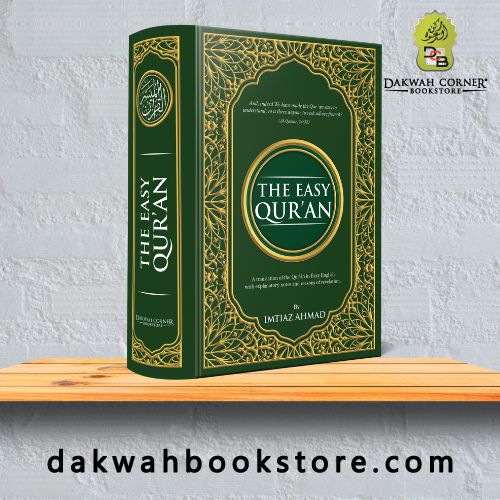
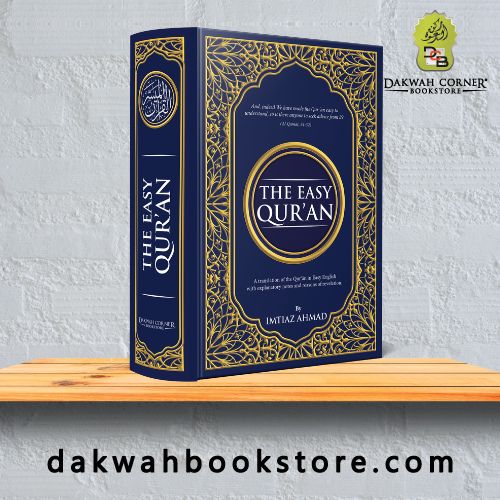
The Easy Qur’an (Revised Edition)
5 ★
5 ★
1 Rating
5 ★
1
4 ★
0
3 ★
0
2 ★
0
1 ★
0
Highlights:
The Easy Qur’an translation reviewed and approved by the Ministry of Information Saudi Arabia and Religious affairs Ministry Islamic Republic of Pakistan.
Published by Da’wah Corner Bookstore Saudi Arabia
RM75.00
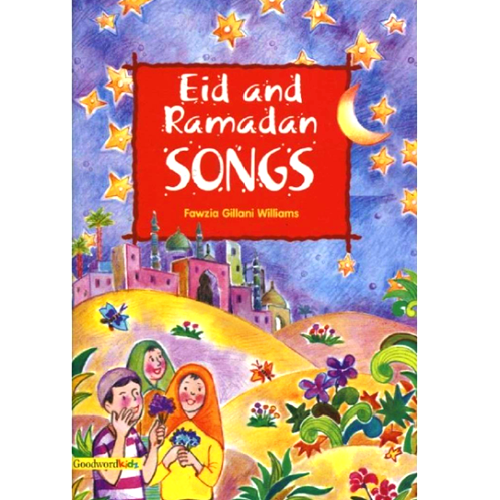
Eid and Ramadan Songs
Highlights:
Eid-ul-Fitr is always an occasion for great fun and celebration. After a month-long Ramadan, everybody looks forward to a great Eid. Eid-ul-Fitr also calls for thanking Allah for His blessings, helping the poor and the needy around us and sharing our love and happiness with each other.
RM11.00
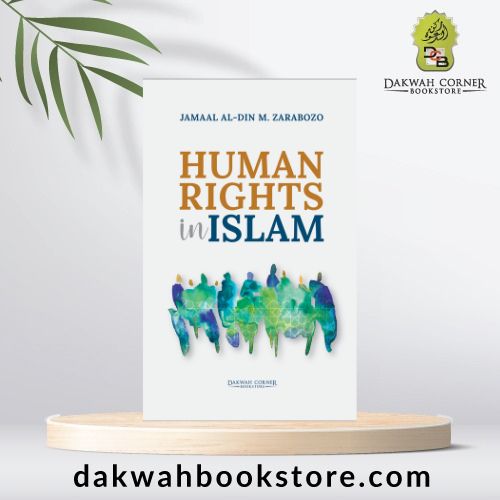
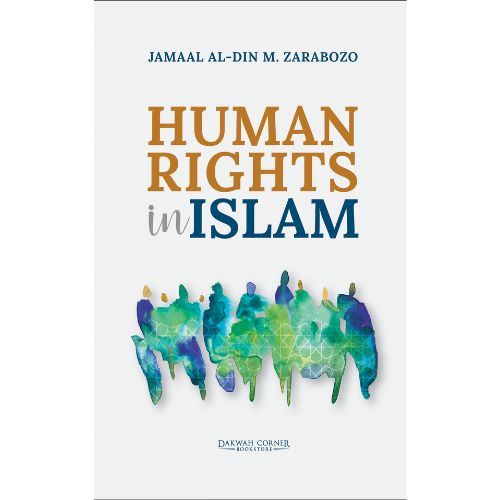
Human Right in Islam – DCB
Highlights:
This work argues that contemporary human rights schemes, especially the extreme and vocal branches, offer no convincing reasons for a Muslim to give up tenets of his faith to bend them to meet their demands. On the contrary, these schemes’ baseless claims should strengthen a Muslim’s conviction in Islam. Human Rights Advocates have a noble goal of bringing people the rights they deserve, but they are lost and confused, lacking a foundation for their claims. After examining the human rights paradigm, a Muslim should flee quickly and return to Allah, realizing that without the guidance of the Almighty, there is no hope for humanity.
RM65.00
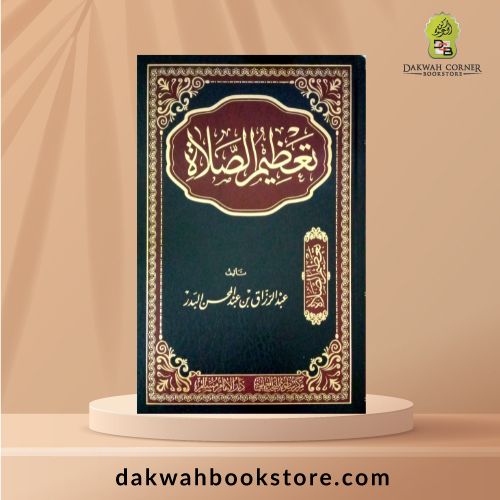
[APT] Ta’zim Solat / تعظيم الصلاة
Highlights:
عبدالرزاق بن عبد المحسن البدر رسالة للشيخ عبد الرزاق البدر حول تعظيم الصلاة, رسالة تحتوي على أبواب رائعة و نافعة – مع التشكيل لبع
حين تكون الهدايا باقية ونافعة، يمكنك إهداء هذا الكتاب لمن تحب.. نهتم بك وبأحبابك.
RM56.00
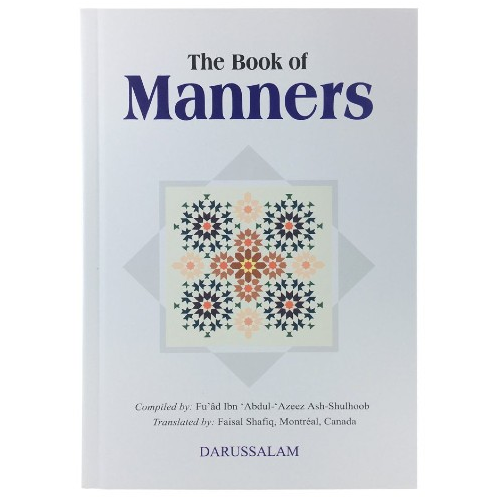
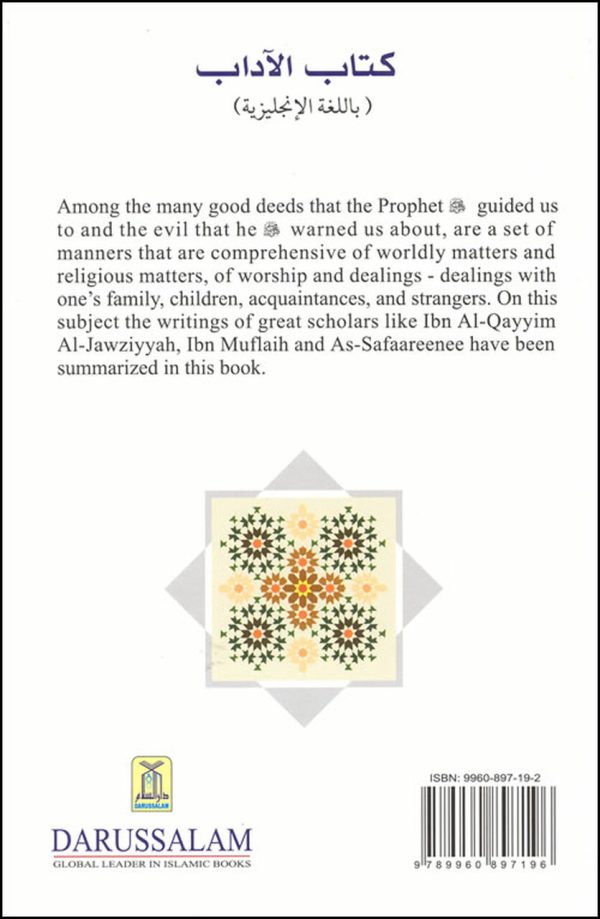
The Book of Manners (H/B)
Highlights:
Among the many good deeds that the Prophet (S) guided us to and the evil that he (S) warned us about, are a set of manners that are comprehensive of worldly matters and religious matters, of worship and dealings – dealings with one’s family, children, acquaintances, and strangers. On this subject the writings of great scholars like Ibn Al-Qayyim Al-Jawziyyah, Ibn Muflaih and As-Safaareenee have been summarized in this book.
RM85.00
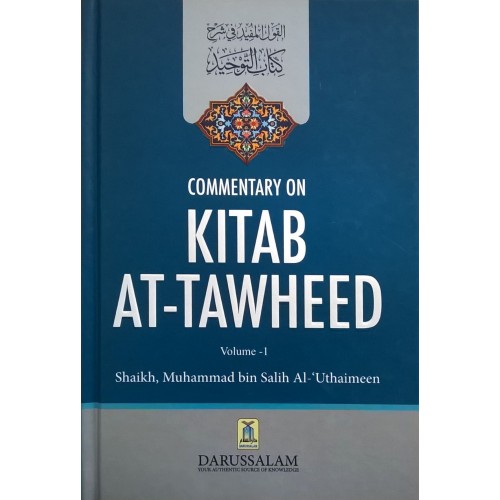
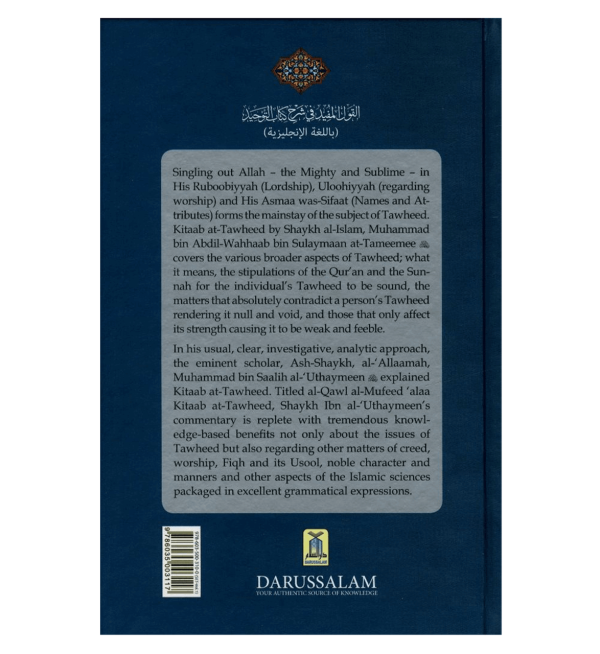
Commentary on Kitab At-Tawheed – 2 Volumes (H/B)
Highlights:
The title of the Arabic explanation by the shaykh is Al Qawl Al Mufeed Alaa Kitaab at-Tawheed.
RM170.00
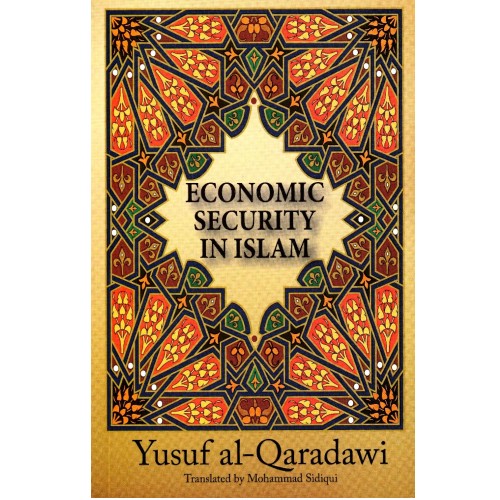
Economic Security In Islam
Highlights:
This book is an English rendering of a popular Arabic book entitled Mushkala al-Faqr wa Kaifa ‘Aljiha al-Islam by the renowned Muslim Scholar ‘Yusuf al-Qaradawi. The author depicts the basic principles of the Islamic Economic System in the light of the Holy Qur’an and the Sunnah.
RM26.00
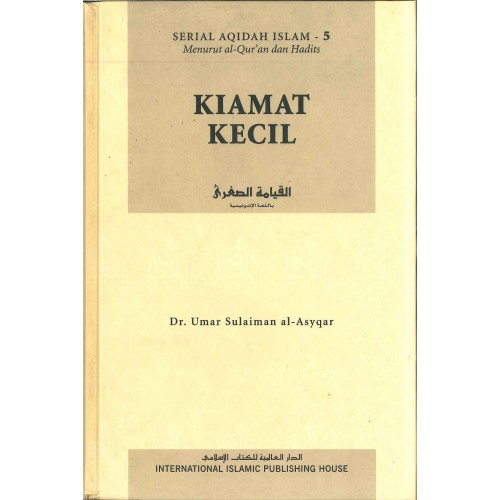
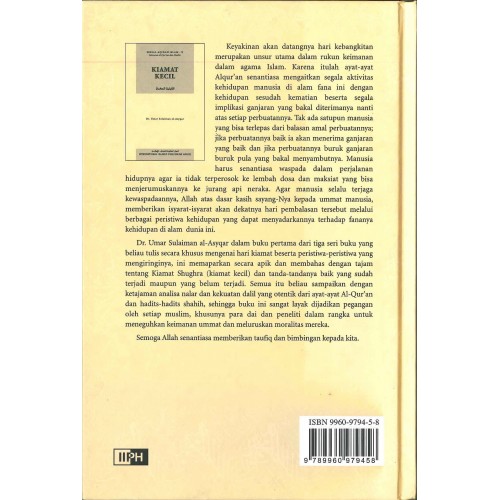
Kiamat Kecil ; Serial Aqidah Islam – 5
5 ★
5 ★
1 Rating
5 ★
1
4 ★
0
3 ★
0
2 ★
0
1 ★
0
Highlights:
Kiamat Kecil: menurut al-Qurán dan hadits – Serial Aqidah Islam 5/ Dr. Umar Sulaiman al-Asyqar. Apa yang terjadi setelah kematian? Bagaimana kehidupan manusia setelah kehidupan dunia ini? Kapan dan bagaimana dunia ini berakhir? Ini adalah pertanyaan-pertanyaan yang menyangkut semua orang, tidak peduli apa latar belakang nya. Banyak yang telah mencoba menjawab pertanyaan-pertanyaan ini, dan menghasilkan teori-teori yang berkisar dari aneh ke nihilistik. Tapi teori-teori buatan manusia tidak dapat menjawab pertanyaan di luar batas kemampuan manusia. Dalam buku ini Dr. Umar al-Asyqar memaparkan secara apik dan membahas dengan tajam tentang kematian, perjalanan roh menuju langit, alam kubur dan kiamat sughra (kiamat kecil) dan tanda-tandanya, baik yang sudah terjadi maupun yang belum terjadi. Semua itu beliau sampaikan dengan ketajaman analisa nalar dan kekuatan dalil yang otentik dari ayat-ayat Al-Qur’an dan hadits-hadits shahih.
RM45.00
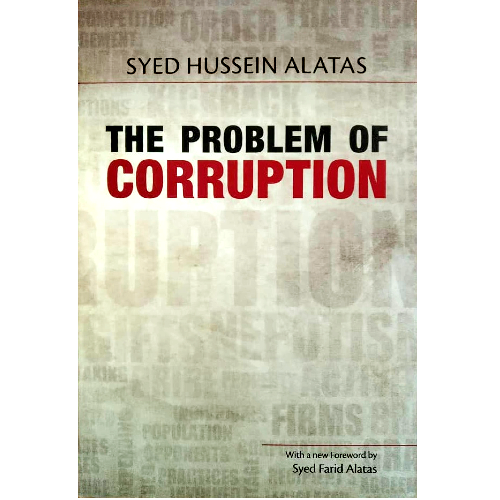
The Problem Of Corruption (P/B) (IBT)
Highlights:
“Corruption is a disease that can sweep through society like a tidal wave, leaving in its wake a trail of negligence, lethargy, inefficiency and callous disregard of man’s inhumanity to man. What is it like to live inside such a society? Why has it taken such strong root in so many countries? Is there no sense of outrage and shame against such a phenomenon among our elite? What can be done to stem the tide? Is it corruption as it is known in the West? These disturbing questions and more are answered in this book. Corruption in all its forms, bribery nepotism, and extortion, is shown for what it is – a major cause of the dehumanization and victimization of innocent people. The corrupt have no aspirations for the betterment of their societies. For this reason, all decent people must be gravely concerned with the problem and nurture the next generation to confront the corrupt and disrupt their way of life.”
RM35.00
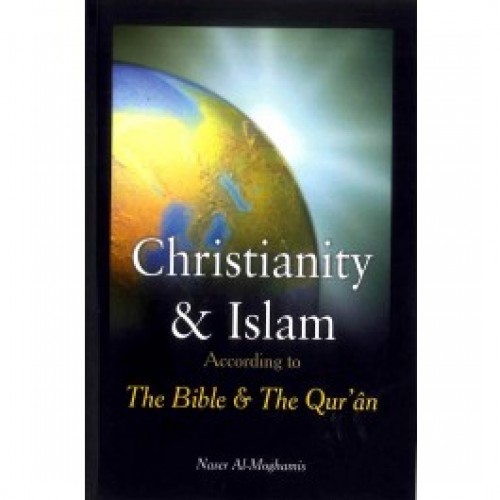
Christianity & Islam
Highlights:
The Bible is the basis for the teachings of Christianity, and the Quran.
RM14.00
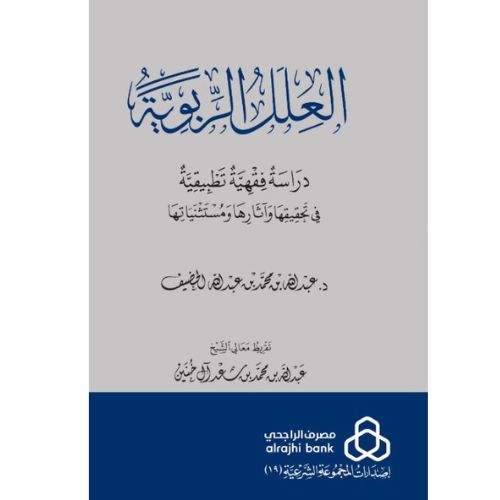
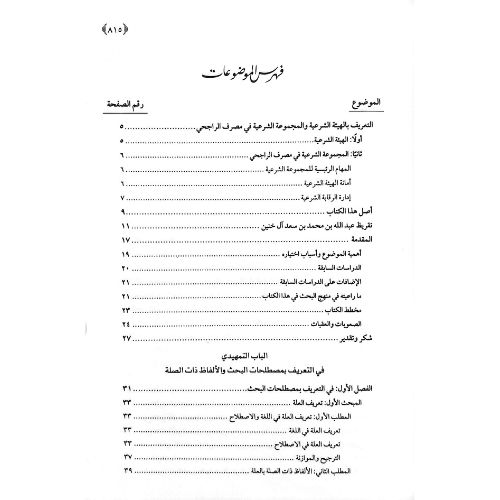
[EA] Al ‘Eilal Ar Ribawiyah / العلل الربوية
Highlights:
دراسة تطبيقية تبحث قضية علل الربا في الدين والقرض والبيع، مع بيان اختلاف العلماء، ودراسة المسائل التي نص الفقهاء على كونها مستثناة من تحريم الربا وعلته وقواعده، وبيان وجه الاستثناء وعلته وحكم القياس عليها، ثم بيان أثر اختلاف العلماء في علل الربا على المعاملات المالية بتتبع آثار العلل المحكية وما ينبني على القول بها ومدى اطرادها وصحتها.
RM130.00
There are no reviews yet.