| Weight | 0.210 kg |
|---|---|
| Dimensions | 23 × 14.3 × 4.5 cm |
| ISBN | 9781597842716 |
| Binding | Paperback |
| Author | |
| Pages | 557 |
| Publisher | Tughra Books |
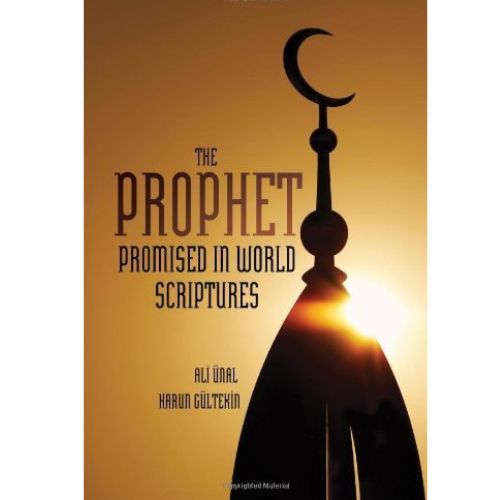
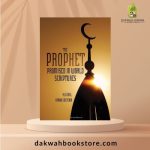
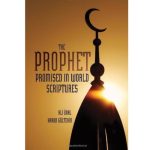
The Prophet Promised in World Scriptures
RM110.00
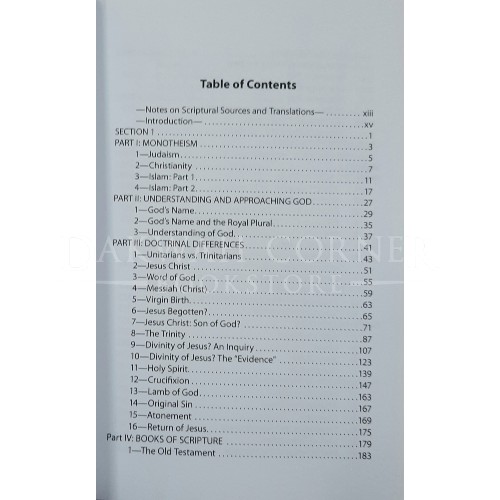
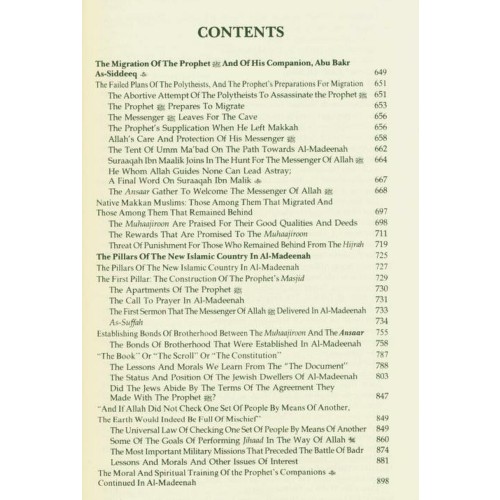
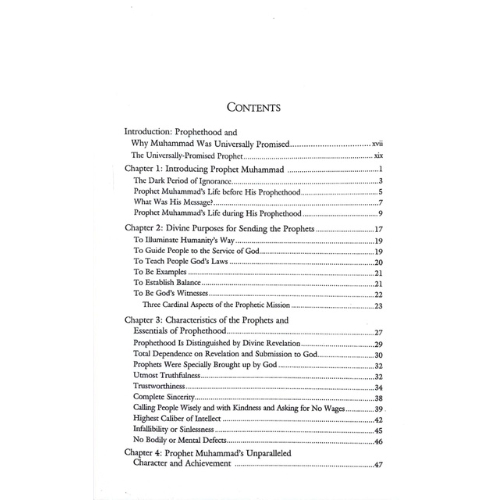
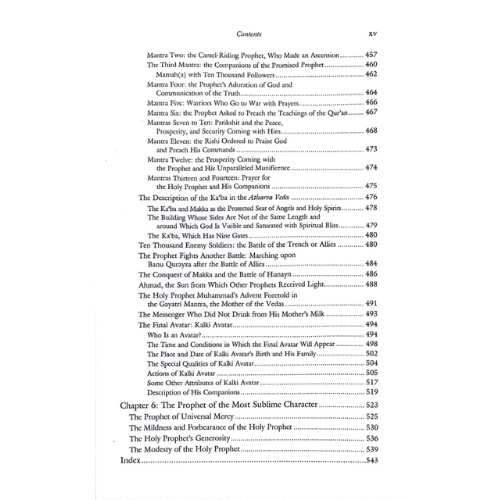
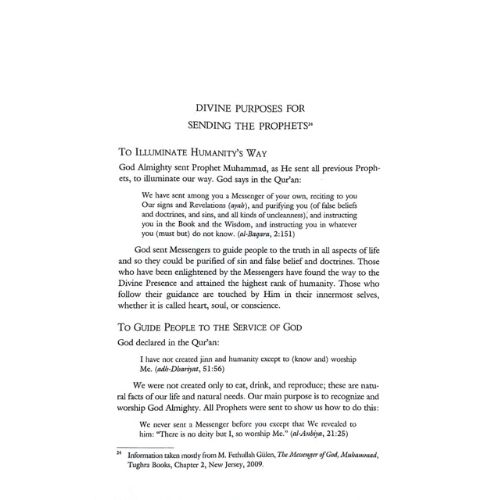
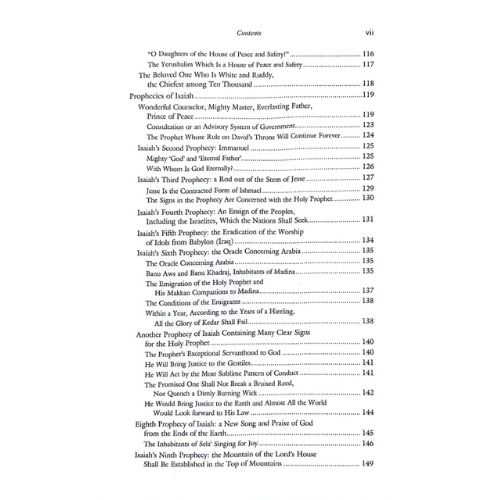
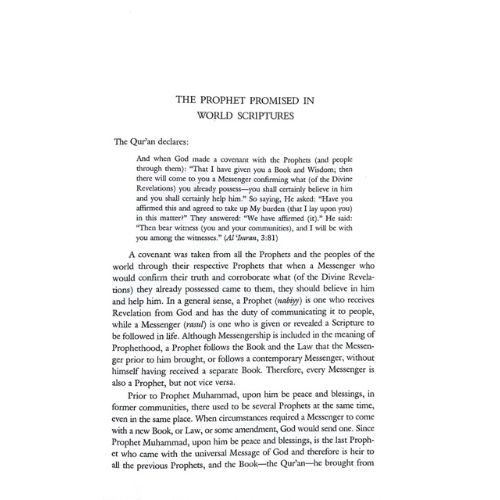
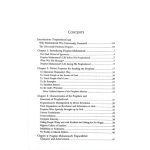
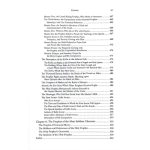
This well-researched and comprehensive book by Ali Unal details the numerous prophecies about the advent of the Prophet Muhammad in various world scriptures. Unal argues that numerous prophecies of the coming of the Prophet Muhammad are found in the New and Old Testaments, the Zoroastrian, Hindu and Buddhist Scriptures. He then closely examines these prophecies through a comparative and verse-by-verse analysis and explains the rationale for his conclusions. This book will appeal to readers from all faiths and backgrounds that have an interest in major world religions and their sacred scriptures.”
Frequently Bought Together
Be the first to review “The Prophet Promised in World Scriptures” Cancel reply
You must be logged in to post a review.
You may also like…
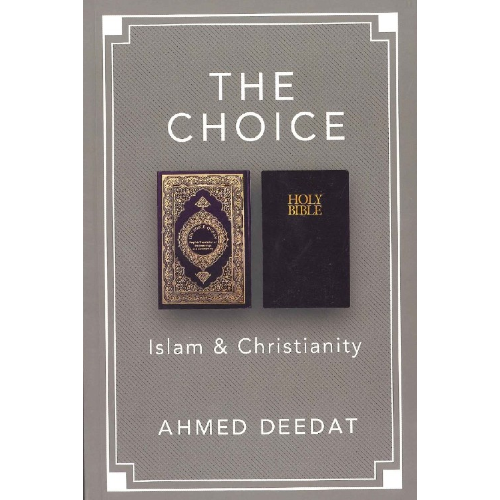
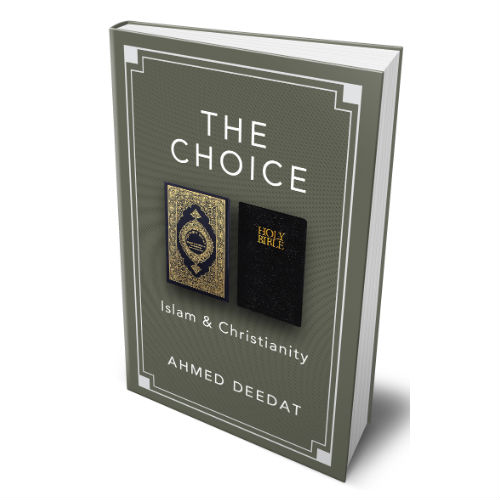
The Choice : Islam & Christianity (Revised Edition)
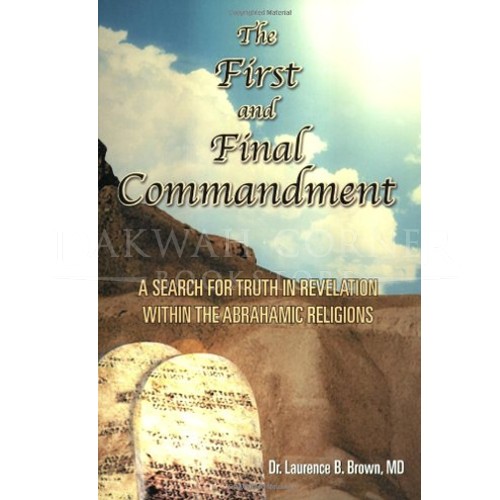
The First and Final Commandment (2nd Edition)
“A search for truth in revelation within the Abrahamic religions.”
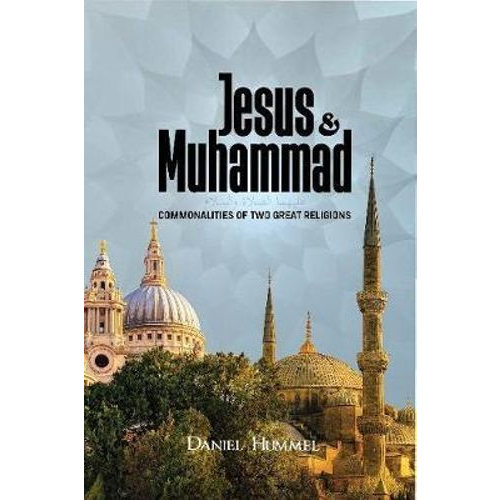
Jesus and Muhammad : Commonalities of Two Great Religions
Jesus and Muhammad lived in different times and in different contexts. An absolute comparison of the careers of these two men is not a satisfactory method in understanding the similarities and differences between their teachings. This book approaches this topic from a different perspective. The time that Muhammad preached in Mecca is compared to the time Jesus spent preaching throughout Palestine. This improves the similarities in contexts between them and makes a comparison more valid. The number of similarities outweighs the number of differences when looking at the four books of the Gospel and the chapters of the Qur’an revealed in Mecca. On issues related to prayer, the Oneness of God, charity, the Hereafter and forgiveness the teachings in these two books are practically the same. A number of core theological issues surfaced in the Book of John do clash with Qur anic teachings about the person of Jesus. These differences and the possible reasons for them are explored in this book. The conclusion of this book is that Muslims and Christians have more shared values and even theological similarities than differences. It is recommended that Muslims and Christians should spend more time understanding these commonalities.”
Related Products
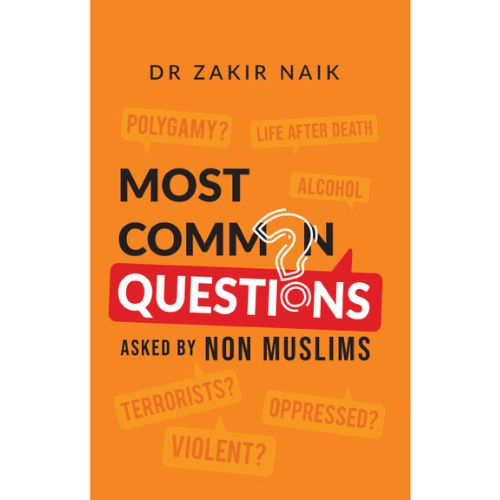
Most Common Questions Asked By Non-Muslims
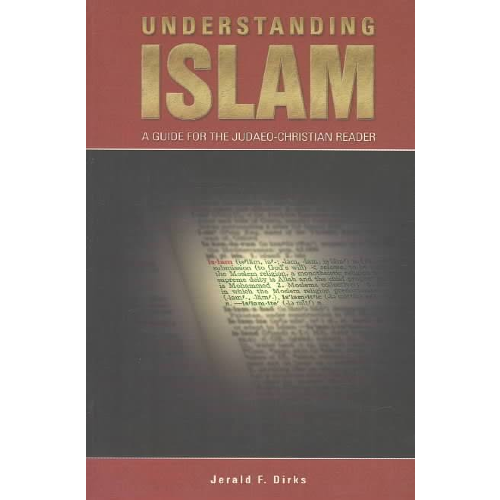
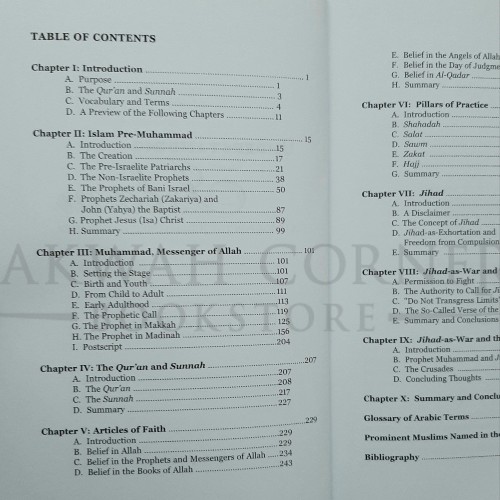
Understanding Islam A Guide for the Judaeo-Christian Reader
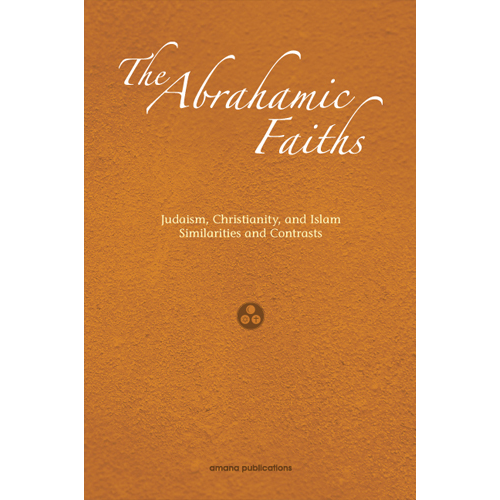
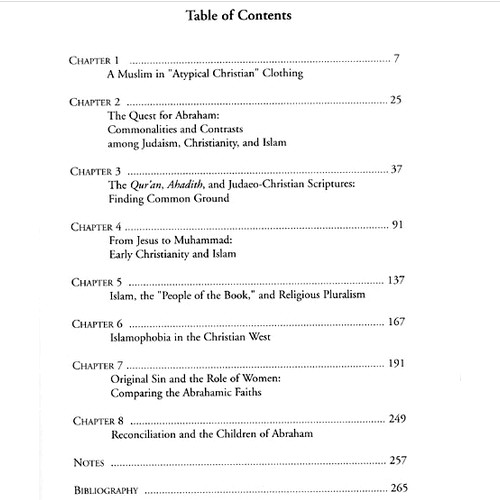
Written by former minister who converted to Islam, this book expounds the commonalities and contrasts between Islam, Judaism and Christianity. An excellent book for da’wah purposes and for Muslims to gain a deeper appreciation for the two earlier faiths.
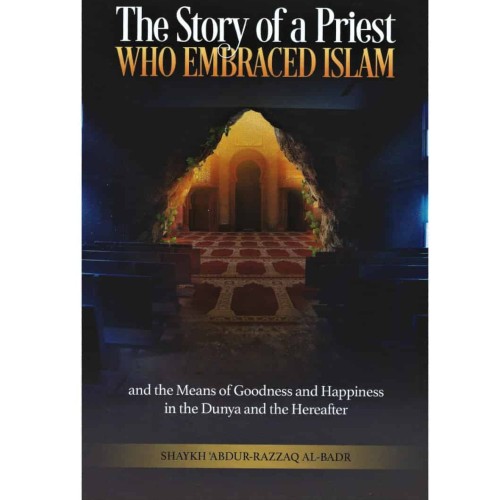
The Story Of A Priest Who Embraced Islam
The Story of a Priest Who Embraced Islam and the Means of Goodness and Happiness in the Dunya and the Hereafter
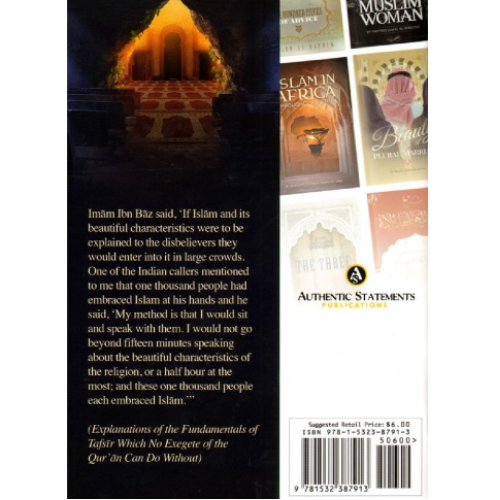
“Imam Ibn Baz said: ‘If Islam and its beautiful characteristics were to be explained to the disbelievers they would enter into it in large crowds. One of the Indian callers mentioned to me that 1000 people had embraced Islam at his hands and he said: ‘My method is that I would sit and speak with them and I would not go beyond 15 minutes speaking about the beautiful characteristics of the religion; or a half an hour at the most and these (1000 people) had each embraced Islam.’” Ref. Explanation of the Fundamentals of Tafsir which no Exegete of the Qur’an Can Do Without
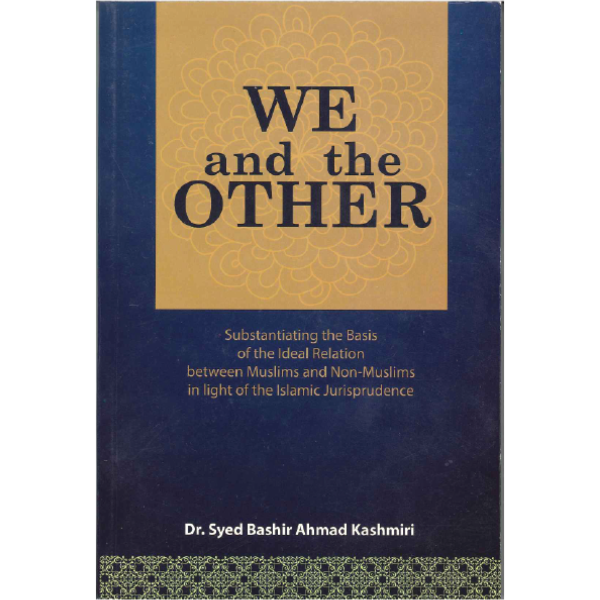
We and The Other
This book is a highly relevant piece of research for our turbulently chaotic world today. The heavy baggage of mutual distrust and detestation from the days of ethnic cleansing of Muslims in Spain through to the Crusades and Colonialism has left behind a fuzzy and muddled image of Islam and Muslims in the eyes of others; Muslims too, have been seeing the West as the primary cause of all their woes and vilification.
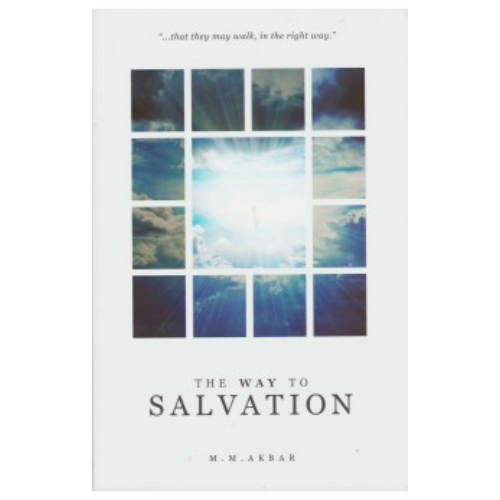
The Way to Salvation (P/B)
DA’WAH MATERIAL
This book can use for da’wah with the topic Salvation.
Salvation is the aim of human life, according to the religious ideologies. What is salvation? Is there an existence after this life? Are the religious scriptures in controversy on dealing with the topic ‘salvation”? Or are there any common points between them? An extensive study on the basis of Hindu, Christian, and Islamic scriptures.
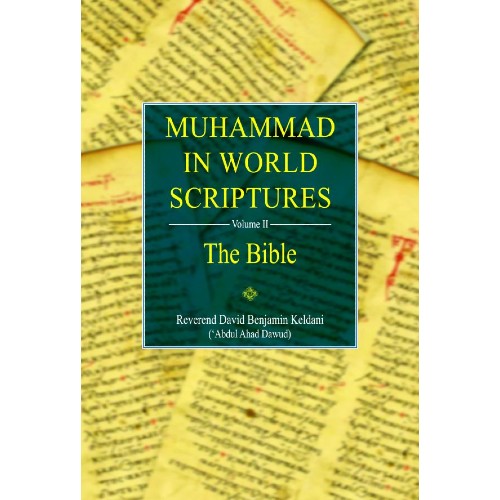
Muhammad In World Scriptures: Volume II (IBT)
This is the second volume of the series on the Prophet Muhammad as found in world scriptures. While the first volume explores the Parsi, Hindu and Buddhist scriptures, this volume explores what the Bible says about the Holy Prophet of Islam. Written some hundred years ago by a Christian priest who converted to Islam, this book helps readers understand the absolute unity of God and the ultimate source of all revealed Scriptures.
Choosing Faith (P/B)
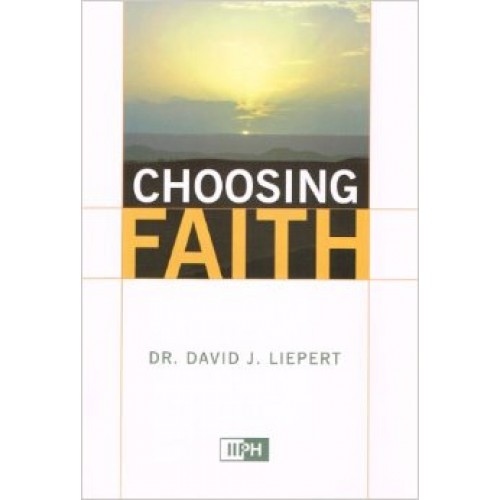
Choosing Faith In a world of spiritual options, people constantly tell us what to believe. Yet, while we hear these pleas, we’re already functioning with existing beliefs–even if they are beliefs by default. So how do we choose what to believe–especially in the area of faith? Do we need to choose.
Why Women are Accepting Islam (H/B)
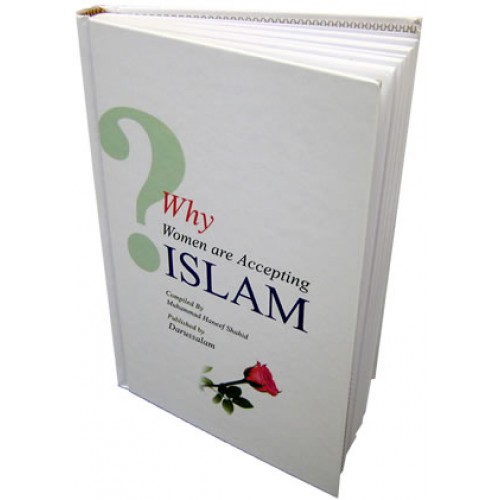
This book is a compilation of the numerous narratives about the lives, experiences and previous beliefs as well as Islamic impressions and reasons of different lucky women, belonging to all walks of life, as to why they reverted to Islam. Darussalam has already published one book from the same compiler on the same focus that was very much appreciated by the readers. We hope this study will help those non-Muslims women whose concepts are not clear about Islam, and those people who are working in Da’wah field.
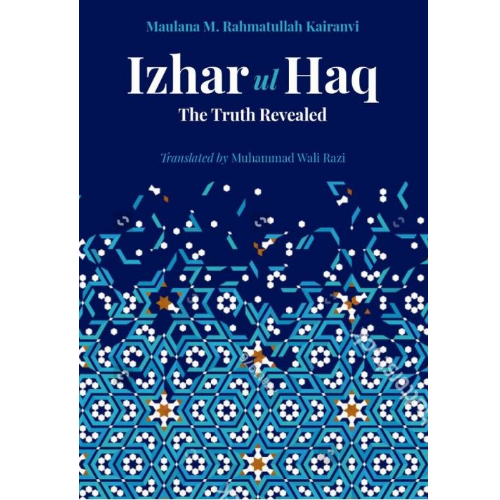
Izhar ul Haq (The Truth Revealed)
This is the thoroughly researched response to the Christian offensive against Islam in India. This book lucidly reviews the authenticity of the Bible and succinctly summarises the main errors, distortions, and contradictions in and between the Old and New Testaments of the King James Version. Furthermore, the doctrine of the Trinity is refuted; a doctrine that Isa (AS) never taught.
This book, internationally recognized as one of the most authoritative and objective studies of the Bible, was originally written in Arabic under the title Izhar-ul-Haq (Truth Revealed) by the distinguished 19th-century Indian scholar, Rahmatullah Kairanvi, and appeared in 1864. The book was subsequently translated into Urdu, and then from Urdu into English by Mohammad Wali Raazi.
This Book Contains among four Parts as Following:
Part 1
The Book of The Bible
Part 2
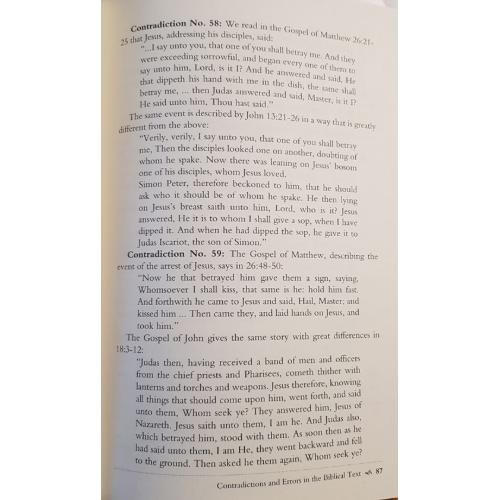
Contradictions and Errors in The Biblical Text
Part 3
Distortion and Abrogation in The Bible
The Trinity Refuted
Part 4
Proof of The Divine Origin of The Qur’an and The Authenticity of The Hadiths
Arabic Version of This Book is also available
Maulana Rahmatullah Kiranvi was born in India in 1818 CE. He was a great Sunni Hanafi scholar. He learned Arabic and Persian. Later he moved to Delhi where he studied different disciplines including mathematics and medicine. Working as a Mufti and Sharia teacher, he founded a religious school in Kariana.
In 1837 the Church Mission Society appointed Karl Gottlieb Pfander, described by Eugene Stock as “perhaps the greatest of all missionaries to Mohammedans”, to Agra in Northern India, where in 1854 he engaged in a famous public debate with leading Islamic scholars.
Maulana Kairanvi’s intention in his book (Izharul Haq) was first of all to show that the Bible cannot in any way be considered as a directly revealed book. He does this very effectively by means of his voluminous and authoritative knowledge of the Jewish and Christian scriptures. He demonstrates beyond doubt that the Books of the Old and New Testaments have been altered, almost beyond recognition, from their original forms. The work is even more notable in the light of subsequent Jewish and Christian scholarship and the various discoveries that have since been made in this field which all bear out the truth of Kairanvi’s thesis.
In the wake of the manifest inauthenticity of the Bible, Maulana Rahmatullah goes on to demonstrate by contrast the indisputable and absolute authenticity of the Qur’an and the Prophethood of Muhammad ibn ‘Abdullah, may peace and blessing of Allah be upon him.
Recently Viewed
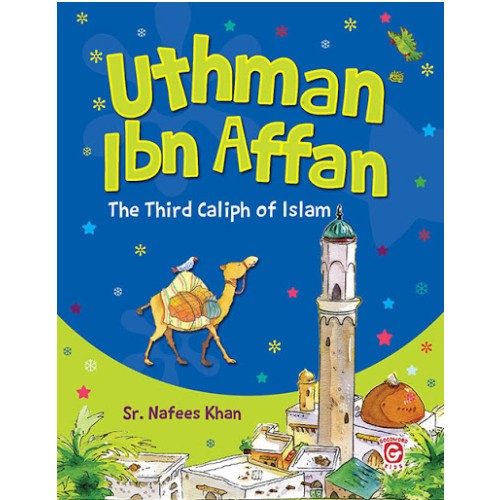
Uthman Ibn Affan: The Third Caliph of Islam
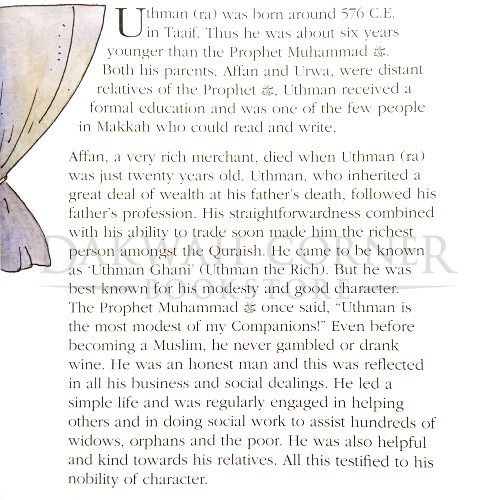
This book is about the life and teachings of Uthman Ibn Affan (may Allah be pleased with Him), TheThird Caliph of Islam.
The Prophet Promised in World Scriptures
This well-researched and comprehensive book by Ali Unal details the numerous prophecies about the advent of the Prophet Muhammad in various world scriptures. Unal argues that numerous prophecies of the coming of the Prophet Muhammad are found in the New and Old Testaments, the Zoroastrian, Hindu and Buddhist Scriptures. He then closely examines these prophecies through a comparative and verse-by-verse analysis and explains the rationale for his conclusions. This book will appeal to readers from all faiths and backgrounds that have an interest in major world religions and their sacred scriptures.”
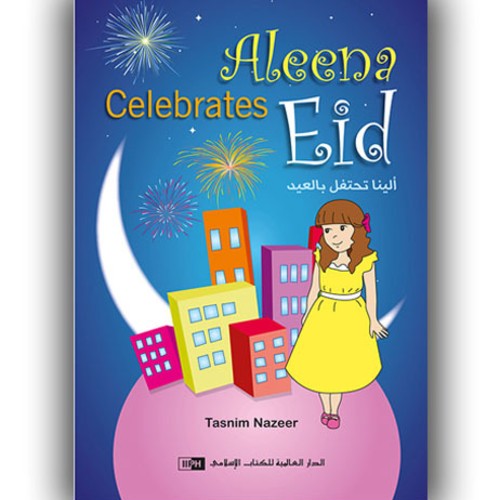
Aleena Celebrates Eid
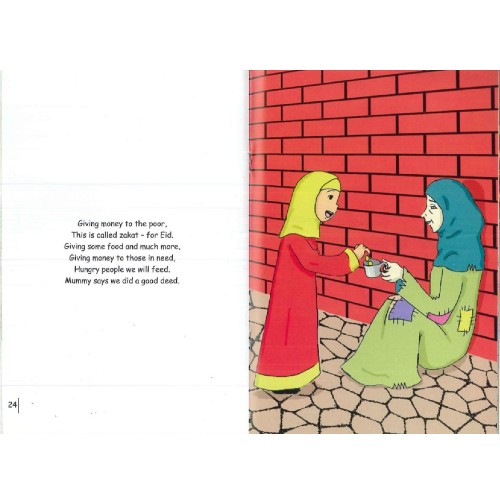
‘Aleena Celebrates Eid’, written by Tasnim Nazeer, is an interactive and engaging story which teaches your child about the glorious day of Eid al-Fitr. It is written in a lively, rhythmic tone through the eyes of little Aleena, who observes all the practices that make Eid a truly special day! From going to the mosque to offer Eid prayers, to dressing up in her new Eid clothes, Aleena’s day is full of excitement.
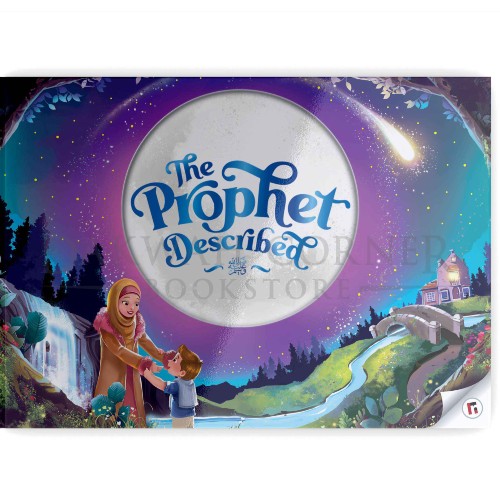
The Prophet (S) Described (Learning Roots)
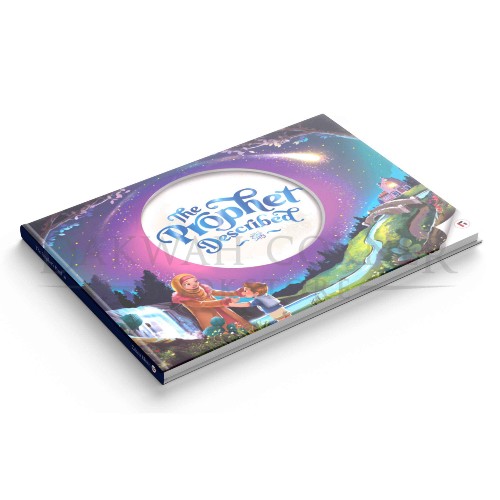
If you were asked to describe the appearance of the Prophet Muhammad (S), what would you say?
The Prophet Described weaves together classical accounts of the appearance and character of Allah’s finest creation, using the narrations of those closest to him. Expertly crafted into a story-conversation between a mother and son, and using flowing, rhyming text, this book makes learning about Allah’s Messenger (S), a rich and captivating experience. With spectacular illustrations that subtly echo the descriptions, this book is a treasure to be read over and over again.
Islamic Studies (KG3)
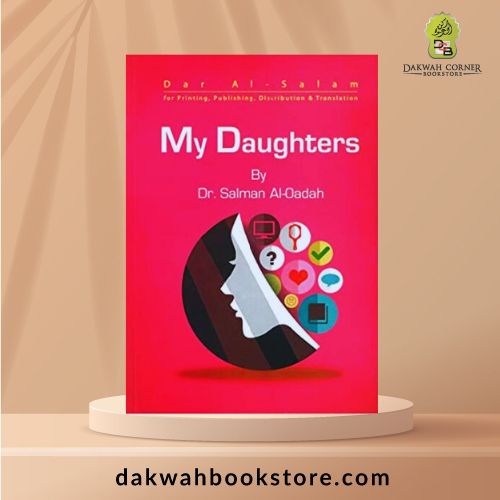
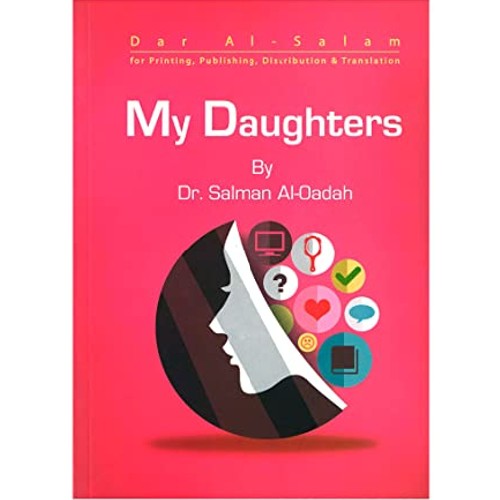
My Daughters (Dar al Salam)
It is a unique educational book addressing the female gender espe cially the girls. Despite the small size of the book, it is rich in religious advice, and each chapter directs a phase of the girl’s life with more attention to the adolescence. It provides real experiences of life for some girls for the others to learn and benefit from.
This book is a good reference for the reader, be it the girl itself, a mother or anyone who is seeking to know the instructions, guidelines and good manners that a Muslim woman should follow. And this based on the texts of the Quran and Sunnah of the Prophet (pbuh). It also includes some poetry of the Arabs, real stories, and international statistics.
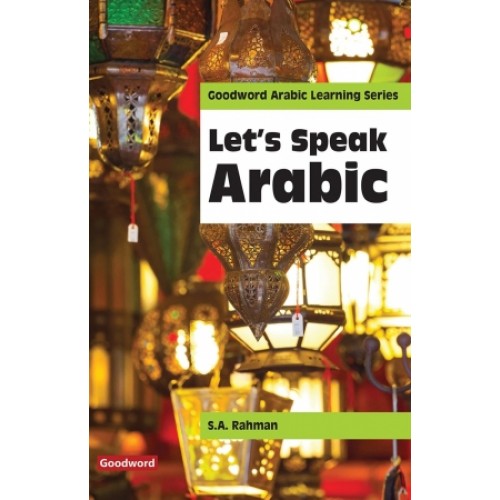
Let’s Speak Arabic
For business or pleasure you need Let’s Speak Arabic for useful vocabulary and phrases. The book is organized to make Arabic learning easy and accessible. Let’s Speak Arabic focuses exclusively on the most common, everyday situations you will encounter in Arabic-speaking countries. It is just what you need to communicate successfully in basic Arabic.
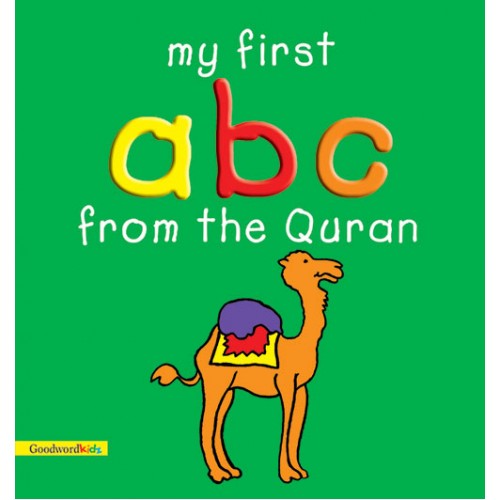
My First ABC from the Quran
The colourful book, full of friendly images is an ideal introduction to the first few words and objects from the Quran for your child. Its toddler-tough pages will guarantee extra hours of alphabet fun.
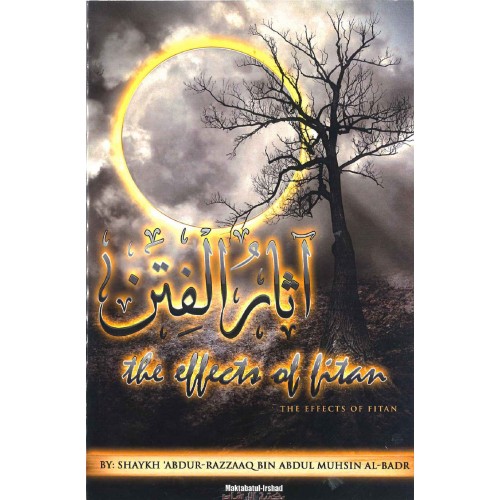
The Effects of Fitan (P/B)
Among his outstanding traits (radhiallahu ‘anhu) is what Al-Bukhari and Muslim collected on the authority of Anas bin Malik (radhiallahu ‘anhu) that Allah’s Messenger (sallallahu ‘alayhi wa sallam) said to Ubay,
إِنَّ اللهَ أَمَـرَنِـي أَنْ أَقْـرَأَ عَـلَـيْـكَ , قَـالَ : آلله سَـمَّـانِـي لَـكَ ؟ قَـالَ : اللهُ سَـمَّـاكَ لِـي . قَـالَ : فَـجَـعَـلَ أُبَـيٌّ يَـبْـكِـي .
“Indeed Allah ordered me to teach you” He (i.e. Ubay) said, “Did Allah mention my name to you?” the Prophet said, “Allah mentioned your name to me” Anas bin Malik said, “Ubay began to weep.”
Likewise you should contemplate in order to grasp Ubay’s the full extent of understanding of the religion (radhiallahu ‘anhu); his response to this question wasn’t after long period of time like a week or a month in which he could review the verses and contemplate its meanings; rather he (radhiallahu ‘anhu) merely responded immediately after the Messenger (sallallahu ‘alayhi wa sallam) repeated the question; so he chose this blessed verse.


There are no reviews yet.