


![[AC] Sharh Risalah Tadmuriyah / شرح الرسالة التدمرية](https://shop.dakwahbookstore.com/wp-content/uploads/2024/02/website-500x500-1-7.jpg)
![[MM] Al Tarkiz Akthar Al Adat Athran / التركيز ؛ أكثر العادات أثراً في حياة الناجحين](https://shop.dakwahbookstore.com/wp-content/uploads/2024/02/website-500x500-15.jpg)
| Weight | 0.210 kg |
|---|---|
| Dimensions | 23 × 14.3 × 4.5 cm |
| ISBN | 9781597842716 |
| Binding | Paperback |
| Author | |
| Pages | 557 |
| Publisher | Tughra Books |
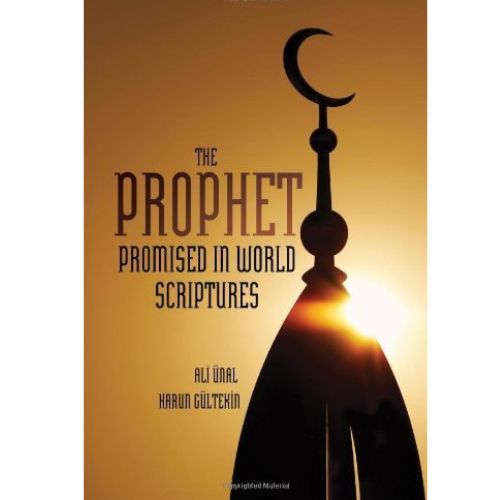
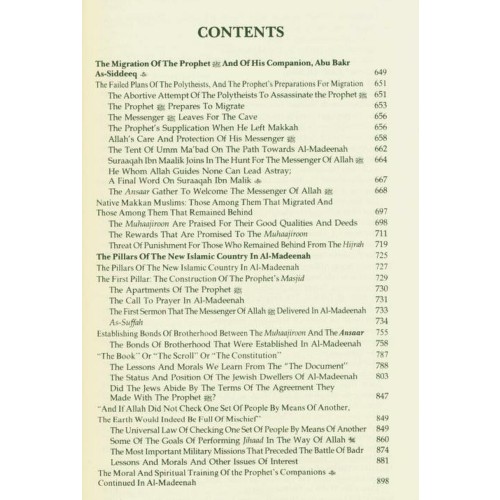
The Prophet Promised in World Scriptures
RM110.00
Hurry up, Only 1 left.
Highlights:
somdn_product_page
Compare
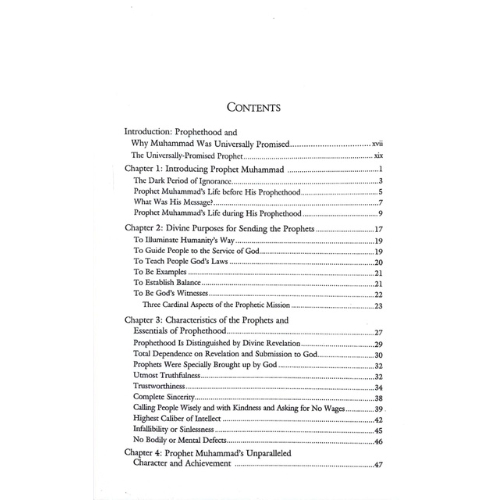
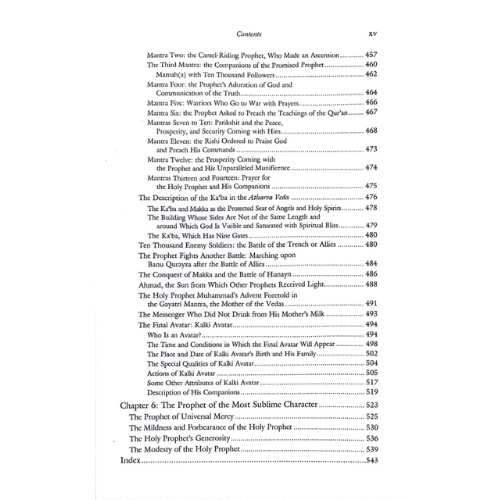
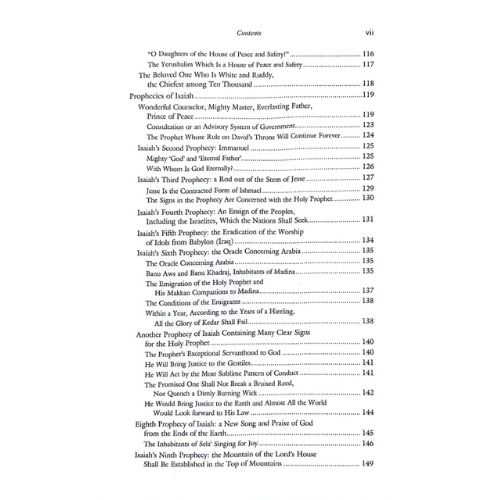
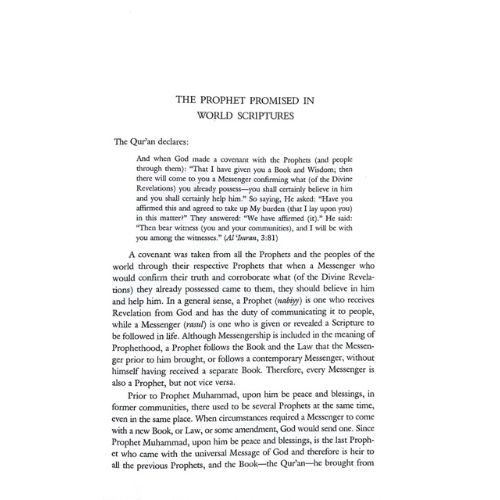
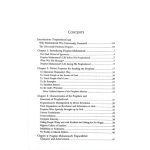
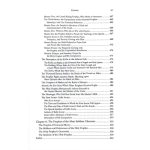
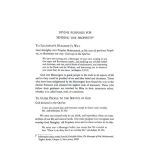
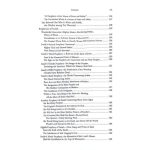
This well-researched and comprehensive book by Ali Unal details the numerous prophecies about the advent of the Prophet Muhammad in various world scriptures. Unal argues that numerous prophecies of the coming of the Prophet Muhammad are found in the New and Old Testaments, the Zoroastrian, Hindu and Buddhist Scriptures. He then closely examines these prophecies through a comparative and verse-by-verse analysis and explains the rationale for his conclusions. This book will appeal to readers from all faiths and backgrounds that have an interest in major world religions and their sacred scriptures.”
Frequently Bought Together
1 Item
RM110.00
2 Add-Ons
RM232.00
Total
RM342.00
Additional information
Reviews (0)
Be the first to review “The Prophet Promised in World Scriptures” Cancel reply
You must be logged in to post a review.
You may also like…
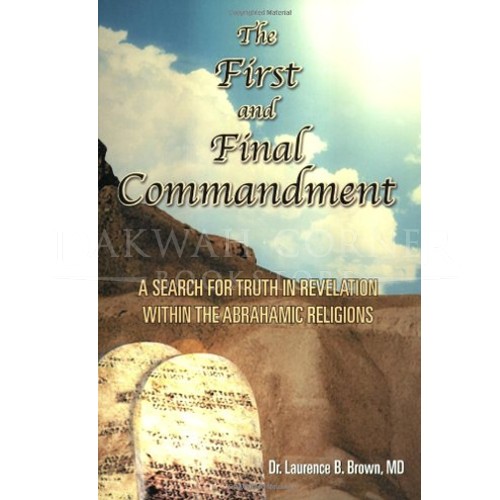
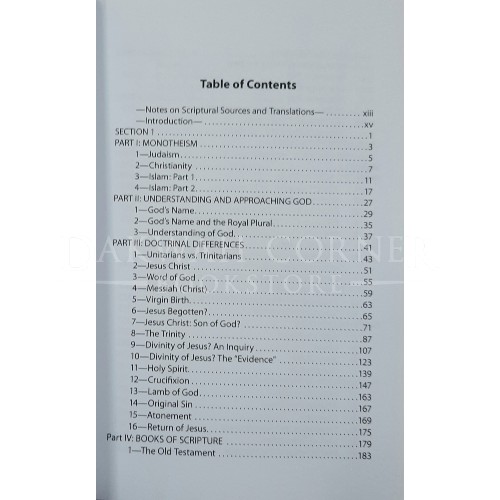
The First and Final Commandment (2nd Edition)
Highlights:
“A search for truth in revelation within the Abrahamic religions.”
RM165.00
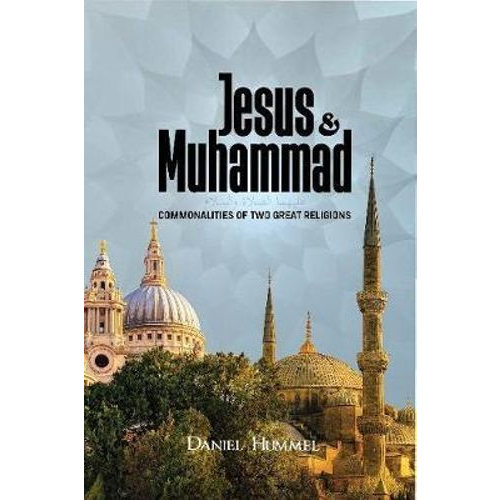
Jesus and Muhammad : Commonalities of Two Great Religions
Highlights:
Jesus and Muhammad lived in different times and in different contexts. An absolute comparison of the careers of these two men is not a satisfactory method in understanding the similarities and differences between their teachings. This book approaches this topic from a different perspective. The time that Muhammad preached in Mecca is compared to the time Jesus spent preaching throughout Palestine. This improves the similarities in contexts between them and makes a comparison more valid. The number of similarities outweighs the number of differences when looking at the four books of the Gospel and the chapters of the Qur’an revealed in Mecca. On issues related to prayer, the Oneness of God, charity, the Hereafter and forgiveness the teachings in these two books are practically the same. A number of core theological issues surfaced in the Book of John do clash with Qur anic teachings about the person of Jesus. These differences and the possible reasons for them are explored in this book. The conclusion of this book is that Muslims and Christians have more shared values and even theological similarities than differences. It is recommended that Muslims and Christians should spend more time understanding these commonalities.”
RM80.00
RM47.00
The Choice : Islam & Christianity (Revised Edition)
5 ★
5 ★
1 Rating
5 ★
1
4 ★
0
3 ★
0
2 ★
0
1 ★
0
RM45.00
Related Products
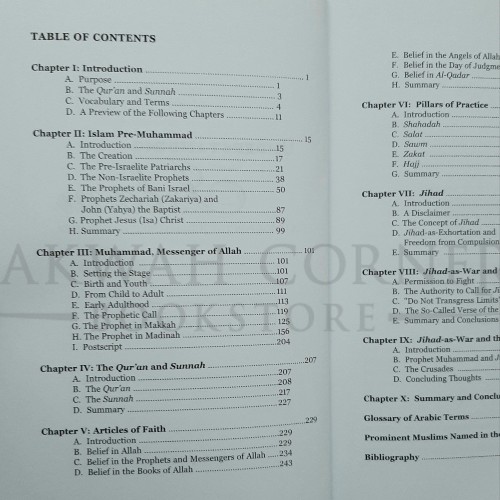
Understanding Islam A Guide for the Judaeo-Christian Reader
Highlights:
Written by former minister who converted to Islam, this book expounds the commonalities and contrasts between Islam, Judaism and Christianity. An excellent book for da’wah purposes and for Muslims to gain a deeper appreciation for the two earlier faiths.
RM106.00
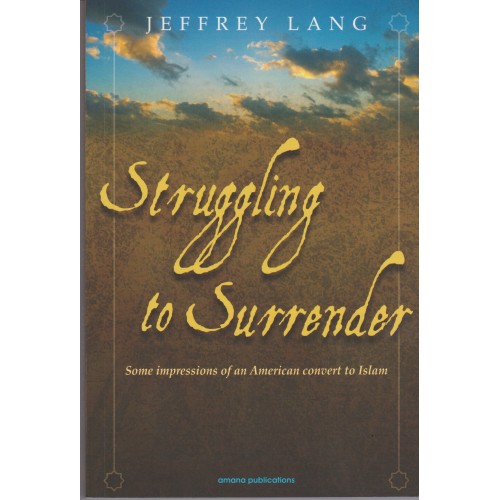

Struggling to Surrender (P/B)
Highlights:
Struggling to Surrender: Some Impressions of an American Convert to Islam is a very personal account of one man’s search for God and meaning in the midst of a culture that places no value on such a quest. Dr. Lang was brought up as a Catholic and educated in a Catholic school. However, one day he found that his religious belief could no longer provide satisfactory answers to his questions.
RM95.00
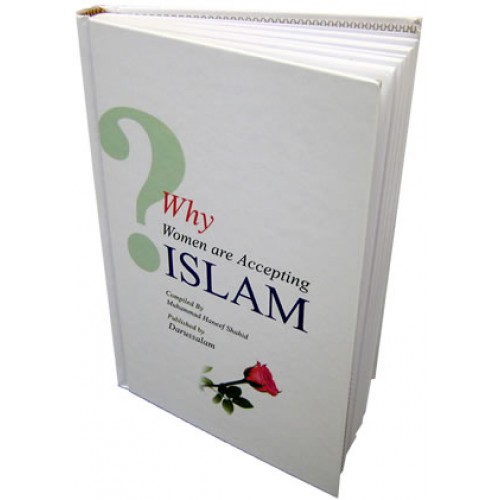
Why Women are Accepting Islam (H/B)
Highlights:
This book is a compilation of the numerous narratives about the lives, experiences and previous beliefs as well as Islamic impressions and reasons of different lucky women, belonging to all walks of life, as to why they reverted to Islam. Darussalam has already published one book from the same compiler on the same focus that was very much appreciated by the readers. We hope this study will help those non-Muslims women whose concepts are not clear about Islam, and those people who are working in Da’wah field.
RM65.00
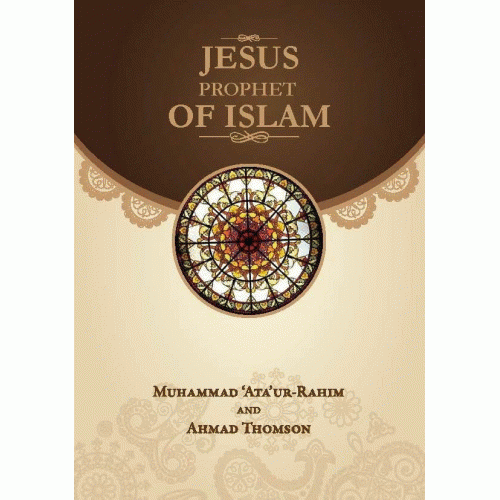
Jesus Prophet of Islam (P/B) – TAHA
Highlights:
1996 expanded and revised edition. This book examines Jesus as a prophet teaching the Unity of God, and the historical collapse of Christianity as it abandoned his teaching. The author sketches the dramatic picture of the original followers of Jesus who affirmed Unity. What emerges is that “Christianity” is the fiction that replaced their truth. A work that covers the Gospel of Barnabas, the Gospel of Hermes, the Shephard, early and later Unitarian Christians, Jesus in the Gospels and in the Qur’an and Hadith. The author clearly shows the idea of Jesus as part of a Trinity was a Greek Pagan idea adopted by early Christian mission-aries to gain converts among the Greek, and did not become a widely accepted Christian doctrine until after the Council of Nicea in 325 A.D.
RM56.00
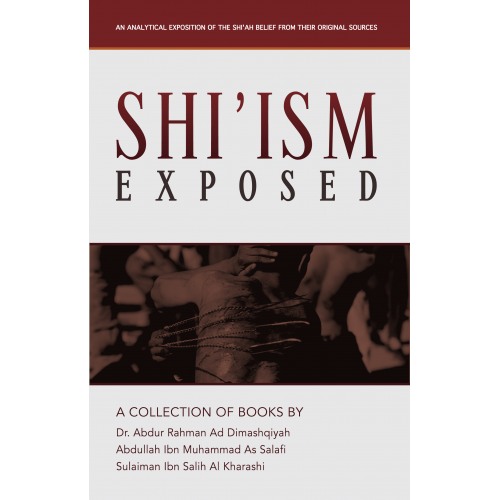
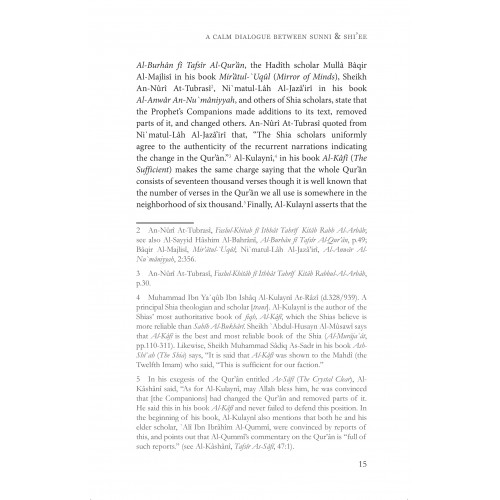
Shi’ism Exposed (H/B)
Highlights:
This book is mostly dedicated to every Shia who is willing to listen to constructive criticism with an open heart and an enlightened mind. This research is, in fact, a survey of the literature about the rise and spread of Shiism and its fundamental principles. Much of what follows is taken directly from Shia sources. The history, ideological background, and threats posed by Shi’ism against the true Islam of our noble Prophet Muhammad (Peace be upon him)are clearly outlined, and the Muslim finds, in them, a warning against falling prey to the calls of the Shi’ites. Also it is a guidance for Shi’ittes to discover reality of Shi’ism to come back to the original faith of Islamic Monotheism.
RM45.00
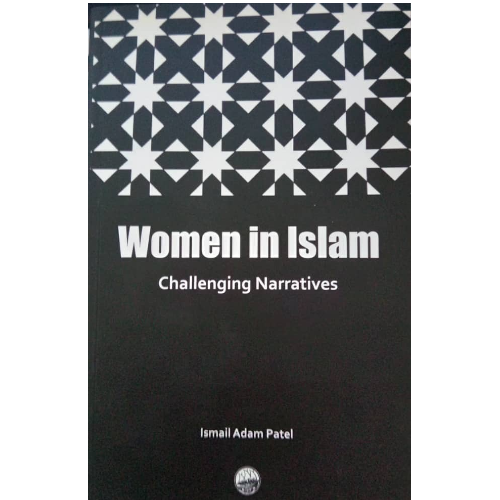
Women In Islam – Challenging Narratives (Ismail Adam Patel)
Highlights:
Many conflicting narratives exist regarding women in Islam and this subject is the cause of much criticism from the West leveled against Islam as a religion. The discrepancies between Islamic religious discourse and the practice of Muslim communities are often disregarded. Women In Islam – Challenging Narratives intends to address certain misconceptions about women in Islam and dispel some common myths. At the same time, this book also challenges the accepted narrative that women in modern Western cultures are emancipated. The chapter titled ‘Women in Islam’ provides a more accurate representation of the lofty position conferred to women within the Islamic tradition, which is often illusive in Muslim communities around the globe. A final analysis of feminist discourse scrutinizes the impact of the feminist movement on setting new ideals for women that negate their roles within the family and home, and assesses whether this has created greater challenges for women in the modern era. Ismail Adam Patel is a writer and campaigner. He is chairman of Friends of Al-Aqsa, a UK based NGO dedicated to campaigning for a free Palestine. He has lectured widely on a number of political and social issues affecting Muslim, and has authored books and articles on an array of subjects. He also acts as an advisor for several other organizations including the Conflicts Forum and Clear Conscience. A graduate of the University of Manchester Institute of Science and technology, he is an Optometrist by profession.
RM45.00

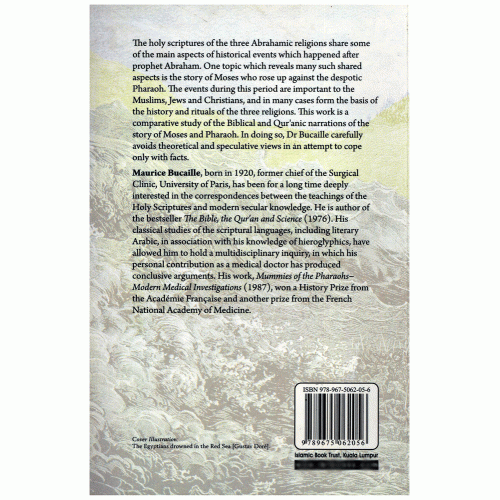
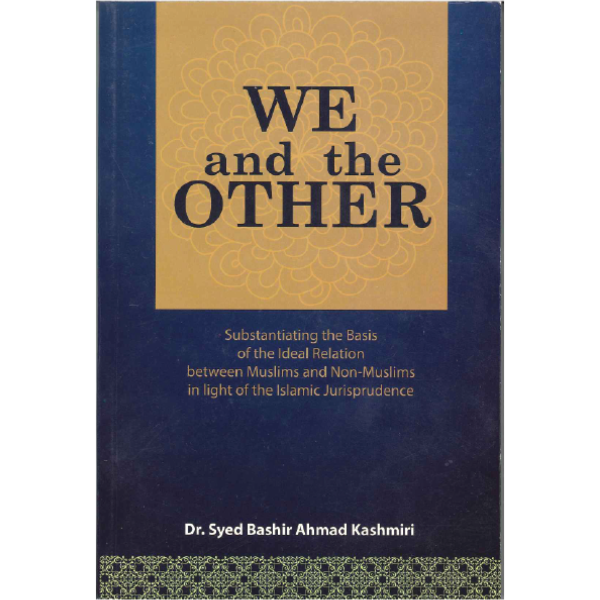
We and The Other
Highlights:
This book is a highly relevant piece of research for our turbulently chaotic world today. The heavy baggage of mutual distrust and detestation from the days of ethnic cleansing of Muslims in Spain through to the Crusades and Colonialism has left behind a fuzzy and muddled image of Islam and Muslims in the eyes of others; Muslims too, have been seeing the West as the primary cause of all their woes and vilification.
RM49.00
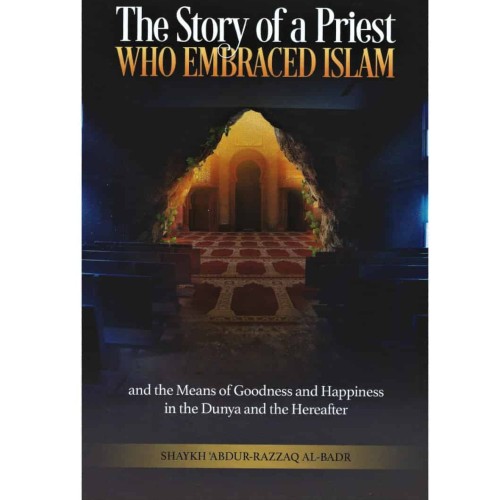
The Story Of A Priest Who Embraced Islam
Highlights:
The Story of a Priest Who Embraced Islam and the Means of Goodness and Happiness in the Dunya and the Hereafter
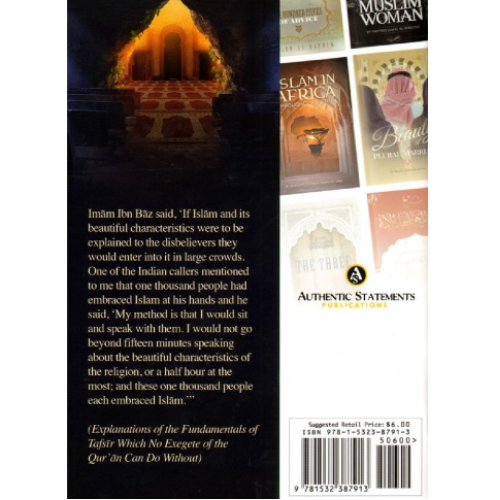
“Imam Ibn Baz said: ‘If Islam and its beautiful characteristics were to be explained to the disbelievers they would enter into it in large crowds. One of the Indian callers mentioned to me that 1000 people had embraced Islam at his hands and he said: ‘My method is that I would sit and speak with them and I would not go beyond 15 minutes speaking about the beautiful characteristics of the religion; or a half an hour at the most and these (1000 people) had each embraced Islam.’” Ref. Explanation of the Fundamentals of Tafsir which no Exegete of the Qur’an Can Do Without
RM30.00
Choosing Faith (P/B)
Highlights:
Choosing Faith In a world of spiritual options, people constantly tell us what to believe. Yet, while we hear these pleas, we’re already functioning with existing beliefs–even if they are beliefs by default. So how do we choose what to believe–especially in the area of faith? Do we need to choose.
RM13.00
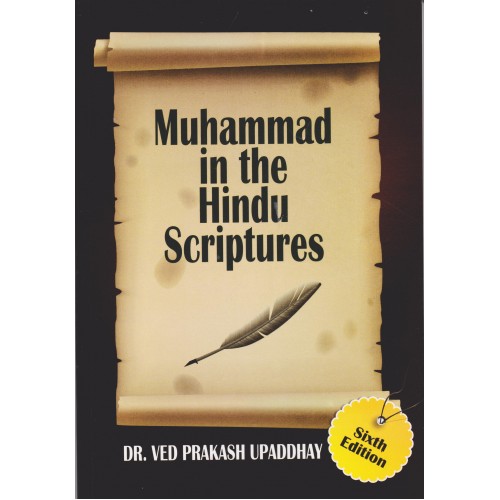
Muhammad in the Hindu Scriptures (P/B)
Highlights:
God is One. Human nature is one. Human destiny is one. And God�s message to humanity vis-a-vis that destiny is one. However, the rebellious element in man�s nature has led him to disobey God on the one hand, and on the other, he has pushed on to distort the very message of God. But the message is never fully lost. It would be ludicrous and indeed heretical to think that the situation could have gone out of God’s control.
With every distortion, therefore, He has renewed the message to salvage humanity from self-ruin. More interesting than that is the fact
that He has inserted in every message a Pointer to the Final Guide and the message he would be entrusted with; a Pointer which shows the true
seeker where the uncorrupted message could be found – the message that no one would be able to distort any more. While the main body of the message has been corrupted, the Pointer contained within has not been destroyed. Muhammad in the Hindu Scriptures brings out the truth of this phenomenon.
In addition to the Vedas and the Puranas, the book has unearthed this Pointer in the Buddhist, Christian, Jewish and other Hindu scriptures. Each of these scriptures uses its own unique Pointer relevant to its own theological scheme and the religious mentality of its own people. Separately and jointly these Pointers lit up the road to Muhammad (blessings and peace be upon him) exclusively, without any iota of doubt.
By all accounts the Final Guru has been sent and the Last Testament is in our laps. Additionally, the existence of these Pointers in the earlier
scriptures is yet another dimension of God’s mechanism to guide mankind to the infallible Truth. Upon reading the book, the theist, the atheist and the agnostic will find a lot to think about.
RM20.00
Recently Viewed



Prophet Muhammad: A Blessing for Mankind
Highlights:
Prophet Muhammad (blessings and peace of Allah be upon him) and the lessons he taught us from the continued hardships he underwent in every stage of his life are a real blessing for humankind. Being an orphan child made him compassionate to widows and orphans as well as to the poor. His multiple marriages strengthened the ties of kinship amongst the different tribes, dissolving long-standing enmity. His message and prophethood were challenged by the polytheistic society in Makkah, forcing him and his few followers to emigrate to Madinah. Despite his illiteracy and the struggles he faced, he conveyed Allah’s Book, the Noble Qur’an, to all humanity, teaching them the values and principles that are presently adopted by billions of Muslims throughout the world. In the Qur’an, Allah, the Almighty addresses the Prophet (blessings and peace of Allah be upon him), saying: {We have sent you only as a mercy to the worlds.} (Qur’an 21: 107)
RM8.00 RM9.00
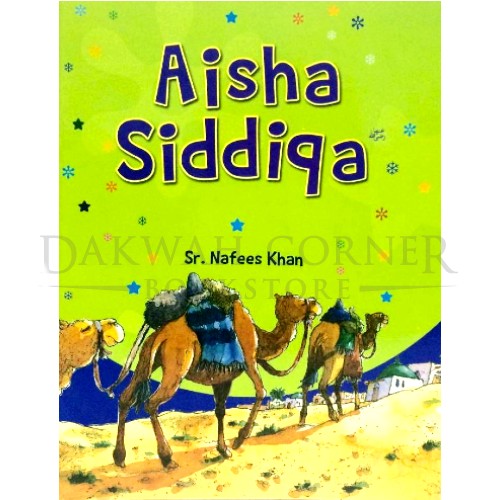
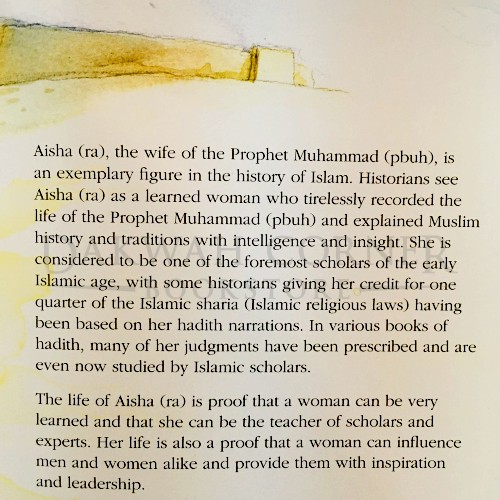
Aisha Siddiqa
Highlights:
“The life of Aisha (ra) is proof that a woman can be very learned and that she can be the teacher of scholars and experts…”
RM14.00
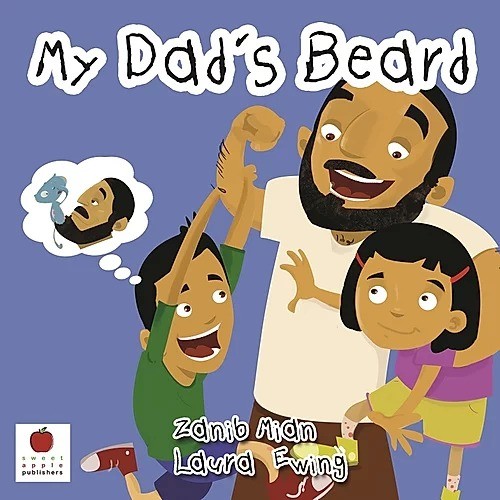

My Dad’s Beard
4 ★
4 ★
1 Rating
5 ★
0
4 ★
1
3 ★
0
2 ★
0
1 ★
0
Highlights:
This book is huge in size and huge in sentiment! It honours the male figures in the family and glorifies the Sunnah of keeping a beard. An adorable little boy personifies his love for his father through his beard, sharing how it looks at different times, makes him even more handsome, and why the whole family love it! Full of fun and fantastic for sharing!
RM86.00
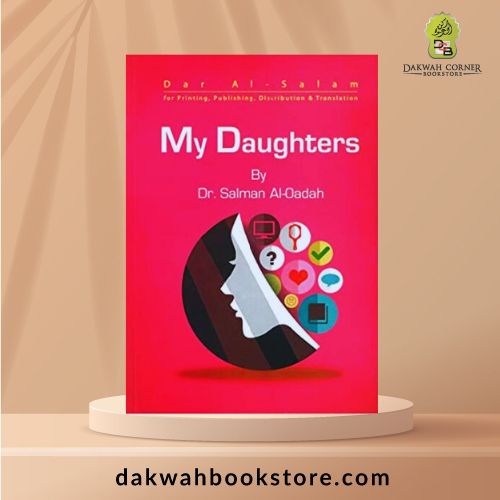
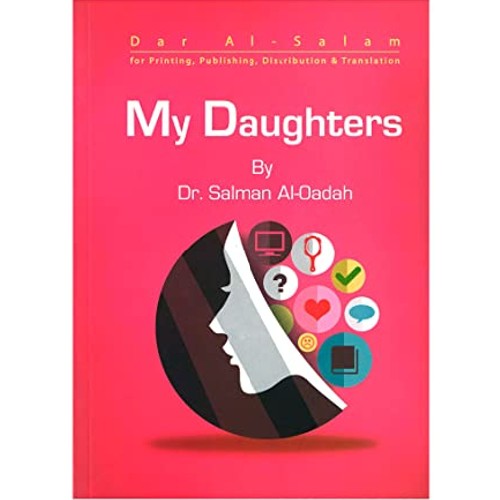
My Daughters (Dar al Salam)
Highlights:
It is a unique educational book addressing the female gender espe cially the girls. Despite the small size of the book, it is rich in religious advice, and each chapter directs a phase of the girl’s life with more attention to the adolescence. It provides real experiences of life for some girls for the others to learn and benefit from.
This book is a good reference for the reader, be it the girl itself, a mother or anyone who is seeking to know the instructions, guidelines and good manners that a Muslim woman should follow. And this based on the texts of the Quran and Sunnah of the Prophet (pbuh). It also includes some poetry of the Arabs, real stories, and international statistics.
RM30.00
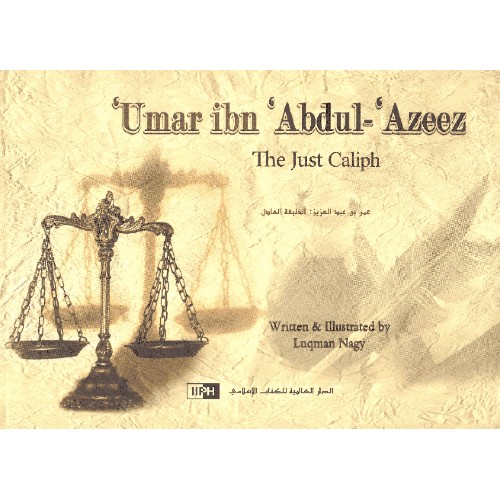
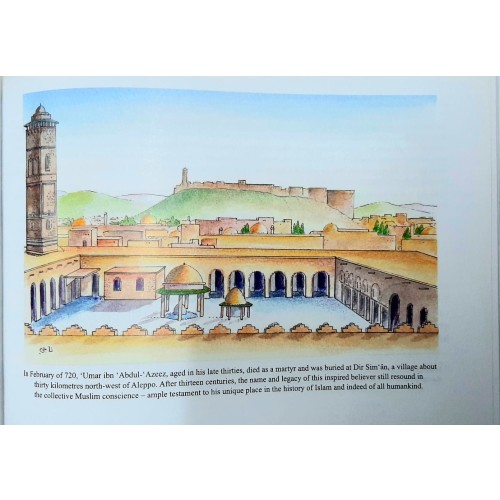
Umar ibn Abdul-Azeez The Just Caliph (IIPH)
Highlights:
This book, written by Luqman Nagy, highlights the life and times of ‘Umar ibn ‘Abdul-‘Azeez, a truly exceptional Muslim ruler who, during his twenty-nine months in office, governed the Ummah totally in accordance with the Qur’an and the Sunnah. His sincere devotion to the religion of Islam enabled ‘Umar ibn ‘Abdul-‘Azeez to bring prosperity and contentment not only to the Ummah but to all those residing within the Umayyad state.
RM54.00
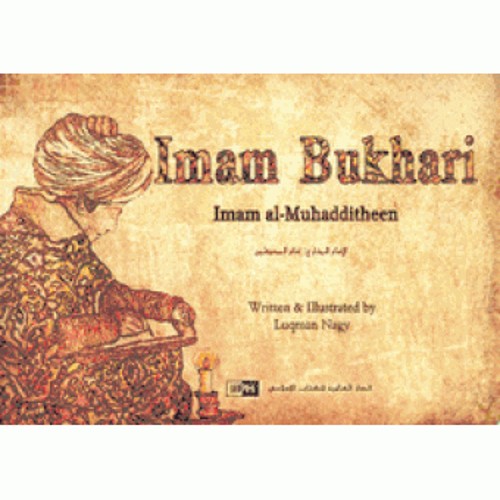
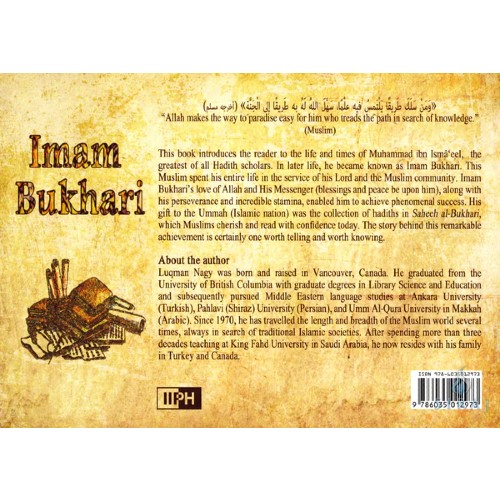
Imam Bukhari – Imam Al-Muhadditheen (IIPH)
Highlights:
This book, authored by Luqman Nagy, introduces the reader to the life and times of Muhammad ibn Ismâ‘eel, the greatest of all Hadith scholars. In later life, he became known as Imam Bukhari. This Muslim spent his entire life in the service of his Lord and the Muslim community. His gift to the Ummah (nation) was the collection of hadiths in Saheeh al-Bukhâri, which Muslims cherish and read with confidence today. The story behind this remarkable achievement is certainly one worth telling and worth knowing.
RM54.00
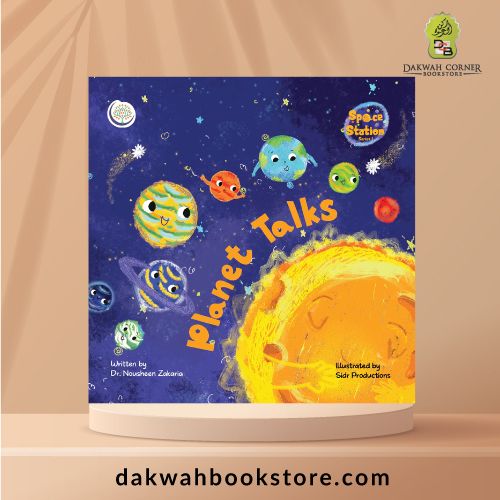
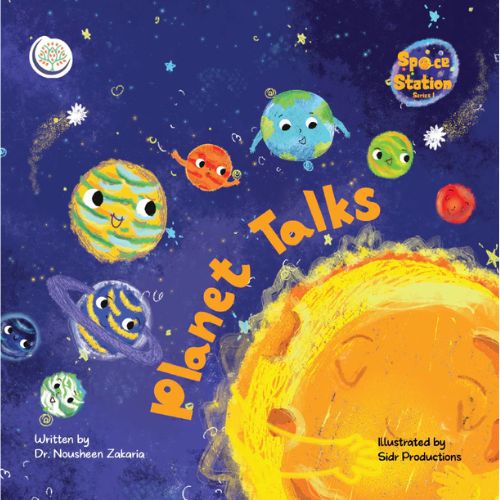
Planet Talks (P/B)
Highlights:
What if the planets could talk?
High above the Earth, beyond clouds and stars, the planets gather for a quiet conversation. Some are hot. Some are icy. Some spin fast, others slowly.
Each one has a story to tell.
What makes Earth so special?
Why does Mars hold secrets of ancient water?
Planet Talks is a gentle journey through space where science meets wonder, and every planet becomes a sign to reflect upon.
RM20.00 RM35.00
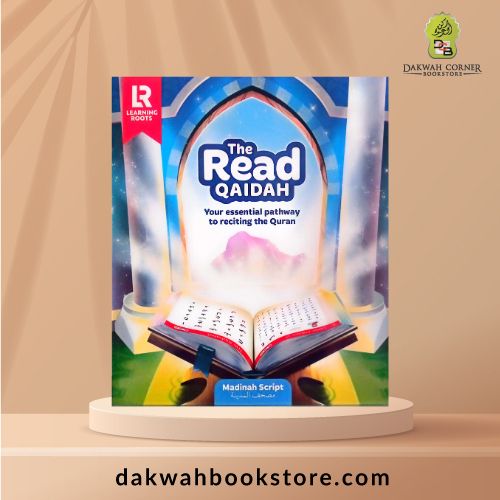
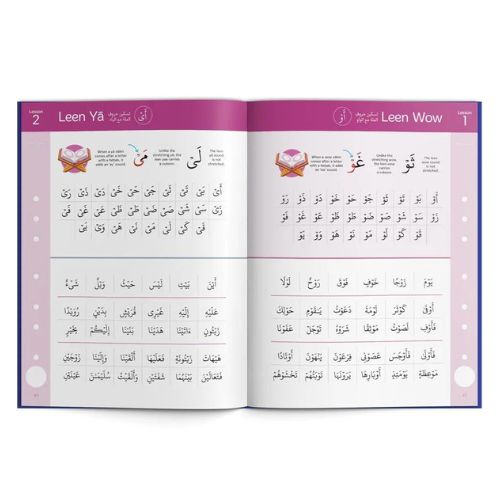
Read Qaidah (Madinah Script)
Highlights:
Easy progress through bitesize lessons
Read takes children step by step through letters, vowels, words and more until they’re ready for the Quran. Each line forms an easy, manageable lesson so children build momentum and progress.
- Motivational stickers
-
NOT Kiitab Compatible
RM45.00
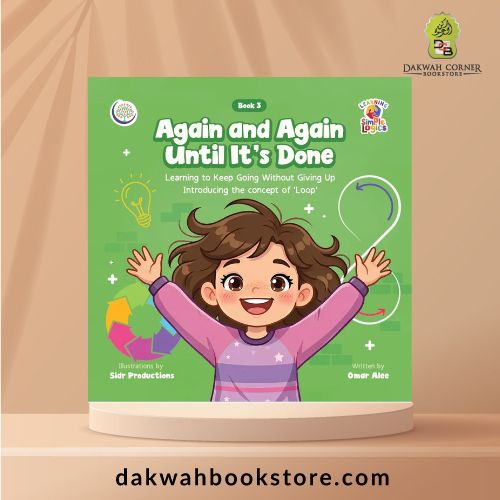
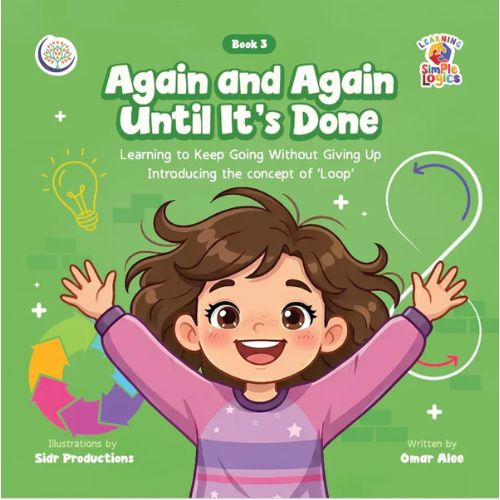
Again And Again Until It’s Done
Highlights:
This story shows the power of repetition and persistence. Whether practising, cleaning up, or completing a task, children learn that repeating an action helps them reach their goal. The book encourages patience, consistency, and confidence through everyday examples.
RM20.00

The Problems of the Illegitimate Child (P/B)
Highlights:
This book addresses the views of the Sunni scholars regarding the importance of genealogical relationship (nasab) in Islamic family law and examines the role of legitimacy on the basis of the legal maxim “al-walad li al-firash”, evidence (al-bayyinah), and doubtful intercourse (wat’ shubhah). It also elucidates the views of the Sunni schools of law on how to establish illegitimacy. For the Sunni jurists, there are several situations that determine the illegitimacy of the child. A child is considered illegitimate if its birth is the outcome of adultery (zina) or the result of legitimate union but accompanied with imprecation (li‘an). Other circumstances include the birth of the child taking place in less than six lunar months, the father of the child being categorized as one who is incapable of begetting, or the birth as a result of marital relationship considered unlawful because of consanguinity. The book also deals comprehensively with the moral, religious, legal and other aspects of the illegitimate child and the foundling in the works of the Sunni jurists. The status and rights of the illegitimate child and the foundling in the Islamic family law of Malaysia and Brunei are also discussed by referring to some provisions from Federal Territory Act 1984 (Act 303) and Brunei law.
RM49.00
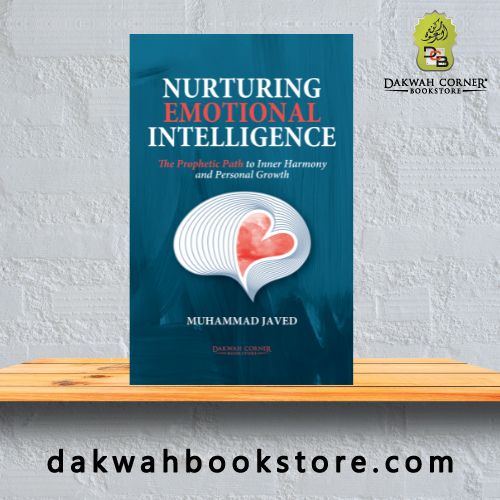
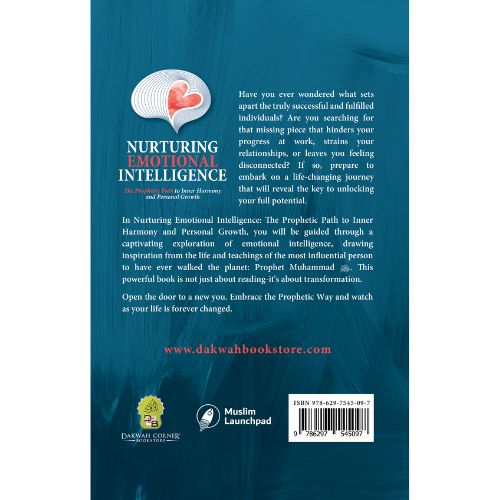
Nurturing Emotional Intelligence (New Cover)
Highlights:
Nurturing Emotional Intelligence
Have you ever wondered what sets apart the truly successful and fulfilled individuals? Are you searching for that missing piece that hinders your progress at work, strains your relationships, or leaves you feeling disconnected? If so, prepare to embark on a life-changing journey that will reveal the key to unlocking your full potential.
RM60.00

The Middle Path of Moderration in Islam (H/B)
Highlights:
In The Middle Path of Moderation in Islam, leading Islamic law expert Mohammad Hashim Kamali examines the concept of wasatiyyah, or moderation, arguing that scholars, religious communities, and policy circles alike must have access to this governing principle that drives the silent majority of Muslims, rather than focusing on the extremist fringe. Kamari explores wasatiyyah in both historical/conceptual terms and in contemporary/practical terms. Tracing the definition and scope of the concept from the foundational sources of Islam, the Qu’ran and Hadith, he demonstrates that wasatiyyah has a long and well-developed history in Islamic law and applies the concept to contemporary issues of global policy, such as justice, women’s rights, environmental and financial balance, and globalization.
Framing his work as an open dialogue against a now-decades long formulation of the arguably destructive Huntingtonian “clash of civilizations” thesis as well as the public rhetoric of fear of Muslim extremism since the attacks of September 11, 2001, Kamali connects historical conceptions of wasatiyyah to the themes of state and international law, governance, and cultural maladies in the Muslim world and beyond. Both a descriptive and prescriptive meditation on a key but often neglected principle of Islam, The Middle Path of Moderation in Islam provides insight into an idea that is in the strategic interest of the West both to show and practice for themselves and to recognize in Muslim countries.
RM189.00
There are no reviews yet.