


![[AC] Sharh Risalah Tadmuriyah / شرح الرسالة التدمرية](https://shop.dakwahbookstore.com/wp-content/uploads/2024/02/website-500x500-1-7.jpg)
![[MM] Al Tarkiz Akthar Al Adat Athran / التركيز ؛ أكثر العادات أثراً في حياة الناجحين](https://shop.dakwahbookstore.com/wp-content/uploads/2024/02/website-500x500-15.jpg)
| Weight | 0.210 kg |
|---|---|
| Dimensions | 23 × 14.3 × 4.5 cm |
| ISBN | 9781597842716 |
| Binding | Paperback |
| Author | |
| Pages | 557 |
| Publisher | Tughra Books |
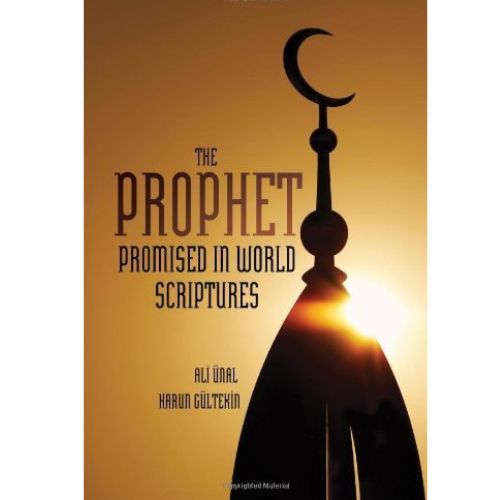
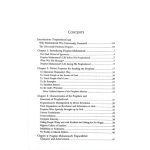
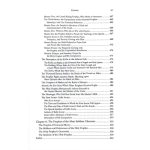
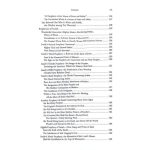
The Prophet Promised in World Scriptures
RM110.00
Hurry up, Only 1 left.
Highlights:
somdn_product_page
Compare
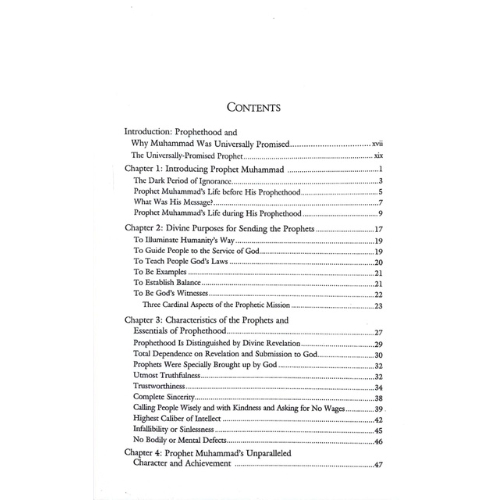
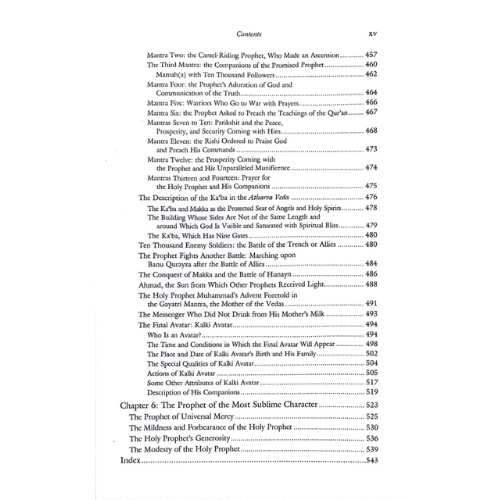
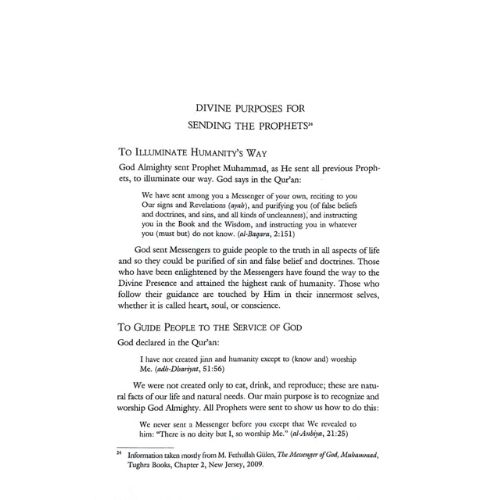
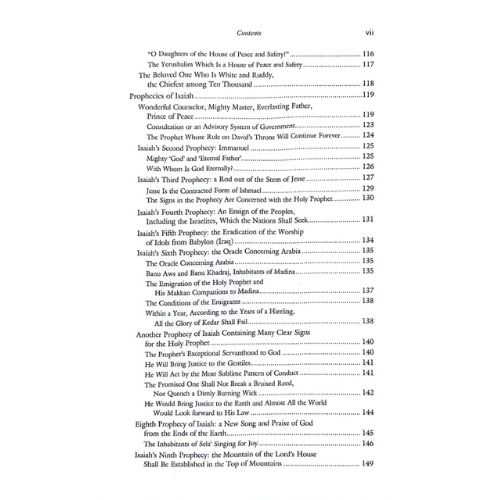
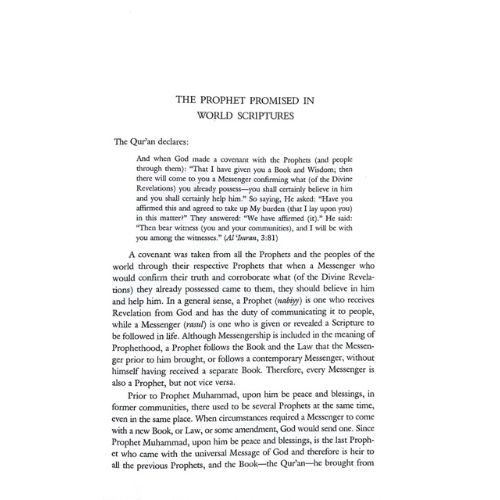
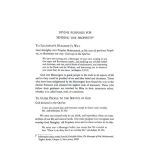
This well-researched and comprehensive book by Ali Unal details the numerous prophecies about the advent of the Prophet Muhammad in various world scriptures. Unal argues that numerous prophecies of the coming of the Prophet Muhammad are found in the New and Old Testaments, the Zoroastrian, Hindu and Buddhist Scriptures. He then closely examines these prophecies through a comparative and verse-by-verse analysis and explains the rationale for his conclusions. This book will appeal to readers from all faiths and backgrounds that have an interest in major world religions and their sacred scriptures.”
Frequently Bought Together
1 Item
RM110.00
2 Add-Ons
RM232.00
Total
RM342.00
Additional information
Reviews (0)
Be the first to review “The Prophet Promised in World Scriptures” Cancel reply
You must be logged in to post a review.
You may also like…
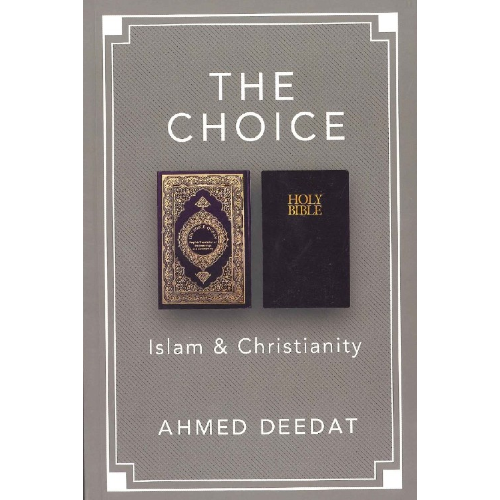
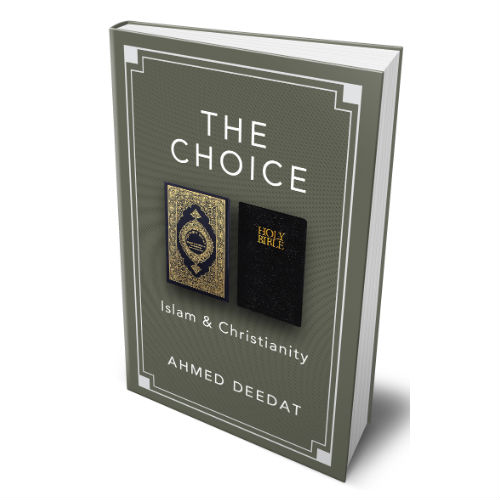
The Choice : Islam & Christianity (Revised Edition)
5 ★
5 ★
1 Rating
5 ★
1
4 ★
0
3 ★
0
2 ★
0
1 ★
0
RM45.00
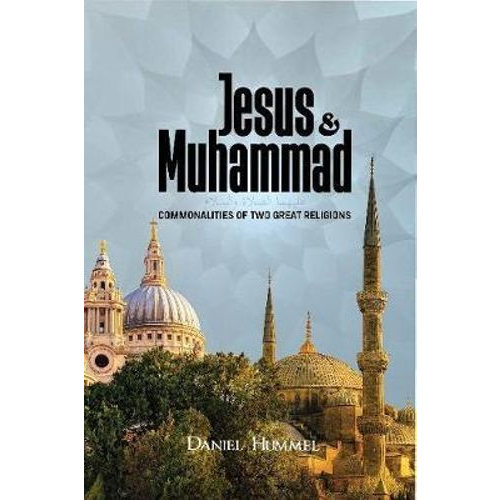
Jesus and Muhammad : Commonalities of Two Great Religions
Highlights:
Jesus and Muhammad lived in different times and in different contexts. An absolute comparison of the careers of these two men is not a satisfactory method in understanding the similarities and differences between their teachings. This book approaches this topic from a different perspective. The time that Muhammad preached in Mecca is compared to the time Jesus spent preaching throughout Palestine. This improves the similarities in contexts between them and makes a comparison more valid. The number of similarities outweighs the number of differences when looking at the four books of the Gospel and the chapters of the Qur’an revealed in Mecca. On issues related to prayer, the Oneness of God, charity, the Hereafter and forgiveness the teachings in these two books are practically the same. A number of core theological issues surfaced in the Book of John do clash with Qur anic teachings about the person of Jesus. These differences and the possible reasons for them are explored in this book. The conclusion of this book is that Muslims and Christians have more shared values and even theological similarities than differences. It is recommended that Muslims and Christians should spend more time understanding these commonalities.”
RM80.00
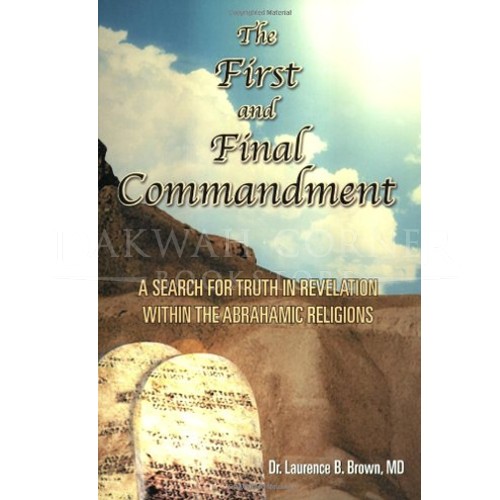
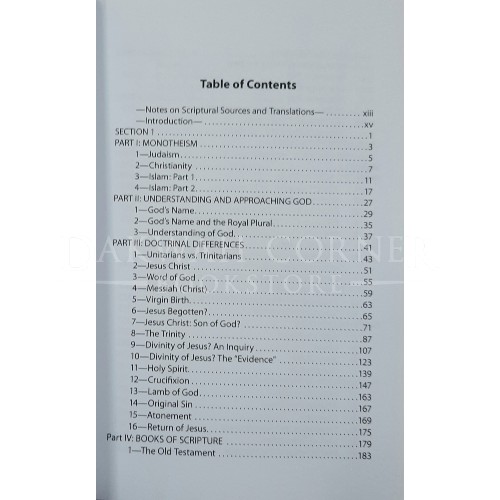
The First and Final Commandment (2nd Edition)
Highlights:
“A search for truth in revelation within the Abrahamic religions.”
RM165.00
RM47.00
Related Products
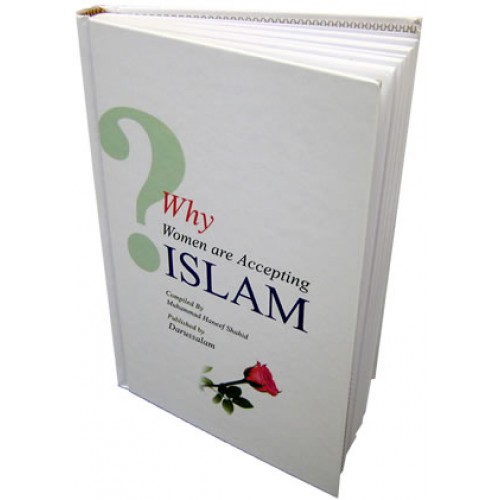
Why Women are Accepting Islam (H/B)
Highlights:
This book is a compilation of the numerous narratives about the lives, experiences and previous beliefs as well as Islamic impressions and reasons of different lucky women, belonging to all walks of life, as to why they reverted to Islam. Darussalam has already published one book from the same compiler on the same focus that was very much appreciated by the readers. We hope this study will help those non-Muslims women whose concepts are not clear about Islam, and those people who are working in Da’wah field.
RM65.00
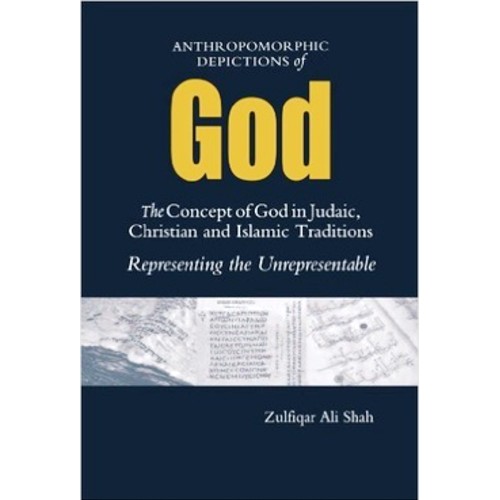
Anthropomorphic Depictions of God: The Concept of God in Judaic, Christian and Islamic Traditions: Representing the Unrepresentable
Highlights:
This monumental study examines issues of anthropomorphism in the three Abrahamic Faiths, as viewed through the texts of the Hebrew Bible, the New Testament, and the Qur’an. Throughout history, Christianity and Judaism have tried to make sense of God. While juxtaposing the Islamic position against this, the author addresses the Judeo-Christian worldview and how each has chosen to framework its encounter with God, to what extent this has been the result of actual scripture and to what extent the product of theological debate, or church decrees of later centuries and absorption of Hellenistic philosophy. Shah also examines Islam’s heavily anti-anthropomorphic stance and Islamic theological discourse on Tawhid as well as the Ninety-Nine Names of God and what these have meant in relation to Muslim understanding of God and His attributes. Describing how these became the touchstone of Muslim discourse with Judaism and Christianity he critiques theological statements and perspectives that came to dilute if not counter strict monotheism. As secularism debates whether God is dead, the issue of anthropomorphism has become of immense importance. The quest for God, especially in this day and age, is partly one of intellectual longing. To Shah, anthropomorphic concepts and corporeal depictions of the Divine are perhaps among the leading factors of modern atheism. As such he ultimately draws the conclusion that the postmodern longing for God will not be quenched by pre-modern anthropomorphic and corporeal concepts of the Divine which have simply brought God down to this cosmos, with a precise historical function and a specified location, reducing the intellectual and spiritual force of what God is and represents, causing the soul to detract from a sense of the sacred and thereby belief in Him.
RM150.00
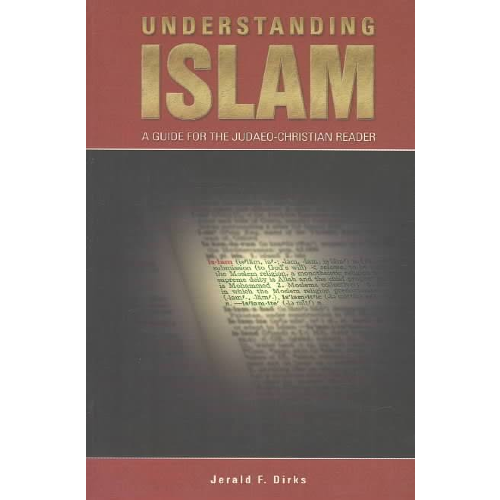
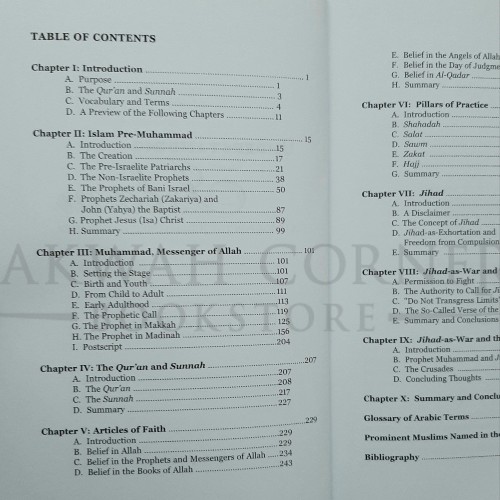
Understanding Islam A Guide for the Judaeo-Christian Reader
Highlights:
Written by former minister who converted to Islam, this book expounds the commonalities and contrasts between Islam, Judaism and Christianity. An excellent book for da’wah purposes and for Muslims to gain a deeper appreciation for the two earlier faiths.
RM106.00
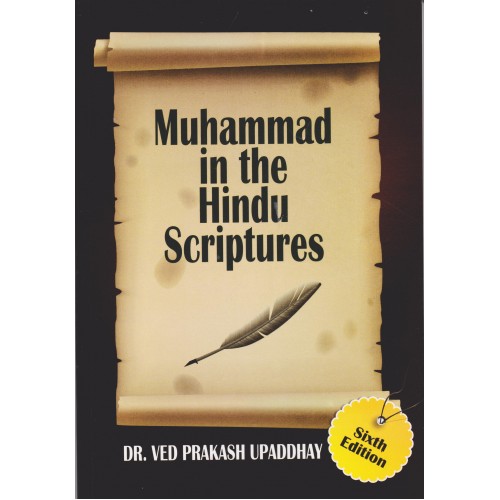
Muhammad in the Hindu Scriptures (P/B)
Highlights:
God is One. Human nature is one. Human destiny is one. And God�s message to humanity vis-a-vis that destiny is one. However, the rebellious element in man�s nature has led him to disobey God on the one hand, and on the other, he has pushed on to distort the very message of God. But the message is never fully lost. It would be ludicrous and indeed heretical to think that the situation could have gone out of God’s control.
With every distortion, therefore, He has renewed the message to salvage humanity from self-ruin. More interesting than that is the fact
that He has inserted in every message a Pointer to the Final Guide and the message he would be entrusted with; a Pointer which shows the true
seeker where the uncorrupted message could be found – the message that no one would be able to distort any more. While the main body of the message has been corrupted, the Pointer contained within has not been destroyed. Muhammad in the Hindu Scriptures brings out the truth of this phenomenon.
In addition to the Vedas and the Puranas, the book has unearthed this Pointer in the Buddhist, Christian, Jewish and other Hindu scriptures. Each of these scriptures uses its own unique Pointer relevant to its own theological scheme and the religious mentality of its own people. Separately and jointly these Pointers lit up the road to Muhammad (blessings and peace be upon him) exclusively, without any iota of doubt.
By all accounts the Final Guru has been sent and the Last Testament is in our laps. Additionally, the existence of these Pointers in the earlier
scriptures is yet another dimension of God’s mechanism to guide mankind to the infallible Truth. Upon reading the book, the theist, the atheist and the agnostic will find a lot to think about.
RM20.00
Shi’ism Exposed (H/B)
Highlights:
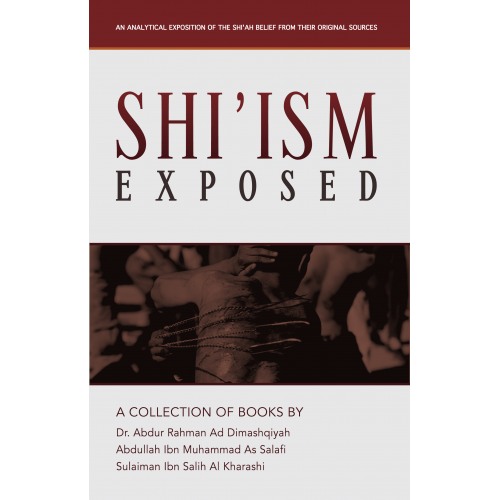
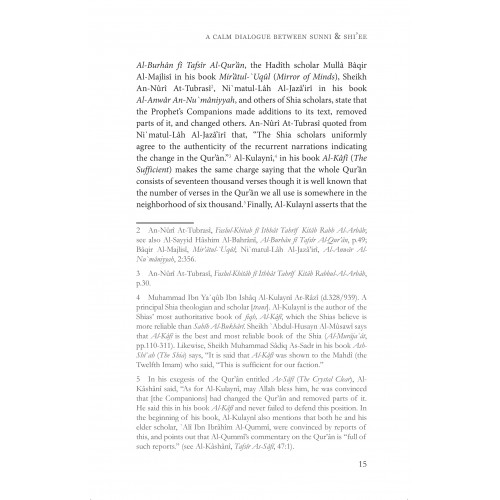
This book is mostly dedicated to every Shia who is willing to listen to constructive criticism with an open heart and an enlightened mind. This research is, in fact, a survey of the literature about the rise and spread of Shiism and its fundamental principles. Much of what follows is taken directly from Shia sources. The history, ideological background, and threats posed by Shi’ism against the true Islam of our noble Prophet Muhammad (Peace be upon him)are clearly outlined, and the Muslim finds, in them, a warning against falling prey to the calls of the Shi’ites. Also it is a guidance for Shi’ittes to discover reality of Shi’ism to come back to the original faith of Islamic Monotheism.
RM45.00
What Did Jesus Really Say?
4.5 ★
4.5 ★
2 Ratings
5 ★
1
4 ★
1
3 ★
0
2 ★
0
1 ★
0
Highlights:
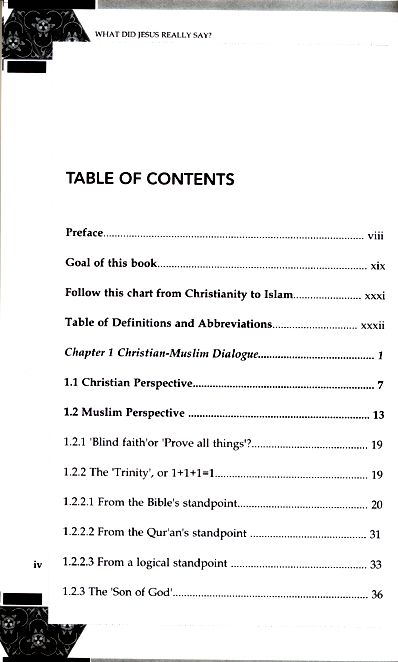
The book contains detailed information and descriptions that show how the Bible was changed and tampered with over the past two millennia. The account and the discussions presented are based on, and collected from, the writings of Christian authors, the Church and the Bible.
RM45.00
The Way to Salvation (P/B)
Highlights:
DA’WAH MATERIAL
This book can use for da’wah with the topic Salvation.
Salvation is the aim of human life, according to the religious ideologies. What is salvation? Is there an existence after this life? Are the religious scriptures in controversy on dealing with the topic ‘salvation”? Or are there any common points between them? An extensive study on the basis of Hindu, Christian, and Islamic scriptures.
The Reality of Sufism In Light of the Quraan and Sunnah (P/B)
Highlights:
In this book, the author discusses the beliefs and origins of Sufism. It has been written in a clear and uncomplicated style which makes it accessible for readers of all levels. The history of Sufism is traced as well as how sufism developed into what we have today. The author touches upon the beliefs of Sufism, and gives examples from personalities that are regarded highly by those who ascribe to Sufism. A scholarly criticism in light of the Qur’an and Sunnah.
From the Back Cover
You must be aware that there are a number of destructive calls which have been established amongst the ranks of the Muslims and which have shaken and damaged the belief held in there hearts. They have polluted the pure Islamic ‘aqeedah, and have grown by stages to reach such a dangerous level that they led to the splitting of the Muslims into sects and the parties, about which the Prophet (peace be upon him) said: “Indeed those who were before you, from the people of the book, split into seventy-two sects, and this religion will split seventy-three. Seventy-two in the fire and one in the paradise and it is the Jammaa’ah.”
Then there is no doubt that each one of these sects claims for itself that it is the saved sect, and that it is correct, and that it alone follows the Messenger. But the way of truth is a single way and it is the one which leads to salvation, and any other way is one of the ways of miss guidance which leads to destruction.
So the way of truth is to cling to the book of Allaah and the Sunnah of Allaah’s Messenger (S) as occurs in the hadeeth: I have left amongst you two things whith which you will not go astray: The Book of Allah and my Sunnah, and they will not be separated till they come to me at the Pond.
- A scholarly criticism of Sufism in the light of the Qur’an and Sunnah
- Written in an uncomplicated style, ideal for the layman
RM24.00
Have You Discovered Its Real Beauty
5 ★
5 ★
1 Rating
5 ★
1
4 ★
0
3 ★
0
2 ★
0
1 ★
0
Highlights:
PhD in Applied Linguistics (Michigan State University, USA)
Dr. Arfaj spent more than 20 years researching comparative religion. This book came about as a result of his extensive research and experience.
Beyond Mere Christianity (H/B)
Highlights:
The book is called Beyond Mere Christianity for two reasons. First, in response to C.S. Lewis’ influential 1952 work, Mere Christianity, which stands as a masterpiece of Christian apologetics. The second reason, perhaps less obvious, is that a case can be made, based on current, responsible Gospel scholarship, that Jesus was calling his people to the Salvation that lies beyond the worship of the merely created, the Salvation that relies instead on the direct worship of the Creator. I believe emphatically that the authentic words of Jesus invite us to move beyond what is conventionally understood as Christianity for this Salvation.
RM23.00
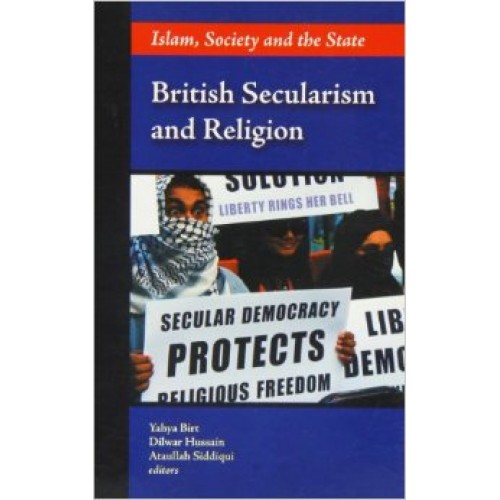
British Secularism and Religion (P/B)
Highlights:
This interesting, topical and sometimes heated, conversation among theologians, social scientists and policy experts on British secularism helps to shed vital light on the challenges of accommodating religious minorities and majorities within modern societies. The contributors question a number of received assumptions about the public role of religion, and also challenge traditional Muslim suspicions of secularism, thus succeeding in moving the debate on Islam in Britain, and secular polities in general, to new and very promising ground. This is a vital contribution to ongoing topical debates on secularism, pluralism, inclusion and the direction modern societies should take. Dr. Abdelwahab El-Affendi, University of Westminster Religious voices in favour of secularism are often absent from the debate on religion and politics. But as a political attitude that will guarantee freedom of belief for all, secularism is relevant to all. This volume – though non-religious secularists may find much to challenge within it – is a welcome contribution to this most important of modern debates. Andrew Copson Chief Executive, British Humanist Association –Commissioned
This volume on the role of Muslims in British society very helpfully addresses two concepts about which there is currently much confusion, namely secularism and secularity. The fact that it does this in conversation with some of the other interested parties, namely Jews and Christians, and that it seeks to combine specifically religious, or theological, and political, or social-scientific, approaches, means that it will be of interest to both theoreticians in the academy and practitioners in different areas of society, and it therefore deserves a wide readership. Professor Hugh Goddard, Director of the HRH Prince Alwaleed bin Talal Centre for the Study of Islam in the Contemporary World, University of Edinburgh –Commissioned
The question of the relationship between politics and religion tends to generate more heat than light, especially when the focus is on Islam. This book, with its careful analysis and respect for facts, helps dispel the smoke. It is an invaluable contribution to the public debate, especially in the British context, and will assist people of good will – of all faiths and none – to clarify their own thoughts about ‘the secular state’. Dr. Brian Klug Senior Research Fellow & Tutor in Philosophy, St. Benet’s Hall, Oxford –Commissioned
RM51.00
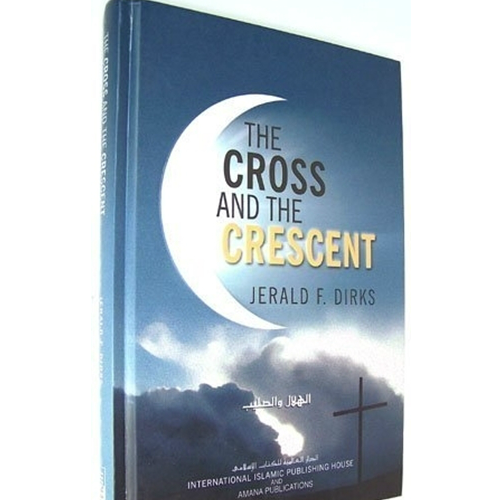
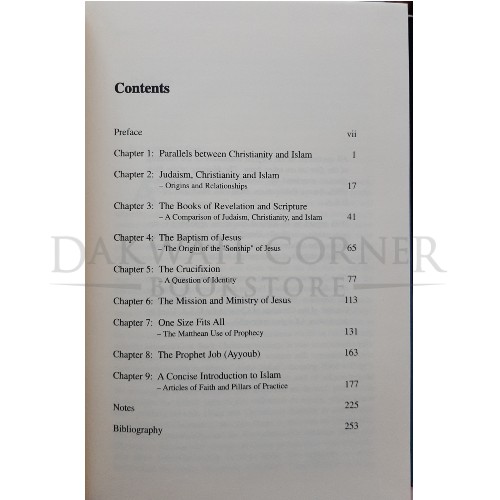
The Cross and The Crescent (IIPH)
Highlights:
In The Cross and The Crescent, Dr. Dirks, a former ordained minister (deacon) in the United Methodist Church, a graduate of Harvard Divinity School and with a doctorate in clinical psychology, reaches out to the Christians and the Muslims for an interfaith dialogue. Drawing on his seminary education and thirty years of interaction with Muslims in America and overseas, the author digs deep into the roots of Christianity to bring out obscure information that highlights what was once common between Christianity and Islam. He envisioned that, “In writing this book, I would like to touch the lives of those Christians who have not been given the knowledge that I have gained both about Islam, from my direct contact with Muslims, and about Christianity from my seminary education. I want to share with those Christians, who are willing to listen, what is so often known by their clergy and church leaders, but seldom finds its way into their knowledge of their own religion. Likewise, I would like to reach out to the Muslims, in order to help them understand the religious commonality that they share with Christians”.
RM43.00
Recently Viewed
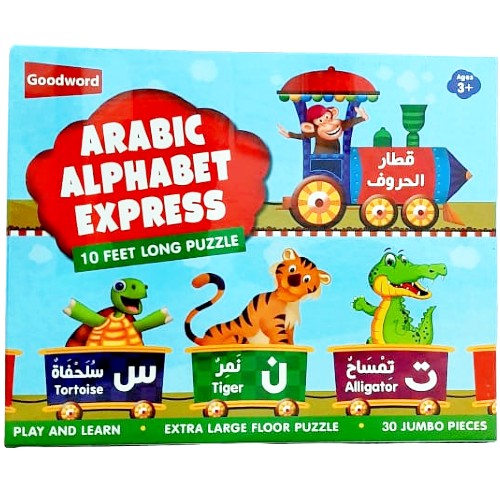
Arabic Alphabet Express
Highlights:
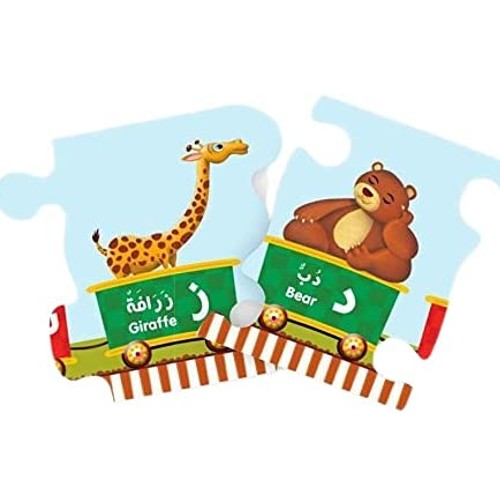
Arabic Alphabet Express is an extra large, beautifully illustrated and child friendly floor puzzle for children. The puzzle consists 30 jumbo pieces and when joined together forms a 10 feet long Alphabet train of Arabic alphabet and animals from these letters. Each piece consists one alphabet, an animals and its name in English and Arabic, so individually each pieces works as a flash card and when you join all the 28 letters (which an engine in the beginning and an caboose at the end) you will form a marvellous Alphabet Express.
Play and Learn
Extra Large Floor Puzzle
30 Jumbo Pieces
Ages for 3+
RM80.00
Who is Allah? (Goodword)
Highlights:
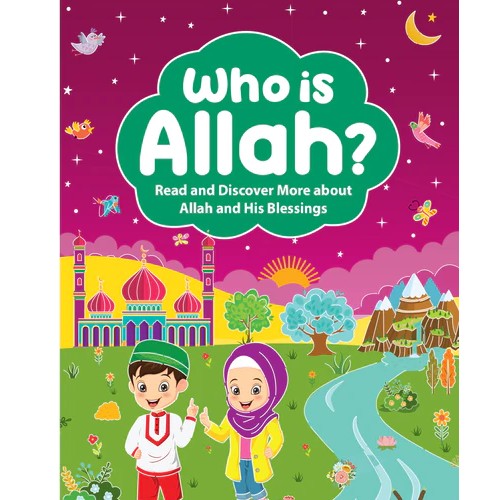
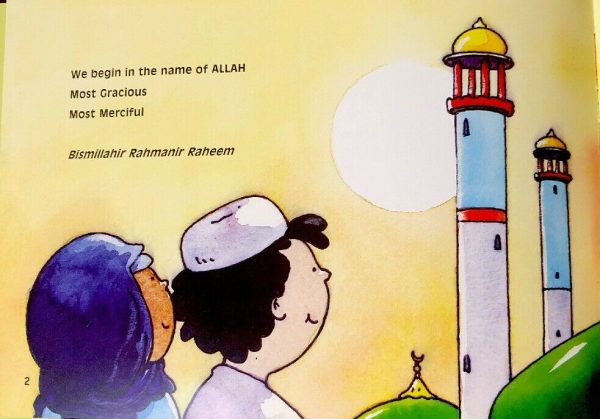
This book is designed to help parents and teachers in their efforts to encourage young children to ask questions and to assist them in exploring answers together. It makes the sharing of a basic knowledge of Islam simple, clear and enjoyable. This lays the foundation on which greater understanding can be built and learning enriched as young students grow older. And, whatever our age, reviewing the basic in this way can be very beneficial, in that it re-kindles our awareness and glad acceptance of the beautiful message and wondrous knowledge of Islam: we are then the better able share our renewed enthusiasm with others. May you benefit greatly from reading this book.
RM13.00
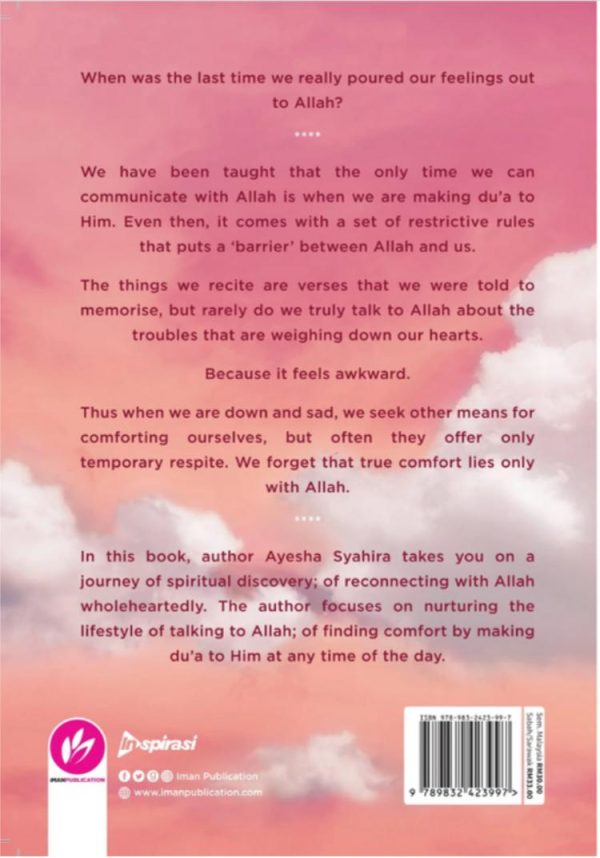
Talk to Allah
4 ★
4 ★
1 Rating
5 ★
0
4 ★
1
3 ★
0
2 ★
0
1 ★
0
Highlights:
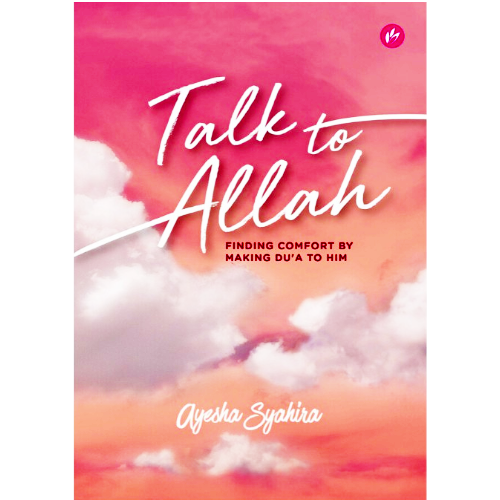
When was the last time we really poured our feelings out to Allah?
***
We have been taught that the only time we can communicate with Allah is when we are making du’a to Him. Even then, it comes with a set of restrictive rules that puts a ‘barrier’ between Allah and us.
The things we recite are verses that we were told to memorise, but rarely do we truly talk to Allah about the troubles that are weighing down our hearts.
Because it feels awkward.
Thus when we are down and sad, we seek other means for comforting ourselves, but often they offer only temporary respite. We forget that true comfort lies only with Allah.
***
In this book, author Ayesha Syahira takes you on a journey of spiritual discovery; of reconnecting with Allah wholeheartedly. The author focuses on nurturing the lifestyle of talking to Allah; of finding comfort by making du’a to Him at any time of the day.
RM30.00
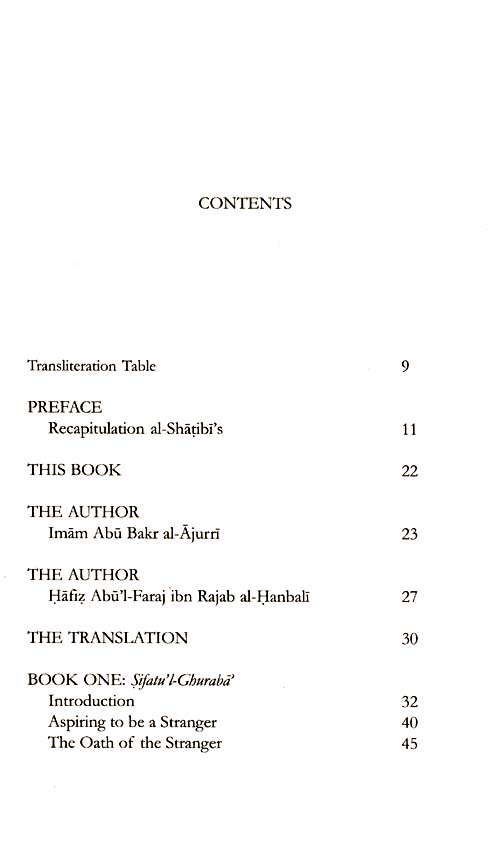
The Journey to Allah (P/B)
5 ★
5 ★
1 Rating
5 ★
1
4 ★
0
3 ★
0
2 ★
0
1 ★
0
Highlights:
Bukhari records on the authority of abu Hurayrah (raiyAllahu ?anhu) that the Prophet said, ?Your actions alone will not save any of you.? They asked, ?Messenger of Allah, not even you?? He replied, ?not even me, unless Allah were to envelop me in His mercy.
Be firm; steadfast and balanced; and journey [to Allah] in the beginning of the day, the end of the day, and a portion of the latter part of the night. Moderation, moderation! Through this you will attain your goal!?
He also recorded this hadith in another place with the wording, ?This religion is easy, none makes it hard upon himself except that it overwhelms him; therefore be firm, steadfast, and balanced; upon which have glad tidings! Seek help in this by journeying [to Allah] at the beginning of the day, at the end of the day, and a portion of the latter part of the night.?
He also records on the authority of ?A?ishah (raiyAllahu ?anhu) that the Prophet said, ?be firm, steadfast, and balanced upon which have glad tidings for indeed actions alone will not cause one to enter Paradise.? They asked, ?Messenger of allah, not even you?? He replied, ?not even me, unless Allah were to envelop me in His forgiveness and mercy.?
He also records on her authority that the Prophet said, ?be firm, steadfast, and balanced: know that your actions alone will not be a cause for your entry into Paradise and that the most beloved actions to allah are those that are done continuously and persistently, even if they be few.?
These noble ahadith detail a great and important principle from which stem many issues related to the journey to Allah while wayfaring along His Path.
Some of the Salaf said, ?The Hereafter consists either of allah?s forgiveness or the Fire; and this world is either a source of allah?s protection or a source of destruction.? On his deathbed, Muhammad ibn Wasi bid farewell to his companions saying, ?Peace be upon you, either to the Fire or to the forgiveness of allah.?
RM49.00
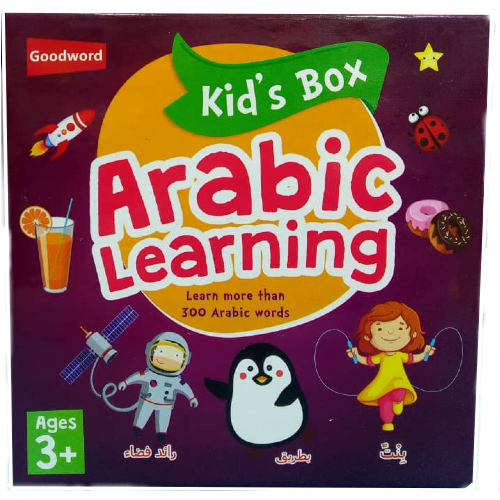
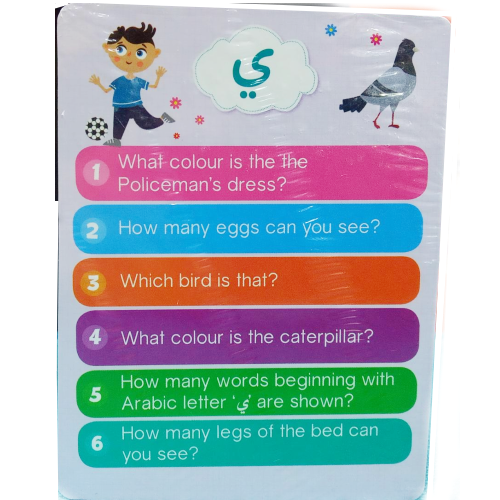
Kid’s Box: Arabic Learning
Highlights:
Learn Arabic Words & Develop Observation Skills
Perfect for encouraging children to build vocabulary and language skills, Kid’s Box: Arabic Alphabet helps children grasp basic Arabic words, their formation, meaning and usage. Children will love discovering and learning new words to build Arabic vocabulary in a fun way while playing various games.
- A card game for 2 and more players
- Suitable for children 3 years and above
- Learn more than 300 Arabic words
- Improves memory and concentration skills
- A simple, fun-filled and educational game
- Challenge your brain in just 15 minutes
- Full of fun illustrations
- A perfect boredom buster for children
- Includes words from topics such as animals, home, school, fruits, and transport.
Includes 56 double sided cards and a dice.
Suitable for 3+ years old
RM60.00
The Evident Memorandum
Highlights:
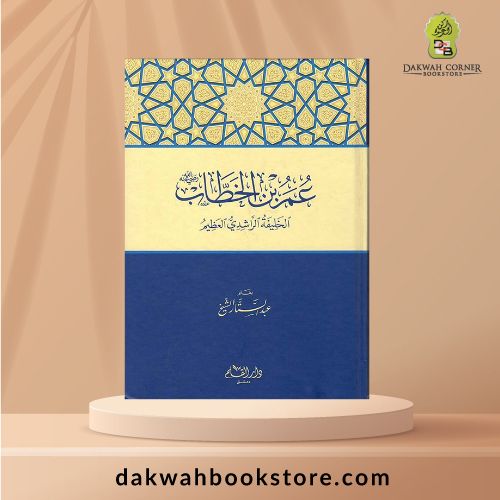
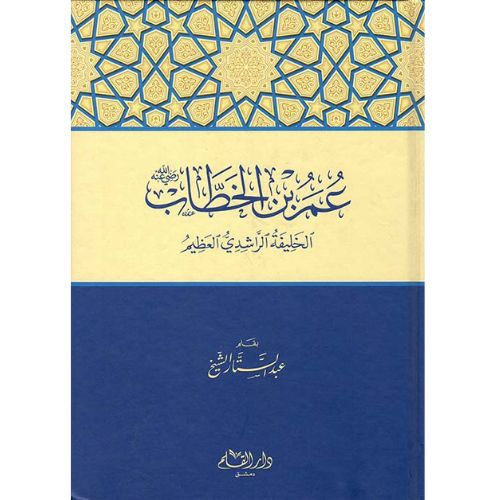
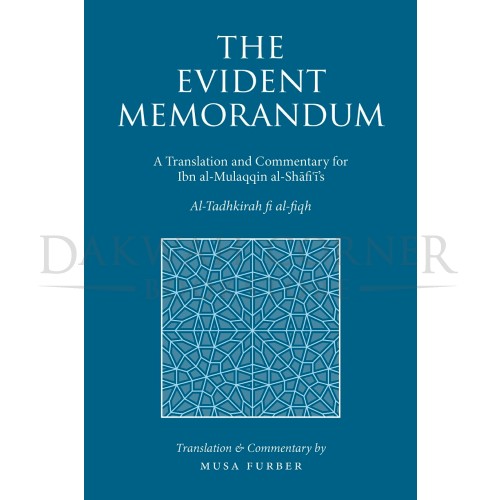
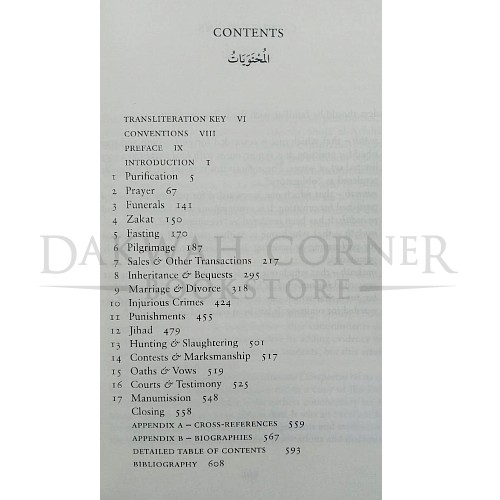
The Evident Memorandum: A Translation and Commentary for Ibn al-Mulaqqin al-Shāfiʿī’s Al-Tadhkirah fi al-fiqh
This volume contains an original commentary for Al-Tadhkirah (The Memorandum), a legal primer for Islamic Law according to the later scholars of the Shāfiʿī school by Ibn al-Mulaqqin, an Egyptian scholar who died in 804 AH/1401 CE. The commentary introduces essential evidence for the core issues of Islamic Law from its primary sources (the Quran, Sunnah, legal analogy, and scholarly consensus).
The Arabic text of Al-Tadhkirah is approximately 8,500 words in length. It is two hundred words longer than Abū Shujāʿ al-Aṣfahānī (b. 433AH/1042CE)’s Matn al-ghāyat wa-l-taqrīb (published as The Ultimate Conspectus). Although the two are roughly the same size, Ibn Mulaqqin’s style is more economical than Abū Shujāʿ’s, allowing him to cover more within the same word count. And while Ibn Mulaqqin discusses more issues, he does occasionally skip a few details that Abū Shujāʿ includes.
The primary sources for comments in this book are Ibn Mulaqqin’s books of fiqh, including Sharḥ Mukhtasar al-Tabrīzī, ʿUjālat al-muḥtāj, and Khulāṣat al-fatāwī. The bulk of the commentary comes from Sharḥ Mukhtaṣar al-Tabrīzī. Comments and hadith in the commentary can be sourced back to either one of Ibn Mulaqqin’s fiqh texts or a Shāfiʿī fiqh text through an appendix that cross-references each chapter and section in this book against its sources. Each hadith mentioned in the book is traced back to its primary sources, along with a reference to one or more of Ibn Mulaqqin’s hadith works. In the few instances where a hadith is not included in one of Ibn Mulaqqin’s works, it is referenced it to a Shāfiʿī text that does. Through this, readers can be assured that the hadiths cited here are ones that Shāfiʿīs themselves use.
Readers will find the book most beneficial after reading The Accessible Conspectus and Sharh al-Waraqat.
RM125.00
Islamic Values for Children
Highlights:
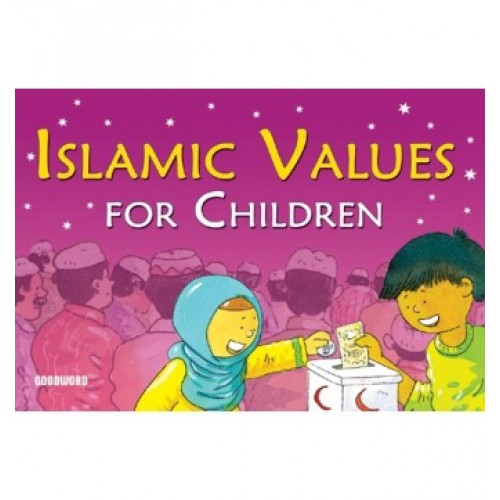
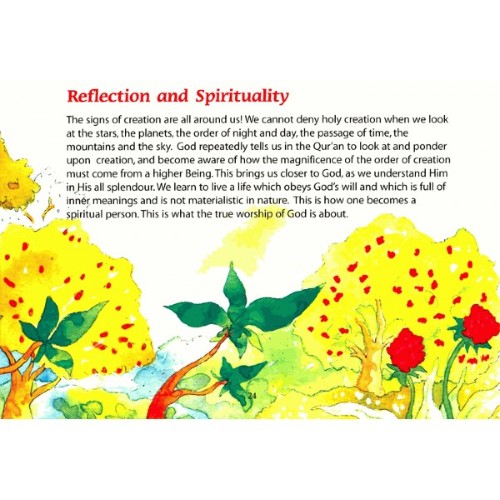
This book can be a valuable resource for anyone who wants to discover, in general terms, the values that Islam encourages.
RM15.00
There are no reviews yet.