


![[AC] Sharh Risalah Tadmuriyah / شرح الرسالة التدمرية](https://shop.dakwahbookstore.com/wp-content/uploads/2024/02/website-500x500-1-7.jpg)
![[MM] Al Tarkiz Akthar Al Adat Athran / التركيز ؛ أكثر العادات أثراً في حياة الناجحين](https://shop.dakwahbookstore.com/wp-content/uploads/2024/02/website-500x500-15.jpg)
| Weight | 0.210 kg |
|---|---|
| Dimensions | 23 × 14.3 × 4.5 cm |
| ISBN | 9781597842716 |
| Binding | Paperback |
| Author | |
| Pages | 557 |
| Publisher | Tughra Books |
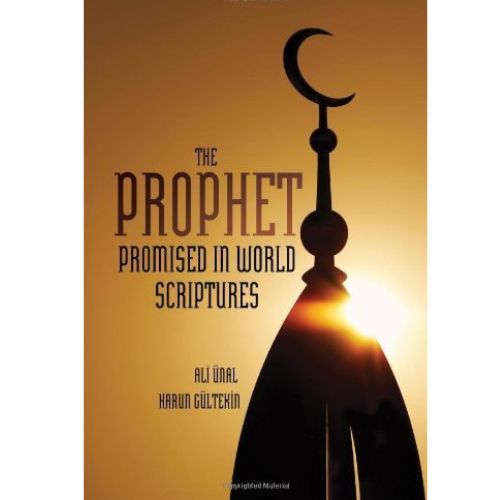
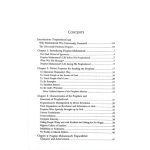
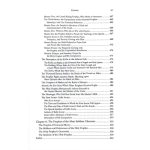
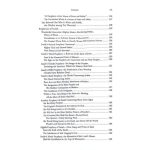
The Prophet Promised in World Scriptures
RM110.00
Hurry up, Only 1 left.
Highlights:
somdn_product_page
Compare
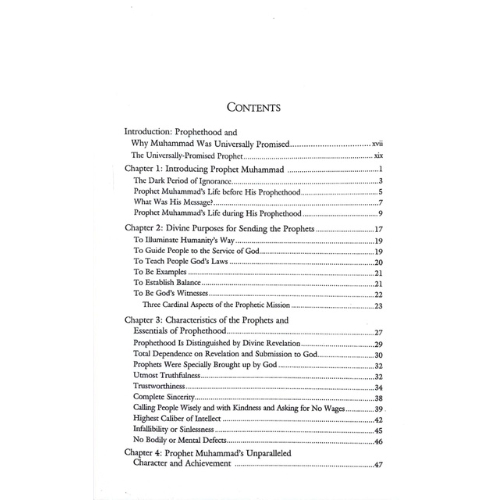
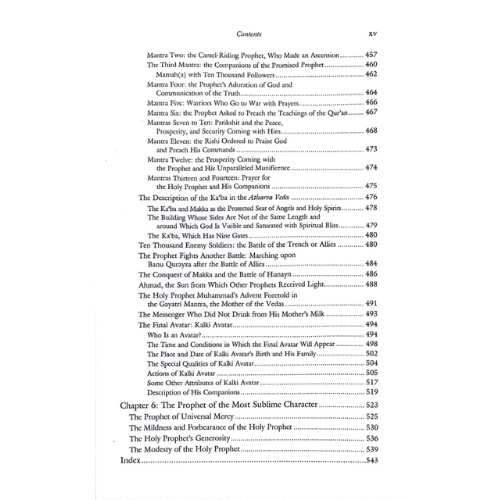
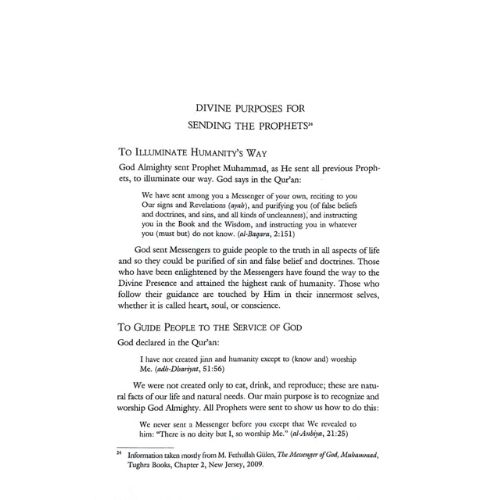
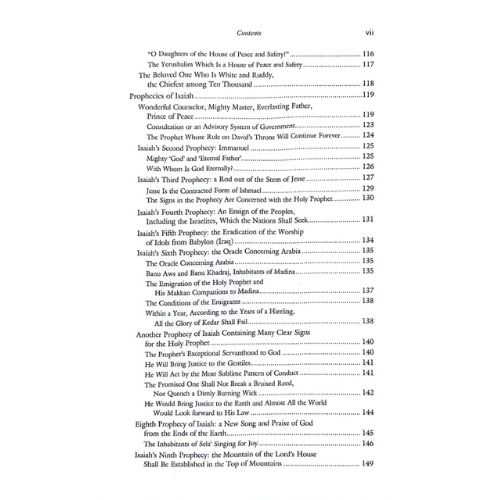
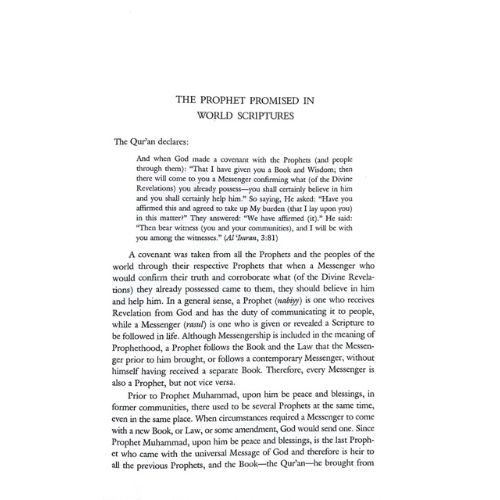
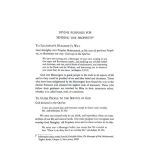
This well-researched and comprehensive book by Ali Unal details the numerous prophecies about the advent of the Prophet Muhammad in various world scriptures. Unal argues that numerous prophecies of the coming of the Prophet Muhammad are found in the New and Old Testaments, the Zoroastrian, Hindu and Buddhist Scriptures. He then closely examines these prophecies through a comparative and verse-by-verse analysis and explains the rationale for his conclusions. This book will appeal to readers from all faiths and backgrounds that have an interest in major world religions and their sacred scriptures.”
Frequently Bought Together
1 Item
RM110.00
2 Add-Ons
RM232.00
Total
RM342.00
Additional information
Reviews (0)
Be the first to review “The Prophet Promised in World Scriptures” Cancel reply
You must be logged in to post a review.
You may also like…
RM47.00
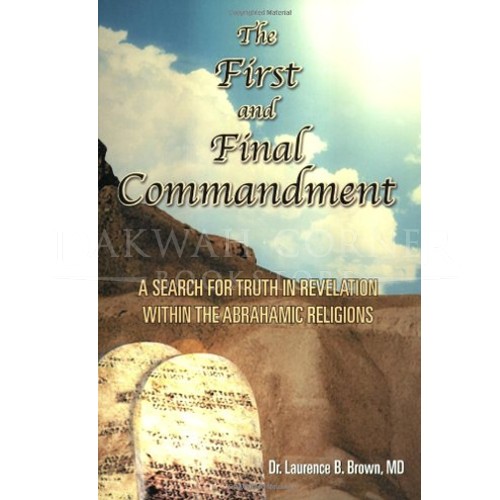
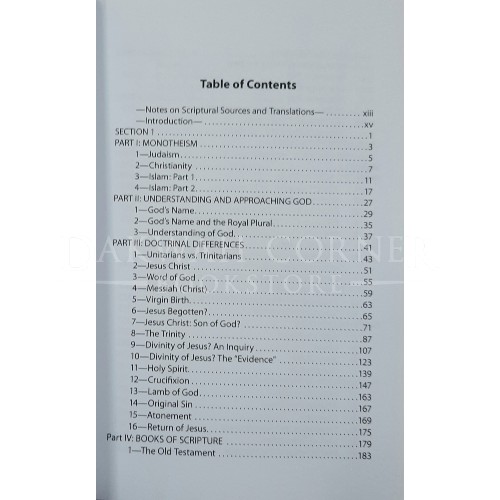
The First and Final Commandment (2nd Edition)
Highlights:
“A search for truth in revelation within the Abrahamic religions.”
RM165.00
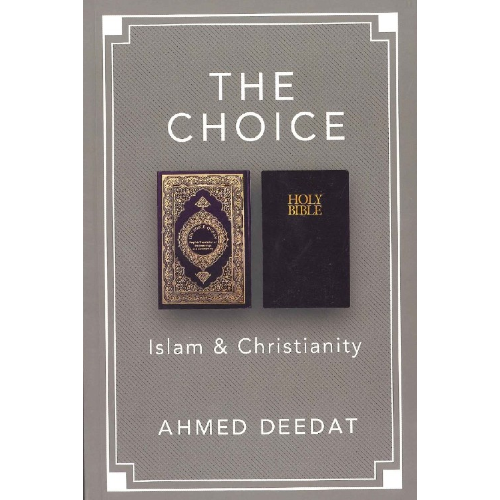
The Choice : Islam & Christianity (Revised Edition)
5 ★
5 ★
1 Rating
5 ★
1
4 ★
0
3 ★
0
2 ★
0
1 ★
0
RM45.00
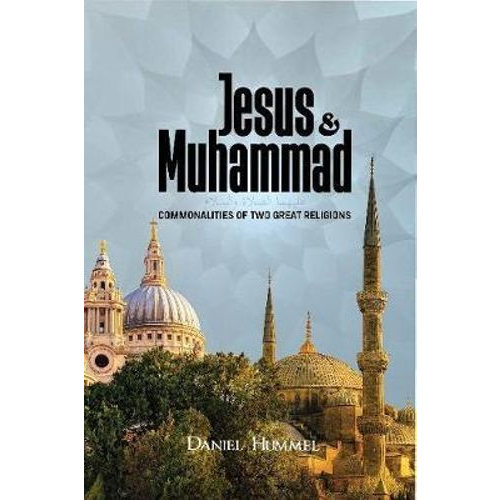
Jesus and Muhammad : Commonalities of Two Great Religions
Highlights:
Jesus and Muhammad lived in different times and in different contexts. An absolute comparison of the careers of these two men is not a satisfactory method in understanding the similarities and differences between their teachings. This book approaches this topic from a different perspective. The time that Muhammad preached in Mecca is compared to the time Jesus spent preaching throughout Palestine. This improves the similarities in contexts between them and makes a comparison more valid. The number of similarities outweighs the number of differences when looking at the four books of the Gospel and the chapters of the Qur’an revealed in Mecca. On issues related to prayer, the Oneness of God, charity, the Hereafter and forgiveness the teachings in these two books are practically the same. A number of core theological issues surfaced in the Book of John do clash with Qur anic teachings about the person of Jesus. These differences and the possible reasons for them are explored in this book. The conclusion of this book is that Muslims and Christians have more shared values and even theological similarities than differences. It is recommended that Muslims and Christians should spend more time understanding these commonalities.”
RM80.00
Related Products
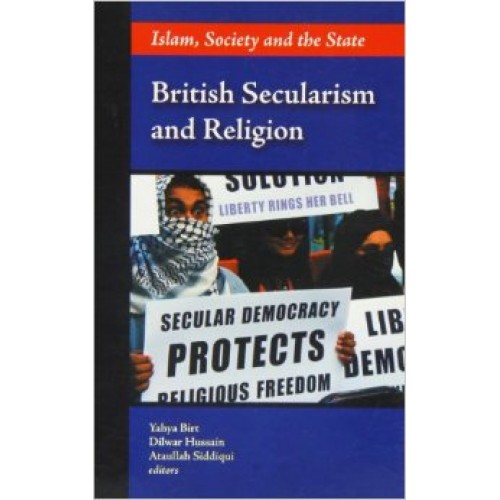
British Secularism and Religion (P/B)
Highlights:
This interesting, topical and sometimes heated, conversation among theologians, social scientists and policy experts on British secularism helps to shed vital light on the challenges of accommodating religious minorities and majorities within modern societies. The contributors question a number of received assumptions about the public role of religion, and also challenge traditional Muslim suspicions of secularism, thus succeeding in moving the debate on Islam in Britain, and secular polities in general, to new and very promising ground. This is a vital contribution to ongoing topical debates on secularism, pluralism, inclusion and the direction modern societies should take. Dr. Abdelwahab El-Affendi, University of Westminster Religious voices in favour of secularism are often absent from the debate on religion and politics. But as a political attitude that will guarantee freedom of belief for all, secularism is relevant to all. This volume – though non-religious secularists may find much to challenge within it – is a welcome contribution to this most important of modern debates. Andrew Copson Chief Executive, British Humanist Association –Commissioned
This volume on the role of Muslims in British society very helpfully addresses two concepts about which there is currently much confusion, namely secularism and secularity. The fact that it does this in conversation with some of the other interested parties, namely Jews and Christians, and that it seeks to combine specifically religious, or theological, and political, or social-scientific, approaches, means that it will be of interest to both theoreticians in the academy and practitioners in different areas of society, and it therefore deserves a wide readership. Professor Hugh Goddard, Director of the HRH Prince Alwaleed bin Talal Centre for the Study of Islam in the Contemporary World, University of Edinburgh –Commissioned
The question of the relationship between politics and religion tends to generate more heat than light, especially when the focus is on Islam. This book, with its careful analysis and respect for facts, helps dispel the smoke. It is an invaluable contribution to the public debate, especially in the British context, and will assist people of good will – of all faiths and none – to clarify their own thoughts about ‘the secular state’. Dr. Brian Klug Senior Research Fellow & Tutor in Philosophy, St. Benet’s Hall, Oxford –Commissioned
RM51.00
Women In Islam – Challenging Narratives (Ismail Adam Patel)
Highlights:
Many conflicting narratives exist regarding women in Islam and this subject is the cause of much criticism from the West leveled against Islam as a religion. The discrepancies between Islamic religious discourse and the practice of Muslim communities are often disregarded. Women In Islam – Challenging Narratives intends to address certain misconceptions about women in Islam and dispel some common myths. At the same time, this book also challenges the accepted narrative that women in modern Western cultures are emancipated. The chapter titled ‘Women in Islam’ provides a more accurate representation of the lofty position conferred to women within the Islamic tradition, which is often illusive in Muslim communities around the globe. A final analysis of feminist discourse scrutinizes the impact of the feminist movement on setting new ideals for women that negate their roles within the family and home, and assesses whether this has created greater challenges for women in the modern era. Ismail Adam Patel is a writer and campaigner. He is chairman of Friends of Al-Aqsa, a UK based NGO dedicated to campaigning for a free Palestine. He has lectured widely on a number of political and social issues affecting Muslim, and has authored books and articles on an array of subjects. He also acts as an advisor for several other organizations including the Conflicts Forum and Clear Conscience. A graduate of the University of Manchester Institute of Science and technology, he is an Optometrist by profession.
RM45.00
Jesus Prophet of Islam (P/B) – TAHA
Highlights:
1996 expanded and revised edition. This book examines Jesus as a prophet teaching the Unity of God, and the historical collapse of Christianity as it abandoned his teaching. The author sketches the dramatic picture of the original followers of Jesus who affirmed Unity. What emerges is that “Christianity” is the fiction that replaced their truth. A work that covers the Gospel of Barnabas, the Gospel of Hermes, the Shephard, early and later Unitarian Christians, Jesus in the Gospels and in the Qur’an and Hadith. The author clearly shows the idea of Jesus as part of a Trinity was a Greek Pagan idea adopted by early Christian mission-aries to gain converts among the Greek, and did not become a widely accepted Christian doctrine until after the Council of Nicea in 325 A.D.
RM56.00

Muhammad in World Scriptures: Volume I (IBT)
Highlights:
This is the first volume of the series on the Prophet Muhammad as found in world scriptures. The author, a scholar of the Vedas and comparative religion, argues that numerous prophecies of the coming of the Holy Prophet are found in the Parsi (Zoroastrian), Hindu and Buddhist scriptures. He attempts to illuminate these prophecies and explains the rationale of his conclusions.
RM34.00
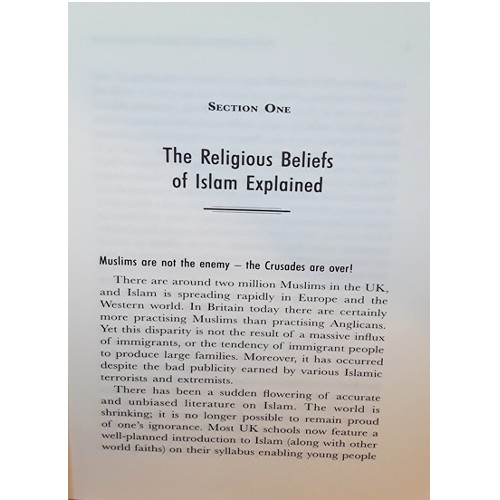
What Every Christian Should Know About Islam (P/B)
Highlights:
Of the many books explaining Islam, few specifically address the concerns and questions of those from a Christian background. Moreover, the commonalities between the Abrahamic faiths—Judaism, Christianity, and Islam—are too often ignored. Set out in an easy and informative question-and-answer format, the book addresses the specific theological points of agreement and difference between Christianity and Islam, explains the core religious beliefs and practices of Islam, and answers today’s most common questions of Islam and Muslims in an age when there is much conflict and misunderstanding. Islam is best judged not by the limitations and transgressions of its most extreme, ignorant, and outlandish followers, but by the example of its moderate majority, and Ruqaiyyah Waris Maqsood presents this introduction to the theology and practice of Islam in an attempt to explore some of the false impressions that surround it.
Table of Contents:
Section 1: The Religious Beliefs of Islam Explained
Section 2: the Religious Duties of Islam Explained
Section 3: Miscellaneous Questions
Section 4: Christianity and Islam
Ruqaiyyah Waris Maqsood gained an honors degree in Christian Theology from the University of Hull in 1963 and then taught religious studies at various state schools until her retirement in 1996. She converted to Islam in 1986 and now lectures and writes on Islam.
RM26.00
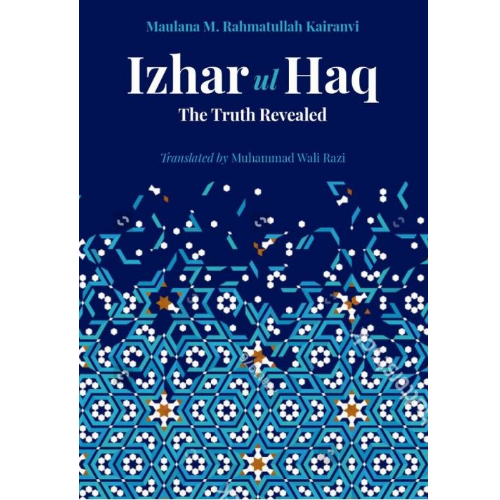
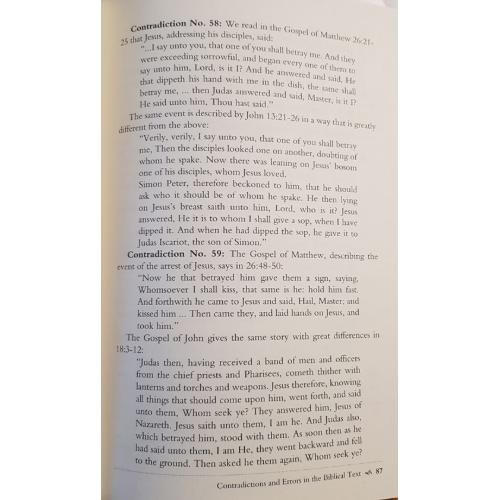
Izhar ul Haq (The Truth Revealed)
Highlights:
This is the thoroughly researched response to the Christian offensive against Islam in India. This book lucidly reviews the authenticity of the Bible and succinctly summarises the main errors, distortions, and contradictions in and between the Old and New Testaments of the King James Version. Furthermore, the doctrine of the Trinity is refuted; a doctrine that Isa (AS) never taught.
This book, internationally recognized as one of the most authoritative and objective studies of the Bible, was originally written in Arabic under the title Izhar-ul-Haq (Truth Revealed) by the distinguished 19th-century Indian scholar, Rahmatullah Kairanvi, and appeared in 1864. The book was subsequently translated into Urdu, and then from Urdu into English by Mohammad Wali Raazi.
This Book Contains among four Parts as Following:
Part 1
The Book of The Bible
Part 2
Contradictions and Errors in The Biblical Text
Part 3
Distortion and Abrogation in The Bible
The Trinity Refuted
Part 4
Proof of The Divine Origin of The Qur’an and The Authenticity of The Hadiths
Arabic Version of This Book is also available
Maulana Rahmatullah Kiranvi was born in India in 1818 CE. He was a great Sunni Hanafi scholar. He learned Arabic and Persian. Later he moved to Delhi where he studied different disciplines including mathematics and medicine. Working as a Mufti and Sharia teacher, he founded a religious school in Kariana.
In 1837 the Church Mission Society appointed Karl Gottlieb Pfander, described by Eugene Stock as “perhaps the greatest of all missionaries to Mohammedans”, to Agra in Northern India, where in 1854 he engaged in a famous public debate with leading Islamic scholars.
Maulana Kairanvi’s intention in his book (Izharul Haq) was first of all to show that the Bible cannot in any way be considered as a directly revealed book. He does this very effectively by means of his voluminous and authoritative knowledge of the Jewish and Christian scriptures. He demonstrates beyond doubt that the Books of the Old and New Testaments have been altered, almost beyond recognition, from their original forms. The work is even more notable in the light of subsequent Jewish and Christian scholarship and the various discoveries that have since been made in this field which all bear out the truth of Kairanvi’s thesis.
In the wake of the manifest inauthenticity of the Bible, Maulana Rahmatullah goes on to demonstrate by contrast the indisputable and absolute authenticity of the Qur’an and the Prophethood of Muhammad ibn ‘Abdullah, may peace and blessing of Allah be upon him.
RM85.00
The Way to Salvation (P/B)
Highlights:
DA’WAH MATERIAL
This book can use for da’wah with the topic Salvation.
Salvation is the aim of human life, according to the religious ideologies. What is salvation? Is there an existence after this life? Are the religious scriptures in controversy on dealing with the topic ‘salvation”? Or are there any common points between them? An extensive study on the basis of Hindu, Christian, and Islamic scriptures.
What Did Jesus Really Say?
4.5 ★
4.5 ★
2 Ratings
5 ★
1
4 ★
1
3 ★
0
2 ★
0
1 ★
0
Highlights:
The book contains detailed information and descriptions that show how the Bible was changed and tampered with over the past two millennia. The account and the discussions presented are based on, and collected from, the writings of Christian authors, the Church and the Bible.
RM45.00
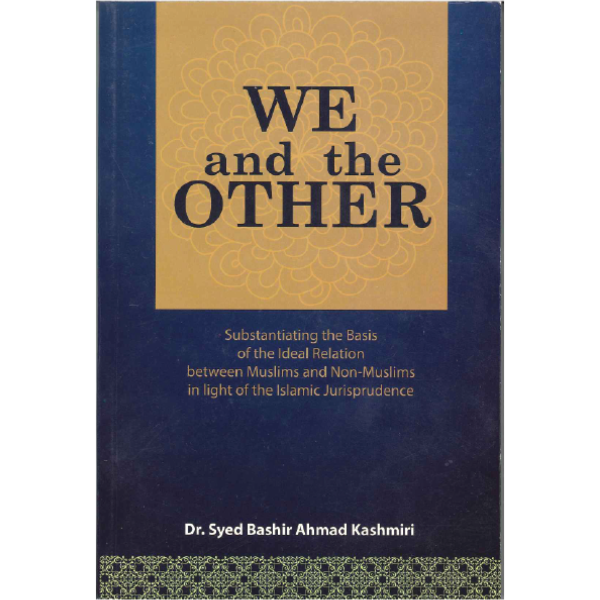
We and The Other
Highlights:
This book is a highly relevant piece of research for our turbulently chaotic world today. The heavy baggage of mutual distrust and detestation from the days of ethnic cleansing of Muslims in Spain through to the Crusades and Colonialism has left behind a fuzzy and muddled image of Islam and Muslims in the eyes of others; Muslims too, have been seeing the West as the primary cause of all their woes and vilification.
RM49.00
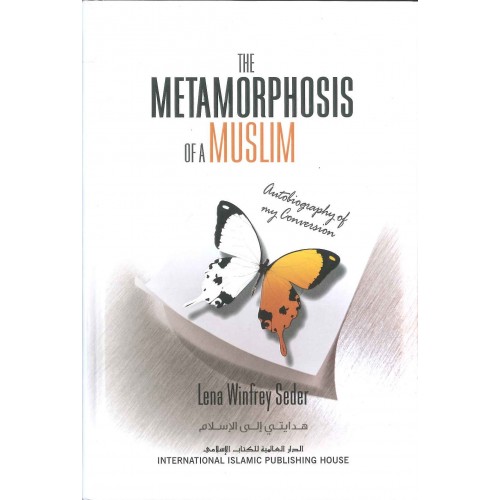
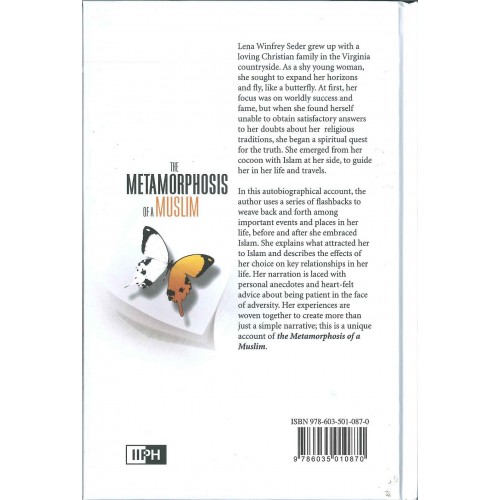
The Metamorphosis Of A Muslim (IIPH)
Highlights:
Lena Winfrey Seder grew up with a loving Christian family in the Virginia countryside. As a shy young woman, she sought to expand her horizons and fly, like a butterfly. At first, her focus was on worldly success and fame, but when she found herself unable to obtain satisfactory answers to her doubts about her religious traditions, she began a spiritual quest for the truth. She emerged from her cocoon with Islam at her side, to guide her in her life and travels. In this autobiographical account , the author uses a series of flashbacks to weave back and forth among important events and places in her life, before and after she embraced Islam. She explains what attracted her to Islam and describes the effects of her choice on key relationships in her life. Her narration is laced with personal anecdotes and heart-felt advice about being patient in the face of adversity. Her experiences are woven together to create more than just a simple narrative; this is a unique account of the Metamorphosis of a Muslim.
RM31.00
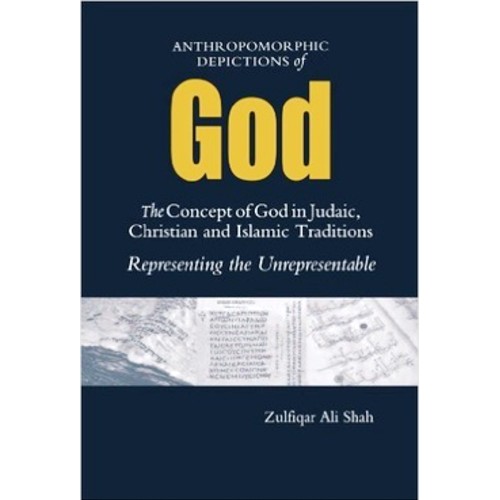
Anthropomorphic Depictions of God: The Concept of God in Judaic, Christian and Islamic Traditions: Representing the Unrepresentable
Highlights:
This monumental study examines issues of anthropomorphism in the three Abrahamic Faiths, as viewed through the texts of the Hebrew Bible, the New Testament, and the Qur’an. Throughout history, Christianity and Judaism have tried to make sense of God. While juxtaposing the Islamic position against this, the author addresses the Judeo-Christian worldview and how each has chosen to framework its encounter with God, to what extent this has been the result of actual scripture and to what extent the product of theological debate, or church decrees of later centuries and absorption of Hellenistic philosophy. Shah also examines Islam’s heavily anti-anthropomorphic stance and Islamic theological discourse on Tawhid as well as the Ninety-Nine Names of God and what these have meant in relation to Muslim understanding of God and His attributes. Describing how these became the touchstone of Muslim discourse with Judaism and Christianity he critiques theological statements and perspectives that came to dilute if not counter strict monotheism. As secularism debates whether God is dead, the issue of anthropomorphism has become of immense importance. The quest for God, especially in this day and age, is partly one of intellectual longing. To Shah, anthropomorphic concepts and corporeal depictions of the Divine are perhaps among the leading factors of modern atheism. As such he ultimately draws the conclusion that the postmodern longing for God will not be quenched by pre-modern anthropomorphic and corporeal concepts of the Divine which have simply brought God down to this cosmos, with a precise historical function and a specified location, reducing the intellectual and spiritual force of what God is and represents, causing the soul to detract from a sense of the sacred and thereby belief in Him.
RM150.00
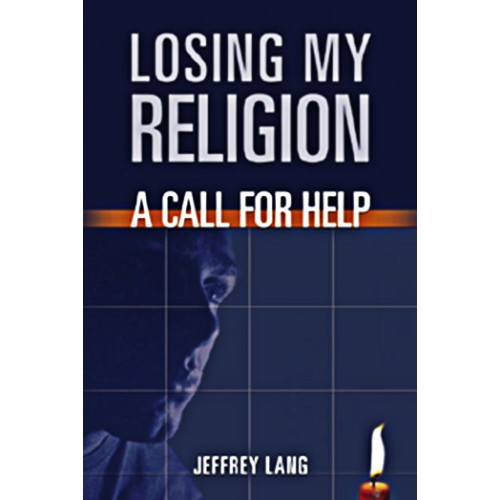
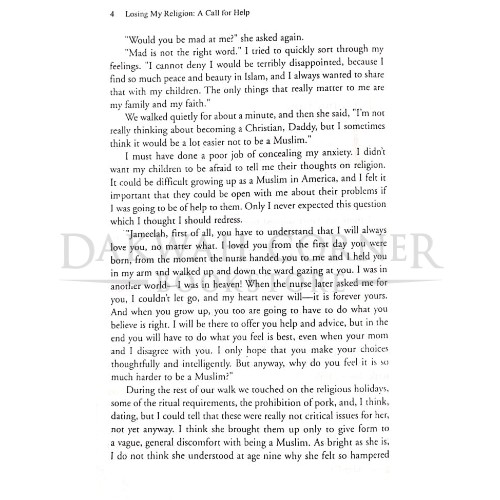
Losing My Religion: A Call For Help (P/B)
Highlights:
“Crucial to the vitality of any religious community is its ability to attract and engage descendants and converts. By this measure, notwithstanding the proliferation of mosques and Islamic organizations, the Muslim community in America is not doing at all well.” This rather sober assessment motivates Dr. Lang to address, in this book, the alienation from the Mosque of the great majority of America’s homegrown Muslims. In Losing My Religion: A Call For Help, the author comes to terms with many of the queries put to him by Americans of Muslim parentage and converts to Islam since the publication of his book Even Angels Ask in 1977. Lang asserts that to effectively respond to the general malaise of American-born Muslims, the Islamic establishment in America needs to be willing to listen to the doubts and complaints of the disaffected. This entails engaging in open discussions on issues with which many in the Muslim community will be uncomfortable, but Lang avers that such open dialogue will be of more benefit to young American Muslims struggling with their faiths than the covert and uniformed discussions that often take place or no discussion at all. For this reason, Lang feels it is important and beneficial “to be candid and objective and not evade controversy, for to inadequately state the case for or against a specific position, especially when it challenges convention, only serves to further alienate the sceptical.” In addition to examining questions of theodicy, hadith authenticity, and moot practices within the American Muslim community, the author includes many testimonials and inquiries that make this book informative. Dr. Lang is Professor of Mathematics at The University of Kansas, Lawrence, Kansas. He is the author of two best selling works: Struggling to Surrender and Even Angels Ask: A Journey to Islam in America. Both books have been translated into other languages.
RM115.00
Recently Viewed
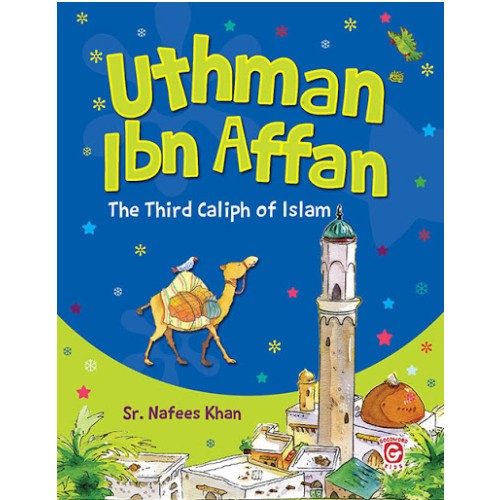
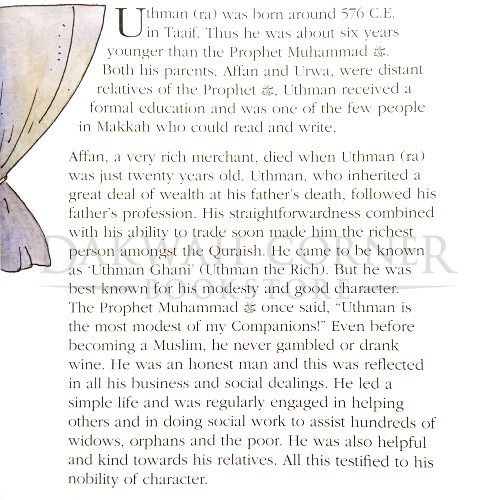
Uthman Ibn Affan: The Third Caliph of Islam
Highlights:
This book is about the life and teachings of Uthman Ibn Affan (may Allah be pleased with Him), TheThird Caliph of Islam.
RM15.00
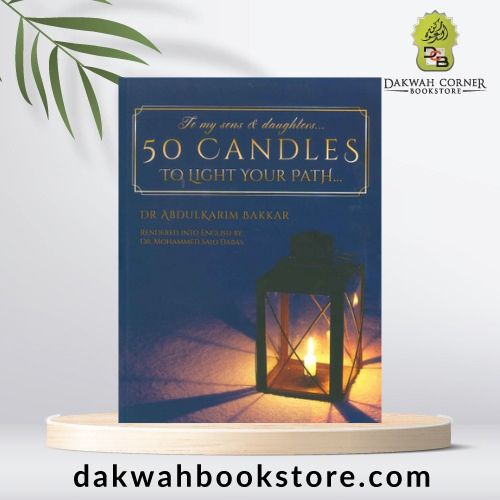
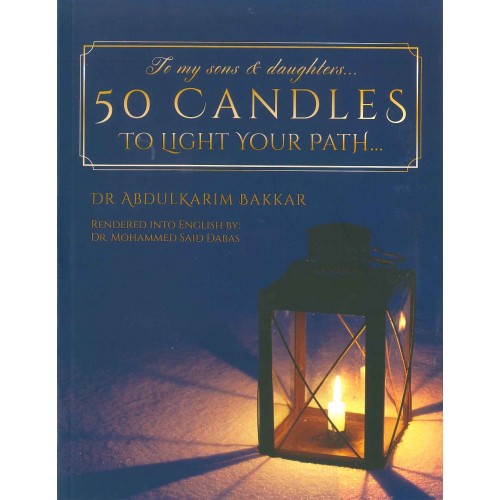
50 Candles To Light Your Path (P/B)
5 ★
5 ★
2 Ratings
5 ★
2
4 ★
0
3 ★
0
2 ★
0
1 ★
0
Highlights:
One goal brings them together : how to improve the well-being of our sons and daughters, how to aid them towards threading the path of guidance to engender their excelling in their academic, work and other facets of life.
RM36.00
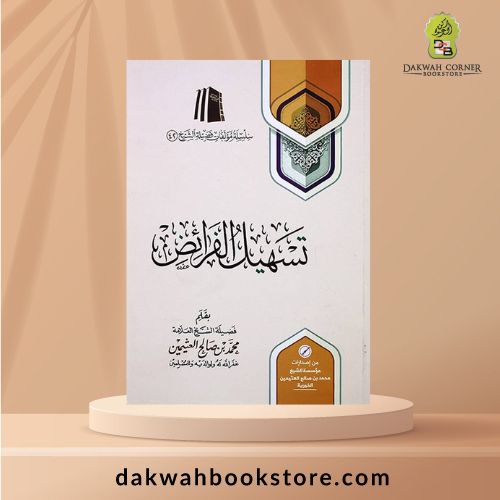
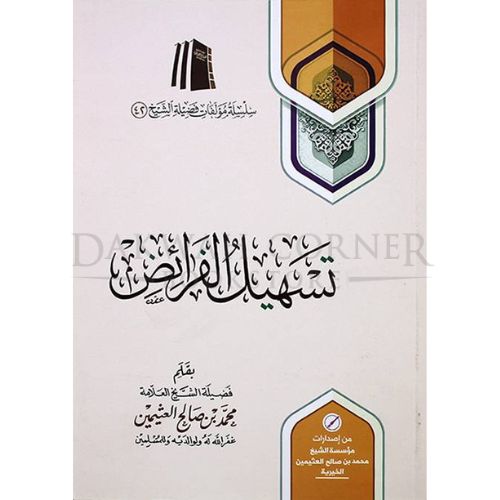
[SJ] Tashil Al Faraid / تسهيل الفرائض
Highlights:
حرره الشيخ رحمه الله بخط يده، وهو شرح لمهمات الفرائض، مما ورد في آيات المواريث التي نص الله تعالى عليها؛ في إرث الأصول والفروع والزوجين وأولاد الأم وإرث الإخوة لغير أم، بالإضافة إلى ما ورد في إلحاق الفرائض بأهلها، فبدأ بالكلام عن علم الفرائض وما يتعل
RM20.00
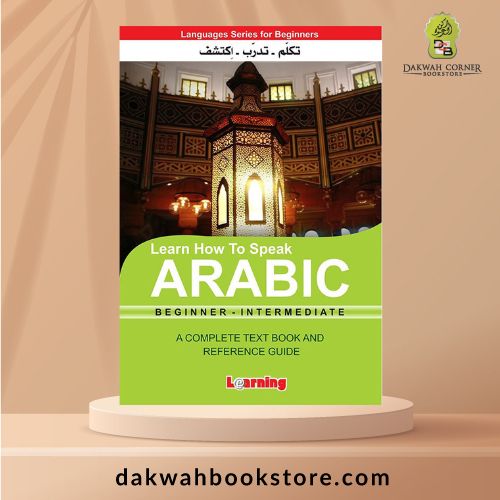
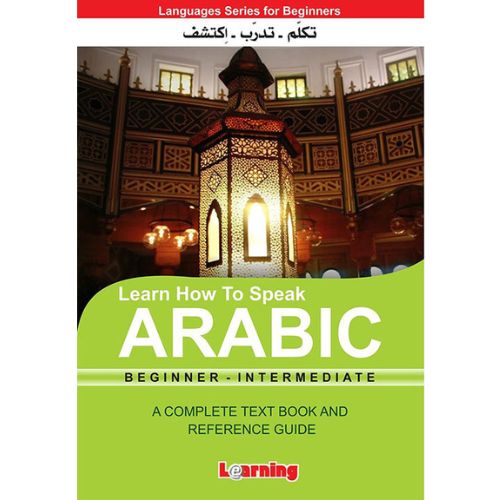
Learn How To Speak Arabic: Beginner – Intermediate (Small Book)
Highlights:
An educational series for modern languages designed for beginners and those planning to travel to new countries.
Covers language fundamentals—including key phrases and expressions—as well as pronunciation, vocabulary, basic grammar, and everyday conversation.
RM15.00
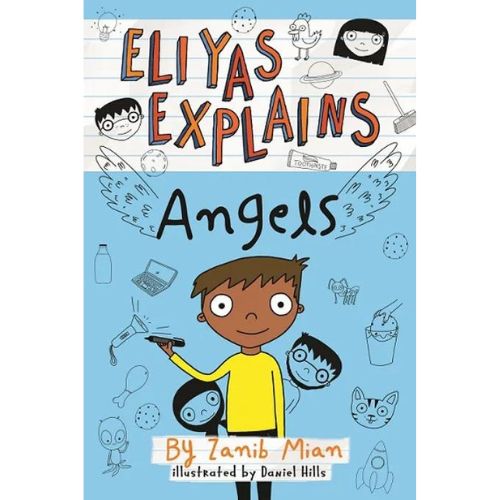
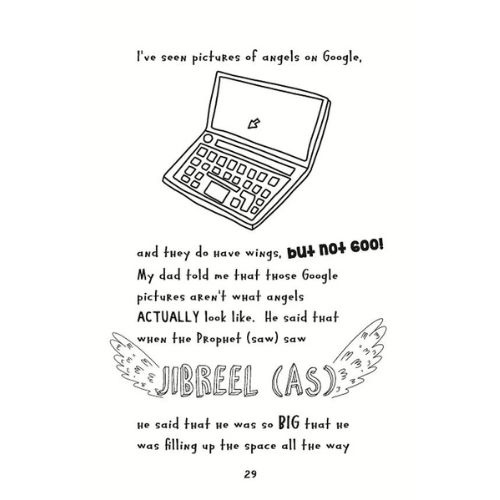
Eliyas Explains: Angels
Highlights:
The first in a lively middle-grade series by prize-winning author, Zanib Mian. This children’s Islamic book is fantastic for those children reading for themselves.
RM45.00
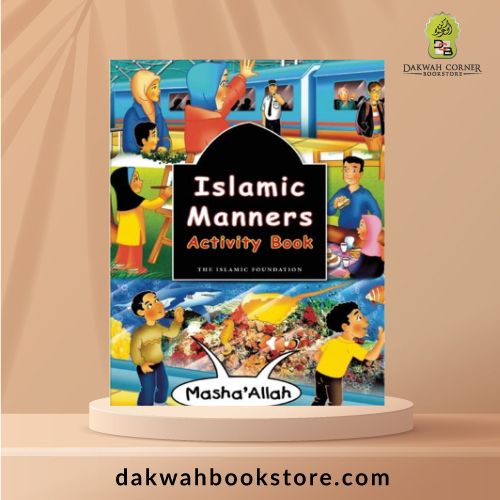
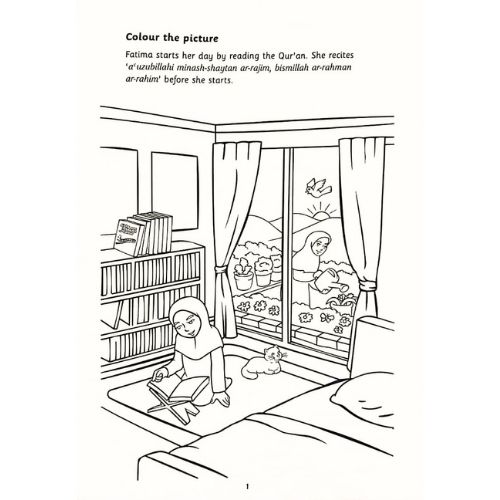
Islamic Manners Activity Book
Highlights:
Learn a selection of Arabic prayers and expressions while having fun with sixty-plus pages of imaginative activities that will introduce young children to a range of practices from Islam and the Muslim world. The Islamic Manners Activity Book includes puzzles, word searches, coloring pages, connect-the-dots, and matching cards that will occupy and entertain children for hours.
RM25.00


The Evident Memorandum
Highlights:
The Evident Memorandum: A Translation and Commentary for Ibn al-Mulaqqin al-Shāfiʿī’s Al-Tadhkirah fi al-fiqh
This volume contains an original commentary for Al-Tadhkirah (The Memorandum), a legal primer for Islamic Law according to the later scholars of the Shāfiʿī school by Ibn al-Mulaqqin, an Egyptian scholar who died in 804 AH/1401 CE. The commentary introduces essential evidence for the core issues of Islamic Law from its primary sources (the Quran, Sunnah, legal analogy, and scholarly consensus).
The Arabic text of Al-Tadhkirah is approximately 8,500 words in length. It is two hundred words longer than Abū Shujāʿ al-Aṣfahānī (b. 433AH/1042CE)’s Matn al-ghāyat wa-l-taqrīb (published as The Ultimate Conspectus). Although the two are roughly the same size, Ibn Mulaqqin’s style is more economical than Abū Shujāʿ’s, allowing him to cover more within the same word count. And while Ibn Mulaqqin discusses more issues, he does occasionally skip a few details that Abū Shujāʿ includes.
The primary sources for comments in this book are Ibn Mulaqqin’s books of fiqh, including Sharḥ Mukhtasar al-Tabrīzī, ʿUjālat al-muḥtāj, and Khulāṣat al-fatāwī. The bulk of the commentary comes from Sharḥ Mukhtaṣar al-Tabrīzī. Comments and hadith in the commentary can be sourced back to either one of Ibn Mulaqqin’s fiqh texts or a Shāfiʿī fiqh text through an appendix that cross-references each chapter and section in this book against its sources. Each hadith mentioned in the book is traced back to its primary sources, along with a reference to one or more of Ibn Mulaqqin’s hadith works. In the few instances where a hadith is not included in one of Ibn Mulaqqin’s works, it is referenced it to a Shāfiʿī text that does. Through this, readers can be assured that the hadiths cited here are ones that Shāfiʿīs themselves use.
Readers will find the book most beneficial after reading The Accessible Conspectus and Sharh al-Waraqat.
RM125.00
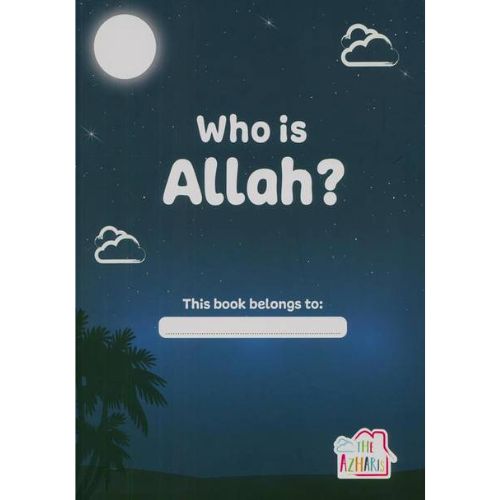
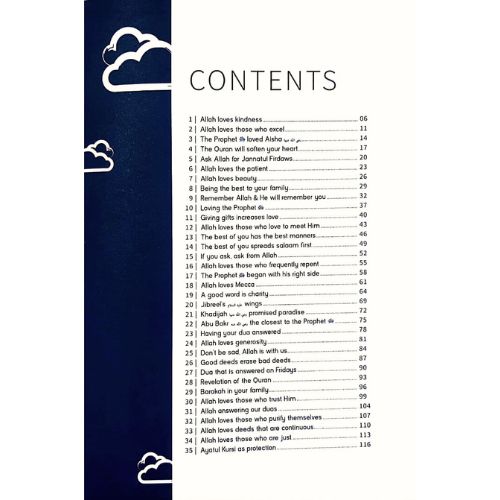
Who is Allah? (P/B)
Highlights:
The Who Is Allah workbook is packed with even more fun activities and brand new interactive elements, we’d love for you to get your hands on a copy to experience it.
RM80.00
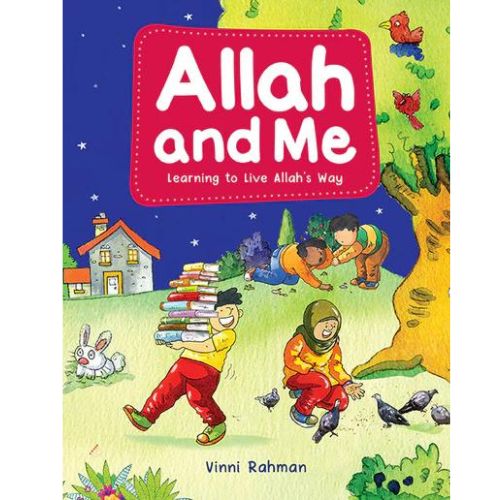
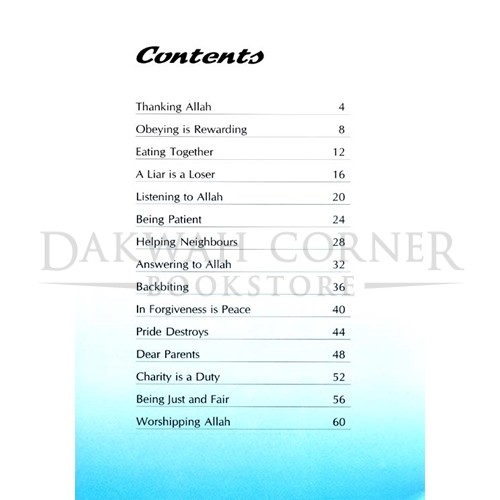
Allah And Me Learning To Live Allah’s Way (P/B)
Highlights:
Allah knows what is best for us. Read this book to know what He expects from us and what He likes and dislikes. Allah and Me is a book which discusses some Islamic virtues which we should practice in our daily life in order to live according to Allah’s will and become candidates for Paradise. A Muslim does everything for Allah. Every Little Talk in this book includes some questions to make children think, especially about their own behaviour in context of the virtue discussed in that Talk. Each Talk ends with some Quranic verses and Hadith quotes to stress and highlight the Islamic teaching discussed in that Talk.
RM20.00
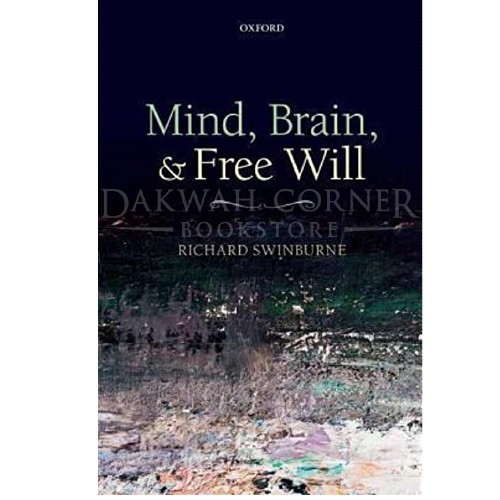
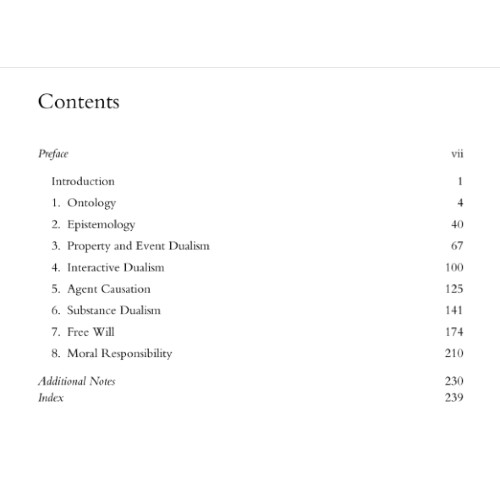
Mind, Brain, & Free Will (P/B)
Highlights:
Mind, Brain, and Free Will presents a powerful new case for substance dualism (the idea that humans consist of two parts–body and soul) and for libertarian free will (that humans have some freedom to choose between alternatives, independently of the causes which influence them). Richard
RM140.00
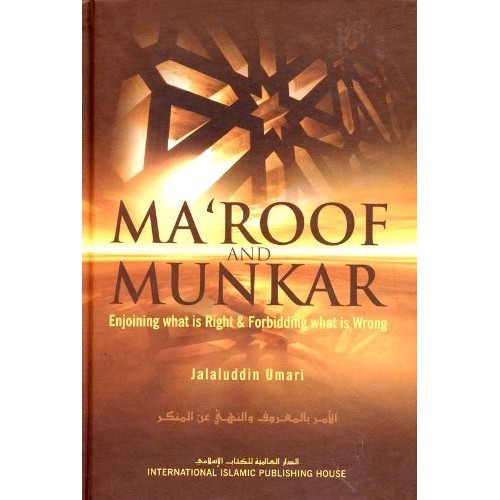
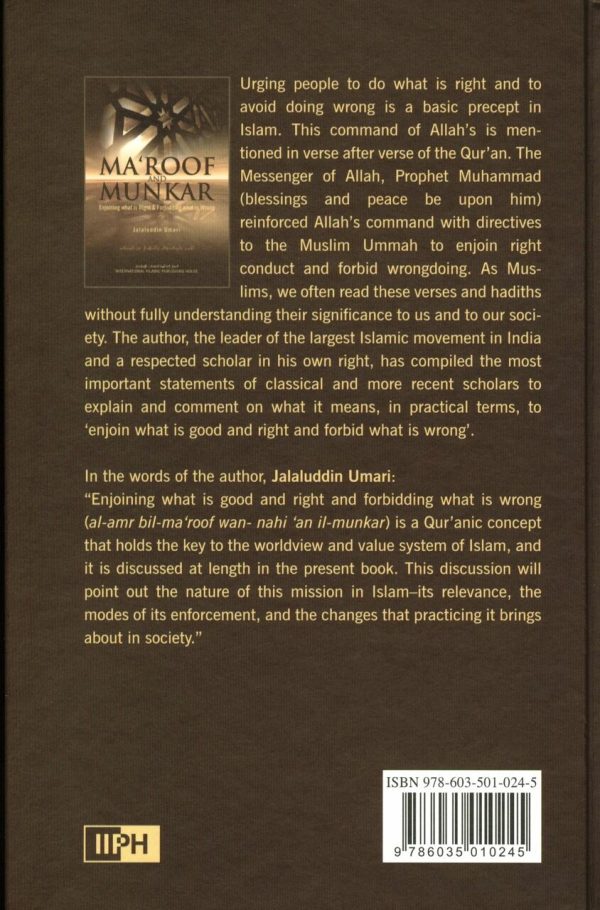
Ma’roof And Munkar – Enjoining what is Right & Forbidding what is Wrong
Highlights:
Ma’roof and Munkar (Enjoining what is Right & Forbidding What is Wrong) By : Jalaludin Umari Urging people to do what is right and to avoid doing wrong is a basic precept in islam . This command of allah is mentiones in verse after verse of the quran. The Messenger of Allah,Prophet Muhammad (PBUH) reinforced Allah’s command with Directives to the muslim Ummah to enjoin right conduct and forbid wrongdoing. As Muslims , we often read these verses and hadiths without fully understanding their significance to us and to our society . The Author has compiled the most important statements of classical and more recent scholars to explain and comment on what it means,in practical terms to enjoin what is good and right and forbid what is wrong.
RM33.00
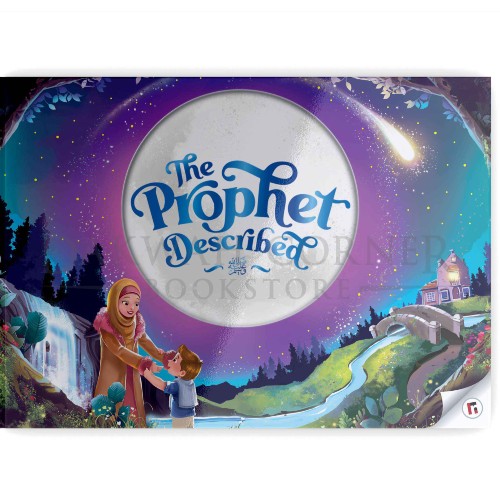
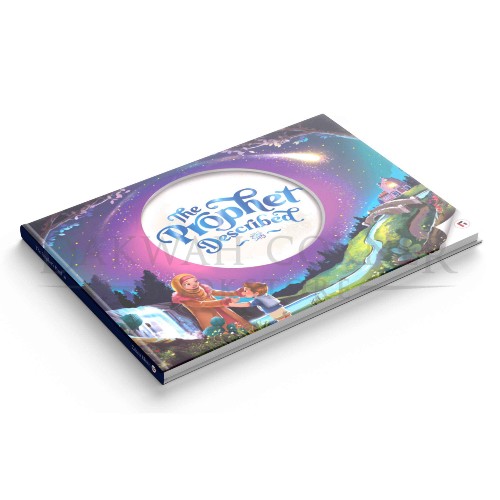
The Prophet (S) Described (Learning Roots)
Highlights:
If you were asked to describe the appearance of the Prophet Muhammad (S), what would you say?
The Prophet Described weaves together classical accounts of the appearance and character of Allah’s finest creation, using the narrations of those closest to him. Expertly crafted into a story-conversation between a mother and son, and using flowing, rhyming text, this book makes learning about Allah’s Messenger (S), a rich and captivating experience. With spectacular illustrations that subtly echo the descriptions, this book is a treasure to be read over and over again.
RM65.00
There are no reviews yet.