

| Weight | 0.335 kg |
|---|---|
| Dimensions | 21.0 × 14.7 cm |
| Product Type | Book |
| Author | |
| Publisher | IIPH |
| Pages | 191 |
| ISBN | 9786035011730 |
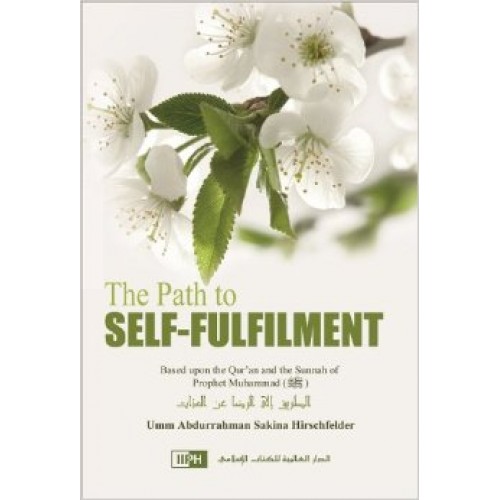
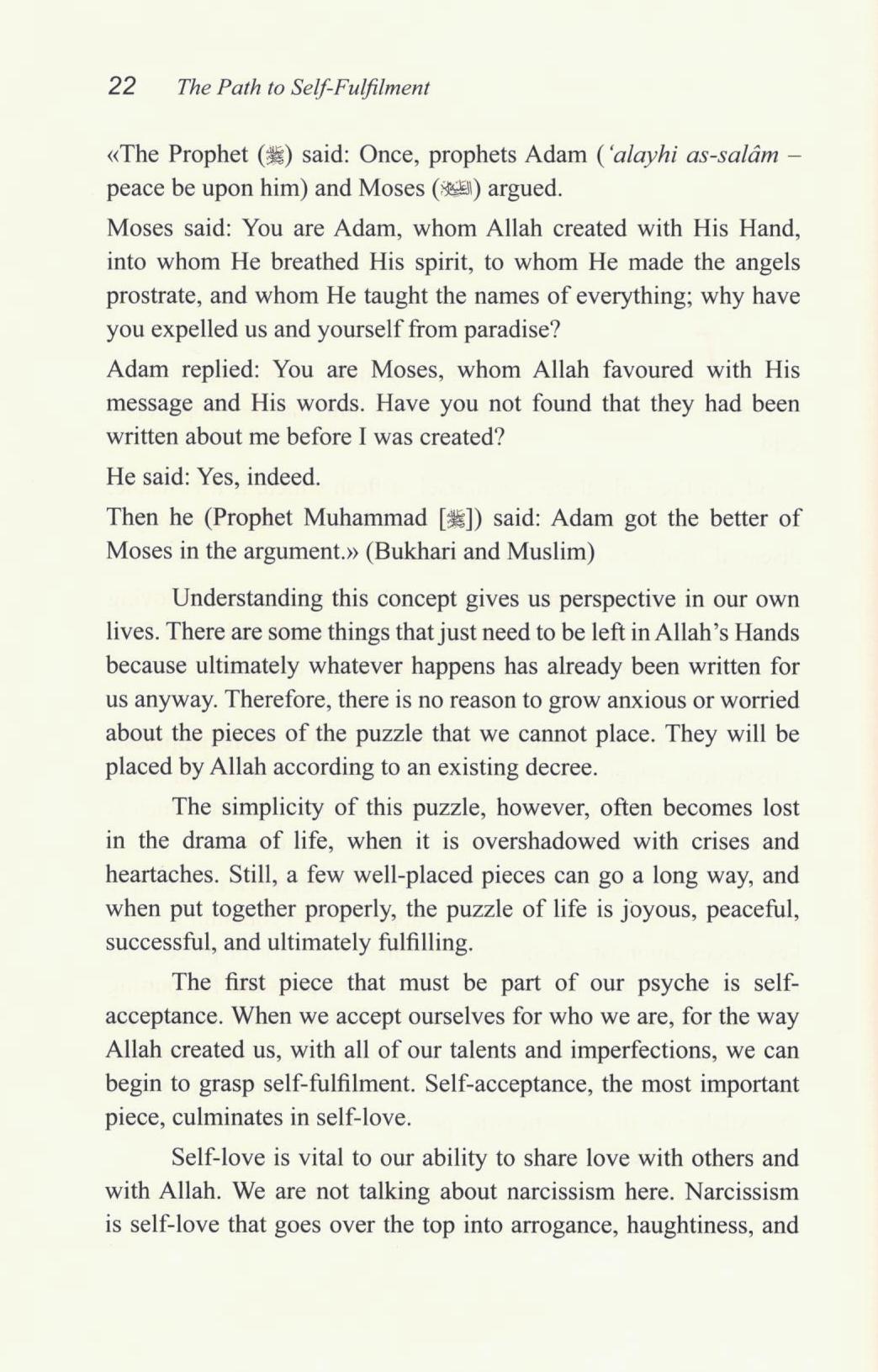
The Path to Self-Fulfilment (H/B)
RM38.00
Hurry up, Only 1 left.

Highlights:
somdn_product_page
Compare
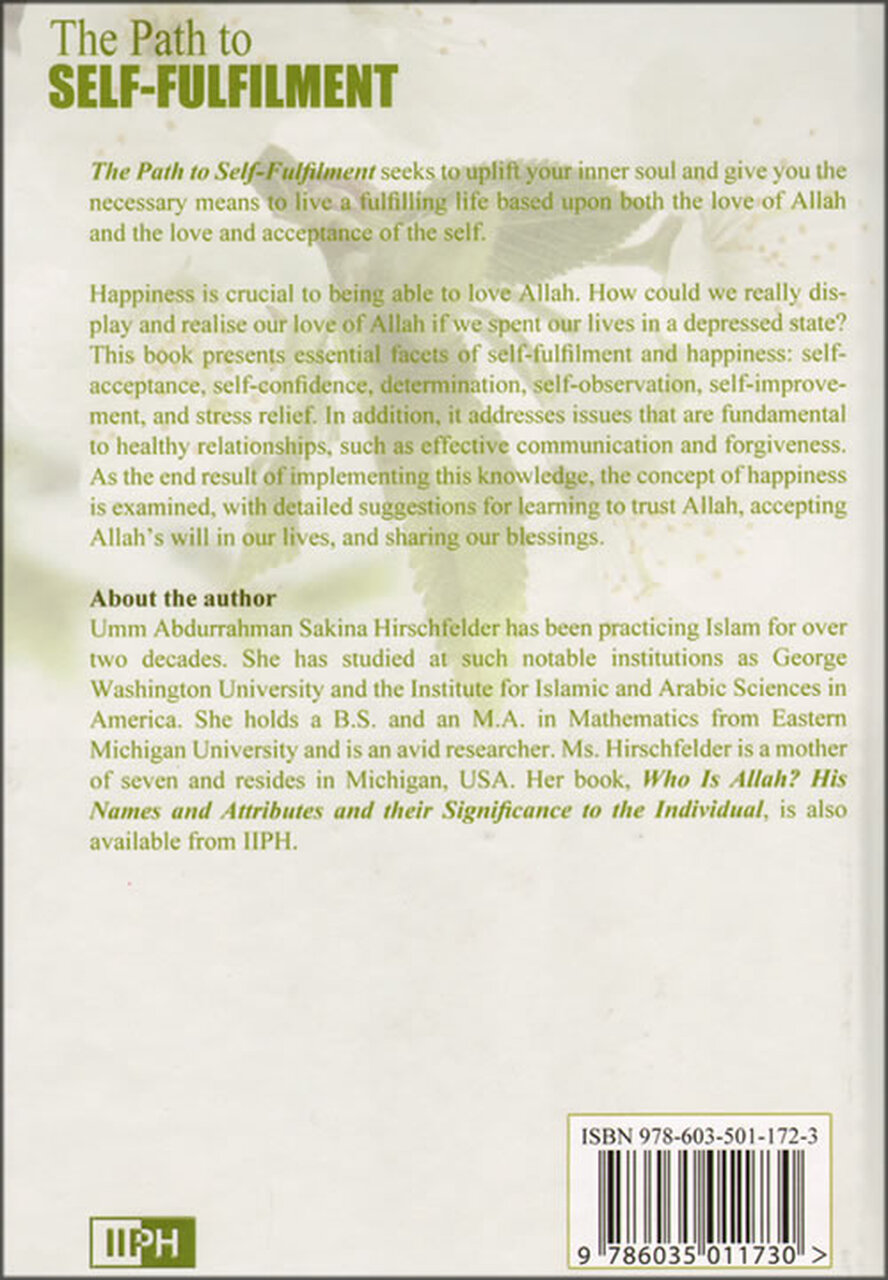
The Path to Self-Fulfilment seeks to uplift your inner soul and give you the necessary means to live a fulfilling life based upon both the love of Allah and the love and acceptance of the self.
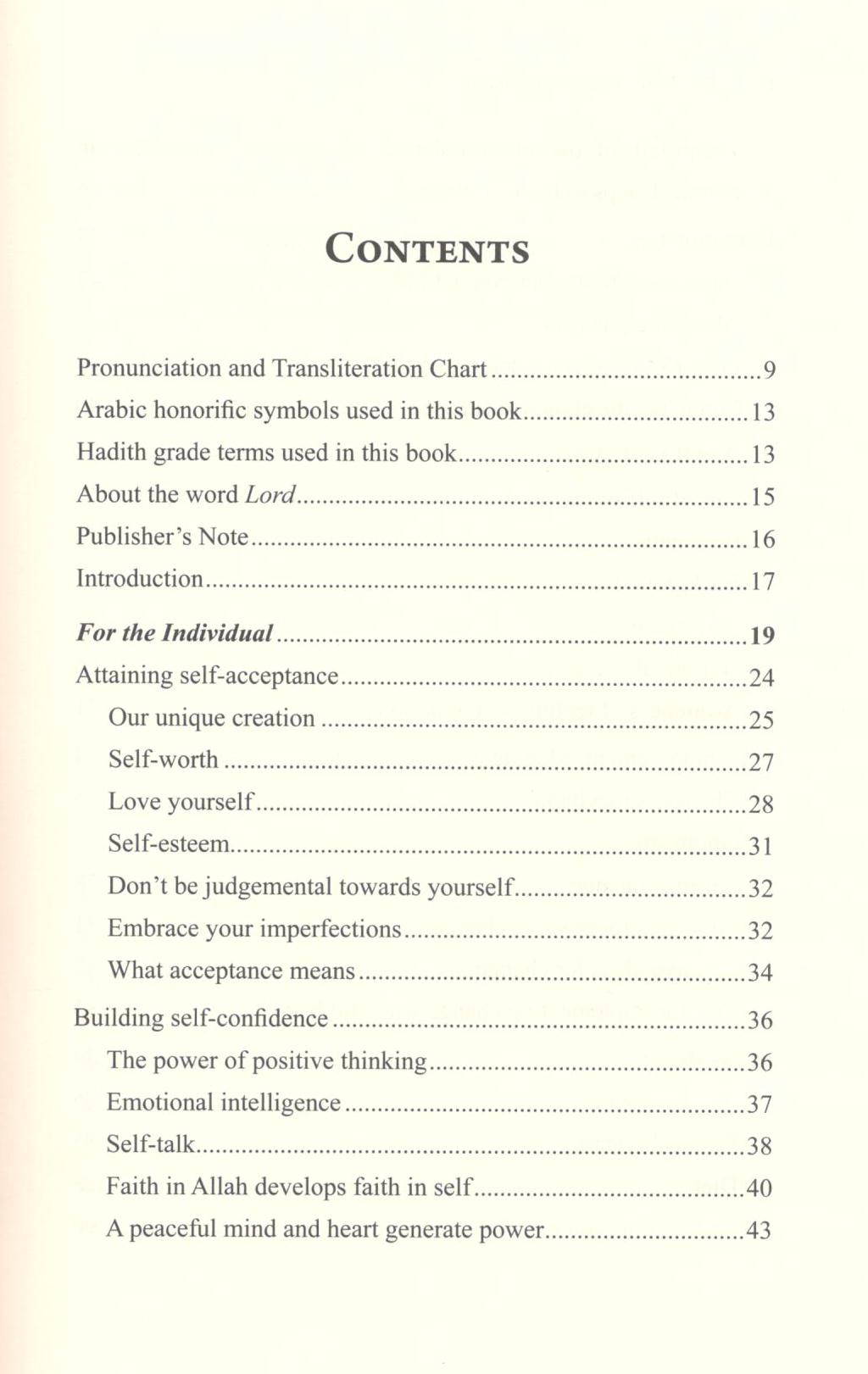
Happiness is crucial to being able to love Allah. How could we really display and realise our love of Allah if we spent our lives in a depressed state? This book presents essential facets of self-fulfilment and happiness: self-acceptance, self-confidence, determination, self-observation, self-improvement, and stress relief. In addition, it addresses issues that are fundamental to healthy relationships, such as effective communication and forgiveness. As the end result of implementing this knowledge, the concept of happiness is examined, with detailed suggestions for learning to trust Allah, accepting Allah’s will in our lives, and sharing our blessings.
Additional information
Reviews (0)
Be the first to review “The Path to Self-Fulfilment (H/B)” Cancel reply
You must be logged in to post a review.
Related Products
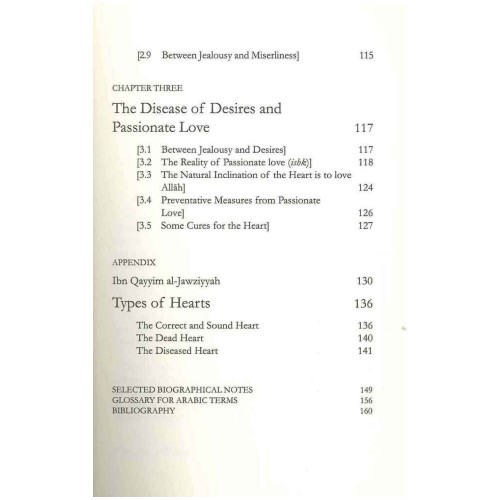
Diseases Of The Hearts & Their Cures (Dar as Sunnah)
4 ★
4 ★
1 Rating
5 ★
0
4 ★
1
3 ★
0
2 ★
0
1 ★
0
Highlights:
Translated by Abu Rumaysah “Know O beloved reader that it is most important to spend one’s time and energy in treating the heart, and hastening to correct and purify it from sickness and all sins. This is due to the heart occupying a great and lofty position in Islaam, for it is the place to which the Lord looks and the storehouse for tawheed, faith, and sincerity. Actions are distinguished, one from the other, with respect to their excellence in the Sight of Allah in accordance with the condition of the heart, not by their number or form, but rather due to the strength of the caller, his or her truthfulness, his or her sincerity and the extent to which he or she prefers Allah over himself or herself … Al-Haafidh ibn Hajr al-Asqalaanee, may Allah have mercy upon him and provide us with his knowledge, said: “The heart has been singled out for this because it is the leader of the body, and through the purification of the leader the subjects become purified, and with his corruption they become corrupted. So if you, O servant of Allah, with to cure your heart then it is upon you to be truthful with regards to seeking refuge with Allah and putting your trust in Him, to pray a great deal of superogatory prayers, to perform the actions of obedience to Allah frequently, to pray the night prayer while the people are sleeping, and to treat your heart by making it continuously stick to the remembrances and by befriending only the righteous … and to frequently recite the Qur’an. And Allah will indeed allow all of this to be preserved by him.”
RM54.00
Golden Stories of Accepted Prayers
5 ★
5 ★
1 Rating
5 ★
1
4 ★
0
3 ★
0
2 ★
0
1 ★
0
Highlights:
What are invocations? In a real sense these are requests which come from the bottom of our hearts to Allah Almighty. Allah is always ready and happy to receive prayers from anyone at any time.
If you’re facing any difficulties or trouble you should immediately turn to Allah for help. The best invocations are those narrated by the Prophet (S). If you don’t speak Arabic, you can pray in your mother tongue.
When we pray we should feel assured that Allah will accept our requests. We should do so with complete sincerity and devotion.
Prayers can be made at any time, but there is a greater possibility our prayers will be accepted if we do so at specific times.
RM68.50
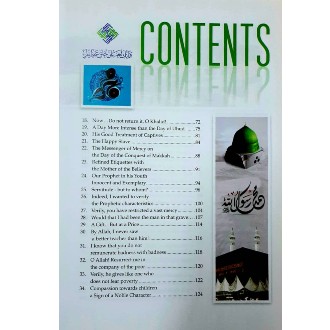
Golden Morals (A Collection Of Stories From The Seerah) (H/B)
5 ★
5 ★
1 Rating
5 ★
1
4 ★
0
3 ★
0
2 ★
0
1 ★
0
Highlights:
The Seerah of the Prophet (PBUH) is an everlasting topic. The Muslims are never fed up with its fragrance. It has been a topic for writing sine centuries and it will be a topic for writing till the Day of Judgment. Every author shows his love and affection for the Messenger of Allah in his own style and he tries to highlight every aspect of his life. No doubt, thousands of books have been written on the Seerah of the Messenger in different languages from the ancient.
RM67.00
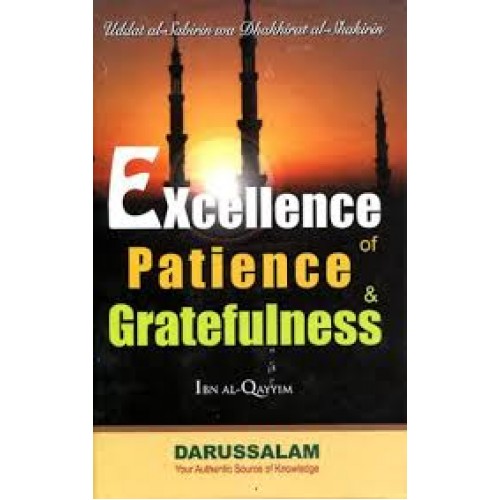
Excellence of Patience & Gratefulness
5 ★
5 ★
1 Rating
5 ★
1
4 ★
0
3 ★
0
2 ★
0
1 ★
0
Highlights:
This book is written to highlight the necessity and the pressing need to pursue these two qualities and to illustrate that happiness in this world and the Hereafter is dependent on them. It is intended to be a comprehensive, extensive and useful book.
RM65.00
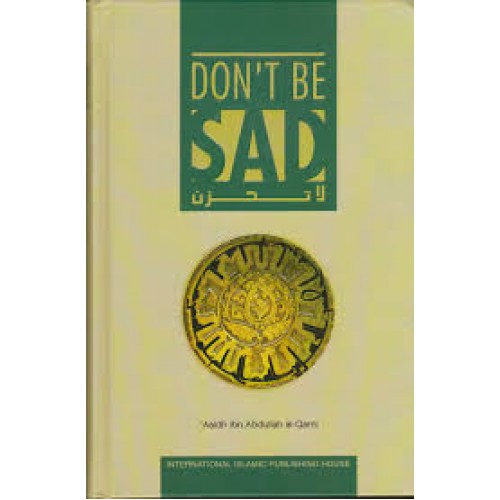
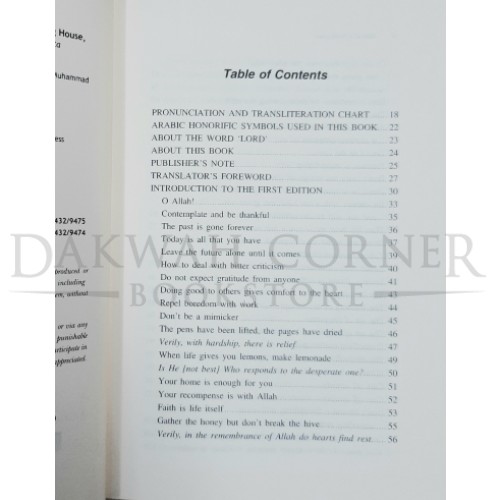
Don’t Be Sad By Dr. A’id al-Qarni
5 ★
5 ★
1 Rating
5 ★
1
4 ★
0
3 ★
0
2 ★
0
1 ★
0
Highlights:
At a time in which the Muslims are beset with trials from every periphery and within, comes this heartening book rooted in the commandments of Allah (swt), the Sunnah and the excellent guidance and examples of the Muslims that have come before us. Don’t Be Sad is an absolute must-read for all people. It is full of practical advice on how to replace sadness with a pragmatic and ultimately satisfying Islamic outlook on life. It exposes to the modern reader how Islam teaches us to deal with the tests and tribulations of this world. So, take heart and hold firmly onto the rope of Allah (swt)
RM75.00 – RM85.00Price range: RM75.00 through RM85.00
HardcoverPaperback
Clear
50 Candles To Light Your Path (P/B)
5 ★
5 ★
2 Ratings
5 ★
2
4 ★
0
3 ★
0
2 ★
0
1 ★
0
Highlights:
One goal brings them together : how to improve the well-being of our sons and daughters, how to aid them towards threading the path of guidance to engender their excelling in their academic, work and other facets of life.
RM36.00
Festivals & Celebrations In Islam
5 ★
5 ★
1 Rating
5 ★
1
4 ★
0
3 ★
0
2 ★
0
1 ★
0
Highlights:
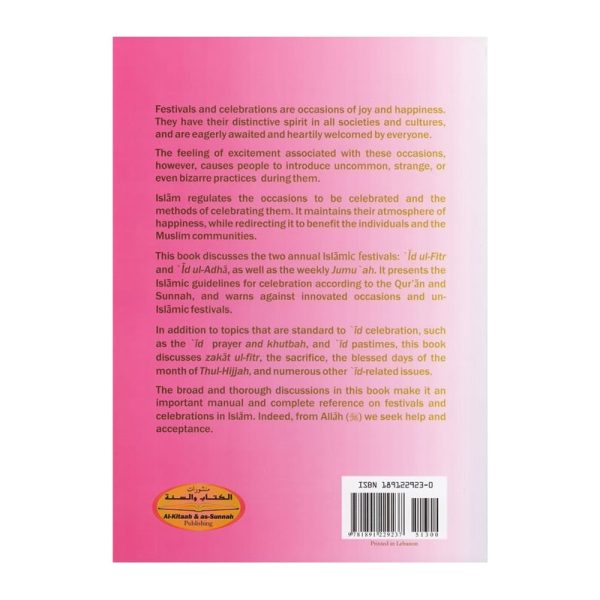
Festivals and celebrations are occasions of joy and happiness. They have their distinctive spirit in all societies and cultures, and are eagerly awaited and heartily welcomed by everyone.
The feeling of excitement associated with these occasions, however, causes people to introduce uncommon, strange or even bizarre practices during them.
Islam regulates the occasions to be celebrated and the methods of celebrating them. It maintains their atmosphere of happiness, while redirecting
This book discusses the two annual Islaamic festivals: Eid ul-Fitr and Eid ul-Adhaa as well as the weekly Jumu’ah. It presents the Islaamic guidelines for celebration according to the Quraan and Sunnah, and warns against innovated occasions and un-Islaamic festivals.
In addition to topics that are standard to ‘Id celebration, such as the ‘Id prayer and khutbah, and ‘Id pastimes, this book discusses zakat-ul-fitr, the sacrifice, the blessed days of the month of Thul-Hijjah, and numerous other ‘Id-related issues.
The broad and thorough discussions in this book make it an important manual and complete reference on festivals and celebrations in Islam. Indeed, from Allah (swt) we seek help and acceptance.
RM51.00
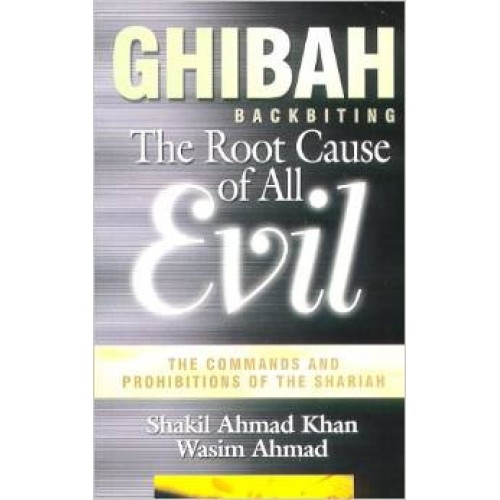
Ghibah (Backbiting) : The Root Cause of All Evil : The Commands and Prohibitions of the Shariah
Highlights:
Islam is a religion of peace, love, and compassion. Lies, suspicion, backbiting, slander, vain talk — all these are anathema to Islam. Indeed, such negative activity sows the seeds of enmity among the people and ultimately brings about the downfall of society. Backbiting (ghibah) in particular, according to the Qur’an, is not just a common social evil, but rather an abhorrent act, a major sin — the equivalent of eating one’s brother’s flesh.
Numerous ahadith of the Prophet Muhammed (pbuh) also underscore the complete futility, extreme loathsomeness and grave consequences of the deliberate misrepresentation of others. Backbiting, by the unanimous rulings of religious scholars (ijma) is forbidden, so that anyone who indulges in it is guilty of serious wrongdoing. Yet people have no qualms about engaging in this practice, flouting all prohibitions and strict commands.
Drawing upon important source material on the subjects of backbiting, false accusation (bhutan), and related issues, this book highlights the need to keep our society free of his ignoble malaise. To this end, it elucidates the relevant commands and prohibitions of the Shari’ah, so as to create in the minds of its readers a deep awareness of the sinfulness and ill effects of calumny.
By Shakil Ahmad Khan and Wasim Ahmad
RM16.00


Difference Between Advising And Shaming ( Dar as-Sunnah)
4.5 ★
4.5 ★
2 Ratings
5 ★
1
4 ★
1
3 ★
0
2 ★
0
1 ★
0
Highlights:
[This book] beautifully illustrates the difference between advising that is encouraged and shaming that is not permitted.
RM40.00
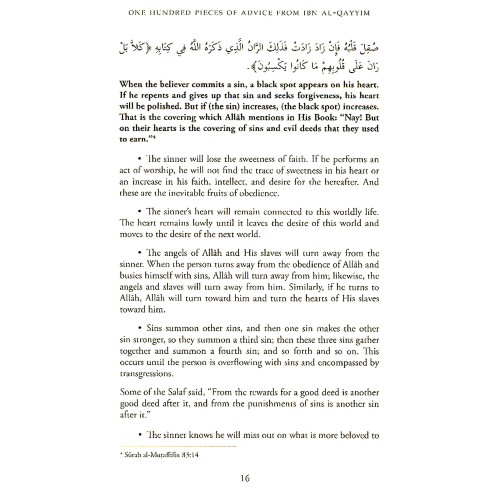
One Hundred Pieces of Advice
3 ★
3 ★
1 Rating
5 ★
0
4 ★
0
3 ★
1
2 ★
0
1 ★
0
Highlights:
One hundred treasured advices extracted from the writings of the illustrious scholar, Imām Ibn al-Qayyim (may Allāh have mercy upon him): Ten ways to acquire Allāh’s love Ten ways to be patient and avoid sins Ten ways to be patient during a calamity Ten benefits to lowering your gaze Ten ways sins are expiated Ten barriers between the slave and his Lord Ten reasons knowledge is not put into action Ten ways to open your heart Ten ways to protect against envy Ten ways to protect against the plots of the Shayṭān
RM48.00
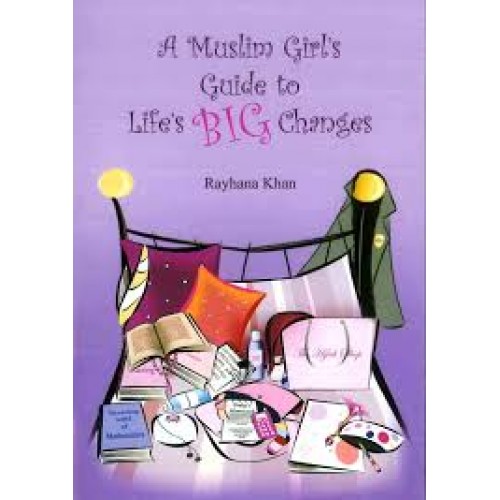
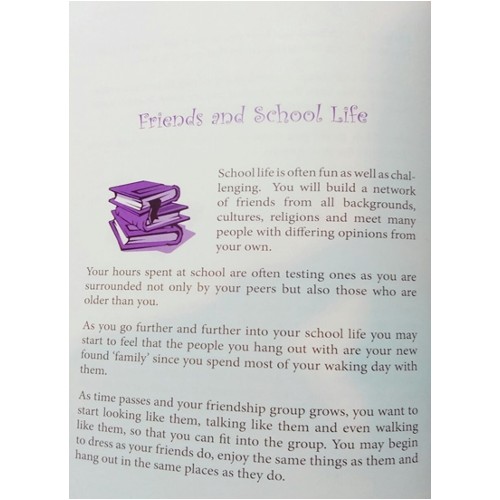
A Muslim Girl’s Guide To Life’s Big Changes (Ta-Ha)
4 ★
4 ★
1 Rating
5 ★
0
4 ★
1
3 ★
0
2 ★
0
1 ★
0
Highlights:
Motivational & Manners
RM35.00
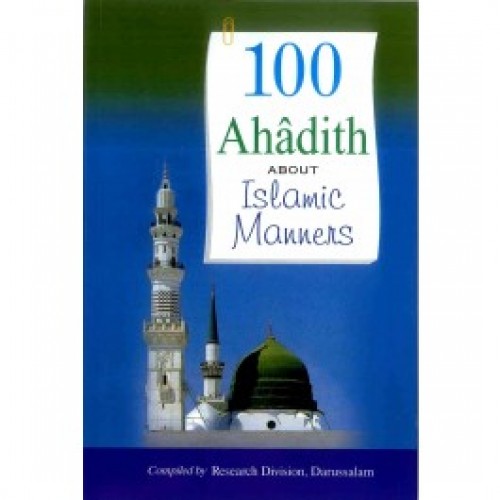
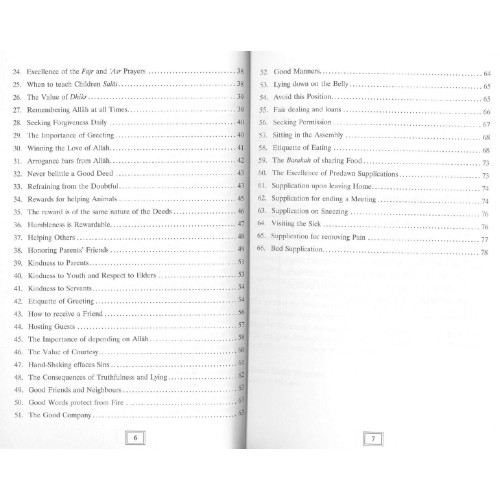
100 Ahadith about Islamic Manners
4 ★
4 ★
2 Ratings
5 ★
0
4 ★
2
3 ★
0
2 ★
0
1 ★
0
Highlights:
An extract of 100 Ahadith from famous collections of Ahadith (Sahih Al Bukhari, Sahih Muslim, At-Tirmidhi, Riyad-us-saliheen and others). The distinguishing feature of this book is the selection of its chapters that persuade the good morals and behaviour.
A moral and spiritual revolution begins to happen in the mind and conduct of the readers as their study progresses. We hope that this selection of Ahadith will initiate the readers to follow Islamic teachings throughout their life.
RM11.00
Recently Viewed
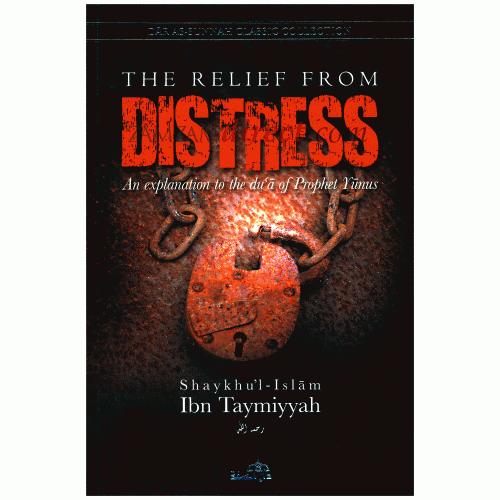
The Relief From Distress : An Explanation to the dua of Prophet Yunus (P/B)
Highlights:
Shaykh al-Islam Ibn Taymiyyah, may Allah sanctify his soul, was asked about the saying of the Prophet (pbuh),
The invocation of my brother Yunus, “none has the right to be worshipped save You; glory be to You, far removed are You from any imperfection; I have been amongst the wrong-doers,” none who is experiencing difficulty employs it except that Allah would relieve him of his difficulty.
What is the meaning of this du’a (prayer, supplication)?
Are their any unstated conditions that have to be met when one articulates it?
What is the connection between belief in the heart and the meaning of this supplication such that it leads to the removal of difficulty?
Why did he explicitly confess, ‘I have been amongst the wrong-doers’ when it is known that tawhid in itself leads to the removal of difficulty?
Is it sufficient to acknowledge ones’ sin alone, or must this be accompanied by repentance and the firm resolve not to repeat that sin in the future?
Why is it that difficulty and harm is removed only when a person relinquishes any hope, reliance and dependency upon the creation?
How can the heart relinquish the characteristic of putting hope in the creation and depending on them, and instead put its hope in Allah, Exalted is He, and turn to Him in its entirety?
What are the methods that would aid the heart in doing this?
The author replies to these questions in the form of this book.
RM117.00
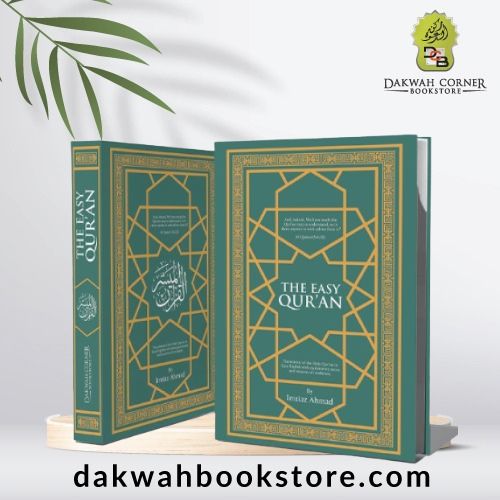
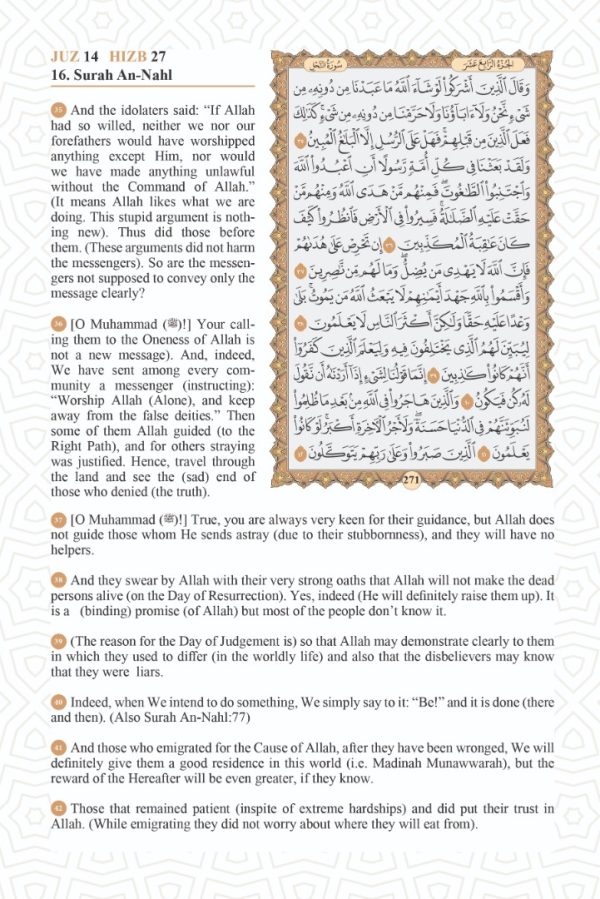
The Easy Qur’an New (Full Arabic Page) 6×9
Highlights:
The Easy Qur’an translation reviewed and approved by the Ministry of Information Saudi Arabia and Religious affairs Ministry Islamic Republic of Pakistan.
Published by Da’wah Corner Bookstore Saudi Arabia
RM60.00
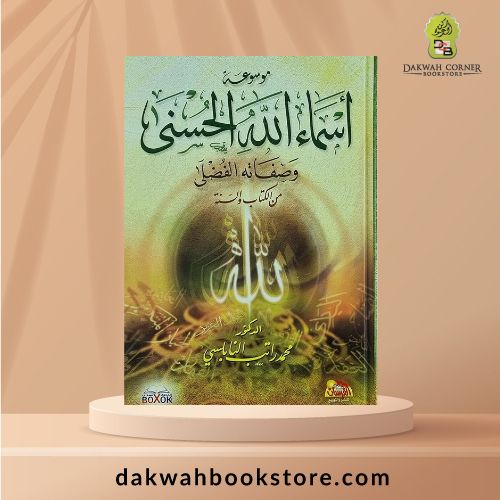
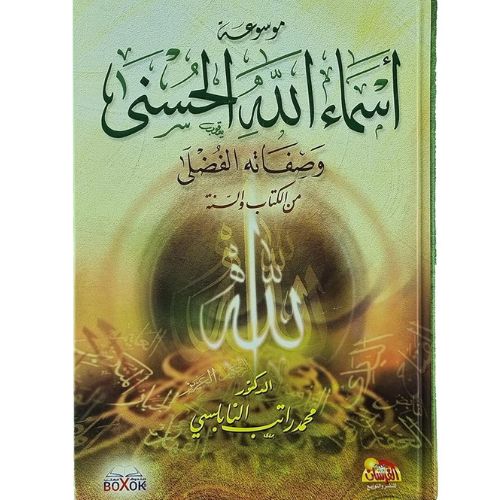
[AC] Mausū’at Asmā’ Allāh al-Ḥusnā / موسوعة أسماء الله الحسني
Highlights:
الدكتور محمد راتب النابلسي في موسوعته هذه، فضلاً عن نقله لما في كتب العلماء الأجلاء، قديماً وحديثاً، من روح لأسماء الله الحسنى، يسلك أسلوباً جديداً في شرحه لهذه الأسماء الحسنى، يعتمد على آيات الله في الآفاق، وعلى آيات الله في النفس البشرية
RM175.00
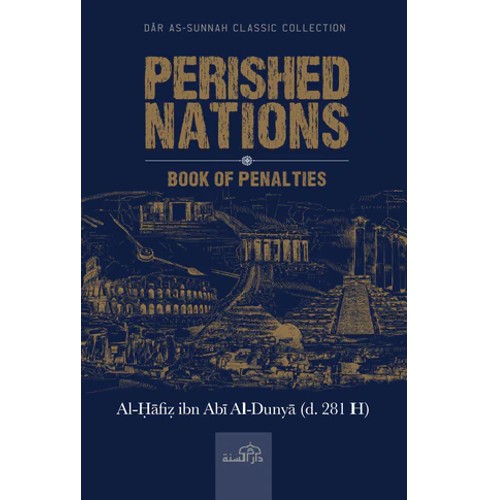

The Third Caliph of Islam: Uthman bin Affan (P/B)
Highlights:
Uthman bin Affan (R) was one of the early men who accepted Islam in Makkah. From the first moment he became a Muslim, he put all his wealth under the service of Islam. He spent most of his resources to satisfy the needs of poor Muslims. Recognizing his generosity and devotion to Islam, the Prophet (S) told him that his place would be in Paradise on the Hereafter. He married Ruqayah (R),the Prophet’s daughter. After she died, he married her sister Um Kulthum ;for that, the people at that time called him Dhun Nurain, “The Man with the Two Lights.”
RM26.00

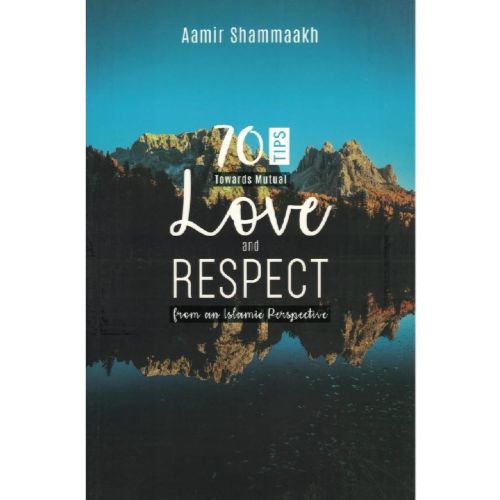
70 Tips to Win Mutual Love and Respect
5 ★
5 ★
2 Ratings
5 ★
2
4 ★
0
3 ★
0
2 ★
0
1 ★
0
RM18.00 RM27.00
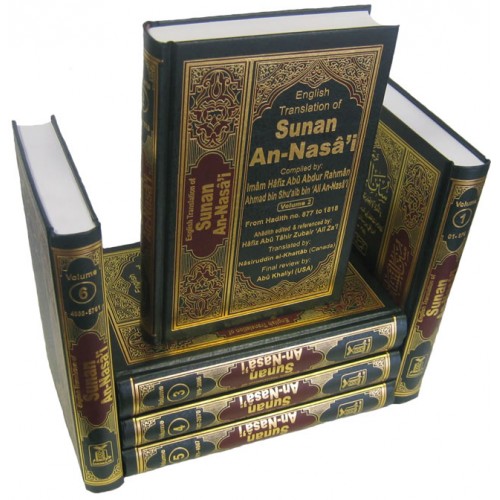
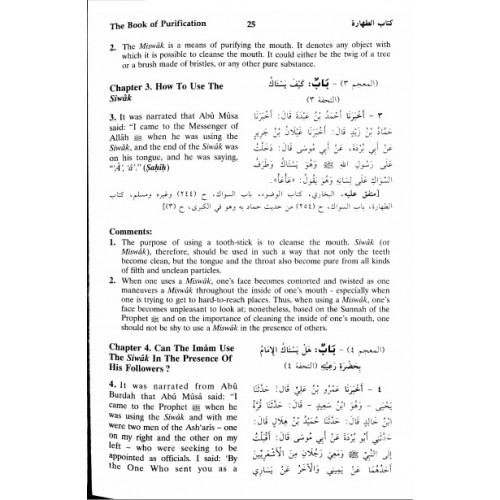
Sunan An-Nasa’i (6 Vol) (H/B)
Highlights:
Sunan An-Nasai has the fewest weak ahadith after the two Sahih collections. This Sunan is one of the six is al-Mujtaba or as-Sunan as-Sughara, which is a synopsis of a large collection of ahadith which he considered to be fairly reliable. In the smaller collection, only those ahadith which he considered to be reliable have been included.
It was compiled by the great scholar of hadith, Abu Abdur-Rahman Ahmad bin Shu’aib bin Bahr An-Nasae (Nasa’ of Khurasan) (214-303AH). Imam An-Nesai, like other great scholars of hadith traveled to Baghdad, Ash-Sham, Egypt, Mecca, and many other cities to seek knowledge. He received the praises of many scholars including Ad-Daraqutni who said about him: “He is given preference over all others who are mentioned with this knowledge from the people of his time”. Some scholars consider his compilation to have the least number of defective or weak narrations among the four Sunan. This great book of his contains 5761 ahadith, making it as an invaluable addition to anyone’s library.
RM460.00
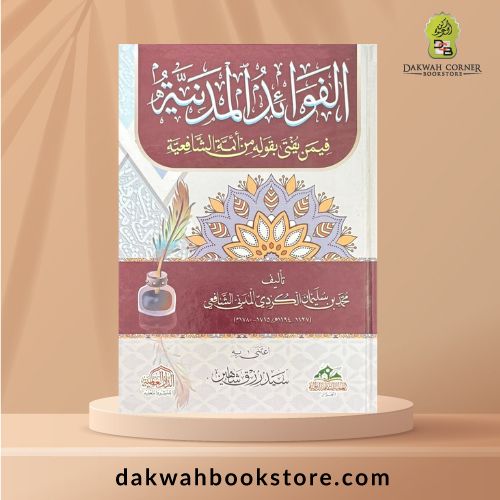
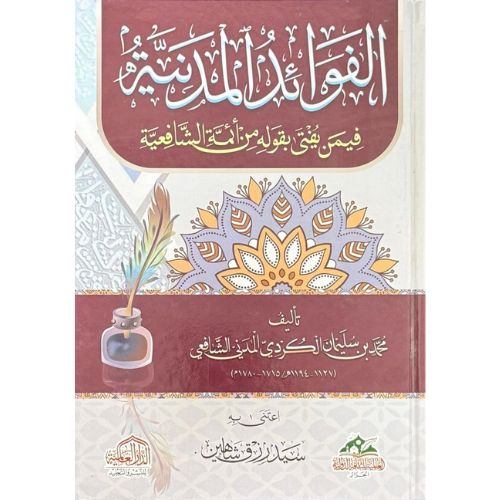
[ASJ] Al-Fawa’id al-Madaniyyah /الفوائد المدنية فيمن يفتي بقوله من أئمة الشافعية
Highlights:
الفوائد المدنية فيمن يفتي بقوله من ائمة الشافعية جديد
RM25.00
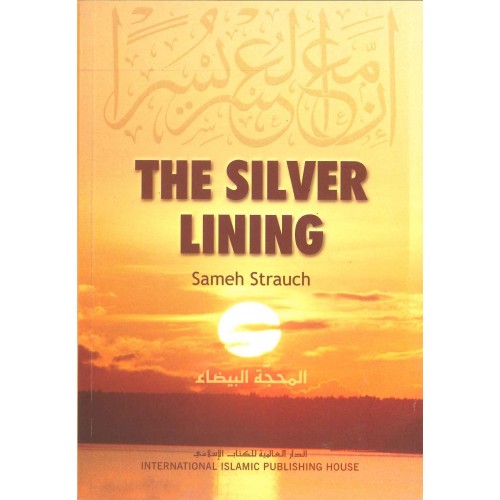
The Silver Lining (P/B)
Highlights:
The theme of this book is relief after hardship, or as the old proverb has it, ‘Every cloud has a silver lining.’ The author, Sameh Strauch, explains this concept, describing, with evidence from the Qur’an and the Sunnah, why we are subject to trials and tribulations, and how, when adversity is at its worst, relief is near. He uses as examples the stories of the prophets and the trials they endured. Strauch then proposes measures to be undertaken to attain relief from difficulty, and explains the importance of tawakkul (depending upon Allah), the benefits and wisdom derived from the concept of hardship and relief, and much more. If you have ever been stricken by calamity and wondered why it happens, this book has the answer.
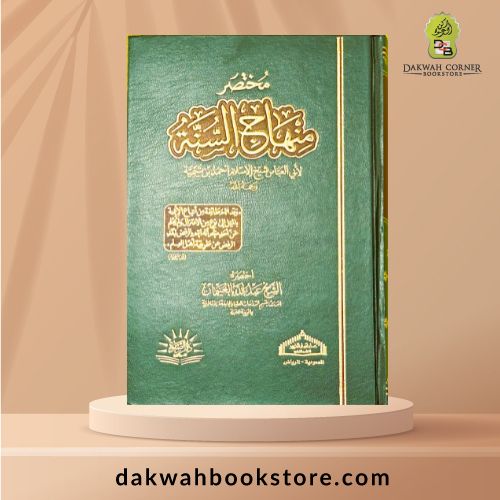
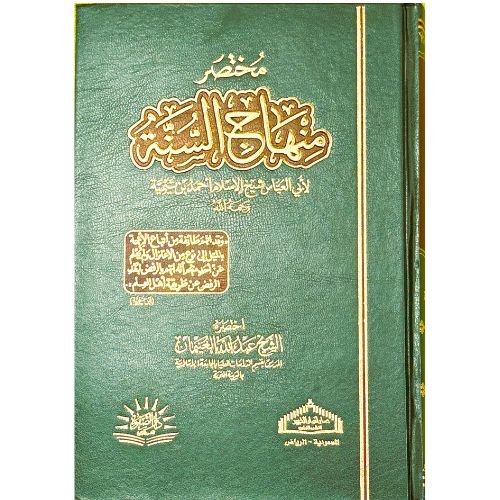
[AAC] Mukhtasar Minhaj al-Sunnah / مختصر منهاج السنة لشيخ الإسلام ابن تيمية
Highlights:
“The Methodology of the Prophetic Sunnah in Refuting the Claims of the Rejectors and the Qadarites” is one of the greatest books of the steadfast and patient Imam, the Mujahid, Sheik al-Islam Ahmad ibn Abdul-Halim ibn Abdul-Salam ibn Taymiyyah. In it, he fought for the truth and its people, and refuted and exposed falsehood.
And the youth of Islam today are in dire need of reading this book and understanding its content, as rejectionism has spread to every country in the lands of Islam, changing them with all its might in promoting its doctrine and slandering the best and most virtuous of generations. It has cast its nets before those who do not know its true nature, appearing different from what it conceals, which is the habit of every hypocritical, corrupt, deceitful person. Those who do not know its true nature and have not read such a book are deceived by it.
RM135.00
There are no reviews yet.