

| Weight | 0.335 kg |
|---|---|
| Dimensions | 21.0 × 14.7 cm |
| Product Type | Book |
| Author | |
| Publisher | IIPH |
| Pages | 191 |
| ISBN | 9786035011730 |
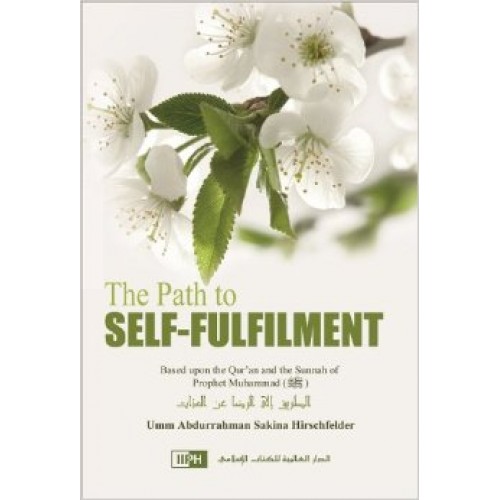
The Path to Self-Fulfilment (H/B)
RM38.00
Hurry up, Only 1 left.

Highlights:
somdn_product_page
Compare
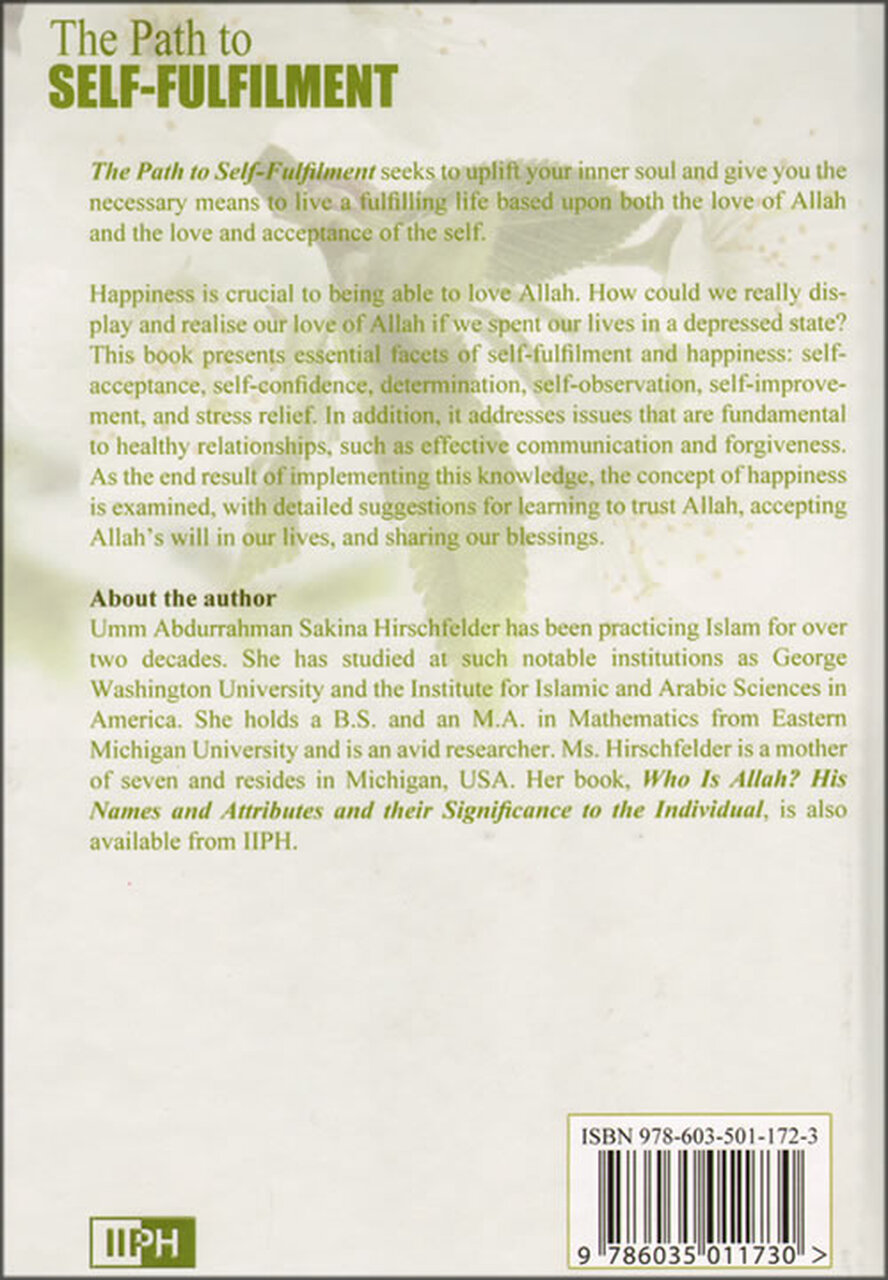
The Path to Self-Fulfilment seeks to uplift your inner soul and give you the necessary means to live a fulfilling life based upon both the love of Allah and the love and acceptance of the self.
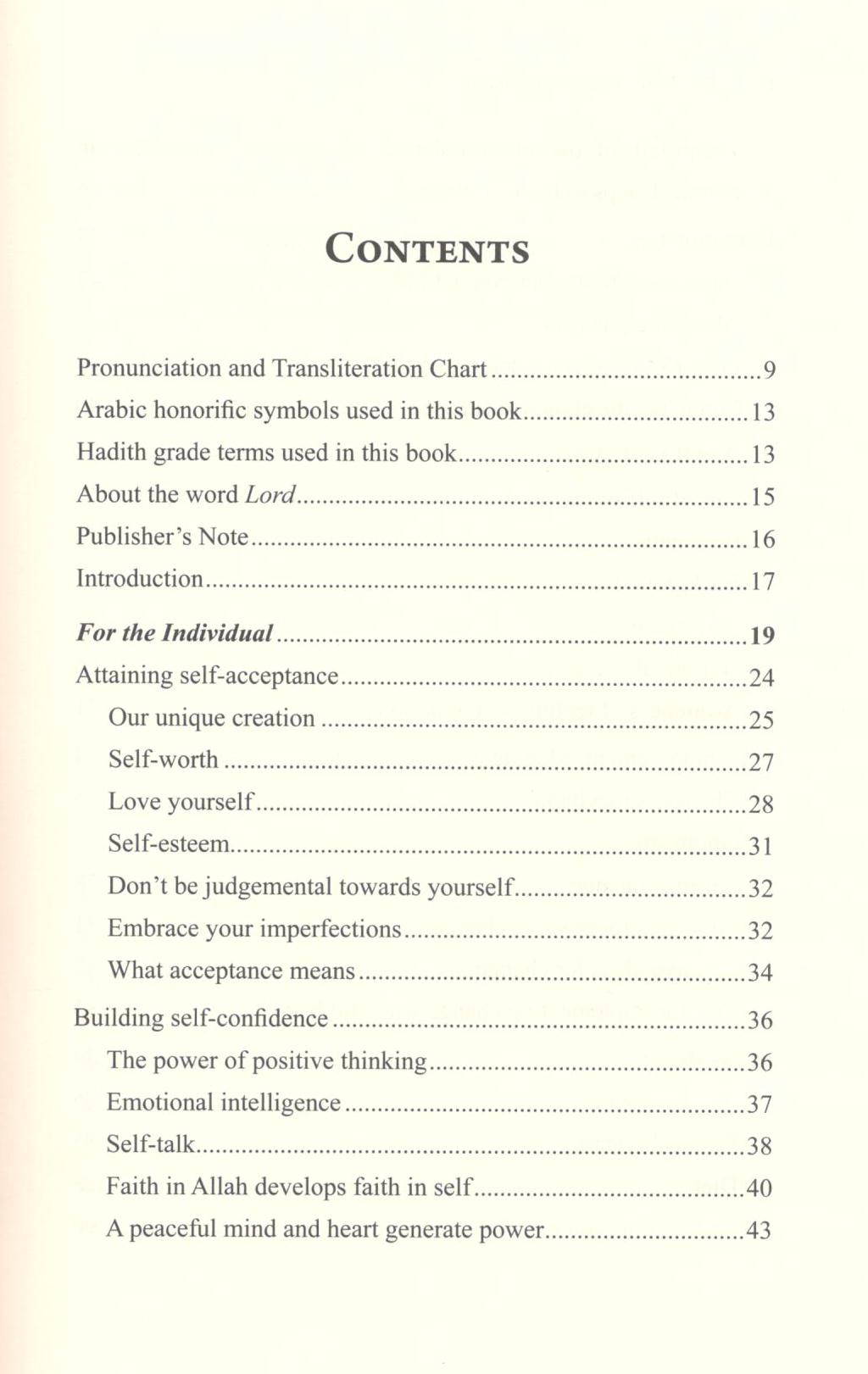
Happiness is crucial to being able to love Allah. How could we really display and realise our love of Allah if we spent our lives in a depressed state? This book presents essential facets of self-fulfilment and happiness: self-acceptance, self-confidence, determination, self-observation, self-improvement, and stress relief. In addition, it addresses issues that are fundamental to healthy relationships, such as effective communication and forgiveness. As the end result of implementing this knowledge, the concept of happiness is examined, with detailed suggestions for learning to trust Allah, accepting Allah’s will in our lives, and sharing our blessings.
Additional information
Reviews (0)
Be the first to review “The Path to Self-Fulfilment (H/B)” Cancel reply
You must be logged in to post a review.
Related Products
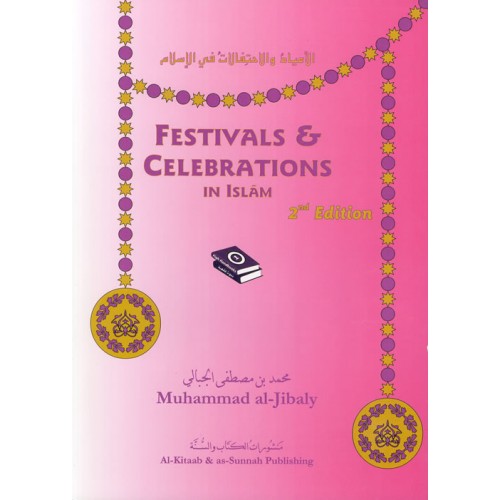
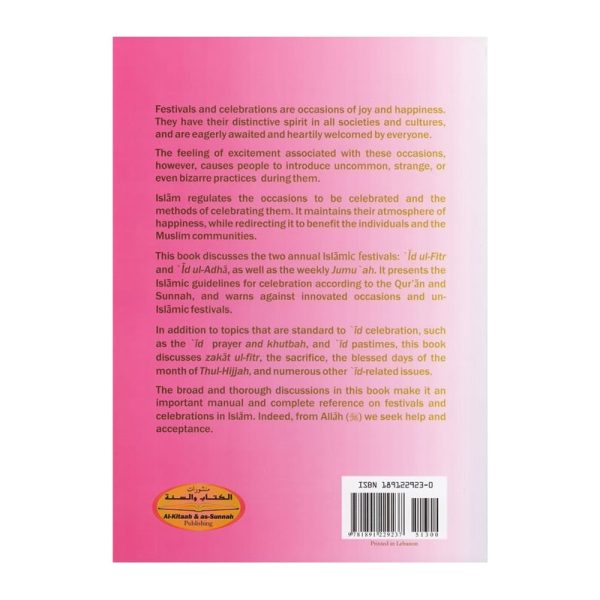
Festivals & Celebrations In Islam
5 ★
5 ★
1 Rating
5 ★
1
4 ★
0
3 ★
0
2 ★
0
1 ★
0
Highlights:
Festivals and celebrations are occasions of joy and happiness. They have their distinctive spirit in all societies and cultures, and are eagerly awaited and heartily welcomed by everyone.
The feeling of excitement associated with these occasions, however, causes people to introduce uncommon, strange or even bizarre practices during them.
Islam regulates the occasions to be celebrated and the methods of celebrating them. It maintains their atmosphere of happiness, while redirecting
This book discusses the two annual Islaamic festivals: Eid ul-Fitr and Eid ul-Adhaa as well as the weekly Jumu’ah. It presents the Islaamic guidelines for celebration according to the Quraan and Sunnah, and warns against innovated occasions and un-Islaamic festivals.
In addition to topics that are standard to ‘Id celebration, such as the ‘Id prayer and khutbah, and ‘Id pastimes, this book discusses zakat-ul-fitr, the sacrifice, the blessed days of the month of Thul-Hijjah, and numerous other ‘Id-related issues.
The broad and thorough discussions in this book make it an important manual and complete reference on festivals and celebrations in Islam. Indeed, from Allah (swt) we seek help and acceptance.
RM51.00
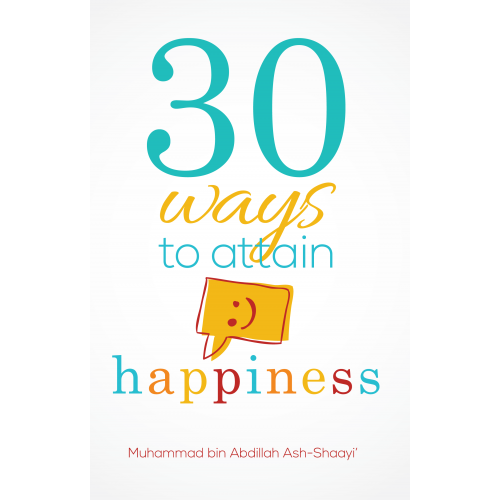
30 Ways To Attain Happiness (3rd Edition)
5 ★
5 ★
1 Rating
5 ★
1
4 ★
0
3 ★
0
2 ★
0
1 ★
0
Highlights:
This great book is guidance for all especially the Muslims society in our daily life as it present the ways of dealing with the daily life cycle, accepting the pasts and bracing for tomorrows based on the teaching of the Qur’an and Sunnah
RM15.00
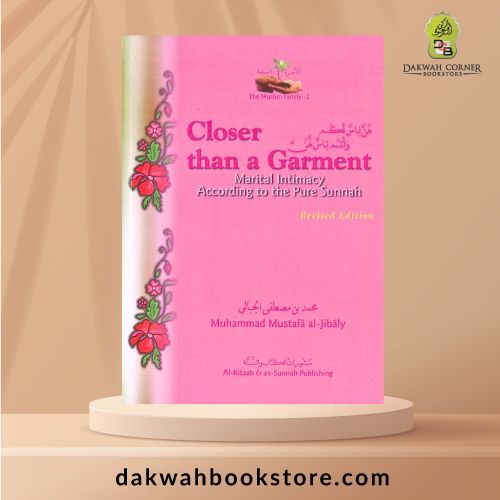
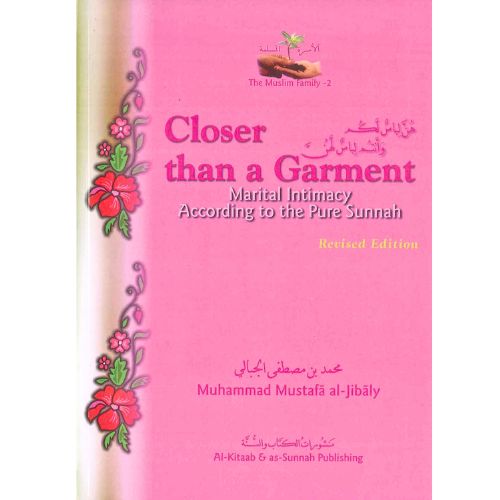
Closer Than A Garment (P/B)
4 ★
4 ★
1 Rating
5 ★
0
4 ★
1
3 ★
0
2 ★
0
1 ★
0
RM41.00
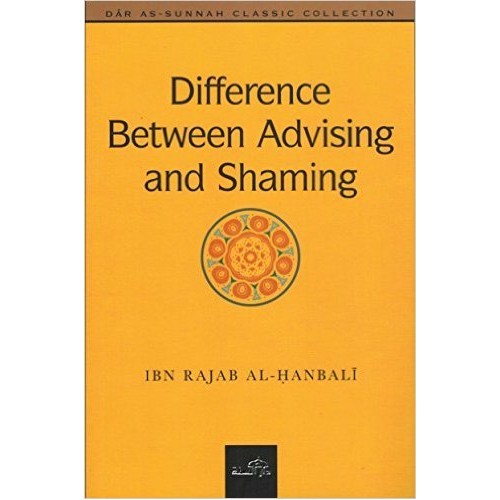
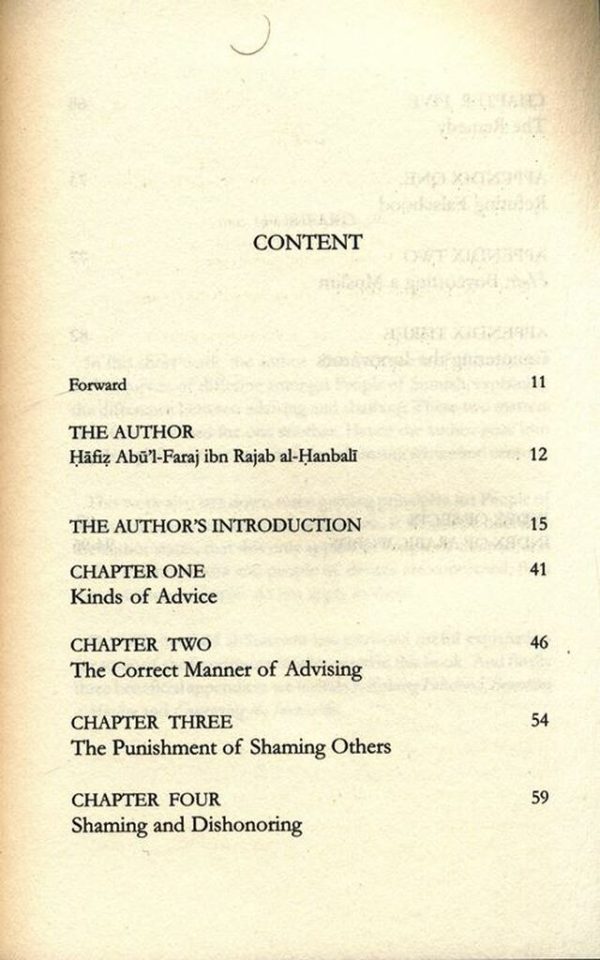
Difference Between Advising And Shaming ( Dar as-Sunnah)
4.5 ★
4.5 ★
2 Ratings
5 ★
1
4 ★
1
3 ★
0
2 ★
0
1 ★
0
Highlights:
[This book] beautifully illustrates the difference between advising that is encouraged and shaming that is not permitted.
RM40.00


33 Ways of Developing Al-Khushoo`: Humility and Devotion in Prayer
5 ★
5 ★
1 Rating
5 ★
1
4 ★
0
3 ★
0
2 ★
0
1 ★
0
Highlights:
Shaykh Muhammad Salih al-Munajjid’s little book is perhaps one of the most widely-circulated among Muslims today. This is because the topic touches worshippers where it hurts—we know that we often lapse into an automatic sort of prayer when we lose concentration. The Shaykh points out that this loss of concentration really stems from a lack of humility and devotion—in Arabic, khushoo‘. His aim in writing this book is to help us to get back that khushoo‘. His step-by-step approach makes it simple. He gives practical advice and uses the excellent example of the prayer of the Messenger of Allah (blessings and peace be upon him) to guide us, so that as worshippers, we can truly return to a state of humility and devotion before the Lord.
RM15.00
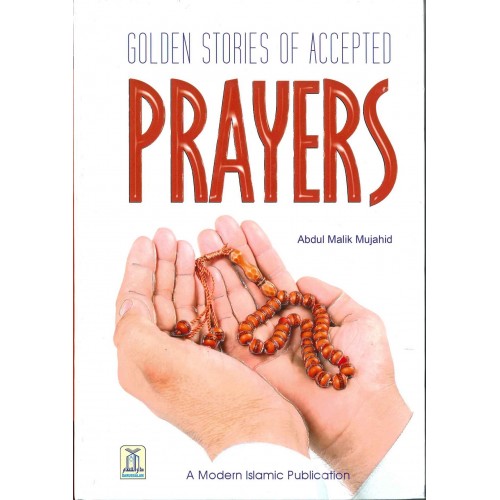
Golden Stories of Accepted Prayers
5 ★
5 ★
1 Rating
5 ★
1
4 ★
0
3 ★
0
2 ★
0
1 ★
0
Highlights:
What are invocations? In a real sense these are requests which come from the bottom of our hearts to Allah Almighty. Allah is always ready and happy to receive prayers from anyone at any time.
If you’re facing any difficulties or trouble you should immediately turn to Allah for help. The best invocations are those narrated by the Prophet (S). If you don’t speak Arabic, you can pray in your mother tongue.
When we pray we should feel assured that Allah will accept our requests. We should do so with complete sincerity and devotion.
Prayers can be made at any time, but there is a greater possibility our prayers will be accepted if we do so at specific times.
RM68.50
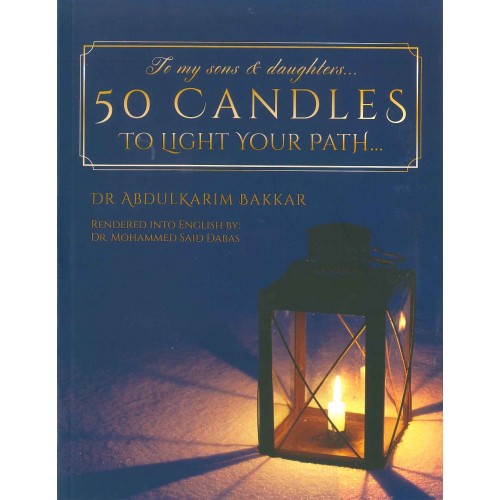
50 Candles To Light Your Path (P/B)
5 ★
5 ★
2 Ratings
5 ★
2
4 ★
0
3 ★
0
2 ★
0
1 ★
0
Highlights:
One goal brings them together : how to improve the well-being of our sons and daughters, how to aid them towards threading the path of guidance to engender their excelling in their academic, work and other facets of life.
RM36.00
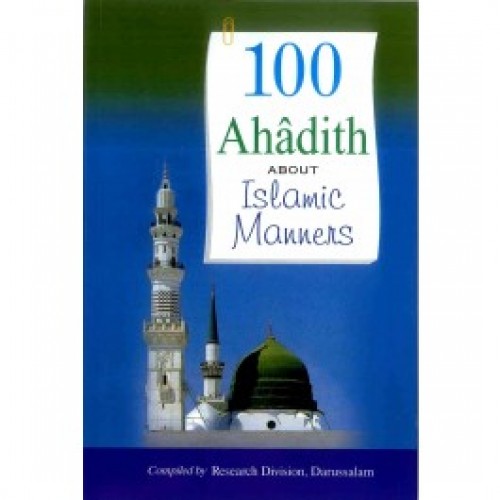
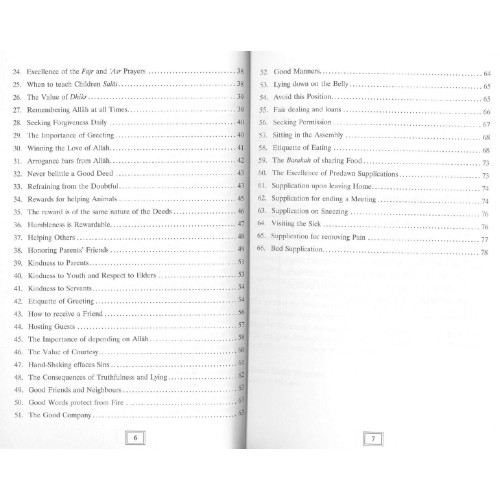
100 Ahadith about Islamic Manners
4 ★
4 ★
2 Ratings
5 ★
0
4 ★
2
3 ★
0
2 ★
0
1 ★
0
Highlights:
An extract of 100 Ahadith from famous collections of Ahadith (Sahih Al Bukhari, Sahih Muslim, At-Tirmidhi, Riyad-us-saliheen and others). The distinguishing feature of this book is the selection of its chapters that persuade the good morals and behaviour.
A moral and spiritual revolution begins to happen in the mind and conduct of the readers as their study progresses. We hope that this selection of Ahadith will initiate the readers to follow Islamic teachings throughout their life.
RM11.00
One Hundred Pieces of Advice
3 ★
3 ★
1 Rating
5 ★
0
4 ★
0
3 ★
1
2 ★
0
1 ★
0
Highlights:
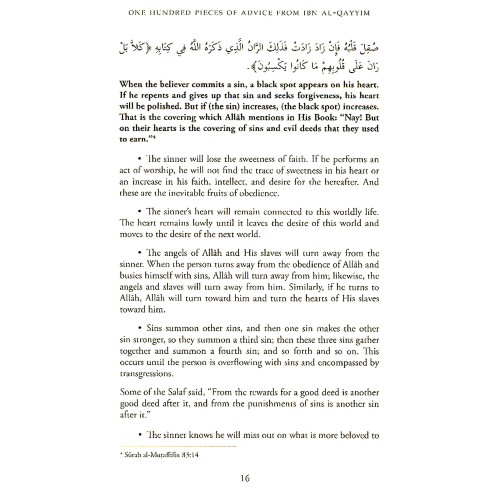
One hundred treasured advices extracted from the writings of the illustrious scholar, Imām Ibn al-Qayyim (may Allāh have mercy upon him): Ten ways to acquire Allāh’s love Ten ways to be patient and avoid sins Ten ways to be patient during a calamity Ten benefits to lowering your gaze Ten ways sins are expiated Ten barriers between the slave and his Lord Ten reasons knowledge is not put into action Ten ways to open your heart Ten ways to protect against envy Ten ways to protect against the plots of the Shayṭān
RM48.00
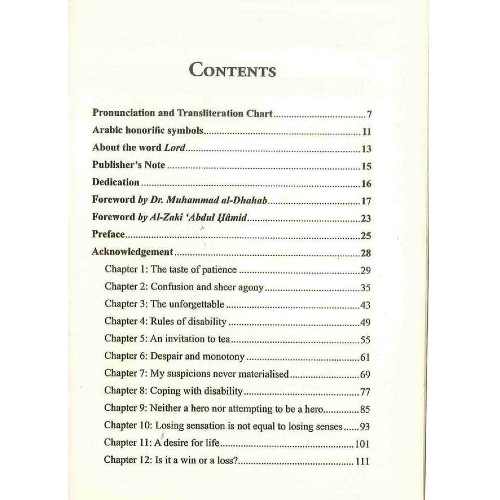
A Taste of Patience
3 ★
3 ★
1 Rating
5 ★
0
4 ★
0
3 ★
1
2 ★
0
1 ★
0
Highlights:
The writer is a survivor of an accident that altered his life. He is a man who managed to overcome adversity and transform bitterness into personal success, as his literary gains outweighed his physical restrictions. Where his physical condition limited his movements, his creative writing opened up a new horizon that enabled him to freely interact with his readers.
This is a real-life account of how a human being can overcome obstacles, giving effect to the epithet: ‘What does not kill me makes me stronger.’ The autobiography defines patience in two ways: first, as a bitter experience and then second, as the ability to tolerate and turn one’s misfortune into investment. The accident that the writer suffered has paralysed his body, but at the same time it has unleashed his writing talents. (Yousef el-Sharoni, Egypt)
RM38.00


Backbiting and Its Adverse Effects
4 ★
4 ★
1 Rating
5 ★
0
4 ★
1
3 ★
0
2 ★
0
1 ★
0
Highlights:
This is a revised and updated edition of Backbiting (formerly entitled Gossip and its Adverse Effects). The translator, Huda Khattab, explains: The Qur’an states: {…nor speak ill of each other behind their backs. Would any of you like to eat the flesh of his dead brother? No, you would abhor it…} (Qur’an 49: 12) We cannot escape the fact that backbiting affects us all. We have all been victims and, we must be honest, we have all been guilty of this sin. But it is not a matter to be taken lightly; backbiting can wreck lives and shatter communities. Islam is a practical faith that recognizes the human condition and offers achievable remedies to the problems that beset us. Every human society faces the problem of backbiting, and Islam shows us how to tackle it in a sensible and humane manner. Husayn al-Awayishah has researched this topic in depth, and has presented a concise guide to the evils of backbiting and what can be done about it. This book may make for uncomfortable reading, but the topic is one that every one of us has to face up to.
RM11.00
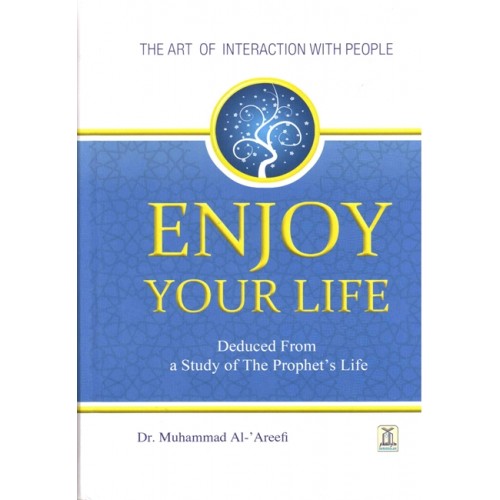
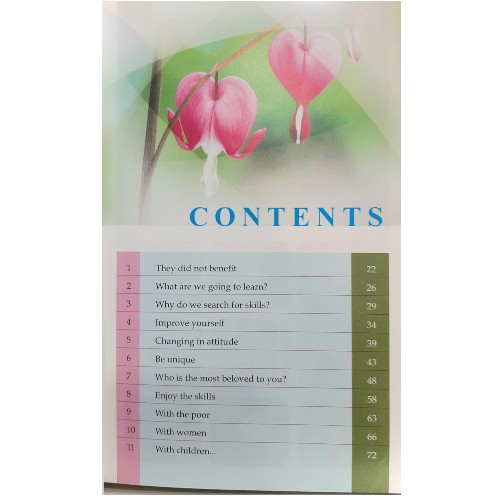
Enjoy Your Life (Full Color) – Darussalam
Highlights:
This is an exquisite collection of incidents from the life of the Prophet (S), stories from our Islamic Heritage, and thought-provoking anecdotes from the life of the author. The aim of the book is to train the reader to enjoy living his life by practicing various self-development and inter-personal skills. What is so compelling and inspiring about this book is that, in order to highlight the benefit of using social skills, the author draws from the lives of the Prophet (S) and his Companions. This book is both a practical systematic guide to self-improvement and a treasure trove of historical incidents. It increases self-awareness, whilst nurturing the soul and strengthening the spirit. The books author is a prominent figure in the field of Islamic Dawah and has authored more than twenty published works.
RM82.00
Recently Viewed
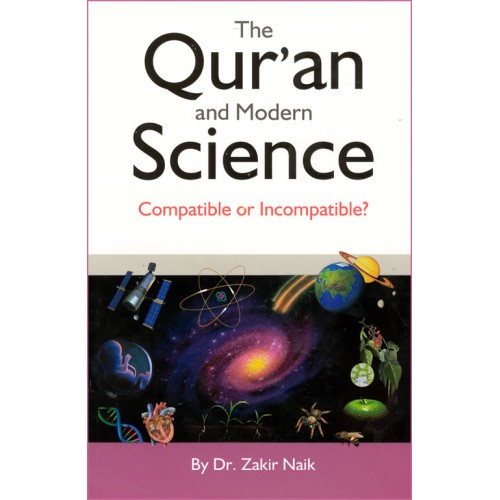
The Quran & Modern Science: Compatible or Incompatible? (P/B)
Highlights:
Ever since the dawn of human life on this planet, Man has always sought to understand Nature, his own place in the scheme of Creation and the purpose of Life itself. In this seek for Truth, spanning many centuries and diverse civilizations, the course of history has been determined to a large extent by organizing religion which has shaped human life. While some religions have been based on books as claimed by their adherents to be divinely inspired, others have relied only on human experience.
The main source of the Islamic faith, Al-Qur’an, is a book believed by Muslims, to be of fully Divine origin. It is also believed by Muslims that it contains Divine guidance for all humankind. As the message of Quran is believed to be for all times, it should be relevant to every age. Does the Qur’an pass this test? I intend to give an objective analysis of the Muslim belief in this booklet regarding the Divine origin of the Qur’an, in the light of established scientific discoveries.
In the history of world civilization there was a time when ‘miracles’, or what was perceived to be a miracle, took precedence over human reason and logic. But how do we define the term ‘miracle’? A miracle is anything that takes place out of the normal course of life and for which humankind has no explanation. Though, we must be careful before we accept something as a miracle. An article in `The Times of India’, Mumbai, in 1993 reported that ‘a saint’ by the name ‘Baba Pilot’ claimed to have stayed continuously submerged under water in a tank for three consecutive days and nights.
But he refused the reporters to examine the base of the tank of water where he claimed to have performed this ‘miraculous’ feat. He argued by asking as to how one could examine the womb of a mother that gives birth to a child. The `Baba’ was hiding something and it was considered to be a gimmick simply to gain publicity.
Certainly, no contemporary man with even the slightest inkling towards rational thinking would accept such a ‘miracle’. We would have to accept Mr. P.C. Sorcar, the world famous magician known for his ingenious magical tricks and illusions, as the best god-man if such false miracles are the tests of divinity.
A book, claiming Divine origin, is in effect, claiming to be a miracle. Such a claim should be easily verifiable in any age, as per the standards of that age. It is believed by the Muslims that the Quran is the last and final revelation of God, the miracle of miracles revealed as a mercy to humankind. Both Quran and science are related. Let us therefore scrutinize the veracity of this belief.
RM26.00

Faatimah & Ahmed An Extraordinary Journey
5 ★
5 ★
1 Rating
5 ★
1
4 ★
0
3 ★
0
2 ★
0
1 ★
0
Highlights:
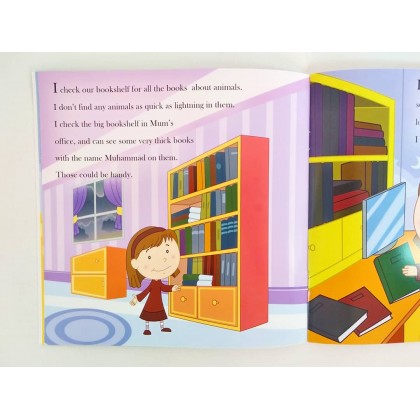
Faatimah and Ahmed are watching the lightning during a storm. There is an animal that is named after the Arabic word for lightning – Al Buraq. Faatimah wants to know more about it! Join Faatimah and Ahmed as they discover more about Buraaq, and the extraordinary journey Prophet Muhammad SAW went on.
RM17.00

[CB]I Say As-Salamu’Alaykum
Highlights:
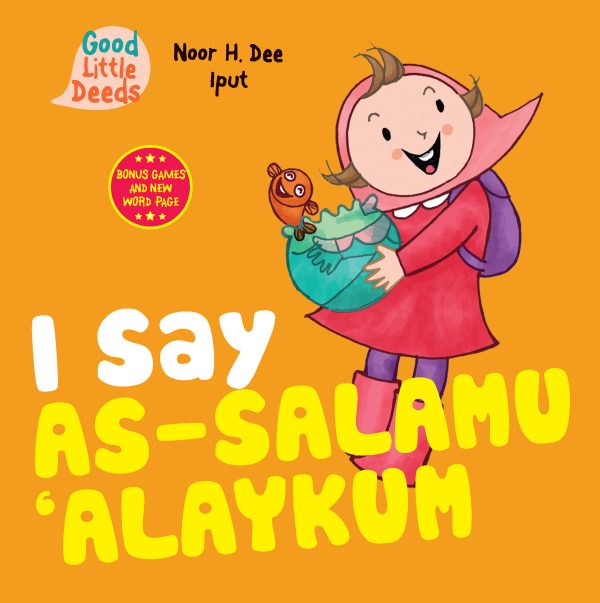
The phrase translates to “Peace be upon you”. An extended, more formal version is As-salamu ʿalaykum wa-raḥmatu -llāhi wa-barakātuhᵘ̄, meaning “May the peace, mercy, and blessings of God be upon you”.
Nabil and Noura are going to the park. Along the way Nabil greets the gardener and park ranger. Now Noura wants to say, ‘AS-SALAMU ‘ALAYKUM!’ Who, or what, will she salam?
RM40.00
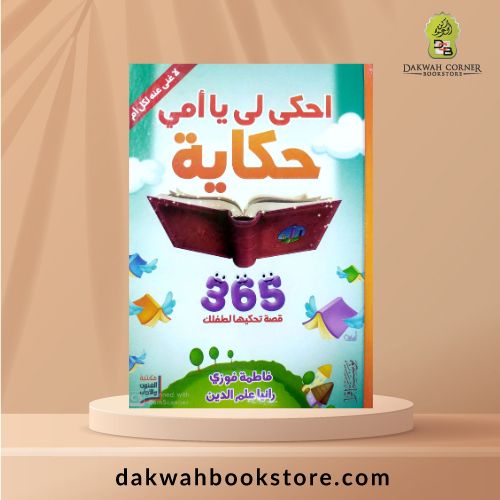
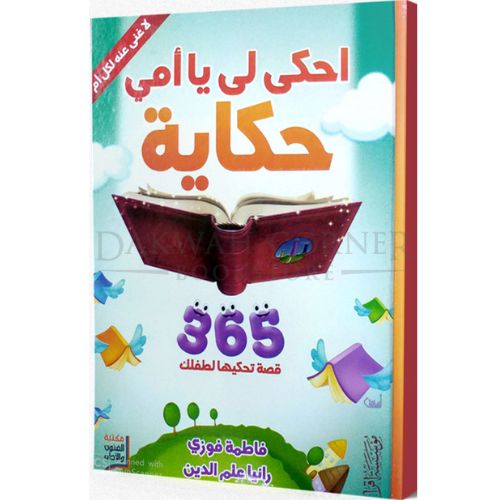
[CB] Ihki Li Ya Ummi Hikayah / احكي لي يا امي حكاية
Highlights:
احكي لي يا أمي حكاية: 365 قصة تحكيها لطفلك، فاطمة فوزي ورانيا علم الدين
RM60.00
There are no reviews yet.