

| Weight | 0.12 kg |
|---|---|
| Author | |
| Publisher | Darussalam |
| Pages | 80 |
The Nature of Fasting
Previous product
The Islamic Awakening (H/B)
RM73.45 RM113.00
5 ★
5 ★
1 Rating
5 ★
1
4 ★
0
3 ★
0
2 ★
0
1 ★
0
RM14.00
Hurry up, Only 3 left.

Highlights:
somdn_product_page
Compare
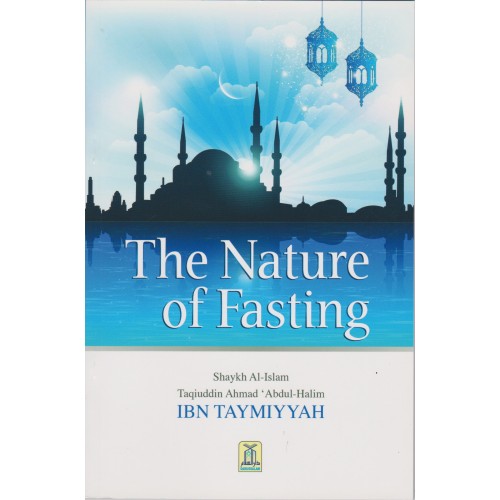
This book will help the reader better understand the fine points about fasting. What is the nature of the things that break the fast? What are the rules by which one can know the difference between what breaks the fast and what does not?
These question are more answered by Shaykh Al-Islam Ibn Taymiyyah in his discussion of the Nature of Fasting.
Publishers Note All praise is due to Allah, and may He grant peace and blessings upon His Last Messenger Muhammad.
This is a translation one of the smaller publications from the works of Shaykh Al-Islam Taqiuddin Ahmad bin ‘Abdul-Halim Ibn Taymiyyah. It has been published in this form a variety of times with a number of minor additions to the text under the title, “Hagigatus-Siyam,” or, “The Nature of Fasting.” We have revised our version to meet the source section of Majmu’ AI-Fatawa (25:219) from where it appears that the original booklet – with the exception of the questions, of which most appear on earlier pages – has been taken. We have inserted brackets to signify the additions, which earlier publishers probably took from other sections of his writings. We have also added brief references to the text for the Hadiths. I would like to express gratitude to brother Ebrahim Aly Ma’rouf for the original translation of this booklet, and the Darussalam staff for their editing and layout work.
Additional information
Reviews (1)
5 ★
1 Rating
5 ★
1
4 ★
0
3 ★
0
2 ★
0
1 ★
0
Add a review Cancel reply
You must be logged in to post a review.
Related Products


Fiqh Course: Tahaarah, Salaah & Janaa’iz
Highlights:
This course was compiled for English-speaking Muslims and is especially beneficial for new Muslims. It covers tahârah (purification), salâh (prayer) and janâ‘iz (funerals). It is set out in an easy-to-understand manner, citing evidence from the Qur’an and authentic hadiths. The aim of this book is to provide the reader with a correct, yet uncomplicated guide to the performance of the aforementioned acts of worship. Allah willing, it is the first in a series which will cover all aspects of worship and Islamic jurisprudence.
RM46.00


Ibn Ashur Treatise on Maqasid al-Shariah (P/B)
Highlights:
Ibn Khaldun, the fourteenth century Arab historiographer and historian, is viewed as a founder of modern historiography, sociology and economics. He lived during a turbulent part of history, and out of his experiences, he ?conceived and created a philosophy of history that was undoubtedly the greatest work ever created by a man of intelligence…?. This work tells of the period of unrest in Ibn Khaldun?s life marked by political rivalries. It is during this turbulent period which provided him with the opportunity to write the Muqaddimah (or Prolegomena), earning him an immortal place among historians, sociologists and philosophe
RM72.00


Hajj & Umrah (Pocket Guide) – English Version
5 ★
5 ★
2 Ratings
5 ★
2
4 ★
0
3 ★
0
2 ★
0
1 ★
0
Highlights:
A useful pocket guide that includes the rites of Umrah,Hajj, and visiting Madinah.
RM14.00

Islamic Rules of Order (P/B)
Highlights:
Organizations must have rules of order to facilitate their debate and to fill in the procedures not detailed by their constitutional documents. While most American organizations are content to operate by Robert’s Rules of Order, Muslim organizations have often wrestled with questions over whether the rules of order systemized by a Western military figure are in accord with the Qur’an and the Sunnah.
This book tackles the matter directly and takes into account the Qur’an, the sunnah, Islamic manners and the history of Islamic consultation and leadership to provide a simple, practical guide to organizational procedure that can be incorporated into the governance of Muslim organizations. The book includes advice on writing bylaws and on complying with the best practices of the U.S. Dept. of Justice in a way that is Islamically authentic, transparent, and accountable. It provides a basic starting point for any Muslim organization while allowing for flexibility so that organizations may make any variations they require within their own bylaws and constitution, so that it can accommodate differing schools of thought on Islamic law. In its discursive approach it is an essential primer for understanding the value of rules of order and the Islamic context for their application. The Islamic Rules of Order has been adopted as the rules of order of the Association of Muslims Social Scientists.
RM50.00


Zakah According to the Quran & Sunnah (Darussalam)
Highlights:
Zakah, the third Pillar of Islam, is probably the first Pillar of its economic system. It represents the first and most important mechanism to implement economic justice and to provide sustenance to the economically unfortunate, two issues for which Islam is especially sensitive. These two issues are the essence of this book. This book consists of all the main issues of Zakat (i-e, Zakah on Gold, Silver, Paper Money, Livestock, Fruits, Grains, Rented Land, Buried treasures, Minerals, Trade, Shares, Stocks, and Exploited Assets etc). The main objective of this work is to serve an easy and authentic reference to the reader.
RM65.00

Islamic Fatawa Regarding Women (H/B)
Highlights:
Women face a lot of special problems regarding their menses, postpartum bleeding, istihada, hijab, mixing with men, rights & duties with respect to their husband, husband’s household, children, inheritance, marriage, divorce, etc
More than 350 of such problems & issues have been answered in this book by Grand Mufti of Saudi Arabia Sheikh Ibn Baz, and the eminent scholars like Sheikh Ibn Uthaimin, Sheikh Ibn Jibreen and others.
.
RM56.00


Principles of Islamic Jurisprudence (2nd Revised Edition)
Highlights:
This book offers a detailed presentation of the theory of Muslim law (usul al-figh). Often regarded as the most sophisticated of the traditional Islamic disciplines, Muslim jurisprudence is concerned with the way in which the rituals and laws of religion are derived from the Qur’an and the Sunna – the precedent of the Prophet. Revelation, which is given to man to restore unity and help him achieve a just and devout order in society as well as in the soul, must be interpreted so as to render it practicable in every culture, while not betraying its spirit and immutable provisions. To achieve this, additional sources of legal authority are recognized, including consensus (ijma), analogical deduction (qiyas), public interest (maslaha) and local customary precedent (urf). In employing these, the jurist guards the five principles which it is the purpose of Islamic law to uphold, namely, the right to life, sound mind, property, lineage and religion.
RM75.00


Common Mistakes Regarding Prayer – IIPH
Highlights:
Formal prayer (salat) is the second pillar of Islam, and the most important of a Muslim’s acts of worship. Prophet Muhammad (PBUH) said: “The first of one’s actions for which a slave of Allah will be held accountable on the Day of Judgment will be one’s prayers. If they are correct and accounted for, then he (or she) will have succeeded (gained paradise); and if they are lacking, then he (or she) will have failed (lost paradise). If there is something defective in his (or her) obligatory prayers, the Lord will say: ‘See if my slave has any supererogatory prayers with which that which was defective in his (or her) obligatory prayers may be completed. Then the rest of his (or her) deeds will be judged in like manner.” (At-Tirmidhi and others) Shaykh Mashhur Hasan Salman has compiled a list of the most common errors that we make when we pray, discussing and explaining each one. This book is a valuable aid to Muslims hoping to perfect their prayers, so that their prayers may be free of defects and acceptable to Allah. This new and revised edition of the English translation of his work presents the text in a fluent, highly readable style.
RM38.00


The Concise Presentation of the Fiqh of the Sunnah and the Noble Book
Highlights:
Written by Dr. Abdul-Azeem Badawi and translated by Jamal al-Din M. Zarabozo, The Concise Presentation of the Fiqh of the Sunnah and the Noble Book covers the fiqh of diverse topics like purity, prayer, fasting, zakah, pilgrimage, marriage, business transactions, foods, inheritance, criminal offenses, and jihad. Dr. Badawi relies only on the Quran and the Sunnah, making it an authentic Islamic book on fiqh and a collection of sound hadiths.
RM90.00


Getting the Best Out of Hajj
Highlights:
The book provides a realistic view of Hajj as it is today, with detailed explanations of all the rites. It provides Figh related issues about Hajj, Salah and personal behaviour according to the Quran and Sunnah, to enable you to obtain the best value for your time spent in the holy cities. It also provides information and suggestions about planning for the journey, what to expect and how to survive, so you can depart with full confidence. This is a must have for all those planning to go on Hajj!
RM75.00

The Problems of the Illegitimate Child (P/B)
Highlights:
This book addresses the views of the Sunni scholars regarding the importance of genealogical relationship (nasab) in Islamic family law and examines the role of legitimacy on the basis of the legal maxim “al-walad li al-firash”, evidence (al-bayyinah), and doubtful intercourse (wat’ shubhah). It also elucidates the views of the Sunni schools of law on how to establish illegitimacy. For the Sunni jurists, there are several situations that determine the illegitimacy of the child. A child is considered illegitimate if its birth is the outcome of adultery (zina) or the result of legitimate union but accompanied with imprecation (li‘an). Other circumstances include the birth of the child taking place in less than six lunar months, the father of the child being categorized as one who is incapable of begetting, or the birth as a result of marital relationship considered unlawful because of consanguinity. The book also deals comprehensively with the moral, religious, legal and other aspects of the illegitimate child and the foundling in the works of the Sunni jurists. The status and rights of the illegitimate child and the foundling in the Islamic family law of Malaysia and Brunei are also discussed by referring to some provisions from Federal Territory Act 1984 (Act 303) and Brunei law.
RM49.00

Worship In Islam: An In-depth Study of Ibadah, Salah and Sawm (P/B)
Highlights:
Worship in Islam is in-depth study of the nature and significance of Islamic spirituality by Abul A‘la Mawdudi (1903–79), one of the leading Muslim intellectuals of the twentieth century, with special reference to the concepts of God’s Oneness (tawhid), the finality of Prophethood (risalah) and the Islamic system of worship (‘ibadah) with a focus upon prayer (salah) and fasting (sawm) and their role in the development of the Islamic personality and Islam’s social order. The distinguishing feature of Mawdudi’s approach is his elaboration of the social dimension of worship, which extends the traditional approach found in Islamic jurisprudence, with its focus upon ritual and self-purification, to consider worship’s transformative role in social life. Presenting a holistic view of the Islamic system, Mawdudi highlights Islam’s social, economic and political dimensions, which he argues has the capacity to resolve emergent issues and problems that humankind faces.
This historic text should be of wider interest to both students and specialists in contemporary Islamic thought, and includes an introduction by Professor Anis Ahmad.
Edited and translated into accessible English by Ahmad Imam Shafaq Hashemi, this book is an authoritative compilation by a leading Islamic twentieth-century revivalist on the central matter of worship’s role in Islam.
RM84.00
Recently Viewed
The Life of Muhammad
Highlights:
This biography of Prophet Muhammad, peace and blessings be upon him, is the first written by a contemporary Muslim scholar. It includes complete coverage of the Prophet’s life, a detailed analysis of pre-Islamic Arabia, the situational context of revelation and a comparative study of the basics of Islamic and western civilizations. The author, Muhammad Husayn Haykal, is well known to the Arabic readers. His other works include The Life of Abu Bakr, The Life of Umar al-Faruq and The Home of Revelation. The translator, Ismail Raji al-Faruqi, was an authority on Islam and comparative religion.
RM69.00
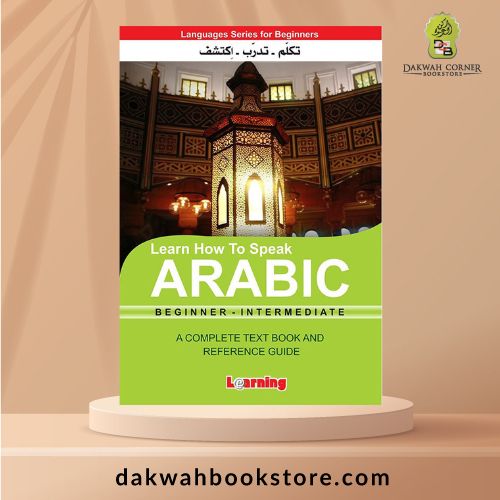
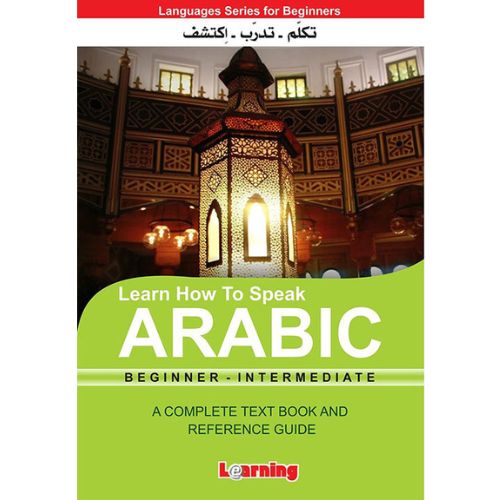
Learn How To Speak Arabic: Beginner – Intermediate (Small Book)
Highlights:
An educational series for modern languages designed for beginners and those planning to travel to new countries.
Covers language fundamentals—including key phrases and expressions—as well as pronunciation, vocabulary, basic grammar, and everyday conversation.
RM15.00
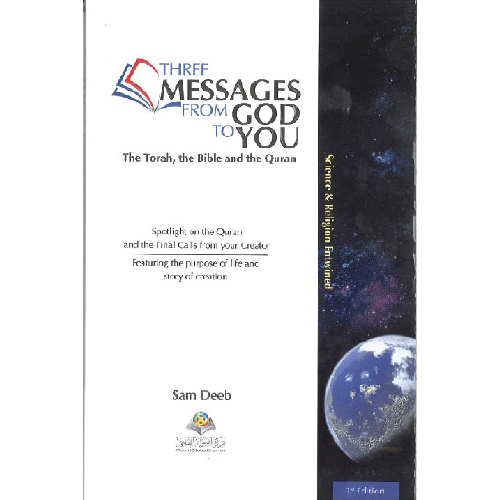
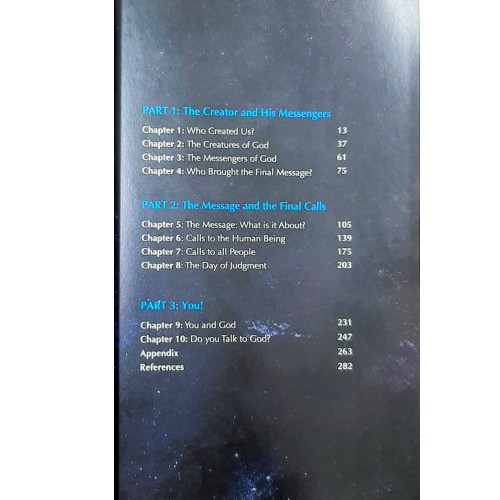
Three Messages from God to You
Highlights:
● Who created the universe? Who created us and the beings on the earth? Who gave life to billions of creatures on our plant? Is He our God? What is His name? Are there other creators than Him?
● Why do we live on the earth? What is the purpose of life? Did our creator really send us messages? What does He want to inform us? Are these messages true?
● Are the Torah, the Bible and the Quran true divine books? Are they related? Do they contain true Messages from God to us? Is there a final testament?
● Why all creatures die? Is there another life after death? Do we return to our Creator? Why?
RM25.00
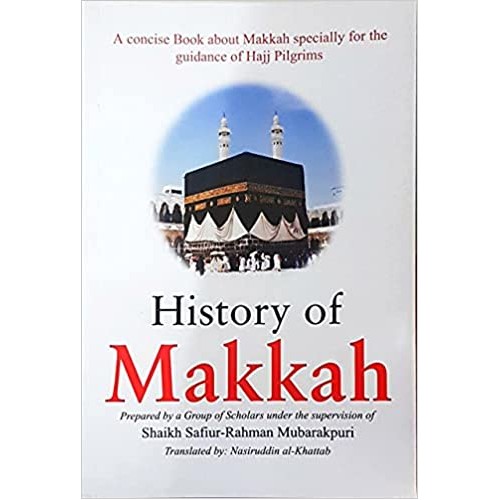
History of Makkah – Darussalam
Highlights:
This book…
- Mentions the different aspects of Makkah, and records the most important historical events that have direct effect on the establishment and sacredness of Makkah as well as its religious weight.
- Highlights the sites that are highly important whenever Makkah is mentioned like the Black Stone, Zamzarn Well and others.
- Designates a great part of the book speaking about the Holy Ka’bah and the Holy Mosque updating the extensions and the improvements, that have taken place from the time of Muhammad (S) to the Saudi era.
- At the end of the book there is a complete appendix about Hajj and its rites.
RM30.00
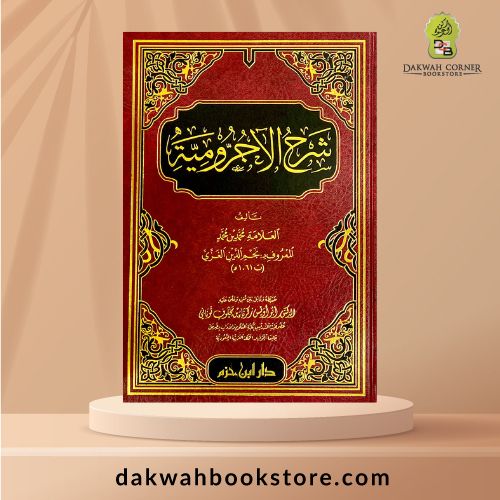
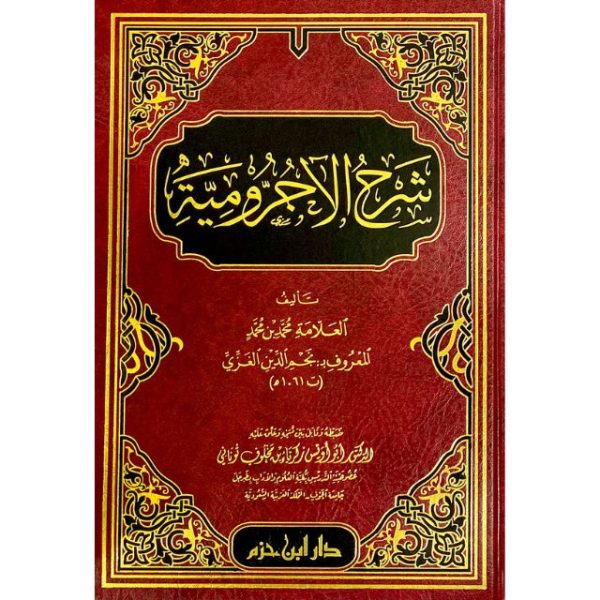
[ALA] Sharh Al Ajrumiah / شرح الآجرومية
Highlights:
نبذة
يعتير هذا كتاب من أهم وأقدم الكتب في علم النحو حيث شاع المتن الآجرومية في أرجاء الأرض، وكثرت عليه الشروح والأنظام والحواشي والإعرابات والمتممات. ومن بين هذه الشروح هذا الشرح الوجيز الذي بين أيدينا فقد سلك فيه مؤلفه مسلك المحققين والمحررين في اخراجه والاستفادة منه وإفادة المتبحرين في اللّغة العربية..
RM50.00
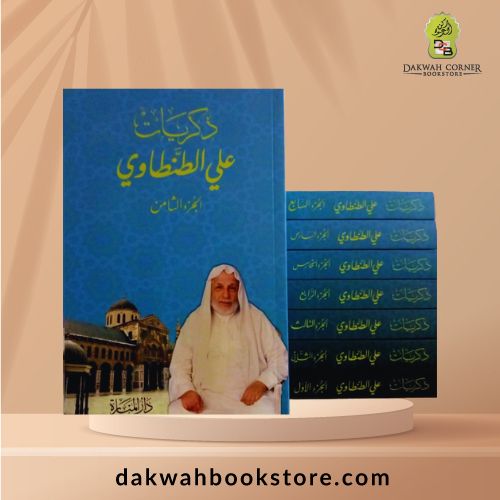
[SB] Dhikrayat Ali at-Tantawi (8 Vols) /الذكريات (بأجزائها الثمانية).. غلاف
Highlights:
413 Pages : الجزء الأول
406 Pages : الجزء الثاني
413 Pages : الجزء الثالث
408 Pages : الجزء الرابع
401 Pages : الجزء الخامس
413 Pages : الجزء السادس
412 Pages : الجزء السابع
404 Pages : الجزء الثامن
RM350.00
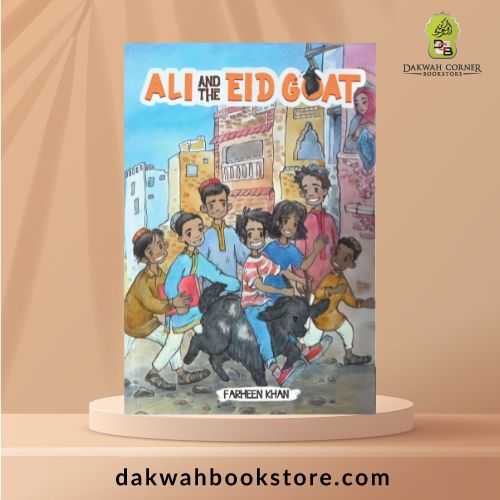
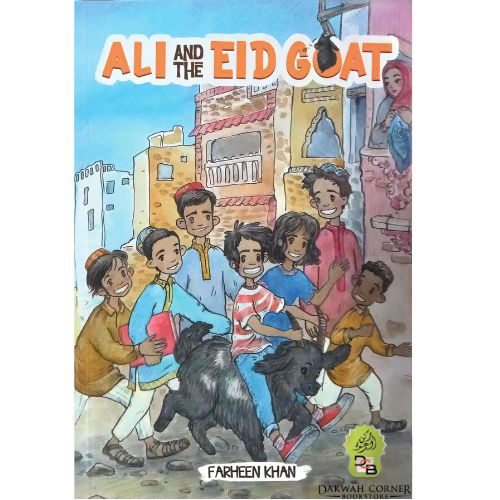
Ali and the Eid Goat ( Ali’s Inspiring Stories)
Highlights:
Ali and the Eid Goat:
5 books in the series, where 9-year-old Ali and his best friend Bear as they navigate through life’s many hair-raising and often hilarious misadventures. From an epic gladiator battle to saving a mischievous baby gibbon’s life, the Ali Series explores themes of friendship, loyalty, and bravery.
RM45.00
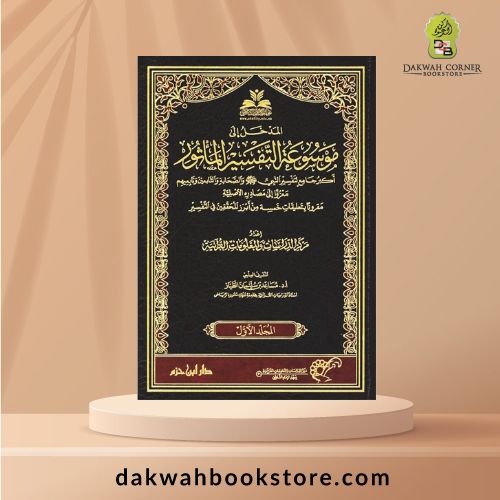
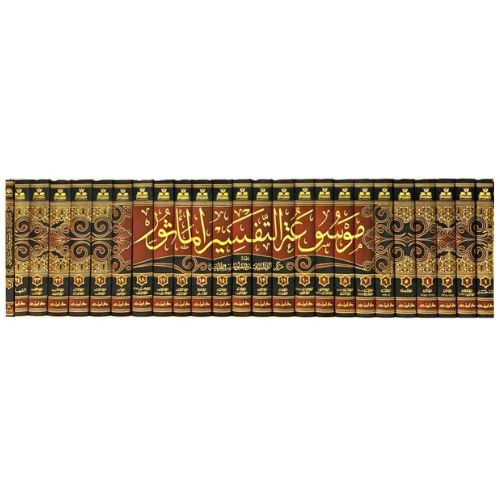
[QQ] Mausuah Al Tafsir Al Mathur 25 Vol / موسوعة التفسير المأثور 25 مجلدات
Highlights:
Pre Order
Delivery will be after September 09, 2024
Retail Price RM2850 ( Pre Order Only RM2700)
Pre-Order Terms and Conditions
- Pre-orders require payment to be made at checkout.
- Please note that due to the nature of pre-order items, we will not be accepting cancellations.
- If you combine in-stock and pre-ordered items, ALL items will be shipped at once when all pre-ordered items are available. No separate delivery is allowed.
- Once you place an order with us, it means that you are willing to accept these terms & conditions.
RM2,850.00
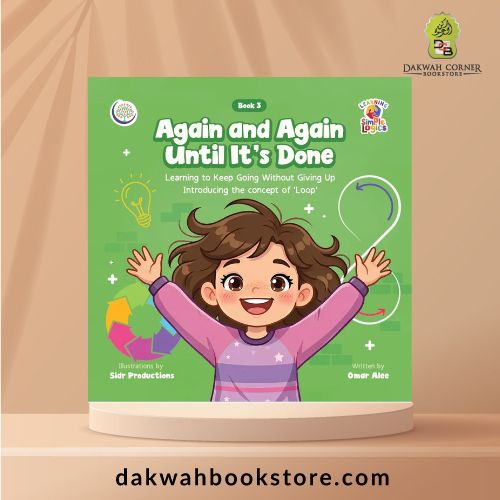

Again And Again Until It’s Done
Highlights:
This story shows the power of repetition and persistence. Whether practising, cleaning up, or completing a task, children learn that repeating an action helps them reach their goal. The book encourages patience, consistency, and confidence through everyday examples.
RM20.00
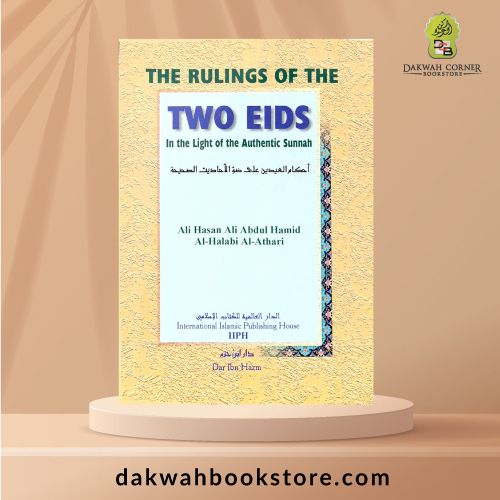
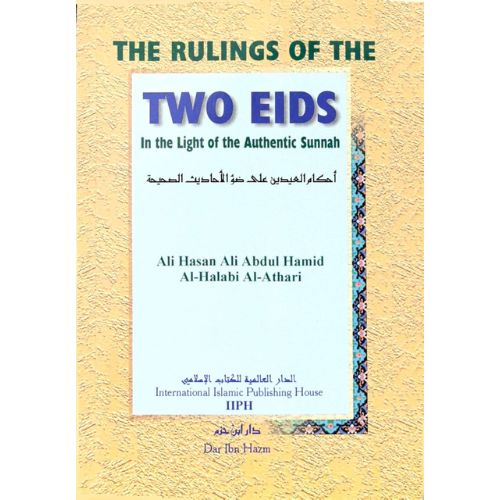
The Rulings Of The Two Eids
Highlights:
Islam the religion revealed by Allah the All-Merciful did not ignore the human need for entertainment and allowed pleasure. The Two Eids are two occasions on which people show and feel happiness. After performing Hajj, the Muslim enjoys the Eid festival and eats his sacrifice meat. After Ramadan, the breakfast (Fitr) festival is another occasion for happiness, love and entertainment.
RM13.00
mhakimhanafi (verified owner) –
O you who have believed, decreed upon you is fasting as it was decreed upon those before you that you may become righteous. (al-Baqarah 2:183)
This book provides a clear explanation on the details of fasting and how ones’ fast may be broken or be invalid, and situations where a person may be required to break their fast, based on the Quran, the hadith, and the views of the 4 madhabs.
What can be derived from the book is that Allah only wants ease for His servants, even while performing acts of worship.
May this book benefit others as it has benefited me.
Jazakallah khayran.