

| Weight | 0.12 kg |
|---|---|
| Author | |
| Publisher | Darussalam |
| Pages | 80 |
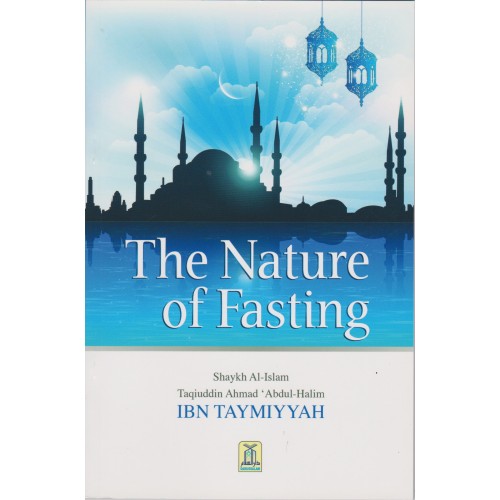
The Nature of Fasting
Previous product
The Islamic Awakening (H/B)
RM73.45 RM113.00
5 ★
5 ★
1 Rating
5 ★
1
4 ★
0
3 ★
0
2 ★
0
1 ★
0
RM14.00
Hurry up, Only 3 left.

Highlights:
somdn_product_page
Compare
This book will help the reader better understand the fine points about fasting. What is the nature of the things that break the fast? What are the rules by which one can know the difference between what breaks the fast and what does not?
These question are more answered by Shaykh Al-Islam Ibn Taymiyyah in his discussion of the Nature of Fasting.
Publishers Note All praise is due to Allah, and may He grant peace and blessings upon His Last Messenger Muhammad.
This is a translation one of the smaller publications from the works of Shaykh Al-Islam Taqiuddin Ahmad bin ‘Abdul-Halim Ibn Taymiyyah. It has been published in this form a variety of times with a number of minor additions to the text under the title, “Hagigatus-Siyam,” or, “The Nature of Fasting.” We have revised our version to meet the source section of Majmu’ AI-Fatawa (25:219) from where it appears that the original booklet – with the exception of the questions, of which most appear on earlier pages – has been taken. We have inserted brackets to signify the additions, which earlier publishers probably took from other sections of his writings. We have also added brief references to the text for the Hadiths. I would like to express gratitude to brother Ebrahim Aly Ma’rouf for the original translation of this booklet, and the Darussalam staff for their editing and layout work.
Additional information
Reviews (1)
5 ★
1 Rating
5 ★
1
4 ★
0
3 ★
0
2 ★
0
1 ★
0
Add a review Cancel reply
You must be logged in to post a review.
Related Products


Fiqh According To The Quran & Sunnah (2 vol)
Highlights:
The complete set, ‘Al-Lubab Fee Fiqh As-Sunnah Wal-Kitab,’ contains all of the books of Islamic Fiqh and its chapters, accompanied by evidence and is presented in a clear and simple manner, in order that they may be understood by the young and the old, without blindly following any of the schools of Jurisprudence, but rather being subject to authentic proofs and following the most authoritative opinions, without fanatical adherence to any particular group. Rather the author agrees with each group when the truth is with them and contradicts them when they veer from that which is correct.
Fiqh is to achieve access to knowledge of that which is unclear through knowledge of that which is proven, so it is more specific than mere knowledge or learning. And fiqh is knowledge of the juristic law. It is said Faquha -A man has acquired understanding and so he has become a Faqeeh (A scholar of Islamic Jurisprudence); and it is said Faqiha – He has understood it, i.e he has attained understanding of it, and it is said Tafaqqaha – he has devoted himself to the acquisition of (Islamic) Knowledge and specialized in it. Fiqh has been a subject of contention among the scholars as well as layman throughout the history of Islam.
RM180.00


Funerals Regulations and Exhortations (H/B)
Highlights:
Our soul inevitably follows a route starting from birth, passing through death, and ending with our resurrection in the next life. The inevitable journey discusses over a sequence of titles: sickness, inheritance, funerals, Life in Barzakh and so on…
RM75.00


Fast According to the Quran & Sunnah
Highlights:
Saum (Fast) is a third Pillar of Islam. Allah’s Messenger said, Allah says: “Every deed of the son of Adam is for him, except Saum (fasting). It is for Me and I shall reward for it.”
As the status of this act of worship is so high it is essential to learn the pilings pertaining to this month of fasting so that Muslims will know what is obligatory in order to do it, what is forbidden to avoid it, and what is permissible so that they do not unnecessarily subject themselves to any hardship by depriving themselves from it.
This book consists of all the main issues of Fast. The main objective of this work is to serve an easy and authentic reference to the reader.
RM35.00

Worship In Islam: An In-depth Study of Ibadah, Salah and Sawm (P/B)
Highlights:
Worship in Islam is in-depth study of the nature and significance of Islamic spirituality by Abul A‘la Mawdudi (1903–79), one of the leading Muslim intellectuals of the twentieth century, with special reference to the concepts of God’s Oneness (tawhid), the finality of Prophethood (risalah) and the Islamic system of worship (‘ibadah) with a focus upon prayer (salah) and fasting (sawm) and their role in the development of the Islamic personality and Islam’s social order. The distinguishing feature of Mawdudi’s approach is his elaboration of the social dimension of worship, which extends the traditional approach found in Islamic jurisprudence, with its focus upon ritual and self-purification, to consider worship’s transformative role in social life. Presenting a holistic view of the Islamic system, Mawdudi highlights Islam’s social, economic and political dimensions, which he argues has the capacity to resolve emergent issues and problems that humankind faces.
This historic text should be of wider interest to both students and specialists in contemporary Islamic thought, and includes an introduction by Professor Anis Ahmad.
Edited and translated into accessible English by Ahmad Imam Shafaq Hashemi, this book is an authoritative compilation by a leading Islamic twentieth-century revivalist on the central matter of worship’s role in Islam.
RM84.00


Al-Jumu’ah: The Day of Congregation
Highlights:
In our busy lives, Friday comes around once a week. It often comes and goes without our being really aware of it. For many Muslim men, it may be punctuated by the congregational prayer that they make special efforts to attend. For many Muslim women, it may go by just like any other day. This ought not to be the case. In this unique book, Dr. Gowher Yusuf gives us reason to stop and think about how special Friday (al-Jumu‘ah) really is, and what we should be doing to achieve the many bounteous blessings it holds for those who observe it. Drawing constantly from the Qur`an and the Sunnah and the great works of the scholars of Islam, Dr. Gowher Yusuf explores this topic in depth and presents it to the reader in simple language for them to understand and ponder over. This book travels through the various issues pertaining to the Friday prayer and its Khutbah, or sermon. These issues are explained within the Islamic framework, thus abolishing any myths and misunderstandings and clarifying the topic for the reader. Dr. Yusuf writes: The day of the week known as al-Jumu‘ah, or simply Jumu‘ah, is Friday, and it is special. Compared to the other days of the week, Friday has been accorded the largest amount of merit, so much so that the father of all humankind, Prophet Âdam (peace be upon him), was created on this day and a particular prayer was ordered for this day. It was from the guidance given to Prophet Muhammad (blessings and peace of Allah be upon him) to magnify this day, honour it, and designate it for acts of worship. …On a Friday, we all will be gathered and will stand congregated in front of Allah, the Exalted, on the Day of Resurrection, also called the Day of Accountability or the Day of Judgement.
RM38.00


Funeral Rites In Islam (H/B)
Highlights:
The purpose of this book is to provide English speaking Muslims a concise and authentic compilation of the instructions regarding funeral rites in Islam.
RM35.00


The Ultimate Guide to Umrah by Darussalam
Highlights:
Based on the famous book ‘Getting the Best out of Hajj’ With special chapters on Umrah in Ramadaan & Visiting Madinah After Hajj, a Muslim considers Umrah to be the most significant worship that brings the opportunity of rewards and the blessings of visiting Ka’bah and the Prophet’s Mosque along with other sacred places one wishes to visit and try to feel the atmosphere present at the time of Allah’s Messenger (peace be upon him) and the hardships he had to bear while preaching Islam. During such a visit, a newcomer has to face many difficulties because of a lack of knowledge about the rites and places. To provide complete details about everything, a pilgrim wants to know, the first time this book has been compiled with the utmost care and research so as to make it useful in every respect.
RM55.00

Hajj & Umrah And Visitors (H/B)
Highlights:
Rites and Selected Etiquettes for those intending to Perfom Hajj & Umrah and Visitors In this book the author calls attention to the most important things that those who intend to perform Hajj, Umrah or Visiting the Prophets Mosque in Medinah must have as provisions. The author has made his work brief and arranged its topics according to their priorities. the author mentions a considerable number of sayings of the people of knowledge and calling the attention of the reader to some important matters.
RM45.00


Ibn Ashur Treatise on Maqasid al-Shariah (P/B)
Highlights:
Ibn Khaldun, the fourteenth century Arab historiographer and historian, is viewed as a founder of modern historiography, sociology and economics. He lived during a turbulent part of history, and out of his experiences, he ?conceived and created a philosophy of history that was undoubtedly the greatest work ever created by a man of intelligence…?. This work tells of the period of unrest in Ibn Khaldun?s life marked by political rivalries. It is during this turbulent period which provided him with the opportunity to write the Muqaddimah (or Prolegomena), earning him an immortal place among historians, sociologists and philosophe
RM72.00

Istihsan (P/B)
Highlights:
This work constitutes a critical analysis of classical and modern aspects of the concept of istihsan (juristic preference), an important principle in Islamic legal legislation throughout history. Although there has been many research works on the subject, it still requires further investigation on the role and nature of istihsan with regard to a combination of classical and modern approaches. Consisting of four chapters, the author begins by introducing some general principles of Islamic law, before discussing the history of istihsan during the time of the Prophet and his Companions. He also analyses the validity of istihsan as a source of law and discusses the differences among scholars on its method of implementation.
RM57.00

The Right to Education, Work and Welfare in Islam (P/B)
Highlights:
In The Right to Education, Work and Welfare in Islam Professor M.H. Kamali develops an Islamic perspective on three connected and complementary areas of rights and liberties. He urges that education is often a necessary ingredient of professional work even more so now than in earlier times when the range and variety of specialised knowledge were relatively limited. A person who acquires education, whether generally or at advanced levels of specialisation, is more likely to stand in a better position to enter the workforce and thus to contribute to the welfare of the community.
The author commences his discussions on education, work and welfare in Islam by focusing on how each is treated in the Qur’an; and follows this by the example of the Prophet and, after him, the Pious Caliphs who gave prominence to the education and welfare needs of people at times both of scarcity and affluence. Professor Kamali then moves forward to our time and discusses the right to education, the education of children, institutionalisation of learning, academic freedom and the debate between science and religion.
The section on work elaborates on the value of work, work ethics, workers’ and employers’ rights and responsibilities, and the role and responsibility of governments.
Finally, the section on welfare focuses on the importance in Islam of caring for those who are in need and the different forms of provision that can be made available by individuals, the state and charities.
RM63.00


Smoking Intoxicants & Narcotics (P/B)
Highlights:
This book deals with the epidemic of smoking, which enslaves many of today’s Muslims, and which is aggravated by that most victims belittle its dangers and deny its prohibition.
This book includes a discussions of intoxicants, establishing the prohibition of various practices associated with them, as well as penalties (in both lives) for those who partake in them.
This book also includes a discussion of narcotics, with an overview of marijuana and qaat (or khat). Based on their established effects and harms, we conclude that narcotics are strongly prohibited, except in very limited medical settings.
This book, we hope, will provide many Muslims with guidance toward a healthier, cleaner and worthies Islamic personality. My Allah grant us guidance and facilitation.
RM28.00
Recently Viewed
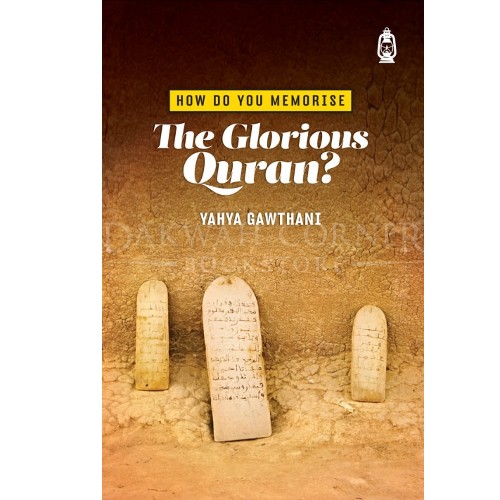
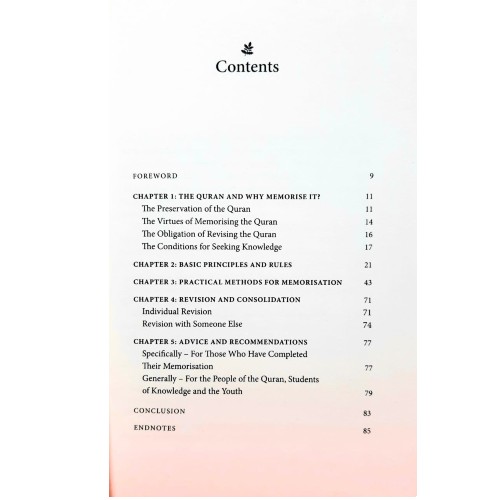
How Do You Memorise The Glorious Quran
Highlights:
Comprehensive but reader-friendly, How Do You Memorise the Glorious Quran is an indispensable guide for anyone who wants to memorise the Quran.
RM45.00
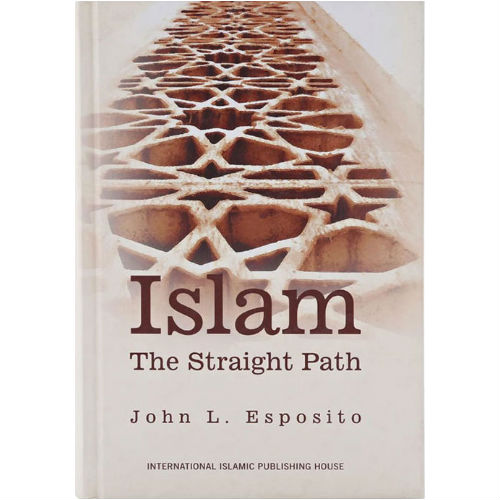
Islam The Straight Path
Highlights:
This updated version of Islam: The Straight Path includes a new Epilogue by John Esposito in which he addresses the impact 9/11 and its aftermath have had on both the Muslim and non-Muslim world, discussing Islam’s relationship to democracy and modernity and focusing more sharply on the origins and growth of extremism and terrorism in the name of Islam. This exceptionally successful survey text introduces the faith, belief, and practice of Islam from its earliest origins up to its contemporary resurgence. Esposito, an internationally renowned expert on Islam, traces the development of this dynamic faith and its impact on world history and politics, discussing the formation of Islamic belief and practice and chronicling the struggle of Muslims to define and adhere to their Islamic way of life. Lucidly written and expansive in scope, Islam: The Straight Path provides keen insight into one of the world’s least understood religions and is ideally suited for use in courses on Islam, comparative religions, and Middle Eastern history and culture.
RM91.00
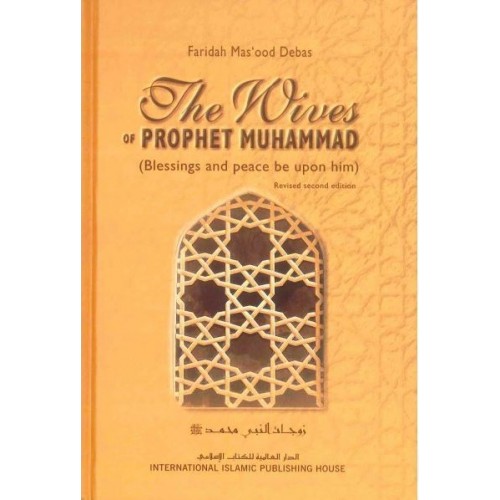

The Wives of the Prophet Muhammad (H/B)
Highlights:
Within this book, The Wives of Prophet Muhammad, is a wealth of captivating information about the distinguished wives of the Prophet (may Allah be pleased with them). Their lives are represented through vivid stories encompassing their lineage, history, and marriages to the Prophet (blessings and peace be upon him). From their hardships to their triumphs, their lives were filled with honesty, sincerity, and devotion to Allah. Their lives exemplify an ideal for which Muslims may strive. Each wife is honoured as an individual, with her life and her love of the Prophet (blessings and peace be upon him) directing her story. The author has compiled the statements of several scholars on this topic and added to this her own impassioned arguments, with which she dispels criticism by orientalists of the Prophet’s practice of polygyny. From a historical perspective, his life, along with those of his wives, authenticates his mission. His practice of polygyny, when investigated, reveals a deep wisdom behind his marriages that supported his efforts of teaching and spreading Islam. This edition is new and completely revised. It has been reorganized to make it easy to read while drawing out the most inspiring aspects of the lives of the honourable wives of the Prophet Muhammad.
RM65.00
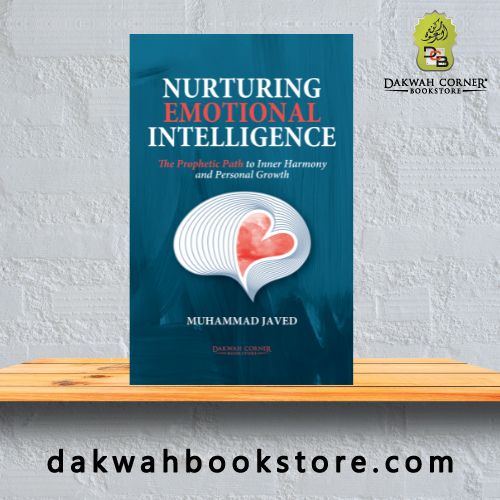
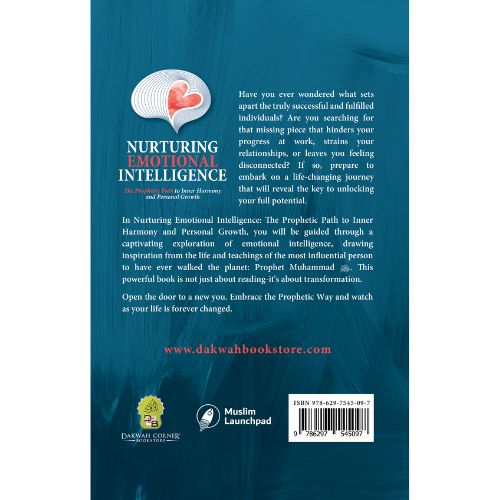
Nurturing Emotional Intelligence (New Cover)
Highlights:
Nurturing Emotional Intelligence
Have you ever wondered what sets apart the truly successful and fulfilled individuals? Are you searching for that missing piece that hinders your progress at work, strains your relationships, or leaves you feeling disconnected? If so, prepare to embark on a life-changing journey that will reveal the key to unlocking your full potential.
RM60.00
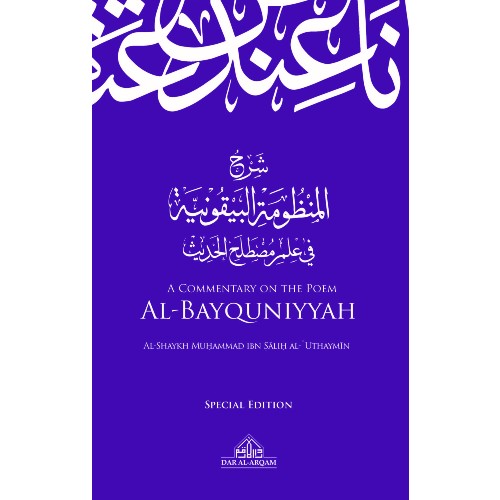
A Commentary On The Poem Al-Bayquniyyah
Highlights:
By Shaykh Ibn al-Uthaymeen
A commentary on the famous poem in the field of hadith sciences entitled al-Manzumah al-Bayquniyyah by Shaykh Muhammad ibn Saalih al-Uthaymeen (rahimullah).
RM100.00
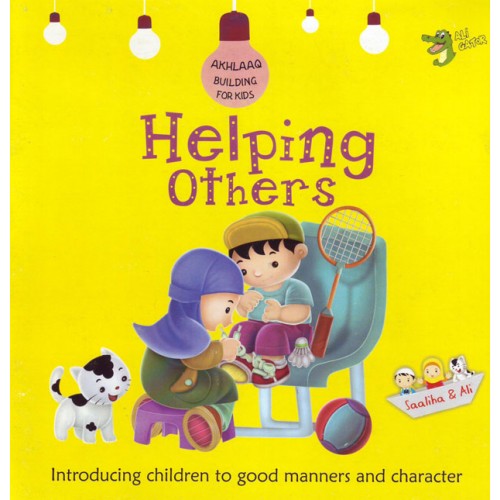
Helping Others (Akhlaaq Building Series)
Highlights:
Akhlaaq Building For Kids Series, featuring Saaliha & her younger brother Ali.
This series inspires children to develop good Manners through fun stories involving children like themselves.
HELPING OTHERS
Ali is blessed to have a caring big sister like Saaliha, she helps him in so many ways.
- Full Color
- Ages 3yrs – 8yrs
RM22.00
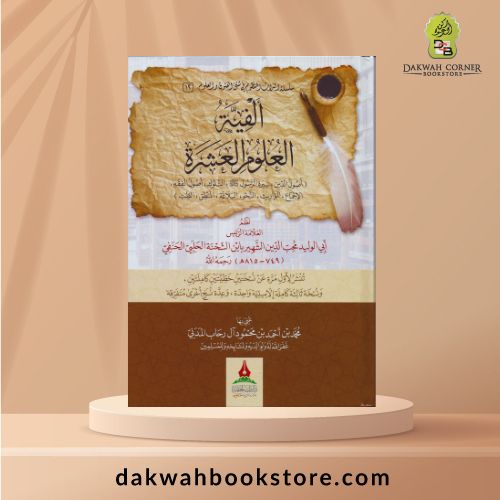
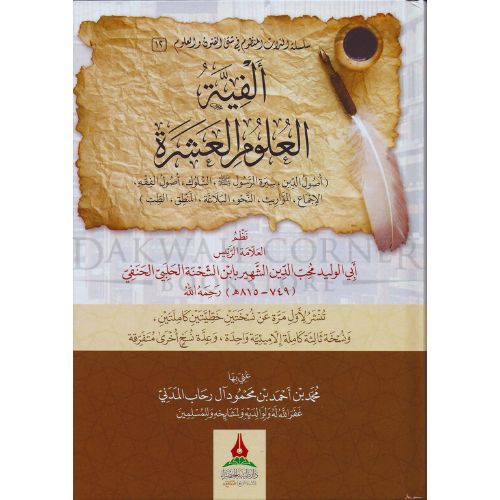
[AGB] Alfiyyat al-‘Uloom al-‘Asharah / ألفية العلوم العشرة
Highlights:
ألفية العلوم العشرة للإمام محب الدين ابن الشحنة الحلبي الحنفي
منظومة من ألف بيت نظمها العلامة ابن الشحنة الحلبي (ت. 815 هجري) تناولت أصول الدين، السيرة النبوية، السلوك، أصول الفقه، الإجماع، المواريث، النحو، البلاغة، المنطق والطب.
RM75.00
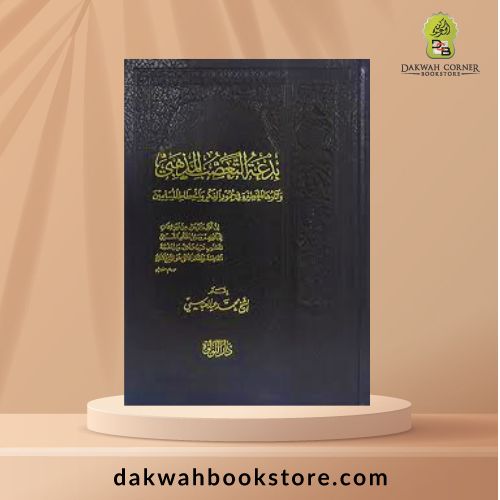
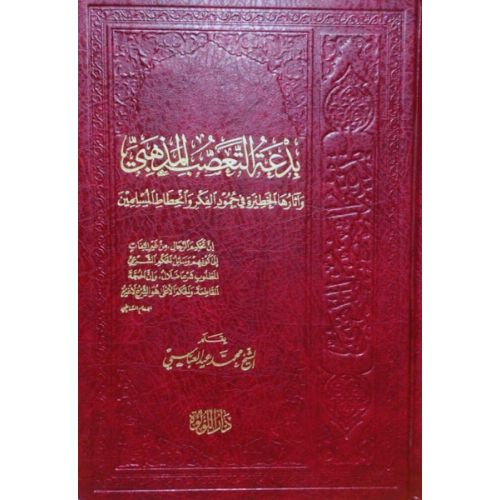
[AAC] Bidaah Al Taasub Al Madhhabi / بدعة التعصب المذهبي
Highlights:
بدعة التعصب المذهبي واثارها الخطيرة في جهود الفكر وانحطاط المسلمين
RM140.00
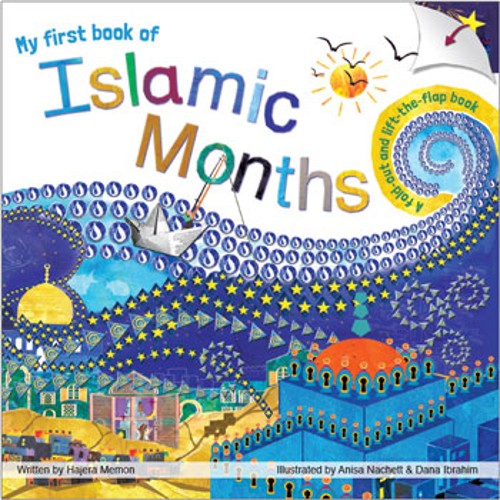
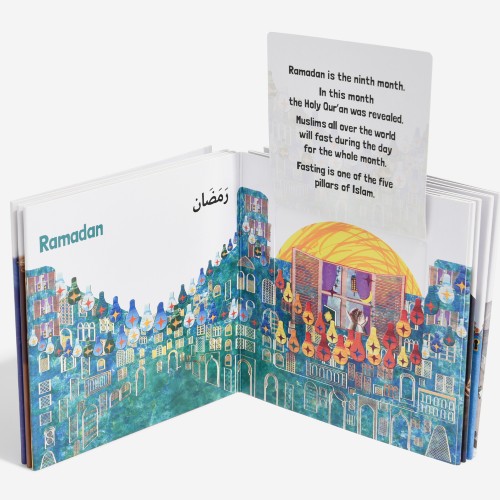
My First Book of Islamic Months
Highlights:
A Special Gift for Ramadan & Eid
Count your way through the Islamic months with this beautifully illustrated fold-out, lift-the-flap book.
RM80.00
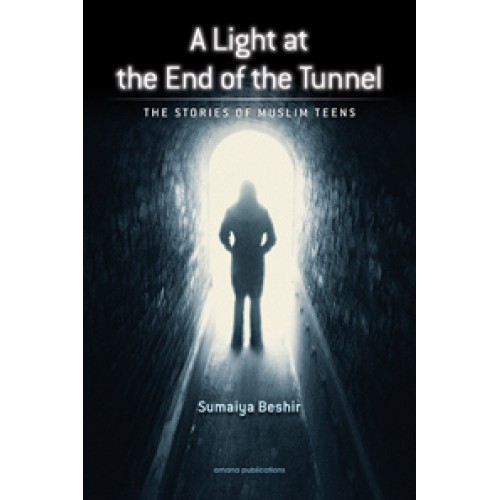
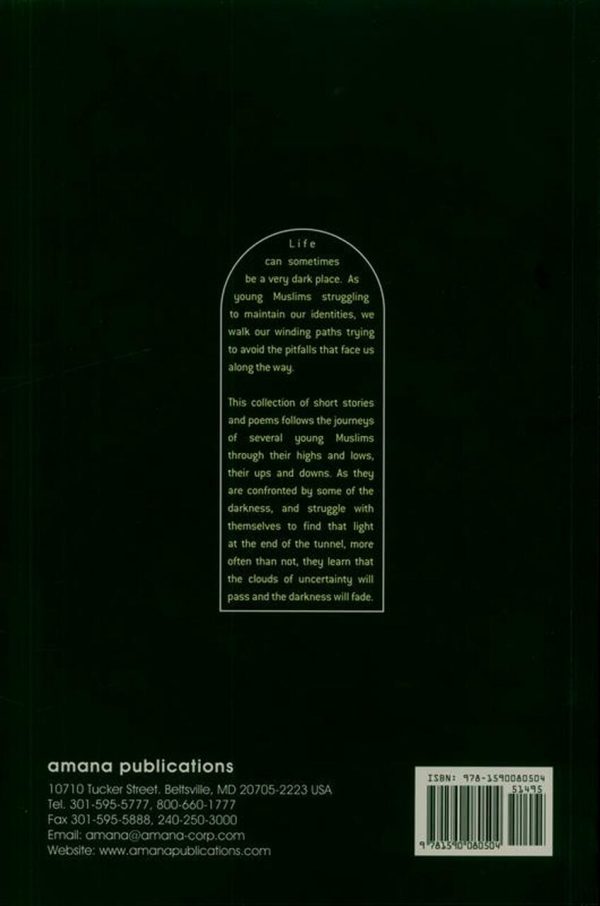
A Light at the End of the Tunnel (P/B)
Highlights:
The book features a collection of short stories written by Muslim teens. Through their stories they share the struggles and experiences they have faced on issues such as dating, friendship, hijab, respecting parents, clarifying misconceptions about Islam and defining one’s identity.
RM47.00
mhakimhanafi (verified owner) –
O you who have believed, decreed upon you is fasting as it was decreed upon those before you that you may become righteous. (al-Baqarah 2:183)
This book provides a clear explanation on the details of fasting and how ones’ fast may be broken or be invalid, and situations where a person may be required to break their fast, based on the Quran, the hadith, and the views of the 4 madhabs.
What can be derived from the book is that Allah only wants ease for His servants, even while performing acts of worship.
May this book benefit others as it has benefited me.
Jazakallah khayran.