| Weight | 0.435 kg |
|---|---|
| Author | |
| ISBN | 9781539004110 |
| Pages | 346 |
| Product Type | Book |
| Publisher | LeadUS |
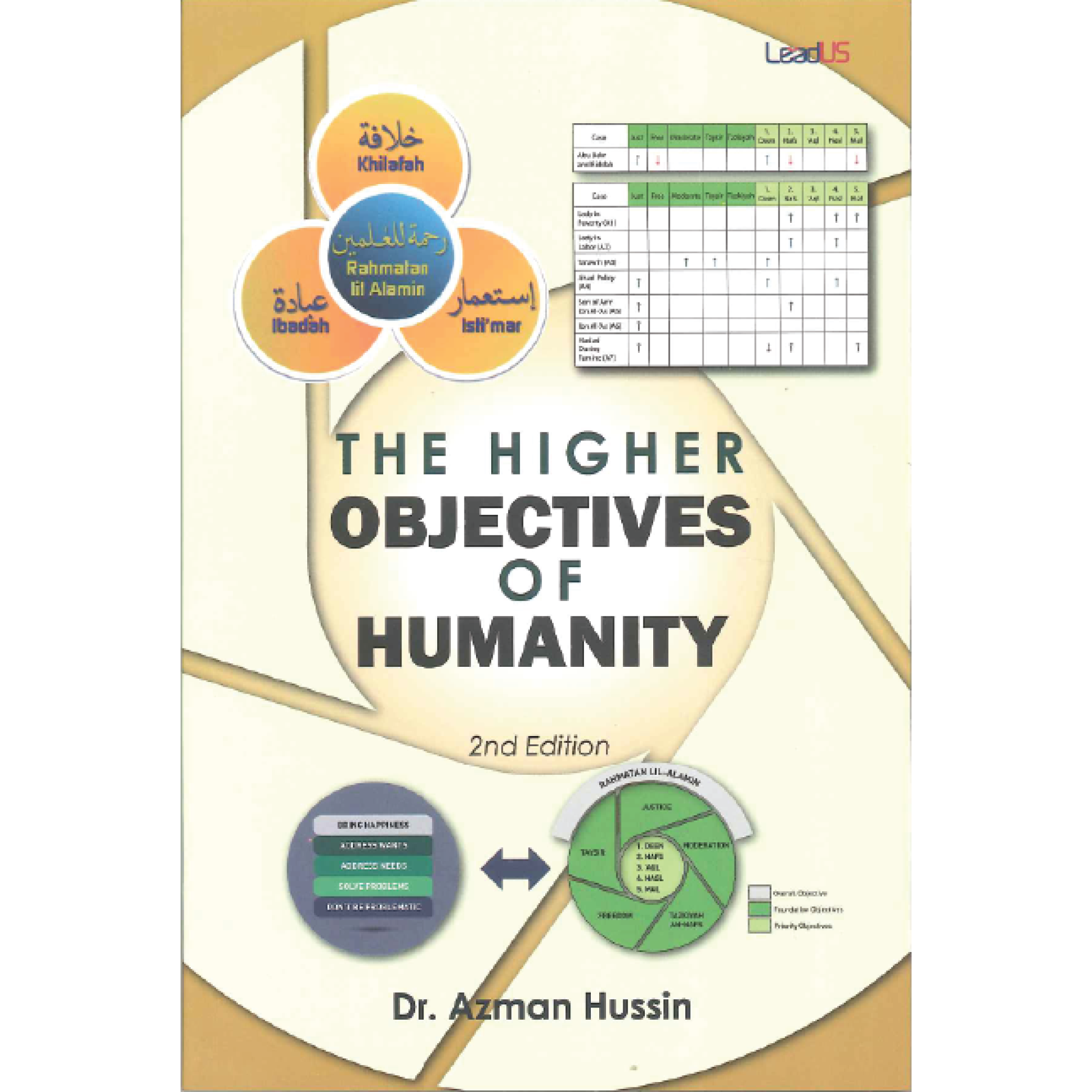
The Higher Objectives of Humanity
RM45.00
A video summary of this book can be found here: https://www.youtube.com/watch?v=YdNQxv_ODdc&t=26s This book discusses the why, what and how of Rahmatan lil-Alamin as the higher objective of humanity. It presents a practical understanding of the purpose of creation and humanity to improve the individual and collective well-being of Muslims and society. The intention is to re-introduce and re-emphasize the correct Islamic perspective of humanity. The first five chapters revisits the common understanding among Muslims as to why mankind is created. We show that the prevalent view that we are created to worship Allah (SWT) is incomplete. There is a higher and more noble purpose; Rahmatan lil-Alamin (mercy to the worlds). We next describe the what of Rahmatan lil-Alamin. The best role model of Rahmatan lil-Alamin is undoubtedly Prophet Muhammad (SAW), the last and final prophet and messenger, whom Allah (SWT) sent with a very clear purpose, “And We have not sent you but as a mercy to the worlds.” [21:107]. We present many examples from the history of Prophet Muhammad (SAW) and a collection of his (SAW) sayings and advice on being the best. The final chapters of the book deal with the how of Rahmatan lil-Alamin. We describe in detail how the Muslim can apply Rahmatan lil-Alamin daily in his or her life. We propose a practical model of Rahmatan lil-Alamin that we induced from the Quran. We also addressed how to apply Rahmatan lil-Alamin to a broader society by proposing a decision-making tool that can guide us as persons and as communities to make decisions that conform to the foundations and priorities of Rahmatan lil-Alamin. We present case studies from the history of the Companions using this decision-making model. This book seeks to establish a connection between Islam and civilization within a civilizational and ethical framework. We believe that a more proper and complete understanding of the Islamic view about humanity may present to us new perspectives of Islam and how Muslims should engage with fellow Muslims and people of other faiths. In fact, the implication of this new reinterpretation framework goes even further in that: any human civilization built on this framework is the most prosperous for the whole and also for the individuals in it.
Be the first to review “The Higher Objectives of Humanity” Cancel reply
You must be logged in to post a review.
Related Products
Islamic Finance : A Practical Introduction
Islamic finance and banking is governed by the tenets of Islam and is based upon the principles of the Shariah, a code of conduct for Muslims to adhere to when managing their lives, including their finances. This slim volume breaks down this code and teaches readers how it is practically applied in business, personal finances, and the global economy.
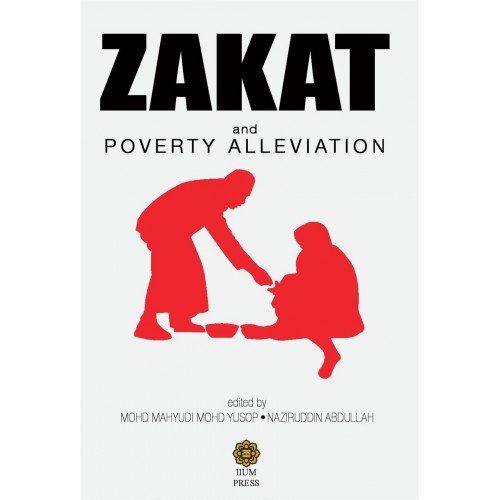
Zakat and Poverty Alleviation (P/B)
This edited book aims to raise issues pertaining to the topic of zakat and its primary goal of poverty alleviation. It portrays the dynamism of zakat by highlighting pertinent issues on the management of zakat institutions and innovative programmes that are designed as effective distribution mechanisms. Discussions include zakat payment motives, ways to measure the efficiency of zakat disbursement, economic development initiatives, housing programme, microfinancing, and actual impact on poverty alleviation. The discussions raised put emphasis on policy-orientation with dedicated sections on policy implications and recommendations. This approach is deemed necessary since it could guide the thought process of interested parties towards the creation of new ideas to actualize zakat as a very reliable tool in addressing the massive problem of poverty among Muslim communities. This special feature also significantly adds to the much-needed reference materials in courses on zakat at the intermediate level of undergraduate studies and introductory level of postgraduate programmes.
Islamic Economics : Principles & Analysis (P/B)
Economics is a social science that studies the behaviour and interactions of economic agents and analyses how economies work at the macro- and micro-levels. It studies production, distribution and consumption of goods and services, identifies economic problems and phenomena, and addresses economic questions from a positive perspective (what is) as well as a normative (how it should be) perspective. Islamic economics examines the same areas as its conventional counterpart. However, it involves the application of Sharīʿah to the different economic functions and issues. It is postulated that Islam offers a better approach compared to conventional economics in managing economic activities and solving economic and social issues.
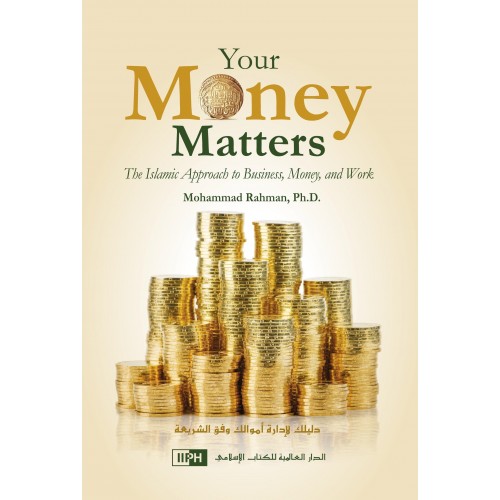
Your Money Matters (H/B)
This book highlights issues that are important and relevant to Muslims when they engage in tasks related to personal finances, business administration, investment, and work. Readers will find an overview of relevant excerpts from the Qur’an and the authentic Sunnah. Non-Muslims as well can gain valuable insights from this book that should prove useful in today’s multi-cultural business landscapes.
Public Policy: Beyond Traditional Jurisprudence A Maqasid Approach (IIIT)
This work charts new territory in Islamic scholarship by attempting to address the field of public policy from a maqasid (higher objectives of the Shariah) perspective. Public Policy is an independent discipline from both law and politics. Thus, Public Policy in Islam is introduced here as a qualitatively different enterprise from both fiqh (Islamic jurisprudence) and siyasah shar’iyyah (Shariah-oriented politics). The book deals with a number of critical topics that include methodology, governance, human rights, ethics, political power, and reform and renewal. It highlights how the maqasid approach is indispensable to the theory and practice of public policy in Islam, how it could resolve some of the most persistent governance dilemmas throughout Muslim history, but more significantly, how it forces a re-conceptualization of the wealth of knowledge available in Islam s primary sources to introduce Public Policy in Islam to mainstream policy studies.
The Book Of Revenue
Kitab al-Amwal (The Book of Revenue) is the work of a brilliant legal mind. Abu Ubayd al-Qasim ibn Sallam provides us with an accurate record of legal precedents laid down in the first two centuries of Islam, in particular those pertaining to the sources of revenue and the avenues of public expenditure. The power of the book, however, lies in the method of the author and the analysis undertaken by him. He gathers together the traditions of the Prophet (pbuh), the opinions of his companions, and the views of eminent jurists, and then subjects them to legal analysis that is unparalleled in Islamic legal literature. The book is essential for every student of Islamic law, especially those who wish to master the art of interpreting and analyzing legal traditions and early precedents. In the discipline known as fiqh al-sunnah, there is no book or manual that can compete with this outstanding work.
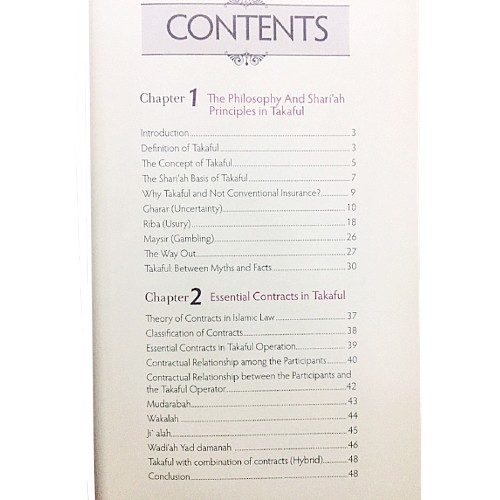
A Mini Guide to Takaful (Islamic Insurance)
This Mini Guide will prove useful and constructive to readers who want a better understanding of the takaful industry in contemporary Islamic finance.
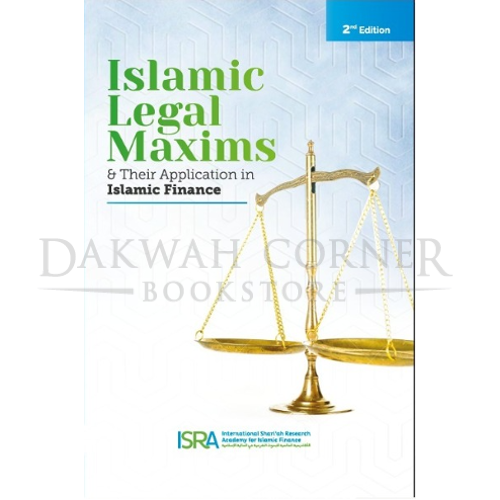
Islamic Legal Maxims & Their Application in Islamic Finance (2nd Ed.)
Islamic Legal Maxims and Their Application in Islamic Finance is one of the most comprehensive compilations of Islamic legal maxims available in English. The most important feature of this book is that it explains each maxim in a way comprehensible to both Shari’ah experts and Islamic finance practitioners. Another feature is its emphasis on the application of the maxims in the actual practice of Islamic finance.
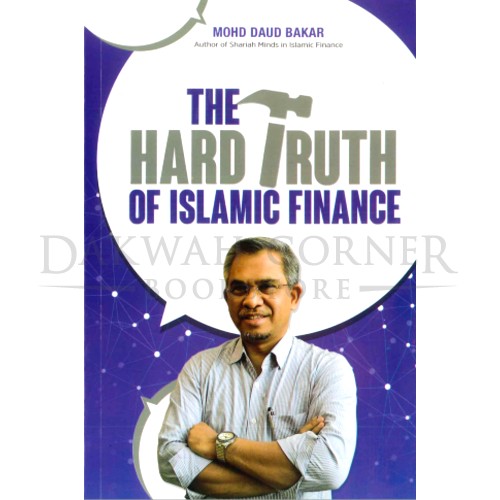
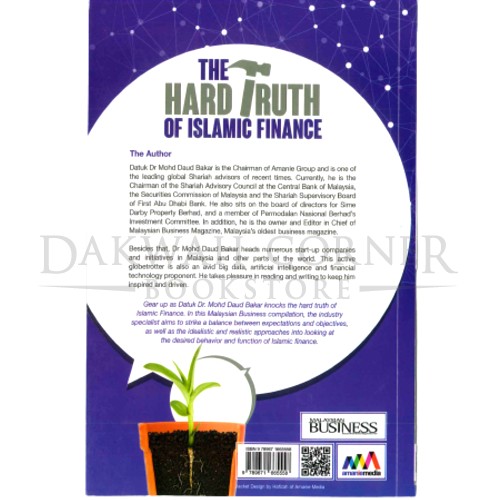
The Hard Truth of Islamic Finance
What is the book all about? It seeks to strike a balance between objectives and expectations. While expectations are easy, meeting objectives is hard.
The book also aims at unlocking the real face of Islamic finance without any make-up or cosmetic touch-up. The moment it is linked to something external and artificial, it becomes cluttered.
For all intents and purposes, every discipline has its core torso and fabric. Islamic finance should have its own ‘DNA’ and identity. The book is simply about bringing Islamic finance back to its basics. You may add on additional verticals and layers but it cant be on the expense of its core foundation.
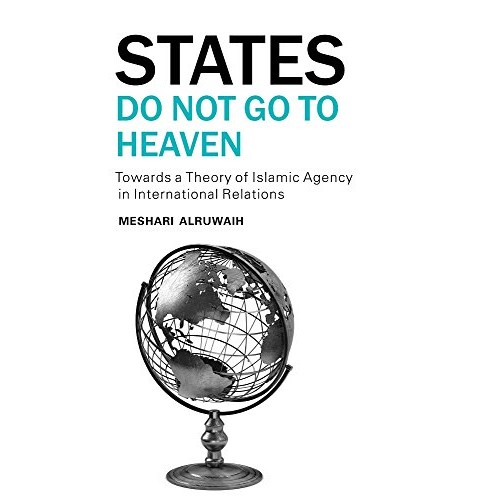
States Do Not Go to Heaven: Towards a Theory of Islamic Agency in International Relations
This book compares and contrasts Islamic world views and Western theoretical perspectives on international relations to suggest that a combination of the two could lead to a mutually beneficial redefinition of contemporary international relations utilizing Western theoretical tools and incorporating an Islamic perspective. Particular focus is given to the Islamic concept of istikhlaf as an ontological and normative foundation. The reasoning being that all man-made social arrangements on “earth”, as well as international society, should be considered a realm of istikhlaf. This allows for return to an eternal and critical first principle, linking all social roles to this principle, which is that man as designated by the Qur’an, is God’s khalifah or Vicegerent on earth. It’s a statement of great magnitude.
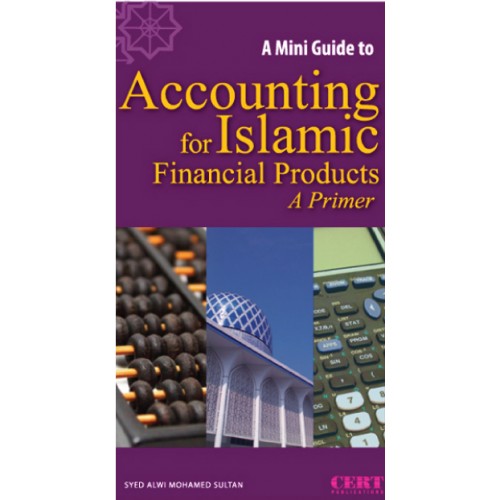
A Mini Guide to Accounting for Islamic Financial Products – A Primer (Pocket size) (P/B)
This “A Mini Guide to Accounting for Islamic Financial Products” starts with the development of Islamic finance as well as accounting standards and development of AAOIFI which aims to develop standards on accounting, auditing, ethics and governance and disseminate them on the target market.
The guide also highlights selected accounting issues addressed by AAOIFI : substance over form, prudence, mudarabah investment accounts and asset valuation. This is followed by how information of financial statement of an Islamic bank helps its major users, like equity holders, holders of investment accounts, regulatory agencies and others.
The guide also points out the main differences in the presentation of financial statements of Islamic Financial Institutions. Among them are: how assets are defined and inclusion of equity of unrestricted investment account holders. The differences arise as a result of utilizing a Shari’ah compliant contract to bring into effect a particular product.
The last section discusses some of the more popular contracts such as murabahah, istisna’, ijarah, mudarabah and musharakah. A few case studies are also incorporated for different contracts to give more understanding on the topic to the readers.
Islam And The Business Mind-Set
Written by one of the top young entrepreneurs in the North of England, Ilyas Salim is MD of Salim Enterprise, a global investment company.
From this book, you will learn how to:
- Create a business mentality
- Start a moral and ethical business
- Expand your business
- Work smarter, not harder
- Attract Barakah into your business
- Achieve not just a work/life balance, but a total life balance.
All this is within the framework of the Qur’an and Hadith and examples from the life of the Prophet Muhammad SAW.
Recently Viewed
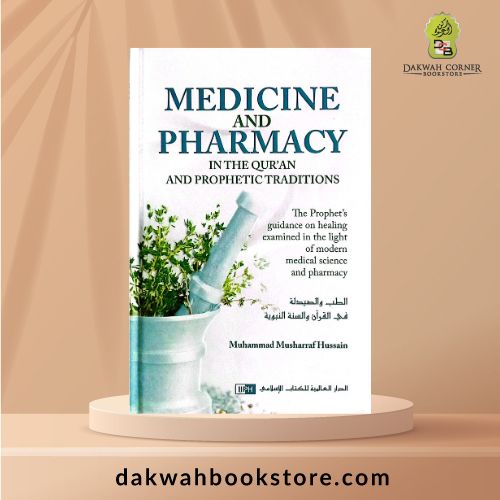
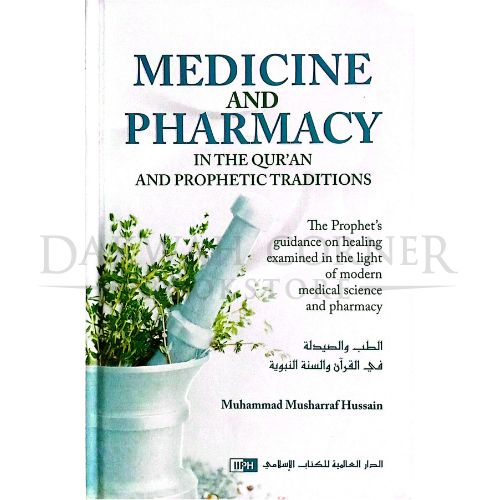
Medicine And Pharmacy In The The Prophetic Traditions (H/B)
Medicine and Pharmacy in the Qur’an and Prophetic Traditions aims to integrate the science of healing into the religion of Islam. It provides advice and guidance on maintaining sound health and preventing diseases and ailments in compliance with the Qur’an and the Sunnah of Prophet Muhammad (blessings and peace be upon him). It also discusses the Qur’anic verses related to health, sickness, and cure, as well as the spiritual and physical remedies recommended by the Prophet (blessings and peace be upon him) in light of modern knowledge.
Worship In Islam: An In-depth Study of Ibadah, Salah and Sawm (P/B)
Worship in Islam is in-depth study of the nature and significance of Islamic spirituality by Abul A‘la Mawdudi (1903–79), one of the leading Muslim intellectuals of the twentieth century, with special reference to the concepts of God’s Oneness (tawhid), the finality of Prophethood (risalah) and the Islamic system of worship (‘ibadah) with a focus upon prayer (salah) and fasting (sawm) and their role in the development of the Islamic personality and Islam’s social order. The distinguishing feature of Mawdudi’s approach is his elaboration of the social dimension of worship, which extends the traditional approach found in Islamic jurisprudence, with its focus upon ritual and self-purification, to consider worship’s transformative role in social life. Presenting a holistic view of the Islamic system, Mawdudi highlights Islam’s social, economic and political dimensions, which he argues has the capacity to resolve emergent issues and problems that humankind faces.
This historic text should be of wider interest to both students and specialists in contemporary Islamic thought, and includes an introduction by Professor Anis Ahmad.
Edited and translated into accessible English by Ahmad Imam Shafaq Hashemi, this book is an authoritative compilation by a leading Islamic twentieth-century revivalist on the central matter of worship’s role in Islam.
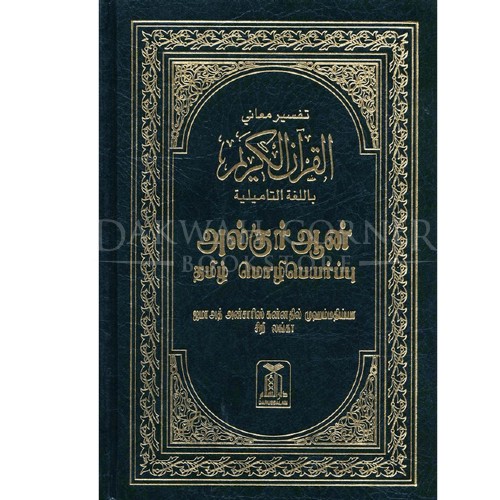
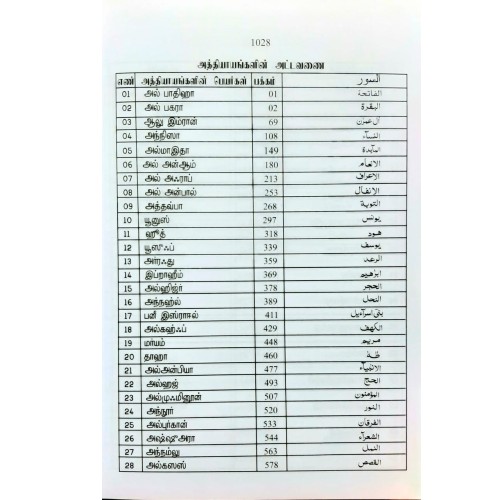
Qur’an Tamil Translation
Quran in Tamil Language ( Arabic To Tamil Translation)
The Noble Quran Translated into Tamil with Arabic script included.
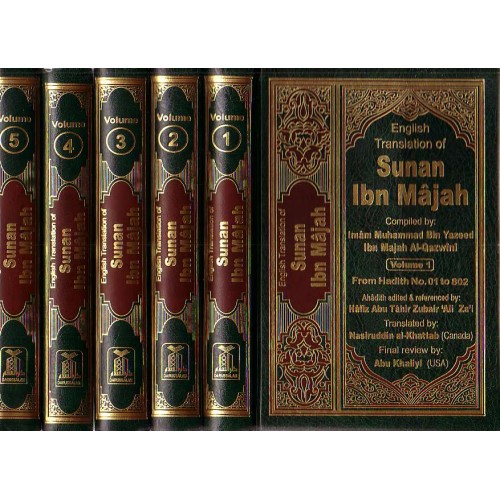
Sunan Ibn Majah (5 Vol. Set) (H/B)
Sunan Ibn Majah is one of the six most authentic collections of the Ahadith and contains 4,341 total Ahadith. Like the other translations of the six books of hadith, Dar-us-Salam Publications, has taken great care in correct translation, simple and clear modern English language, and high quality publishing.
Ahadith in the book are followed by comments to explain issues and to help readers derive lessons. To aid readers further, Dar-us-Salam, has added several features like section on how to benefit from Sunan Ibn Majah, about the Arabic and technical terms used, information about the hadith compilations and a glossary of Islamic terms in the last volume.
Each hadith is also followed by its status in regards to the authenticity. The status is explained more in detail in the Arabic text. The chain is also complete in the Arabic text while it is removed from the English to reduce the length and not being of much benefit to the English readers.
Let’s Think About Allah’s One Big Family
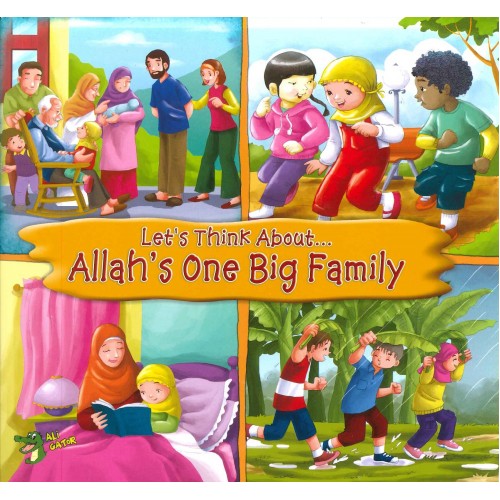
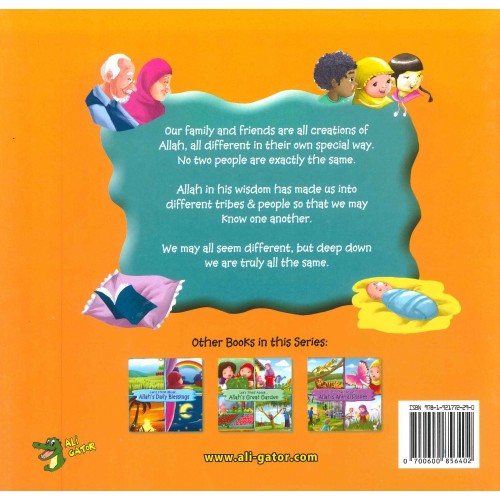
Let’s Think About… Allah’s One Big Family explains to children that all our family and friends, are all creations of Allah, all different in their own special way. No two people are exactly the same.
That Allah in his wisdom has made us into different tribes & people so that we may know one another.
And when we sit back and think about it, we may all seem different, but deep down we are all the same.
The Let’s Think About… series are four new easy to read titles. All with beautifully illustrated with colours that jump off the page. The easy to read text and format explains basic concepts that young thinkers can grasp.
The notes to teachers and parents section provides a list of points to consider and questions to ask as you read along. This allows for the young readers to receive the maximum benefit from the books, whilst enjoying them.
Full Color
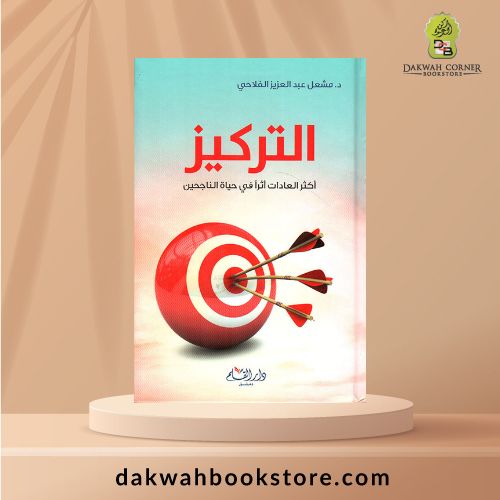
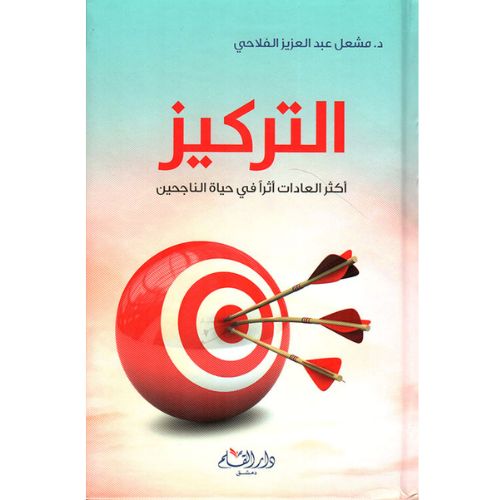
[MM] Al Tarkiz Akthar Al Adat Athran / التركيز ؛ أكثر العادات أثراً في حياة الناجحين
إن عادة التركيز هي العادة التي يمكن أن يعيد بها الإنسان قوته وتوازنه ويحافظ بها على مقدراته ويملك بها ناصية الطريق ويتغلب بها ومن خلالها على هذه الصوارف والمشتتات التي تموج في عالم اليوم ليستطيع أن يبلغ أمانيه كما يشاء .
[AUH]Al-Sharḥ al-Kabīr ʿAlā al-Mawqiẓah / الشرح الكبير علي الموقظة
“الشرح الكبير على كتاب الموقظة” هو شرح موسع لمتن “الموقظة في علم مصطلح الحديث” للحافظ الذهبي. قام بإعداده وتحقيقه والتعليق عليه الباحث والمحقق عمرو عبد المنعم سليم


There are no reviews yet.