| Weight | 0.37 kg |
|---|---|
| Dimensions | 22 × 15.2 × 1.3 cm |
| Author | |
| Binding | Paperback |
| ISBN | 9781565644786 |
| Pages | 214 |
| Publisher | International Institute of Islamic Thought (IIIT) |
The Foundation of Knowledge: A Comparative Study in Islamic and Western Methods of Inquiry
RM95.00
The Foundation of Knowledge’s most fundamental concern is to trace the evolution of scientific methodology and to highlight Islamic scholarship s everlasting contribution to grounding scientific research in the social experience while bringing transcendental knowledge to bear on normative frameworks. In addition, the book emphasizes the need to remain open-minded to a variety of scientific approaches to social phenomena. The book is of particular interest to the students of methodology and scientific methods, as it catalogs the various approaches to systematic investigation and sheds light on the profound role early Muslim scholars played in laying the foundation of scientific knowledge.
Be the first to review “The Foundation of Knowledge: A Comparative Study in Islamic and Western Methods of Inquiry” Cancel reply
You must be logged in to post a review.
Related Products
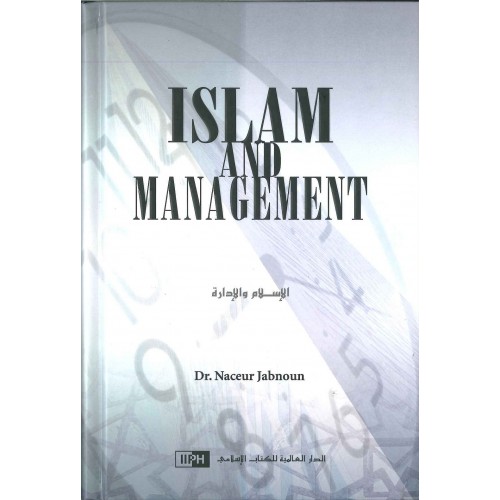
Islam and Management
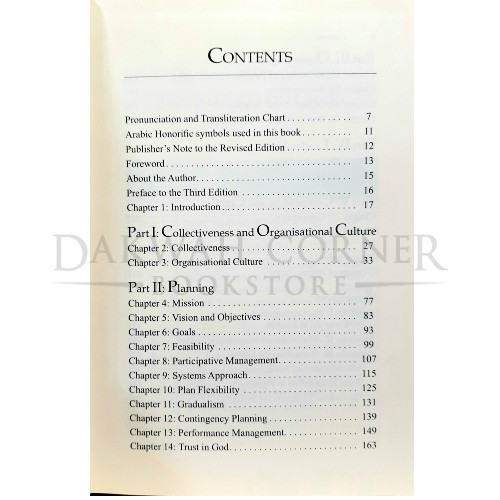
In their pursuit for organizational improvement, modern managers have been searching for effective management theories and practices in both the East and the West. The interest of managers has expanded beyond contemporary management schools to include even ancient ones. Nevertheless, little attention is currently paid to the Islamic management approach, one that has far outperformed its contemporaries and left indelible marks on the minds of innumerable researchers, leaders, and managers that have followed. Islam and Management will shed light on the Islamic approach to management and delineate important lessons from the teachings of Islam and the experiences of Muslims. People who should read this book include all managers seeking to enhance the effectiveness of their organizations. This book is particularly important for Muslim managers who will find its approach to be coherent with their cultural values. Topics covered in this book include organizational culture, planning, organizing, leading, motivating, controlling, competition, conflict management, and human resource management. This book also includes a chapter on the enriching leadership of ‘Umar ibn al-Khattâb, the second caliph of Islam. The hardcover version of this book that we have for sale is the revised 3rd edition, published in 2011.a
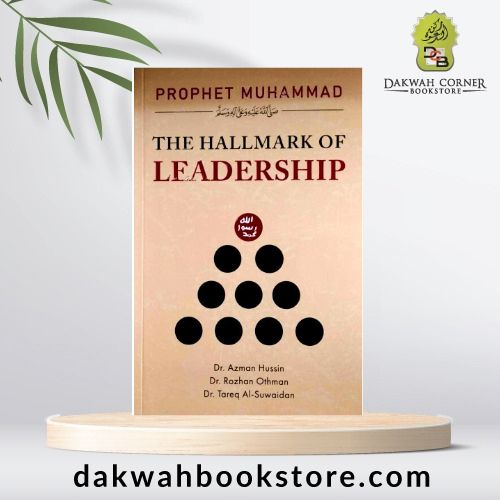
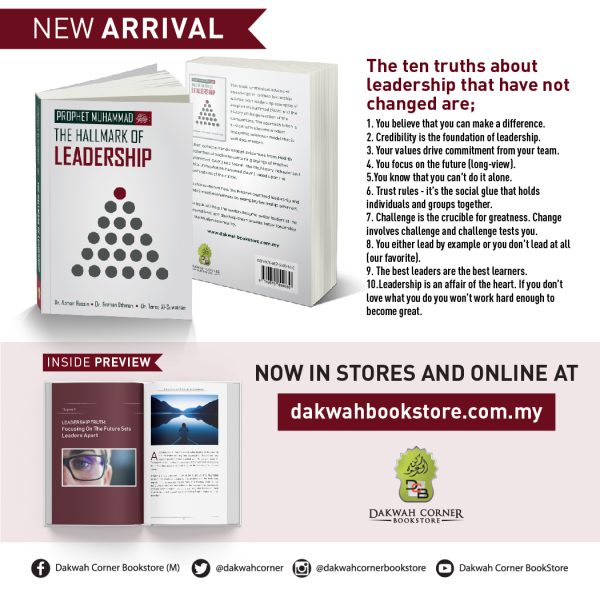
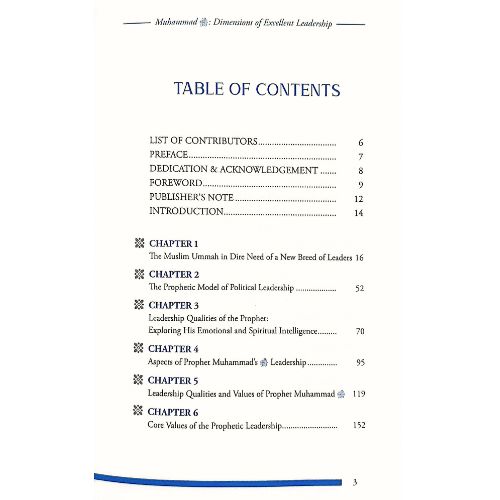
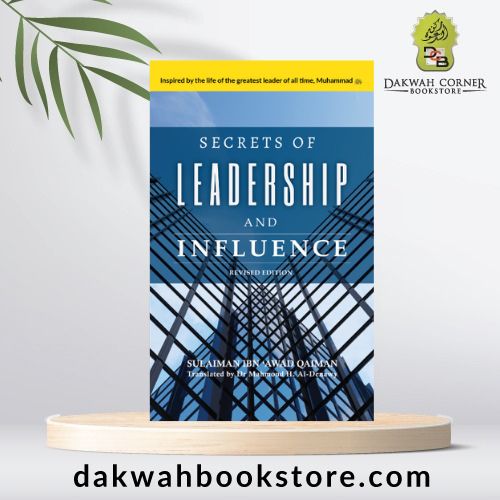
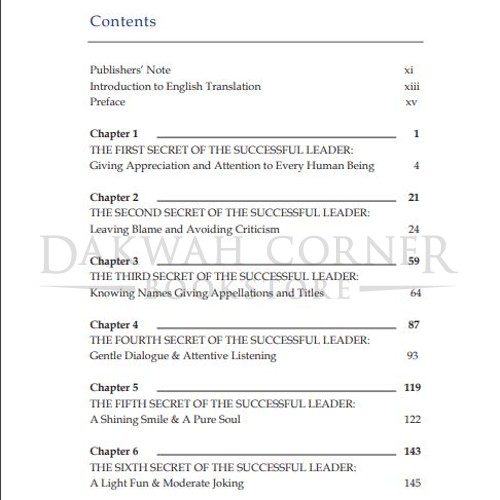
The Hallmark of Leadrship (new cover)
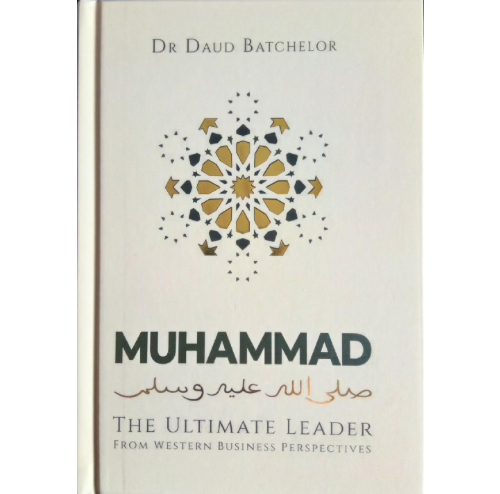
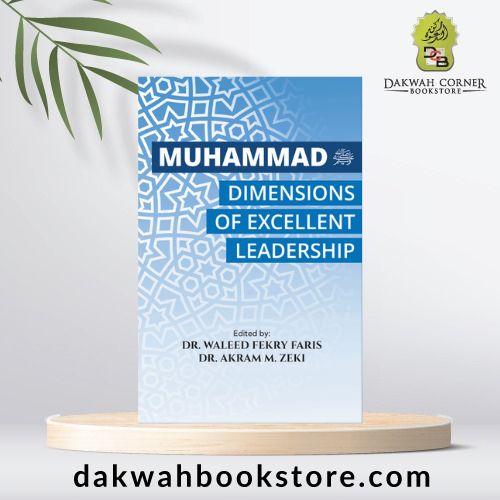
This book synthesizes advanced knowledge in modern leadership science with leadership examples of Prophet Muhammad (SAW) and the history of the generation of his Companions. The approach this book follows is to start with a known modern leadership reference model that is well documented.
The Principle of Leadership (H/B)
In this work entitled The Rudiments of Leadership: The American Attempt in the Light of Islamic Heritage, Dr Yusuf bin Uthman al Huzaim offfers and insightful awareness of the many theories and practices of leadership deriving from Islamic heritage and the modern American experienc
Management of Halal Food Quality
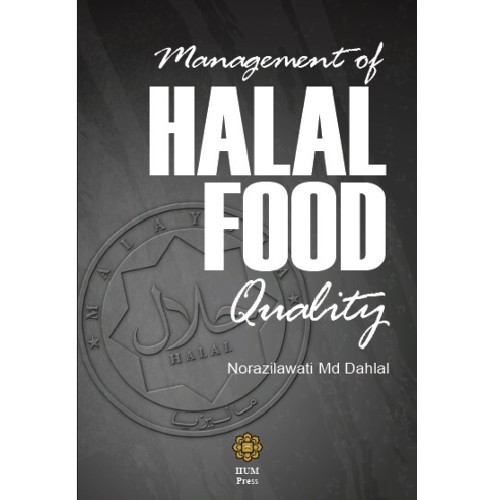
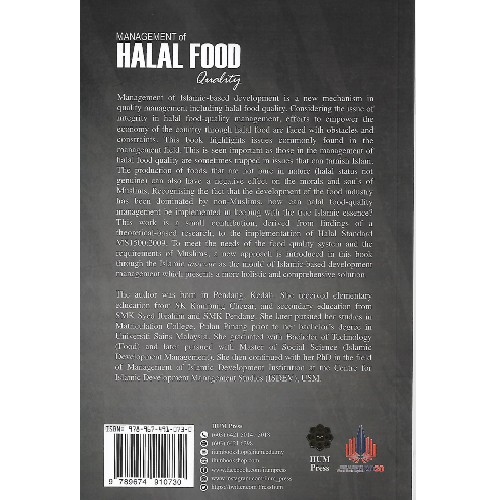
Management of Islamic-based development is a new mechanism in quality management including halal food quality. Considering the issue of integrity in halal food-quality management, efforts to empower the economy of the country through halal food are faced with obstacles and constraints. This book highlights issues commonly found in the management field. This is seen important as those in the management of halal food quality are sometimes trapped in issues that can tarnish Islam. The production of foods that are not pure in nature (halal status not genuine) can also have a negative effect on the morals and souls of Muslims.
The Higher Objectives of Humanity
A video summary of this book can be found here: https://www.youtube.com/watch?v=YdNQxv_ODdc&t=26s This book discusses the why, what and how of Rahmatan lil-Alamin as the higher objective of humanity. It presents a practical understanding of the purpose of creation and humanity to improve the individual and collective well-being of Muslims and society. The intention is to re-introduce and re-emphasize the correct Islamic perspective of humanity. The first five chapters revisits the common understanding among Muslims as to why mankind is created. We show that the prevalent view that we are created to worship Allah (SWT) is incomplete. There is a higher and more noble purpose; Rahmatan lil-Alamin (mercy to the worlds). We next describe the what of Rahmatan lil-Alamin. The best role model of Rahmatan lil-Alamin is undoubtedly Prophet Muhammad (SAW), the last and final prophet and messenger, whom Allah (SWT) sent with a very clear purpose, “And We have not sent you but as a mercy to the worlds.” [21:107]. We present many examples from the history of Prophet Muhammad (SAW) and a collection of his (SAW) sayings and advice on being the best. The final chapters of the book deal with the how of Rahmatan lil-Alamin. We describe in detail how the Muslim can apply Rahmatan lil-Alamin daily in his or her life. We propose a practical model of Rahmatan lil-Alamin that we induced from the Quran. We also addressed how to apply Rahmatan lil-Alamin to a broader society by proposing a decision-making tool that can guide us as persons and as communities to make decisions that conform to the foundations and priorities of Rahmatan lil-Alamin. We present case studies from the history of the Companions using this decision-making model. This book seeks to establish a connection between Islam and civilization within a civilizational and ethical framework. We believe that a more proper and complete understanding of the Islamic view about humanity may present to us new perspectives of Islam and how Muslims should engage with fellow Muslims and people of other faiths. In fact, the implication of this new reinterpretation framework goes even further in that: any human civilization built on this framework is the most prosperous for the whole and also for the individuals in it.
Recently Viewed
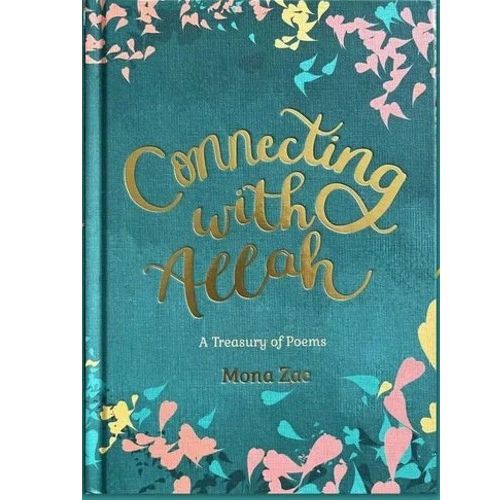
Connecting With Allah: A Treasury of Poems
Read in the warmth of someone’s lap,
Or as a family affair,
These gentle rhymes will soothe your heart,
Whilst making you aware,
Of your Lord, with names so beautiful,
You should learn them with care,
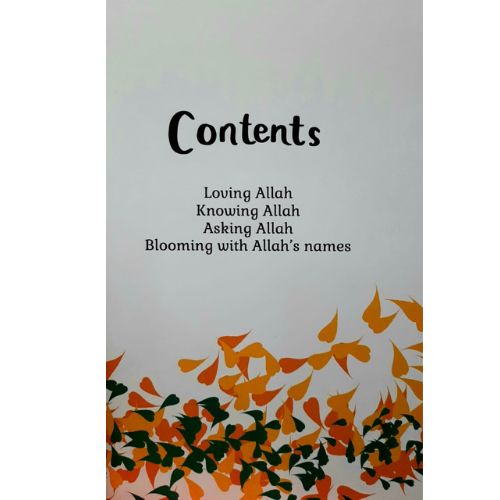
So you love Him, know Him, ask of Him,
And you bloom with every prayer.
Keep connecting with Allah.
Always and everywhere,
In the different seasons of your life,
Know with certainty, He’s there.
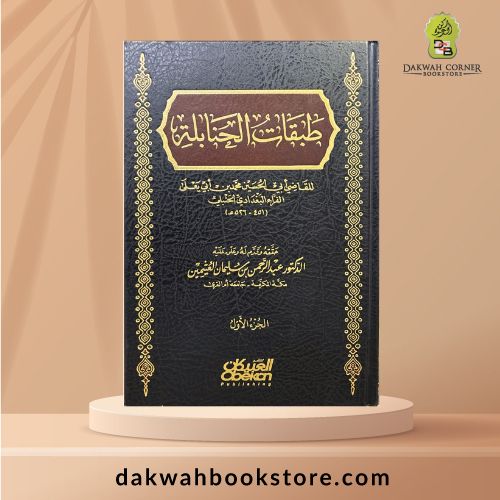
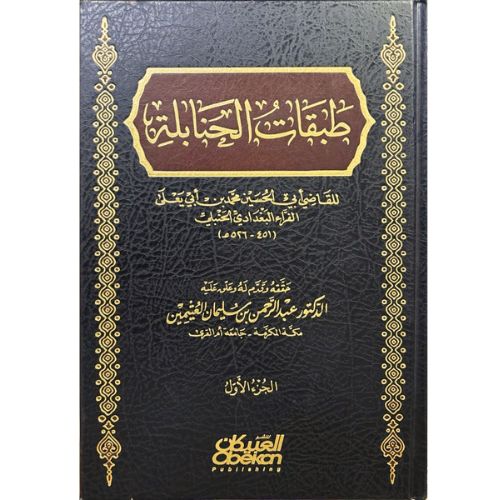
[ASJ] Tabaqat al-Hanabilah / طبقات الحنابلة
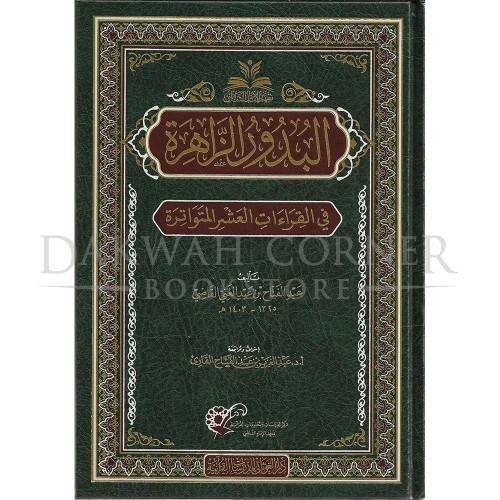
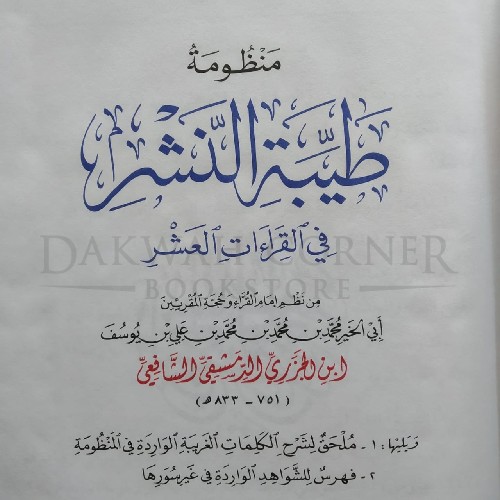
[QQ] Al-Budur Az-Zahirah Fi Al-Qira’at Al-‘Ashr Al-Mutawatirah (البدور الزاهرة في القراءات العشر المتواترة)
Al-Budur Al-Zahirah: In The Ten Consecutive Recitations from The Sattabati and Dura, is prepared by the best of the works of Sheikh Abdul Fattah al-Qadi.
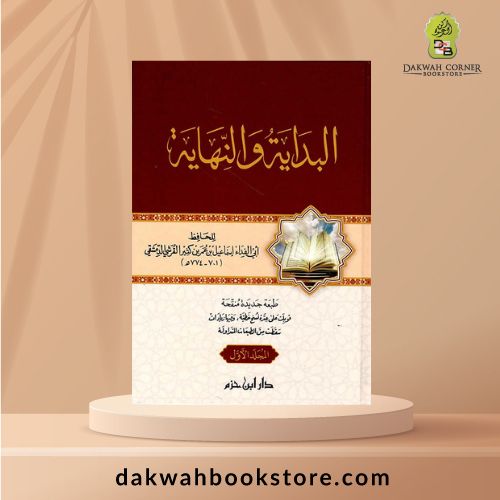
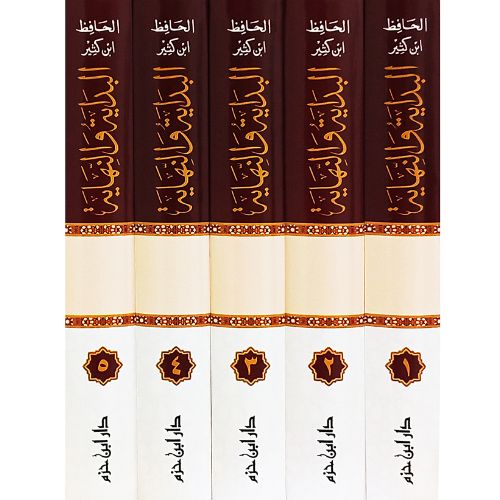
[HS] Al Bidayah Wal Nihayah 1/5 / البداية والنهاية 1 / 5 (شاموا/ لونان / 5 كرتونية)
هذا كتاب قيم للحافظ ابن كثير رحمه الله تعالى، فيه سرد من مبدأ المخلوقات إلى سيرة سيد المرسلين محمد بن عبد الله خاتم الأنبياء، بعد ذلك يذكر الفتن والملاحم في زمننا هذا ثم البعث والنشور والقيامة
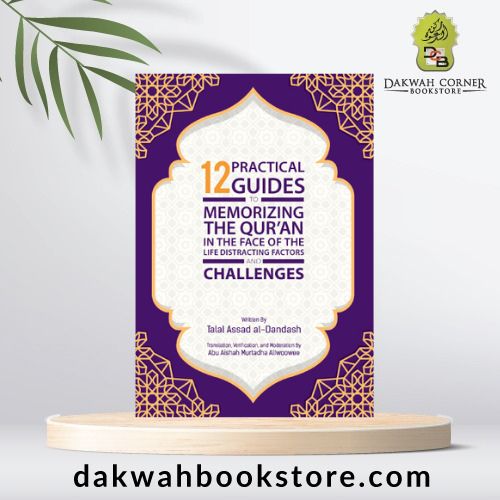
12 Practical Guides to Memorizing the Qur’an (DCB)
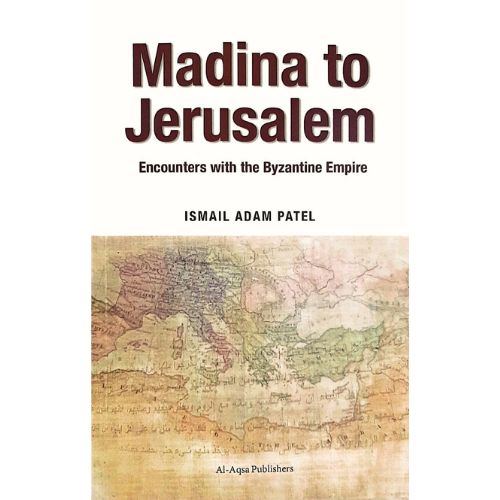
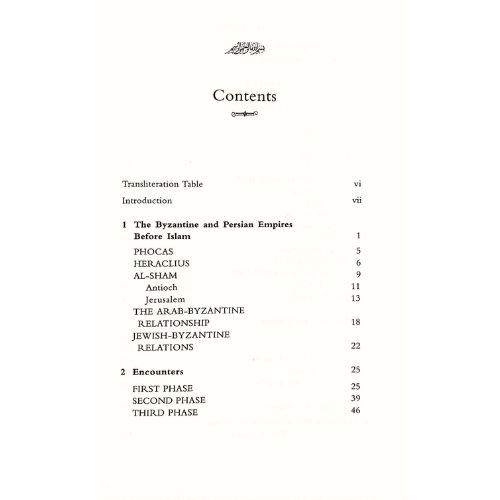
Madina to Jerusalem: Encounters with the Byzantine Empire
Madina to Jerusalem: Encounters with the Byzantine Empire traces one of the most energetic and dynamic episodes in the history of Islam, that follows immediately after the passing away of the Prophet Muhammad peace be upon him.
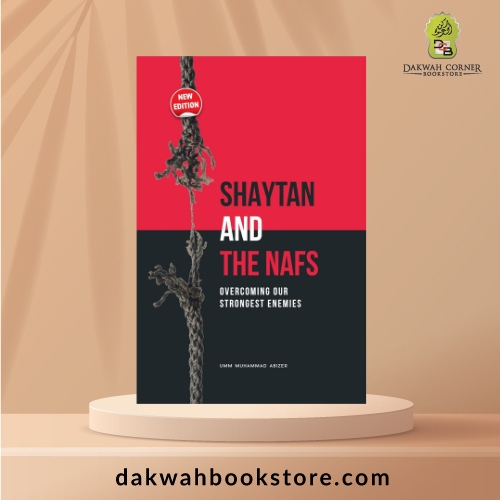
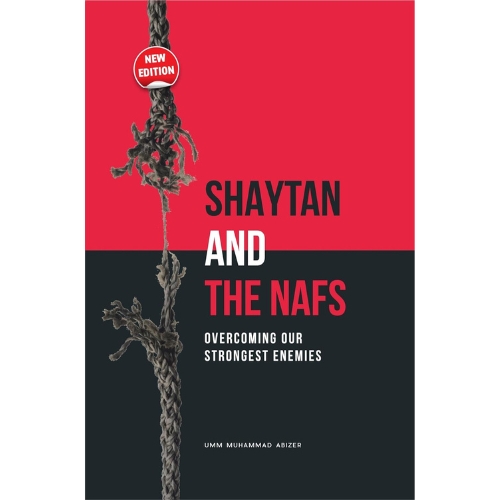
Shaytan or the Nafs: Overcoming our strongest enemies
Have you ever wondered…
▪️ How many battles we fight in a day against our fiercest enemies—Shaytan and our Nafs, or
▪️ How often do we succumb to their instigations every time we step towards Allah, the Most Loving?
▪️ Which of the two is more dangerous?
▪️ Whose attack is stronger?
▪️ Whom should we strive more vigorously against to thwart?
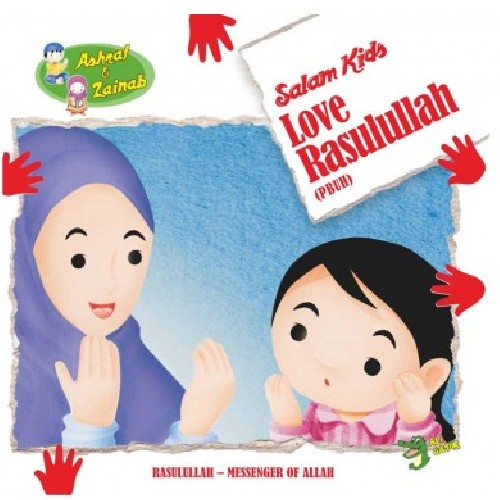
Salam Kids : Love Rasulullah (PBUH)
When Zainab grows up she wants to be just like the Prophet Muhammad, Rasulullah (PBUH) – Peace Be Upon Him. So Zainab and her mother practice some of the things the Prophet would do in his everyday life.
The Salam Kids Series are books designed to encourage young children to try their best and start to implement Islamic practices into their lives.
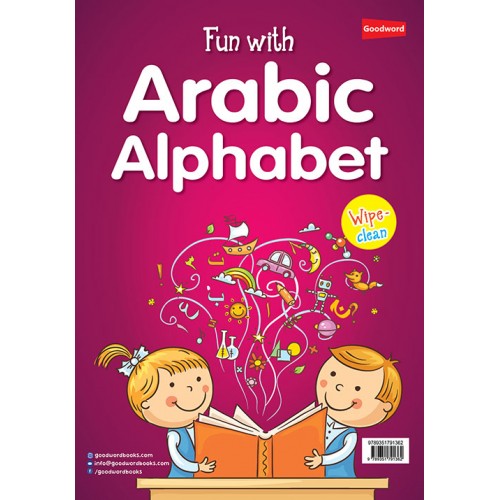
Fun with Arabic Alphabet
Fun ways to learn the Arabic alphabet!
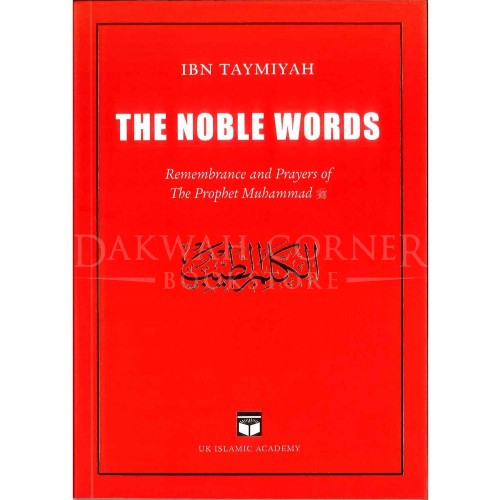
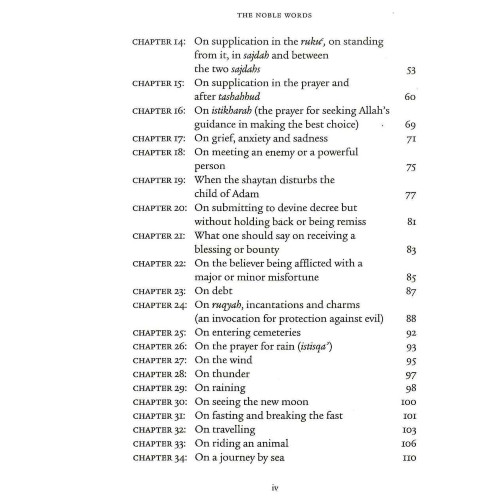
The Noble Words by Ibn Taymiyah by UK Islamic Academy
THE NOBLE WORDS is a translation of the ahadith on supplications compiled by Imam Ibn Taymiyah in his book (al-Kalim at-Tayyib)
THE NOBLE WORDS is recognised as one of the best books on the subject of supplication and remembrance of Allah. It is comprehensive in its coverage which encompasses day to day human needs and provides protection from afflictions. This translation consists of the Arabic text together with its English translation making it accessible to both readers Sunok and adults alike. A valuable addition to every Muslim home.
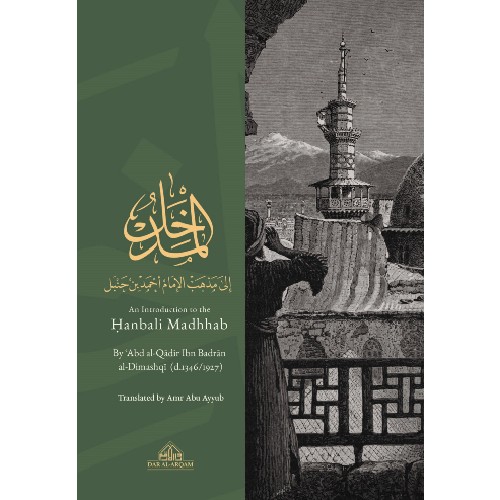
An Introduction to the Hanbali Madhhab (P/B) – Dar al-Arqam
A complete translation of Ibn Badran’s masterpiece, al-Madkhal ila Madhhab al-Imam Ahmad ibn Hanbal.
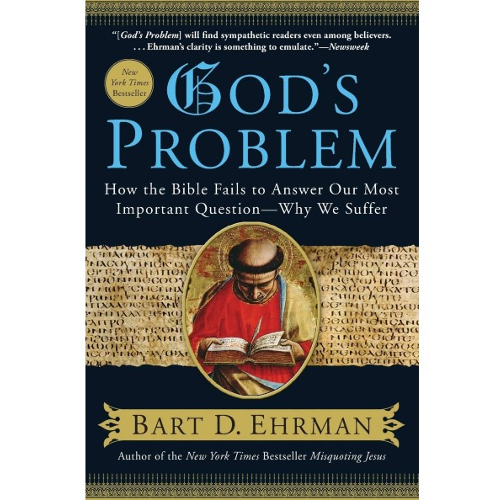
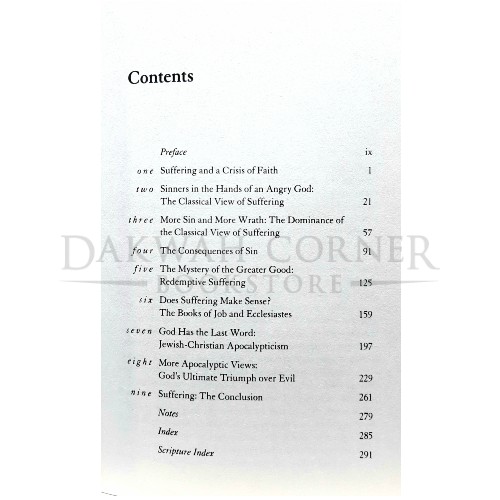
God’s Problem: How the Bible Fails to Answer Our Most Important Question–Why We Suffer
In times of questioning and despair, people often quote the Bible to provide answers. Surprisingly, though, the Bible does not have one answer but many “answers” that often contradict one another. Consider these competing explanations for suffering put forth by various biblical writers:
The prophets: suffering is a punishment for sin
The book of Job, which offers two different answers: suffering is a test, and you will be rewarded later for passing it; and suffering is beyond comprehension, since we are just human beings and God, after all, is God
The Nature of Fasting
This book will help the reader better understand the fine points about fasting. What is the nature of the things that break the fast? What are the rules by which one can know the difference between what breaks the fast and what does not?
These question are more answered by Shaykh Al-Islam Ibn Taymiyyah in his discussion of the Nature of Fasting.
Publishers Note All praise is due to Allah, and may He grant peace and blessings upon His Last Messenger Muhammad.
This is a translation one of the smaller publications from the works of Shaykh Al-Islam Taqiuddin Ahmad bin ‘Abdul-Halim Ibn Taymiyyah. It has been published in this form a variety of times with a number of minor additions to the text under the title, “Hagigatus-Siyam,” or, “The Nature of Fasting.” We have revised our version to meet the source section of Majmu’ AI-Fatawa (25:219) from where it appears that the original booklet – with the exception of the questions, of which most appear on earlier pages – has been taken. We have inserted brackets to signify the additions, which earlier publishers probably took from other sections of his writings. We have also added brief references to the text for the Hadiths. I would like to express gratitude to brother Ebrahim Aly Ma’rouf for the original translation of this booklet, and the Darussalam staff for their editing and layout work.


There are no reviews yet.