


![[QQ] Handwriting Quran مصحف التدوين](https://shop.dakwahbookstore.com/wp-content/uploads/2024/02/website-500x500-5-8.jpg)
![[MM] Wa bil Haq Anzalnahu / و بالحق أنزلناه](https://shop.dakwahbookstore.com/wp-content/uploads/2024/02/website-500x500-20.jpg)
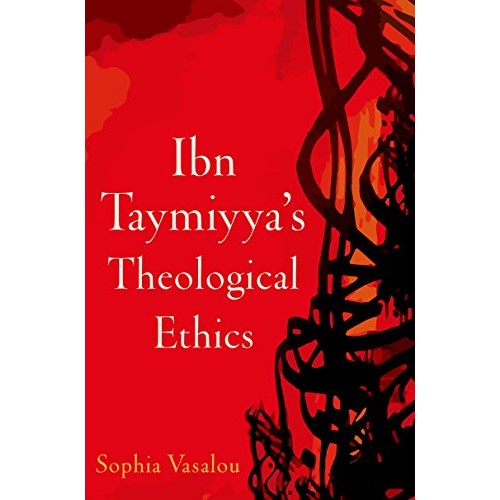
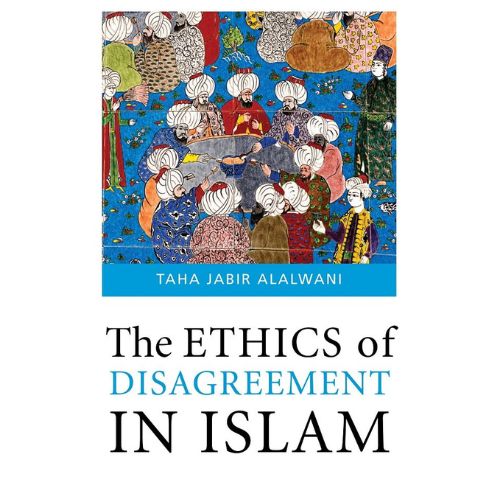
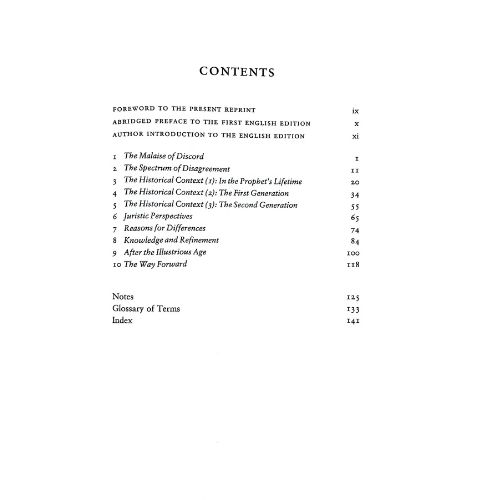
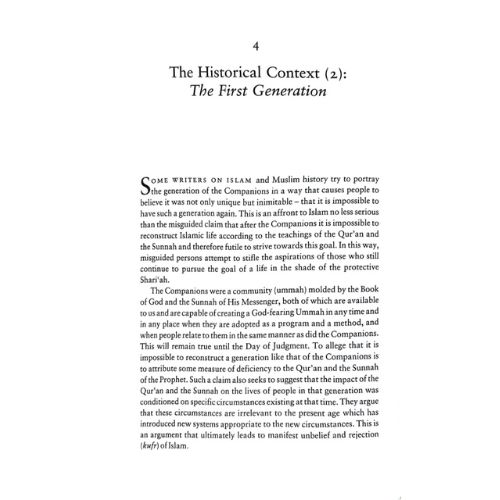
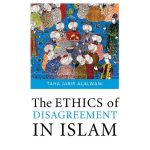
The Ethics of Disagreement may be perceived as an explanation of the etiquette envisioned by Islam for all those engaged in discourse and intellectual dialogue. To a great extent, the book is an exposition of the higher principles and purposes of the Shari’ah which provide Muslims with perspectives far vaster than those afforded by pedantic debate over points of law and procedure, or fine distinctions between conflicting theological arguments. In fact, experience has shown that long immersion in such futile debate often renders the mind incapable of comprehending real situations and making value judgments on changing circumstances. Since the book was originally intended to address opposing Islamic political parties in one particular part of the Muslim world, the author went to great lengths to give examples from classical Muslim historical experience. In particular, he analyzes instances of judicial disagreement between the early fuqaha , differences that were not allowed to go beyond the academic or to cause hard feelings among the debaters and dissenters alike. Certainly, the differences between those early scholars never led them to lose sight of the higher purposes of the Shari ah or their responsibilities. Although this book may more appropriately be titled The Ethics of Disagreement between the Classical Jurists , it nonetheless serves as a useful introduction to the subject of disagreement in general. It also lays down for contemporary Muslims many commendable examples for forbearance and understanding on the part of some of the greatest personalities and scholars in Muslim history. In this lies the utility of this book. And it is the revival of this spirit that allows contemporary Muslims to look forward to the future with hope.
The Ethics of Disagreement in Islam (IIIT)
RM70.00
Frequently Bought Together
| Weight | 0.245 kg |
|---|---|
| Dimensions | 22 × 17 × 2.5 cm |
| Author | |
| ISBN | 9781565643598 |
| Pages | 143 |
Be the first to review “The Ethics of Disagreement in Islam (IIIT)” Cancel reply
You must be logged in to post a review.
You may also like…
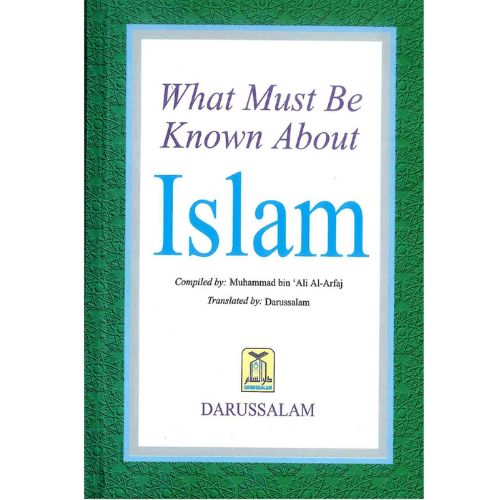
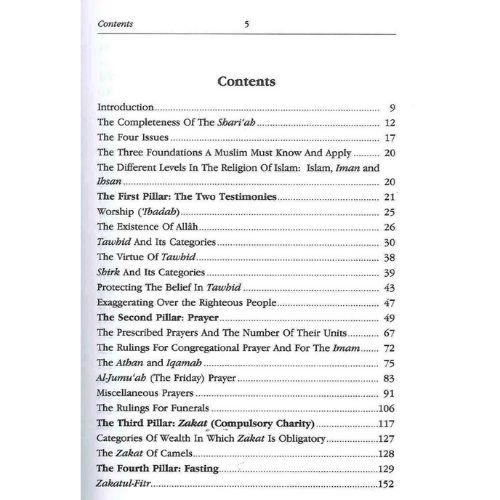
What Must be Known about Islam (Darussalam)
(ما لا بد من معرفته عن الإسلام)
This beautiful book goes over the fundamental five pillars of Islam in detail followed by the Tafsir of certain chapters of the Noble Quran and a discussion about marriage.
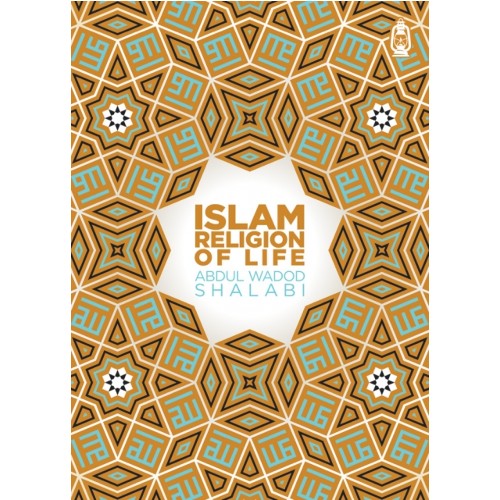
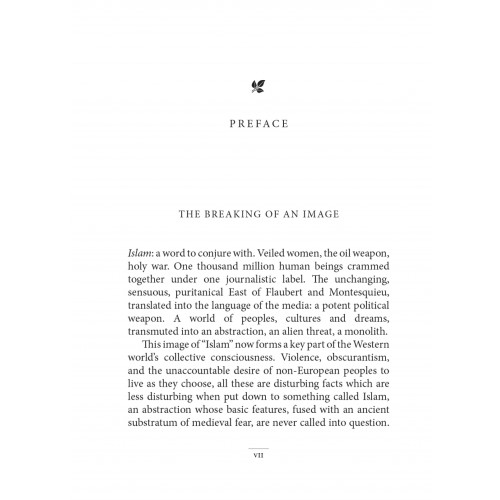
Islam Religion of Life by Abdul Wadod Shalabi
This concise book is among the finest introductions to Islam for an educated readership. Its content is authentic, reliable, and powerfully presented — written by Islamic scholar Abdul Wadod Shalabi.
The author combines traditional religious training from al-Azhar University and Western education from the University of Cambridge, where the author received his doctorate. The book has been edited by Abd al-Hakim Murad, himself a scholar.
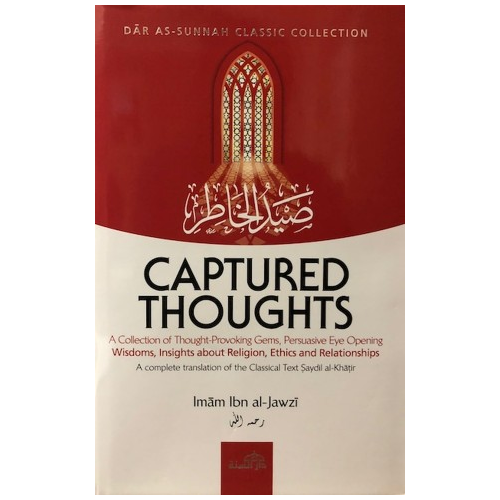
Captured Thoughts
A Collection of Thought-Provoking Gems, Persuasive Eye-Opening Wisdom, Insights about Religion, Ethics, and Relationships.


Provisions of the Afterlife Which Lie Within Prophetic Guidance (H/B – DKI
Written originally by Ibn Qayyim Al-Jauziyyah is one of the important resources of knowledge for those who seek to know the Seerah of their Prophet (P.B.U.H) as well as the Fiqh learned from it. This is a book that is unique in that it explains the Sunnah through the Seerah and the Seerah through the Sunnah. It is a profound classic work containing thousands of pages written by Imam ibn al-Qayyam while on the Hajj journey, Pilgrimage, from Damascus to Makkah. Despite its being written from memory, the several thousand incidents, Hadiths, Ayat (verses of the Quran), Fiqh benefits, as well as names of the companions associated with them, were remarkably close to the truth with marginal errors.
However, those who know the status, level of knowledge ad Ta’hqiq that Imam ibn al-Qayyim had will not be surprised to know this fact. Still, it is amazing how Ibn Al-Qayyim was able to write this vast volume while traveling to Hajj (Pilgrimage), especially since he was away from the resources of knowledge and was enduring the hardships of travel. It is a blessing from Allah (S.A.T) that it was possible for him to do so. Note: As with Many English Translations this work appears to be slightly abridged but it seems to cover most of the subjects Note : With the Lack of English works covering Hanbali Fiqh , This Books would be the nearest alternative. Although not a Specifically Fiqh Book, Ibn Qayyim’s views which are based on Hanbali Fiqh are quoted throughout.
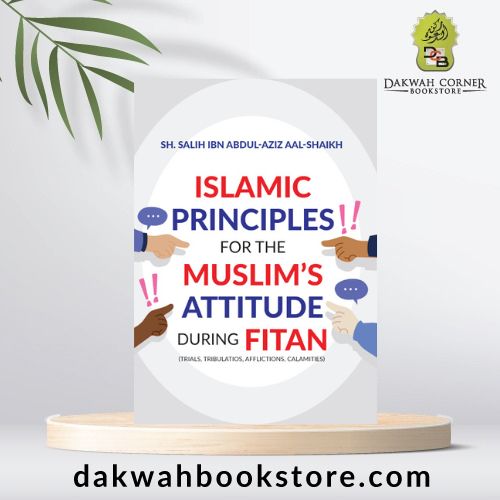
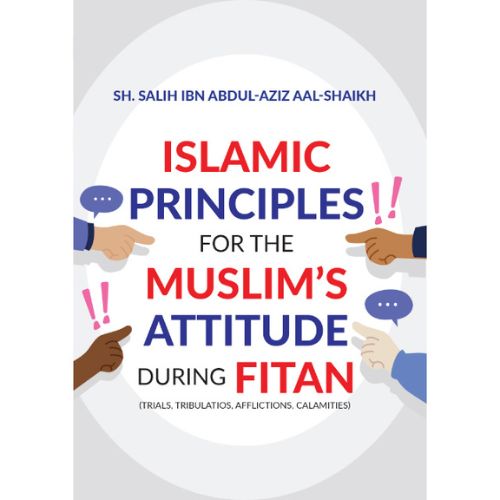
Islamic Principles for the Muslim’s Attitude during Fitan (P/B)
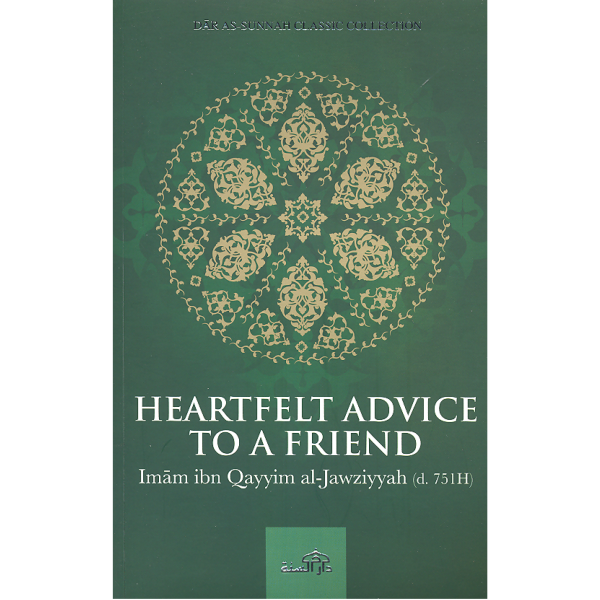
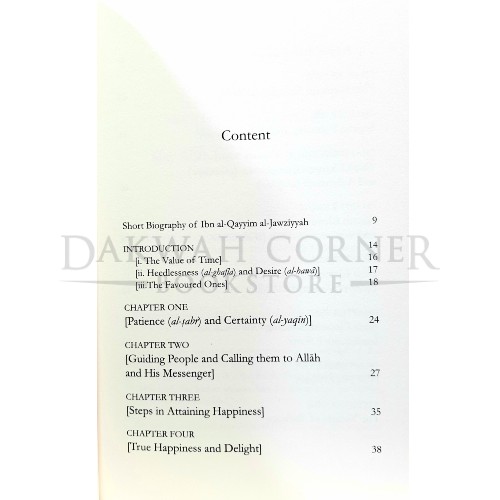
Heartfelt Advice To A Friend -Dar us-Sunnah
In this short yet substantial tract of ibn al-Qayyim, he pens a message of heartfelt advice and appreciation to a friend of his by the name of ‘Alā’ Al-Dīn; invoking Allāh’s Kindness, Guidance and Blessing upon him.Within this translation of ‘Risalatu ibn al-Qayyim ila’ Ahadi Ikhwāwanihi’, the author explain the finer points of having a need in seeking Allāh’s Guidance in all of our affairs and the means to persist upon the Straight Path. The risalah includes six weighty elements by which a Muslim can achieve happiness and pleasure; and through which righteousness can be perfected.The knowledge-based content of the book reflects ibn al-Qayyim’s attention to detail, while explaining it in an easy to understand manners, it’s modelled as sincere advice to his friend that will of course, be of wider benefit to all who read it IN SHA ALLAH. He commented that, “if you come to know what I have explained (in this message), you will then know that the ultimate pleasure, perfect delight and rejoice, grace and good life are found only in knowing Allāh, worshipping Him alone, feeling comfort and affability with Him, longing to meet Him, and devoting the heart and endeavours for Him.
Related Products


Hell-Fire Its Torments and Denizens
In all the divine revelations there is a constant warning that wrongdoers may end up in Hell-fire, though Allah’s kindness and mercy are extended to many people. Reading about the Hell-fire enables one to know it, fear it, and try utmost to keep oneself away from it through correct beliefs and good deeds. The more one knows about Hell-fire, the more he or she strives to be saved from its reach. Relying on statements from the Holy Qur’an and the Hadith, this book enables the reader to have a realistic picture of Hell-fire’s torments. It may be enough to know that it is a raging fire, but detailed knowledge of it, as displayed in this book, will strengthen a person’s belief and eventually, Allah willing, make him or her seek for and remain steadfast on the path to salvation. This is an indispensable book for believers and non-believers alike. Hell-fire: Its Torments and Denizens is an abridged, summarized version of Siddiq Hasan Khan’s book about the Hell-fire.

In Pursuit of Allah’s Pleasure
In this book the authors outlined a complete methodology for Islamic work today. From `Aqeedah to Da’wah, Jihad to Khilafah and Taqwa to Sabr (patience), they explained how all of these parts of Islam come together for the sole objective of each and every Muslim: to seek the Pleasure of Allah ( SWT ), the Irresistible. It was written in a manner portraying the true situation of the Muslims today and, coming from imprisoned scholars: a realistic portrayal.
This book is an excellent read by itself and an even better guide if used as a syllabus in learning Islam in an organised, collective manner. It is ideal as a basis for study circles and acts as a comprehensive manual. Coupled with the supplementary reading of some other books in the English language and memorisation of the Holy Quran, it can consolidate the knowledge of anyone seeking to work for Islam in this day and age.
Contents
Preface
Introduction
Part One: Our Ultimate Goal
Part Two: Our `Aqeedah
Part Three: Our Understanding
Part Four: Our Aim
Part Five: Our Path
Part Six: Our Provisions
Part Seven: Our Walaa’ (Loyalty)
Part Eight: Our ‘Adaa’ (Animosity)
Part Nine: Our Gathering
Glossary of Arabic Trems
The Twentieth Century has witnessed one of the fiercest blows inflicted upon our Ummah by our enemy: the collapse of the Khilafah. If only their conspiracy had stopped at the demise of Khilafah. But they went on to indoctrinate Muslims with strange, foreign ideas and concepts, in order to confuse our understanding of our Deen. Once we wake up and try to return to our original Deen, we will be confronted with an intellectual perplexity, in which evil and good is mixed. Hence, the truth will be ambiguous and we will go astray, and lose the true understanding of Islam.
And hold fast, all of you together, to the Rope of Allah (this Qur’an) and be not divided among yourselves.” [Surah Ale-Imran (3), Ayah 103.]
by Dr. Naahah Ibrahim, Asim Abdul Maajid and Esaam-ud-Deen Darbaalah


Islam A Total Beginners Guide – Part Three (P/B)
In present era we are facing lot of questions:
• What is status of women in Islam?
• Who is superior – man or women?
• What does Islam say about inter-religious marriages, man’s treatment towards his wife and privacy in homes?
• What does Islam say about dress, veil, clothing and ornaments, perfumes and the wisdom of banning gold and silk for men?
This beginner’s guide to Islam answers all such questions.

Treatment of Magic, Evil Eye & Satan’s Touch (P/B)
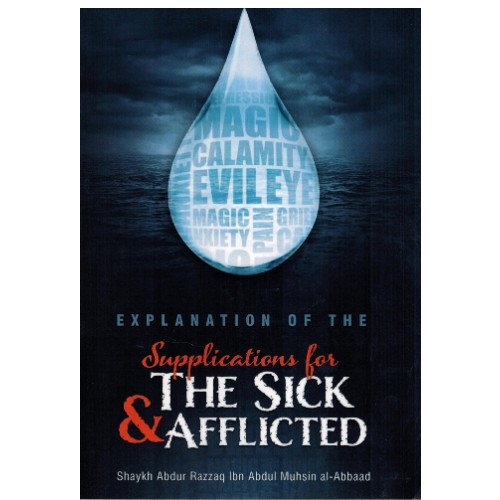
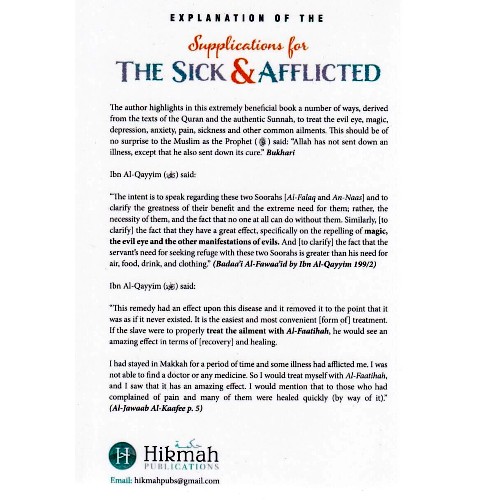
A detailed treatise on the authentic treatments for afflictions of magic, evil eye and possession based on the Islamic teachings of the Qur’an and Sunnah of Muhammad.

Journey to Islam: Diary of a German Diplomat 1951-2000 (The Islamic Foundation)
A lengthy process, rich in remarkable and thought-provoking events, including compelling encounters with Islamic philosophy, led the author to embrace Islam. His experiences since that time – such as his pilgrimages to Makkah – further deepened his understanding of, and identification with, this “fastest growing religion in Europe.” This “Diary” is, however, much more than a recorded soliloquy. It is a lively introduction to Islam as such – developed in the spiritual confrontation of a Muslim intellectual of European background with the ideology and value system of post-industrial western society.

Let Us Be Muslims (P/B)
LET US BE MUSLIMS is a new edited English version of Sayyid Mawdudi’s Urdu Khutubat. It is no ordinary book, says Khurram Murad in his long Introduction, for it has stirred more hearts and impelled more lives to change their course than any of his more erudite works. In these Friday congregational addresses, Sayyid Mawdudi expounds such familiar themes as Iman, Islam, the Prayer, Fasting, Almsgiving, Pilgrimage and Jihad. But, in an unusually beautiful, powerfully reasoned, eloquent and passionate, and yet simple and lucid style,
“Sayyid Abul A’la Al-Mawdudui (1903-1979), one of the chief architects of contemporary Islamic resurgence, was the an outstanding Islamic thinker and writer of his time. He devoted his life to expound the meaning and message of Islam and to organise a collective movement to establish the Islamic Order. In this struggle, he had to pass through all kinds of sufferings.
Between 1948-67, he spent a total of five years in different prisons of Pakistan. In 1953, he was also sentenced to death by a Martial Law court for writing a ‘seditious’ pamphlet, this sentence being later commuted to life imprisonment. In 1941, he founded Jama’at-I Islami, of which he remained Amir, until 1972 and which is one of the most prominent Islamic movements of our day. He authored more than one hundred works on Islam, both scholarly and popular, and his writings have been translated into forty languages.”
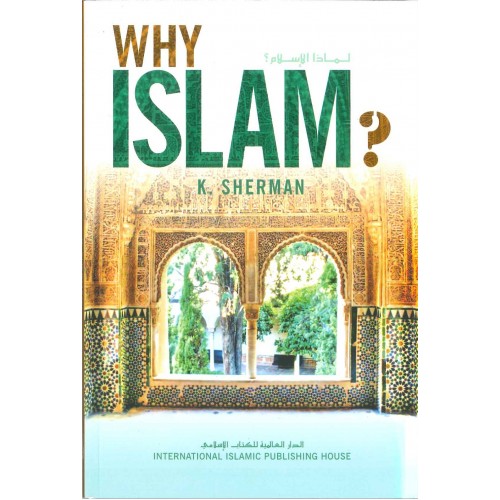
Why Islam?
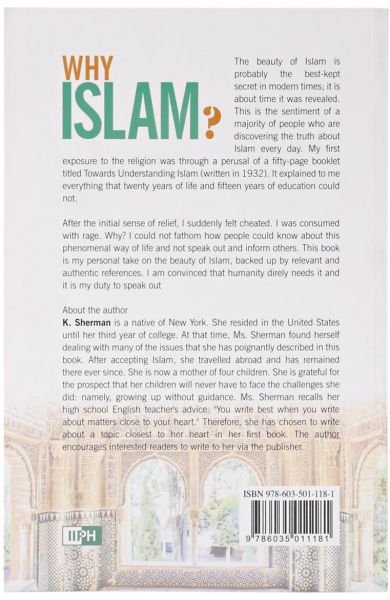
Often, the first thing someone is asked when they discover the truth and embrace Islam is the question: Why Islam? Here, an American revert-to-Islam answers that question. The author, K. Sherman, writes: The beauty of Islam is probably the best-kept secret in modern times; it is about time it was revealed. This is the sentiment of a majority of people who are discovering the truth about Islam every day. My first exposure to the religion was through a perusal of a fifty-page booklet titled Towards Understanding Islam (written in 1932). It explained to me everything that twenty years of life and fifteen years of education could not. After the initial sense of relief, I suddenly felt cheated. I was consumed with rage. Why? I could not fathom how people could know about this phenomenal way of life and not speak out and inform others. This book is my personal take on the beauty of Islam, backed up by relevant and authentic references. I am convinced that humanity direly needs it and it is my duty to speak out.

Fundamentals of Islam (P/B)
Fundamentals of Islam is a revised English edition of the critically acclaimed Khutubah (original written in Urdu). It consist of Friday congregational addresses, in them he expounds familiar themes; like Iman, Islam, the Prayer, Fasting, Alms-giving, Pilgrimage and Jihad.

Lawful Wives or Unlawful Girlfriends
In the Name of Allah, the Most Beneficent, the Most Merciful
Allah (SWT) says: (If you fear that you will not be able to deal justly with the orphans, marry women of your choice, two or three or four; but if you fear that you shall not be able to deal justly (with them), then only one or (the captives or the slaves) that your right hands possess. That will be more suitable to prevent you from doing injustice) (An-Nisa’: 3).
Praise be to Allah (SWT) who has prescribed for His Servants a religion (Islam) that is beneficial to them in this world and the Hereafter, and Peace and Blessing be upon His Messengers and Prophets who were guided by His Guidance and conveyed His Religion. The last and seal of His Messengers was Muhammad Ibn Abdillah (SAW). He (SAW) was the best to advise his Ummah and convey the True Message, by words, deeds and his character. He (SAW) was the best model and example for the believers.
Polygamy in Islam (P/B)
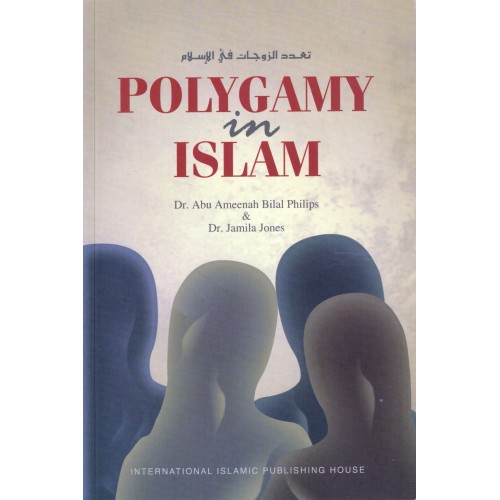
Polygamy is the Muslim practice most frequently and severely maligned by Westerners and modernist Muslims. This book can be read with profit by all unprejudiced readers who wish to know its justification and rationale.
One of the greatest contrasts between Islam and the West is their conflicting concepts of relations between the sexes. Indeed, the very first question a Muslim convert is confronted with by an American or European is ‘Why does Islam allow four wives?’ This book…replies straightforwardly to that question and much more.
The authors describe all the most important characteristics of marriage in Islam, pointing out that the Western notions of sex equality and romantic premarital ‘love’ are not necessary in Islamic marriage based on piety and the commitment on the part of both parents to win the pleasure of Almighty Allah.’
This book contains basic guides for anyone interested in understanding the rights and obligations of males and females in Islamic plural marriage. The guidelines have been drawn from the Quran, Hadith and opinions of Islamic scholars.


Islam A Total Beginners Guide – Part Two (P/B)
In present era we are facing lot of questions:
• What is status of women in Islam?
• Who is superior – man or women?
• What does Islam say about inter-religious marriages, man’s treatment towards his wife and privacy in homes?
• What does Islam say about dress, veil, clothing and ornaments, perfumes and the wisdom of banning gold and silk for men?
This beginner’s guide to Islam answers all such questions.


Recently Viewed


Principles of Islamic Jurisprudence (2nd Revised Edition)
This book offers a detailed presentation of the theory of Muslim law (usul al-figh). Often regarded as the most sophisticated of the traditional Islamic disciplines, Muslim jurisprudence is concerned with the way in which the rituals and laws of religion are derived from the Qur’an and the Sunna – the precedent of the Prophet. Revelation, which is given to man to restore unity and help him achieve a just and devout order in society as well as in the soul, must be interpreted so as to render it practicable in every culture, while not betraying its spirit and immutable provisions. To achieve this, additional sources of legal authority are recognized, including consensus (ijma), analogical deduction (qiyas), public interest (maslaha) and local customary precedent (urf). In employing these, the jurist guards the five principles which it is the purpose of Islamic law to uphold, namely, the right to life, sound mind, property, lineage and religion.
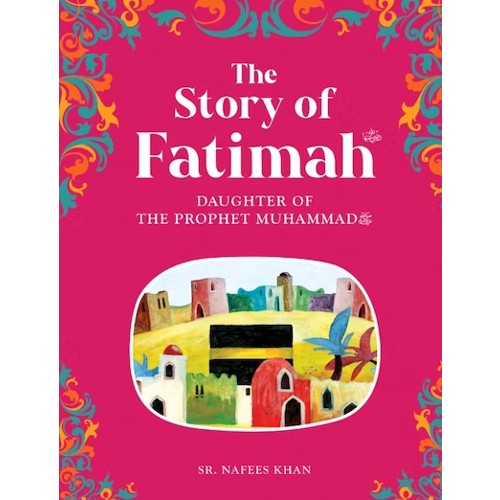
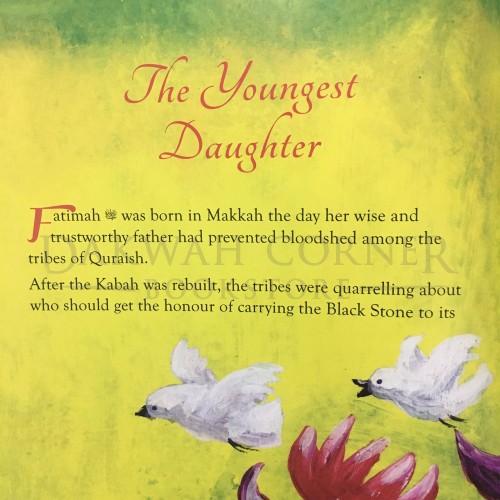
The Story Of Fatimah: Daughter of the Prophet Muhammad SAW
“The manners, speech, accent, the way of sitting and standing and walking of Fatimah were exactly like that of the Prophet…”
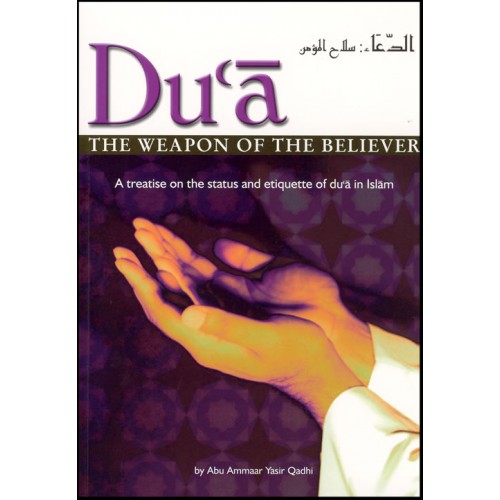
Du’a The Weapon of The Believer
The recommended etiquette of performing dua
The timings and situations in which the dua is more likely to be answered
The various factors that aid or prevent a dua from being accepted
The relationship of dua with the Divine Decree (qadr)
The wisdom behind a delayed response
This is a highly informative and essential book for every Muslim household. In this work, the author elaborates on the status, importance, and etiquette of du’a or prayer and supplications in Islam. In the most comprehensive work yet written in English on this topic, the author discusses, amongst other matters:
- The excellence and benefits of the dua
- The types of dua
- The pre-conditions that are needed in order for a dua to be accepted
- The recommended etiquette of performing dua
- The timings and situations in which the dua is more likely to be answered
- The various factors that aid or prevent a dua from being accepted
- The relationship of dua with the Divine Decree (qadr)
- The wisdom behind a delayed response
This is a highly informative and essential book for every Muslim household.
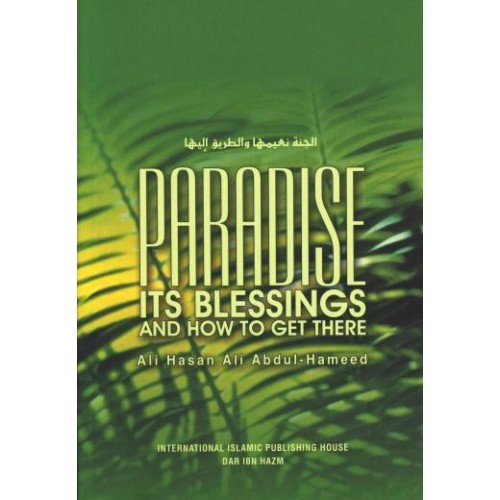
Paradise Its Blessings and How To Get There (P/B)
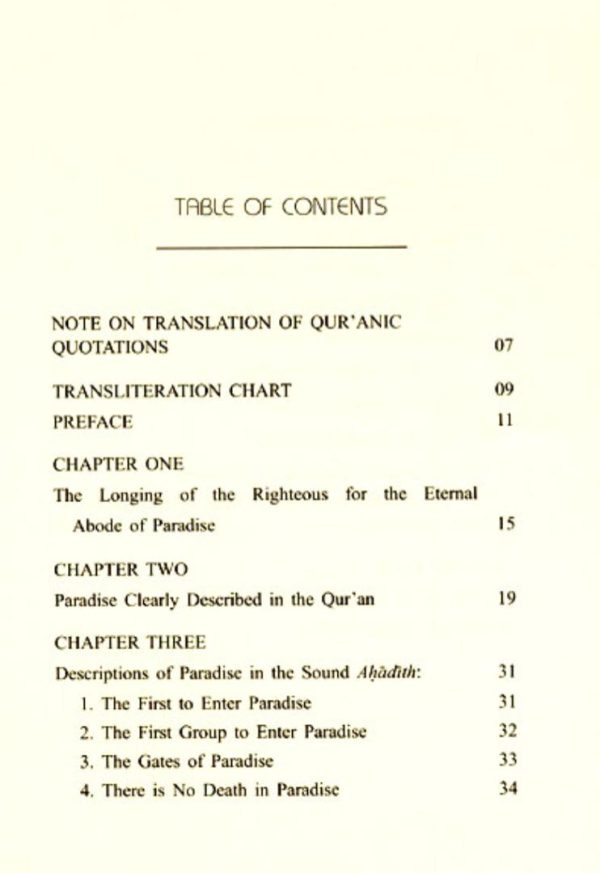
Paradise and its inhabitants as portrayed in the Qur’an and the Hadith, then discusses the various rewards and blessings that are promised to those who make it there. Finally, the author lists the many and myriad deeds that a Muslim can do that will help him or her to achieve the Garden of Eden.
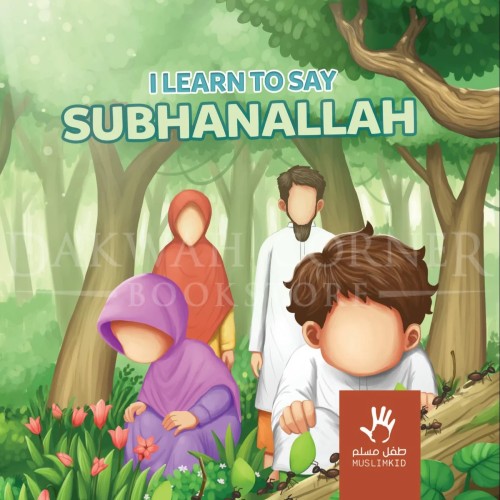
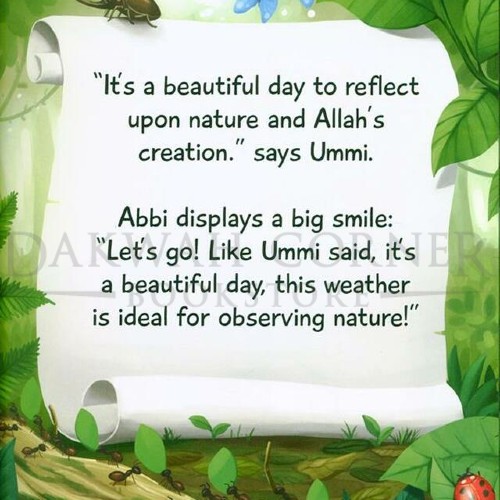
I Learn To Say Subhanallah
Discover a selection of captivating illustrations, accompanied by basic, but important concepts for young Muslim children. I Learn to Say SubhanAllah is the second issue of the “I Learn to Say” series. Throughout this second issue your child will learn when to say SubhanAllah through a beautiful story about Muhammad and Zaynab. This hardcover, 60-page book explains when and why we say SubhanAllah in a fun way. Take your time to read this story with your child, and nurture in them the importance of saying SubhanAllah. The characters in the book are expressionless to help develop young and curious imaginations.
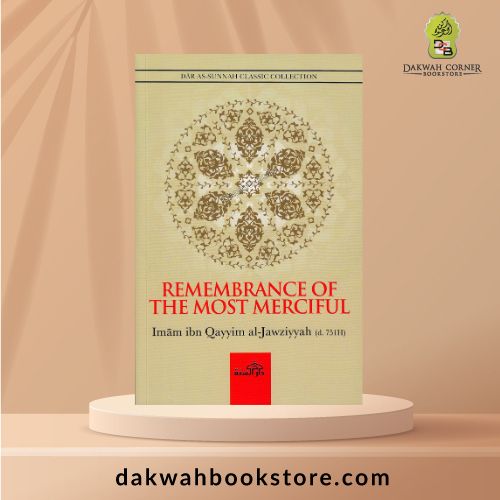
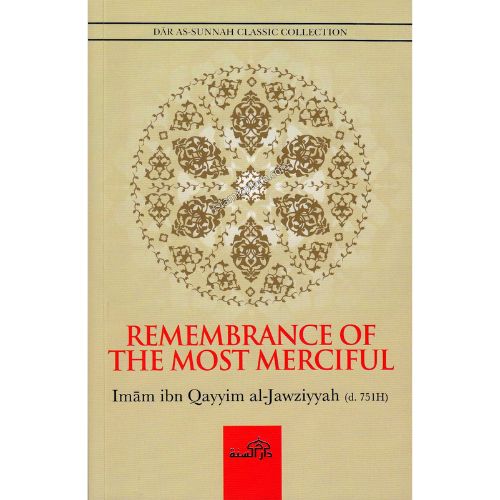
Remembrance of The Most Merciful ( Dar sa-Sunnah)
Imâm ibn Qayyim al Jawziyyah (d. 751M)
Allah, the Most High, Says: “Remember Me, and I shall remember you” Qur’an 2:152 Abu Hurayrah (radiy Allahu ‘anhu), said that the Prophet (if) said: ‘Allah the Almighty said:’ “I am as My servant thinks of Me. I am with him when he makes mention of Me. If he makes mention of Me to himself, I make mention of him to Myself; and if he makes mention of Me in an assembly, I make mention of him in an assembly better than it. And if he draws near to Me an arm’s length, I draw near to him a cubit, and if he draws near to Me a cubit, I draw near to him a fathom, if he comes to Me walking, I go to him at speed. (al-Bulkäri and Muslim)
There are no reviews yet.