| Weight | 0.445 kg |
|---|---|
| Dimensions | 21 × 18 × 1.5 cm |
| Author | |
| ISBN | 9786035010207 |
| Pages | 260 |
| Product Type | Book |
| Publisher | IIPH |
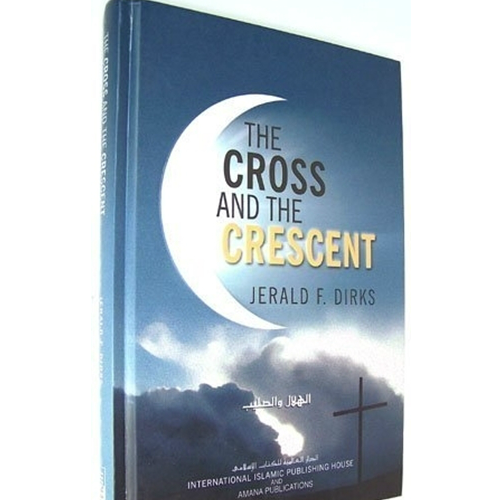
The Cross and The Crescent (IIPH)
RM43.00
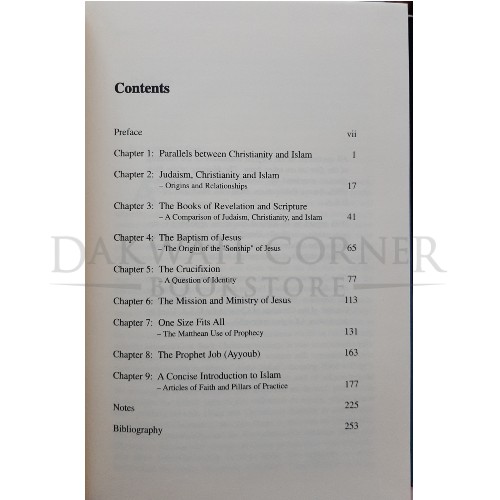
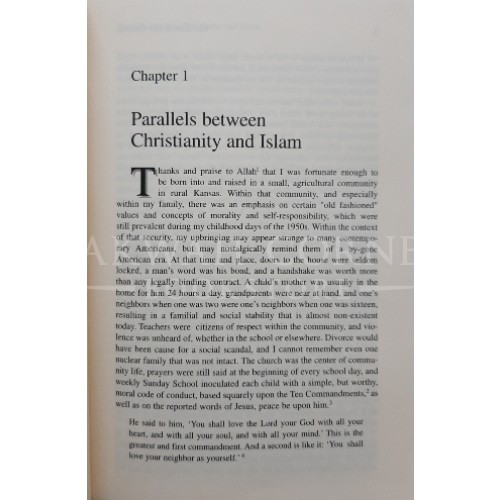
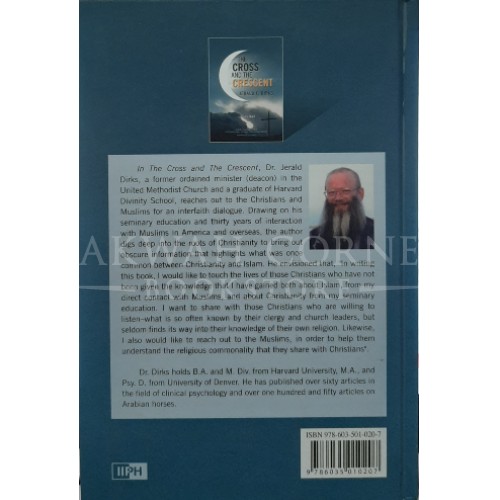
In The Cross and The Crescent, Dr. Dirks, a former ordained minister (deacon) in the United Methodist Church, a graduate of Harvard Divinity School and with a doctorate in clinical psychology, reaches out to the Christians and the Muslims for an interfaith dialogue. Drawing on his seminary education and thirty years of interaction with Muslims in America and overseas, the author digs deep into the roots of Christianity to bring out obscure information that highlights what was once common between Christianity and Islam. He envisioned that, “In writing this book, I would like to touch the lives of those Christians who have not been given the knowledge that I have gained both about Islam, from my direct contact with Muslims, and about Christianity from my seminary education. I want to share with those Christians, who are willing to listen, what is so often known by their clergy and church leaders, but seldom finds its way into their knowledge of their own religion. Likewise, I would like to reach out to the Muslims, in order to help them understand the religious commonality that they share with Christians”.
Be the first to review “The Cross and The Crescent (IIPH)” Cancel reply
You must be logged in to post a review.
Related Products
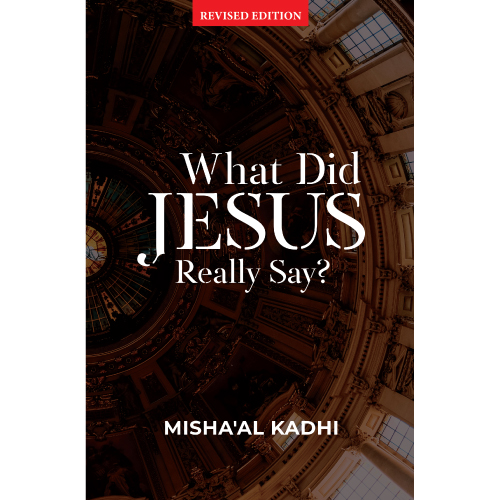
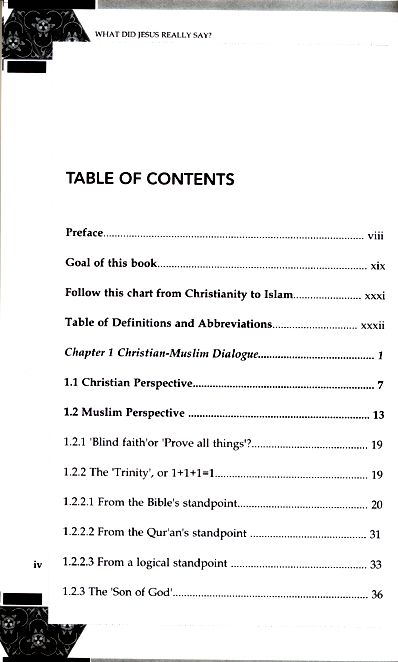
What Did Jesus Really Say?
The book contains detailed information and descriptions that show how the Bible was changed and tampered with over the past two millennia. The account and the discussions presented are based on, and collected from, the writings of Christian authors, the Church and the Bible.
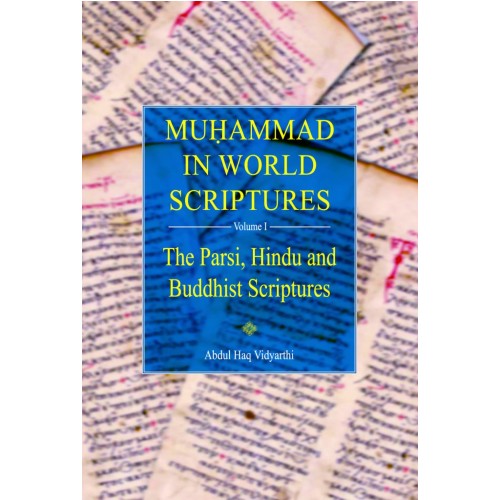
Muhammad in World Scriptures: Volume I (IBT)
This is the first volume of the series on the Prophet Muhammad as found in world scriptures. The author, a scholar of the Vedas and comparative religion, argues that numerous prophecies of the coming of the Holy Prophet are found in the Parsi (Zoroastrian), Hindu and Buddhist scriptures. He attempts to illuminate these prophecies and explains the rationale of his conclusions.
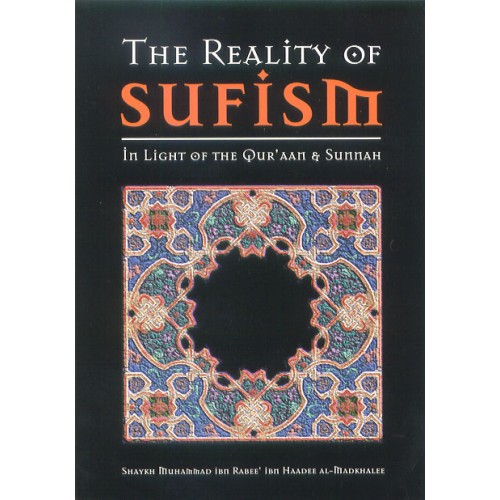
The Reality of Sufism In Light of the Quraan and Sunnah (P/B)
In this book, the author discusses the beliefs and origins of Sufism. It has been written in a clear and uncomplicated style which makes it accessible for readers of all levels. The history of Sufism is traced as well as how sufism developed into what we have today. The author touches upon the beliefs of Sufism, and gives examples from personalities that are regarded highly by those who ascribe to Sufism. A scholarly criticism in light of the Qur’an and Sunnah.
From the Back Cover
You must be aware that there are a number of destructive calls which have been established amongst the ranks of the Muslims and which have shaken and damaged the belief held in there hearts. They have polluted the pure Islamic ‘aqeedah, and have grown by stages to reach such a dangerous level that they led to the splitting of the Muslims into sects and the parties, about which the Prophet (peace be upon him) said: “Indeed those who were before you, from the people of the book, split into seventy-two sects, and this religion will split seventy-three. Seventy-two in the fire and one in the paradise and it is the Jammaa’ah.”
Then there is no doubt that each one of these sects claims for itself that it is the saved sect, and that it is correct, and that it alone follows the Messenger. But the way of truth is a single way and it is the one which leads to salvation, and any other way is one of the ways of miss guidance which leads to destruction.
So the way of truth is to cling to the book of Allaah and the Sunnah of Allaah’s Messenger (S) as occurs in the hadeeth: I have left amongst you two things whith which you will not go astray: The Book of Allah and my Sunnah, and they will not be separated till they come to me at the Pond.
- A scholarly criticism of Sufism in the light of the Qur’an and Sunnah
- Written in an uncomplicated style, ideal for the layman
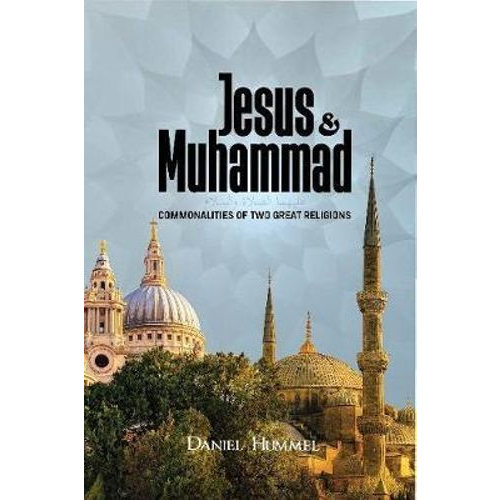
Jesus and Muhammad : Commonalities of Two Great Religions
Jesus and Muhammad lived in different times and in different contexts. An absolute comparison of the careers of these two men is not a satisfactory method in understanding the similarities and differences between their teachings. This book approaches this topic from a different perspective. The time that Muhammad preached in Mecca is compared to the time Jesus spent preaching throughout Palestine. This improves the similarities in contexts between them and makes a comparison more valid. The number of similarities outweighs the number of differences when looking at the four books of the Gospel and the chapters of the Qur’an revealed in Mecca. On issues related to prayer, the Oneness of God, charity, the Hereafter and forgiveness the teachings in these two books are practically the same. A number of core theological issues surfaced in the Book of John do clash with Qur anic teachings about the person of Jesus. These differences and the possible reasons for them are explored in this book. The conclusion of this book is that Muslims and Christians have more shared values and even theological similarities than differences. It is recommended that Muslims and Christians should spend more time understanding these commonalities.”
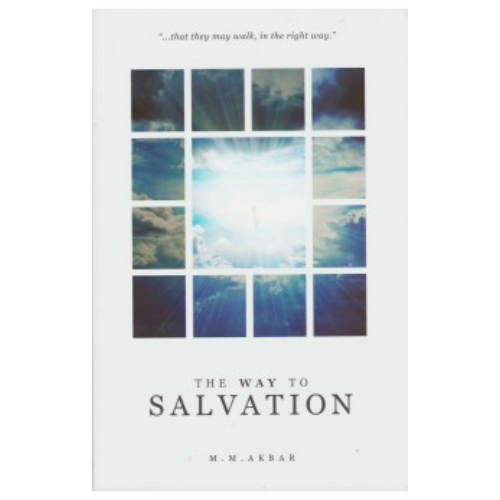
The Way to Salvation (P/B)
DA’WAH MATERIAL
This book can use for da’wah with the topic Salvation.
Salvation is the aim of human life, according to the religious ideologies. What is salvation? Is there an existence after this life? Are the religious scriptures in controversy on dealing with the topic ‘salvation”? Or are there any common points between them? An extensive study on the basis of Hindu, Christian, and Islamic scriptures.
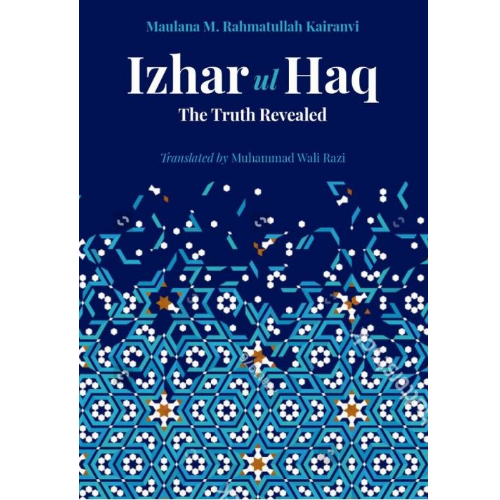
Izhar ul Haq (The Truth Revealed)
This is the thoroughly researched response to the Christian offensive against Islam in India. This book lucidly reviews the authenticity of the Bible and succinctly summarises the main errors, distortions, and contradictions in and between the Old and New Testaments of the King James Version. Furthermore, the doctrine of the Trinity is refuted; a doctrine that Isa (AS) never taught.
This book, internationally recognized as one of the most authoritative and objective studies of the Bible, was originally written in Arabic under the title Izhar-ul-Haq (Truth Revealed) by the distinguished 19th-century Indian scholar, Rahmatullah Kairanvi, and appeared in 1864. The book was subsequently translated into Urdu, and then from Urdu into English by Mohammad Wali Raazi.
This Book Contains among four Parts as Following:
Part 1
The Book of The Bible
Part 2
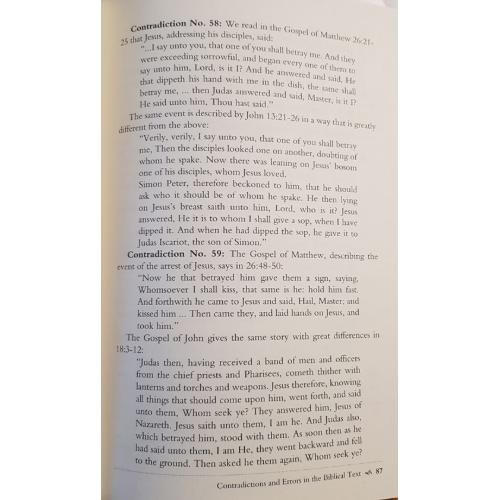
Contradictions and Errors in The Biblical Text
Part 3
Distortion and Abrogation in The Bible
The Trinity Refuted
Part 4
Proof of The Divine Origin of The Qur’an and The Authenticity of The Hadiths
Arabic Version of This Book is also available
Maulana Rahmatullah Kiranvi was born in India in 1818 CE. He was a great Sunni Hanafi scholar. He learned Arabic and Persian. Later he moved to Delhi where he studied different disciplines including mathematics and medicine. Working as a Mufti and Sharia teacher, he founded a religious school in Kariana.
In 1837 the Church Mission Society appointed Karl Gottlieb Pfander, described by Eugene Stock as “perhaps the greatest of all missionaries to Mohammedans”, to Agra in Northern India, where in 1854 he engaged in a famous public debate with leading Islamic scholars.
Maulana Kairanvi’s intention in his book (Izharul Haq) was first of all to show that the Bible cannot in any way be considered as a directly revealed book. He does this very effectively by means of his voluminous and authoritative knowledge of the Jewish and Christian scriptures. He demonstrates beyond doubt that the Books of the Old and New Testaments have been altered, almost beyond recognition, from their original forms. The work is even more notable in the light of subsequent Jewish and Christian scholarship and the various discoveries that have since been made in this field which all bear out the truth of Kairanvi’s thesis.
In the wake of the manifest inauthenticity of the Bible, Maulana Rahmatullah goes on to demonstrate by contrast the indisputable and absolute authenticity of the Qur’an and the Prophethood of Muhammad ibn ‘Abdullah, may peace and blessing of Allah be upon him.
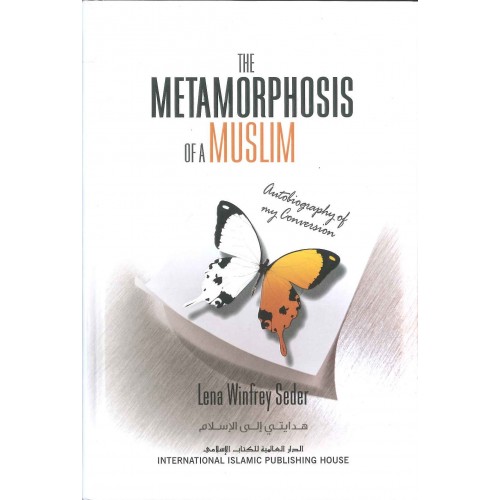
The Metamorphosis Of A Muslim (IIPH)
Lena Winfrey Seder grew up with a loving Christian family in the Virginia countryside. As a shy young woman, she sought to expand her horizons and fly, like a butterfly. At first, her focus was on worldly success and fame, but when she found herself unable to obtain satisfactory answers to her doubts about her religious traditions, she began a spiritual quest for the truth. She emerged from her cocoon with Islam at her side, to guide her in her life and travels. In this autobiographical account
, the author uses a series of flashbacks to weave back and forth among important events and places in her life, before and after she embraced Islam. She explains what attracted her to Islam and describes the effects of her choice on key relationships in her life. Her narration is laced with personal anecdotes and heart-felt advice about being patient in the face of adversity. Her experiences are woven together to create more than just a simple narrative; this is a unique account of the Metamorphosis of a Muslim.
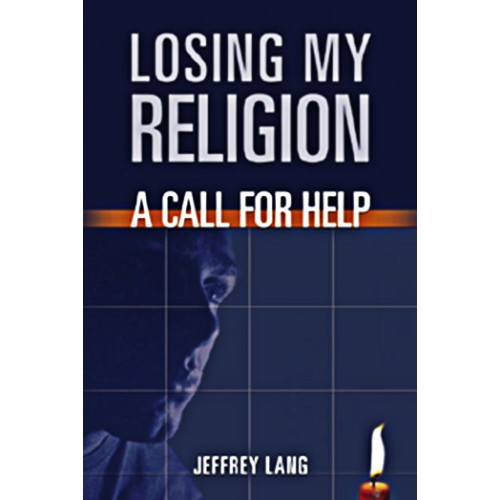
Losing My Religion: A Call For Help (P/B)
“Crucial to the vitality of any religious community is its ability to attract and engage descendants and converts. By this measure, notwithstanding the proliferation of mosques and Islamic organizations, the Muslim community in America is not doing at all well.” This rather sober assessment motivates Dr. Lang to address, in this book, the alienation from the Mosque of the great majority of America’s homegrown Muslims. In Losing My Religion: A Call For Help, the author comes to terms with many of the queries put to him by Americans of Muslim parentage and converts to Islam since the publication of his book Even Angels Ask in 1977. Lang asserts that to effectively respond to the general malaise of American-born Muslims, the Islamic establishment in America needs to be willing to listen to the doubts and complaints of the disaffected. This entails engaging in open discussions on issues with which many in the Muslim community will be uncomfortable, but Lang avers that such open dialogue will be of more benefit to young American Muslims struggling with their faiths than the covert and uniformed discussions that often take place or no discussion at all. For this reason, Lang feels it is important and beneficial “to be candid and objective and not evade controversy, for to inadequately state the case for or against a specific position, especially when it challenges convention, only serves to further alienate the sceptical.” In addition to examining questions of theodicy, hadith authenticity, and moot practices within the American Muslim community, the author includes many testimonials and inquiries that make this book informative. Dr. Lang is Professor of Mathematics at The University of Kansas, Lawrence, Kansas. He is the author of two best selling works: Struggling to Surrender and Even Angels Ask: A Journey to Islam in America. Both books have been translated into other languages.
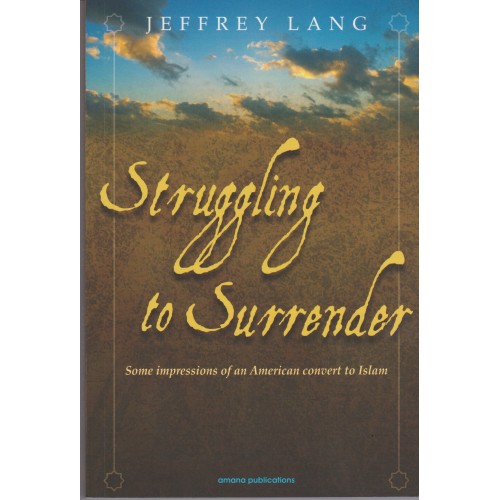
Struggling to Surrender (P/B)
Struggling to Surrender: Some Impressions of an American Convert to Islam is a very personal account of one man’s search for God and meaning in the midst of a culture that places no value on such a quest. Dr. Lang was brought up as a Catholic and educated in a Catholic school. However, one day he found that his religious belief could no longer provide satisfactory answers to his questions.
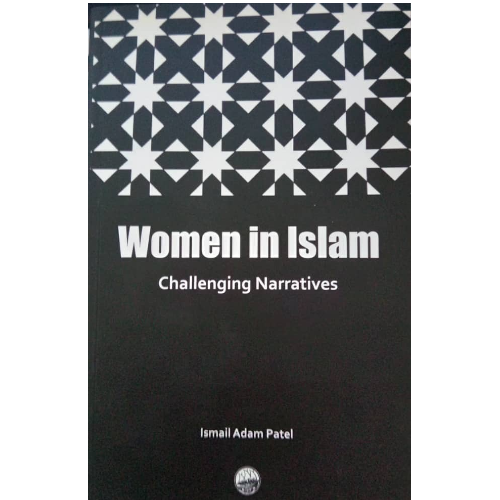
Women In Islam – Challenging Narratives (Ismail Adam Patel)
Many conflicting narratives exist regarding women in Islam and this subject is the cause of much criticism from the West leveled against Islam as a religion. The discrepancies between Islamic religious discourse and the practice of Muslim communities are often disregarded. Women In Islam – Challenging Narratives intends to address certain misconceptions about women in Islam and dispel some common myths. At the same time, this book also challenges the accepted narrative that women in modern Western cultures are emancipated. The chapter titled ‘Women in Islam’ provides a more accurate representation of the lofty position conferred to women within the Islamic tradition, which is often illusive in Muslim communities around the globe. A final analysis of feminist discourse scrutinizes the impact of the feminist movement on setting new ideals for women that negate their roles within the family and home, and assesses whether this has created greater challenges for women in the modern era. Ismail Adam Patel is a writer and campaigner. He is chairman of Friends of Al-Aqsa, a UK based NGO dedicated to campaigning for a free Palestine. He has lectured widely on a number of political and social issues affecting Muslim, and has authored books and articles on an array of subjects. He also acts as an advisor for several other organizations including the Conflicts Forum and Clear Conscience. A graduate of the University of Manchester Institute of Science and technology, he is an Optometrist by profession.
Christianity & Islam
The Bible is the basis for the teachings of Christianity, and the Quran.
Recently Viewed
Islamic Studies Grade 10 by Molvi Abdul Aziz
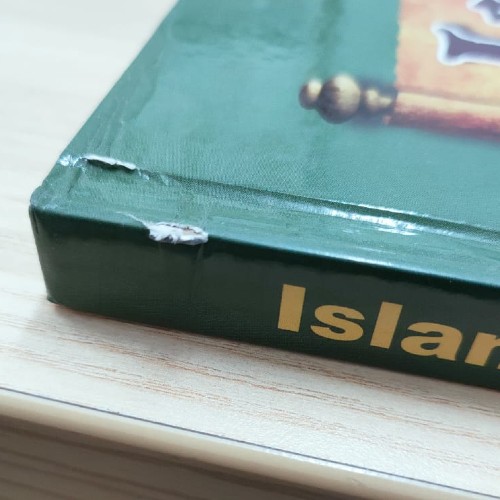
Damaged book cover (as images)
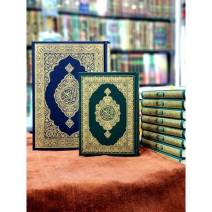
Mushaf Waqaf in Makkah Project
There is no doubt that rewards are multiplied at certain times and places as the Prophet (PBUH) have mentioned in many authentic Hadith. For example, the rewards of good deeds are doubled in Ramadhan and on the first 10 days of Dhul Hijjah, and prayers in the two Holy Mosque of Makkah are multiplied thousand folds.
We have noticed the interest of Muslim pilgrims and visitors since the ancient times in taking this opportunity of doubling their rewards throughout their stay in the Holy land of Makkah based on this principle. They have engaged in recitations of the Qur’an and pondering upon it, performing voluntary tawaf, offering voluntary prayers, doing extra charity works and other acts of worship prescribed by God Almighty.
Among the noble deeds by Pilgrims is the endowment of mushaf in Arabic as well as its translations in the Holy Mosque and the Prophet’s Mosque, taking advantage of the Muslims’ preoccupation with the Book of Allah during the period while seeking the satisfaction of their Creator in the purest spot on the globe.
Dawah Corner Bookstore Makkah branch is now introducing its new service of the endowment of the Mushaf in the Holy Mosque and the Prophet’s Mosque via an e-gateway in accordance with the regulations prescribed by the affairs of the Two Holy Mosques:
1- The Qur’an should be printed from King Fahd Complex in Madinah
2 – and to be placed in the places reserved for the Qur’an.
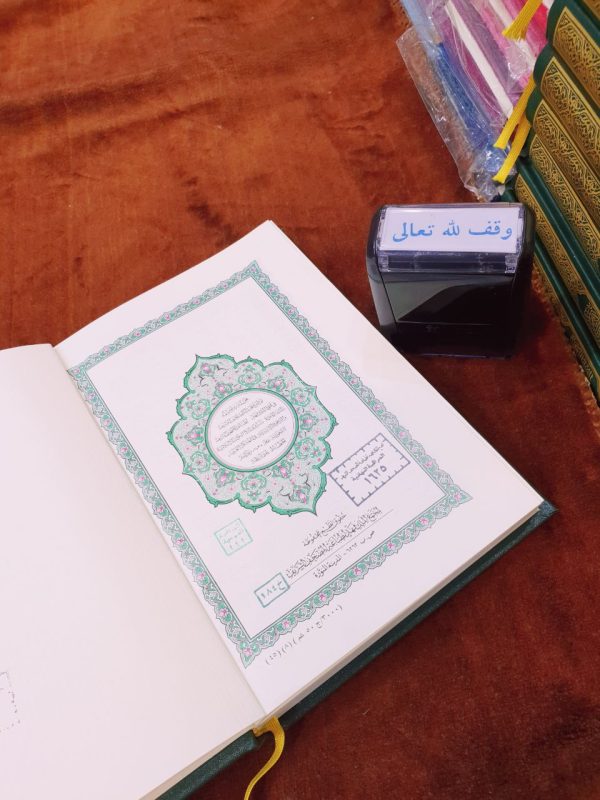
3 – with a clear seal (Waqf Lillah).
Now with this new e-service, everyone can perform the endowment of Mushaf in the Holy Mosque and the Prophet’s Mosque whenever they want and from wherever they are. Dawah Corner Bookstore will handle all the process onsite on your behalf and provide you with photographs and documents according to your needs for your record and for accountability purposes.
Simply log into our website, www.dakwahbookstore.com to choose your preferred Mushaf type and its quantity. After checking out, you will receive the details of the transaction in your mailbox. Please note that the price of the Qur’an Mushaf will be adopted at the market value at the time of the transaction.
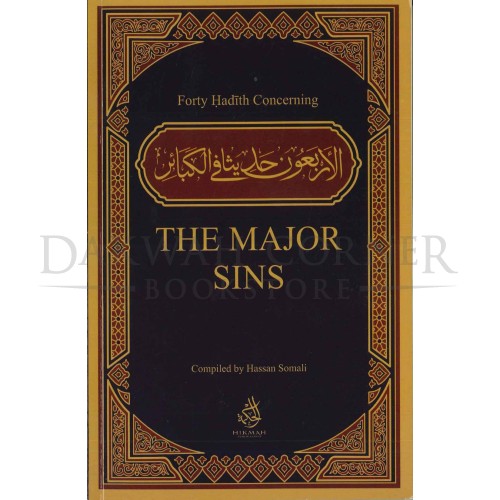
Forty Hadith Concerning the Major Sins
Know that many of these major sins – the majority of them except a few – most people are unaware about their forbiddance, and the threat and warning [associated with them] has not reached them…
It is upon the scholar to not be rash when dealing with a person who is ignorant [of these matters].
Rather, he should be gentle with him and teach him with the knowledge that Alkali has taught him, especially if the individual recently [embraced Islam and] left his period of ignorance, and he was raised in the distant lands of disbelief.”
The Sources of the Qur’an
“Who is the author of the Qur’an?” On this subject scholars have flagrantly contradicted each other. This work attempts to make a critical review of the major ‘authorship’ theories by pressing into service logical arguments, historical evidence, textual analysis and scientific data. Probably, the only point of agreement about the Qur’an is that it was uttered for the first time by a man who was born in Makkah (Mecca), a city of Arabia, in the sixth century—a man by the name of Muhammad (blessings and peace be upon him). As to the source of the Qur’an, scholars are divided into three main groups: those who believe that Muhammad (blessings and peace be upon him) himself was the author; those who believe that he was not the author himself but learned it from another human author or authors; and those who believe that the Qur’an has no human author but is rather a word-for-word revelation from God. Hamza Njozi examines the three theories and comes to a firm and logical conclusion.
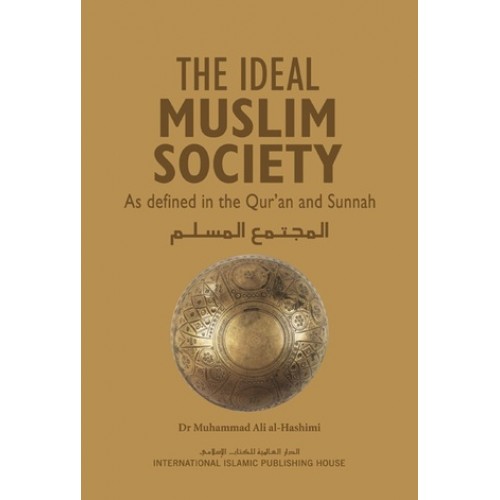
Ideal Muslim Society
From the translator, Nasiruddin al-Khattab: In a world plagued with wars, racism, political turmoil, economic downturns and social anguish, many people are looking for an alternative in which justice, freedom, decency and common sense will prevail. Such societies have existed in the past, in the golden eras of Islamic civilization, and we have the hope that, if Allah wills, such a society may appear again. In The Ideal Muslim Society, Dr. Muhammad ‘Ali al-Hashimi gives us a detailed picture of what this society would look like. Drawing on his extensive research of Islamic history and contrasting the ideal with the sorry state of affairs in human societies today, he explores the religious, political, economic, social and other facets of this ideal society, illustrating everything from the responsibilities of those in authority to the interactions between individuals on the humblest levels. For those who are longing to see a better world, this book offers practical ideas and hope.
Quran Translation Vietnamese
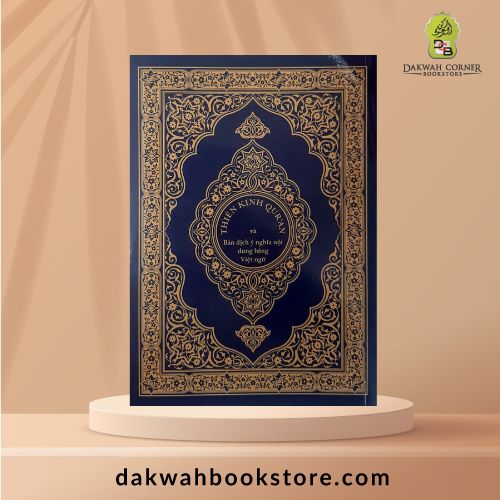
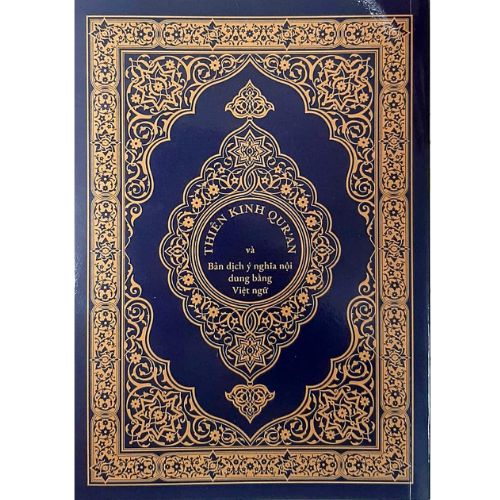
The Noble Quran in Vietnamese Language (Arabic Text with Vietnamese Translation)
Zakah According to the Quran & Sunnah (Darussalam)
Zakah, the third Pillar of Islam, is probably the first Pillar of its economic system. It represents the first and most important mechanism to implement economic justice and to provide sustenance to the economically unfortunate, two issues for which Islam is especially sensitive. These two issues are the essence of this book. This book consists of all the main issues of Zakat (i-e, Zakah on Gold, Silver, Paper Money, Livestock, Fruits, Grains, Rented Land, Buried treasures, Minerals, Trade, Shares, Stocks, and Exploited Assets etc). The main objective of this work is to serve an easy and authentic reference to the reader.
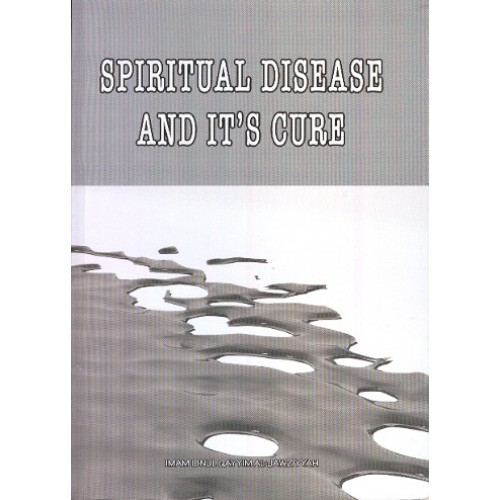
Spiritual Disease and It’s Cure
The Imam was asked a long question of which a part was – What is the opinion of the scholars regarding a man who is afflicted by a disease, and knows that if it should continue it would damage his life? The Imam Quoted the Hadith from Sahih Bukhari The prophet (S) said: ‘Allah has appointed a remedy for every disease He has sent down’ Imam Ahmad reported on the authority of Usamah bin Shareek that the ‘ Prophet (S) said Allah has not made a disease without providing a remedy for it, wih the exception of one disease, namely old age’ This Applies to the medicine for the heart, soul and body. The well being of the servant’s heart, is far more important than that of his body, for while the well being of his body enables him to lead a life that is free from illnesses in this world, that of the heart ensures him both a fortunate life in this world and eternal bliss in the next.
Imam Ibn al-Qayyim al-Jawziyya was born into a scholarly and virtuous family in 691 AH/ 1292 A.D. At that time Damascus was a centre of literature and thought. Many schools were located there and he studied and graduated under the protection, direction and sponsorship of his father. He was particularly influenced by his Shaykh and teacher Imam Ibn Taymiyyah, and also by Ibn ash-Shirazi amongst others. Ibn al-Qayyim al-Jawziyya died in the city of Damascus the year 751 AH/1350 C.E.,when he was scarcely 60 years old, and was buried at the cemetery of Bab- al-Saghir, near the grave of his father – Rahimahuma Allah.
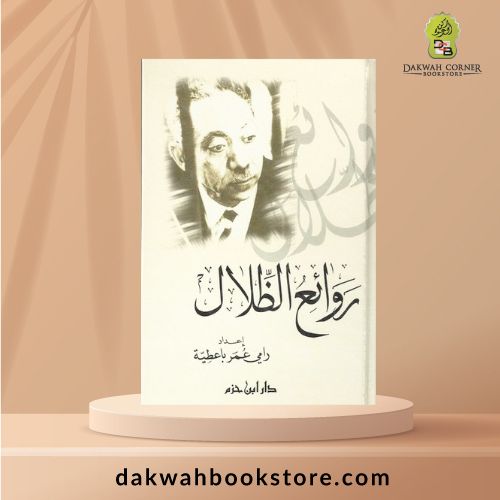
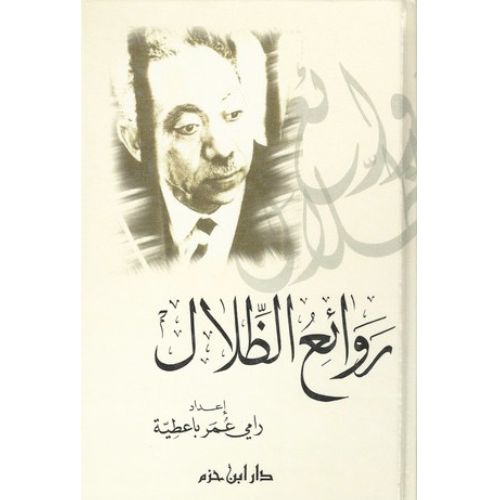
[MM] Rawai’ al-Zilal / روائع الظلال
إن رحلتنا مع روائع الظلال رحللة ممتعة نبحر فيها في شتى مجالات الحياة نستقي من خبرات وتوجيهات وتجارب سيد قطب التي خاضها في خضم الحياة . فنتعرف على حقيقة الاسلام وما حل به في أصقاع الأرض
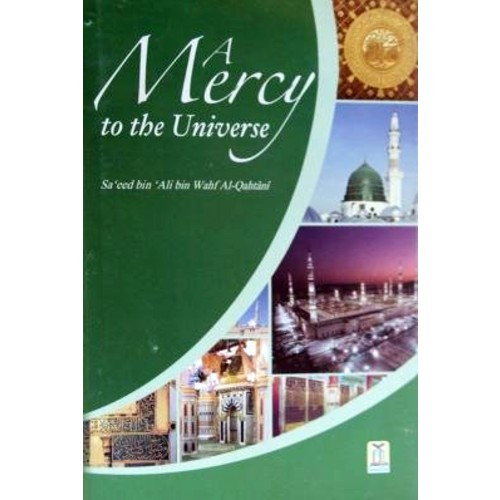
A Mercy to the Universe
Mercy is clemency and forbearance; mercy is the disposition to forgive or show compassion; mercy means a favor or a blessing; mercy further denotes the qualities of kindness, sympathy, generosity, and beneficence. Suffice is to say that all of these qualities were present in abundance in the character of the Prophet Muhammad (May Allah have his peace and blessings on him).
He was a mercy not just to believers, but to disbelievers as well, for he would invite them to come out of darkness and into the light of true guidance. He is a favor and blessing for mankind, not just the Arabs, the people among whom he was sent, but for people of all races and colors. His staunchest enemies became his closest followers when the cloud of blind prejudice was removed from their sight and when they were able, for the very first time, to see with clarity the true nature of the Prophet’s character.
This book deals with many of the qualities that the Prophet possessed that made him the mercy to everyone. It starts with His perfect lineage, His noble upbringing, and his fully dedicated worship. This book then gives many of the qualities of the Prophet including his generosity, humbleness, bravery, patience, and leadership to name a few. Each chapter includes examples from the life of the Prophet on how he was the perfect living example of that quality. The book ends with the perfection of life of the Prophet with his farewell sermon and even his noble death where he demonstrated some of those qualities as well.
Devotion in Prayer P/B
The lack of reverence [khushi] in prayer has become a widespread phenomenon. Despite the well-known methods of achieving khushu methods in the Sunnah of the Prophet, rarely do we find a Muslim who is satisfied with his khushi in his prayer. In this book, we present a new theory, the theory of the pyramid of khushů, which consists of five levels, and which aims to gradually elevate the worshiper until he reaches a complete peace of mind in his prayer. This theory is implementable, practical, and based on the Qur’an and the Sunnah.
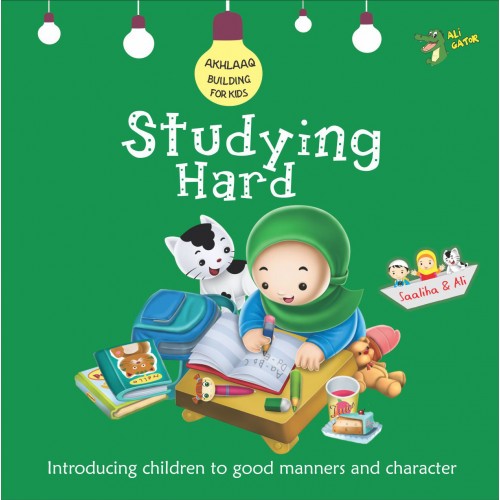
Studying Hard (Akhlaaq Building Series)
Good study habits get good results. Learn to study well and the results will come.
- Full Color
- Ages 3yrs – 8yrs


There are no reviews yet.