
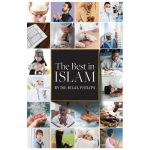

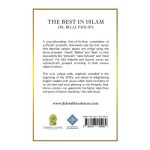
The Best in Islam
RM36.00
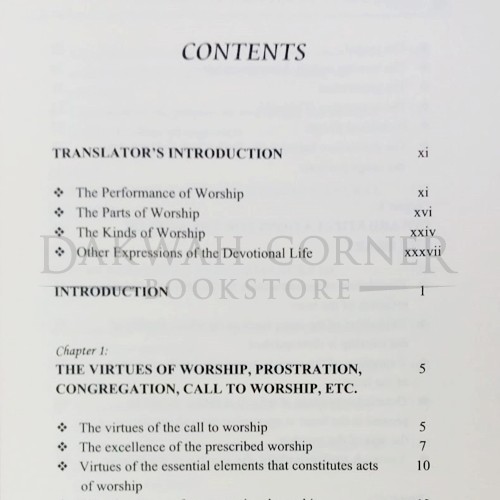
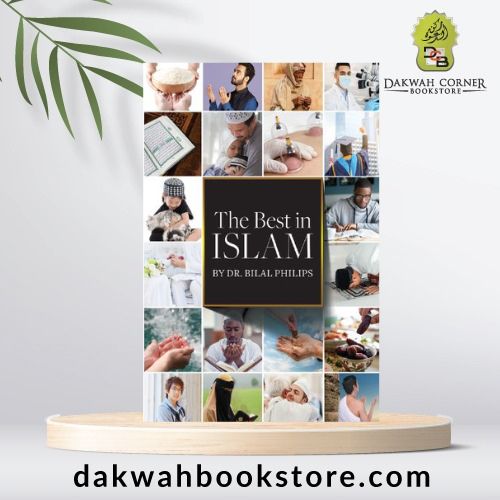
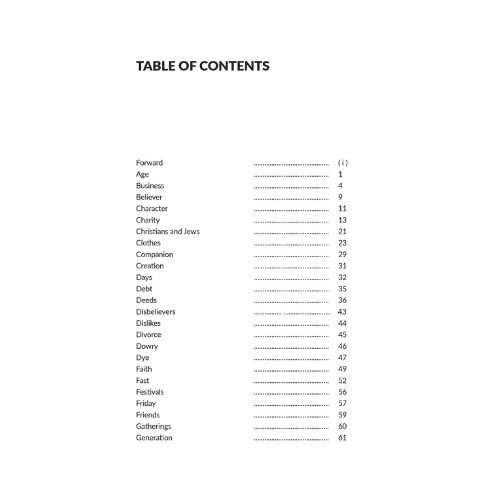
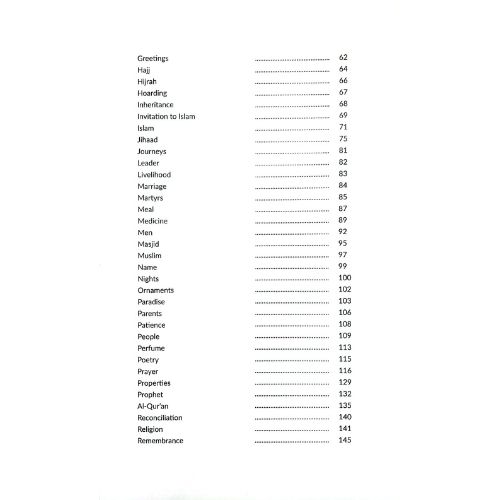
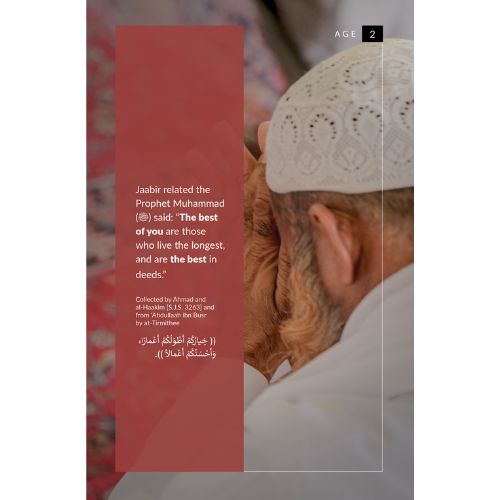
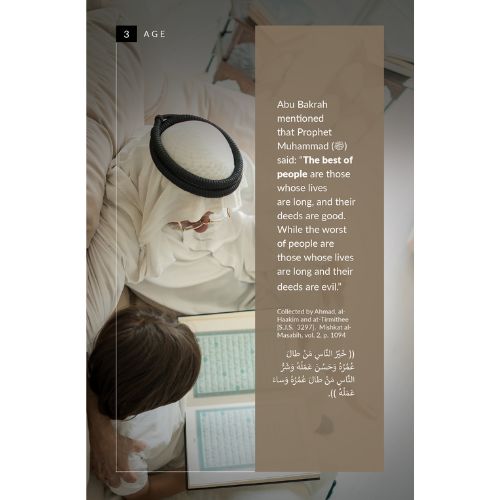
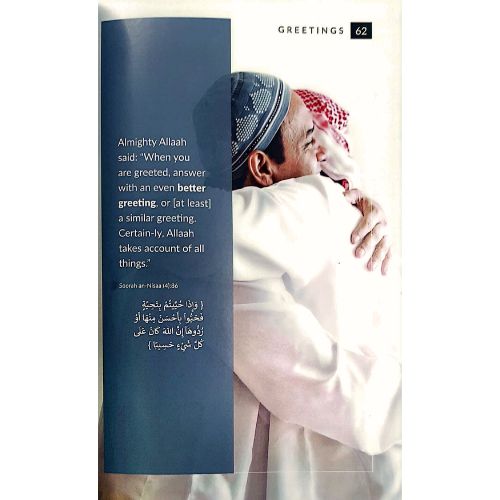
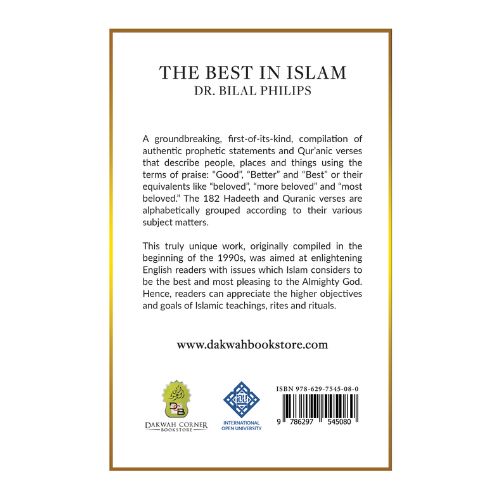
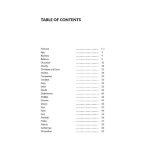
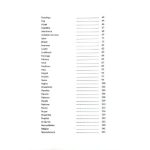
A groundbreaking, first-of-its-kind, compilation of authentic prophetic statements and Qur’anic verses that describe people, places and things using the terms of praise: “Good”, “Better” and “Best” or their equivalents like “beloved”, “more beloved” and “most beloved.” The 182 Hadeeth and Quranic verses are alphabetically grouped according to their various subject matters.
This truly unique work, originally compiled in the beginning of the 1990s, was aimed at enlightening English readers with issues which Islam considers to be the best and most pleasing to the Almighty God. Hence, readers can appreciate the higher objectives and goals of Islamic teachings, rites and rituals.
Frequently Bought Together
| Weight | 0.65 kg |
|---|---|
| Dimensions | 21.5 × 14 × 1.5 cm |
| Author | |
| Pages | 181 |
| ISBN | 9786297545080 |
| Binding | Paperback |
| Publisher | Dakwah Corner Bookstore |
Be the first to review “The Best in Islam” Cancel reply
You must be logged in to post a review.
You may also like…
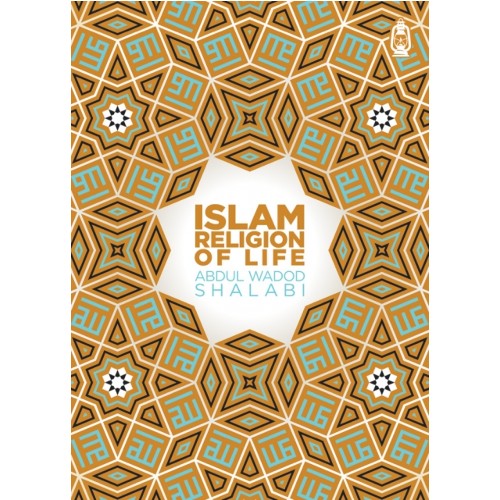
Islam Religion of Life by Abdul Wadod Shalabi
This concise book is among the finest introductions to Islam for an educated readership. Its content is authentic, reliable, and powerfully presented — written by Islamic scholar Abdul Wadod Shalabi.
The author combines traditional religious training from al-Azhar University and Western education from the University of Cambridge, where the author received his doctorate. The book has been edited by Abd al-Hakim Murad, himself a scholar.
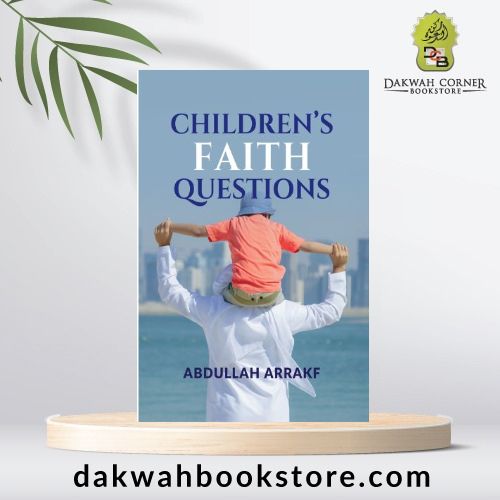
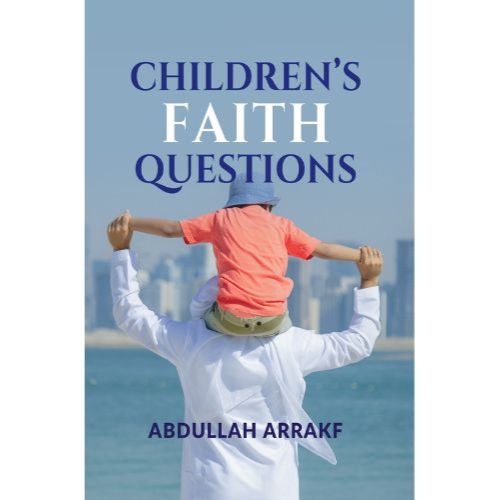
Children’s Faith Questions (New Cover)
This book calls upon Muslim parents to teach the faith to their children in a time of globalization and unlimited access—through technology—to all that is confusingly contradictory to the Islamic faith.
Means of Steadfastness in Islam
Steadfastness and patient perseverance in Allah’s religion is a basic requirement that should be met by every sincere Muslim who wants to stick to the Straight Path with understanding and determination. Muslims today face many temptations and distractions. Those who consciously seek the means of steadfastness will succeed and those who are negligent will, sadly, suffer the doubts and confusion which are more severe now than ever before. Happy are those who seek the way out and join the righteous, dedicated Muslims, and who spare no effort to learn their religion and remain steadfast. This valuable book
deals with all these issues and points out the means of steadfastness that every Muslim should learn and practice. The author also discusses common worldly distractions and explains how to deal with them.
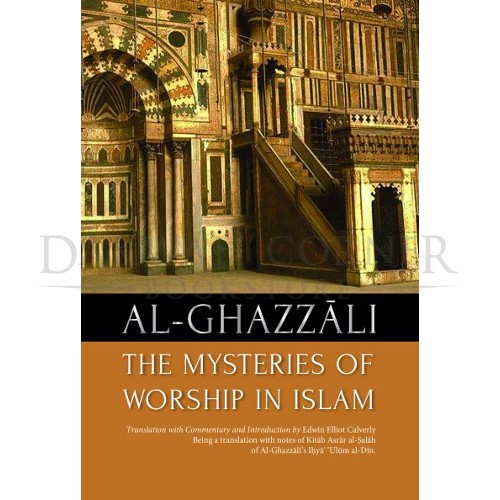
Al-Ghazzali: The Mysteries of Worship in Islam
Kitab Asrar al-Salah of Al-Ghazzali’s Ihya’ ‘Ulum al-Din
Translation with Commentary and Introduction by Edwin Elliot Calverley.
It describes the proper performance of the Salat in all its phases, leaving nothing untouched.
Fundamentals of Islam (P/B)
Fundamentals of Islam is a revised English edition of the critically acclaimed Khutubah (original written in Urdu). It consist of Friday congregational addresses, in them he expounds familiar themes; like Iman, Islam, the Prayer, Fasting, Alms-giving, Pilgrimage and Jihad.
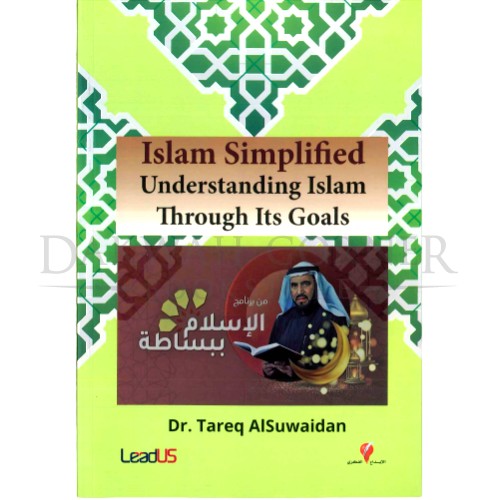
Islam Simplified: Understanding Islam Through Its Goals
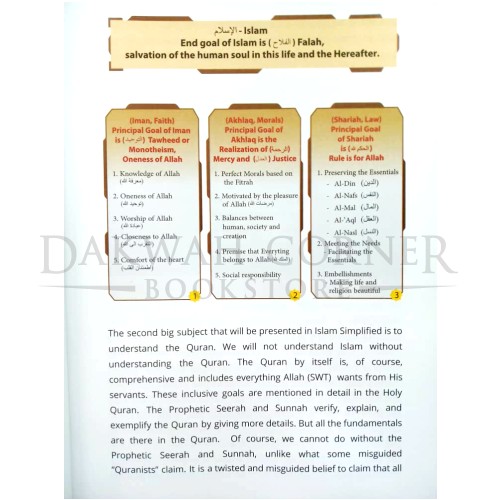
Islam Simplified introduces Islam simply and comprehensive by presenting the overall framework of Islam that highlights the goal-oriented view of Islam so that Muslims and non-Muslims will understand clearly the “Why” of Islam.
Related Products
Lawful Wives or Unlawful Girlfriends
In the Name of Allah, the Most Beneficent, the Most Merciful
Allah (SWT) says: (If you fear that you will not be able to deal justly with the orphans, marry women of your choice, two or three or four; but if you fear that you shall not be able to deal justly (with them), then only one or (the captives or the slaves) that your right hands possess. That will be more suitable to prevent you from doing injustice) (An-Nisa’: 3).
Praise be to Allah (SWT) who has prescribed for His Servants a religion (Islam) that is beneficial to them in this world and the Hereafter, and Peace and Blessing be upon His Messengers and Prophets who were guided by His Guidance and conveyed His Religion. The last and seal of His Messengers was Muhammad Ibn Abdillah (SAW). He (SAW) was the best to advise his Ummah and convey the True Message, by words, deeds and his character. He (SAW) was the best model and example for the believers.
From Monogamy to Polygamy : A Way Through (H/B)
From Monogamy to Polygyny: A Way Through addresses the deep and complex issues and concerns the Muslim women worldwide have with polygyny. The insight offered by this book is new, unique, and encouraging. Practical advice is brought forth to aid in moving past the negative feelings that are commonly associated with polygyny, ultimately helping the Muslim woman progress to a higher level of Iman, In sha Allah. Rich with understanding, comfort, advice, motivation, clarity, examples, experiences, and answers; a way through is paved for the Muslim woman, making polygyny easier, or at the very least more endurable. Although this book is geared mainly towards women, its vast content can give men insight into the emotional affects of polygyny on women, which they can use to make sound and wise decisions. Overall, this is a valuable resource for both Muslim men and Muslim women considering, dealing with, questioning, and pondering polygyny.
Guarding The Tongue (P/B)
How many people have earned the wrath of Allah as a result of misuse of their tongues? How many injuries that may never heal have been inflicted throughtt the careless slips of the tongue? The Messenger of Allah said:
“Indeed, the servant will speak words that are pleasing to Allah, due to which he will he given a condition in which Allah will raise him many levels. And indeed, the servant will speak words that are displeasing to Allah, due to which he will not he given a good condition, but (instead) be thrown into the Hellfire.”(Bukhari)
This book highlights those sins that seem so light on the tongue yet so grave on the scale and offers practical advice on how to keep the tongue in check.
Philanthropy and Social Justice in Islam (P/B)
This book analyses the principles and practices of philanthropy and distributive justice in Islam. It argues, with analyses and examples, that the accomplishment of purposive philanthropy, as commanded by the fundamental tenets of Islam, through the professionalization and rationalization of zakat management, modernization of awaqaf, etc. has the potential of optimizing justice in Muslim societies. The work draws on the Quran, Hadithe, other authentic literature, and also on official documents and publications of management agencies dealing with philanthropy in different Muslim countries/societies. The analyses are documented enough to be used as a text for the study of philanthropy in Islam in tertiary institutions nonetheless are simple enough to draw general readership and to be used by non-profit and international organizations worldwide in order to order to understand the principles and issues of philanthropy and distributive justice in Muslim societies.
Weakness of Faith (IIPH)
The phenomenon of weak faith has become very widespread among Muslims, and many people complain about the hardness of their hearts. So often we hear the words, “I feel hardness in my heart,” “I do not find any joy in worship,” “I feel that my faith has hit rock bottom,” “Reading Qur’aan does not move me,” “I fall into sin so easily.” The effects of this affliction can be seen in many people, and this problem is the cause of every disaster and adversity.
One of the most important principles which must be understood in order to treat the problem of weak faith is that faith increases and decreases, or waxes and wanes. This is one of the basic principles of the ‘aqeedah of Ahl al-Sunnah wa’l-Jamaa’ah, who say that faith is something to be spoken in words, to be believed in in the heart, and to be put into action. Faith increases with obedience and decreases with disobedience.
‘… that they may grow more in Faith along with their (present) Faith…’ [al-Fath 48:4]
‘… Which of you has had his faith increased by it? …'[al-Tawbah 9:124]. aari, Fath, 1/51).
Ibn Taymeeyah’s Essay on the Jinn (P/B) ASN
Dr. Abu Ameenah Bilal Philips has rendered Ibn Taymiyah’s treatise, Eedaah-ud-Dalaalah fee ‘Umoom-ir-Risaalah, from volume 19 of Majmoo‘-ul-Fataawa into very readable English. This abridged and annotated translation is significant in that it is perhaps the first book available in English exclusively on the topic of spirit-possession and exorcism in Islam.
Ahmad ibn ‘Abdul-Haleem ibn Taymeeyah was bron in the town of Harran [near Edessa, in what was once Northern Iraq, but is now called Orfa and is a part of Turkey.], in the year 1263 CE. His father was a leading scholar of the Hanbalite school of Islamic law and so was his grandfather, who authored Muntaqaa al-Akhbaar, the text of ash-Shawkaanee’s Hadeeth classic Nayl al-Awtaar.
Ibn Taymeeyah mastered the various disciplines of Islamic study at an early age and read extensively the books of the various sects and religions in existence at that time. Much of his time and effort was spend defending the orthodox Islamic position against a tidal wave of deviation which had swept over the Muslim nation. Consequently, he faced many difficulties from both the prominent sectarian scholars of his time and from the authorities who supported them. His clashes with them led to his imprisonment on numerous occasions. Ibn Taymeeyah also fought, not only against internal enemies of Islaam, but also against its external enemies by both his Fatwaas (Islamic legal rulings) and his physical participation in battles. His ruling allowing the taking up arms against groups which recognized the Shahaadataan (declaration of faith) but refused to uphold some aspects of the fundamental principles of Islaam, greatly affected the resistance movement against the Tartars who had declared their acceptance of Islaam but did not rule according to divine law.
During these struggles he wrote countless books and treatises demonstrating his extensive reading and knowledge, not only of the positions of the early scholars, but also those of the legal and theological schools which had subsequently evolved. Ibn Taymeeyah also had a major effect on the open-minded schoars of his day, most of whom were from the Shaafi’ite school of law. Among the most famous of his students were IBN KATHEER, ADH-DHAHABEE and IBN AL-QAYYIM. The author died in 1328 while in prison in Damascus for his Fatwaa against undertaking journeys to visit the graves of saints [Ibn Taymeeyah’s ruling was based on the authentic statement reported by Abu Hurayrah wherein the Prophet Muhammad (sallallaahu alayhi wasallam) said, “Do not undertake a journey except to three masjids; this masjid of mine, Masjid al-Haraam (Makkah) and Masjid al-Aqsaa (Bayt al-Maqdis).” Collected by Al-Bukhaaree and Muslim]. His Fatwaa had been distorted by his enemies to say that he forbade visiting the Prophet Muhammad’s (sallallaahu alayhi wasallam) grave.
Muslim Unification at Time of Crisis
This book authored by one of the great scholars of our time is an advice to the people of Ahulul ?Sunnah wal-Jamaah to unify and be merciful to each other, and cooperate upon righteousness and taqwa.
Why Islam?
Often, the first thing someone is asked when they discover the truth and embrace Islam is the question: Why Islam? Here, an American revert-to-Islam answers that question. The author, K. Sherman, writes: The beauty of Islam is probably the best-kept secret in modern times; it is about time it was revealed. This is the sentiment of a majority of people who are discovering the truth about Islam every day. My first exposure to the religion was through a perusal of a fifty-page booklet titled Towards Understanding Islam (written in 1932). It explained to me everything that twenty years of life and fifteen years of education could not. After the initial sense of relief, I suddenly felt cheated. I was consumed with rage. Why? I could not fathom how people could know about this phenomenal way of life and not speak out and inform others. This book is my personal take on the beauty of Islam, backed up by relevant and authentic references. I am convinced that humanity direly needs it and it is my duty to speak out.
Dreams of the Prophets and the Righteous
Originally written in Arabic by Abdul Mun’im al Hashmi. It is like an encyclopedia of dreams. It tells us how we should behave on seeing a dream and how they may be interpreted. There are dreams of the Prophets and the Righteous men, and the dreams of the Prophet and his Sahabah. Some dreams of non-Muslims also find place in this book. The author also informs as to what various things like animals, birds and certain chapters of the Qur’an would mean if seen in a dream.
New Directions in Islamic Education : Pedagogy and Identity Formation (P/B)
New Directions in Islamic Education explores the relationship between pedagogy and the formation of religious identities within Islamic education settings that are based in minority and majority Muslim contexts. Based on empirical research, the book engages critically with the philosophical, theological and cultural dynamics that inform Muslim educational thought and practice. The book offers an integrated model of Islamic education that identifies the heart of the Islamic educational imagination as tarbiyah, a transformative process of becoming. Overall, this book seeks to ground the theory and practice of Islamic education within the experience of the educator and the learner, and it synthesises the spiritual foundations of Islam with the tradition of critical reflection within the classical Muslim educational heritage. This ground breaking and wide-ranging work should be of interest not only to Muslim educators and education specialists, but also to social scientists, theologians and policy makers.
Journey to Islam: Diary of a German Diplomat 1951-2000 (The Islamic Foundation)
A lengthy process, rich in remarkable and thought-provoking events, including compelling encounters with Islamic philosophy, led the author to embrace Islam. His experiences since that time – such as his pilgrimages to Makkah – further deepened his understanding of, and identification with, this “fastest growing religion in Europe.” This “Diary” is, however, much more than a recorded soliloquy. It is a lively introduction to Islam as such – developed in the spiritual confrontation of a Muslim intellectual of European background with the ideology and value system of post-industrial western society.
Prophet Muhammad: A Blessing for Mankind
Prophet Muhammad (blessings and peace of Allah be upon him) and the lessons he taught us from the continued hardships he underwent in every stage of his life are a real blessing for humankind. Being an orphan child made him compassionate to widows and orphans as well as to the poor. His multiple marriages strengthened the ties of kinship amongst the different tribes, dissolving long-standing enmity. His message and prophethood were challenged by the polytheistic society in Makkah, forcing him and his few followers to emigrate to Madinah. Despite his illiteracy and the struggles he faced, he conveyed Allah’s Book, the Noble Qur’an, to all humanity, teaching them the values and principles that are presently adopted by billions of Muslims throughout the world. In the Qur’an, Allah, the Almighty addresses the Prophet (blessings and peace of Allah be upon him), saying: {We have sent you only as a mercy to the worlds.} (Qur’an 21: 107)
Recently Viewed
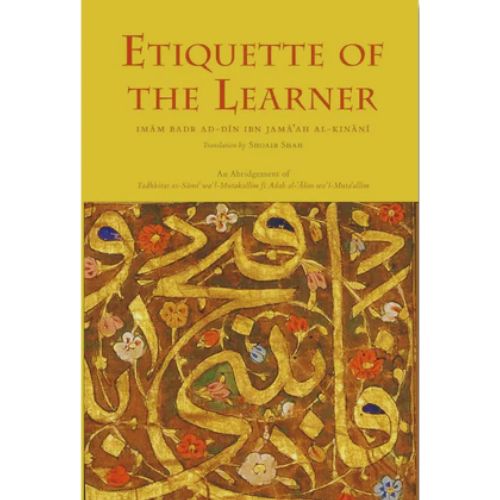
Etiquette Of The Learner (P/B)
This work entitled Etiquette of the Learner, is extracted from Qadi Ibn Jama’ah’s major contribution to the literature of adab: Tadhkirat as-Sami wa’l-Mutakallim fi Adab al-‘Alim wa’l-Muta’allim (A Memorandum to the Listener and the Speaker on the Etiquette of the Scholar and the Learner.
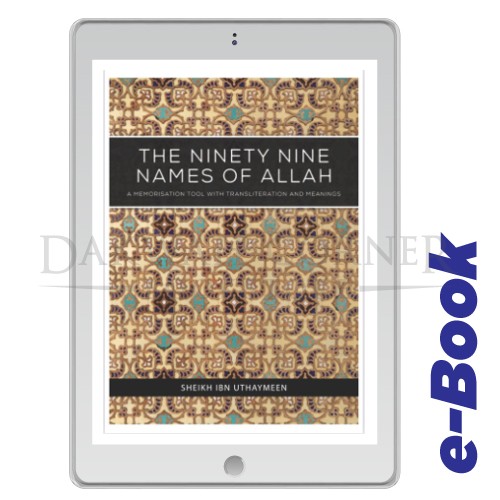
(FREE-eBook) The Ninety-Nine Names of Allah
(E-book FREE)
Sheikh ibn Uthaymeen, was a scholar, jurist, and Mufti. He was born in 1929 in Saudi Arabia. He memorised the Quran and studied other books at the age of 14 at the hands of his grandfather and other prominent scholars.
Sheikh ibn Uthaymeen is considered one of the most pre-eminent scholars of the 20th century. For more than 50 years, he worked hard for the sake of teaching, preaching, lecturing, and guiding people to worship Allah. He has authored more than 40 books in different Islamic sciences. He passed away in 2001 at the age of 74 and was buried in Mecca.
Sheikh ibn Uthaymeen was a highly significant scholar whose Islamic rulings are followed by a large number of Muslims worldwide. He played a prominent role in expanding the principals of Islamic monotheism and in explaining perplexed issues in the Islamic jurisprudence. He was a model of knowledgeable scholar, uprightness, honesty and commitment. May Allaah have Mercy upon his soul, ameen.
This booklet is a translation of a lecture by Sheikh ibn Uthaymeen on the ninety nine name of Allah. It has been produced to help the reader understand the meanings and memorise the names of Allah.
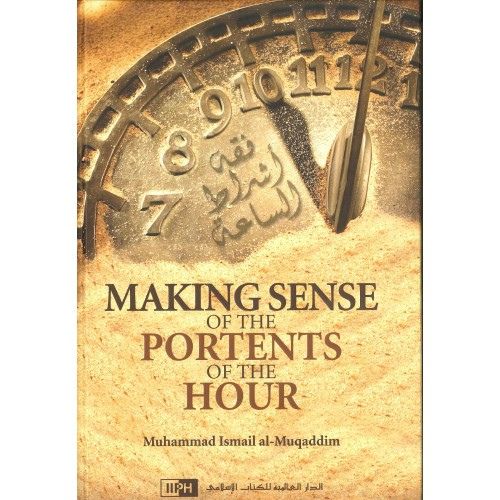
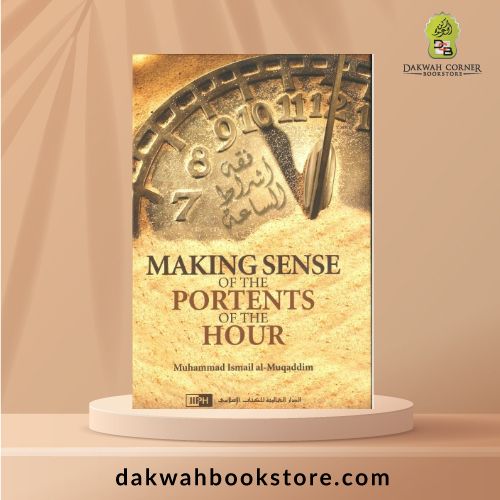
Making Sense of the Portents of the Hour (H/B) – IIPH
Are things inevitably getting worse and worse, year after year, century after century, with no way to alter the course of events? Is the Muslim Ummah doomed to experience failure and humiliation until the Mahdi arrives? Will he restore its former glory and bring victory over all its enemies? Are all our efforts to support Islam destined to end in failure? Instead of taking action, should we simply wait for the return of Jesus (peace be upon him) towards the end of time? Is the Dajjâl (Antichrist) alive today? Does he have secret connections with some prominent world figures? Is the hour very close? Could it come upon us at any moment, on any day? If so, what is the point of striving to improve our situation?
Using evidence from the Qur’an and the Sunnah, the author explains the true Islamic teachings on the portents of the hour, clearing up some of the misconceptions about them and giving advice on how Muslims should respond to them. The book is an interesting and informative read that will leave the reader empowered with knowledge.
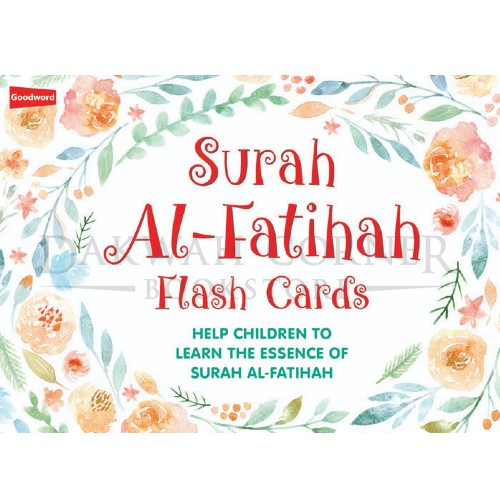
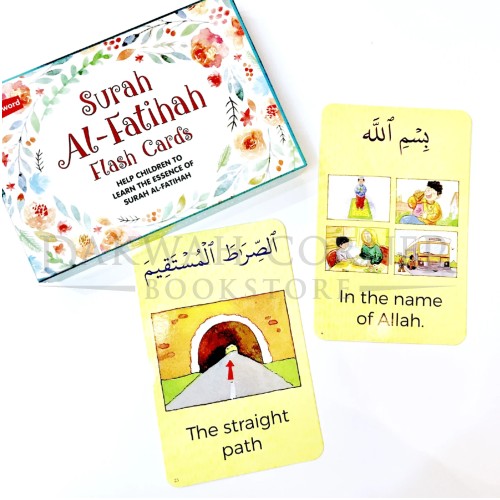
Surah Al-Fatihah (Flash Card)
A set of 32 beautifully crafted flash cards to help children understand and memorize the true essence of Surah Al Fatihah.
- Vocabulary learning is made fun and exciting by picture-word association.
- Exercise cards to stimulate imagination and reinforce the concept behind each ayah for practical and linguistic understanding.
- Comes with instruction booklet – suggests various games to engage with children.
Suitable for 3+ years old.
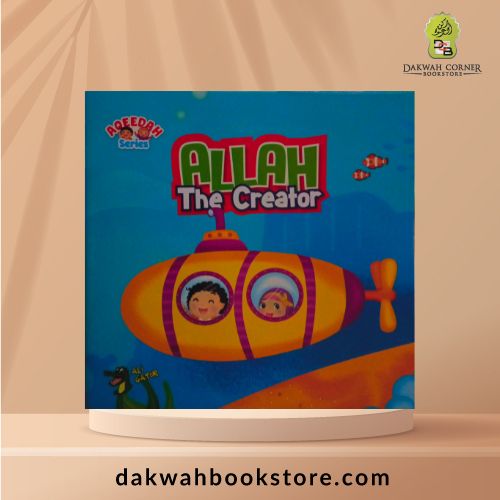
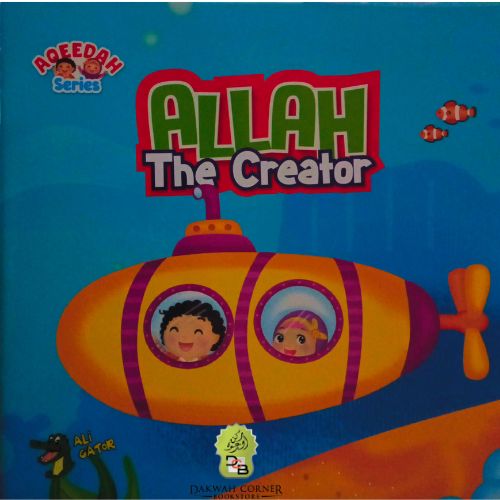
Allah The Creator – Aqeedah Series
Brand new Children’s Book Series – Aqeedah Series.
“Whose toy car is that?” asked Mahmoud’s mother. Mahmoud was scared to answer his mother as he thought no one saw him take his friends toy car from the park.
But very quickly Mahmoud learns that Allah knows everything and sees everything we do.
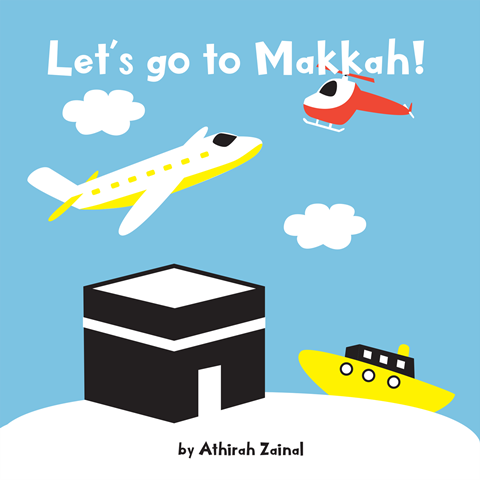
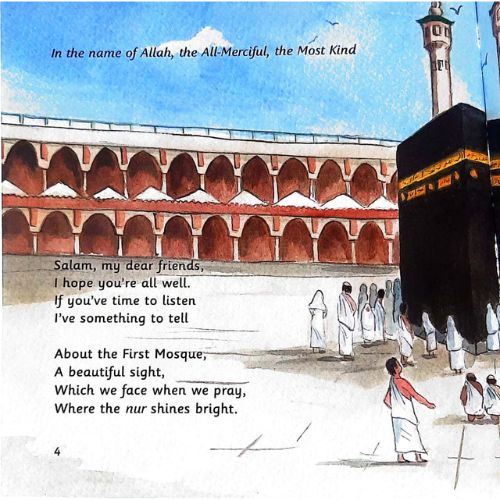
Let’s go to Makkah!
A high contrast book that is best for your baby. Babies positively respond to high contrasting colors and it improves brain growth and visual development.
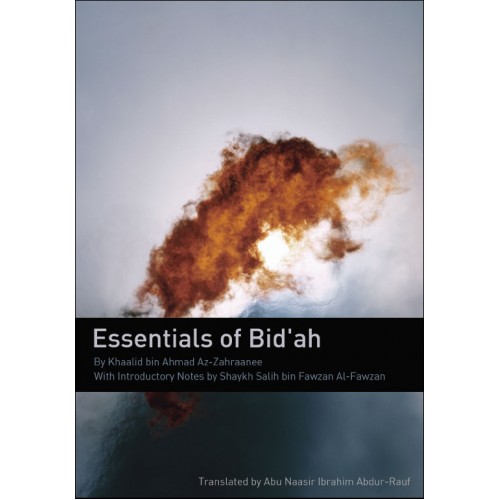
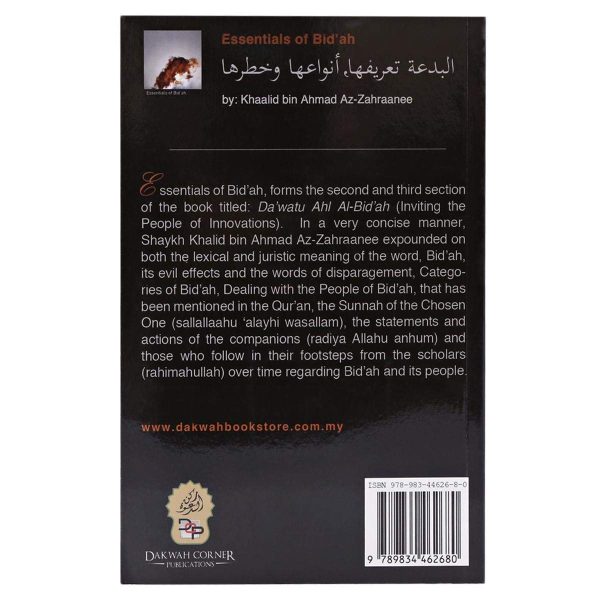
Essentials Of Bid’ah
Essentials of Bid’ah forms the second and the third section of the book titled: Da’watu Ahl-Bid’ah (Inviting the People Of Innovations). In a very concise manner Shaykh Khalid bin Ahmad Az Zahraanee expounded on both the lexical and juristic meaning of the word Bid’ah, it’s evil effects and the words of disparagement, categories of Bid’ah, dealing with the people of Bid’ah, that has been mentioned in the Qur’an, the Sunnah of the Prophet, the statements and actions of the Companions and those who follow in their footsteps from the scholars over time regarding Bid’ah and its people.
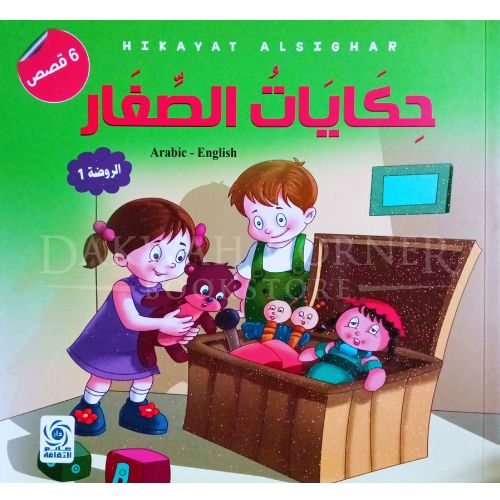
[CB] Hikayat Al Sighar / حكايات الصغار
بنت جميلة ▪️
صندوق اللعب ▪️
غالي يعتذر ▪️
في الروضة ▪️
في المزرعة ▪️
وجبة الفطور ▪️
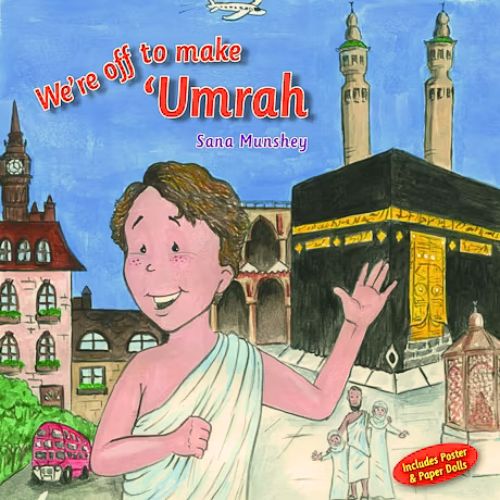
We’re Off to Make ‘Umrah (H/B)
Go on a journey of a lifetime….perform Umrah and visit Madina. Includes poster and paper dolls to enact Performing Umrah!


There are no reviews yet.