



| Weight | 0.185 kg |
|---|---|
| Dimensions | 23.5 × 16 × 0.6 cm |
| Author | |
| Binding | Paperback |
| ISBN | 9781450701259 |
| Pages | 95 |
| Publisher | Noor Al-Furqaan Publications |
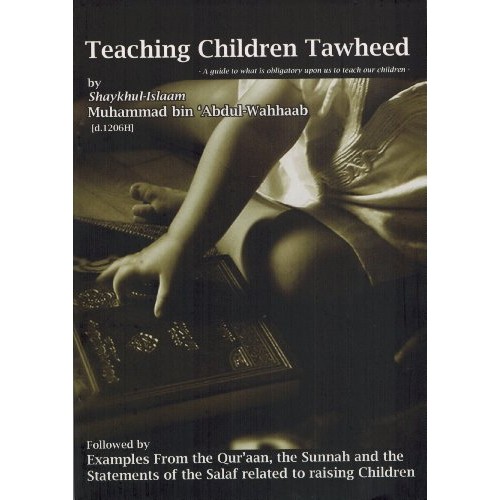
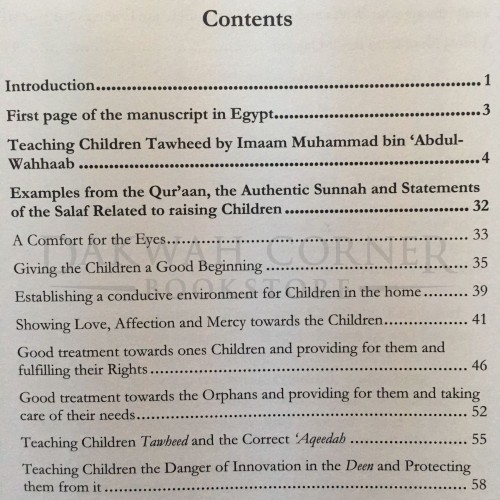
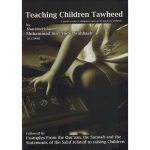
Teaching Children Tawheed (P/B)
RM65.00
Out of Stock
Highlights:
somdn_product_page
Compare
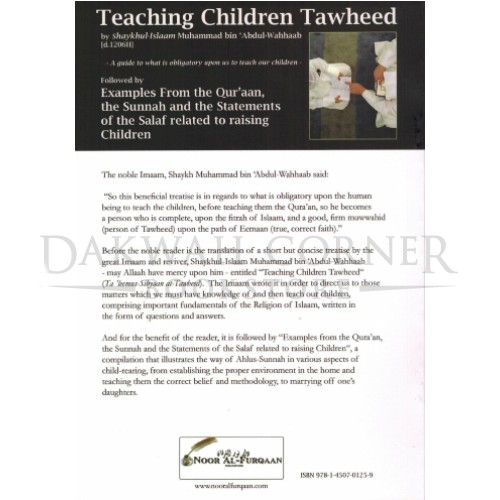
The noble Imam, Shaykh Muhammad bin ‘Abdul-Wahhab said:
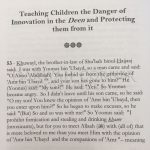
“So this beneficial treatise is in regards to what is obligatory upon the human being to teach the children, before teaching them the Qur’an, so he becomes a person who is complete, upon the fitrah of Islam, and a good, firm muwwahid (person of Tawheed) upon the path of Eman (true, correct faith).”
Additional information
Reviews (0)
Be the first to review “Teaching Children Tawheed (P/B)” Cancel reply
You must be logged in to post a review.
Related Products
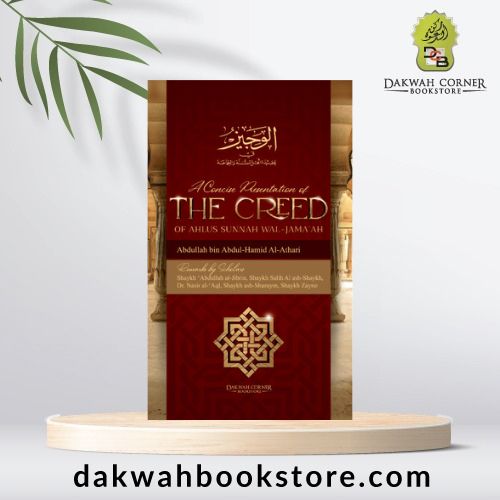
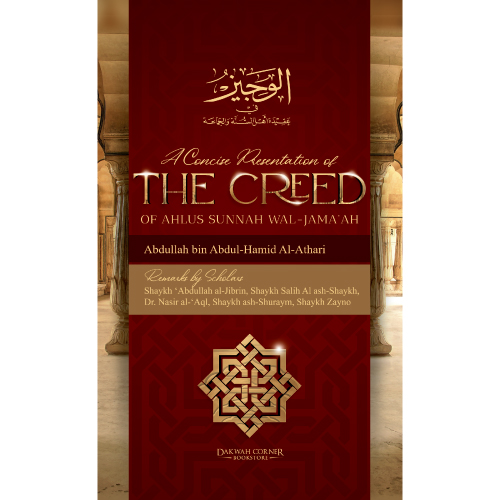
A Concise Presentation Of The Creed Of Ahlul Sunnah Wal Jama’ah
4.7 ★
4.7 ★
3 Ratings
5 ★
2
4 ★
1
3 ★
0
2 ★
0
1 ★
0
Highlights:
A Concise presentation of THE CREED OF AHLUS SUNNAH WAL-JAMA’AH: is an explanation on the beliefs of the Pious Predecessors of this Ummah. They include the companions, their followers and successors who have followed them in goodness and those who upheld the real and true Islam brought by the last Prophet Muhammad SAW.
RM45.00
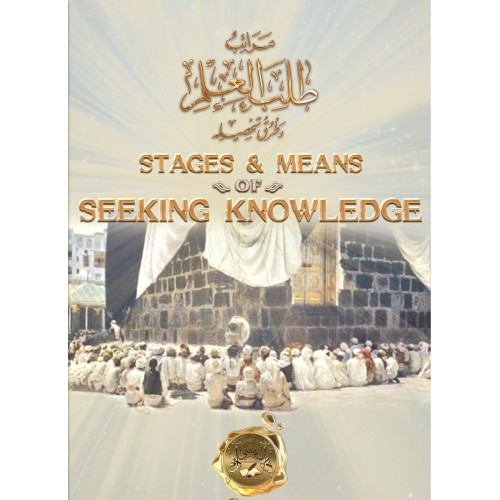
Stages & Means of Seeking Knowledge (P/B)
Highlights:
a small excerpt from the book:
“And those who disbelieve say: “Why is not the Quran revealed to him all at once?” Thus (it is sent down in parts), that We may strengthen your heart thereby. And We have revealed it to you gradually, in stages.”[1]”[2]
Al-Zarnooji -rahimahullah- said, “Imam Sharf ul-Din al-Uqayli – rahimahullah- used to say, “My opinion regarding learning knowledge is in agreement with what our teachers taught us. They used to teach beginners level one books because they are understandable, easy to memorize, enjoyable, and common. A beginner should not write down something he does not understand because it numbs the intelligence and is a waste of time. Instead, a beginner should focus on the task of understanding his teacher through deep thinking and repetition. Significantly, the smaller the portion in one class with repetition the more progress in understanding. A famous saying states: Memorizing two letters is better than hearing two loads, and understanding two letters is better than memorizing two loads.”[3]
RM69.60
Spiritual Disease and It’s Cure
Highlights:
The Imam was asked a long question of which a part was – What is the opinion of the scholars regarding a man who is afflicted by a disease, and knows that if it should continue it would damage his life? The Imam Quoted the Hadith from Sahih Bukhari The prophet (S) said: ‘Allah has appointed a remedy for every disease He has sent down’ Imam Ahmad reported on the authority of Usamah bin Shareek that the ‘ Prophet (S) said Allah has not made a disease without providing a remedy for it, wih the exception of one disease, namely old age’ This Applies to the medicine for the heart, soul and body. The well being of the servant’s heart, is far more important than that of his body, for while the well being of his body enables him to lead a life that is free from illnesses in this world, that of the heart ensures him both a fortunate life in this world and eternal bliss in the next.
Imam Ibn al-Qayyim al-Jawziyya was born into a scholarly and virtuous family in 691 AH/ 1292 A.D. At that time Damascus was a centre of literature and thought. Many schools were located there and he studied and graduated under the protection, direction and sponsorship of his father. He was particularly influenced by his Shaykh and teacher Imam Ibn Taymiyyah, and also by Ibn ash-Shirazi amongst others. Ibn al-Qayyim al-Jawziyya died in the city of Damascus the year 751 AH/1350 C.E.,when he was scarcely 60 years old, and was buried at the cemetery of Bab- al-Saghir, near the grave of his father – Rahimahuma Allah.
RM56.00
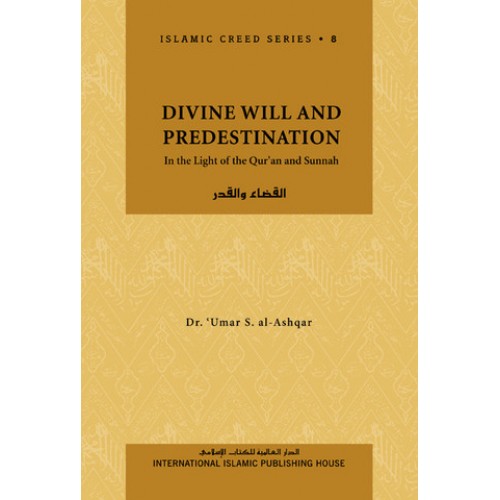
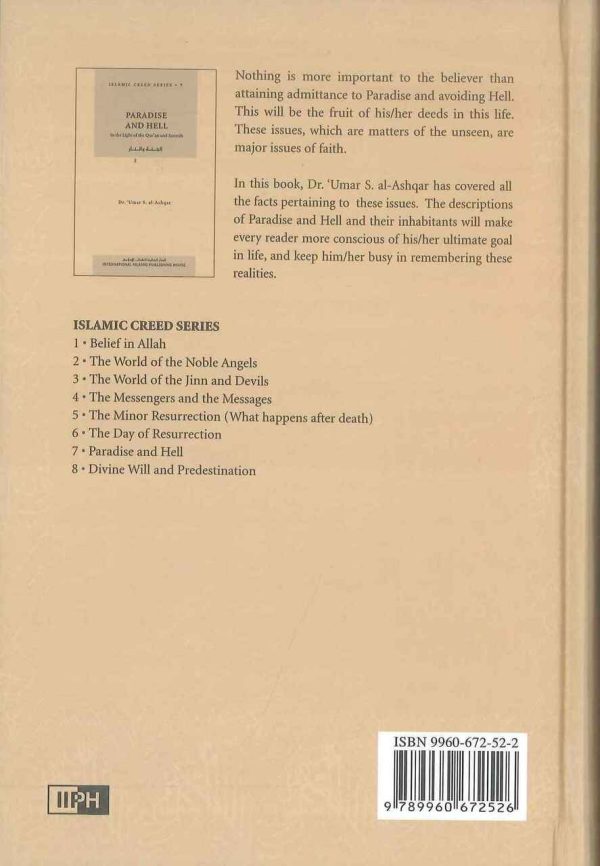
Divine Will and Predestination; Islamic Creed Series Vol. 8
Highlights:
The will and decree of Allah: Is this a matter which is directly relevant to the day-to-day life of the Muslim, or is it an obscure topic best left to the debates of philosophers and theologians? Does it imply that Muslims are ‘fatalists’ who see themselves as helpless in the hands of an indifferent fate? Attitudes towards divine will and predestination have always influenced Muslims’ daily activities. In this final volume of his eight-volume Islamic Creed Series, Dr. ‘Umar al-Ashqar explores this topic in depth, explaining it in clear terms for the ordinary Muslim. Drawing always on the Qur’an and the Sunnah, and on the words of the greatest scholars of Islam such as Ibn Taymiyah, he covers some of the historical debates that took place within the Ummah on this matter. The true Islamic concept of divine will and predestination is an empowering notion. While all that happens takes place within the framework of the divine will, people have freedom of choice within those parameters. This is a matter which is of interest and concern for all Muslims, one which will bring many benefits, both in this world and in the hereafter. This Islamic Creed Series of books has been translated into English by Nasiruddin al-Khattab.
RM40.00
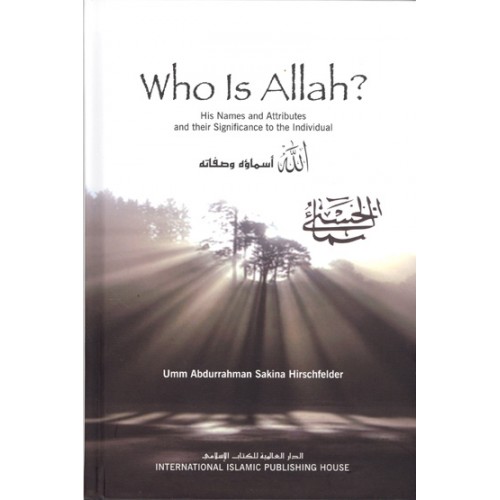
Who Is Allah? (H/B)
Highlights:
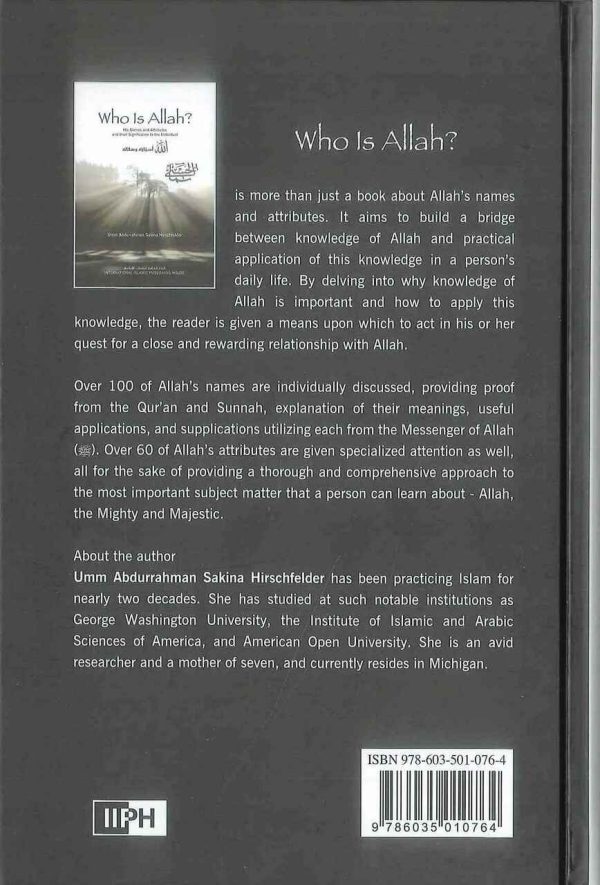
Who is Allah? is more than just a book about Allah’s names and attributes. It aims to build a bridge between knowledge of Allah and practical application of this knowledge in a person’s daily life. By delving into why knowledge of Allah is important and how to apply this knowledge, the reader is given a means upon which to act in his or her quest for a close and rewarding relationship with Allah.
Over 100 of Allah’s names are individually discussed, providing proof from the Qur’an and Sunnah, explanation of their meanings, useful applications, and supplications utilizing each from the Messenger of Allah. Over 60 of Allah’s attributes are given specialized attention as well, all for the sake of providing a thorough and comprehensive approach to the most important subject matter that a person can learn about – Allah, the Mighty and Majestic.
RM75.00
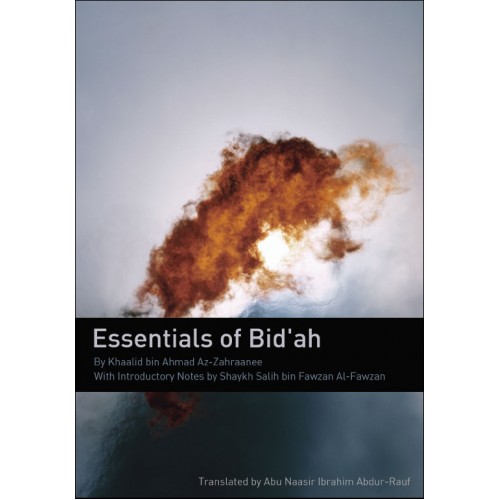
Essentials Of Bid’ah
5 ★
5 ★
2 Ratings
5 ★
2
4 ★
0
3 ★
0
2 ★
0
1 ★
0
Highlights:
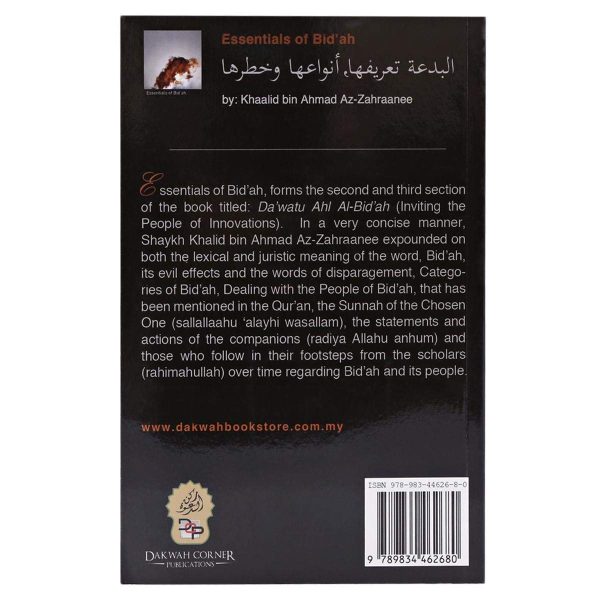
Essentials of Bid’ah forms the second and the third section of the book titled: Da’watu Ahl-Bid’ah (Inviting the People Of Innovations). In a very concise manner Shaykh Khalid bin Ahmad Az Zahraanee expounded on both the lexical and juristic meaning of the word Bid’ah, it’s evil effects and the words of disparagement, categories of Bid’ah, dealing with the people of Bid’ah, that has been mentioned in the Qur’an, the Sunnah of the Prophet, the statements and actions of the Companions and those who follow in their footsteps from the scholars over time regarding Bid’ah and its people.
RM13.00

RM70.00
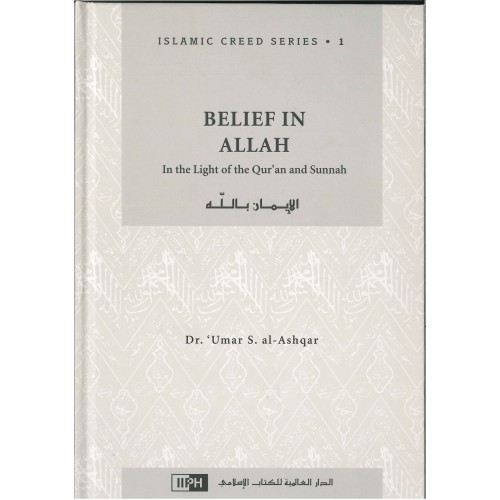
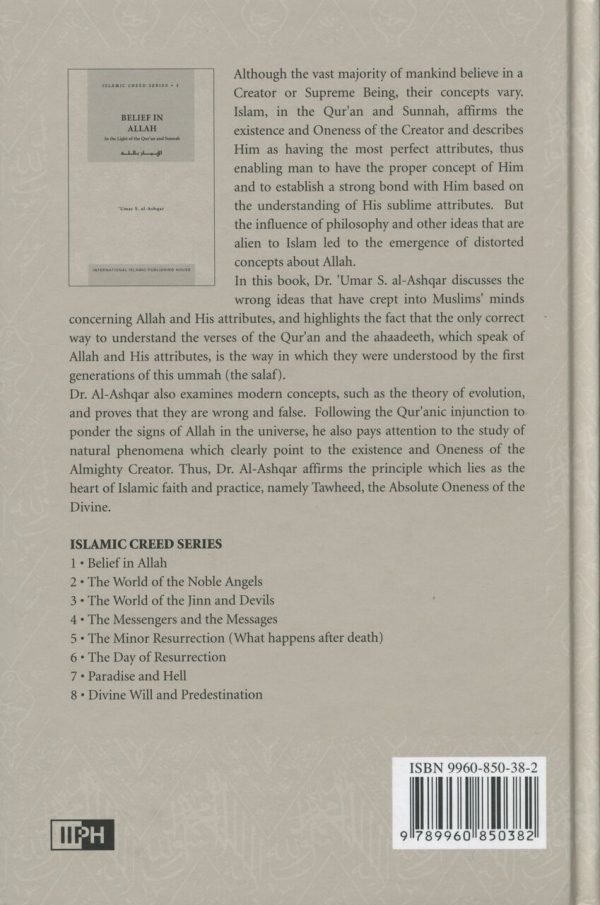
Belief In Allah – Islamic Creed Series 1
Highlights:
Aqidah and Creed
RM85.00
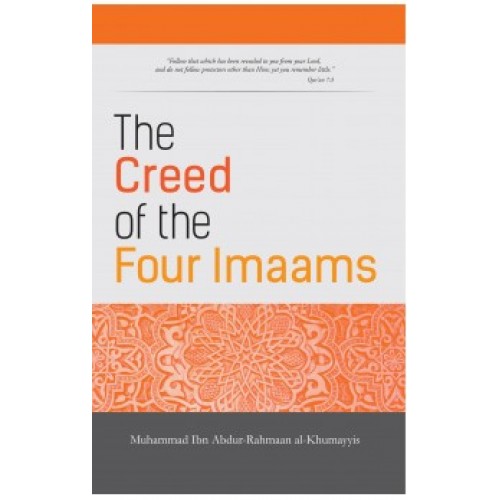
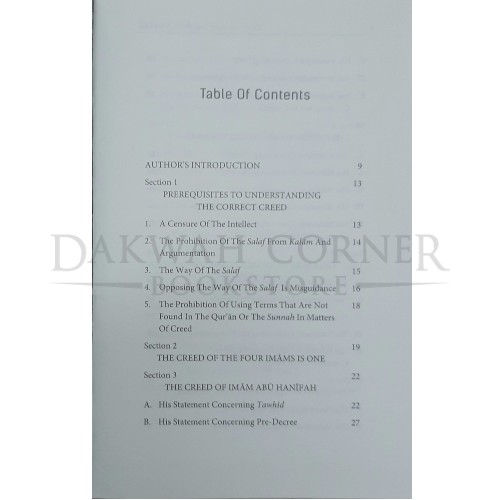
The Creed Of The Four Imaams (H/B)
5 ★
5 ★
1 Rating
5 ★
1
4 ★
0
3 ★
0
2 ★
0
1 ★
0
Highlights:
The book proves the important, yet overlooked point: that despite whatever differences the Imaams had in their fiqh, their creed (aqidah) was one and the same in almost all issues. Many narrations are brought from the past and present day scholars showing that the path to Allaah is one. Detailed biographies have been provided for each of the four Imaams from ancient authentic sources. Additionally many doubts cast over the creed and lives of the Imaams have been uncovered, and the Creed of the Ahlus-Sunnah wal-Jama’ah has been exonerated.
RM32.00
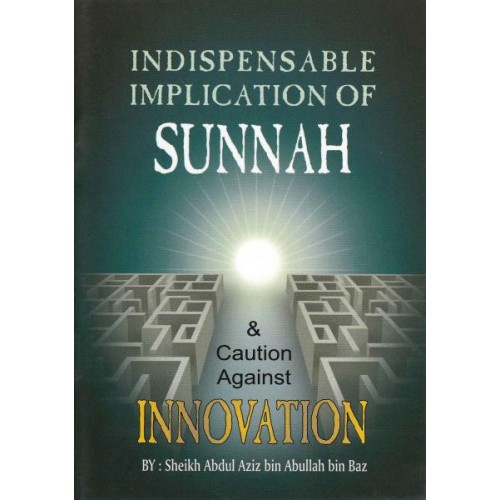
Indispensable Implication of Sunnah (P/B)
5 ★
5 ★
1 Rating
5 ★
1
4 ★
0
3 ★
0
2 ★
0
1 ★
0
Highlights:
The author has discusses the topic of innovation in Islam. For example, he proves that celebrating the Prophet’s birthday is not right according to the Qur’an and Sunnah.
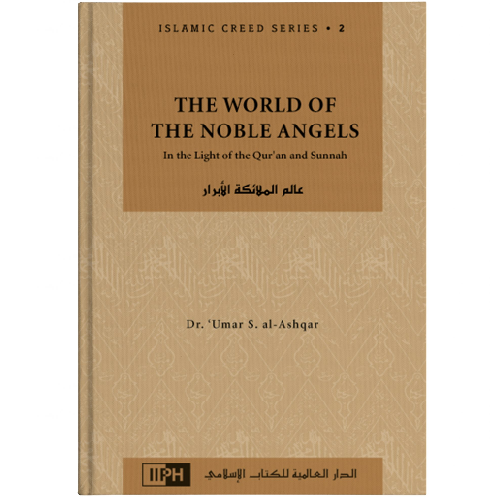
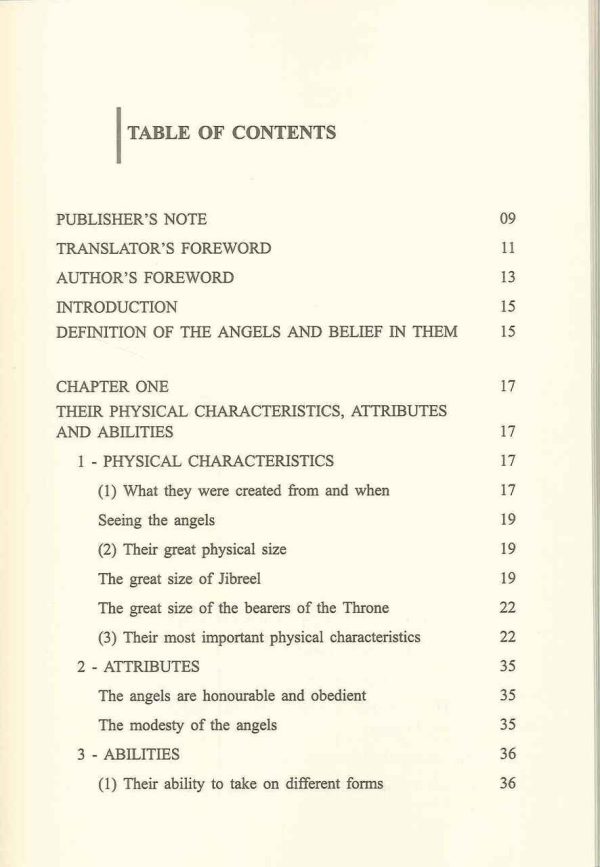
The World Of The Noble Angels – Islamic Creed Series 2
Highlights:
From the moment an individual is conceived in his or her mother’s womb, until death and beyond, angels play a part in human life. This volume draws on the sources of Islam to give us a comprehensive picture of who the angels are, their origins, their role in the universe and their interaction with humankind in this world and the next.
RM45.00
Recently Viewed
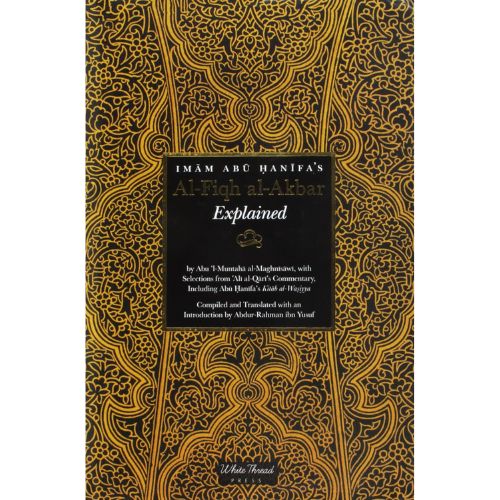
Al-Fiqh Al-Akbar Explained
Highlights:
Al-Fiqh al-Akbar is one of the earliest texts written on Islamic creed and one of the surviving works of Abu Hanifa, the Great Imam of jurisprudence and theology.
RM110.00
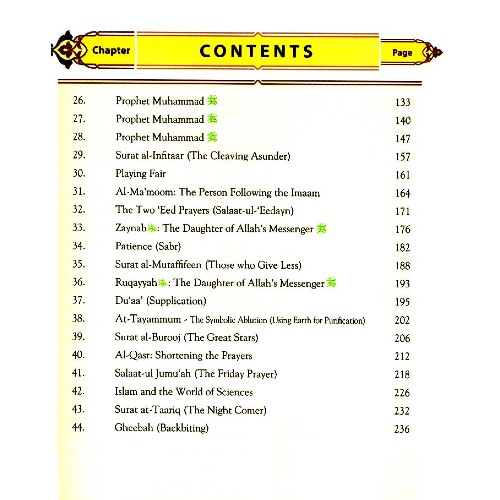
Islamic Studies Grade 7- Darussalam
4 ★
4 ★
1 Rating
5 ★
0
4 ★
1
3 ★
0
2 ★
0
1 ★
0
Highlights:
This full-color Grade 7 textbook (for the seventh grade or similar level) is part of the Islamic Education series which covers all areas of Islamic studies: Tafseer, Hadeeth, Tawheed, Fiqh, Seerah, and general etiquette relating to different areas and situations.
RM115.00
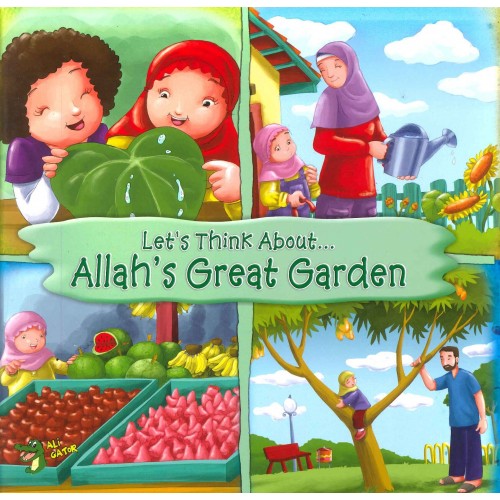
Let’s Think About Allah’s Great Garden
Highlights:
The Let’s Think About… series will grab the attention of young inquisitive minds with their vibrant colours and easy to read format.
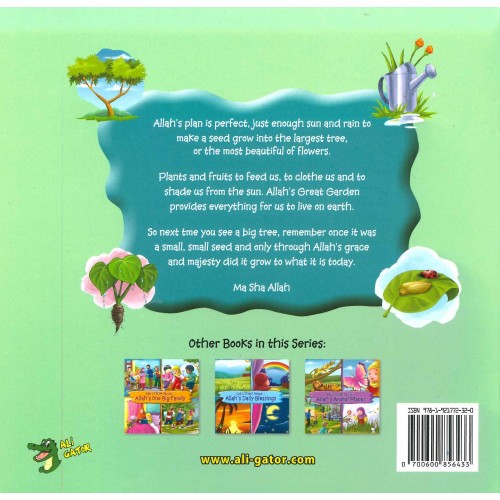
In Let’s Think About…Allah’s Great Garden, children are shown how Allah’s plan is perfect, just enough sun and rain to make a small seed grow into the largest tree, or the most beautiful of flowers.
Plants and fruits to feed us, to clothe us and to shade us from the sun. Allah’s Great Garden provides everything for us to live on earth.
So next time you see a big tree, remember once it was a small, small seed and only through Allah’s grace and majesty did it grow to what it is today.
Ma Sha Allah.
The notes to teachers and parents section provides a list of points to consider and questions to ask as you read along. This allows for the young readers to receive the maximum benefit from the books, whilst enjoying them.
There are four books in the series.
Full Color
RM20.00
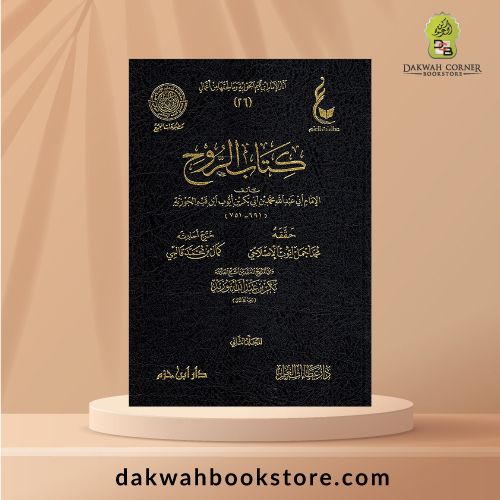
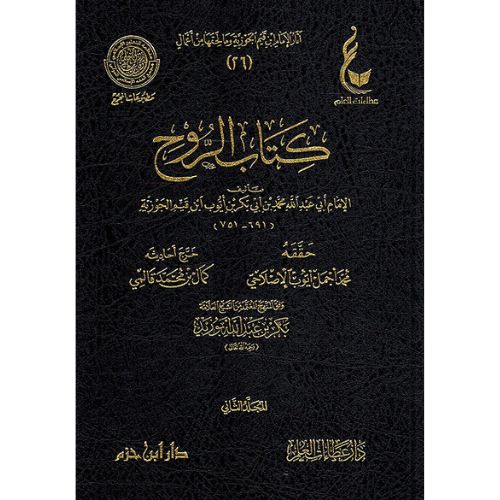
[AC] Kitab Alruh 2 Vol / كتاب الروح 2 مجلد
Highlights:
كتاب يطرح فيه المؤلف مسألة الروح لم ترد في غيره من كتب السلف، فيه معلومات معرفية عن النفس والروح والفرق بينهما، وعلاقة الروح بالجسد، ومصيرها بعد الموت. وذلك استنادا إلى الكتاب والسنة مؤيدا بالحجة والبرهان النقليين والعقليين والمنطقيين
RM170.00
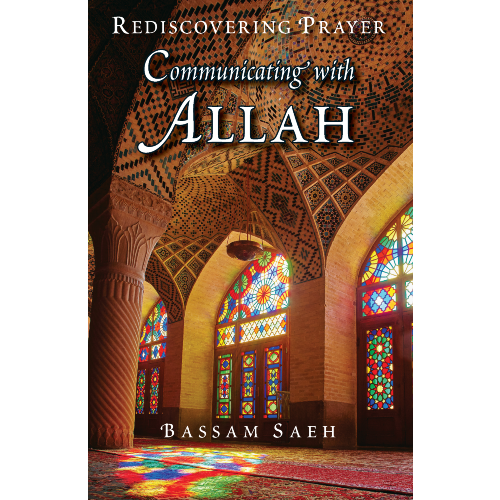
Communicating With Allah : Rediscovering Prayer P/B
Highlights:
Learn to let go of your worldly worries during your prayers (salah) and be more mindful before God.
Bassam Saeh
In a modern world of constant distraction, how are we to achieve the communion with the Divine that prayer is supposed to be? Rediscover prayer, with this book filled with short reminders containing practical examples to help readers attain a deeper sense of devotion to Allah
RM37.00
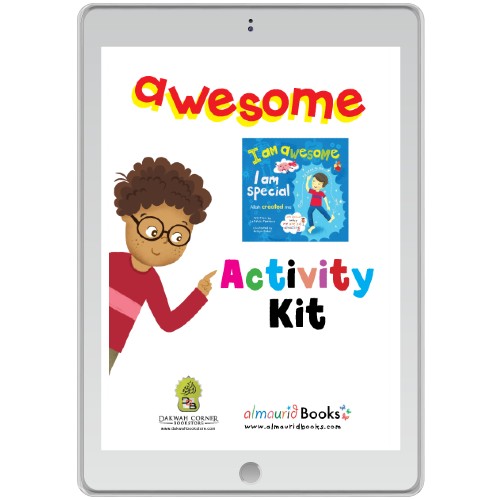
Activity Kit by I Am Awesome book
Highlights:
An activity Kit is free to download. You can purchase a physical book HERE without this activity kit.
RM0.00
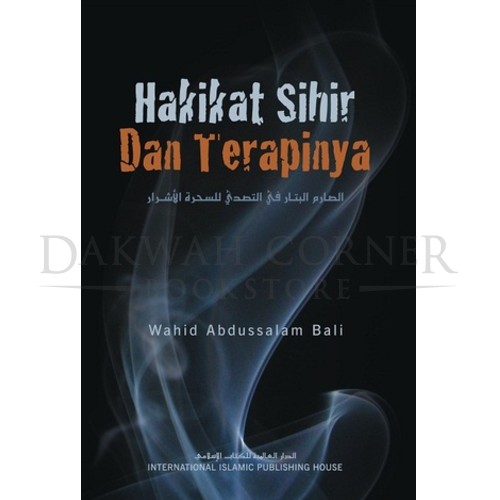
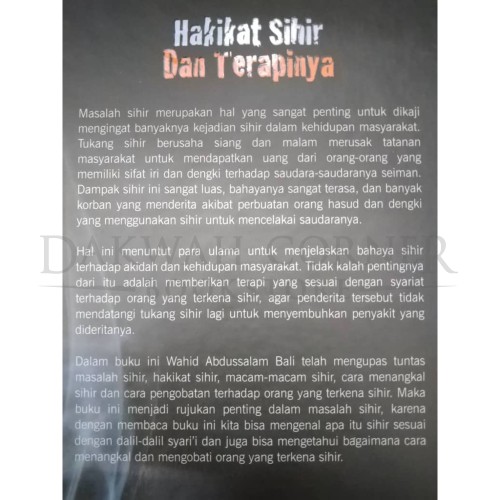
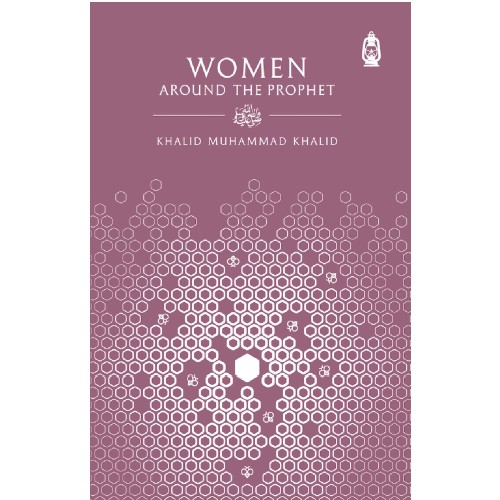
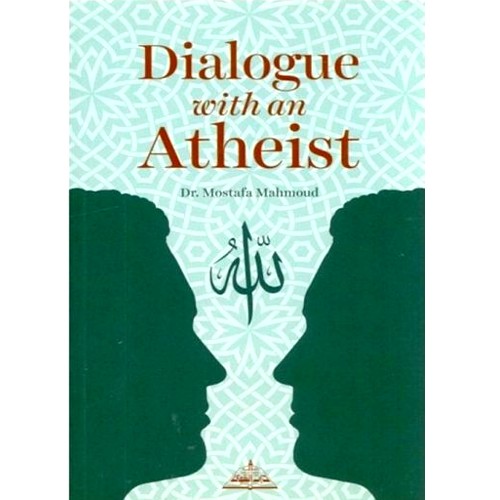
Dialogue with an Atheist
Highlights:
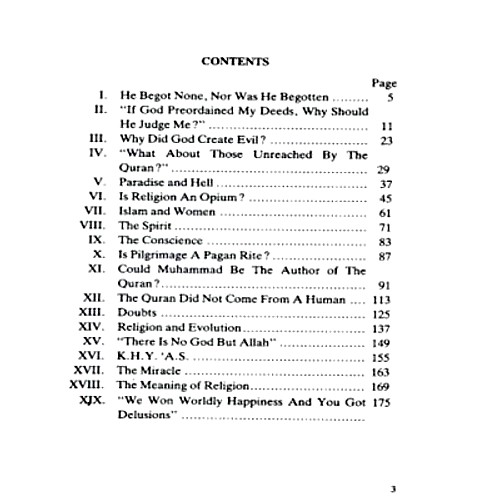
Problems such as the proof of the existence of God, why God created evil, Paradise and Hell, and could the Prophet Muhammad be the author of the Qur’an are tackled both clearly and logically.
RM42.00
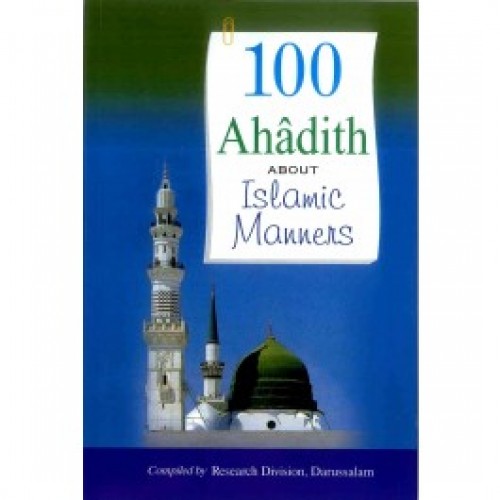
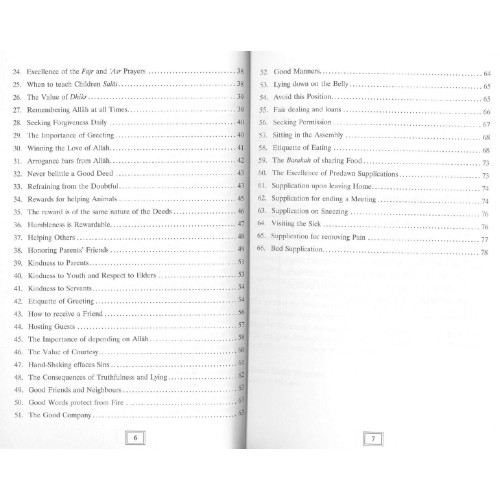
100 Ahadith about Islamic Manners
4 ★
4 ★
2 Ratings
5 ★
0
4 ★
2
3 ★
0
2 ★
0
1 ★
0
Highlights:
An extract of 100 Ahadith from famous collections of Ahadith (Sahih Al Bukhari, Sahih Muslim, At-Tirmidhi, Riyad-us-saliheen and others). The distinguishing feature of this book is the selection of its chapters that persuade the good morals and behaviour.
A moral and spiritual revolution begins to happen in the mind and conduct of the readers as their study progresses. We hope that this selection of Ahadith will initiate the readers to follow Islamic teachings throughout their life.
RM11.00
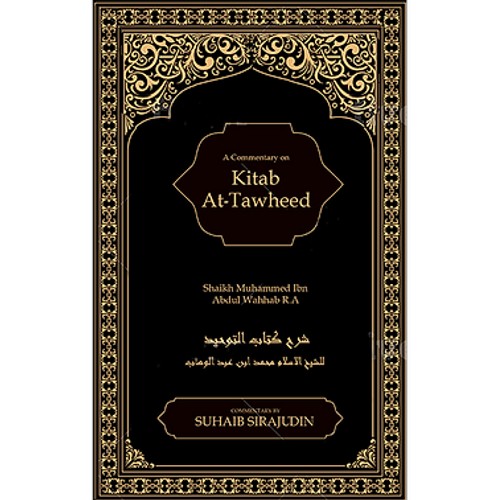
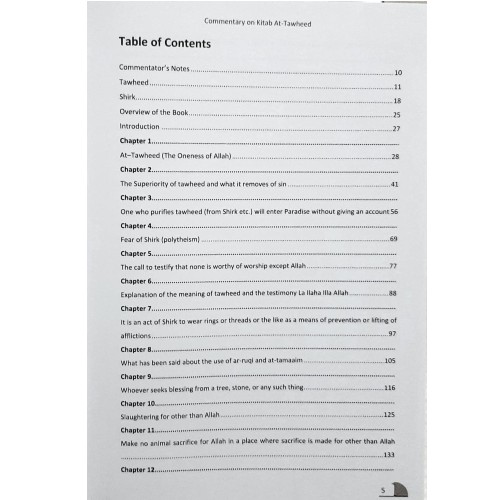
A Commentary On Kitab At-Tawheed
Highlights:
This is a commentary on the book of Shaikh Muhammed ibn Abdul Wahhab’s Kitab At-Tawheed (The Book of Tawheed). Kitab At-Tawheed is an excellent and comprehensive book. It illuminates to the reader the light of tawheed the Oneness of Allah tawheed, the very foundation of this deen, the single most important concept and the purpose behind our creation.
RM135.00
There are no reviews yet.