




| Weight | 0.28 kg |
|---|---|
| Product Type | Book |
| Author | |
| Publisher | TIMEAG |
| Pages | 50 |
Additional information
Reviews (0)
Be the first to review “Tajweed Made Easy (English)” Cancel reply
You must be logged in to post a review.
Related Products
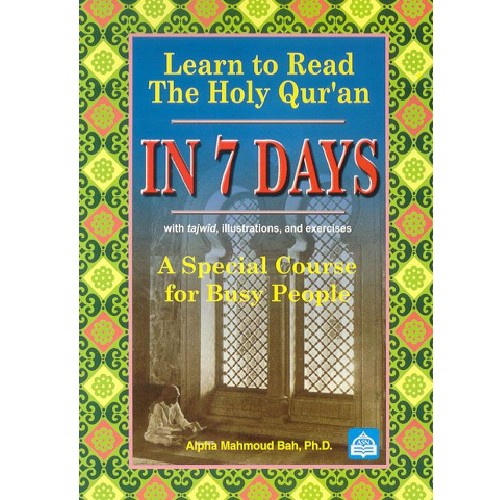
Learn to Read the Holy Qur’an in 7 Days (Alpha Mahmoud Bah)
Highlights:
If you are a university student, a businessperson, a homemaker, or any busy adult desiring to learn to read the Holy Qur’an, then this guidebook is exactly what you need. With it, you can study alone or with help of an aid.
RM23.00
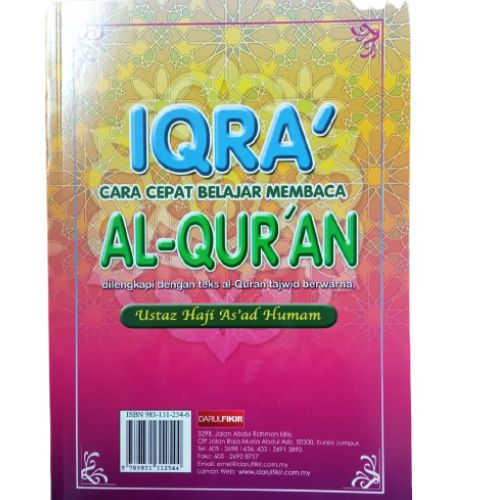
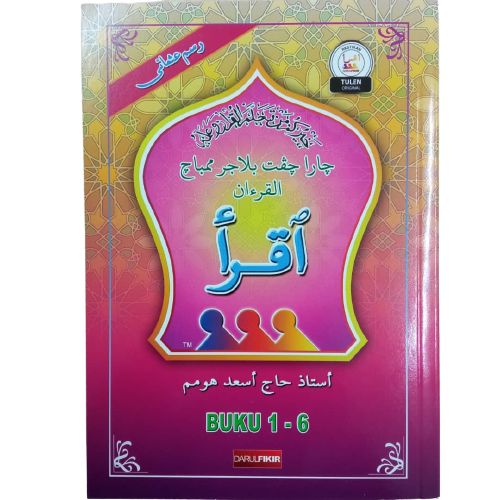
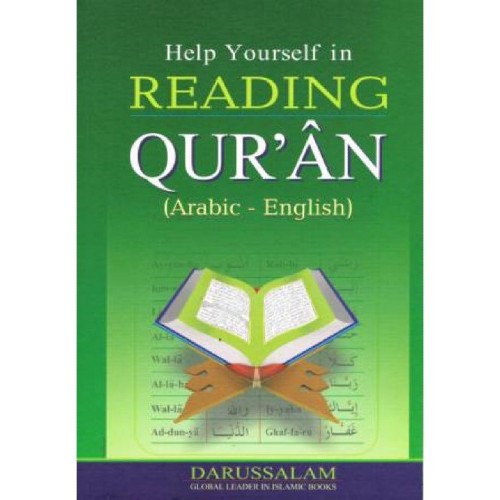
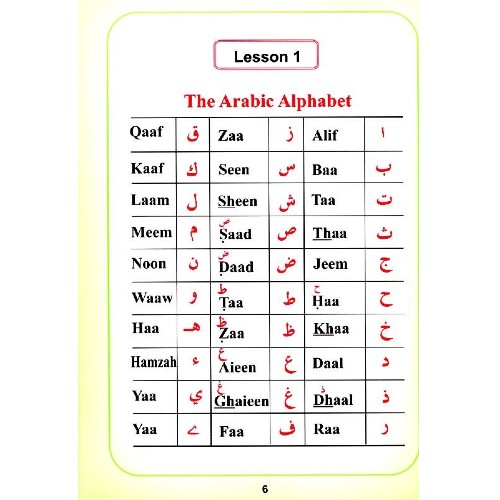
Help Yourself In Reading Qur’an
Highlights:
It is a guide for learning to read the Arabic of the Qur’an in a simple way through transliteration without a teacher. After mastering this guide , one will be able to read Qur’an without any difficulty. Insha-Allah.
RM25.00
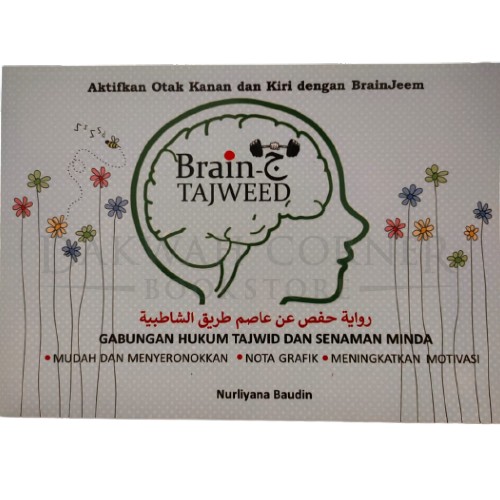
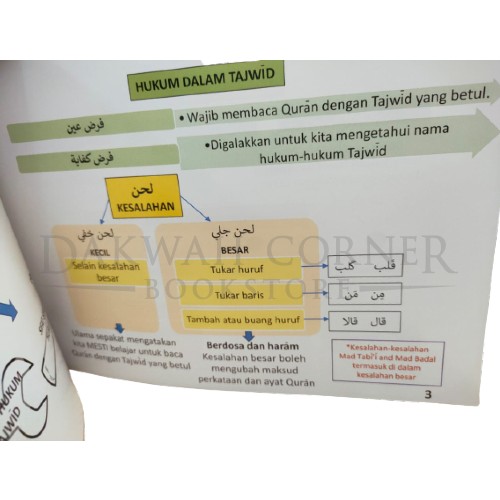
BrainJeem Tajweed – Gabungan Hukum Tajwid dan Senaman Minda
Highlights:
BrainJeem Tajwid merupakan pembelajaran kreatif dalam mengenalpasti hukum-hukum Tajwid dengan mudah dan menyeronokkan. Gabungan bunyi dan brain-gym akan mengaktifkan otak kiri dan kanan anda dan membantu anda kekal fokus dan bertenaga. Inovasi BrainJeem Tajweed berfungsi sebagai pembakar semangat supaya kita cintakan ilmu Tajwid dan seronok mendalami Quran.
RM30.00
[Workbook] How to understand 85% of the Quran (Arabic 101 Series)
Highlights:
How to Understand 85% of the Quran – Workbook is a carefully designed companion to the main coursebook, made for learners who wish to understand the Quran in Arabic. It is ideal for independent study but even more beneficial under the guidance of a qualified Qur’an teacher.
RM50.00
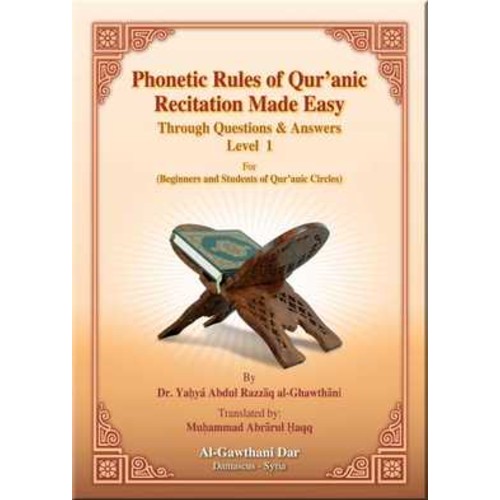
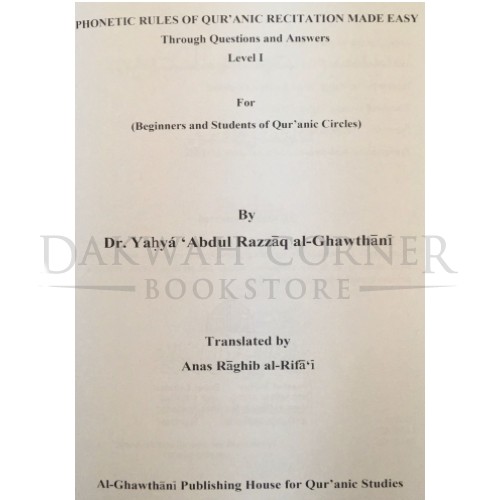
Tajweed Rules of the Quran (Part Three)
Highlights:
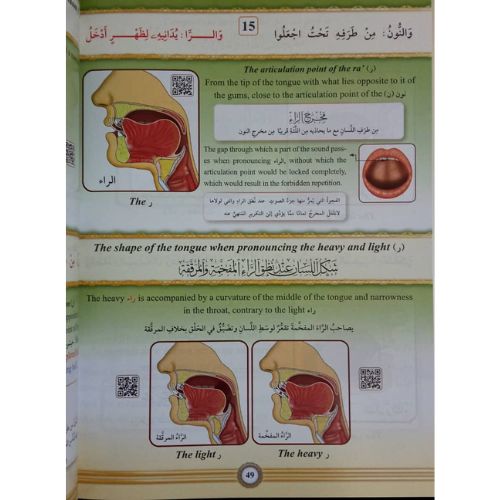
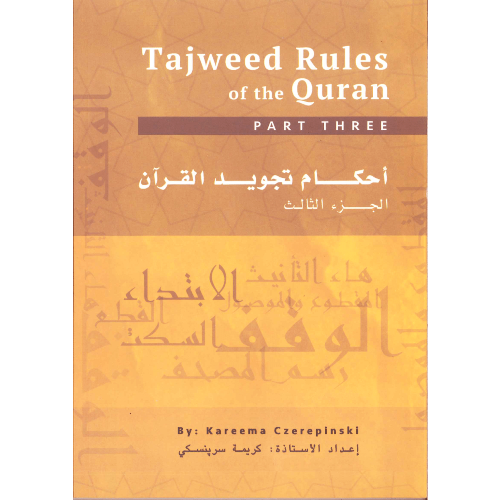
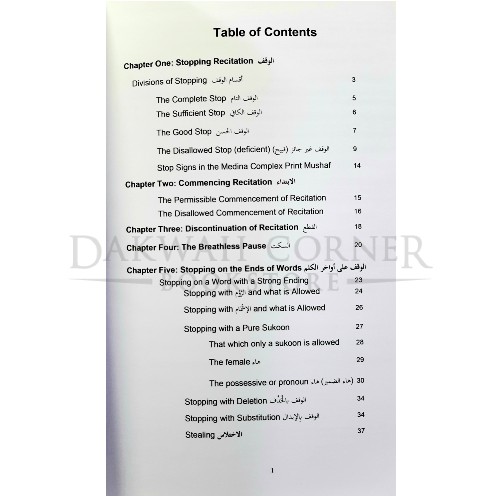
This is the third and final part of a three part series in English on the rules of tajweed the Qur’an for the recitation of Hafs from ‘Aasim by the way of Ash-Shaatibiyyah. These books are meant as a guide for non-Arabs with a good grasp of English for studying tajweed of the Glorious Qur’an. This final book explains the stop and start when reading the Glorious Qur’an, and gives details as to what kind of stop is allowed, what kind is preferred, and what kind of stop is forbidden. Stopping on the ends of words with strong endings (consonants) and rules for what is allowed on the last letter of the word is described, including ar-room (الروم) and al-ishmaam (الإشمام). Stopping on the ends of words with weak endings (words ending in the alif, ya’ or wow) and different rules and explanations for these type of words is clarified. One important aspect of Qur’an recitation is knowing and understanding which word combinations are written together and which separately in different parts of the Qur’an as well as in which places of the Qur’an are some words are written the female haa (هاء), and in which places they are written with the taa (تاء). This part lays out the different places in the Qur’an these occurrences take place, so the reader knows how he/she can stop on these words. The words that are read in a special way, or have two allowed ways for the reading of Hafs from ‘Aasim by the way of Ash-Shaatibiyyah are detailed in this book. The history of the writing of the Glorious Qur’an (رسم) and the general rules for the writing of the Qur’an are laid out in the last chapter of this part. This last part of the three parts on tajweed is for students who have studied and mastered the other two parts, or have studied everything covered in the first two parts. The explanations of the different subjects are in English, and the Arabic terms are translated. The goal is always to assist the students in understanding and to encourage them to learn the Arabic terms and definitions. The three parts of this series on tajweed rules of the Glorious Qur’an should facilitate non-Arabic speaking students of the Qur’an whether they are in a classroom with an Arabic medium for teaching or English. With this third part completed, insha’ Allah the non-Arab English speaking student of the Qur’an will find a complete curriculum and explanation of the tajweed rules for the recitation of Hafs ‘an ‘Aasim from the way of Ash-Shatibiyyah in any classroom or study situation that he/she may find themselves in. These three parts are only guidance; the real goal is reciting and applying all the different rules correction which can only be done by reciting to and being corrected by a qualified teacher of the Qur’an.
RM30.00
Tajweed Rules of the Quran (Part One)
Highlights:
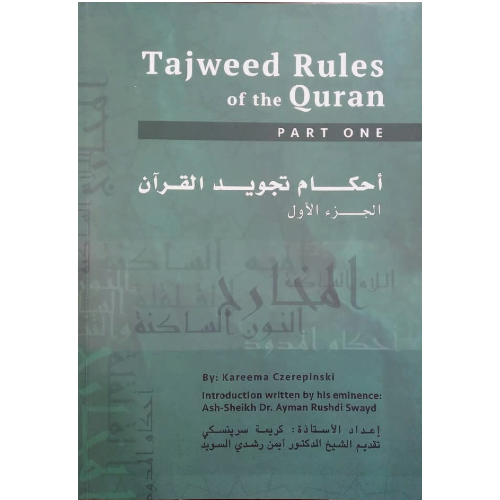
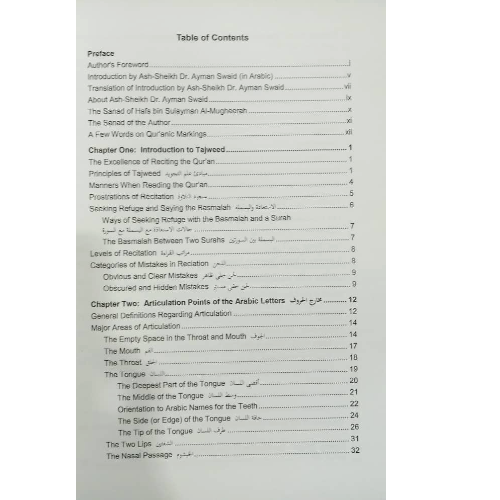
This is a guide for studying tajweed. The student who uses this book is expected to have a basic grasp of Arabic before starting this course. The student should know all the Arabic letters and vowels and be able to read at an elementary level.
This book is either for an English-speaking student studying the Qur’an in an Arabic environment, but needing explanation of the Arabic terms in English, or a student studying the explanations of tajweed in English, but learning the basic concepts in Arabic so they may integrate into the Arabic terms and definitions throughout the book, since the science of tajweed is an Arabic science. This book explains the articulation points of the Arabic letters, the rules of noon saakinah, meem saakinah, and lam saakinah. It explains all of the different lengths (mudood), and how voweled, and non-voweled letters are formed. The qalaqah mechanism is explained in the last chapter. Terms are introduced in Arabic, and the translated into English. Explanations are done in English, but with integration of Arabic terms, as they are learned.
A student of the Qur’an cannot expert to learn tajweed simply by studying this book. The learning of proper Qur’anic recitation can only be done by listening to a qualified Qur’an teacher recite, then reciting to them and receiving corrections from the teacher.
RM30.00
Tajweed Rules of the Quran (Part Two)
Highlights:
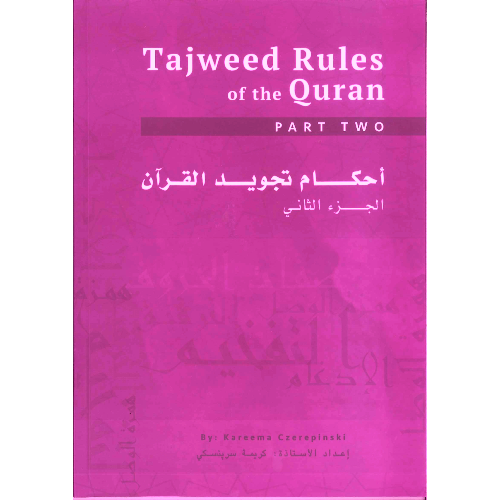
By Allah’s grace, this is the second part of a three part book on the rules of tajweed of the Qur’an, for the recitation of Hafs from ‘Aasim by the way of Ash-Shaatibiyyah. It is is intended to be a guide for nom-Arabs with a good grasp in English in studying tajweed.
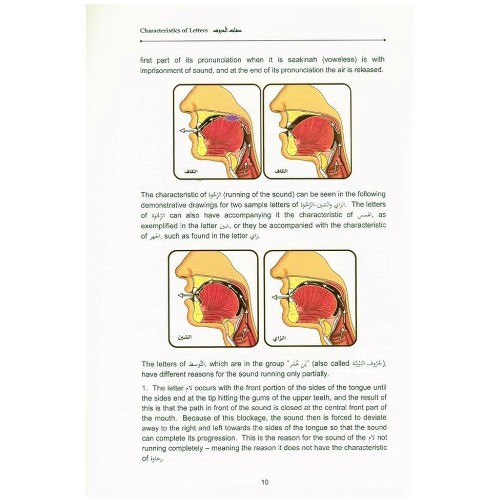
This book explains the concept of the accent (an-nabr) in the recitation of the Glourious Qur’an and the conditions of its use, it is also defines and explains the important chapter on the characteristics of the letter, velarization and attenuation (tafkheem and tarqeeq) are covered in this part, as well as the concept of the two alike, the two similar, the two close, and the two far and the rules for merging (idghaam) and clarity (ith-haar) in these different relationships. A brief introductory to grammar term is made in this book to assist the student in understanding the last chapter, that of the connecting hamzah (hamzah al-wasl).
The explanation of the different subject are in English, and the Arabic terms are translated. This is to assist the student in understanding and encourage them to learn the Arabic definitions and terms. This book should facilitate non-Arabs studying tajweed in a classroom with explanations taught in Arabic or in English.
This book cannot replace the importance of reciting to and being corrected by a trained teacher of tajweed, instead it is a guide and an aid in understanding the concepts of tajweed, the application can only be refined by recitation and correction.
RM26.00
Recently Viewed
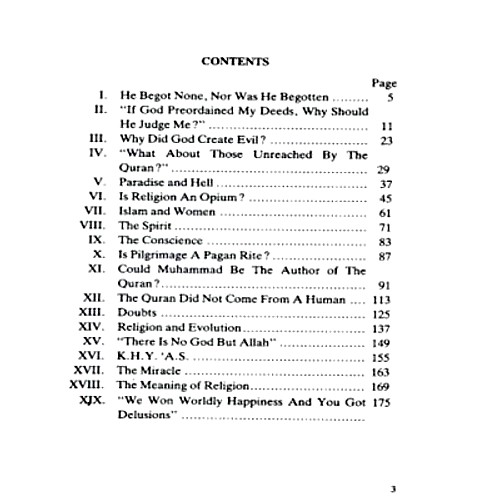
Dialogue with an Atheist
Highlights:
Problems such as the proof of the existence of God, why God created evil, Paradise and Hell, and could the Prophet Muhammad be the author of the Qur’an are tackled both clearly and logically.
RM42.00
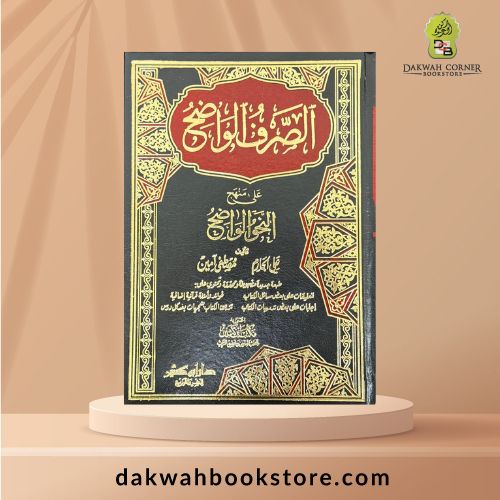
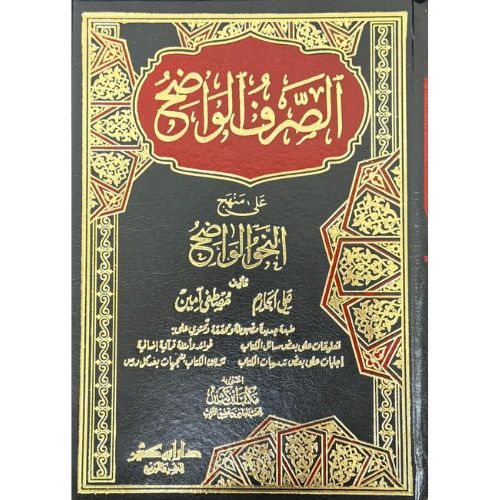
[ALA] Al-Sarf al-Wadih / الصرف الواضح
Highlights:
كتاب “الصرف الواضح” هو مرجع تعليمي مبسط يهدف لتيسير قواعد علم الصرف العربي، بأسلوب يجمع بين التوضيح النظري والتطبيقات العملية. يتميز الكتاب بتقديم أبنية الأسماء والأفعال والمصادر بشكل منظم، مما يجعله مناسبًا للطلاب والمبتدئين الراغبين في فهم التصريف بشكل صحيح ومباشر.
RM30.00
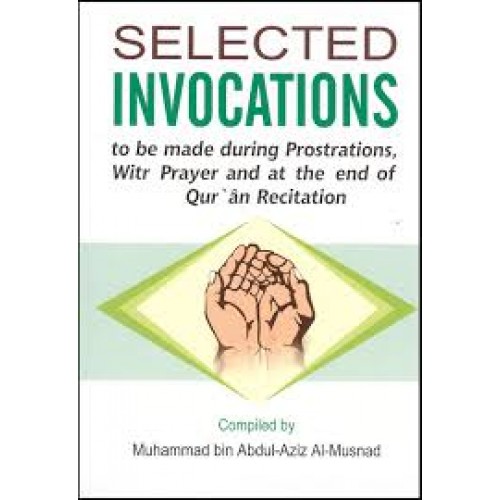
Selected Invocations (Pocket Size) (P/B)
Highlights:
This small booklet has many excellent invocations to read during prostration, witr prayer, and at the end of Qur’anic recitation.

The Zion Deception
Highlights:
With a keen sense of closure and awareness of the interconnectedness behind history’s failings, author Dr. Laurence B. Brown exposes popularized fallacies, and reveals the threat Zionism poses not only to Jews, but to the world as a whole.
RM85.00
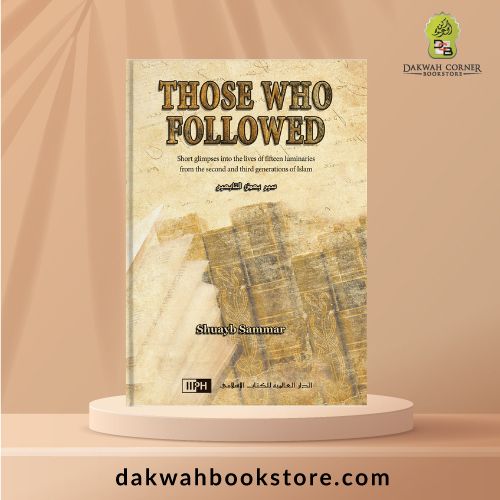
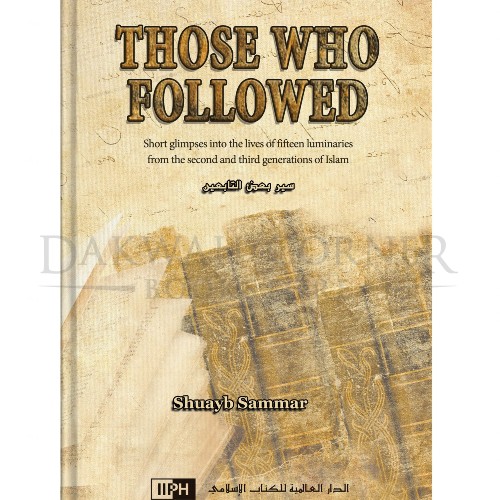
Those Who Followed by IIPH
Highlights:
Those Who Followed is a collection of interesting and inspiring short biographies of the selected torchbearers of Islam from the generations that followed the Companions of the Messenger of Allah (blessings and peace be upon him). Lessons from how they dealt with civil strife and their appraisal of the life in this world and the hereafter hold a lot of relevance today. This book is a must-have for every family library. It can be used by parents and teachers effectively to introduce role models like Imam Bukhari, Imam Ahmad ibn Hanbal, Abdullâh ibn al-Mubârak, Imam Abu Haneefah, and many others to preteens and teenagers.
RM56.00
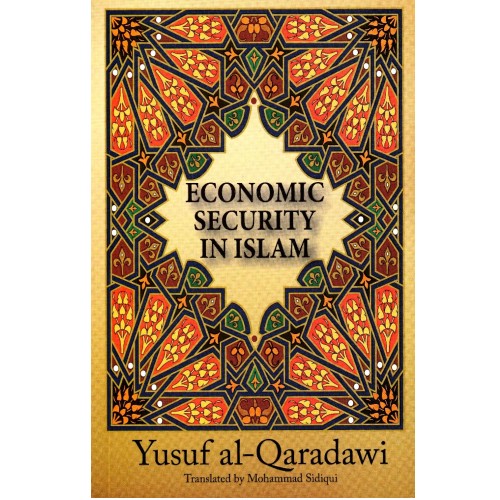
Economic Security In Islam
Highlights:
This book is an English rendering of a popular Arabic book entitled Mushkala al-Faqr wa Kaifa ‘Aljiha al-Islam by the renowned Muslim Scholar ‘Yusuf al-Qaradawi. The author depicts the basic principles of the Islamic Economic System in the light of the Holy Qur’an and the Sunnah.
RM26.00
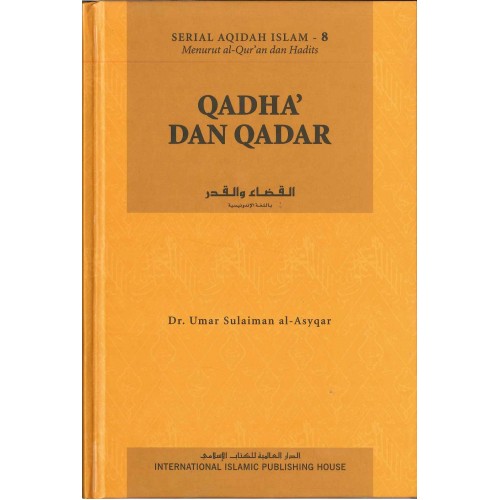
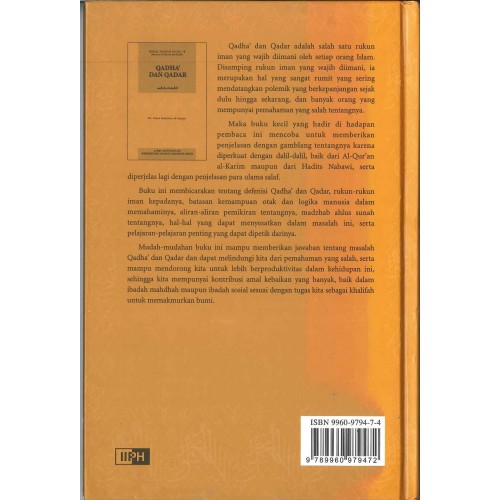
Qadha Dan Qadar ; Serial Aqidah Islam – 8
Highlights:
Qadha’ dan Qadar: menurut al-Qurán dan hadits – Serial Aqidah Islam 8/ Dr. Umar Sulaiman al-Asyqar. Selain merupakan salah satu rukun iman yang wajib diyakini oleh setiap muslim, Qadha’ dan Qadar merupakan hal yang sangat rumit yang sering mendatangkan polemik berkepanjangan sejak dulu hingga sekarang, dan banyak orang yang mempunyai pemahaman yang salah terhadapnya. Buku ini memberikan penjelasan dengan jelas dan gamblang tentangnya, dan diperkuat dengan dalil-dalil dari Al-Qur’an dan hadits-hadits nabawi, serta diperjelas lagi dengan perkataan para ulama salaf. Di dalam buku ini dibahas definisi Qadha’ dan Qadar, rukun iman kepadanya, batasan kemampuan akal manusia dalam memahaminya, aliran-aliran pemikiran tentangnya, dan pendapat ahlus sunnah dalam masalah ini.
RM40.00

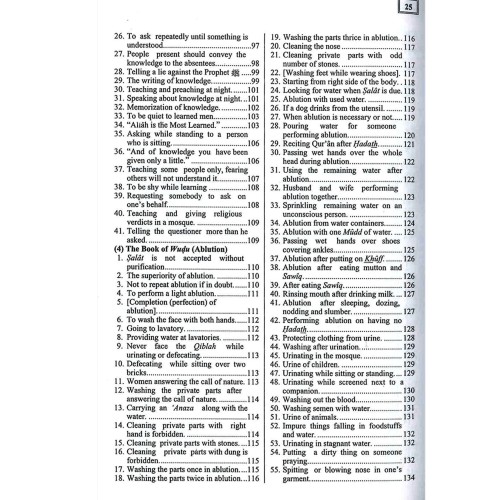
Summarized Sahih Al Bukhari – Large Size
Highlights:
Sahih Al-Bukhari covers almost all aspects of life in providing proper guidance from the messenger of Allah. Translated into English in a very easy & simple language, so that all readers can understand it without difficulty. All Muslim Scholars agree that Sahih Al-Bukhari is the most authentic book after the Qur’an. The Summarized Bukhari is condensed into about 1000 pages by selecting a few Hadith from the original 9-Volume which has about 4000 pages. This book contains about 2220 Hadith.
RM100.00
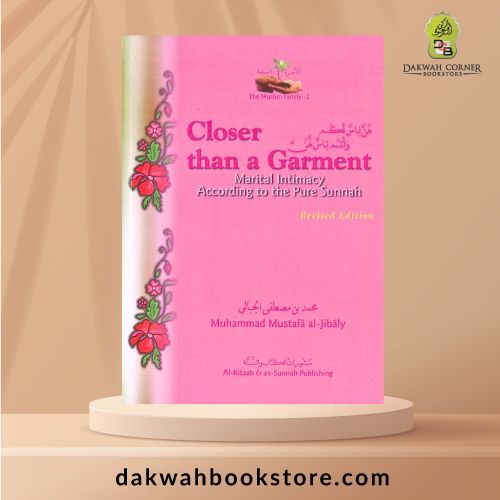
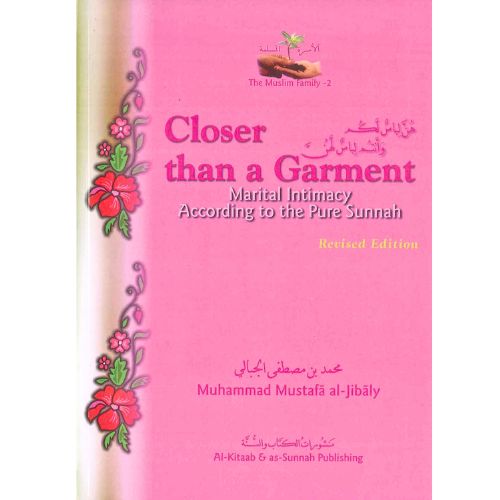
Closer Than A Garment (P/B)
4 ★
4 ★
1 Rating
5 ★
0
4 ★
1
3 ★
0
2 ★
0
1 ★
0
RM41.00
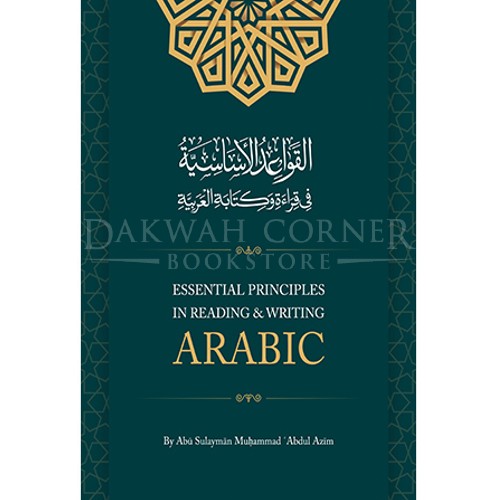
Essential Principles In Reading & Writing Arabic
Highlights:
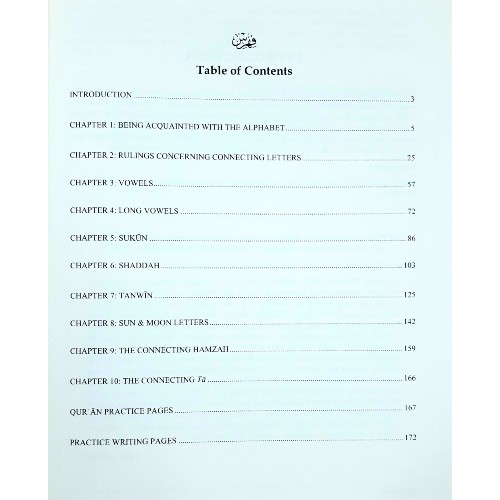
This book was prepared and designed with the intent to facilitate for the Non-Arabic Speaker to gain essential tools in reading and writing in order to embark on their path acquire the Arabic Language. It contains the following:
- Introductory charts for each Principles as it relates to Arabic Reading
- Each chart contains a summary (in English) to help bridge the student’s understanding of how to apply said Reading Principle.
- A writing section that compliments the Introductory chart.
- Each chapter contains a connection writing drill.
- Each chapter concludes with a Qurʾānic drill chart in order facilitate practice of said Reading Principle.
- 5 Qurʾān Practice Pages for the purpose practice one’s reading.
- Extra Blank Practice Writing Pages.
- Practice Writing Pages of {Sūrah al-Qamar (54):17,22,32,&40}
RM95.00
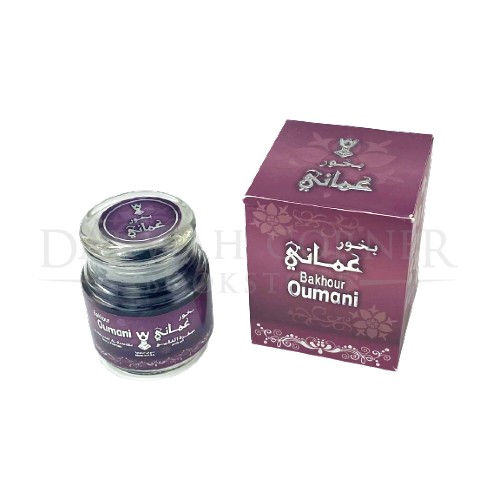

Bakhoor Oumani
Highlights:
High-quality bakhoor burn Incense gives a fresh scent for your HOME, SHOP, or OFFICE.
RM35.00
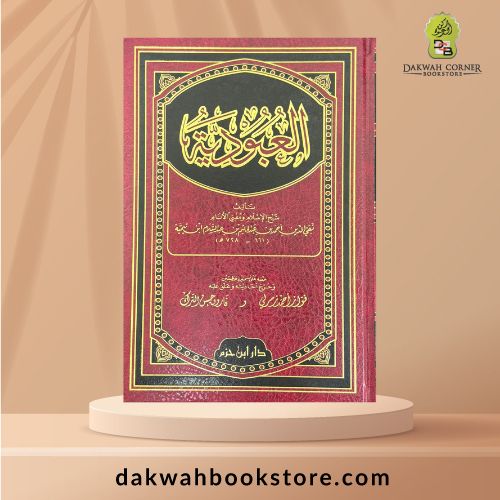
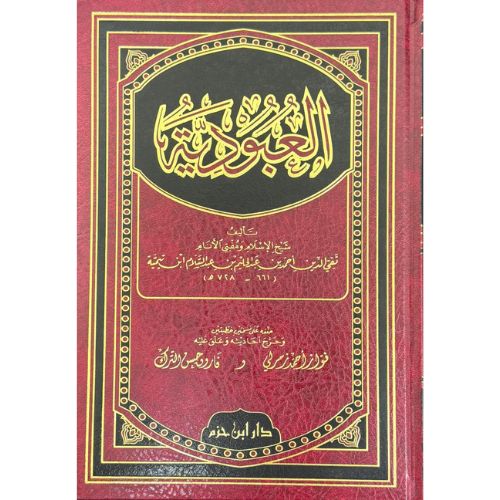
[AAC] Al ‘Ubudiah / العبودية
Highlights:
بذة عن الكتاب
يُعد كتاب العبودية من الكتب العقدية والروحية المهمة في التراث الإسلامي. يوضح فيه ابن تيمية معنى العبودية الحقيقية لله، ويبيّن أن العبادة ليست مقتصرة على الشعائر الظاهرة مثل الصلاة والصيام فقط، بل تشمل كل ما يحبه الله ويرضاه من الأقوال والأعمال الظاهرة والباطنة.
أ
RM55.00
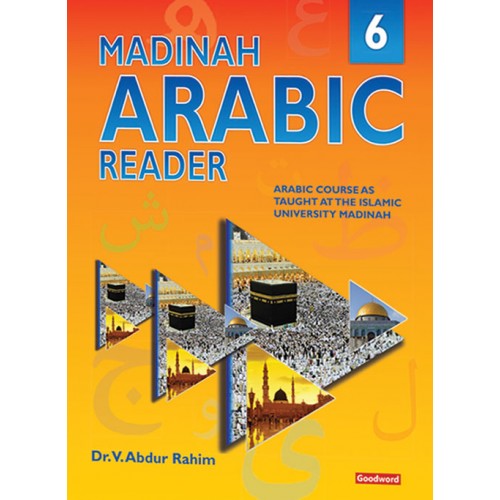
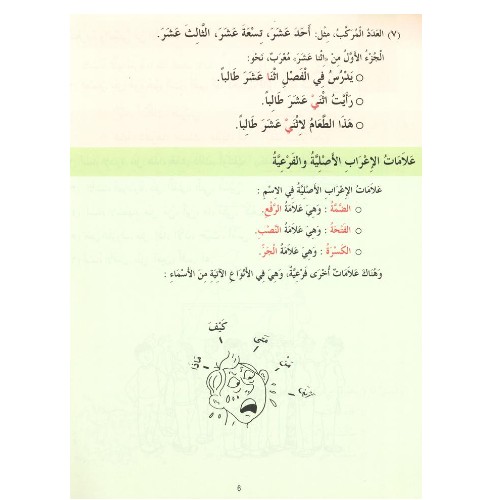
Madinah Arabic Reader (Book 6)
Highlights:
Professor Abdur Rahim, Director of the Translation Centre of the King Fahd Quran Printing Complex and former Professor of Arabic at the Islamic University of Madinah, Saudi Arabia, has authored texts designed to impart a knowledge of classical Arabic through applied grammar. Each lesson, based on a conversation, illustrates distinctive language patterns. These patterns are elucidated by a variety of helpful exercises. The vocabulary ranges from classical and Quranic Arabic to modern Arabic. This series of books is currently being utilized at various schools to prepare students for the University of London (UK) GCE O-Level and A-Level examinations.
RM30.00
There are no reviews yet.