

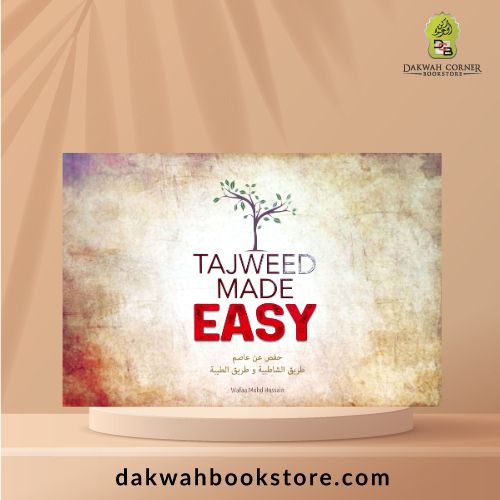

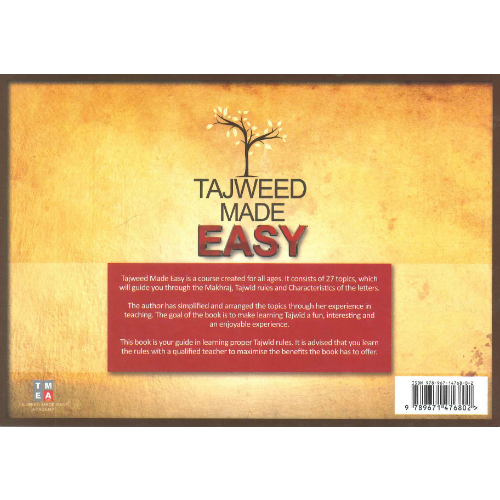

| Weight | 0.28 kg |
|---|---|
| Product Type | Book |
| Author | |
| Publisher | TIMEAG |
| Pages | 50 |
Additional information
Reviews (0)
Be the first to review “Tajweed Made Easy (English)” Cancel reply
You must be logged in to post a review.
Related Products

Starting from Scratch – Tajweed Made Easy
Highlights:
Holy Quran and Quranic Sciences
RM10.00
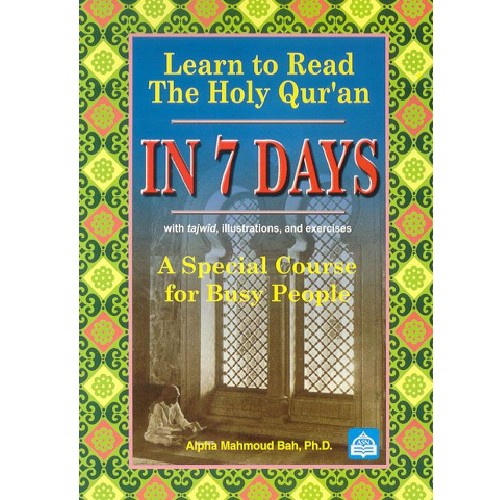
Learn to Read the Holy Qur’an in 7 Days (Alpha Mahmoud Bah)
Highlights:
If you are a university student, a businessperson, a homemaker, or any busy adult desiring to learn to read the Holy Qur’an, then this guidebook is exactly what you need. With it, you can study alone or with help of an aid.
RM23.00
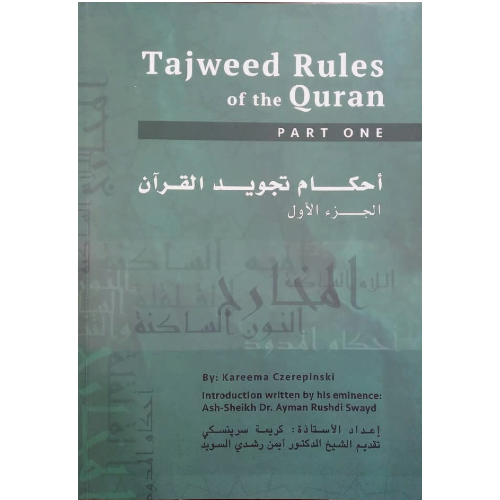
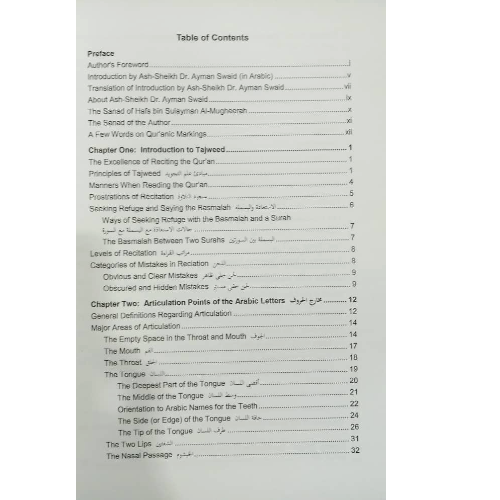
Tajweed Rules of the Quran (Part One)
Highlights:
This is a guide for studying tajweed. The student who uses this book is expected to have a basic grasp of Arabic before starting this course. The student should know all the Arabic letters and vowels and be able to read at an elementary level.
This book is either for an English-speaking student studying the Qur’an in an Arabic environment, but needing explanation of the Arabic terms in English, or a student studying the explanations of tajweed in English, but learning the basic concepts in Arabic so they may integrate into the Arabic terms and definitions throughout the book, since the science of tajweed is an Arabic science. This book explains the articulation points of the Arabic letters, the rules of noon saakinah, meem saakinah, and lam saakinah. It explains all of the different lengths (mudood), and how voweled, and non-voweled letters are formed. The qalaqah mechanism is explained in the last chapter. Terms are introduced in Arabic, and the translated into English. Explanations are done in English, but with integration of Arabic terms, as they are learned.
A student of the Qur’an cannot expert to learn tajweed simply by studying this book. The learning of proper Qur’anic recitation can only be done by listening to a qualified Qur’an teacher recite, then reciting to them and receiving corrections from the teacher.
RM30.00
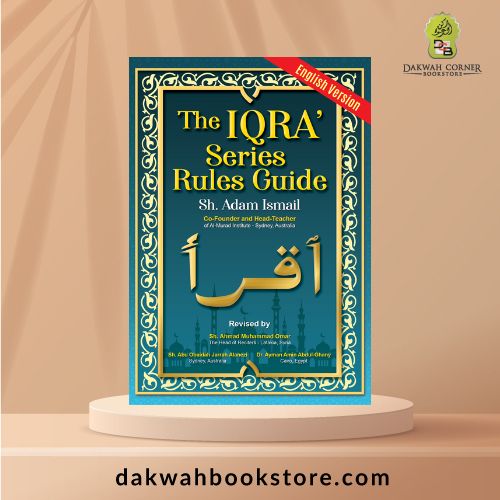
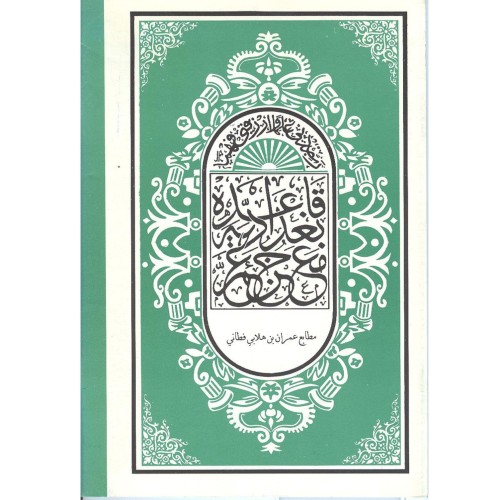
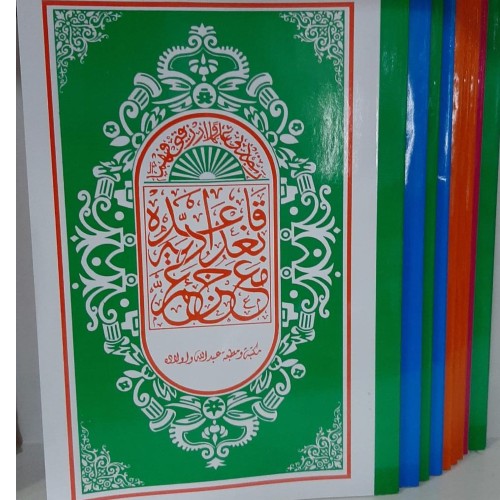
The Iqra’ Series Rules Guide
Highlights:
- This guide is a must for anyone studying or teaching from the IQRA’ Series! Aimed at children and adults to be used by schools, mosques and learning centres.
- This guide contains all the Tajwīd rules needed throughout the IQRA’ series. It introduces each rule based on the same structure and patterns of the IQRA’ Series.
- This guide has been designed to make it as easy as possible to achieve a beautiful and elegant recitation, whilst also having a firm grasp of all the required theory.
RM30.00
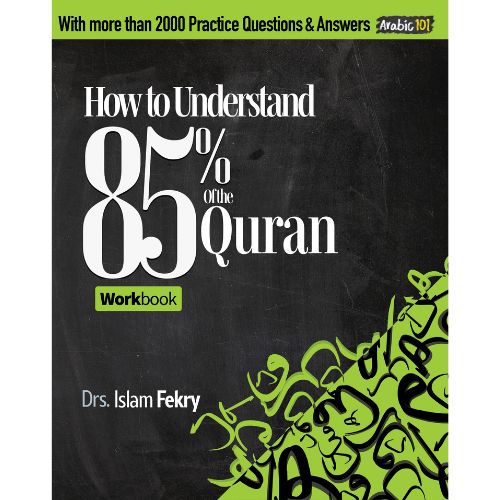
[Workbook] How to understand 85% of the Quran (Arabic 101 Series)
Highlights:
How to Understand 85% of the Quran – Workbook is a carefully designed companion to the main coursebook, made for learners who wish to understand the Quran in Arabic. It is ideal for independent study but even more beneficial under the guidance of a qualified Qur’an teacher.
RM50.00
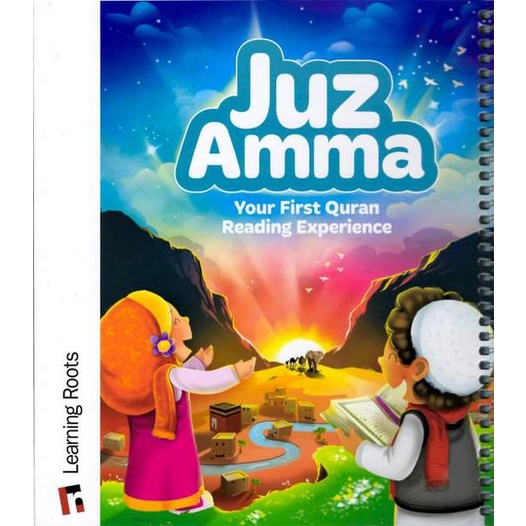
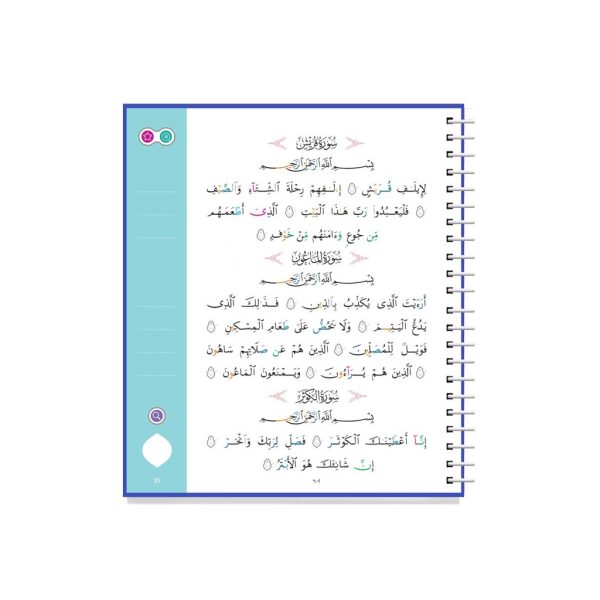
Juz Amma (Learning Roots)
Highlights:
How to Get Your Child’s Quran Relationship off to Flying Start. Does your child struggle to progress in their Quran reading? Are they bored in their lessons? Are they taking forever to memorise even the simplest Surahs? Are you worried your child is not building a loving relationship with the book of Allah?
Noted: Price without Kiitab Pen.
RM110.00
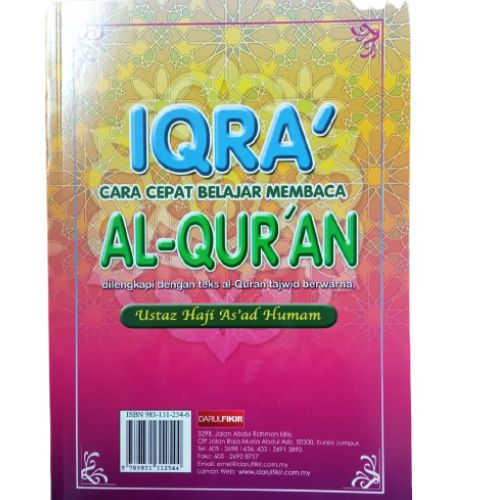
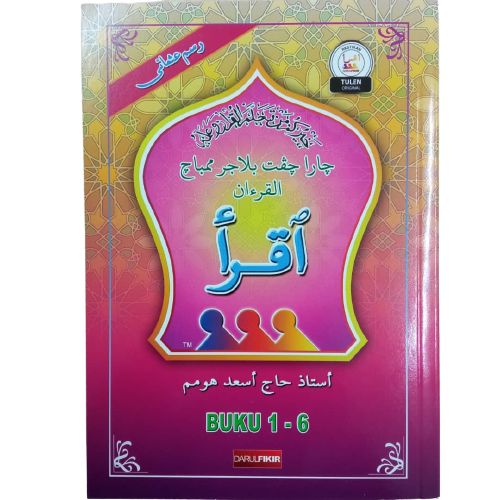


Tajweed Rules of the Quran (Part Three)
Highlights:
This is the third and final part of a three part series in English on the rules of tajweed the Qur’an for the recitation of Hafs from ‘Aasim by the way of Ash-Shaatibiyyah. These books are meant as a guide for non-Arabs with a good grasp of English for studying tajweed of the Glorious Qur’an. This final book explains the stop and start when reading the Glorious Qur’an, and gives details as to what kind of stop is allowed, what kind is preferred, and what kind of stop is forbidden. Stopping on the ends of words with strong endings (consonants) and rules for what is allowed on the last letter of the word is described, including ar-room (الروم) and al-ishmaam (الإشمام). Stopping on the ends of words with weak endings (words ending in the alif, ya’ or wow) and different rules and explanations for these type of words is clarified. One important aspect of Qur’an recitation is knowing and understanding which word combinations are written together and which separately in different parts of the Qur’an as well as in which places of the Qur’an are some words are written the female haa (هاء), and in which places they are written with the taa (تاء). This part lays out the different places in the Qur’an these occurrences take place, so the reader knows how he/she can stop on these words. The words that are read in a special way, or have two allowed ways for the reading of Hafs from ‘Aasim by the way of Ash-Shaatibiyyah are detailed in this book. The history of the writing of the Glorious Qur’an (رسم) and the general rules for the writing of the Qur’an are laid out in the last chapter of this part. This last part of the three parts on tajweed is for students who have studied and mastered the other two parts, or have studied everything covered in the first two parts. The explanations of the different subjects are in English, and the Arabic terms are translated. The goal is always to assist the students in understanding and to encourage them to learn the Arabic terms and definitions. The three parts of this series on tajweed rules of the Glorious Qur’an should facilitate non-Arabic speaking students of the Qur’an whether they are in a classroom with an Arabic medium for teaching or English. With this third part completed, insha’ Allah the non-Arab English speaking student of the Qur’an will find a complete curriculum and explanation of the tajweed rules for the recitation of Hafs ‘an ‘Aasim from the way of Ash-Shatibiyyah in any classroom or study situation that he/she may find themselves in. These three parts are only guidance; the real goal is reciting and applying all the different rules correction which can only be done by reciting to and being corrected by a qualified teacher of the Qur’an.
RM30.00
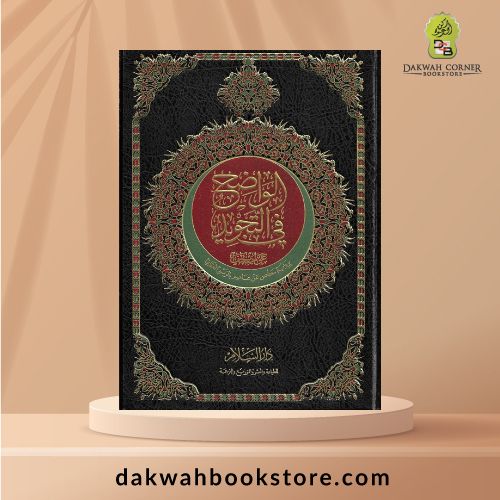
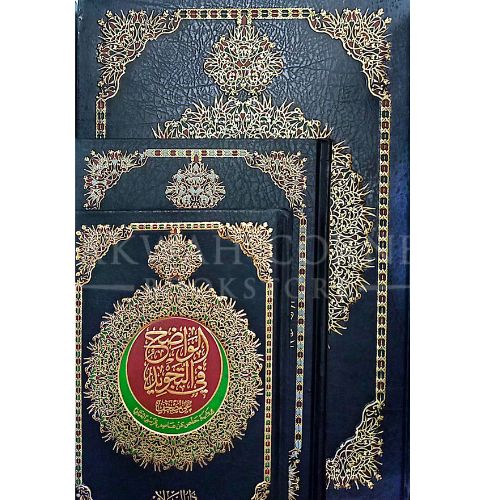
RM55.00 – RM120.00Price range: RM55.00 through RM120.00
Recently Viewed
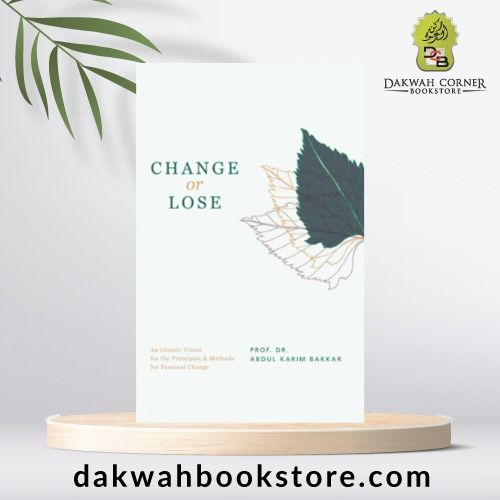
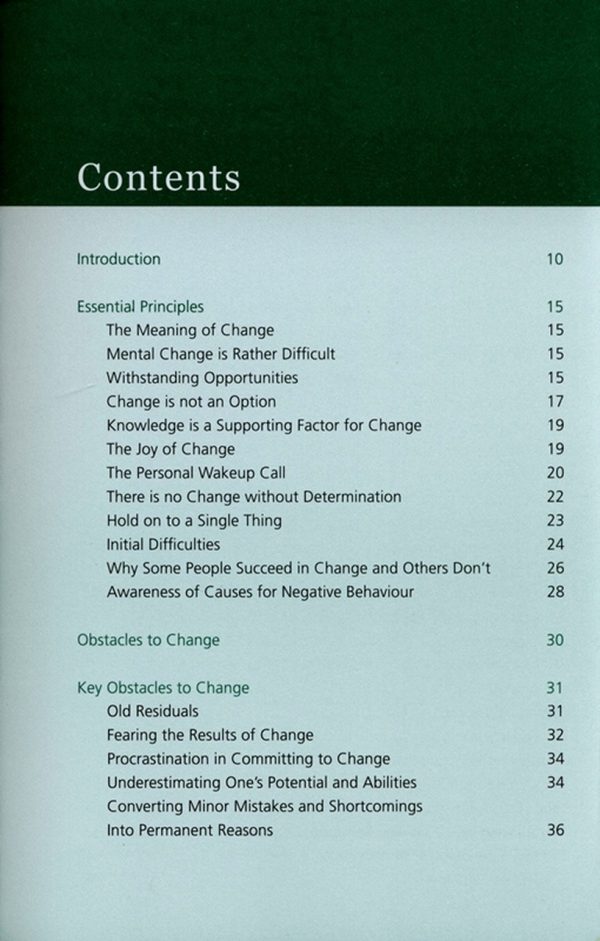
Change or Lose
5 ★
5 ★
1 Rating
5 ★
1
4 ★
0
3 ★
0
2 ★
0
1 ★
0
Highlights:
Motivational & Manners
Change is not an easy and insignificant issue. It needs a deep insight and vision as much as will and determination. It is important here to realize that we can’t achieve all what we want and desire. Furthermore, getting what need and desire may not always be in our interest. This, of course, requires two things from us:
RM15.00
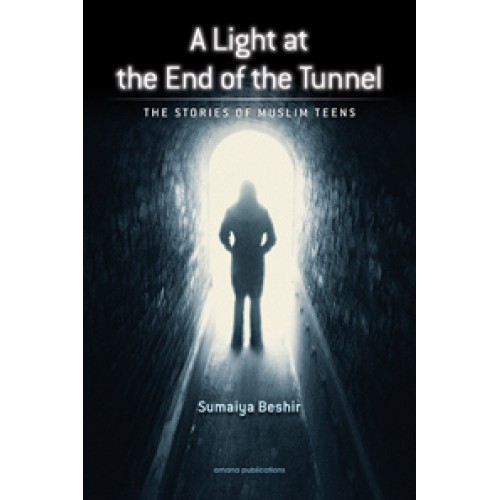
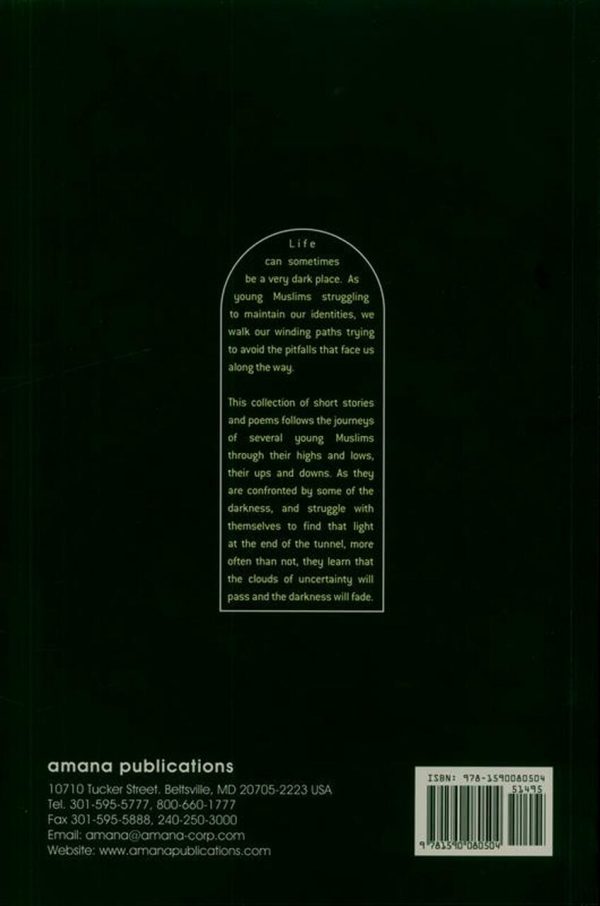
A Light at the End of the Tunnel (P/B)
Highlights:
The book features a collection of short stories written by Muslim teens. Through their stories they share the struggles and experiences they have faced on issues such as dating, friendship, hijab, respecting parents, clarifying misconceptions about Islam and defining one’s identity.
RM47.00
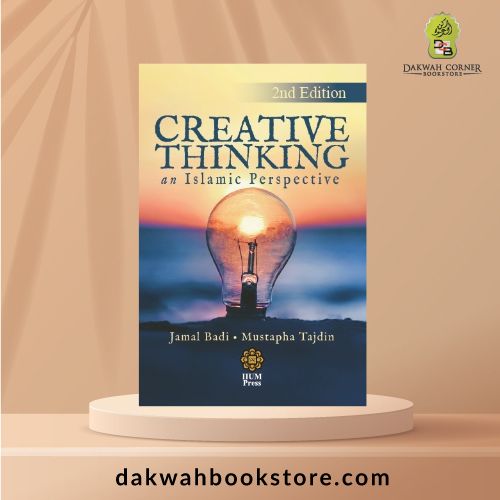
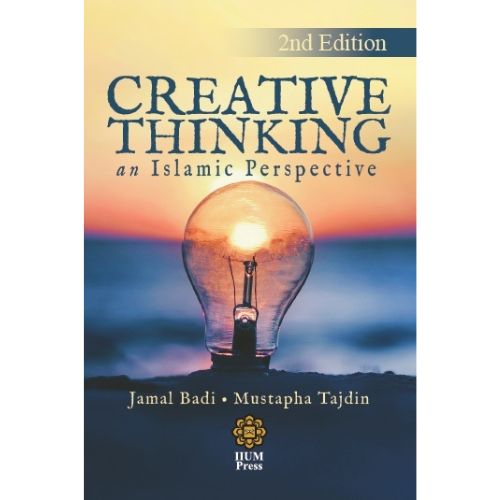
Creative Thinking An Islamic Perspective (2nd Edition)
Highlights:
Enthusiastic readers, notably those who have special interest in thinking and cognition, are expected to know a great deal on creativity both as a skill and as a discipline. However, rare are those who have thoughts on what a religion like Islam has to say about it. Many vital fields of studies seem to have been alienated from religious principles and values, as if religion distrupts the smoth and triumphant march of human knowledge. This book presents a humble argument for the worth of Islamic principles and values in the domain of thinking and creativity. Though this work is an introductory textbook devised for teaching purposes, it hopes to meet the expectations of those who seek detailed and informative account of the subject.
RM41.00
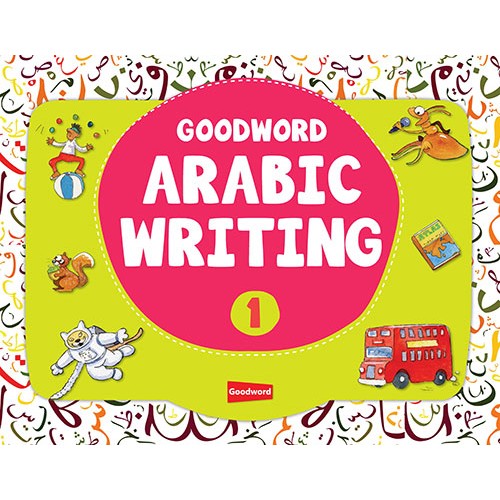
Arabic Writing Book 1
Highlights:
This series is perfect for your children to practice their Arabic writing skills. These books will bring out the latent calligraphers in them.
RM15.00
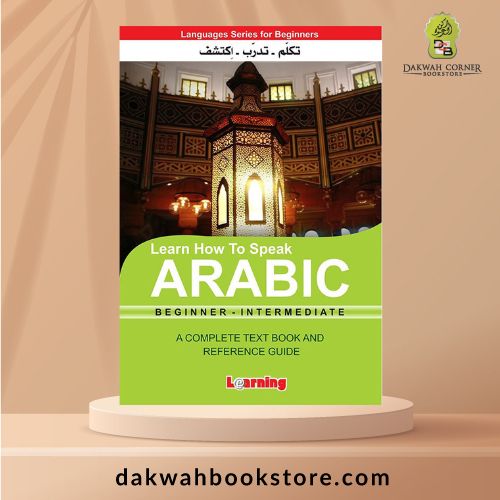
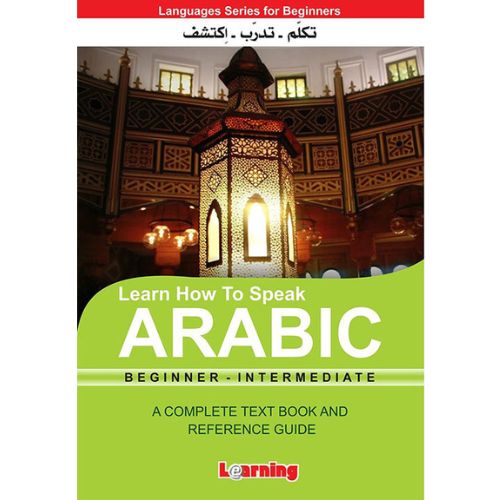
Learn How To Speak Arabic: Beginner – Intermediate (Small Book)
Highlights:
An educational series for modern languages designed for beginners and those planning to travel to new countries.
Covers language fundamentals—including key phrases and expressions—as well as pronunciation, vocabulary, basic grammar, and everyday conversation.
RM15.00
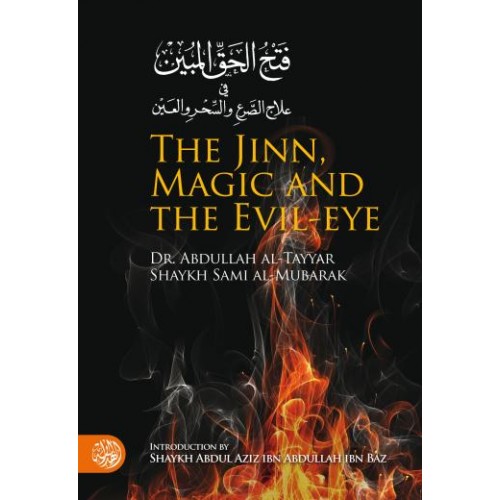
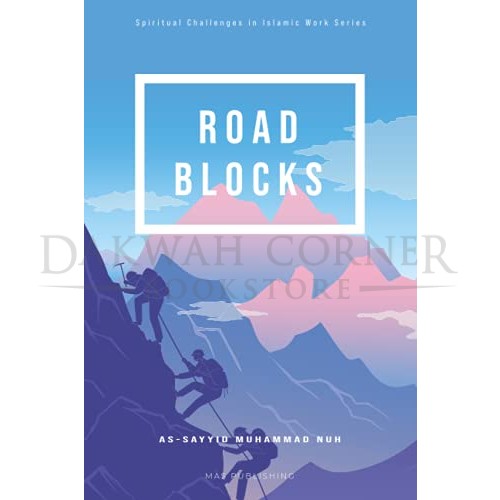
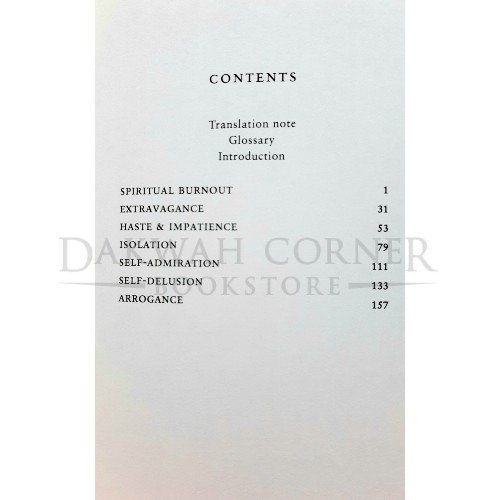
Road Blocks (P/B)
Highlights:
“Whether you call yourself an activist, an Islamic worker, a community volunteer, or a caller to God, working for Islam is one of the most worthy occupations in this life. It is also a challenging path, with many roadblocks lying in wait…”
RM75.00
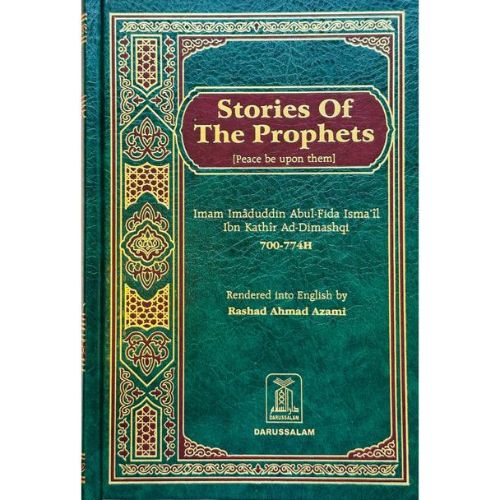
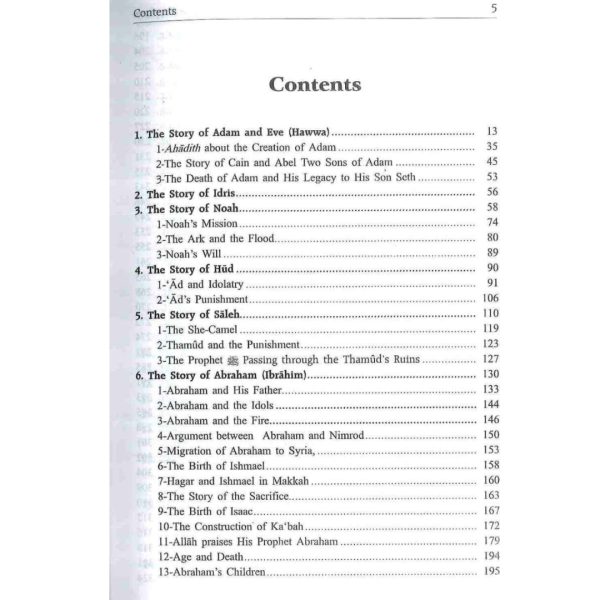
Stories of the Prophets-Darussalam (H/B)
Highlights:
In this book, the stories of the prophets have been compiled from ‘Al-Bidayah wan-Nihayah’ (The Beginning and the End) which is a great work of the famous Muslim exegete and historian Ibn Kathir and has a prominent place in the Islamic literature. The stories of the prophets and all the events in their lives have been supported by the Qur’anic Verses and the Sunnah (traditions) of the Prophet (S). Wherever it was necessary, other sources have also been reported for the sake of historical accounts, but on such places a comparative study has been made to prove the authenticity of the sources. Ibn Kathir has reproduced the views and interpretations of all the great exegetes of the Qur’an of his time. The systemic narratives of the Stories of the Prophets have been written in chronological order which renders a historical style to the book.
Allah the Most Exalted says in the Qur’an:
- “We are relating unto you the most beautiful of stories in that what We have revealed to you from the Qur’an, though before it you were from among those who were not aware of them.” (12:3)
- “We have indeed sent aforetime Messengers before you, of them there are some whose stories We have related to you, and whose stories We have not related to you…” (40:78)
- “We relate to you the important news of their story in truth…” (18:13)
- “And all that We relate to you of these stories of the Messengers, We strengthen with them your heart. Through them there come to you the truth as well as admonition and reminder to all those who believe.” (11:120)
- “There is, indeed, in their stories lessons for people endowed with understanding. It is not any invented tale, but a confirmation of what went before it, and a detailed exposition of all things, and a guide and a mercy to the people who believe.” (12:111)
- “…so relate the stories, perhaps they may reflect.” (7:176
RM85.00
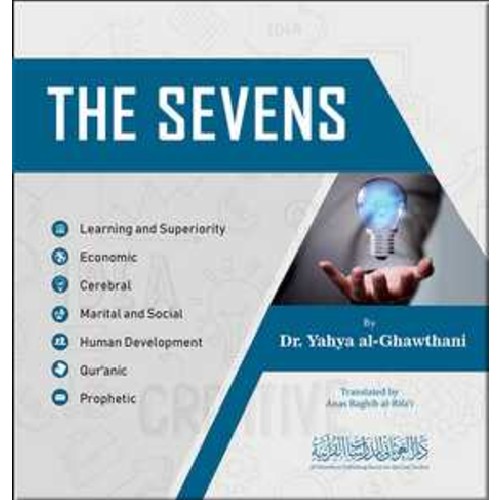
The Sevens
Highlights:
A concise guide for lecturers and trainers. It includes 70 Sevens which are among the strongest assistant to you in life. They are the extract of the experiments and experiences of successful scholars, within intensified points and concentrated pivots
RM60.00

Polygamy in Islam (P/B)
Highlights:
Polygamy is the Muslim practice most frequently and severely maligned by Westerners and modernist Muslims. This book can be read with profit by all unprejudiced readers who wish to know its justification and rationale.
One of the greatest contrasts between Islam and the West is their conflicting concepts of relations between the sexes. Indeed, the very first question a Muslim convert is confronted with by an American or European is ‘Why does Islam allow four wives?’ This book…replies straightforwardly to that question and much more.
The authors describe all the most important characteristics of marriage in Islam, pointing out that the Western notions of sex equality and romantic premarital ‘love’ are not necessary in Islamic marriage based on piety and the commitment on the part of both parents to win the pleasure of Almighty Allah.’
This book contains basic guides for anyone interested in understanding the rights and obligations of males and females in Islamic plural marriage. The guidelines have been drawn from the Quran, Hadith and opinions of Islamic scholars.
RM20.00
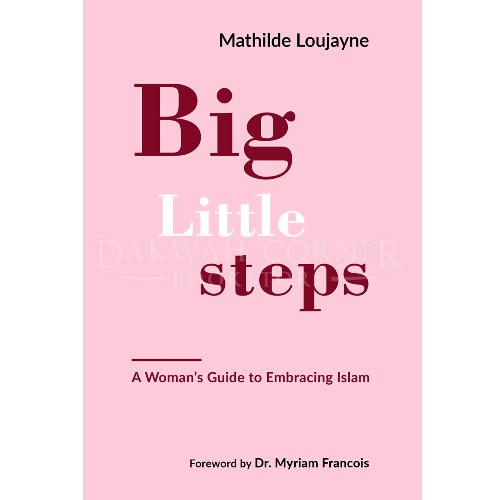
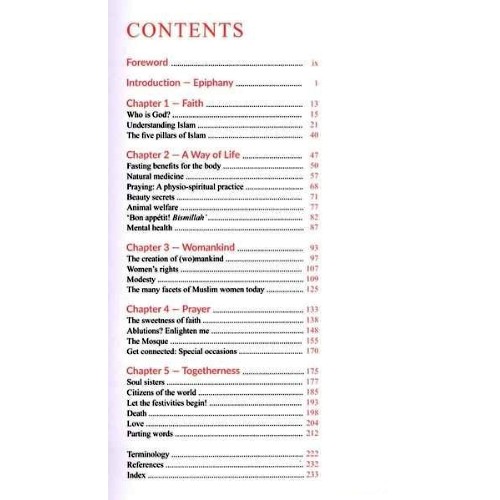
Big Little Steps
5 ★
5 ★
1 Rating
5 ★
1
4 ★
0
3 ★
0
2 ★
0
1 ★
0
Highlights:
“A ‘self-help’ book for Muslims, which seeks both to inspire Muslim women, but also to educate those outside the faith” – Dr. Myriam Francois. Since her conversion to…
RM115.00
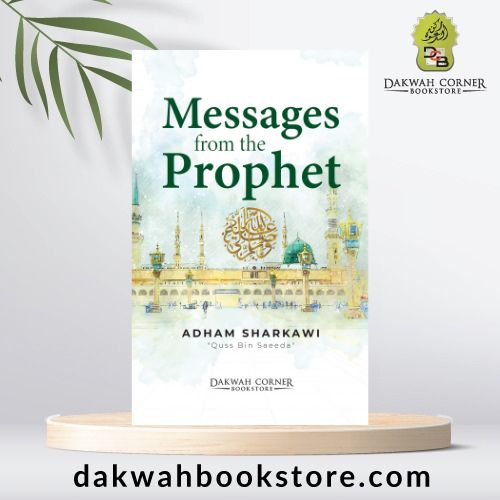
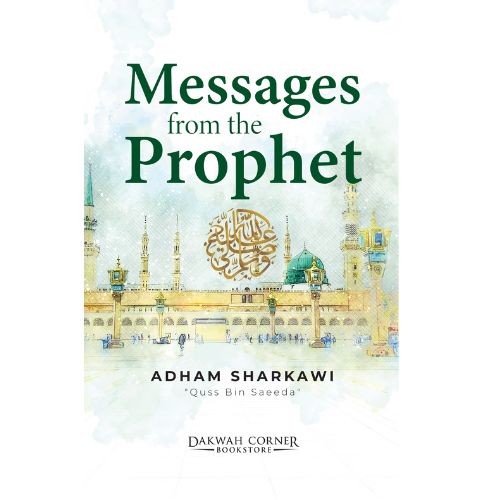
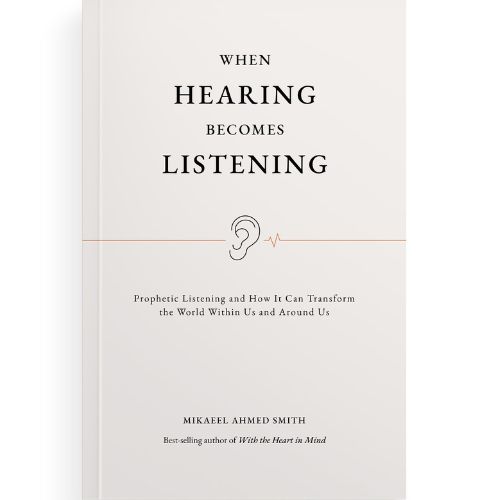
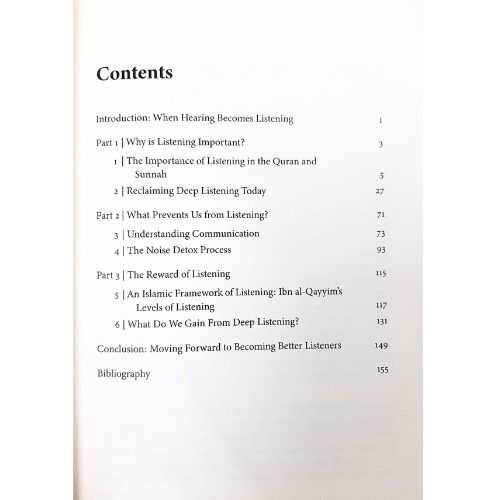
When Hearing Becomes Listening
Highlights:
This book picks up where With the Heart in Mind stopped, diving deeper into the primary tool that enabled the Prophet (s.a.w.) to be so influential and leave such a profound impact on the people around him. The premise is simple. If you wish to be listened to like the Prophet (s.a.w.), you must first learn to listen like the Prophet (s.a.w.).
RM95.00
There are no reviews yet.