

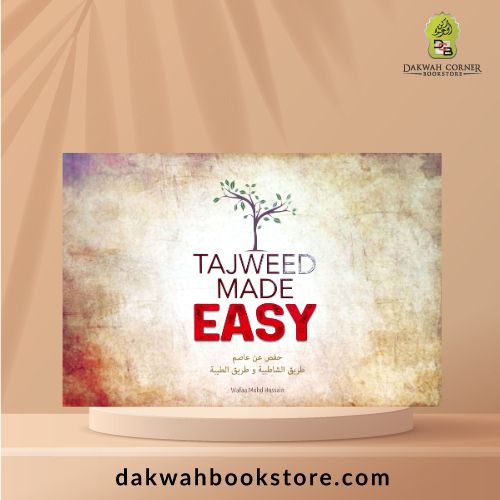

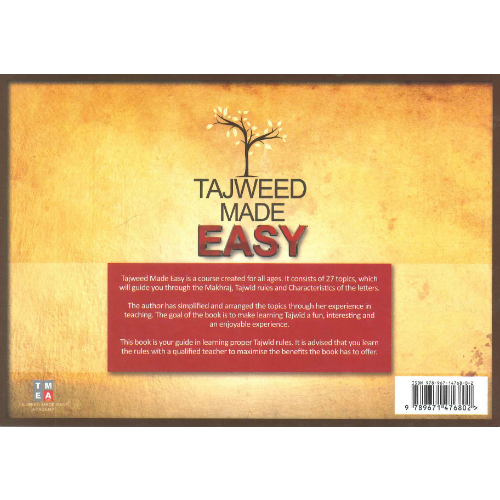

| Weight | 0.28 kg |
|---|---|
| Product Type | Book |
| Author | |
| Publisher | TIMEAG |
| Pages | 50 |
Additional information
Reviews (0)
Be the first to review “Tajweed Made Easy (English)” Cancel reply
You must be logged in to post a review.
Related Products
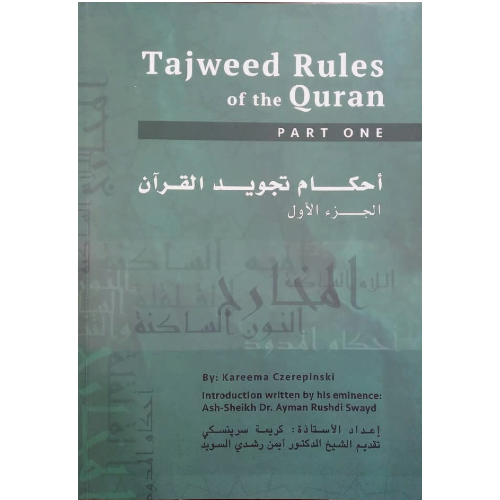
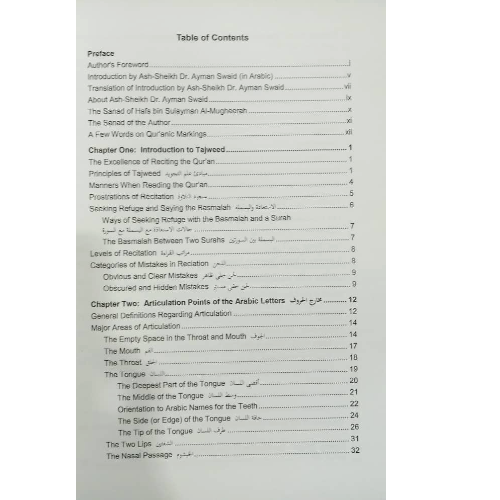
Tajweed Rules of the Quran (Part One)
Highlights:
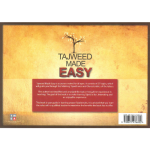
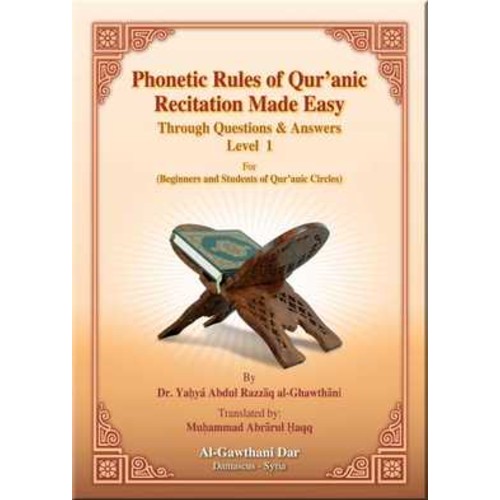
This is a guide for studying tajweed. The student who uses this book is expected to have a basic grasp of Arabic before starting this course. The student should know all the Arabic letters and vowels and be able to read at an elementary level.
This book is either for an English-speaking student studying the Qur’an in an Arabic environment, but needing explanation of the Arabic terms in English, or a student studying the explanations of tajweed in English, but learning the basic concepts in Arabic so they may integrate into the Arabic terms and definitions throughout the book, since the science of tajweed is an Arabic science. This book explains the articulation points of the Arabic letters, the rules of noon saakinah, meem saakinah, and lam saakinah. It explains all of the different lengths (mudood), and how voweled, and non-voweled letters are formed. The qalaqah mechanism is explained in the last chapter. Terms are introduced in Arabic, and the translated into English. Explanations are done in English, but with integration of Arabic terms, as they are learned.
A student of the Qur’an cannot expert to learn tajweed simply by studying this book. The learning of proper Qur’anic recitation can only be done by listening to a qualified Qur’an teacher recite, then reciting to them and receiving corrections from the teacher.
RM30.00
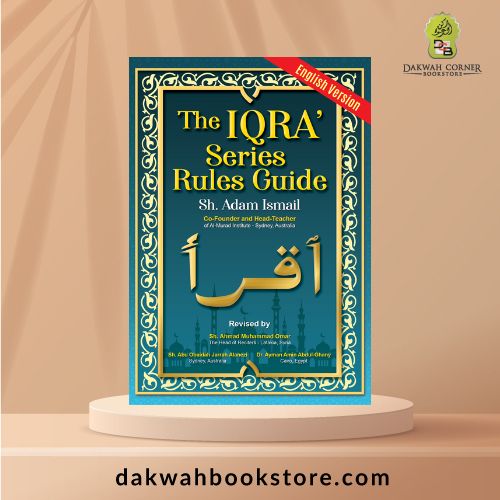
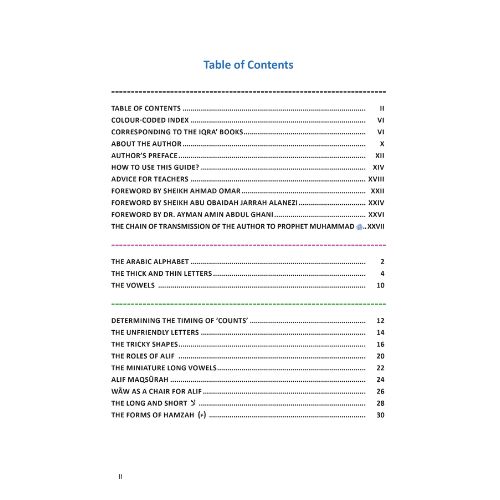
The Iqra’ Series Rules Guide
Highlights:
- This guide is a must for anyone studying or teaching from the IQRA’ Series! Aimed at children and adults to be used by schools, mosques and learning centres.
- This guide contains all the Tajwīd rules needed throughout the IQRA’ series. It introduces each rule based on the same structure and patterns of the IQRA’ Series.
- This guide has been designed to make it as easy as possible to achieve a beautiful and elegant recitation, whilst also having a firm grasp of all the required theory.
RM30.00
Juz Amma (Learning Roots)
Highlights:
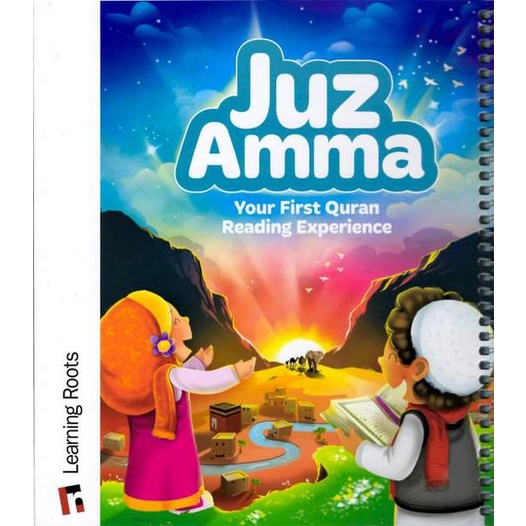
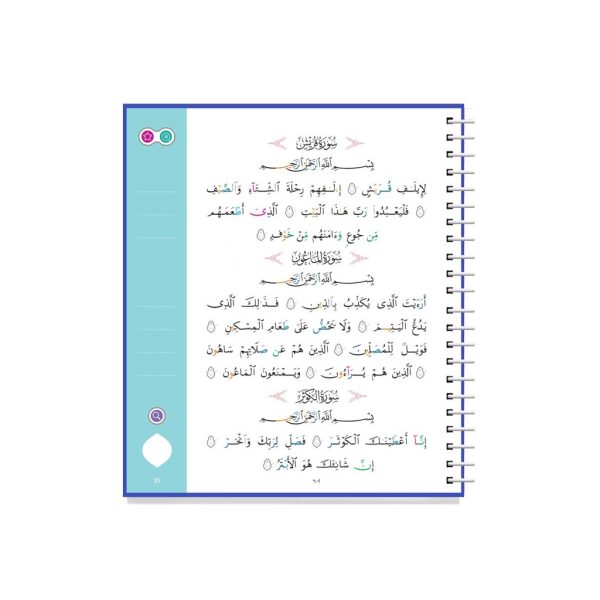
How to Get Your Child’s Quran Relationship off to Flying Start. Does your child struggle to progress in their Quran reading? Are they bored in their lessons? Are they taking forever to memorise even the simplest Surahs? Are you worried your child is not building a loving relationship with the book of Allah?
Noted: Price without Kiitab Pen.
RM110.00
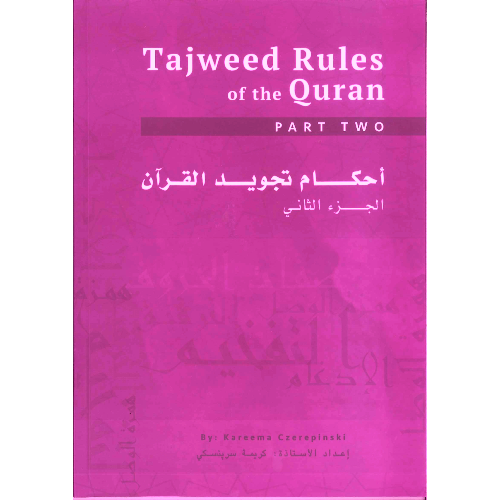
Tajweed Rules of the Quran (Part Two)
Highlights:
By Allah’s grace, this is the second part of a three part book on the rules of tajweed of the Qur’an, for the recitation of Hafs from ‘Aasim by the way of Ash-Shaatibiyyah. It is is intended to be a guide for nom-Arabs with a good grasp in English in studying tajweed.
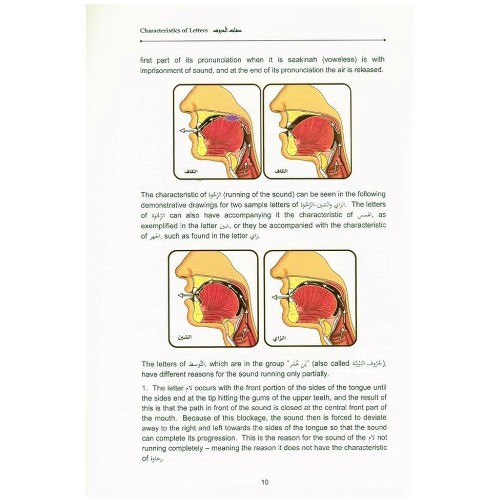
This book explains the concept of the accent (an-nabr) in the recitation of the Glourious Qur’an and the conditions of its use, it is also defines and explains the important chapter on the characteristics of the letter, velarization and attenuation (tafkheem and tarqeeq) are covered in this part, as well as the concept of the two alike, the two similar, the two close, and the two far and the rules for merging (idghaam) and clarity (ith-haar) in these different relationships. A brief introductory to grammar term is made in this book to assist the student in understanding the last chapter, that of the connecting hamzah (hamzah al-wasl).
The explanation of the different subject are in English, and the Arabic terms are translated. This is to assist the student in understanding and encourage them to learn the Arabic definitions and terms. This book should facilitate non-Arabs studying tajweed in a classroom with explanations taught in Arabic or in English.
This book cannot replace the importance of reciting to and being corrected by a trained teacher of tajweed, instead it is a guide and an aid in understanding the concepts of tajweed, the application can only be refined by recitation and correction.
RM26.00
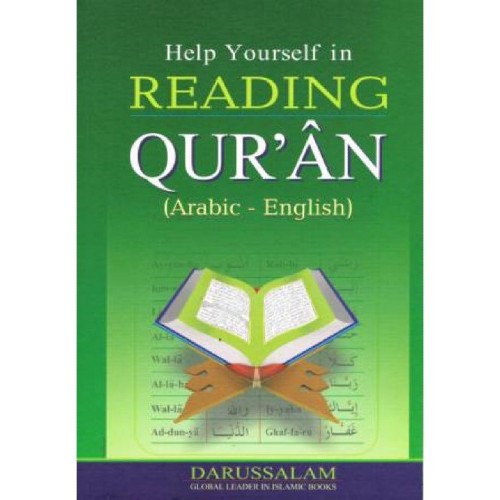
Help Yourself In Reading Qur’an
Highlights:
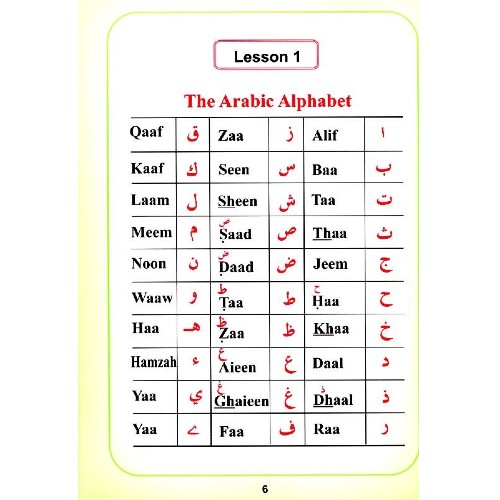
It is a guide for learning to read the Arabic of the Qur’an in a simple way through transliteration without a teacher. After mastering this guide , one will be able to read Qur’an without any difficulty. Insha-Allah.
RM25.00
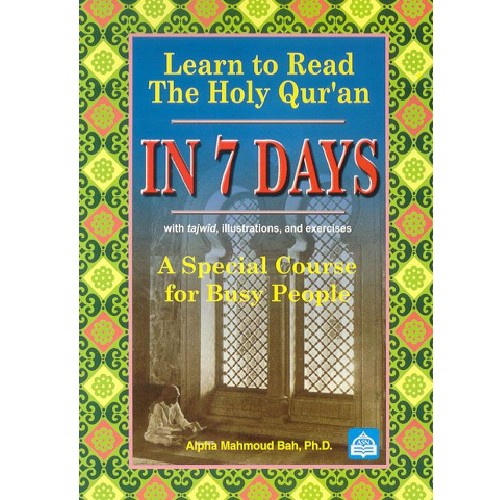
Learn to Read the Holy Qur’an in 7 Days (Alpha Mahmoud Bah)
Highlights:
If you are a university student, a businessperson, a homemaker, or any busy adult desiring to learn to read the Holy Qur’an, then this guidebook is exactly what you need. With it, you can study alone or with help of an aid.
RM23.00

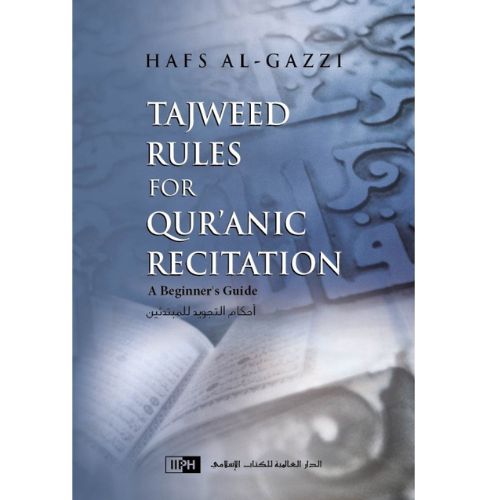
Tajweed Rules For Quranic Recitation [A Beginner Guide]
Highlights:
For every letter of the Qur’an that a Muslim recites, s/he is rewarded ten times over. This immense reward for such a seemingly simple task emphasizes the importance of learning how to recite the Qur’an. Tajweed Rules for Qur’anic Recitation: A Beginner’s Guide aims to give the reader the necessary tools to properly recite the Qur’an according to the manner in which the Prophet Muhammad (sa) recited it. To set the stage for learning the proper Qur’anic recitation, or tajweed, the history of the Qur’an is briefly discussed from its revelation to its compilation. In addition, the history of the Science of Tajweed is touched upon, in order to move the reader into the rules of Qur’anic recitation. With the beginning learner in mind, the rules are detailed in a simple yet clear manner. Each new rule is elucidated with examples from the Qur’an for learners to apply to their recitation.
RM45.00
RM55.00 – RM120.00Price range: RM55.00 through RM120.00
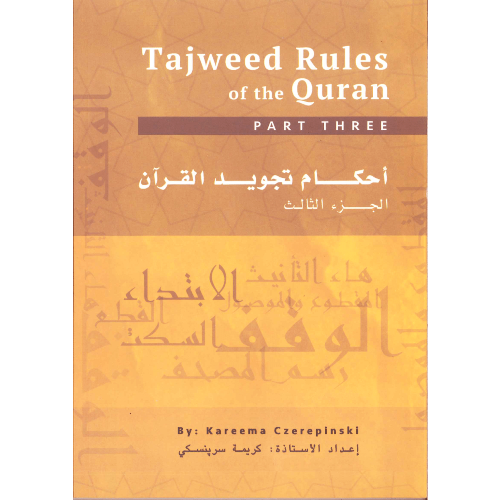
Tajweed Rules of the Quran (Part Three)
Highlights:
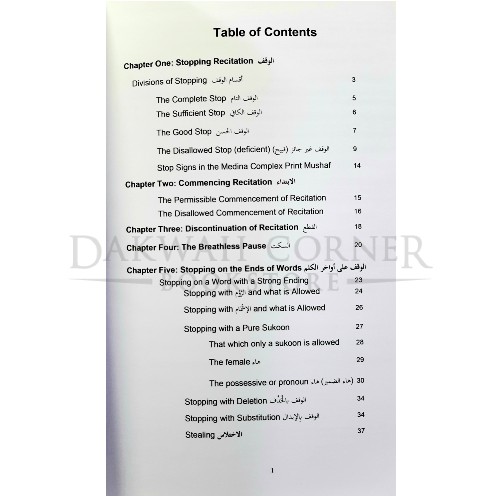
This is the third and final part of a three part series in English on the rules of tajweed the Qur’an for the recitation of Hafs from ‘Aasim by the way of Ash-Shaatibiyyah. These books are meant as a guide for non-Arabs with a good grasp of English for studying tajweed of the Glorious Qur’an. This final book explains the stop and start when reading the Glorious Qur’an, and gives details as to what kind of stop is allowed, what kind is preferred, and what kind of stop is forbidden. Stopping on the ends of words with strong endings (consonants) and rules for what is allowed on the last letter of the word is described, including ar-room (الروم) and al-ishmaam (الإشمام). Stopping on the ends of words with weak endings (words ending in the alif, ya’ or wow) and different rules and explanations for these type of words is clarified. One important aspect of Qur’an recitation is knowing and understanding which word combinations are written together and which separately in different parts of the Qur’an as well as in which places of the Qur’an are some words are written the female haa (هاء), and in which places they are written with the taa (تاء). This part lays out the different places in the Qur’an these occurrences take place, so the reader knows how he/she can stop on these words. The words that are read in a special way, or have two allowed ways for the reading of Hafs from ‘Aasim by the way of Ash-Shaatibiyyah are detailed in this book. The history of the writing of the Glorious Qur’an (رسم) and the general rules for the writing of the Qur’an are laid out in the last chapter of this part. This last part of the three parts on tajweed is for students who have studied and mastered the other two parts, or have studied everything covered in the first two parts. The explanations of the different subjects are in English, and the Arabic terms are translated. The goal is always to assist the students in understanding and to encourage them to learn the Arabic terms and definitions. The three parts of this series on tajweed rules of the Glorious Qur’an should facilitate non-Arabic speaking students of the Qur’an whether they are in a classroom with an Arabic medium for teaching or English. With this third part completed, insha’ Allah the non-Arab English speaking student of the Qur’an will find a complete curriculum and explanation of the tajweed rules for the recitation of Hafs ‘an ‘Aasim from the way of Ash-Shatibiyyah in any classroom or study situation that he/she may find themselves in. These three parts are only guidance; the real goal is reciting and applying all the different rules correction which can only be done by reciting to and being corrected by a qualified teacher of the Qur’an.
RM30.00
Recently Viewed
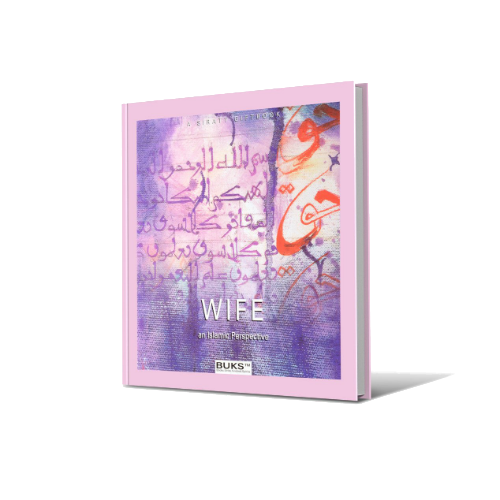
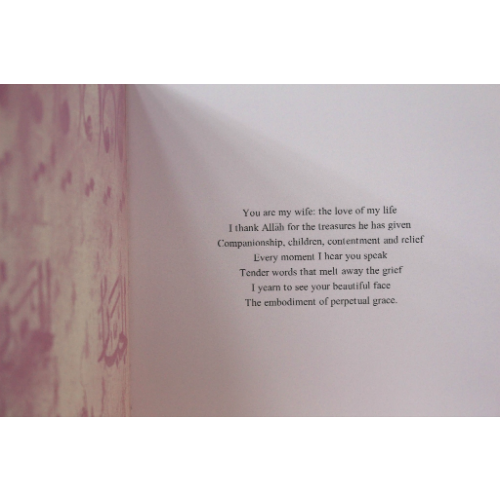
WIFE
Highlights:
The perfect gift to give a loved one or indeed to educate oneself as to the significance Islam places on this important relationship through relevant Qur’anic Ayah, Hadith, and Islamic Poetry.
Example Quotes:
“And among His signs is this, that He has created for you mates from amongst yourselves, that you may dwell in tranquillity with them; and He has put love and mercy between you. Verily in that are signs for those who reflect. [Q30:21]”
“I want to tell you before it’s too late That you fill the vacuum in my heart Together through Nikah we are complete InshaAllah, I pray in Paradise we shall meet.”
Ideal gifts to convey what we sometimes find difficult to say through relevant Qur’anic Ayah, Hadith, and Islamic Poetry .
RM36.00
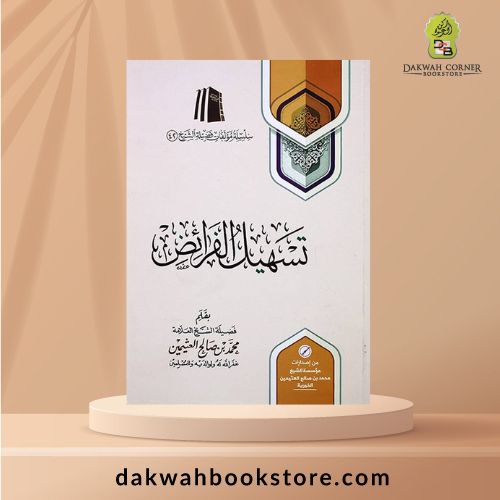
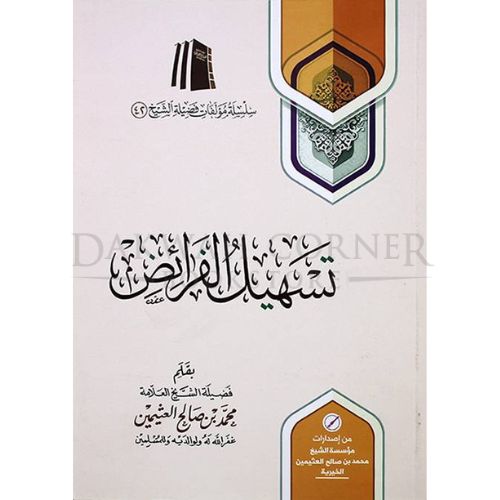
[SJ] Tashil Al Faraid / تسهيل الفرائض
Highlights:
حرره الشيخ رحمه الله بخط يده، وهو شرح لمهمات الفرائض، مما ورد في آيات المواريث التي نص الله تعالى عليها؛ في إرث الأصول والفروع والزوجين وأولاد الأم وإرث الإخوة لغير أم، بالإضافة إلى ما ورد في إلحاق الفرائض بأهلها، فبدأ بالكلام عن علم الفرائض وما يتعل
RM20.00
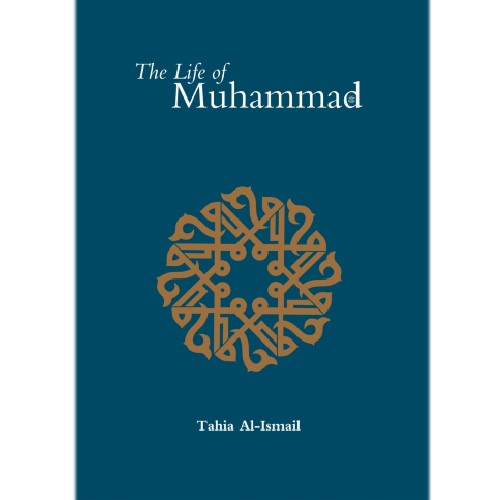
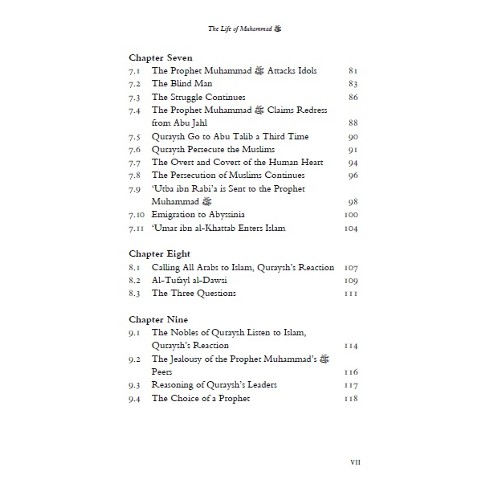
The Life Of Muhammad (P/B) – TaHa Publisher
Highlights:
36 Chapters Covering all aspects of the Prophets (S) life, from when he was a boy, events before the First Revelation, life in Makkah , held to high esteem s, and then the persecution and trials inflicted by the them, right through the details of the the migration to Madinah, the battles, the return to Makkah and its opening back to Islam through to the death of the Prophet (S).
Appendix I on the Family Tree of the Prophet
Appendix II- An Overview of events in the Life of the Prophet
This superb book is indeed a rich storehouse of knowledge, a lighthouse of guidance and an inspiration for mankind.
-Well organised with clear defined chapters.
-Steady Qur’anic Revelations in English throughout the books as and when they were revealed, and the particular situation and context of revelation
The forerunners those who came first among the Migrators and the Helpers and those who followed them with the best. Allah is pleased with them and they are pleased with Him and Allah has prepared for them gardens beneath which rivers flow therein forever and that is the great success. {TMQ At-Taubah 9: 100}
RM95.00
Mini Mr Sabr (P/B)
Highlights:
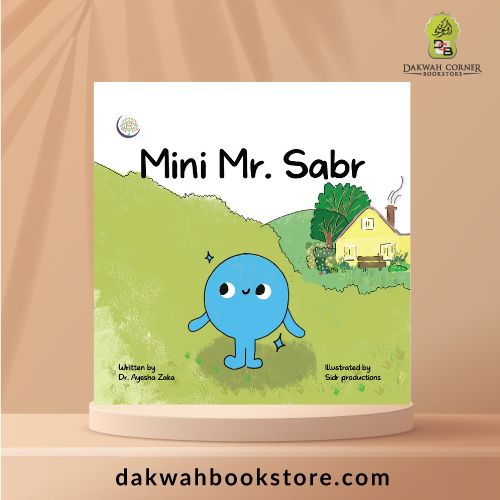
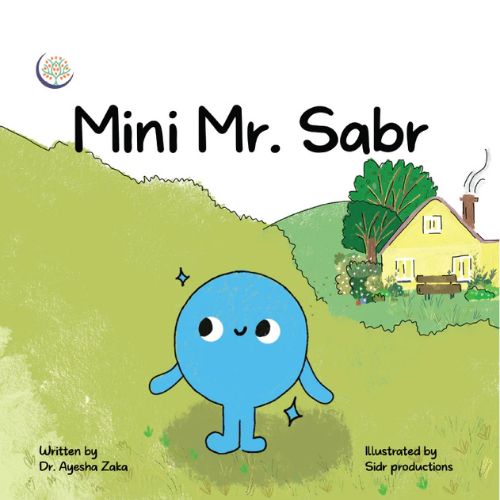
Mini Mr. Sabr is a gentle and engaging children’s story that introduces young readers to the beautiful Islamic value of patience (sabr) through simple language and relatable everyday moments.
RM20.00 RM35.00
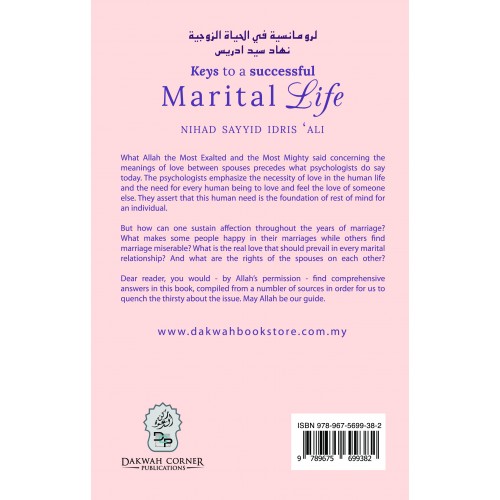
(E-Book) Keys to a Successful Marital Life
Highlights:
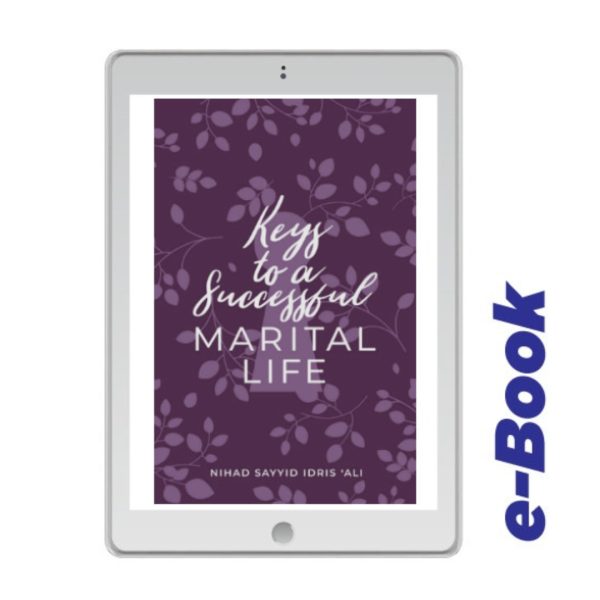
What Allah the Most Exalted and the Most Mighty said concerning the meanings of love between spouses precedes what psychologists do say today. The psychologists emphasize the necessity of love in the human life and the need for every human being to love and feel the love of someone else. They assert that this human need is the foundation of rest of mind for an individual.
But how can one sustain affection throughout the years of marriage? What makes some people happy in their marriages while others fine marriage miserable? What is the real love that should prevail in every marital relationship? And what are the rights of the spouses on each other?
By Allah’s permission – this book provides comprehensive answers to these questions, compiled from a number of sources in order for us to quench the thirst of the thirsty about the issue.
RM26.00
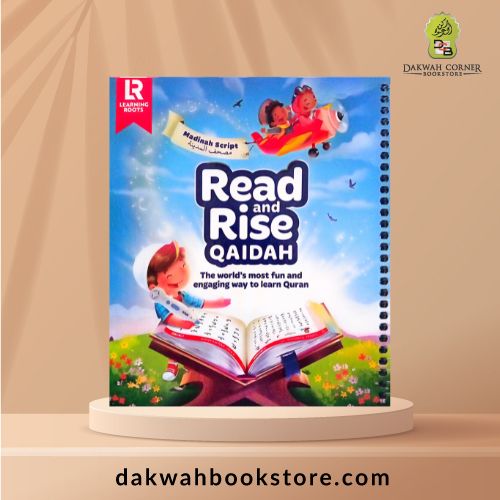
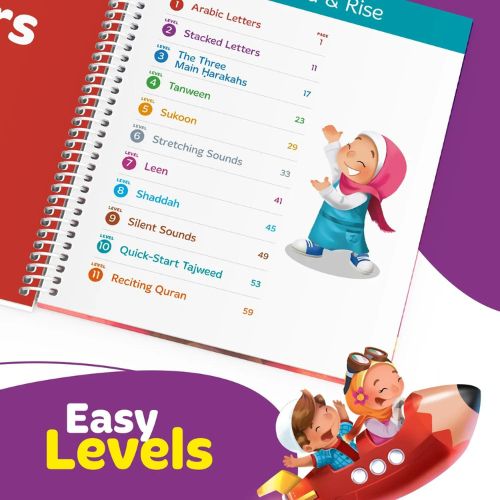
Read & Rise Qaidah (Madinah Script)
Highlights:
The fun, firm and fast way to fluent Quran recitation!
- Motivational stickers
- Compatible with Kiitab (sold separately)
- Hardback spiral bound book – lays flat
RM120.00

Interactions Of The Greatest Leader (H/B)
Highlights:
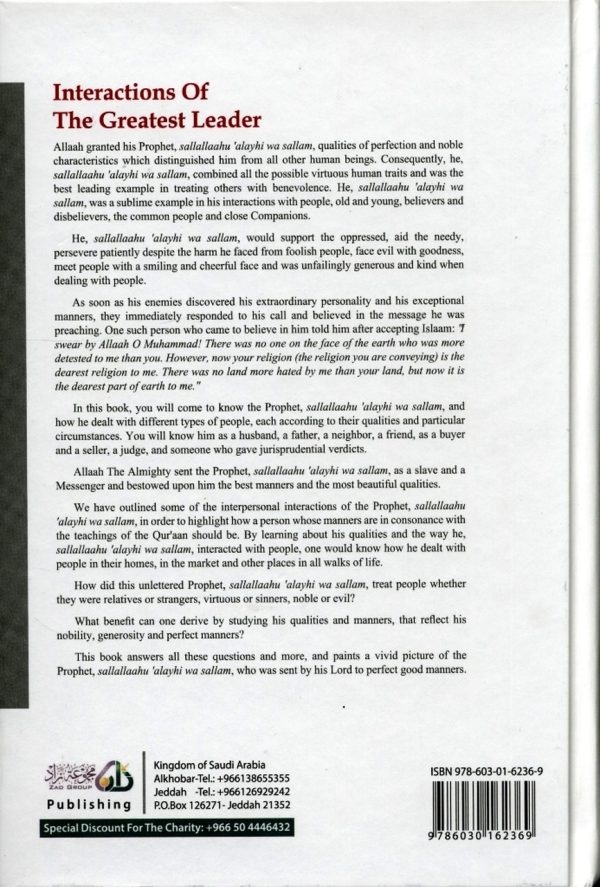
Allaah granted his Prophet, sallallaahu ‘alayhi wa sallam, qualities of perfection and noble characteristics which distinguished him from all other human beings. Consequently, he, sallallaahu ‘alayhi wa sallam, combined all the possible virtuous human traits and was the best leading example in treating others with benevolence. He, sallallaahu ‘alayhi wa sallam, was a sublime example in his interactions with people, old and young, believers and disbelievers, the common people and close Companions. He, sallallaahu ‘alayhi wa sallam, would support the oppressed, aid the needy, persevere patiently despite the harm he faced from foolish people, face evil with goodness, meet people with a smiling and cheerful face and was unfailingly generous and kind when dealing with people.
As soon as his enemies discovered his extraordinary personality and his exceptional manners, they immediately responded to his call and believed in the message he was preaching. One such person who came to believe in him told him after accepting Islaam: ” I swear by Allaah O Muhammad! There was no one on the face of the earth who was more detested to me than you. However, now your religion (the religion you are conveying) is the dearest religion to me. There was no land more hated by me than your land, but now it is the dearest part of earth to me.” In this book, you will come to know the Prophet, sallallaahu ‘alayhi wa sallam, and how he dealt with different types of people, each according to their qualities and particular circumstances. You will know him as a husband, a father, a neighbor, a friend, as a buyer and a seller, a judge, and someone who gave jurisprudential verdicts. Allaah The Almighty sent the Prophet, sallallaahu ‘alayhi wa sallam, as a slave and a Messenger and bestowed upon him the best manners and the most beautiful qualities. We have outlined some of the interpersonal interactions of the Prophet, sallallaahu ‘alayhi wa sallam, in order to highlight how a person whose manners are in consonance with the teachings of the Qur’aan should be.
By learning about his qualities and the way he, sallallaahu ‘alayhi wa sallam, interacted with people, one would know how he dealt with people in their homes, in the market and other places in all walks of life. How did this unlettered Prophet, sallallaahu ‘alayhi wa sallam, treat people whether they were relatives or strangers, virtuous or sinners, noble or evil? What benefit can one derive by studying his qualities and manners, that reflect his nobility, generosity and perfect manners? This book answers all these questions and more, and paints a vivid picture of the Prophet, sallallaahu ‘alayhi wa sallam, who was sent by his Lord to perfect good manners.
RM95.00


Principles of Islamic Jurisprudence (2nd Revised Edition)
Highlights:
This book offers a detailed presentation of the theory of Muslim law (usul al-figh). Often regarded as the most sophisticated of the traditional Islamic disciplines, Muslim jurisprudence is concerned with the way in which the rituals and laws of religion are derived from the Qur’an and the Sunna – the precedent of the Prophet. Revelation, which is given to man to restore unity and help him achieve a just and devout order in society as well as in the soul, must be interpreted so as to render it practicable in every culture, while not betraying its spirit and immutable provisions. To achieve this, additional sources of legal authority are recognized, including consensus (ijma), analogical deduction (qiyas), public interest (maslaha) and local customary precedent (urf). In employing these, the jurist guards the five principles which it is the purpose of Islamic law to uphold, namely, the right to life, sound mind, property, lineage and religion.
RM75.00
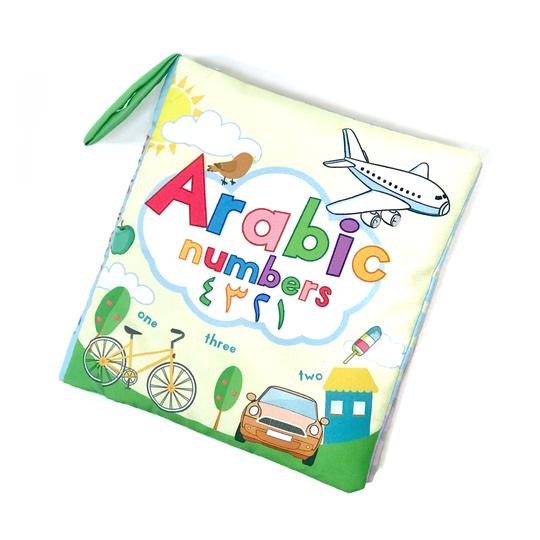
SOFT BOOK – Arabic Numbers
Highlights:
Arabic numbers from 1 to 20
Complete with pictures to count
Arabic number symbols
Pronunciation in Arabic and English
RM44.00
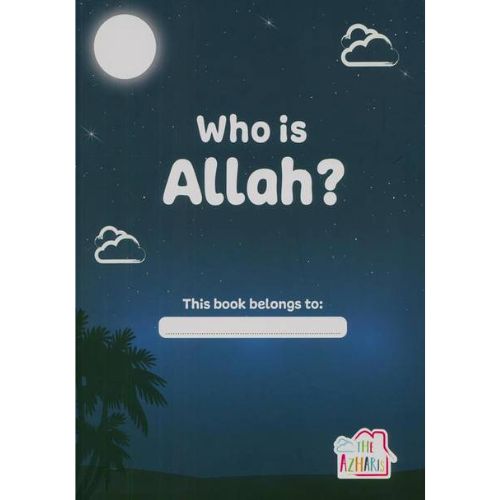
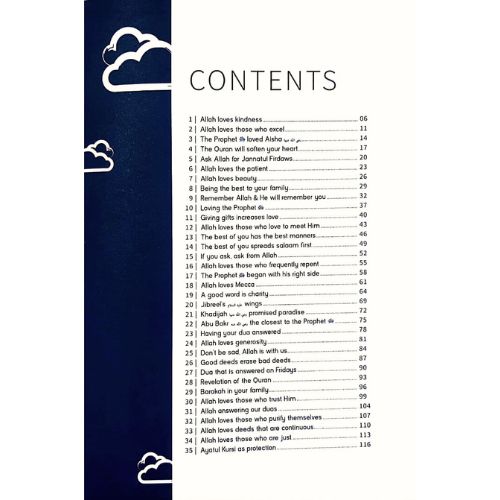
Who is Allah? (P/B)
Highlights:
The Who Is Allah workbook is packed with even more fun activities and brand new interactive elements, we’d love for you to get your hands on a copy to experience it.
RM80.00
There are no reviews yet.