

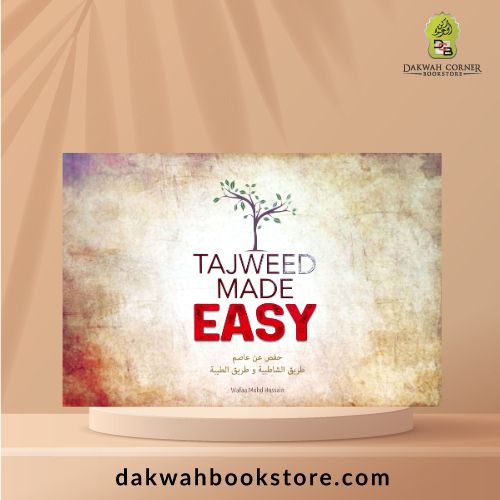

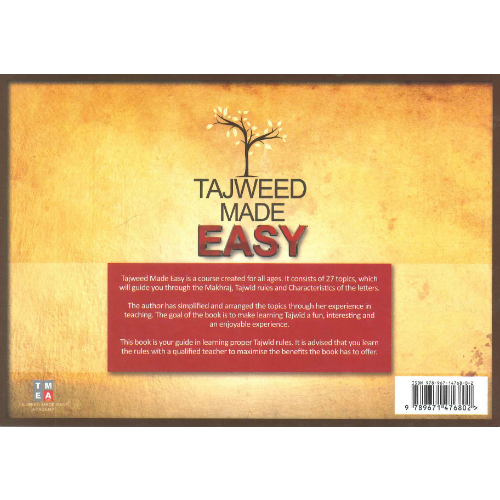


| Weight | 0.28 kg |
|---|---|
| Product Type | Book |
| Author | |
| Publisher | TIMEAG |
| Pages | 50 |
Additional information
Reviews (0)
Be the first to review “Tajweed Made Easy (English)” Cancel reply
You must be logged in to post a review.
Related Products
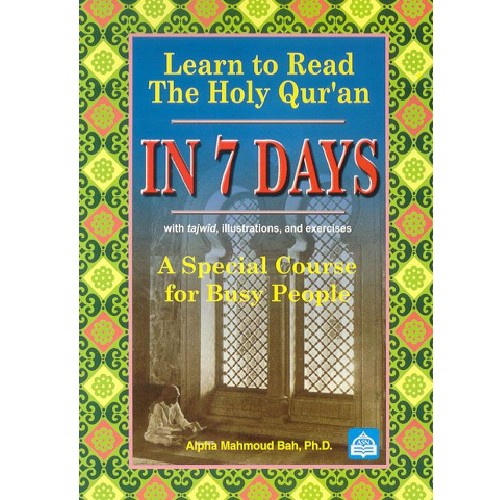
Learn to Read the Holy Qur’an in 7 Days (Alpha Mahmoud Bah)
Highlights:
If you are a university student, a businessperson, a homemaker, or any busy adult desiring to learn to read the Holy Qur’an, then this guidebook is exactly what you need. With it, you can study alone or with help of an aid.
RM23.00
RM55.00 – RM120.00Price range: RM55.00 through RM120.00
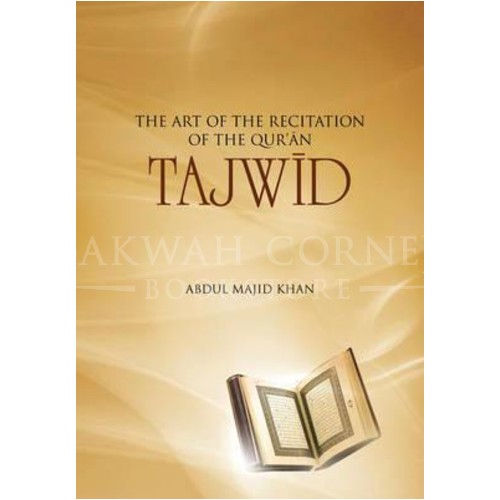
Tajwid : The Art of the Recitation of the Qur’an
Highlights:
This book on the art of the recitation of the Holy Qur’an is easy to follow with its simple yet detailed presentation of subjects. It is accessible for beginners who have had little exposure to Tajwid. It does not require any knowledge of Arabic grammar or understanding of the Arabic language. It provides both the young and adult English speaking Muslims with the best organization and presentation of the art of Tajwid. The Art of the Recitation of the Qur’an can be used for self-study or with the guidance of a teacher at Islamic schools and colleges as well as theology faculties. This book is primarily intended for the English speaking audience. The explanations in this work are augmented by figures, charts, tables, and examples for full and easy comprehension by English speaking Muslims. Readers will also find a Glossary of Arabic and Phonetic terms extremely helpful in learning the rules of Tajwid.
RM65.00
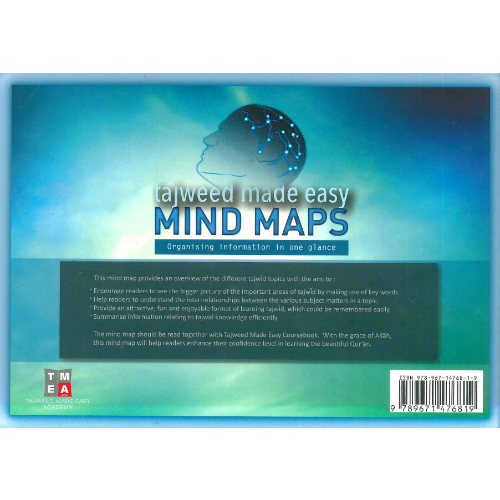
Tajweed Made Easy Mind Maps
Highlights:
This mind map provides an overview of the different tajwid topics with the aim to:
- Encourage readers to see the bigger picture of the important areas of tajwid by making use of key words.
- Help readers to understand the inter-relationships between the various subject matters in a topic.
- Provide an attractive, fun and enjoyable format of learning tajwid, which could be remembered easily.
- Summarise information relating to tajwid knowledge efficiently.
RM25.00
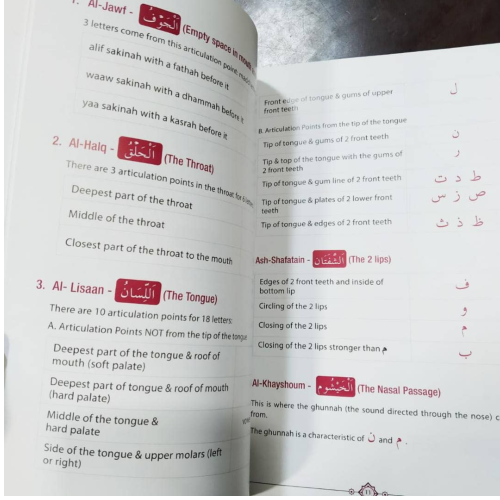
Tajweed For All (Revised Edition)
5 ★
5 ★
1 Rating
5 ★
1
4 ★
0
3 ★
0
2 ★
0
1 ★
0
Highlights:
Note: Revised Version – thicker than previous version (Art Paper)
RM23.00

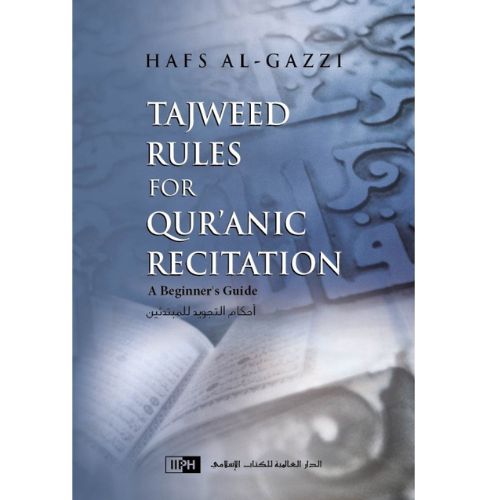
Tajweed Rules For Quranic Recitation [A Beginner Guide]
Highlights:
For every letter of the Qur’an that a Muslim recites, s/he is rewarded ten times over. This immense reward for such a seemingly simple task emphasizes the importance of learning how to recite the Qur’an. Tajweed Rules for Qur’anic Recitation: A Beginner’s Guide aims to give the reader the necessary tools to properly recite the Qur’an according to the manner in which the Prophet Muhammad (sa) recited it. To set the stage for learning the proper Qur’anic recitation, or tajweed, the history of the Qur’an is briefly discussed from its revelation to its compilation. In addition, the history of the Science of Tajweed is touched upon, in order to move the reader into the rules of Qur’anic recitation. With the beginning learner in mind, the rules are detailed in a simple yet clear manner. Each new rule is elucidated with examples from the Qur’an for learners to apply to their recitation.
RM45.00
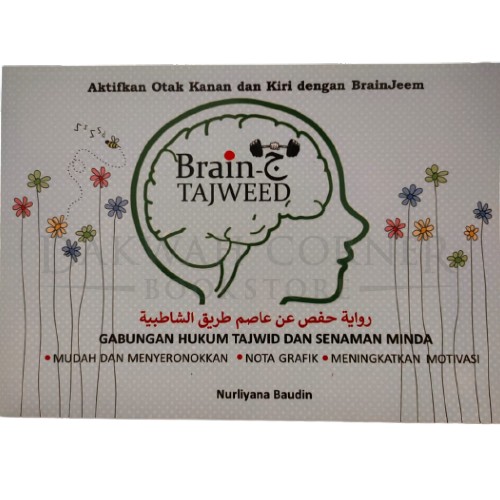
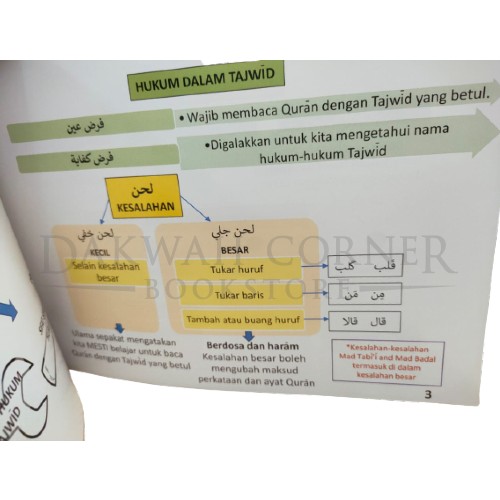
BrainJeem Tajweed – Gabungan Hukum Tajwid dan Senaman Minda
Highlights:
BrainJeem Tajwid merupakan pembelajaran kreatif dalam mengenalpasti hukum-hukum Tajwid dengan mudah dan menyeronokkan. Gabungan bunyi dan brain-gym akan mengaktifkan otak kiri dan kanan anda dan membantu anda kekal fokus dan bertenaga. Inovasi BrainJeem Tajweed berfungsi sebagai pembakar semangat supaya kita cintakan ilmu Tajwid dan seronok mendalami Quran.
RM30.00
Recently Viewed
Tajweed Made Easy Mind Maps
Highlights:
This mind map provides an overview of the different tajwid topics with the aim to:
- Encourage readers to see the bigger picture of the important areas of tajwid by making use of key words.
- Help readers to understand the inter-relationships between the various subject matters in a topic.
- Provide an attractive, fun and enjoyable format of learning tajwid, which could be remembered easily.
- Summarise information relating to tajwid knowledge efficiently.
RM25.00
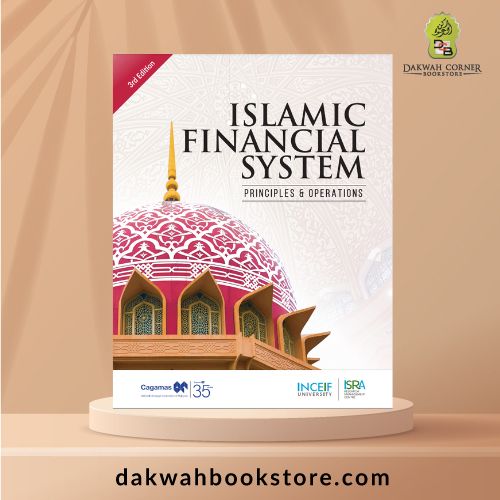
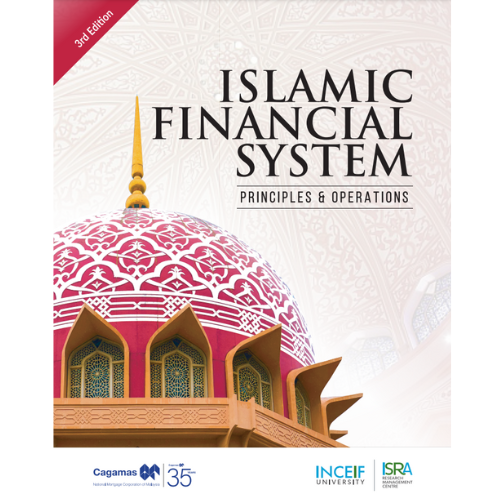
Islamic Financial System: Principles & Operations
Highlights:
This second edition of the book marks another milestone of a collaborative effort between prominent scholars and practitioners of the Islamic finance industry. It sheds light on the front line issues faced by the Islamic finance industry with academic rigor. Each chapter in the book is complete with figures, diagrams, tables, case studies, a set of review questions and problems and a list of references for further reading. It offers invigorating discussion on a comprehensive range of topics related to Islamic finance, combining both theoretical foundations and operational aspects.
RM180.00
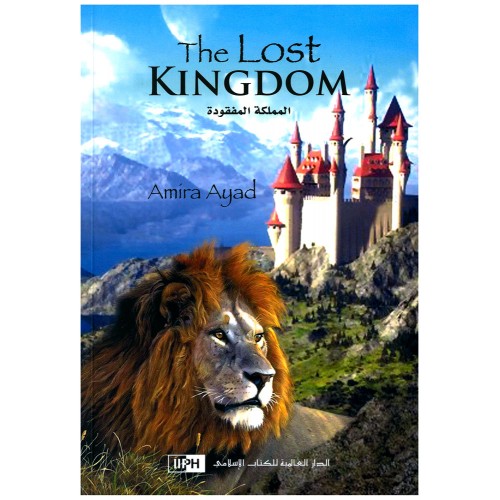
The Lost Kingdom (P/B)
Highlights:
The Lost Kingdom is the story of wild lions who long ago adopted a very different way of life – that of domestic cats. Many of them forgot their history and their great past, until one day… Meet Layth, an intelligent and courageous cub seeking truth and adventure. He and his friends decide to dig up the past and begin to question why their fellow lions behave the way they do. They begin to address the problems that have been buried deeply for too long. Soon, Layth and his friends have a mystery on their paws – will they be able to solve it before they are caught, or will they be stopped before they can even begin? Generating enthusiasm and providing food for thought for young minds, The Lost Kingdom is an interesting fable of adventure, courage, and chivalry in the face of severe hardships.
For ages 7-12
RM28.00
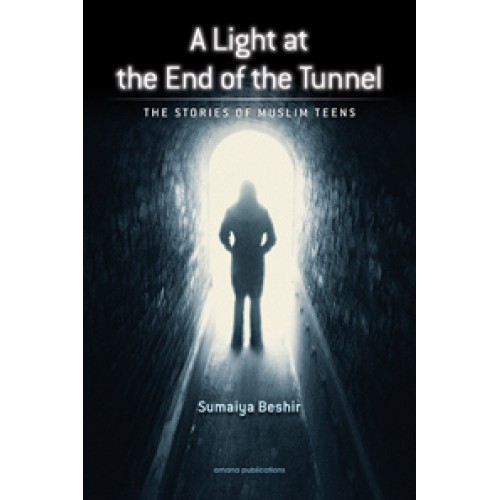
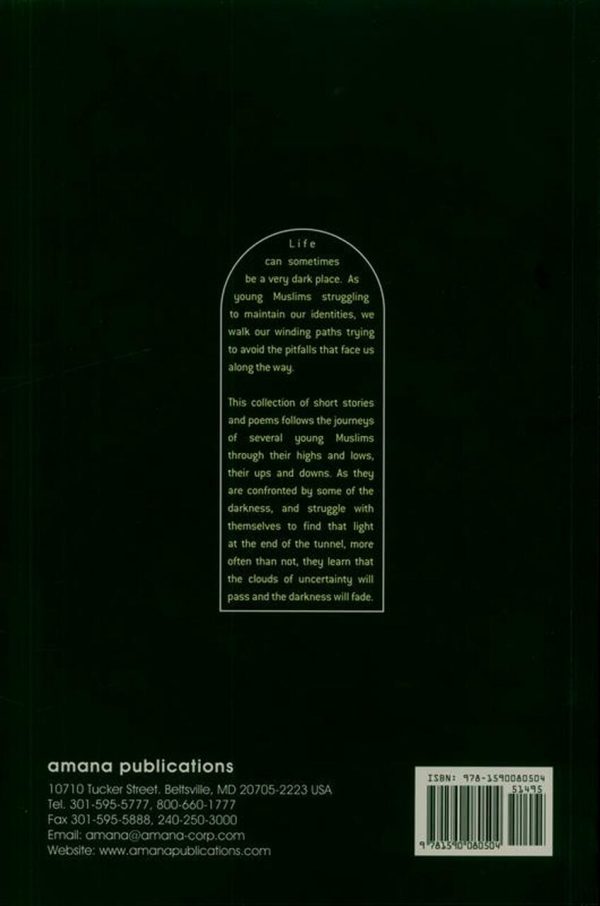
A Light at the End of the Tunnel (P/B)
Highlights:
The book features a collection of short stories written by Muslim teens. Through their stories they share the struggles and experiences they have faced on issues such as dating, friendship, hijab, respecting parents, clarifying misconceptions about Islam and defining one’s identity.
RM47.00
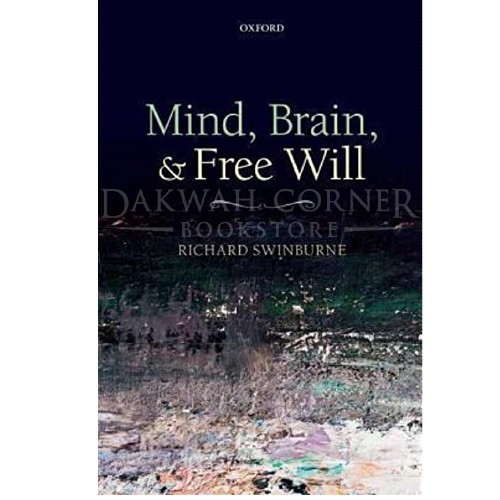
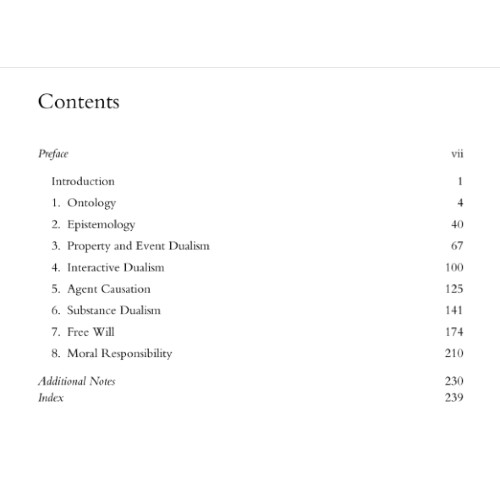
Mind, Brain, & Free Will (P/B)
Highlights:
Mind, Brain, and Free Will presents a powerful new case for substance dualism (the idea that humans consist of two parts–body and soul) and for libertarian free will (that humans have some freedom to choose between alternatives, independently of the causes which influence them). Richard
RM140.00
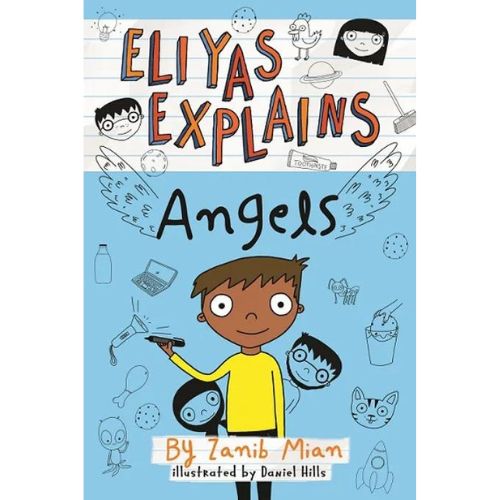
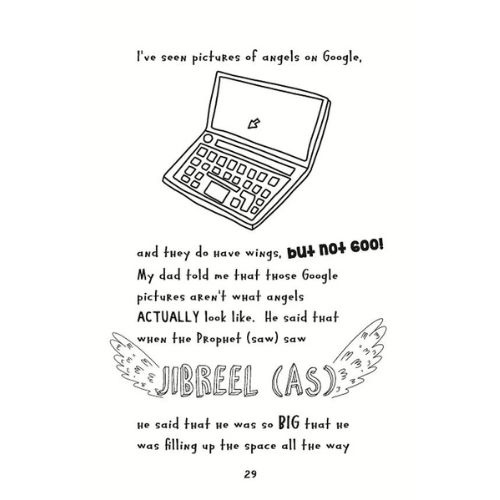
Eliyas Explains: Angels
Highlights:
The first in a lively middle-grade series by prize-winning author, Zanib Mian. This children’s Islamic book is fantastic for those children reading for themselves.
RM45.00
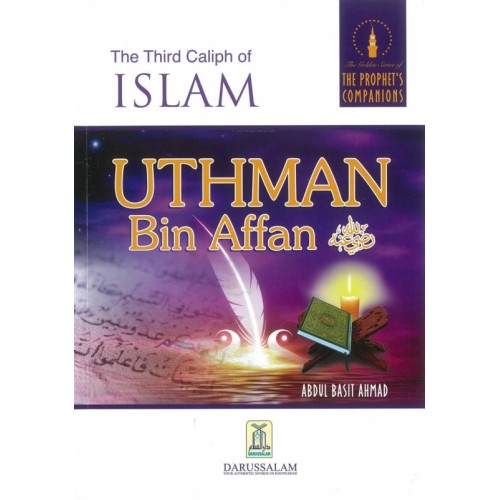
The Third Caliph of Islam: Uthman bin Affan (P/B)
Highlights:
Uthman bin Affan (R) was one of the early men who accepted Islam in Makkah. From the first moment he became a Muslim, he put all his wealth under the service of Islam. He spent most of his resources to satisfy the needs of poor Muslims. Recognizing his generosity and devotion to Islam, the Prophet (S) told him that his place would be in Paradise on the Hereafter. He married Ruqayah (R),the Prophet’s daughter. After she died, he married her sister Um Kulthum ;for that, the people at that time called him Dhun Nurain, “The Man with the Two Lights.”
RM26.00


Devotion in Prayer P/B
Highlights:
The lack of reverence [khushi] in prayer has become a widespread phenomenon. Despite the well-known methods of achieving khushu methods in the Sunnah of the Prophet, rarely do we find a Muslim who is satisfied with his khushi in his prayer. In this book, we present a new theory, the theory of the pyramid of khushů, which consists of five levels, and which aims to gradually elevate the worshiper until he reaches a complete peace of mind in his prayer. This theory is implementable, practical, and based on the Qur’an and the Sunnah.
RM65.00
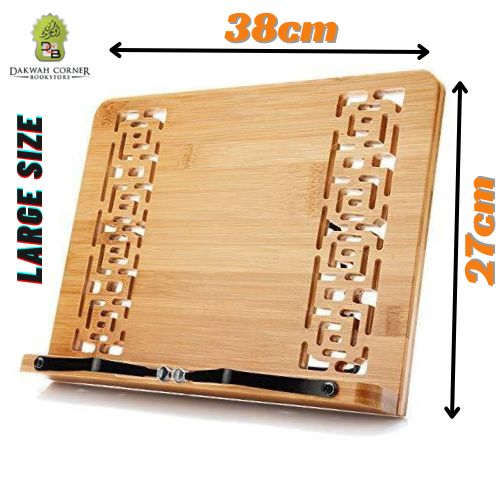
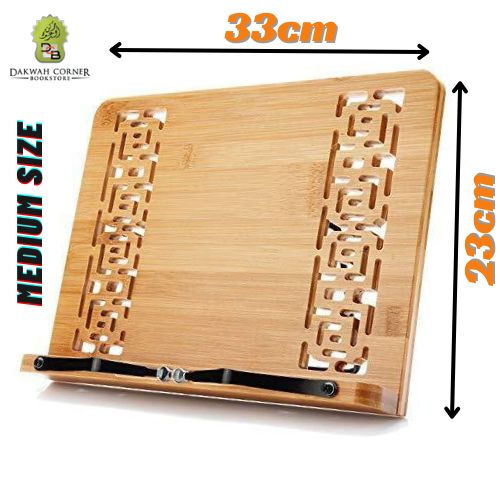
RM50.00 – RM65.00Price range: RM50.00 through RM65.00
There are no reviews yet.