| Weight | 0.20 kg |
|---|---|
| Product Type | Book |
| Publisher | TIMEAG |
| Pages | 16 |
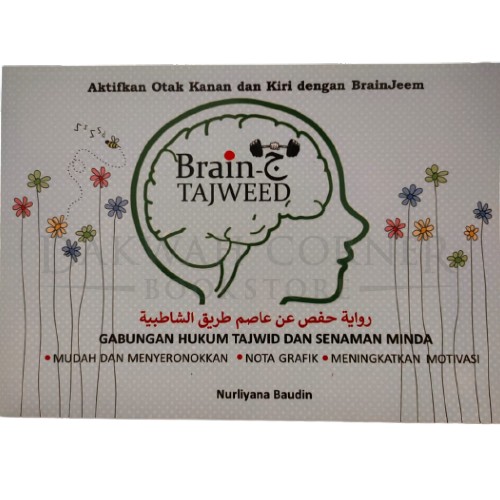
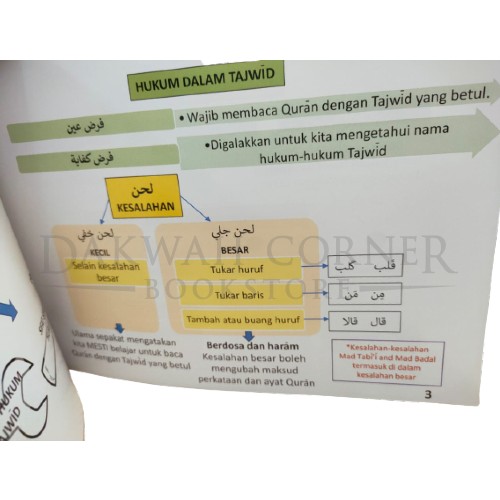
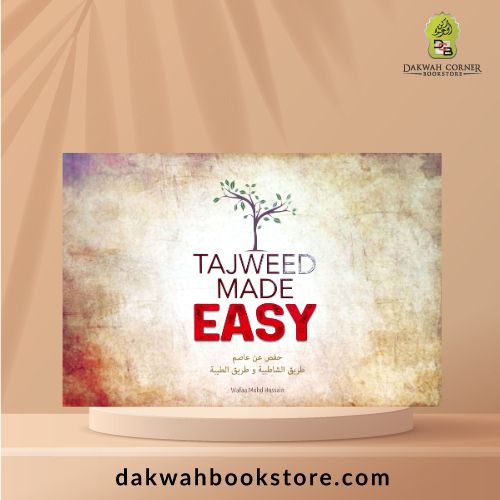
Tajweed Made Easy Mind Maps
RM25.00
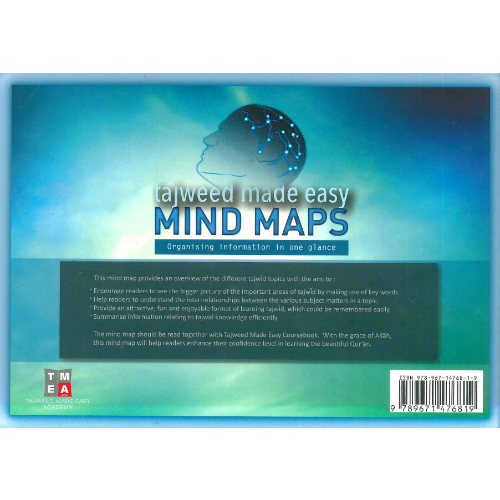
This mind map provides an overview of the different tajwid topics with the aim to:
- Encourage readers to see the bigger picture of the important areas of tajwid by making use of key words.
- Help readers to understand the inter-relationships between the various subject matters in a topic.
- Provide an attractive, fun and enjoyable format of learning tajwid, which could be remembered easily.
- Summarise information relating to tajwid knowledge efficiently.
Be the first to review “Tajweed Made Easy Mind Maps” Cancel reply
You must be logged in to post a review.
Related Products
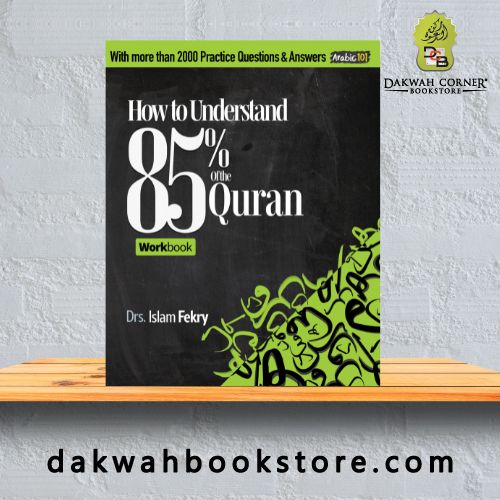
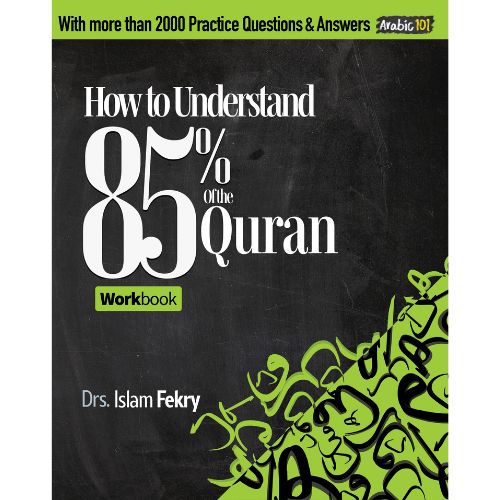
[Workbook] How to understand 85% of the Quran (Arabic 101 Series)
How to Understand 85% of the Quran – Workbook is a carefully designed companion to the main coursebook, made for learners who wish to understand the Quran in Arabic. It is ideal for independent study but even more beneficial under the guidance of a qualified Qur’an teacher.
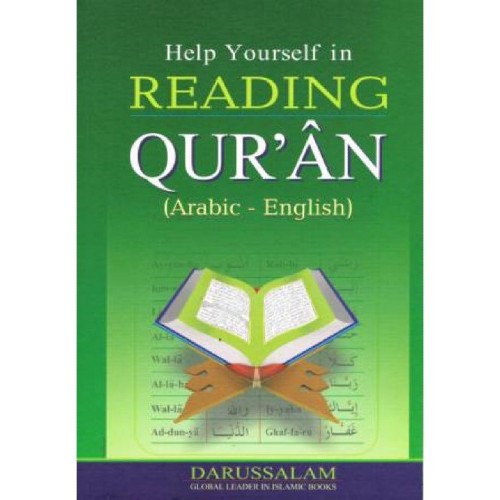
Help Yourself In Reading Qur’an
It is a guide for learning to read the Arabic of the Qur’an in a simple way through transliteration without a teacher. After mastering this guide , one will be able to read Qur’an without any difficulty. Insha-Allah.
Juz Amma (Learning Roots)
How to Get Your Child’s Quran Relationship off to Flying Start. Does your child struggle to progress in their Quran reading? Are they bored in their lessons? Are they taking forever to memorise even the simplest Surahs? Are you worried your child is not building a loving relationship with the book of Allah?
Noted: Price without Kiitab Pen.
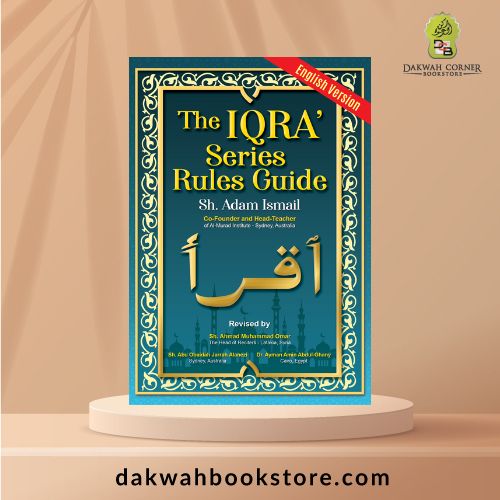
The Iqra’ Series Rules Guide
- This guide is a must for anyone studying or teaching from the IQRA’ Series! Aimed at children and adults to be used by schools, mosques and learning centres.
- This guide contains all the Tajwīd rules needed throughout the IQRA’ series. It introduces each rule based on the same structure and patterns of the IQRA’ Series.
- This guide has been designed to make it as easy as possible to achieve a beautiful and elegant recitation, whilst also having a firm grasp of all the required theory.
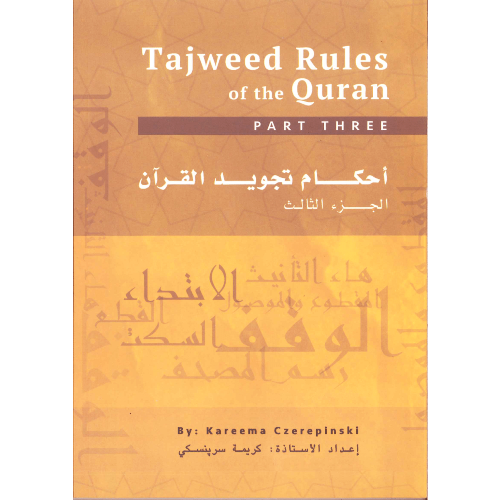
Tajweed Rules of the Quran (Part Three)
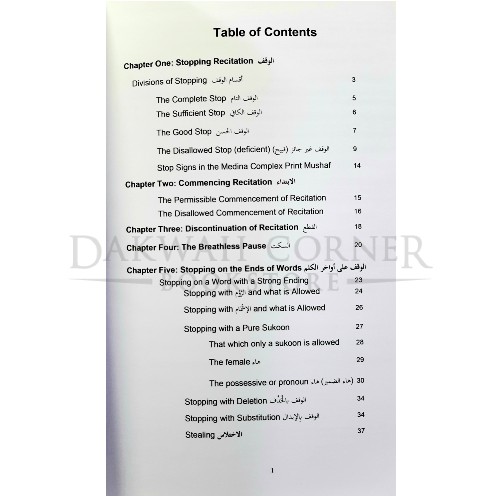
This is the third and final part of a three part series in English on the rules of tajweed the Qur’an for the recitation of Hafs from ‘Aasim by the way of Ash-Shaatibiyyah. These books are meant as a guide for non-Arabs with a good grasp of English for studying tajweed of the Glorious Qur’an. This final book explains the stop and start when reading the Glorious Qur’an, and gives details as to what kind of stop is allowed, what kind is preferred, and what kind of stop is forbidden. Stopping on the ends of words with strong endings (consonants) and rules for what is allowed on the last letter of the word is described, including ar-room (الروم) and al-ishmaam (الإشمام). Stopping on the ends of words with weak endings (words ending in the alif, ya’ or wow) and different rules and explanations for these type of words is clarified. One important aspect of Qur’an recitation is knowing and understanding which word combinations are written together and which separately in different parts of the Qur’an as well as in which places of the Qur’an are some words are written the female haa (هاء), and in which places they are written with the taa (تاء). This part lays out the different places in the Qur’an these occurrences take place, so the reader knows how he/she can stop on these words. The words that are read in a special way, or have two allowed ways for the reading of Hafs from ‘Aasim by the way of Ash-Shaatibiyyah are detailed in this book. The history of the writing of the Glorious Qur’an (رسم) and the general rules for the writing of the Qur’an are laid out in the last chapter of this part. This last part of the three parts on tajweed is for students who have studied and mastered the other two parts, or have studied everything covered in the first two parts. The explanations of the different subjects are in English, and the Arabic terms are translated. The goal is always to assist the students in understanding and to encourage them to learn the Arabic terms and definitions. The three parts of this series on tajweed rules of the Glorious Qur’an should facilitate non-Arabic speaking students of the Qur’an whether they are in a classroom with an Arabic medium for teaching or English. With this third part completed, insha’ Allah the non-Arab English speaking student of the Qur’an will find a complete curriculum and explanation of the tajweed rules for the recitation of Hafs ‘an ‘Aasim from the way of Ash-Shatibiyyah in any classroom or study situation that he/she may find themselves in. These three parts are only guidance; the real goal is reciting and applying all the different rules correction which can only be done by reciting to and being corrected by a qualified teacher of the Qur’an.
BrainJeem Tajweed – Gabungan Hukum Tajwid dan Senaman Minda
BrainJeem Tajwid merupakan pembelajaran kreatif dalam mengenalpasti hukum-hukum Tajwid dengan mudah dan menyeronokkan. Gabungan bunyi dan brain-gym akan mengaktifkan otak kiri dan kanan anda dan membantu anda kekal fokus dan bertenaga. Inovasi BrainJeem Tajweed berfungsi sebagai pembakar semangat supaya kita cintakan ilmu Tajwid dan seronok mendalami Quran.
Recently Viewed
The Life Of Muhammad (P/B) – TaHa Publisher
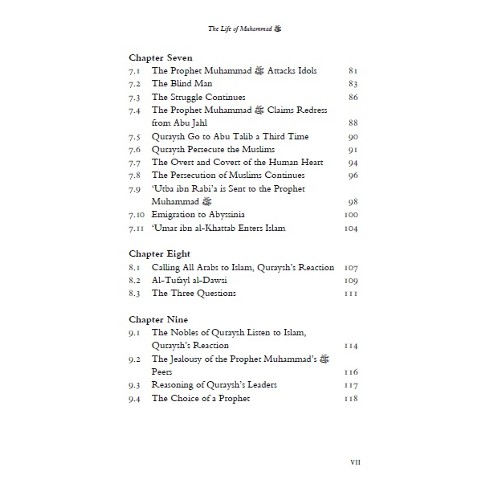
36 Chapters Covering all aspects of the Prophets (S) life, from when he was a boy, events before the First Revelation, life in Makkah , held to high esteem s, and then the persecution and trials inflicted by the them, right through the details of the the migration to Madinah, the battles, the return to Makkah and its opening back to Islam through to the death of the Prophet (S).
Appendix I on the Family Tree of the Prophet
Appendix II- An Overview of events in the Life of the Prophet
This superb book is indeed a rich storehouse of knowledge, a lighthouse of guidance and an inspiration for mankind.
-Well organised with clear defined chapters.
-Steady Qur’anic Revelations in English throughout the books as and when they were revealed, and the particular situation and context of revelation
The forerunners those who came first among the Migrators and the Helpers and those who followed them with the best. Allah is pleased with them and they are pleased with Him and Allah has prepared for them gardens beneath which rivers flow therein forever and that is the great success. {TMQ At-Taubah 9: 100}
Saya Hebat
Aktivity Kit dapatkan disini
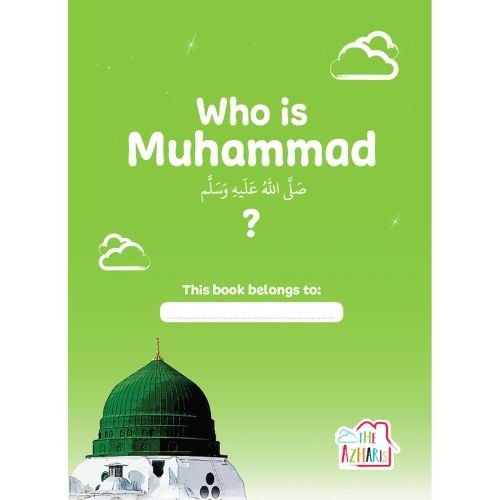
Who is Muhammad? (P/B)
Who Is Muhammad ﷺ?
The entire life of the Prophet Muhammad ﷺ, instilling the love of our Prophet into our hearts and taking practical lessons we can learn from his life.
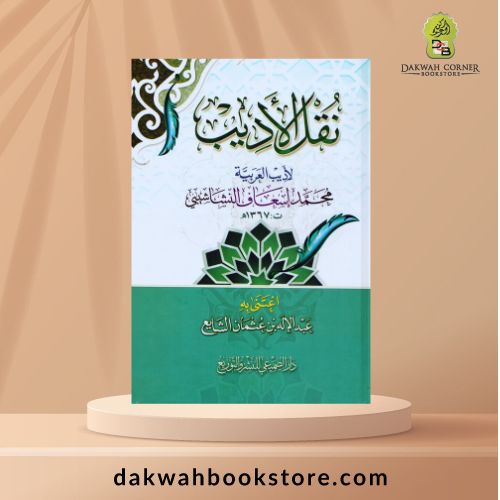
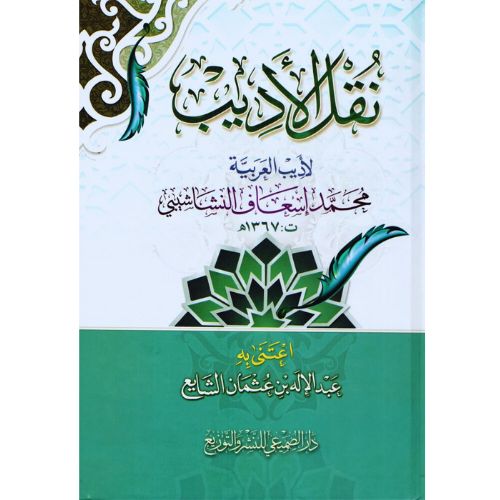
[AAA] Naql al-Adīb – نقل الأديب
نقل الأديب لعلامة العربية إسعاف النشاشيبي رحمه الله وأصل هذا الكتاب مقالات نشرها المؤلف في مجلة الرسالة من سنة 1937م إلى سنة 1948 م ، وهي سنة وفاة النشاشيبي…
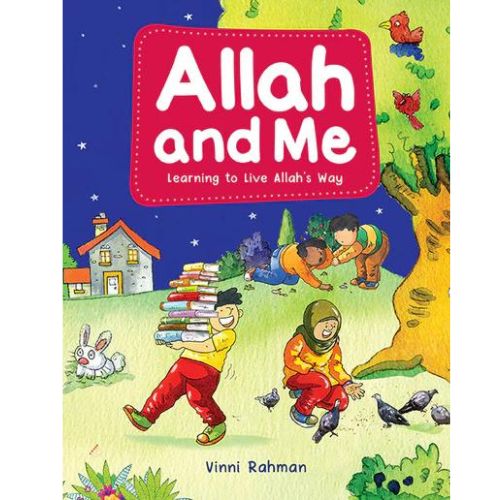
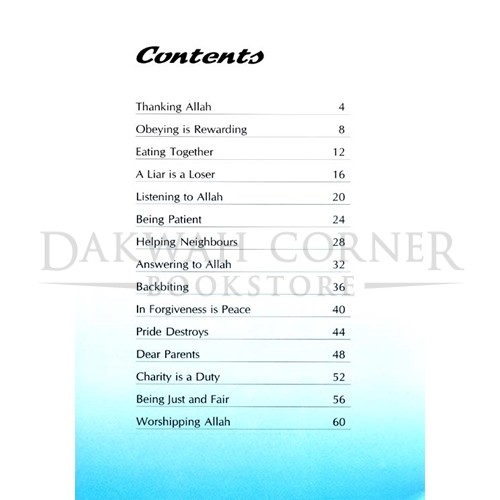
Allah And Me Learning To Live Allah’s Way (P/B)
Allah knows what is best for us. Read this book to know what He expects from us and what He likes and dislikes. Allah and Me is a book which discusses some Islamic virtues which we should practice in our daily life in order to live according to Allah’s will and become candidates for Paradise. A Muslim does everything for Allah. Every Little Talk in this book includes some questions to make children think, especially about their own behaviour in context of the virtue discussed in that Talk. Each Talk ends with some Quranic verses and Hadith quotes to stress and highlight the Islamic teaching discussed in that Talk.
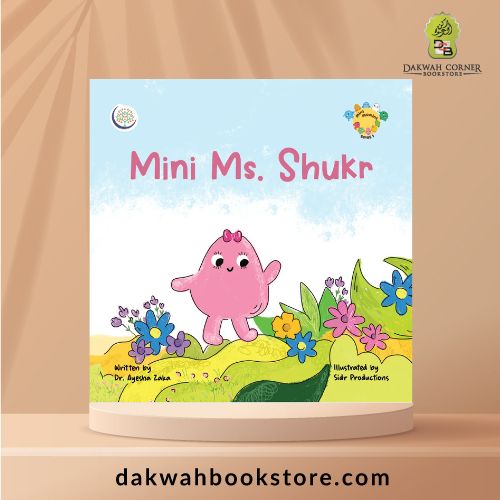
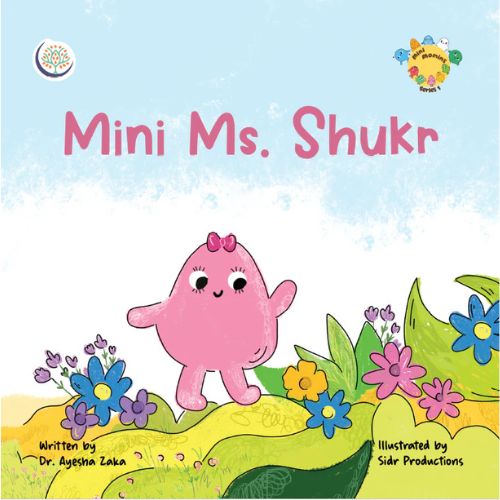
Mini Ms. Shukr (P/B)
Ms Shukr gently teaches children the importance of being thankful to Allah in both ease and hardship. When a storm destroys her garden, Ms Shukr remains calm and grateful, trusting Allah’s wisdom, while her neighbour struggles with anger and disappointment. Through this contrast, young readers learn that gratitude brings peace, patience, and unexpected blessings. This comforting story helps children understand shukr in a clear and meaningful way using simple language and familiar situations.
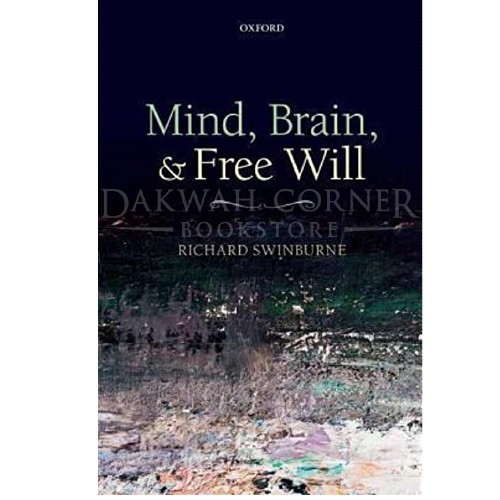
Mind, Brain, & Free Will (P/B)
Mind, Brain, and Free Will presents a powerful new case for substance dualism (the idea that humans consist of two parts–body and soul) and for libertarian free will (that humans have some freedom to choose between alternatives, independently of the causes which influence them). Richard


There are no reviews yet.