


| Weight | 0.20 kg |
|---|---|
| Product Type | Book |
| Publisher | TIMEAG |
| Pages | 16 |
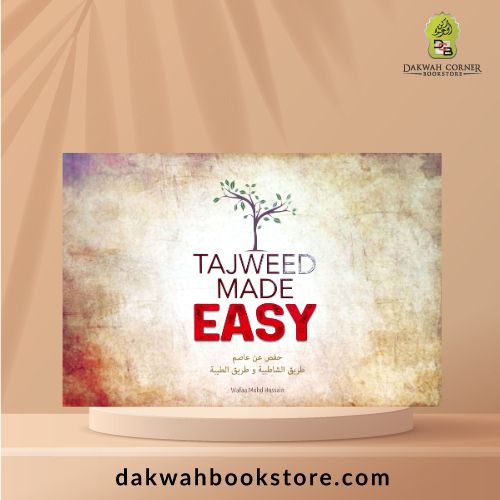
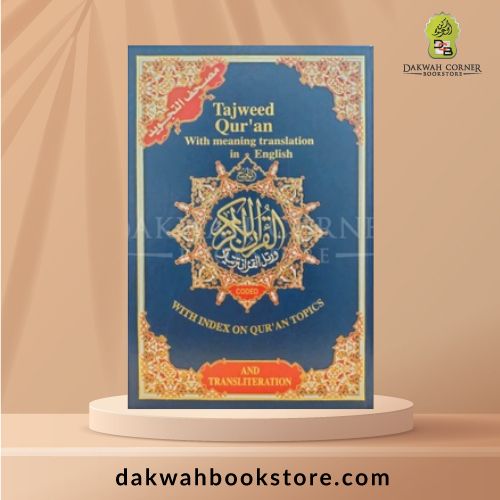
Tajweed Made Easy Mind Maps
RM25.00
Hurry up, Only 1 left.
Highlights:
somdn_product_page
Compare
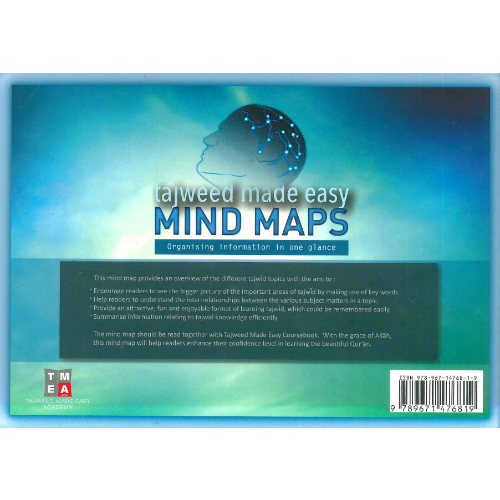
This mind map provides an overview of the different tajwid topics with the aim to:
- Encourage readers to see the bigger picture of the important areas of tajwid by making use of key words.
- Help readers to understand the inter-relationships between the various subject matters in a topic.
- Provide an attractive, fun and enjoyable format of learning tajwid, which could be remembered easily.
- Summarise information relating to tajwid knowledge efficiently.
Additional information
Reviews (0)
Be the first to review “Tajweed Made Easy Mind Maps” Cancel reply
You must be logged in to post a review.
Related Products
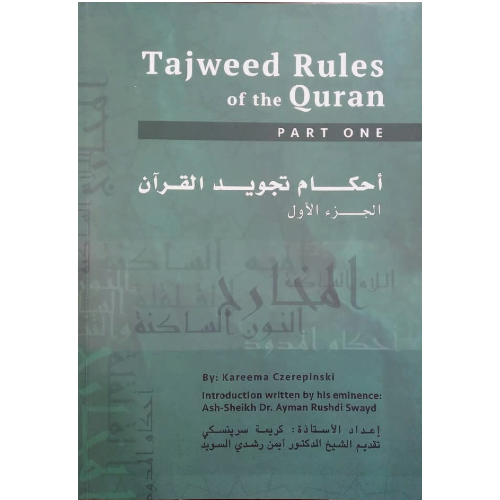
Tajweed Rules of the Quran (Part One)
Highlights:
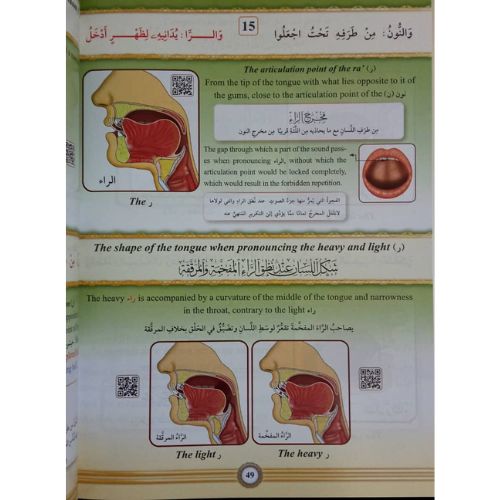
This is a guide for studying tajweed. The student who uses this book is expected to have a basic grasp of Arabic before starting this course. The student should know all the Arabic letters and vowels and be able to read at an elementary level.
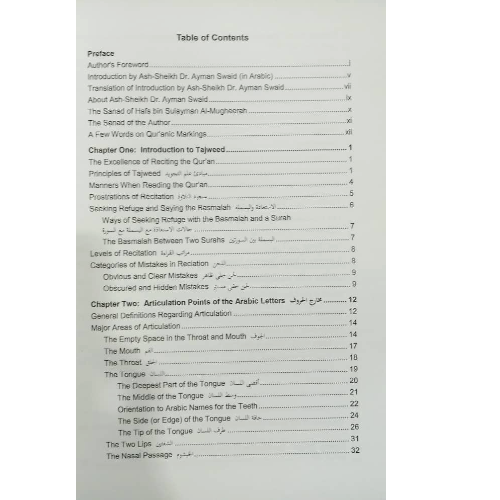
This book is either for an English-speaking student studying the Qur’an in an Arabic environment, but needing explanation of the Arabic terms in English, or a student studying the explanations of tajweed in English, but learning the basic concepts in Arabic so they may integrate into the Arabic terms and definitions throughout the book, since the science of tajweed is an Arabic science. This book explains the articulation points of the Arabic letters, the rules of noon saakinah, meem saakinah, and lam saakinah. It explains all of the different lengths (mudood), and how voweled, and non-voweled letters are formed. The qalaqah mechanism is explained in the last chapter. Terms are introduced in Arabic, and the translated into English. Explanations are done in English, but with integration of Arabic terms, as they are learned.
A student of the Qur’an cannot expert to learn tajweed simply by studying this book. The learning of proper Qur’anic recitation can only be done by listening to a qualified Qur’an teacher recite, then reciting to them and receiving corrections from the teacher.
RM30.00
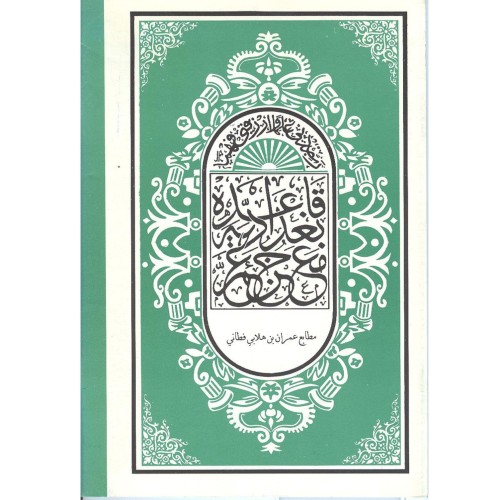
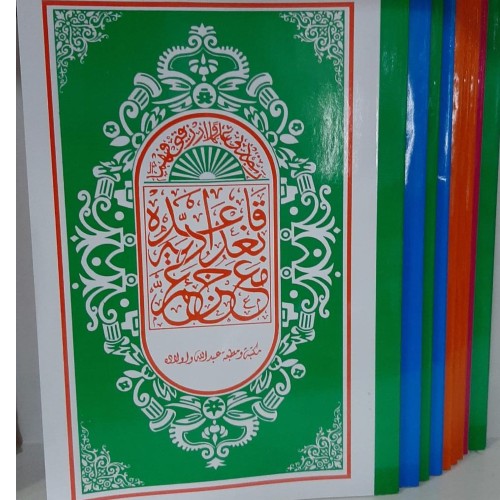
RM55.00 – RM120.00Price range: RM55.00 through RM120.00
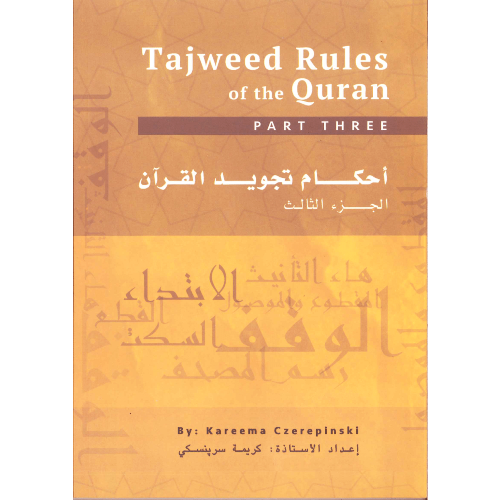
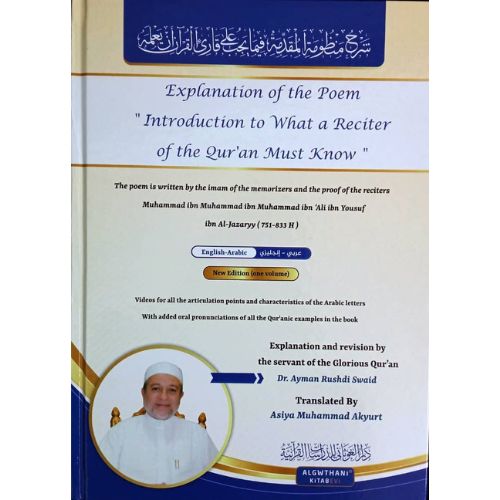
Tajweed Rules of the Quran (Part Three)
Highlights:
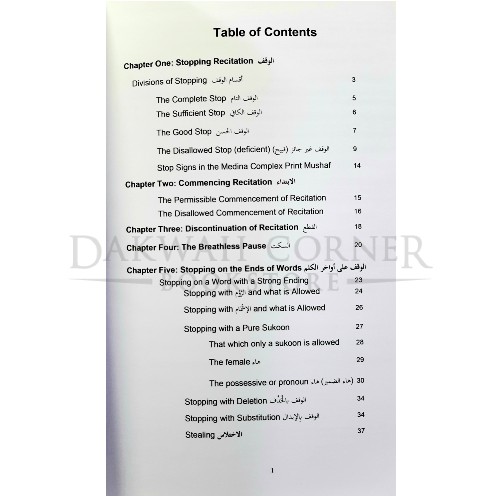
This is the third and final part of a three part series in English on the rules of tajweed the Qur’an for the recitation of Hafs from ‘Aasim by the way of Ash-Shaatibiyyah. These books are meant as a guide for non-Arabs with a good grasp of English for studying tajweed of the Glorious Qur’an. This final book explains the stop and start when reading the Glorious Qur’an, and gives details as to what kind of stop is allowed, what kind is preferred, and what kind of stop is forbidden. Stopping on the ends of words with strong endings (consonants) and rules for what is allowed on the last letter of the word is described, including ar-room (الروم) and al-ishmaam (الإشمام). Stopping on the ends of words with weak endings (words ending in the alif, ya’ or wow) and different rules and explanations for these type of words is clarified. One important aspect of Qur’an recitation is knowing and understanding which word combinations are written together and which separately in different parts of the Qur’an as well as in which places of the Qur’an are some words are written the female haa (هاء), and in which places they are written with the taa (تاء). This part lays out the different places in the Qur’an these occurrences take place, so the reader knows how he/she can stop on these words. The words that are read in a special way, or have two allowed ways for the reading of Hafs from ‘Aasim by the way of Ash-Shaatibiyyah are detailed in this book. The history of the writing of the Glorious Qur’an (رسم) and the general rules for the writing of the Qur’an are laid out in the last chapter of this part. This last part of the three parts on tajweed is for students who have studied and mastered the other two parts, or have studied everything covered in the first two parts. The explanations of the different subjects are in English, and the Arabic terms are translated. The goal is always to assist the students in understanding and to encourage them to learn the Arabic terms and definitions. The three parts of this series on tajweed rules of the Glorious Qur’an should facilitate non-Arabic speaking students of the Qur’an whether they are in a classroom with an Arabic medium for teaching or English. With this third part completed, insha’ Allah the non-Arab English speaking student of the Qur’an will find a complete curriculum and explanation of the tajweed rules for the recitation of Hafs ‘an ‘Aasim from the way of Ash-Shatibiyyah in any classroom or study situation that he/she may find themselves in. These three parts are only guidance; the real goal is reciting and applying all the different rules correction which can only be done by reciting to and being corrected by a qualified teacher of the Qur’an.
RM30.00
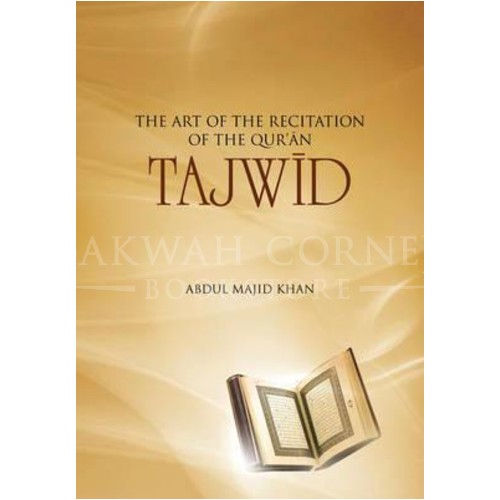
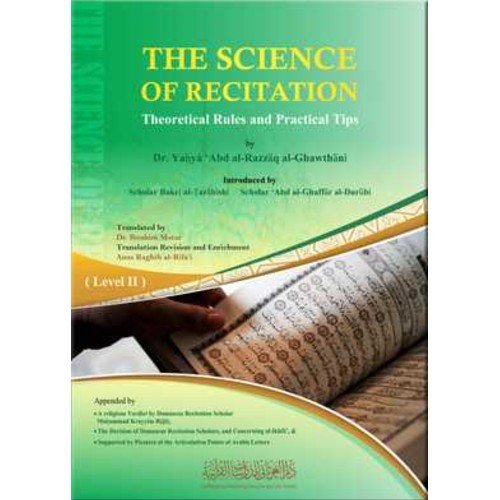
Tajwid : The Art of the Recitation of the Qur’an
Highlights:
This book on the art of the recitation of the Holy Qur’an is easy to follow with its simple yet detailed presentation of subjects. It is accessible for beginners who have had little exposure to Tajwid. It does not require any knowledge of Arabic grammar or understanding of the Arabic language. It provides both the young and adult English speaking Muslims with the best organization and presentation of the art of Tajwid. The Art of the Recitation of the Qur’an can be used for self-study or with the guidance of a teacher at Islamic schools and colleges as well as theology faculties. This book is primarily intended for the English speaking audience. The explanations in this work are augmented by figures, charts, tables, and examples for full and easy comprehension by English speaking Muslims. Readers will also find a Glossary of Arabic and Phonetic terms extremely helpful in learning the rules of Tajwid.
RM65.00
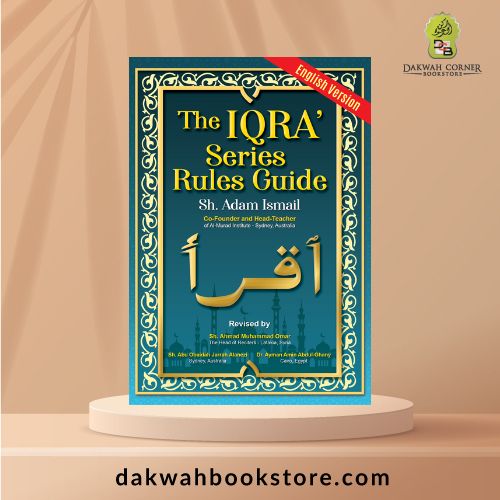
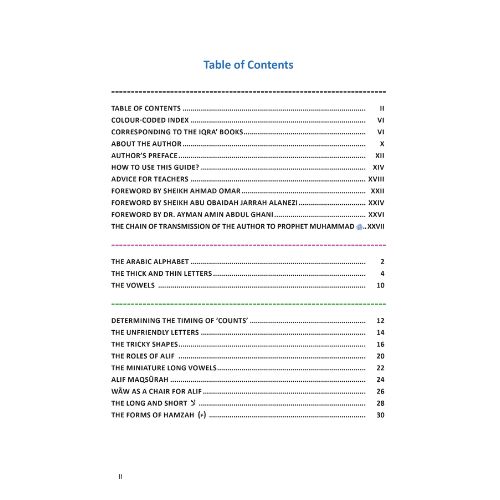
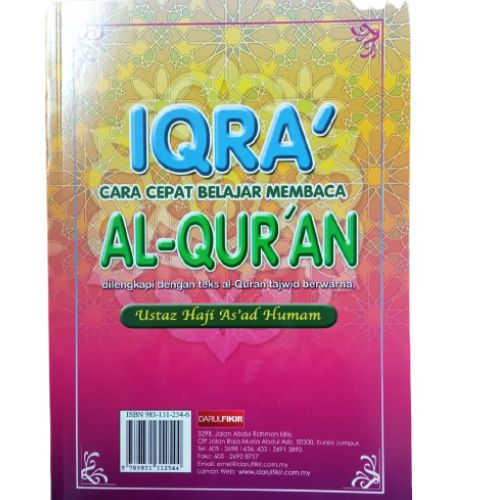
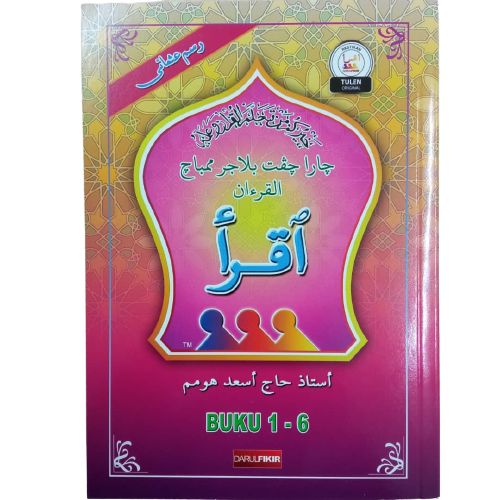
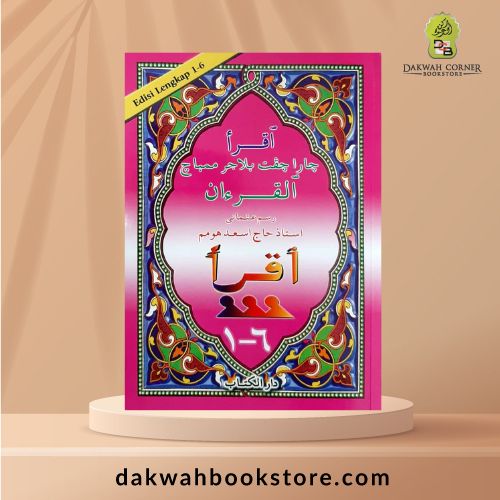
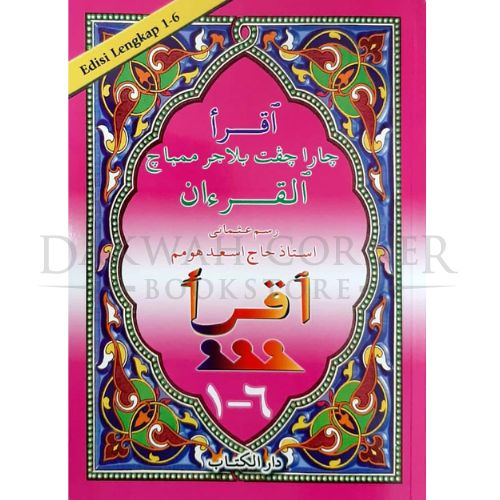
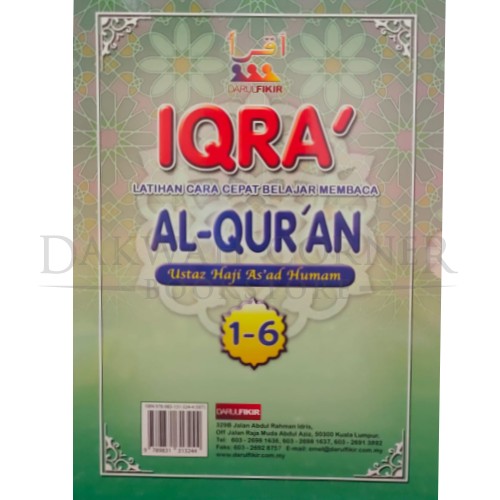
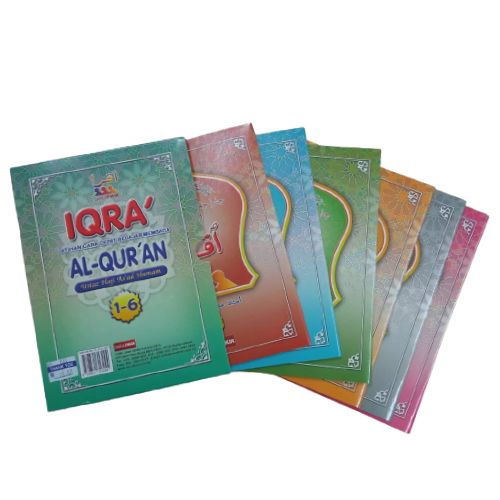
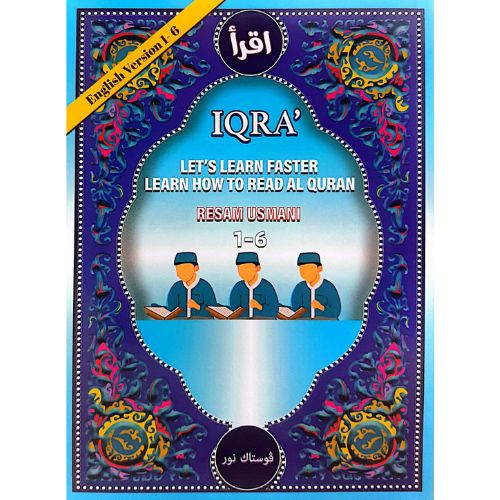
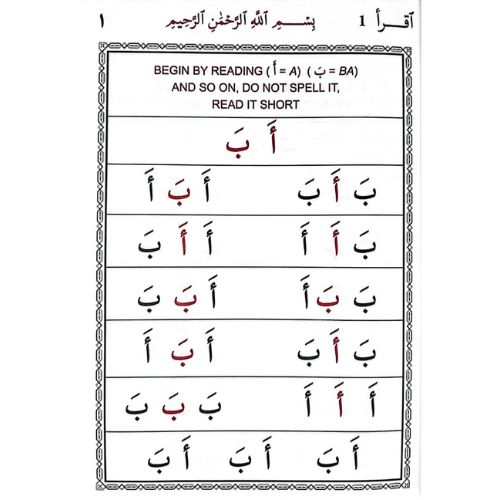
The Iqra’ Series Rules Guide
Highlights:
- This guide is a must for anyone studying or teaching from the IQRA’ Series! Aimed at children and adults to be used by schools, mosques and learning centres.
- This guide contains all the Tajwīd rules needed throughout the IQRA’ series. It introduces each rule based on the same structure and patterns of the IQRA’ Series.
- This guide has been designed to make it as easy as possible to achieve a beautiful and elegant recitation, whilst also having a firm grasp of all the required theory.
RM30.00
Recently Viewed
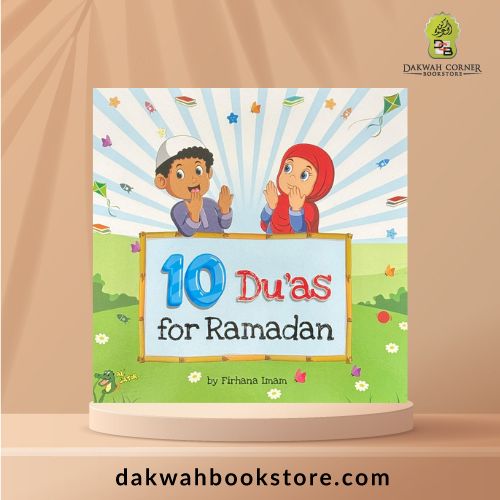
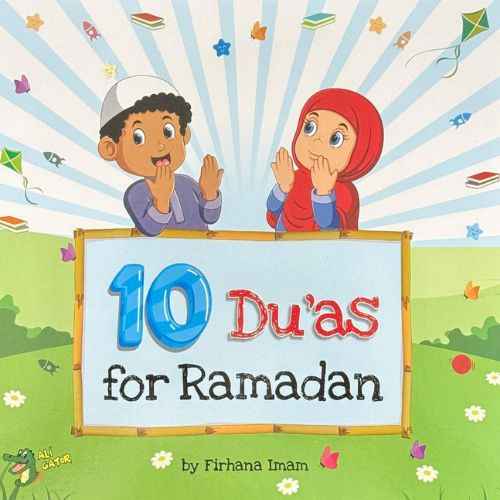
10 Du’as for Ramadan
Highlights:
The first of its kind, this book covers all the essential Du’a (Supplications) for Ramadan that children need to know. Of the ten Du’a (Supplications) included are the Du’a for sighting the new moon and for breaking one’s fast.
RM22.00
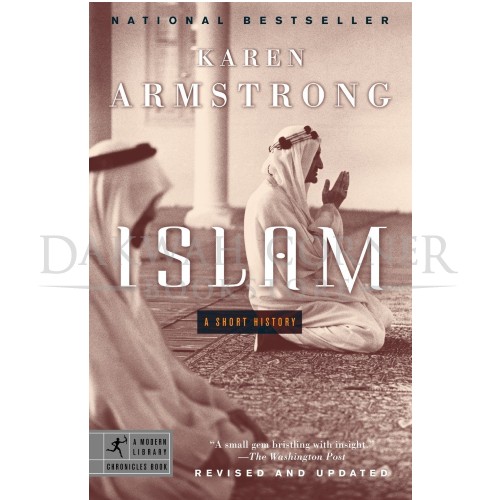
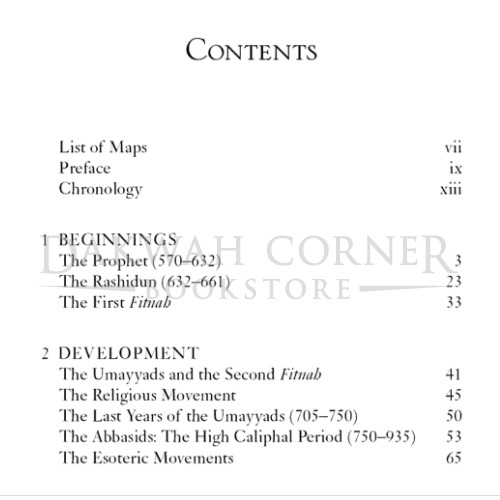
Islam: A Short History
Highlights:
With this brilliant book, Karen Armstrong issues a forceful challenge to those who hold the view that the West and Islam are civilizations set on a collision course. It is also a model of authority, elegance, and economy.
RM80.00
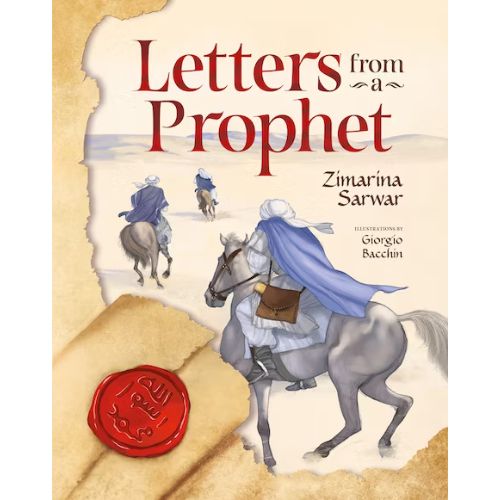
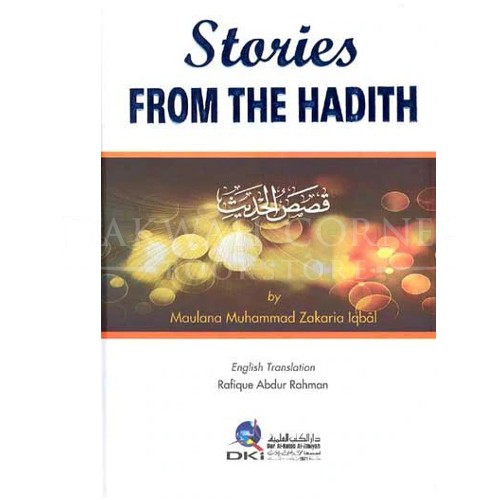
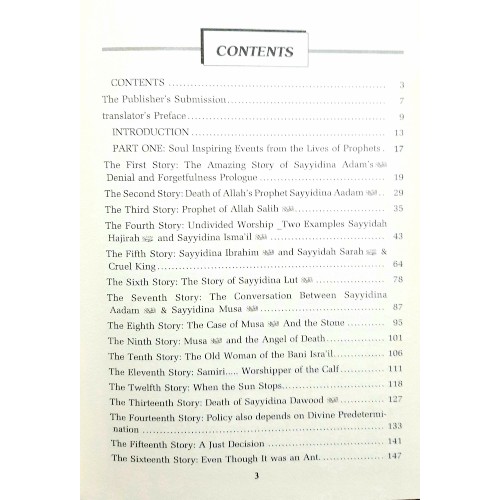
Stories From The Hadith
Highlights:
It will not be an exaggeration of facts if we say that this book is one of its kind. Mawlana Muhammad Zakariya Iqbal has produced a truly unique book in Urdu, Qisas al-Hadith, and stories from Hadith.
RM56.00
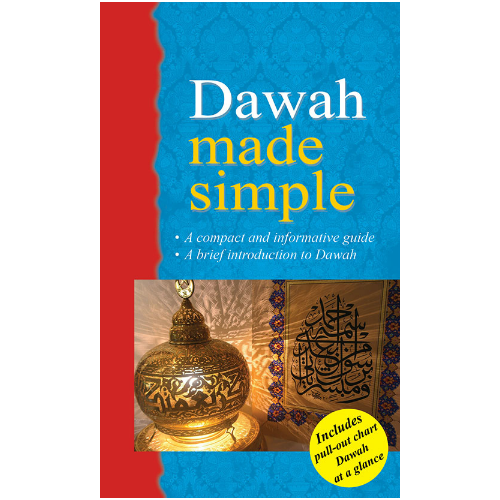
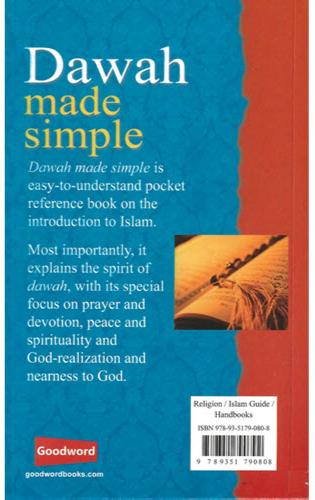
Dawah Made Simple (Pocket Size)
Highlights:
Dawah made simple is easy-to-understand pocket reference book on the introduction to Dawah.
Most importantly, it explains the spirit of dawah, how to do dawah work, its responsibilities and reward; with its special focus on doing dawah work in India.
RM11.00
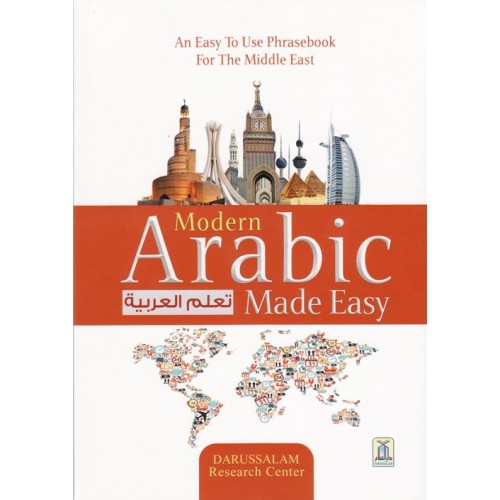
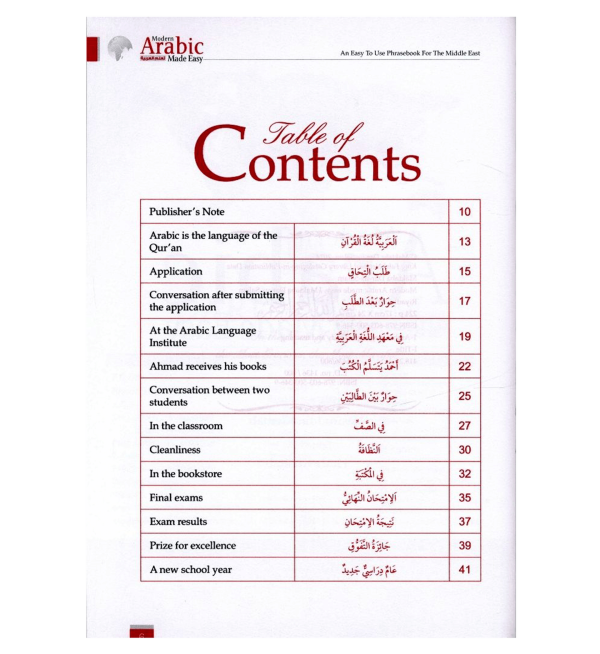
Modern Arabic Made Easy (P/B)
Highlights:
This product was added to our catalog on Thursday 30 April, 2015.
Notify me of updates to Modern Arabic Made Easy
Tell someone you know about this product.
RM60.00
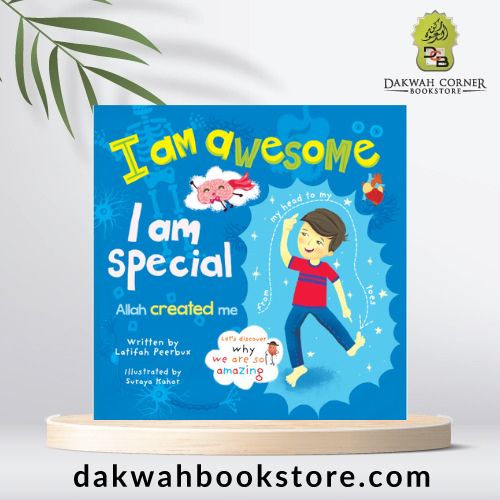
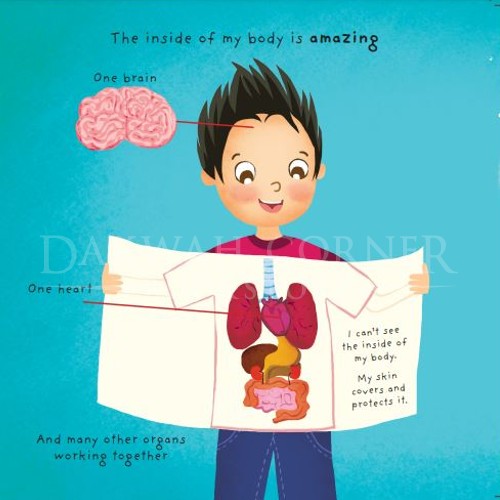
I Am Awesome
Highlights:
An activity Kit is free to download HERE
RM26.00
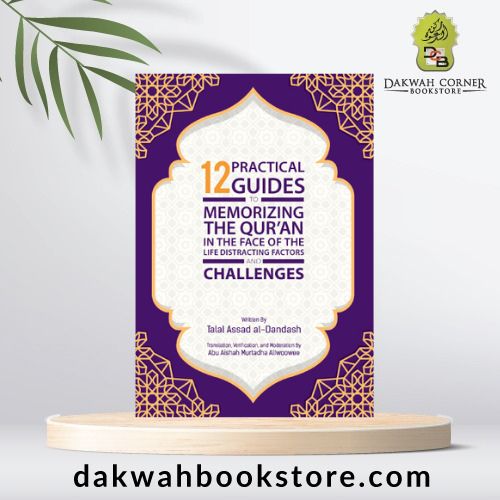
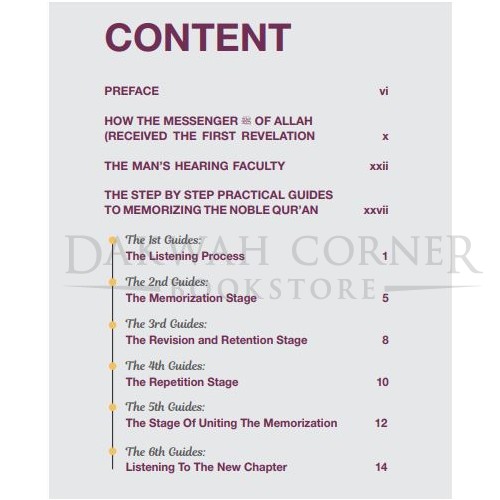
12 Practical Guides to Memorizing the Qur’an (DCB)
5 ★
5 ★
1 Rating
5 ★
1
4 ★
0
3 ★
0
2 ★
0
1 ★
0
RM13.00
Selected Invocations (Pocket Size) (P/B)
Highlights:
This small booklet has many excellent invocations to read during prostration, witr prayer, and at the end of Qur’anic recitation.
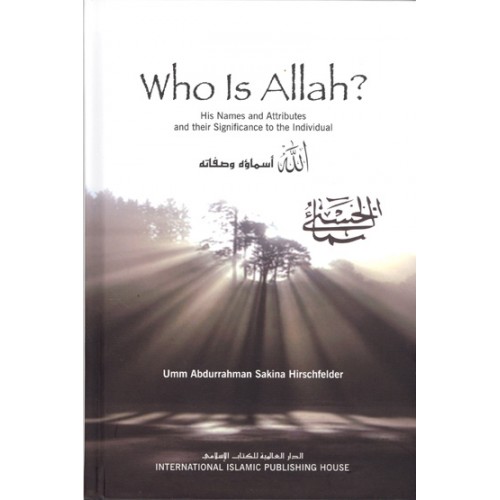
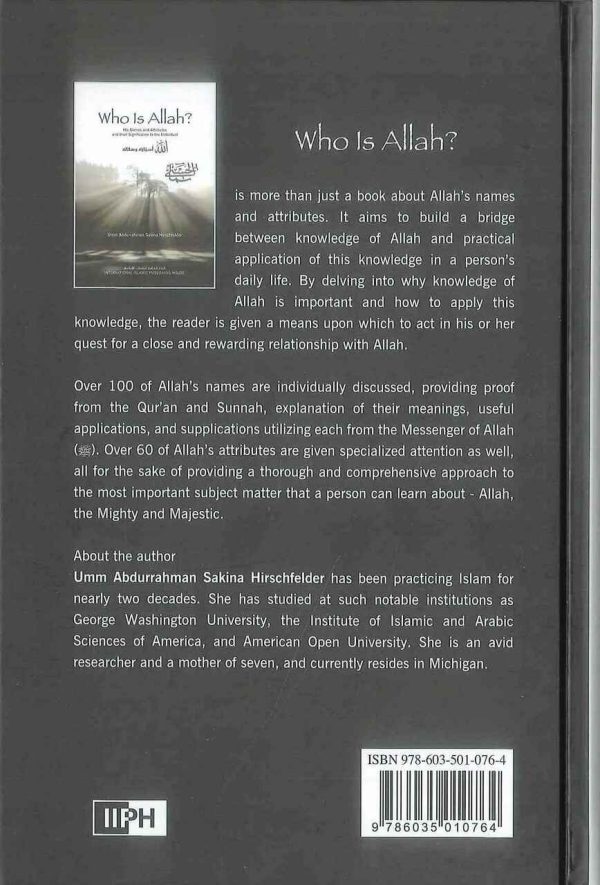
Who Is Allah? (H/B)
Highlights:
Who is Allah? is more than just a book about Allah’s names and attributes. It aims to build a bridge between knowledge of Allah and practical application of this knowledge in a person’s daily life. By delving into why knowledge of Allah is important and how to apply this knowledge, the reader is given a means upon which to act in his or her quest for a close and rewarding relationship with Allah.
Over 100 of Allah’s names are individually discussed, providing proof from the Qur’an and Sunnah, explanation of their meanings, useful applications, and supplications utilizing each from the Messenger of Allah. Over 60 of Allah’s attributes are given specialized attention as well, all for the sake of providing a thorough and comprehensive approach to the most important subject matter that a person can learn about – Allah, the Mighty and Majestic.
RM75.00
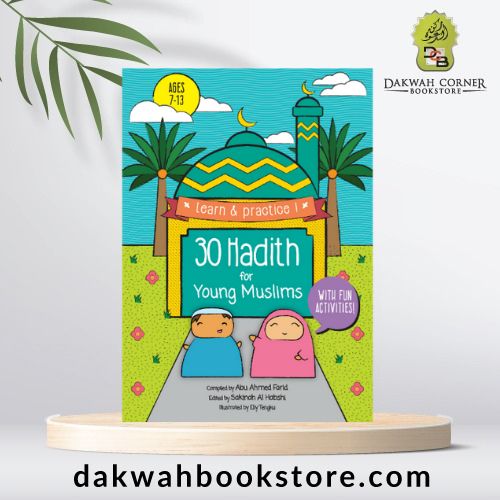
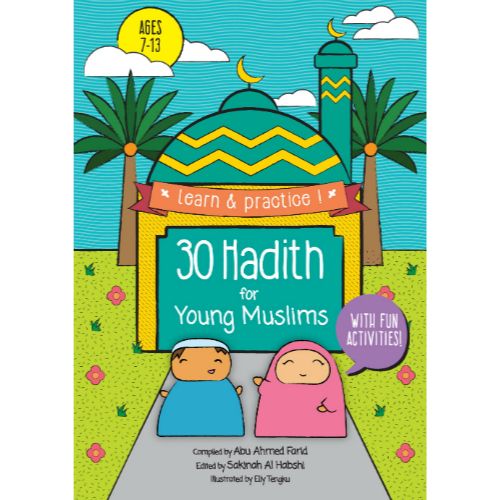
30 Hadith For Young Muslims
5 ★
5 ★
3 Ratings
5 ★
3
4 ★
0
3 ★
0
2 ★
0
1 ★
0
Highlights:
30 Hadith for Youn Muslims aims to educate children from their tender age with the sayings of our beloved Prophet Muhammad (PBUH) in a fun, colorful, and simplified modern approach.
Unique features such as lessons, discussion corners, and activities make it an ideal teaching tool for parents, teachers and educational institutions.
Its creative presentation invites readers to grasp the knowledge of the noble hadith and apply them in their lives.
RM21.00
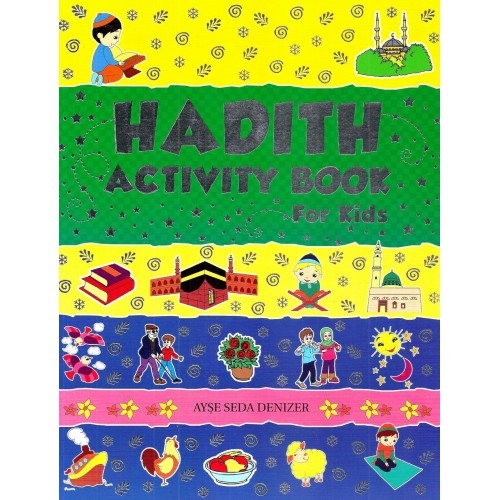
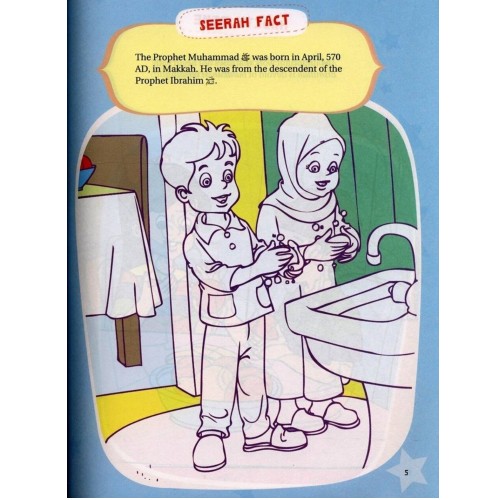
Hadith Activity Book For Kids (P/B)
Highlights:
The Hadith Activity Book for Kids is a captivating book for children to learn about hadith (sayings of the Prophet Muhammad) and Seerah (the life of the Prophet Muhammad) in a truly engaging way. It contains highly attractive artwork to inspire creativity; a carefully chosen collection of hadith to instil moral values; fascinating facts to provide a basic understanding of hadith and Seerah; and some fun-filled activities at the end to help children enjoy what they have learnt so far.
Comes with:
* Pre-coloured colouring pages
* A collection of hadith
* Seerah facts
* Activities.
RM20.00
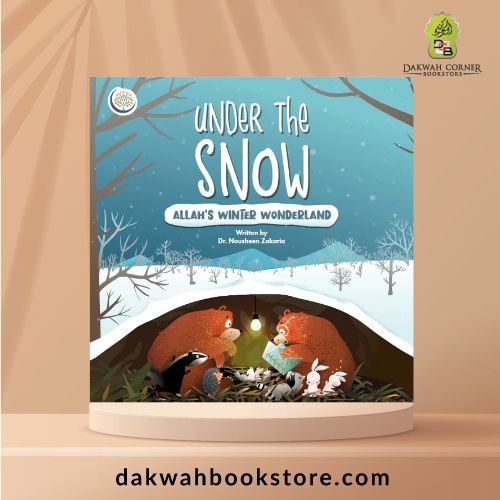
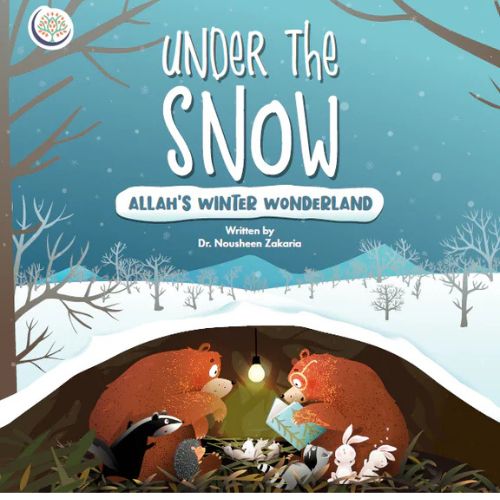
Under The Snow (P/B)
Highlights:
It’s cold. It’s snowy. But what happens to animals outside? From bears in their dens to bunnies in their tunnels, every creature finds shelter and food in Allah’s winter wonderland.
RM20.00 RM35.00
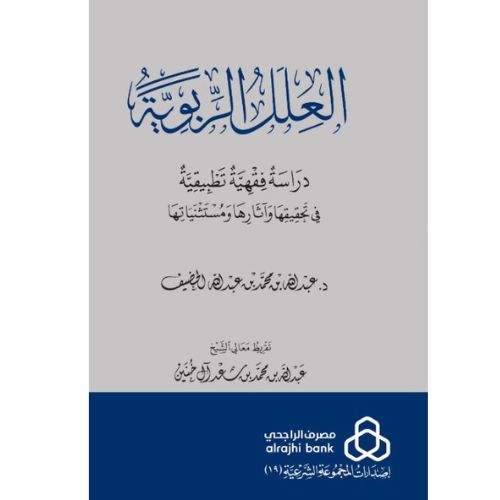
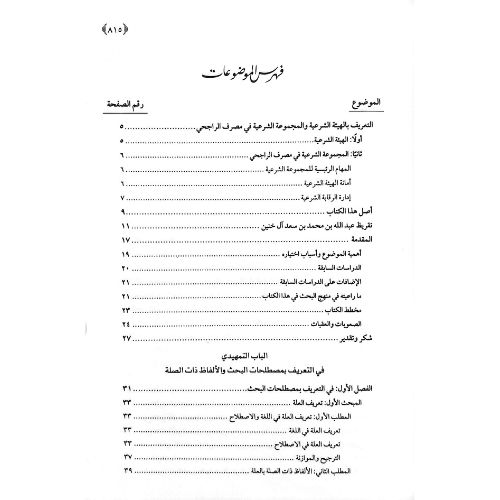
[EA] Al ‘Eilal Ar Ribawiyah / العلل الربوية
Highlights:
دراسة تطبيقية تبحث قضية علل الربا في الدين والقرض والبيع، مع بيان اختلاف العلماء، ودراسة المسائل التي نص الفقهاء على كونها مستثناة من تحريم الربا وعلته وقواعده، وبيان وجه الاستثناء وعلته وحكم القياس عليها، ثم بيان أثر اختلاف العلماء في علل الربا على المعاملات المالية بتتبع آثار العلل المحكية وما ينبني على القول بها ومدى اطرادها وصحتها.
RM130.00
There are no reviews yet.