

Attributed variously to the Companion Abdullah Ibn Abbas (d. 68/687) and to Muhammad ibn Ya‘qub al-Firuzabadi (d. 817/1414), Tanwîr al-Miqbâs is one of the most pivotal works for understanding the environment which influenced the development of Qur’anic exegesis. Despite its uncertain authorship and its reliance on the controversial Isrâ’îliyyat or Israelite stories, Tanwîr al-Miqbâs nevertheless offers readers valuable insight into the circulation and exchange of popular ideas between Islam, Judaism and Christianity during the formative phase of Islamic exegesis.
Additional information
| Weight | 1.4 kg |
|---|---|
| Dimensions | 23 × 16 × 6 cm |
| Author | |
| Binding | Paperback |
| Publisher | Maktaba Islamia |
Reviews (0)
Be the first to review “Tafsir Ibn Abbas (2 volume set) – Maktaba Islamia” Cancel reply
You must be logged in to post a review.
Related Products
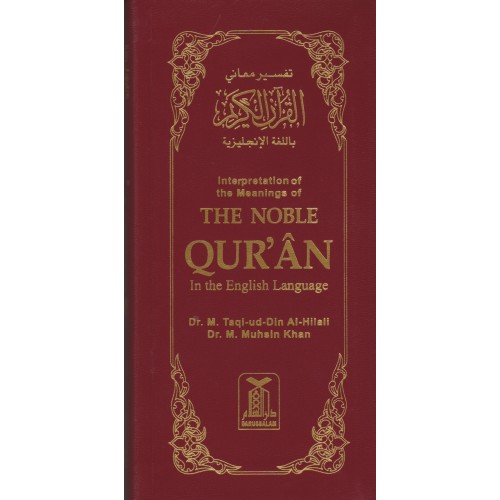
The Noble Quran (Tall Version English Text Only) (RANDOM COLOR)
Highlights:
Interpretion of the meanings of The Noble Quran in the English Language.
RM60.00
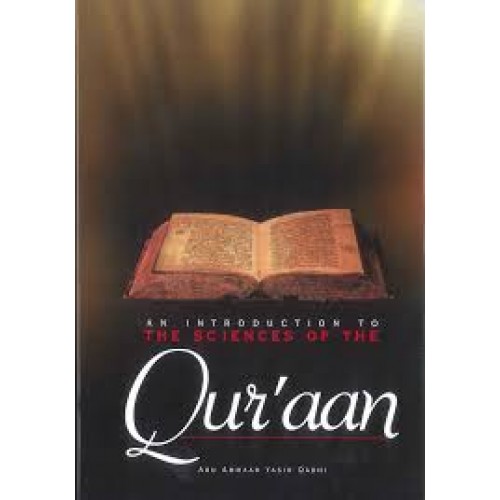
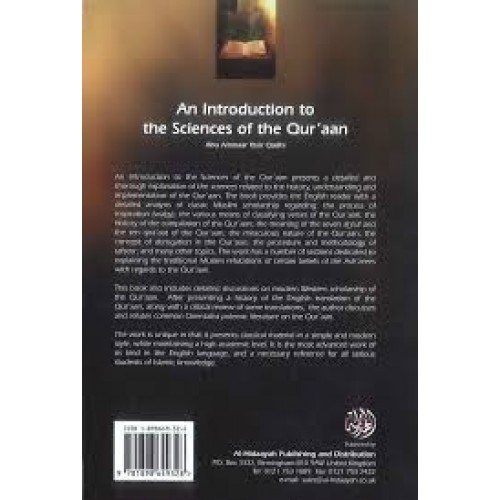
An Introduction to The Sciences of The Qur’an (H/B) Al-Hidaayah UK
Highlights:
An introduction to the Sciences of the Qur’aan presents a detailed and thorough explanation of the sciences related to the history, understanding and implementation of the Qur’aan. The book provides the English reader with a detailed analysis of classic Muslim scholarship regarding: the process on Inspiration (Wahy); the various means of classifying verses of the Qur’aan; the history of the compilation of the Qur’aan; the meaning of the seven ahruf and the ten qira’aat of the Qur’aan; the miraculous nature of the Qur’aan; the concept of abrogation in the Qur’aan; the procedure and methodology of tafseer; and many other topics. The work has a number of sections dedicated to explaining the traditional Muslim refutations of certain belief of the Ash’arees with regards to the Qur’aan.
This book also includes detailed discussions on modern Western scholarship of the Qur’aan. After presenting a history of the English translation of the Qur’aan, along with a critical review of some translations, the author discusses and refutes common Orientalist polemic literature on the Qur’aan.
The work is unique in that it presents classical material in a simple and modern style, while maintaning a hight academic level. It is the most advanced work of its kind in the English language, and a necessary reference for all serious students of Islamic knowledge.
RM149.00
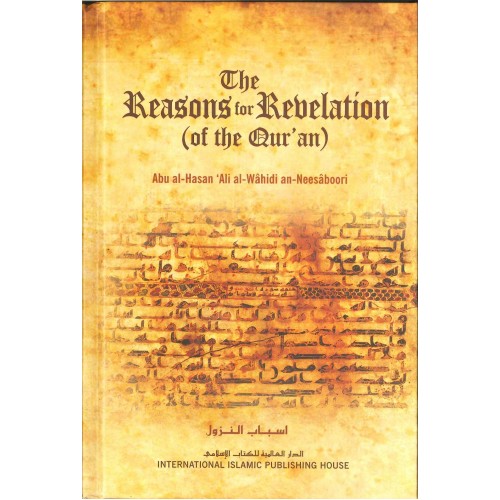
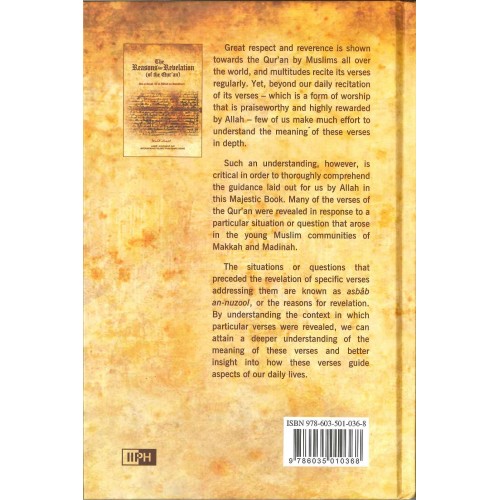
The Reasons for the Revelation (IIPH)
Highlights:
Have you ever wondered in what circumstances a particular verse or Soorah was revealed? In this translation of the great work ‘Asbaab an-Nuzool’ by the great Muslim scholar Ali ibn Ahmad an-Neesaboori, you may well find the answer. This first volume covers the first four sections of the Qur’an, from Sorrah al-Fatihah to verse 22 of Soorah an-Nisa. The publication of this book reflects our continuing effort to bring to the English speaking Muslims works previously only available to Arab speakers.
RM31.00


The Sources of the Qur’an
Highlights:
“Who is the author of the Qur’an?” On this subject scholars have flagrantly contradicted each other. This work attempts to make a critical review of the major ‘authorship’ theories by pressing into service logical arguments, historical evidence, textual analysis and scientific data. Probably, the only point of agreement about the Qur’an is that it was uttered for the first time by a man who was born in Makkah (Mecca), a city of Arabia, in the sixth century—a man by the name of Muhammad (blessings and peace be upon him). As to the source of the Qur’an, scholars are divided into three main groups: those who believe that Muhammad (blessings and peace be upon him) himself was the author; those who believe that he was not the author himself but learned it from another human author or authors; and those who believe that the Qur’an has no human author but is rather a word-for-word revelation from God. Hamza Njozi examines the three theories and comes to a firm and logical conclusion.
RM14.00
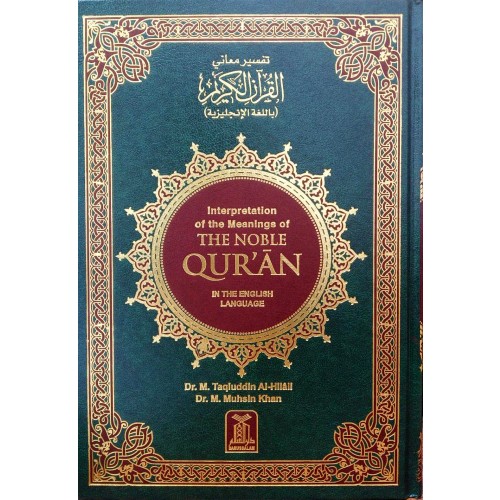
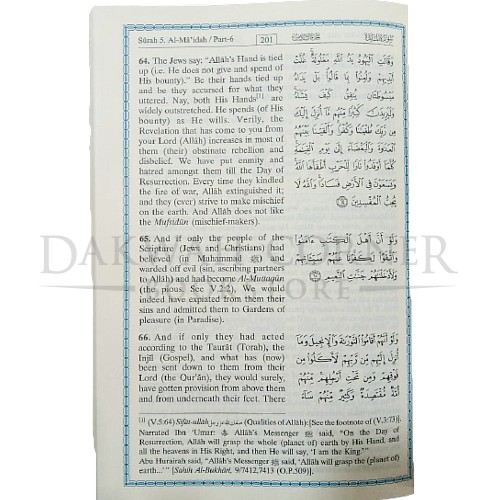
Interpretation of the Meanings of the Noble Qur’an in the English Language (17x24cm)
Highlights:
Note: Any order for this item, Please send to us your information details at sale@dakwahbookstore.com.
This item will be shipped directly from Dawah Corner Bookstore, Makkah to your address.
New type of Noble Quran with Arabic Mushaf Uthmani 15 lines/page print on the right side and English translation on the left side of every page. It also includes tafsir footnotes on the bottom of the English page.
Interpretation of the meanings of The Noble Quran with Arabic text in the modern English language.
The Magnificence of the Qur’an is a book that relates to us the countless miracles and benefits of the Holy Book of Islam. It expands on numerous aspects of the Quran, all of which point to its magnificence, as signified by the apt title. The author discusses everything from the methodology of studying the Qur’an to its characteristics, qualities and the manners with which one should approach it. It is much like a user’s manual that opens up a world of knowledge and facts about the Qur’an. For all audiences, this book is an invaluable companion to the Qur’an and one which serves to remind us of its eminence and its superiority to all other books. By discussing a series of seemingly miscellaneous topics, the author manages to create a whole picture of the Qur’an which surpasses any other guide of this academic nature.
RM95.00 – RM140.00Price range: RM95.00 through RM140.00

Starting from Scratch – Tajweed Made Easy
Highlights:
Holy Quran and Quranic Sciences
RM10.00
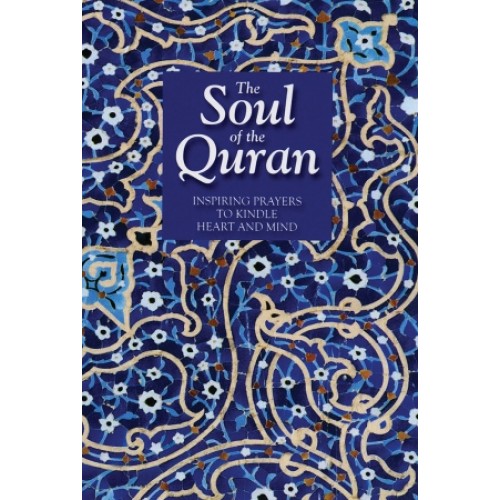
The Soul of the Quran (P/B)
Highlights:
This book is a unique collection of prayers and verses distilled from the Sacred Book. It contains one hundred and fifty four passages of exquisite beauty, majestic prose and breadth of vision. Lucid in style and rich in spiritual wisdom, they have been judiciously selected to inspire and uplift the soul.
RM14.00
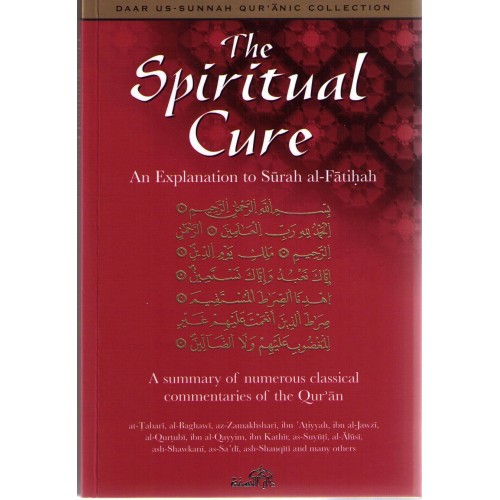
The Spiritual Cure An Explanation to Surah al-Fatihah (P/B)
Highlights:
Surah al Fatiha is the greatest chapter of the Qur’an, its like is not found in the rest of the Book or in the previous scriptures. It is a
Light that was granted to Prophet Muhammad (S) which had not been granted to any other Prophet or Messenger before him; indeed
some of the Salaf stated that when this chapter was revealed, Shaytãn l let out a great cry of lament.
It holds a central position in the daily Prayer hence the daily life of the Muslim.
The underlying theme, of al-Fatiha is one of contemplation and serenity; pondering the Names and Attributes of Allah, pondering the creation , and acknowledging that He Alone deserves praise and Worship, that He Alone should be asked for help, that He Alone Should be feared and hoped in, that He Alone should be invoked, that there is indeed a Day of Judgment, and that guidance has come to us and we are required to follow it.
It calls us to carefully scrutinise our relationship with our Lord: are we living according to the dictates of ‘none has the right to be worshipped save of Allah’ or not? This opening chapter, despite its brevity, calls man to fulfil the rights of Tawhid, the right that Allah has over us to worship Him Alone without any partner
A Summary of numerous Classical Commentaries of the Qur’an
at-Tabari, al-Baghawi, Az-Zamakhshari, ibn Atityyah, Ibn Jawzi, Al-Qurtubi, Ibn Qayyim, Ibn Kathir, as-Suyuti, Alusi, ash-Shawkani, as-Sa’di, ash-Shaqiti and many Others
RM73.00
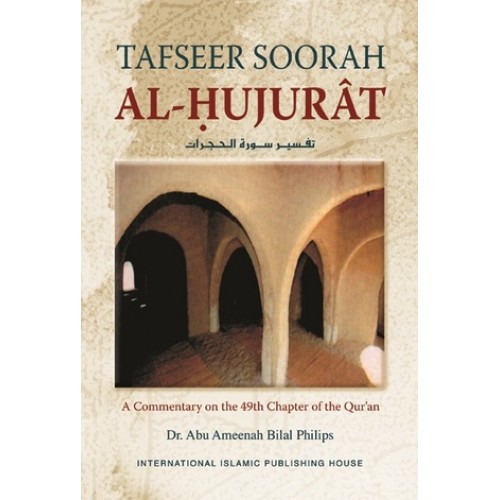
Tafseer Soorah Al-Hujurat (H/B)
Highlights:
Tafseer Soorah al-Hujurât: A Commentary on the 49th Chapter of the Qur’an is a treasury of divine advice, commandments, and prohibitions regarding common problems in social relations, including gossip, spying, arguing, and bigotry. To make the best use of this chapter, the believer needs a detailed explanation of the meanings of the verses.
Dr. Bilal Philips has based his tafseer (exegesis) on the methodology used in the classical works of tafseer. He has relied first of all on the explanations found within the Qur’an itself, then on explanations found in the Sunnah and related incidents which occurred at the time of the revelation of the verses in question. Beyond these primary sources, Dr. Philips has relied on the interpretations made by the Prophet’s Companions (may Allah be pleased with them) who were noted for their ability to interpret and comment on the Qur’an. ‘Abdullâh ibn ‘Abbâs, for example, was called ‘The interpreter of the Qur’an’ by Prophet Muhammad (blessings and peace of Allah be upon him). Finally, the author has made use of the grammatical explanations given in the classical tafseer works. Wherever possible, Dr. Philips has tried to apply the derived meanings of the verses to the problems of contemporary society.
RM40.50 RM60.00
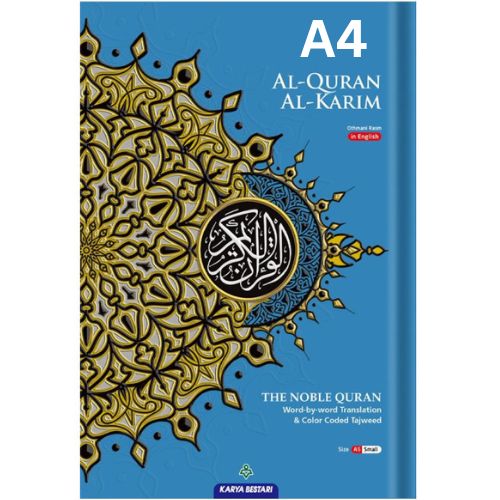
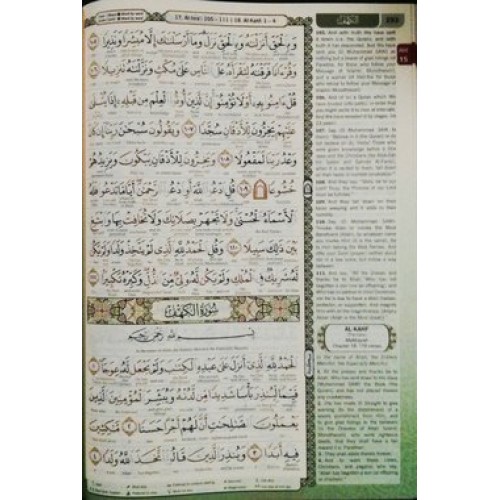
The Noble Quran Word-By-Word Translation & Color Coded Tajweed A4 (Arabic-English) – RANDOM COLOR
5 ★
5 ★
1 Rating
5 ★
1
4 ★
0
3 ★
0
2 ★
0
1 ★
0
Highlights:
The Noble Quran (Al-Quran Al-Kareem Maqdis) is a translation learning method of word-by-word Al-Quran with every word and sentence is colored differently, in Arabic and English.
Every word in the Quran was translated literally so that the reader could understand the meaning of every single word. It needs to be remembered that not all literal translation represents the exact meaning of the word since the Quran uses varied Arabic language style and sometimes metaphor.
Accordingly, to understand the full or intended meaning of the word or the verse, Muhsin Khan’s the Holy Quran Translation had been included in this edition. However, to comprehend more of the meaning of the Quran, reading the commentary of the Quran from trusted scholars would be necessary.
Approved by the Department of Islamic Development of Malaysia (JAKIM) and Malaysian Ministry of Home Affairs (KDN).
Features:
● Rasm Uthmani script in English
● Word-by-word translation Arabic-English
● Color coded tajweed
● Asbab al-Nuzul
● Authentic Hadiths
● Riyad-us-Saliheen
● Al-Quran Language Dictionary (Mu’jam)
Size A4 Large
SPECIFIC COLOR PLEASE DM US.
RM85.00

Quranic Wisdom
Highlights:
According to the Quran, a person’s life has been divided into two phases: the pre-death period and the post-death period.
The present life is only temporary and is meant as a test. Depending upon our performance in this test, we shall be judged in the eternal life after death. The Quran aims to make one aware of this reality and help one lead one’s life in this world in such a way that one is rewarded with Paradise in the life Hereafter
RM20.00
Recently Viewed
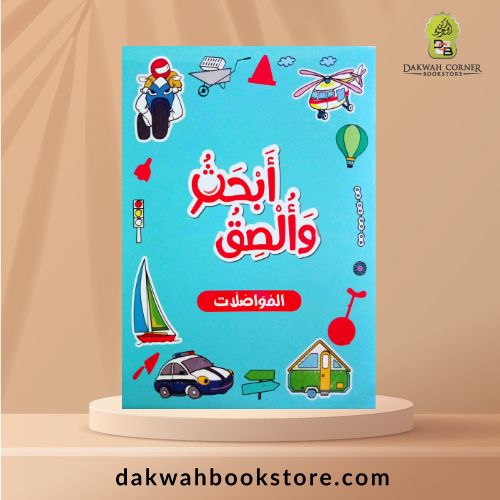
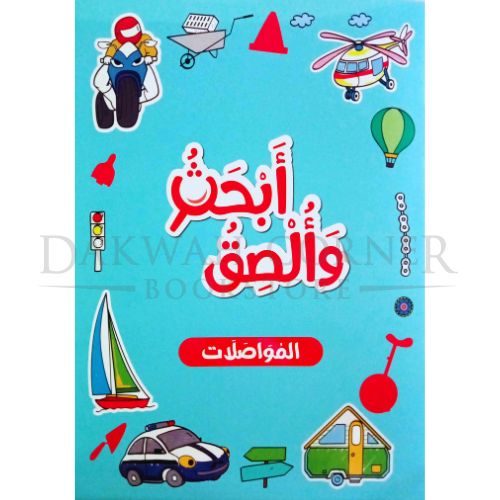
[CB] Abhath Waulsiq – Al-Muwasalaat / أبحث وألصق (المواصلات)
Highlights:
أَلْصِقِ القَاطِرَةَ فِي مَكَانِهَا، وَزَخْرِفِ المَنَاطِيدَ بِالنُّجُومِ،
وَأَلْبِسُ سَائِقَ الفُورْمُولَا 1 خُوذَةً.
سَتَجِدُ فِي كِتَابِ الإِلصَاقِ وَالتَّلْوِينِ المُسَلِّي هَذَا العَدِيدَ مِنَ المُوَاصَلَاتِ:
قَوَارِبَ شِرَاعِيَّةٍ وَقِطَارَاتٍ وَشَاحِنَاتٍ وَحَافِلَاتٍ وَجَرَّافَاتٍ، بَلْ وَدَرَّاجَاتٍ أَحَادِيَّةٍ
أَيْضًا. بَعْدَ أَنْ تَفْرَغَ مِنْ الصَاقِ المُلْصَقَاتِ، لَوْنِ الرُّسُومَاتِ بِالأَقْلَامِ المُلَوَّنَةِ.
RM25.00

Usool Al-Hadeeth (H/B)
Highlights:
Dr. Bilal Philips writes: “The Prophet’s sayings and actions were primarily based on revelation from Allah and, as such, must be considered a fundamental source of guidance second only to the Qur’an.” According to Dr. Philips, the Hadith, the record of these sayings and actions, plays a vital role in that it transmits revelation, tafseer (exegesis of the Qur’an), Islamic law, and the Islamic moral ideal. For instance, the Prophet’s “…character and social interactions became prime examples of moral conduct for Muslims. Consequently, the daily life of the Prophet (blessings and peace of Allah be upon him) as recorded in the hadith represents an ideal code of conduct. It is largely due to the science of hadith that the final message of Islam has been preserved in its original purity for all times.” In Usool al-Hadeeth, the reader will embark on a course of study that will, Allah willing, enable him or her to make critical and intelligent use of the body of Hadith literature in his or her daily life.
RM50.00
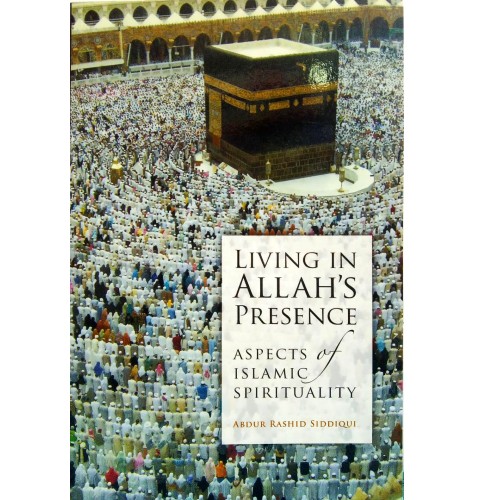
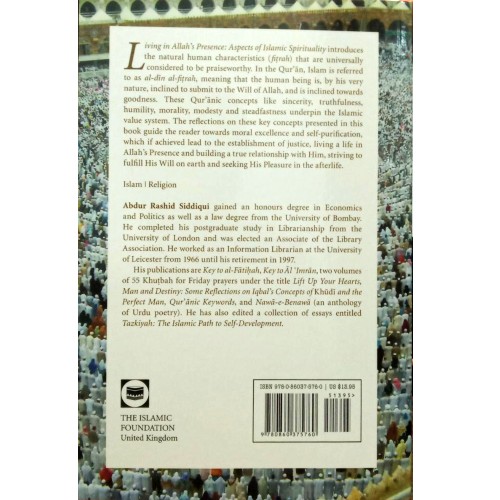
Living in Allah’s Presence: Aspects of Islamic Spirituality
Highlights:
Living in Allah’s Presence: Aspects of Islamic Spirituality introduces the natural human characteristics (fitrah) that are universally considered to be praiseworthy. In the Qur’an, Islam is referred to as al-din al-fitrah, meaning that the human being is, by his very nature, inclined to submit to the Will of Allah, and is inclined towards goodness. These Qur’anic concepts like sincerity, truthfulness, humility, morality, modesty and steadfastness underpin the Islamic value system. The reflections on these key concepts presented in this book guide the reader towards moral excellence and self-purification, which if achieved lead to the establishment of justice, living a life in Allah’s Presence and building a true relationship with Him, striving to fulfil His Will on earth and seeking His Pleasure in the afterlife.
RM52.00
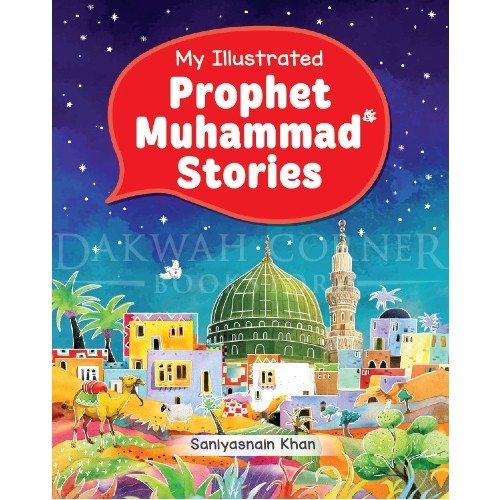
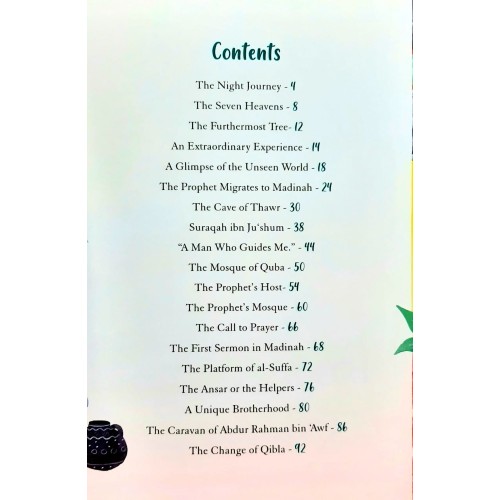
My Illustrated Prophet Muhammad Stories H/B
Highlights:
My Illustrated Prophet Muhammad Stories, meant for 7 yearolds and above, has some of the best treasured stories from the life of the Prophet Muhammad. These seerah stories, especially chosen for children, encourage young readers to discover for themselves the message of the life of the Prophet and to find their own ways of applying the Prophet’s timeless teachings to their own lives. With its colourful, child-friendly illustrations, this book is perfect for reading to your children or grandchildren, and is excellent for use at home or at school.
RM40.00
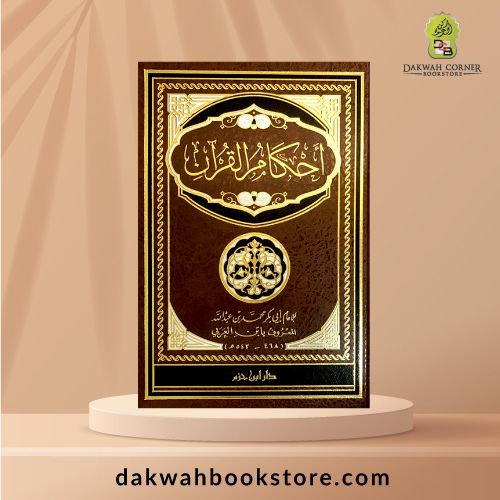
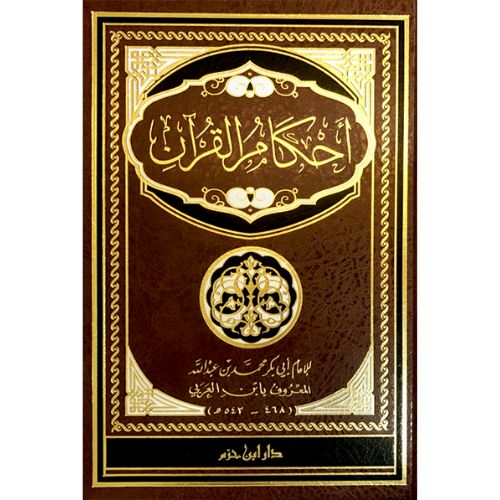
[ATQ] Ahkam Alquran / أحكام القرآن
Highlights:
أحكام القرآن كتاب تفسير فقهي للقرآن الكريم حسب المذهب الحنفي من تأليف أبو بكر الجصاص، استنبط مؤلفه من آيات الأحكام، مع ذكر اختلاف العلماء، ثم ينبسط في ذكر الأدلة بتوسع من الكتاب والسنة واللغة العربية والنظر.
RM165.00
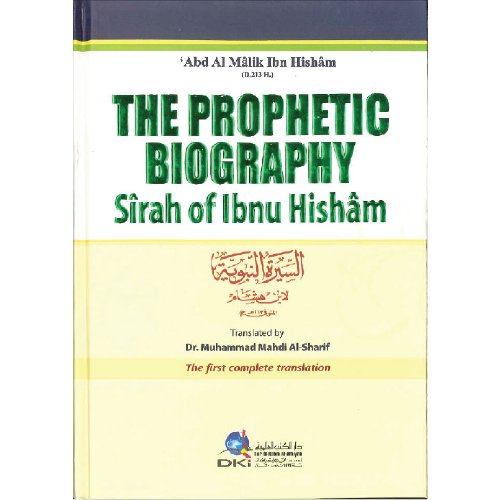
The Prophetic Biography Sirah of Ibnu Hisham (DKI)
Highlights:
This book was originally written by Muhammad ibn Ishaq before it was abridged, refined and transmitted by Abd-Al-Mali Ibn Hisham.
It is specific to the life of the Messenger of Allah [Peace be upon Him], beginning from his birth, upbringing, surroundings, acquaintances, social status, and so till his death. . . .
RM90.00
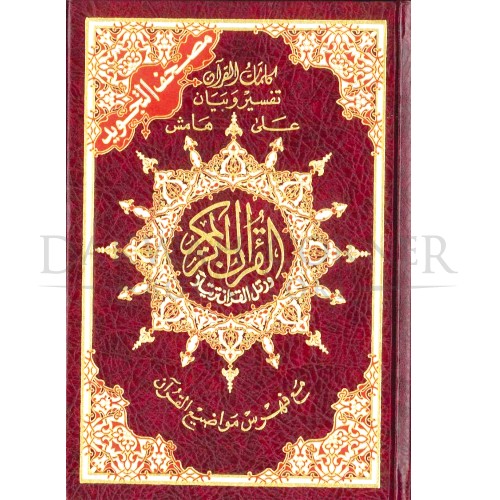

RM40.00 – RM180.00Price range: RM40.00 through RM180.00
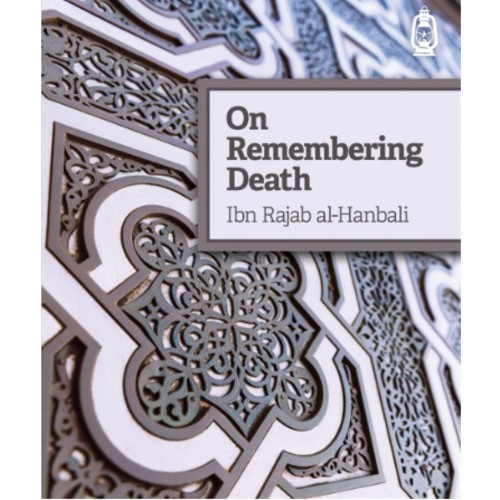
On Remembering Death by Ibn Rajab Al-Hanbali
Highlights:
“Abdullah Ali’s faithful transaltion of a section concerning the meditation of death from Ibn Rajab’s famous work on yearly devotions is much needed in our culture of forgetfulness.
RM45.00
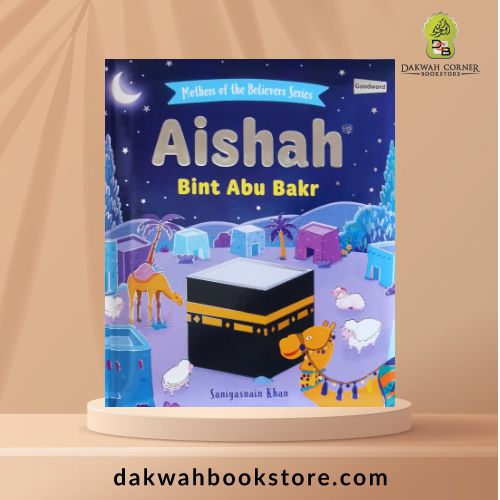
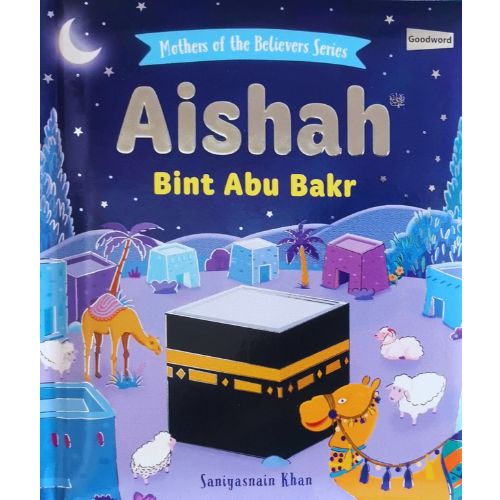
Aisha Bint Abu Bakr (H/B Board Book)
Highlights:
Explore the inspiring life of Aishah, the beloved wife of Prophet Muhammad SAW, in this engaging children’s book.
Through simple stories and lessons, young readers will learn how Aishah’s wisdom, faith, and love for learning made her a role model. It’s a perfect way to inspire curiosity and reflection in young children.
RM45.00
The Sources of the Qur’an
Highlights:
“Who is the author of the Qur’an?” On this subject scholars have flagrantly contradicted each other. This work attempts to make a critical review of the major ‘authorship’ theories by pressing into service logical arguments, historical evidence, textual analysis and scientific data. Probably, the only point of agreement about the Qur’an is that it was uttered for the first time by a man who was born in Makkah (Mecca), a city of Arabia, in the sixth century—a man by the name of Muhammad (blessings and peace be upon him). As to the source of the Qur’an, scholars are divided into three main groups: those who believe that Muhammad (blessings and peace be upon him) himself was the author; those who believe that he was not the author himself but learned it from another human author or authors; and those who believe that the Qur’an has no human author but is rather a word-for-word revelation from God. Hamza Njozi examines the three theories and comes to a firm and logical conclusion.
RM14.00
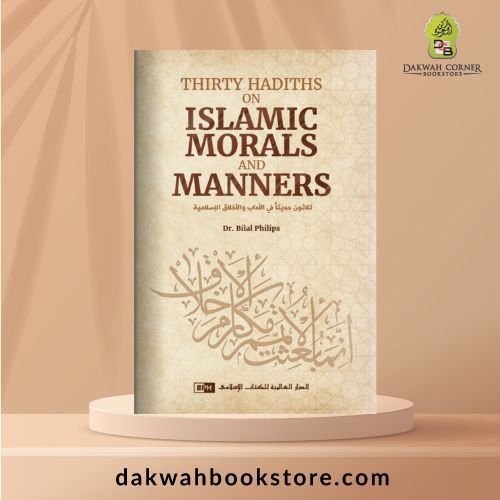
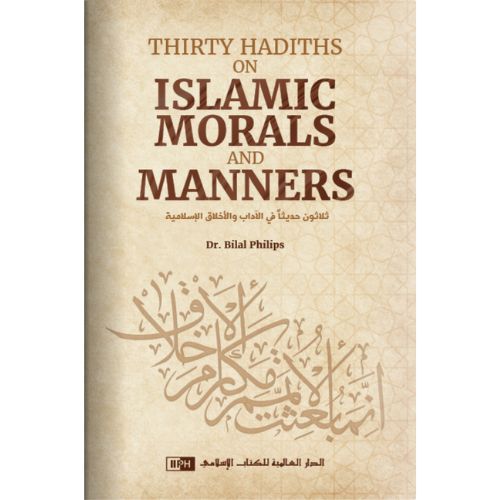
Thirty Hadiths on Islamic Morals and Manners (IIPH)
Highlights:
30 Hadiths on Islamic Morals and Manners is an attempt to draw guidance from Allah’s Messenger (sa) on diverse topics such as intentions, suspicion, jealousy, backbiting, bribery, greetings, marriage, and families. Dr. Bilal Philips has offered a commentary with each hadith to enable readers to learn about morality, ethics, and manners, as taught by Prophet Muhammad (sa).
RM75.00
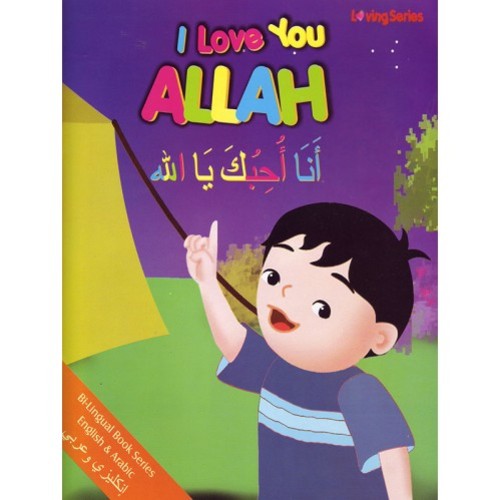
I Love You Allah (ARABIC/ENGLISH) (Loving Series)
Highlights:
This bilingual English & Arabic book series teaches children about Allah and the important people in their lives.
The first book in this Loving Series, I Love You Allah was initially sold out, but has now been reprinted & updated.
This book develops
– Arabic word recognition
– Allah (God) consciousness
– Connection to the Arabic language
– An appreciation of what Allah (God) has given us
Includes a transliteration table to assist non-Arabic readers.
There are 2 other books in the Loving Series.
RM25.00
There are no reviews yet.