

| Weight | 0.17 kg |
|---|---|
| Product Type | Book |
| Author | |
| Publisher | Al Hidaayah UK |
| ISBN | 9781898649748 |
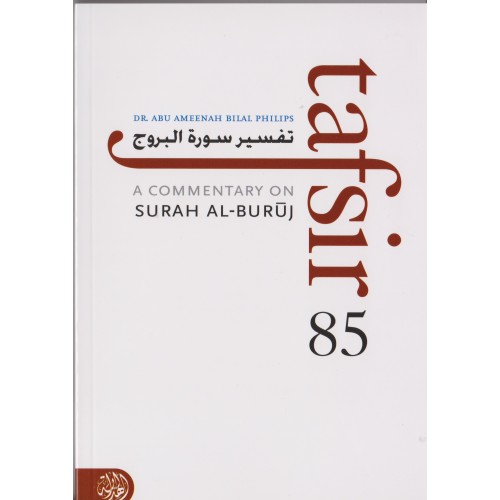
Tafsir 85 : A commentary on Surah Al-Buruj (P/B)
RM45.00
Hurry up, Only 3 left.
Additional information
Reviews (0)
Be the first to review “Tafsir 85 : A commentary on Surah Al-Buruj (P/B)” Cancel reply
You must be logged in to post a review.
Related Products
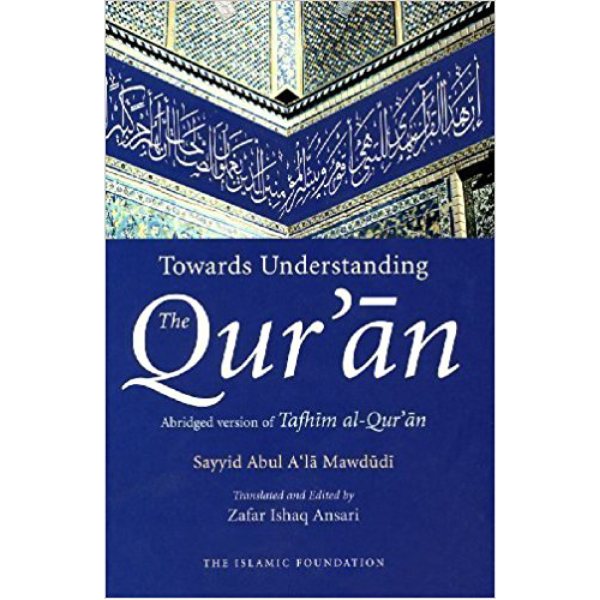
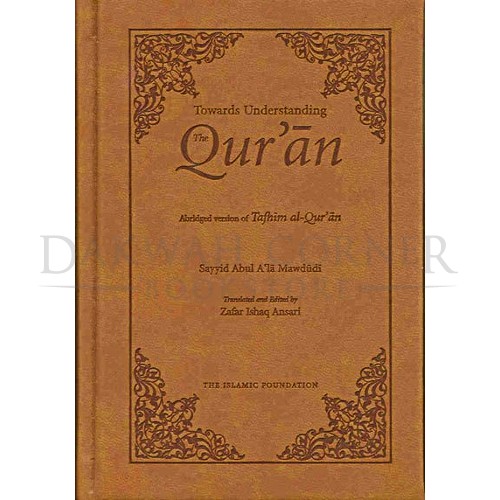
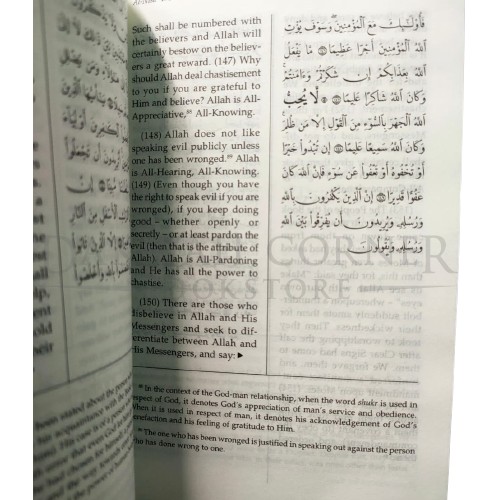
Towards Understanding The Quran : English/Arabic Edition (with commentary in English) (H/B)
Highlights:
Towards Understanding The Qur’an Abridged version is a fresh English rendering of Tafhim al-Qur’an, Sayyid Mawdudi’s monumental and masterly Urdu translation of the Qur’an and a selection of his commentary. Here is a work with a difference, by a scholar of an entirely different sort. An immense wealth of profound understanding of the Qur’an is here, a vast treasure of knowledge and deep insight, and a valuable exposition of some social, political, economic and legal teachings of the Qur’an. But what makes this work unique is that it presents the Qur’an as a book to be lived by, a mission to be lived for, and a duty that the reader can no longer evade or postpone. This rare quality is imparted not only by the depth of his scholarship and style of exposition but also because Sayyid Mawdudi lived by what he expounded as his life abundantly proves. Despite being an abridged version it endeavors to answer many contemporary questions and makes the Qur’an fully relevant to the concerns of our day, yet it loses nothing of its timelessness nor sacrifices any of the traditional understanding. It demonstrates the unity and coherence of the Qur’an by centering everything in it on its message, like pearls hung upon a single thread. A Glossary, Biographical Notes, and General and Subject Indexes add to the understanding of the Qur’an. To sum up: in this work, Sayyid Mawdudi is offering us what we need most to understand and live by the Qur’an.
RM120.00
114 Tips to Help You Finally Memorize The Qur’an (P/B)
5 ★
5 ★
1 Rating
5 ★
1
4 ★
0
3 ★
0
2 ★
0
1 ★
0
Highlights:
“114 Tips to Help You Finally Memorize the Qur’an is a concise book that aims to equip readers of all backgrounds with the information and techniques necessary in order to begin, continue with, and complete the memorization of the Qur’an, eliminating thereby the common excuse and reasons for not memorizing.”
RM80.00
Quranic Wisdom
Highlights:
According to the Quran, a person’s life has been divided into two phases: the pre-death period and the post-death period.
The present life is only temporary and is meant as a test. Depending upon our performance in this test, we shall be judged in the eternal life after death. The Quran aims to make one aware of this reality and help one lead one’s life in this world in such a way that one is rewarded with Paradise in the life Hereafter
RM20.00
Tafsir As-Sadi (Parts 28-29-30) Methodical Interpretation Of The Noble Quran (H/B)
Highlights:
Tafsir As-Sa’di is a straightforward, easy to read, easy to understand explanation of the meaning of Qur’anic Ayat and statements. In addition to the simplicity of Ibn Sa’di’s writing, it is also articulate and eloquent.
Consequently, for those newly acquainted with Tafsir and those new to Islam, this Tafsir provides an uncomplicated, deep and insightful comprehension into the meaning and explanation of the Qur’an.
The uniqueness of this Tafsir is in the style the Shaikh used to explain the Ayat in a way that it is similar to everyday writing, without listing the various prophetic sayings or statements of the scholars of Tafsir, which Shaikh Ibn Sa’di used as a basis of his Tafsir.
RM80.00
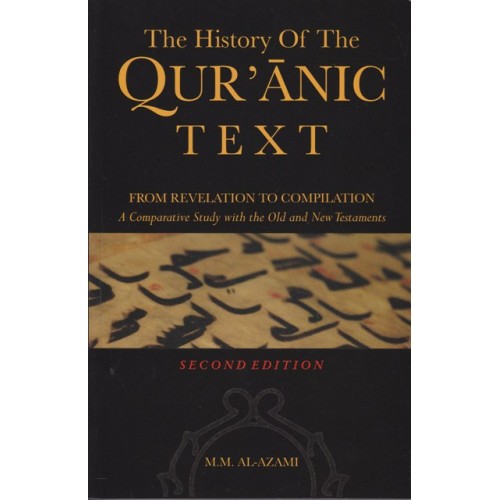
The History of the Qur’anic Text (P/B) (IBT)
Highlights:
The Qur’an reigns supreme in Muslim hearts as the most sacred of texts: a profusion of exalted ideas to rouse the mind, noble histories to stir the soul, universal truths to awaken the conscience and precise injunctions directing humanity to its own deliverance, all distilled into the melodious essence that is the Word of Allah. Through fourteen centuries Muslims have persevered in championing the text against corruption, memorising its every word and contemplating its every phrase, so that in our own times untold millions have enthusiastically committed each letter to heart.
Beginning with a catalogue of ancient and contemporary attacks on the Qur’an, this expansive book provides unique insights into the holy text’s immaculate preservation throughout its history, as well as exploring many of the accusations leveled against it. The reception of divine revelations, Prophet Muhammad’s role in teaching and disseminating these verses, the text’s compilation under his guidance and the setting of its final external shape shortly after his death, are meticulously and scientifically examined alongside such topics as the origins of Arabic, its paleography and orthography, the so-called Mushaf of Ibn Mas’ud, and the strict methodology employed in assembling textual fragments.
By way of comparison the author investigates the histories of the Old and New Testaments, relying entirely on Judaeo-Christian sources including the Dead Sea Scrolls and uncovers a startling range of alterations that touch almost every fact of the Biblical Scriptures. Using this as a springboard for assessing Western theories regarding the Qur’an, he makes a sophisticated yet passionate case for questioning the aims of Western scholarship in continuously undermining Islam’s holy book, and illustrates convincingly that such research, motivated by more than mere curiousity, has no scientific bearing on the Qur’an’s integrity.
This monumental effort, a scholarly work composed in an impassioned tone, provides a welcome foundation for sincere study at a time when assailing the Qur’an has become all too common.
A cornerstone addition to any personal library. A Truly monumental effort. This work presents a cogent and powerful argument for the Qur’an’s unique inviolability.
RM79.00


The Sources of the Qur’an
Highlights:
“Who is the author of the Qur’an?” On this subject scholars have flagrantly contradicted each other. This work attempts to make a critical review of the major ‘authorship’ theories by pressing into service logical arguments, historical evidence, textual analysis and scientific data. Probably, the only point of agreement about the Qur’an is that it was uttered for the first time by a man who was born in Makkah (Mecca), a city of Arabia, in the sixth century—a man by the name of Muhammad (blessings and peace be upon him). As to the source of the Qur’an, scholars are divided into three main groups: those who believe that Muhammad (blessings and peace be upon him) himself was the author; those who believe that he was not the author himself but learned it from another human author or authors; and those who believe that the Qur’an has no human author but is rather a word-for-word revelation from God. Hamza Njozi examines the three theories and comes to a firm and logical conclusion.
RM14.00

Daily Wisdom: Selections from the Holy Qur’an (H/B)
Highlights:
This beautiful presentation of a selection from the Holy Qur’an engages the reader in a moment of daily reflection. Edited for ease of comprehension, English-speaking readers will find this compilation both spiritually enriching and easy to understand. With 365 verses covering the whole year, this is a must for every home.
An introduction to the Qur’an and its eternal message for humanity is included, giving the reader an insight into its origin, purpose, and style.
Abdur Raheem Kidwai is professor of English at the Aligarh Muslim University in India and the well-known author of many works on the Qur’an and Islam.
RM75.00
Tafsir 67 : A Commentary on Surah al Mulk (P/B)
Highlights:
The beauty of the Qur’an is such that its miracles cannot truly be understood until one contemplates every verse of every surah; this alone makes tafsir one of the most amazing sciences of Islam. Surah Al-Mulk is a chapter of the Quran which would be recited every night by the Prophet (peace be upon him), in its midst are deep meanings which highlight the purpose of our creation, as well as entailing the message of Islam. In this book, the author takes the reader on a wonderful journey through the gardens of the first surah in the 29th Juzz of the Qur’an.
About the Author: Dr. Philips was born in 1947 in Jamaica, but grew up in Canada, where he converted to Islam in 1972. He completed a diploma in Arabic language and a B.A. degree in 1979 from the College of Islamic Disciplines at the Islamic University of Madinah, an Islamic university in Saudi Arabia. At the University of Riyadh College of Education he completed his M.A. in Islamic Theology in 1985, and in 1994 he completed his Ph.D in Islamic Theology in the department of Islamic studies at the University of Wales. He later taught Islamic education and Arabic language in private schools in Riyadh for over ten years. Because of his opposition to Saudi Arabia’s position in the Gulf War, he had to leave the country and for three years he lectured M.Ed. students in the Islamic Studies department of Shariff Kabunsuan College (SKC) in Cotabato City, Mindanao, the Philippines. Islamic Information Center Since 1994, he has founded and directed the Islamic Information Center (which is now known as Discover Islam) in Dubai, United Arab Emirates, and is known as a prolific speaker and author on topics relating to Islam, including audio lectures and books. Presently, he is a lecturer of Arabic language and Islamic Studies at the American University in Dubai and ‘Ajman University in Ajman, United Arab Emirates. He frequently appears at the Islamic Research Foundation in Mumbai, India, on lecture tours. He has also founded the Distance Learning Program called Islamic Online University, which offers a four year degree in Islamic Studies plus a variety of short courses. Dr. Philips is something of a pioneer as a person of Western origin achieving the status of a scholar of Islam inside the tradition.
RM63.00
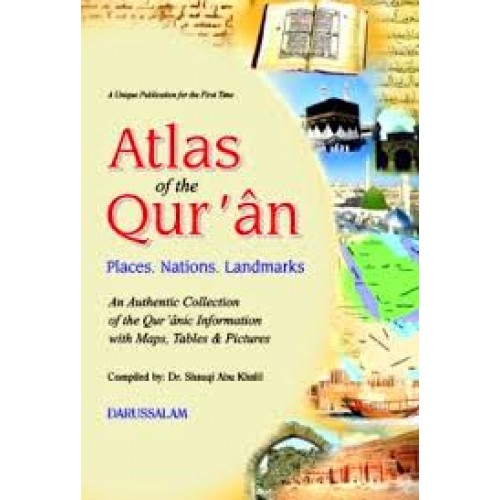
Atlas of the Qur’an (Darussalam)
Highlights:
This Atlas is new in its subject, a subject that has not been touched before. It helps whoever recites the Qur’an or studies it to specify the locations mentioned by the Noble Verses, and to mark those places of ancient people mentioned in the Qur’Gn. This is besides locating areas where the incidents of the prophetic Seerah occurred.
Eventually the diligent reader will easily recognize those places, learn about them, and take heed of them while reciting.
Eventually the diligent reader will easily recognize those places, learn about them, and take heed of them while reciting. The Atlas has also revealed obscure places we used to pass through inattentively, like the site where Nuh’s Ark settled, the site of the curved Sand-hills {Al Ahqah}, the cave of the young faithful men, the houses of median, the site of Sodom and other places determined by the Atlas depending on reliable sources.
Thus the Atlas eliminates all the guessing and the fantasies we used to encounter when reciting the Noble Quran, and takes us to the specific place.
RM80.00
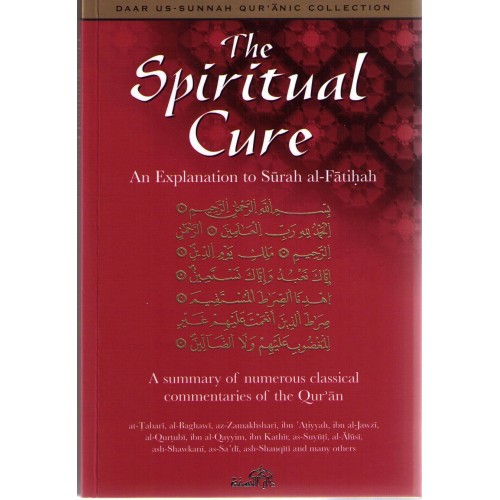
The Spiritual Cure An Explanation to Surah al-Fatihah (P/B)
Highlights:
Surah al Fatiha is the greatest chapter of the Qur’an, its like is not found in the rest of the Book or in the previous scriptures. It is a
Light that was granted to Prophet Muhammad (S) which had not been granted to any other Prophet or Messenger before him; indeed
some of the Salaf stated that when this chapter was revealed, Shaytãn l let out a great cry of lament.
It holds a central position in the daily Prayer hence the daily life of the Muslim.
The underlying theme, of al-Fatiha is one of contemplation and serenity; pondering the Names and Attributes of Allah, pondering the creation , and acknowledging that He Alone deserves praise and Worship, that He Alone should be asked for help, that He Alone Should be feared and hoped in, that He Alone should be invoked, that there is indeed a Day of Judgment, and that guidance has come to us and we are required to follow it.
It calls us to carefully scrutinise our relationship with our Lord: are we living according to the dictates of ‘none has the right to be worshipped save of Allah’ or not? This opening chapter, despite its brevity, calls man to fulfil the rights of Tawhid, the right that Allah has over us to worship Him Alone without any partner
A Summary of numerous Classical Commentaries of the Qur’an
at-Tabari, al-Baghawi, Az-Zamakhshari, ibn Atityyah, Ibn Jawzi, Al-Qurtubi, Ibn Qayyim, Ibn Kathir, as-Suyuti, Alusi, ash-Shawkani, as-Sa’di, ash-Shaqiti and many Others
RM73.00
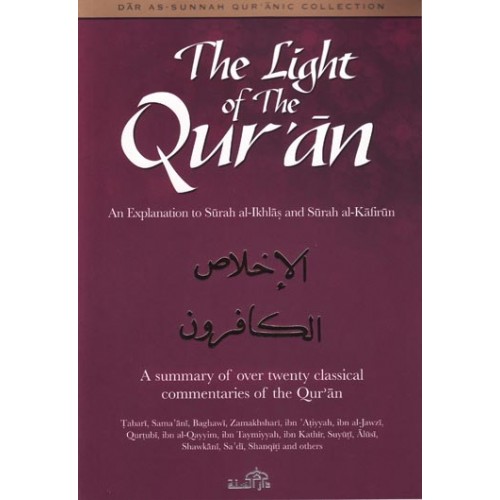
The Light of The Qur’an
Highlights:
The Prophet peace and blessings of Allah be upon him, passed by a person reciting Surah Al – Kafirun and remarked, “He has been saved from shirk”. He passed by another reciting Surah Al – Ikhlas and remarked. Paradise has become obligatory for him. Reported by Muslim.
These two chapters have both been given the title Al-Ikhlas, or purity of faith, because they deal with the topic of Tawhid in all its various aspects. Al – Ikhlas concentrates on the pure, essential faith in Allah that all mankind is required to have. Al – Kafirun deals with purity of deed and disavowal of disbelief and paganism. Both chapters lay out the parameters of mans relationship with his/her lord and creator, as well as his/her relationship those around him/her.
Pure, unblemished monotheism combined with sincerity in belief and deed defines the relationship with Allah. Hi is one and only true God, unique, without peer, equal or opposite, and nothing is like on to him. He is the one who stands in need of nothing whereas everything is in dire need of him.
Maintaining the essential Muslim identity and character defines the relationship between the Muslim and his fellow man. The Muslim is unambiguous about his religion, truthful and upright in speech, deed and his dealings with those around him. Hi is proud of his faith and has unshakable conviction in it. He loves his lord, his Messenger and the Muslims and is loyal to them. Because of this, the dearest thing to him is his religion and he will not compromise it, pleasing Allah comes before pleasing the people.
The prophet would frequently recite these two chapters in prayer because of the commonality of their theme and to stress that success is achieved, in this life and the next, by internalising their message and living by it.
RM41.00
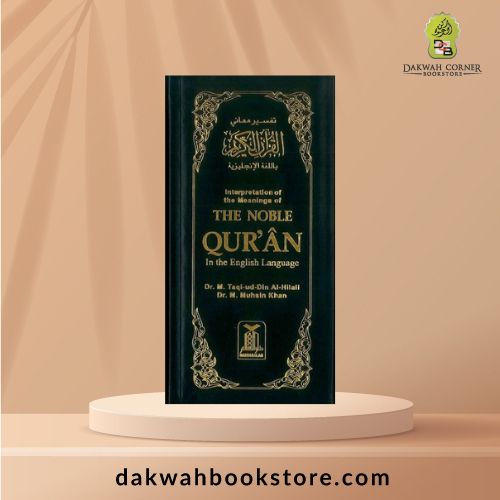
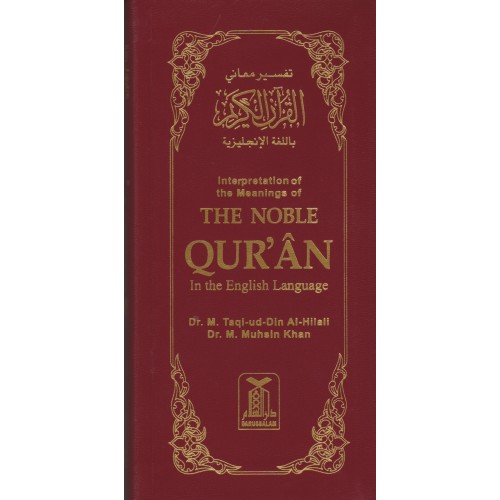
The Noble Quran (Tall Version English Text Only) (RANDOM COLOR)
Highlights:
Interpretion of the meanings of The Noble Quran in the English Language.
RM60.00
Recently Viewed
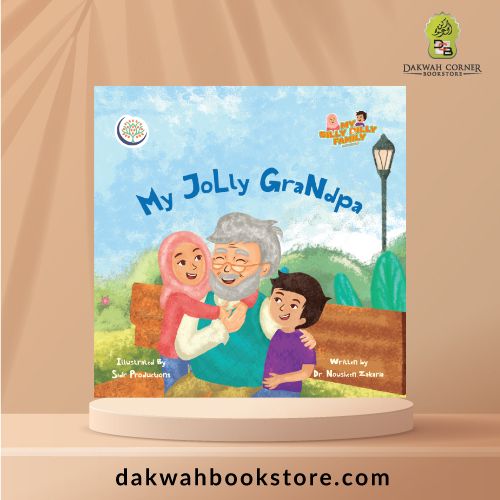
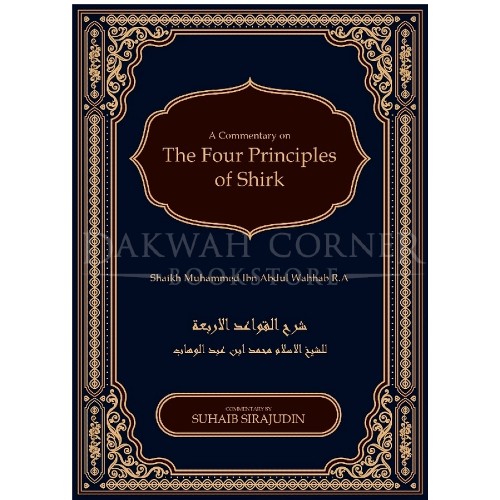
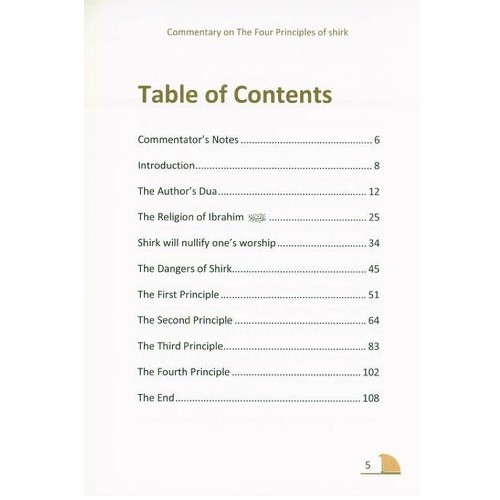
A Commentary on The Four Principles of Shirk
Highlights:
A commentary on the treatise of Shaikh Muhammed ibn Abdul Wahhab’s ‘Qawaidul Arba’ah’ The Four Principles of Shirk. In this treatise, the Shaikh discusses and brings the evidence for four principles; about knowing the disbelievers, knowing what they worship, that they differ in their religions, and the mushrikeen of now are worse than those before.
RM53.00

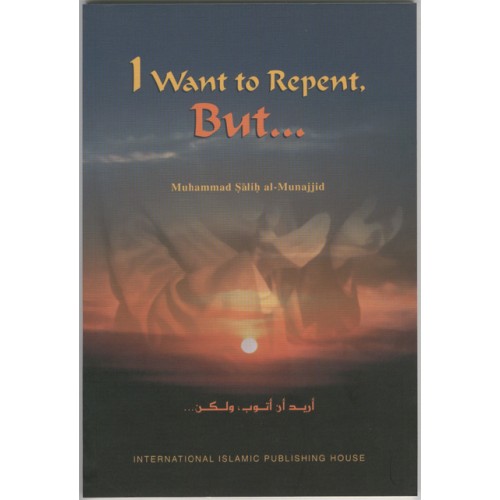
I Want to Repent, But…
Highlights:
One might say, “I want to repent, but who can guarantee that Allah will forgive me if I do so? I want to follow the Straight Path, but I feel very hesitant. If I know for sure that Allah would forgive me, I would definitely repent.” Shaykh Muhammad Sâlih al-Munajjid, may Allah reward him, gives a clear-cut response to such doubts and questions in this booklet. In order that the response reassures everybody concerned, it is based on the Noble Qur’an and the honourable Sunnah, quoting many verses and hadiths confirming that Allah’s mercy and forgiveness embrace all creation and are greater than any and all sins. The Shaykh then goes on to explain the preconditions and necessary steps for achieving true repentance, at which Allah is just waiting to forgive any of His penitent servants.
RM13.00
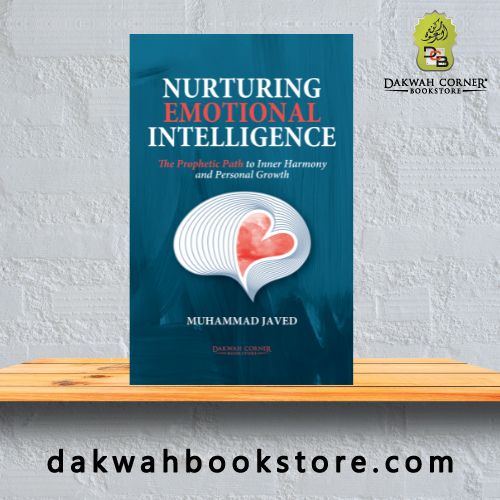
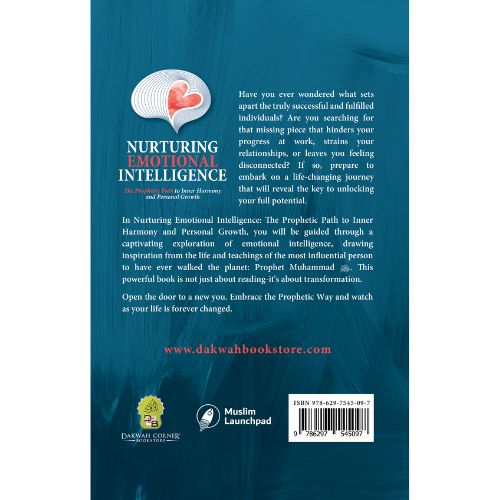
Nurturing Emotional Intelligence (New Cover)
Highlights:
Nurturing Emotional Intelligence
Have you ever wondered what sets apart the truly successful and fulfilled individuals? Are you searching for that missing piece that hinders your progress at work, strains your relationships, or leaves you feeling disconnected? If so, prepare to embark on a life-changing journey that will reveal the key to unlocking your full potential.
RM60.00
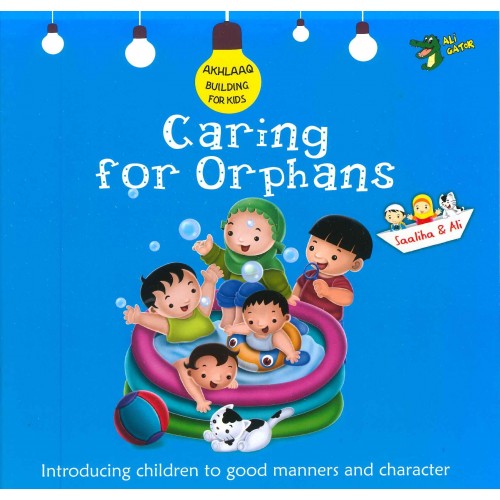

Caring For Orphans (Akhlaaq Building Series)
Highlights:
“Caring for Orphans” introduces to children the importance of caring for those less fortunate than themselves.
When Saaliha and her younger brother Ali go and visit the orphans, they are so happy to meet such nice children. Now Saaliha and Ali now have new friends.
Caring for Orphans is part of the very popular “Akhlaaq Building Series”, which aims to teach children to follow the example of our Prophet Muhammad (peace be upon him) and to be nice to all people.
It is essential for children to develop good character, morals and values from a young age. Reading good books, with good messages and good role models is part of this character development.
There are 8 books in this highly successful series
Full Color
RM22.00
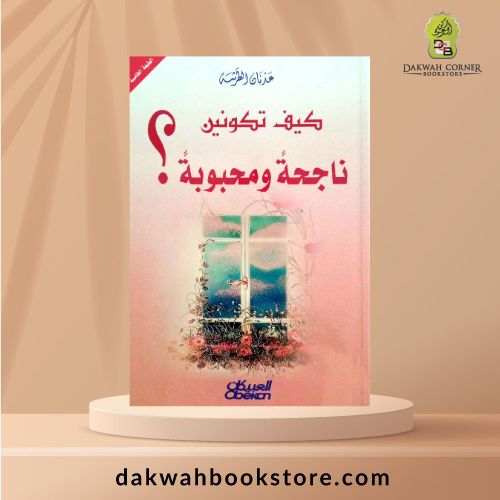


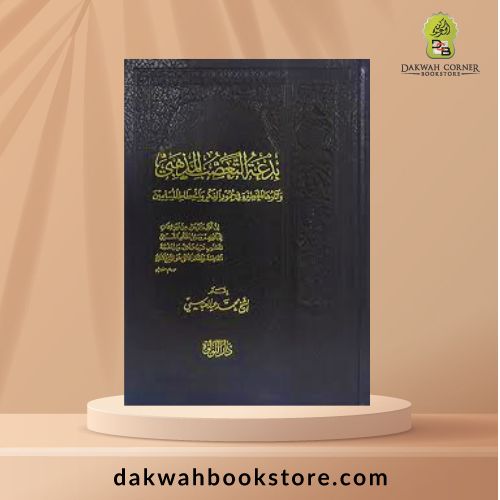
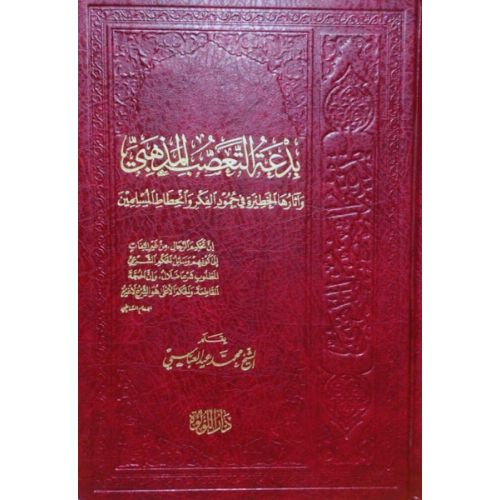
[AAC] Bidaah Al Taasub Al Madhhabi / بدعة التعصب المذهبي
Highlights:
بدعة التعصب المذهبي واثارها الخطيرة في جهود الفكر وانحطاط المسلمين
RM140.00
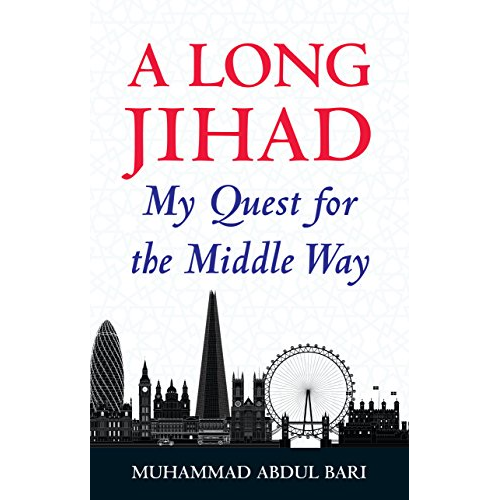
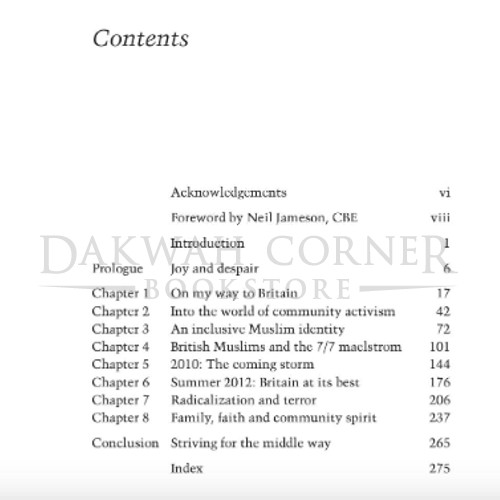
A Long Jihad : My Quest For The Middle Way
Highlights:
In this memoir, Dr Muhammad Abdul Bari asks us to look beyond the extremism and violence that all too often defines the Muslim community toward those, like himself, navigating a middle-way life.
RM65.00
Better Me : 365 Ways to Transform Your Everyday Life
5 ★
5 ★
1 Rating
5 ★
1
4 ★
0
3 ★
0
2 ★
0
1 ★
0
RM75.00
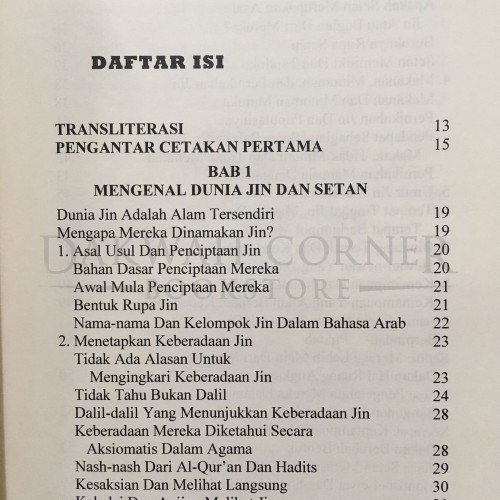
Dunia Jin Dan Setan – Serial Aqidah Islam – 3
4 ★
4 ★
1 Rating
5 ★
0
4 ★
1
3 ★
0
2 ★
0
1 ★
0
RM60.00
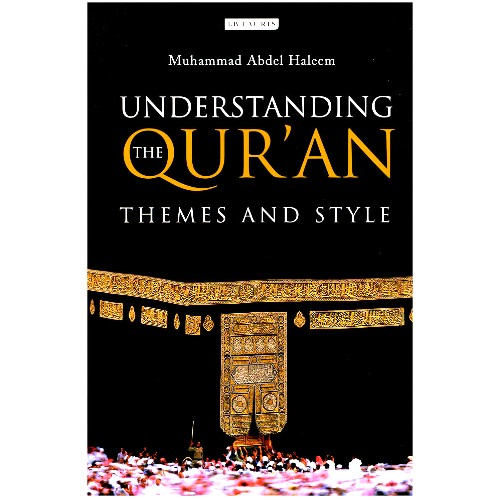
Understanding the Qur’an Themes and Style
Highlights:
The tenets of Islam cannot be grasped without a proper understanding of the Qur’an. In this book, Muhammad Abdel Haleem examines its recurrent themes and for the first time sets them in the context of the Qur’an’s linguistic style. Haleem examines the background to the development of the surahs (chapters) and the ayahs (verses) and the construction of the Qur’an itself.
RM95.00
There are no reviews yet.