



| Weight | 0.27 kg |
|---|---|
| Product Type | Book |
| Author | |
| Publisher | IIPH |
| Pages | 128 |
| ISBN | 9789960953397 |
The Sources of the Qur’an
RM14.00
Hurry up, Only 1 left.
Highlights:
somdn_product_page
Compare
“Who is the author of the Qur’an?” On this subject scholars have flagrantly contradicted each other. This work attempts to make a critical review of the major ‘authorship’ theories by pressing into service logical arguments, historical evidence, textual analysis and scientific data. Probably, the only point of agreement about the Qur’an is that it was uttered for the first time by a man who was born in Makkah (Mecca), a city of Arabia, in the sixth century—a man by the name of Muhammad (blessings and peace be upon him). As to the source of the Qur’an, scholars are divided into three main groups: those who believe that Muhammad (blessings and peace be upon him) himself was the author; those who believe that he was not the author himself but learned it from another human author or authors; and those who believe that the Qur’an has no human author but is rather a word-for-word revelation from God. Hamza Njozi examines the three theories and comes to a firm and logical conclusion.
SKU: QQ297
Categories: Holy Quran and Quranic Sciences, Quranic Science/ Related
Additional information
Reviews (0)
Be the first to review “The Sources of the Qur’an” Cancel reply
You must be logged in to post a review.
Related Products
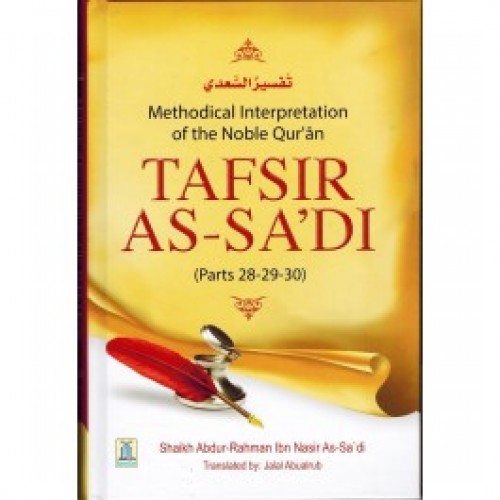
Tafsir As-Sadi (Parts 28-29-30) Methodical Interpretation Of The Noble Quran (H/B)
Highlights:
Tafsir As-Sa’di is a straightforward, easy to read, easy to understand explanation of the meaning of Qur’anic Ayat and statements. In addition to the simplicity of Ibn Sa’di’s writing, it is also articulate and eloquent.
Consequently, for those newly acquainted with Tafsir and those new to Islam, this Tafsir provides an uncomplicated, deep and insightful comprehension into the meaning and explanation of the Qur’an.
The uniqueness of this Tafsir is in the style the Shaikh used to explain the Ayat in a way that it is similar to everyday writing, without listing the various prophetic sayings or statements of the scholars of Tafsir, which Shaikh Ibn Sa’di used as a basis of his Tafsir.
RM80.00
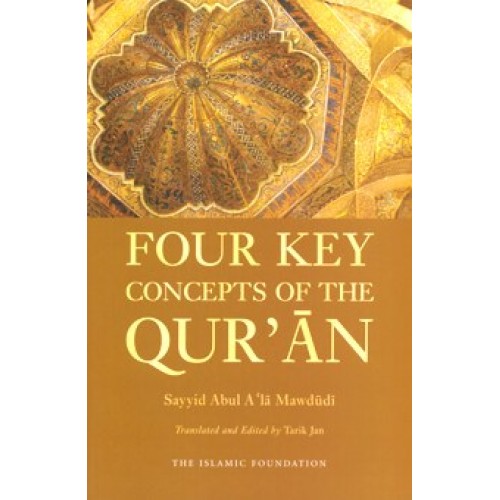
Four Key Concept of the Qur’an
Highlights:
Four Key concepts oF the Qur’An elucidates these basic Qur’anic concepts Ilah, Rabb, Ibadah and Din in order to bring out fully the Islamic way of life, as distinct from other perspectives. This elaboration goes a long way in developing a sound understanding of the Qur’an. It also explains the man-God relationship in Islam, guiding Muslims on how to lead their lives in total surrender to Allah.
RM46.00


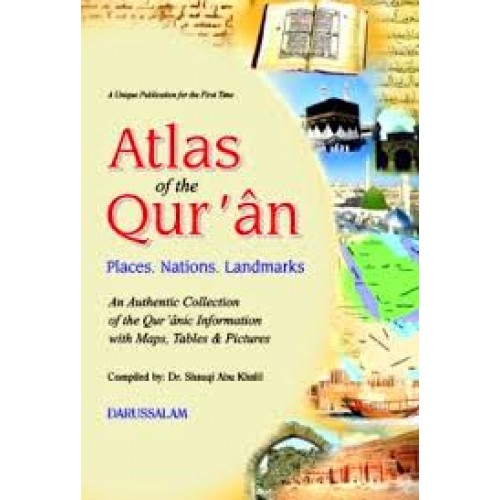
Atlas of the Qur’an (Darussalam)
Highlights:
This Atlas is new in its subject, a subject that has not been touched before. It helps whoever recites the Qur’an or studies it to specify the locations mentioned by the Noble Verses, and to mark those places of ancient people mentioned in the Qur’Gn. This is besides locating areas where the incidents of the prophetic Seerah occurred.
Eventually the diligent reader will easily recognize those places, learn about them, and take heed of them while reciting.
Eventually the diligent reader will easily recognize those places, learn about them, and take heed of them while reciting. The Atlas has also revealed obscure places we used to pass through inattentively, like the site where Nuh’s Ark settled, the site of the curved Sand-hills {Al Ahqah}, the cave of the young faithful men, the houses of median, the site of Sodom and other places determined by the Atlas depending on reliable sources.
Thus the Atlas eliminates all the guessing and the fantasies we used to encounter when reciting the Noble Quran, and takes us to the specific place.
RM80.00
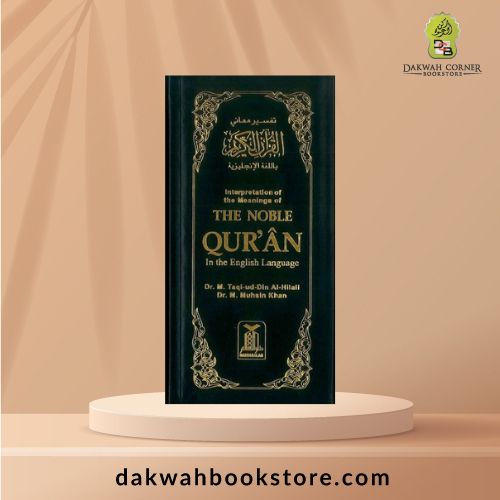
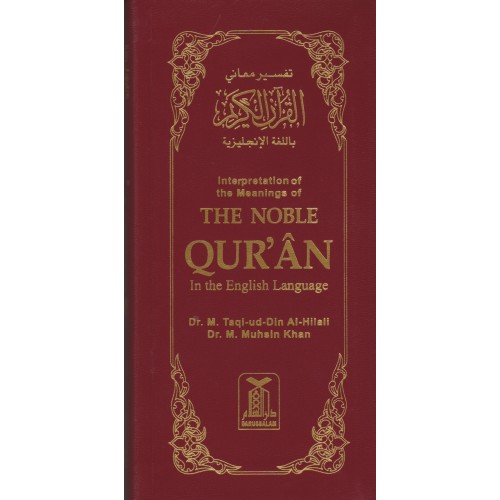
The Noble Quran (Tall Version English Text Only) (RANDOM COLOR)
Highlights:
Interpretion of the meanings of The Noble Quran in the English Language.
RM60.00

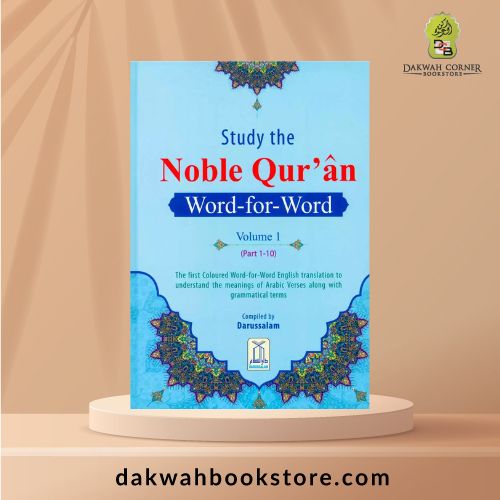
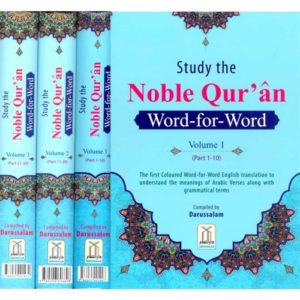
Study The Noble Qur’an Word for Word (3 volumes) – Colour
Highlights:
Available NOW only for online shopping.
Complete Qur’an in 3 volumes Colour Version (10 Parts per book). Individual volumes are available from the related items section. The first coloured Word-for-Word English translation to understand the meanings of the Arabic verses along with grammatical terms. Read more below…
RM350.00
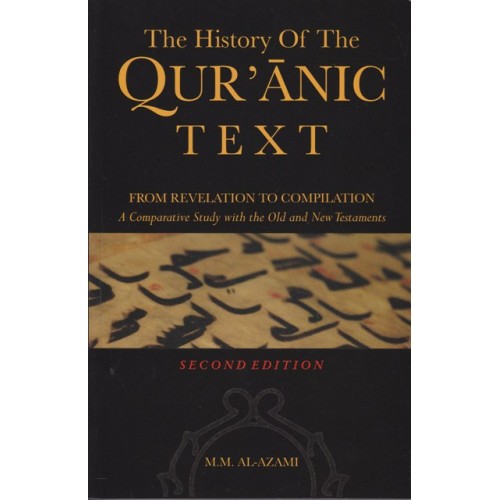
The History of the Qur’anic Text (P/B) (IBT)
Highlights:
The Qur’an reigns supreme in Muslim hearts as the most sacred of texts: a profusion of exalted ideas to rouse the mind, noble histories to stir the soul, universal truths to awaken the conscience and precise injunctions directing humanity to its own deliverance, all distilled into the melodious essence that is the Word of Allah. Through fourteen centuries Muslims have persevered in championing the text against corruption, memorising its every word and contemplating its every phrase, so that in our own times untold millions have enthusiastically committed each letter to heart.
Beginning with a catalogue of ancient and contemporary attacks on the Qur’an, this expansive book provides unique insights into the holy text’s immaculate preservation throughout its history, as well as exploring many of the accusations leveled against it. The reception of divine revelations, Prophet Muhammad’s role in teaching and disseminating these verses, the text’s compilation under his guidance and the setting of its final external shape shortly after his death, are meticulously and scientifically examined alongside such topics as the origins of Arabic, its paleography and orthography, the so-called Mushaf of Ibn Mas’ud, and the strict methodology employed in assembling textual fragments.
By way of comparison the author investigates the histories of the Old and New Testaments, relying entirely on Judaeo-Christian sources including the Dead Sea Scrolls and uncovers a startling range of alterations that touch almost every fact of the Biblical Scriptures. Using this as a springboard for assessing Western theories regarding the Qur’an, he makes a sophisticated yet passionate case for questioning the aims of Western scholarship in continuously undermining Islam’s holy book, and illustrates convincingly that such research, motivated by more than mere curiousity, has no scientific bearing on the Qur’an’s integrity.
This monumental effort, a scholarly work composed in an impassioned tone, provides a welcome foundation for sincere study at a time when assailing the Qur’an has become all too common.
A cornerstone addition to any personal library. A Truly monumental effort. This work presents a cogent and powerful argument for the Qur’an’s unique inviolability.
RM79.00

The Light of The Qur’an
Highlights:
The Prophet peace and blessings of Allah be upon him, passed by a person reciting Surah Al – Kafirun and remarked, “He has been saved from shirk”. He passed by another reciting Surah Al – Ikhlas and remarked. Paradise has become obligatory for him. Reported by Muslim.
These two chapters have both been given the title Al-Ikhlas, or purity of faith, because they deal with the topic of Tawhid in all its various aspects. Al – Ikhlas concentrates on the pure, essential faith in Allah that all mankind is required to have. Al – Kafirun deals with purity of deed and disavowal of disbelief and paganism. Both chapters lay out the parameters of mans relationship with his/her lord and creator, as well as his/her relationship those around him/her.
Pure, unblemished monotheism combined with sincerity in belief and deed defines the relationship with Allah. Hi is one and only true God, unique, without peer, equal or opposite, and nothing is like on to him. He is the one who stands in need of nothing whereas everything is in dire need of him.
Maintaining the essential Muslim identity and character defines the relationship between the Muslim and his fellow man. The Muslim is unambiguous about his religion, truthful and upright in speech, deed and his dealings with those around him. Hi is proud of his faith and has unshakable conviction in it. He loves his lord, his Messenger and the Muslims and is loyal to them. Because of this, the dearest thing to him is his religion and he will not compromise it, pleasing Allah comes before pleasing the people.
The prophet would frequently recite these two chapters in prayer because of the commonality of their theme and to stress that success is achieved, in this life and the next, by internalising their message and living by it.
RM41.00
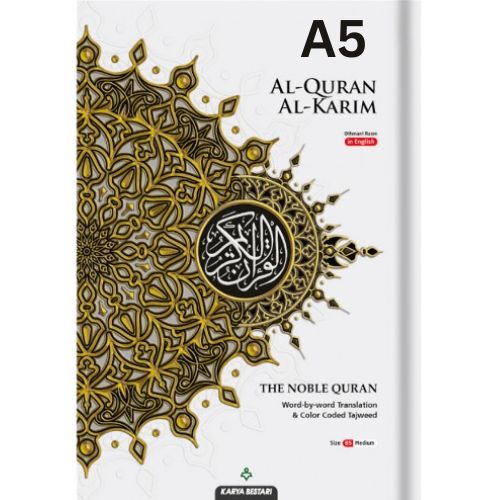

The Noble Quran Word-By-Word Translation & Color Coded Tajweed A5 Size (Arabic-English)
5 ★
5 ★
1 Rating
5 ★
1
4 ★
0
3 ★
0
2 ★
0
1 ★
0
Highlights:
Al-Quran Al-Kareem is a translation learning method of word-by-word Al-Quran with every word and sentence is colored differently, in Arabic and English.
Every word in the Quran was translated literally so that the reader could understand the meaning of every single word. It needs to be remembered that not all literal translation represents the exact meaning of the word since the Quran uses varied Arabic language style and sometimes metaphor.
Accordingly, to understand the full or intended meaning of the word or the verse, Muhsin Khan’s the Holy Quran Translation had been included in this edition. However, to comprehend more of the meaning of the Quran, reading the commentary of the Quran from trusted scholars would be necessary.
Approved by the Department of Islamic Development of Malaysia (JAKIM) and Malaysian Ministry of Home Affairs (KDN).
Features:
● Rasm Uthmani script in English
● Word-by-word translation Arabic-English
● Color coded tajweed
● Thematic Index
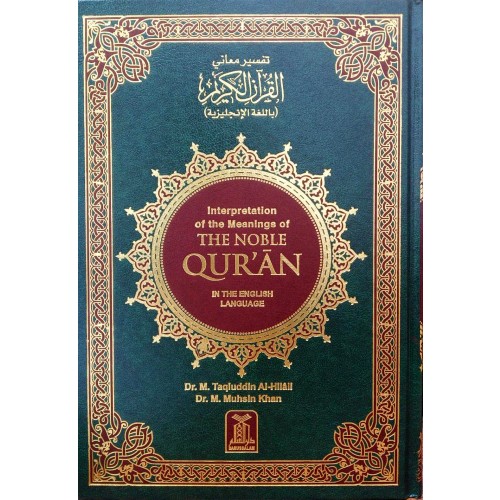
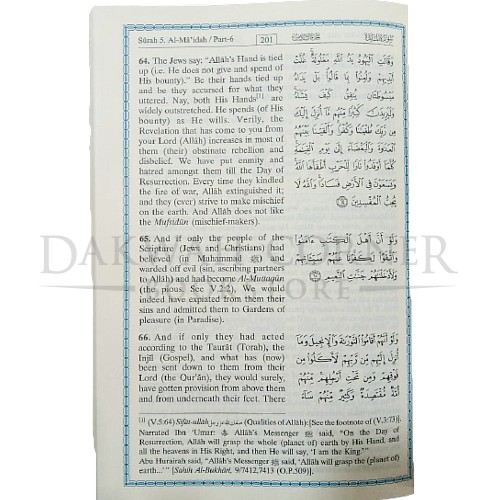
Interpretation of the Meanings of the Noble Qur’an in the English Language (17x24cm)
Highlights:
Note: Any order for this item, Please send to us your information details at sale@dakwahbookstore.com.
This item will be shipped directly from Dawah Corner Bookstore, Makkah to your address.
New type of Noble Quran with Arabic Mushaf Uthmani 15 lines/page print on the right side and English translation on the left side of every page. It also includes tafsir footnotes on the bottom of the English page.
Interpretation of the meanings of The Noble Quran with Arabic text in the modern English language.
The Magnificence of the Qur’an is a book that relates to us the countless miracles and benefits of the Holy Book of Islam. It expands on numerous aspects of the Quran, all of which point to its magnificence, as signified by the apt title. The author discusses everything from the methodology of studying the Qur’an to its characteristics, qualities and the manners with which one should approach it. It is much like a user’s manual that opens up a world of knowledge and facts about the Qur’an. For all audiences, this book is an invaluable companion to the Qur’an and one which serves to remind us of its eminence and its superiority to all other books. By discussing a series of seemingly miscellaneous topics, the author manages to create a whole picture of the Qur’an which surpasses any other guide of this academic nature.
RM95.00 – RM140.00Price range: RM95.00 through RM140.00
Recently Viewed
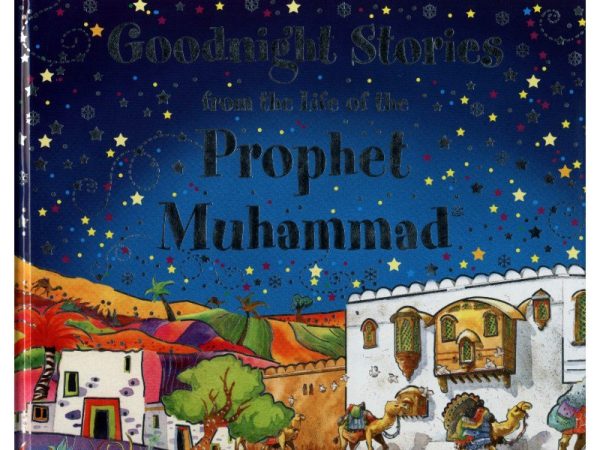
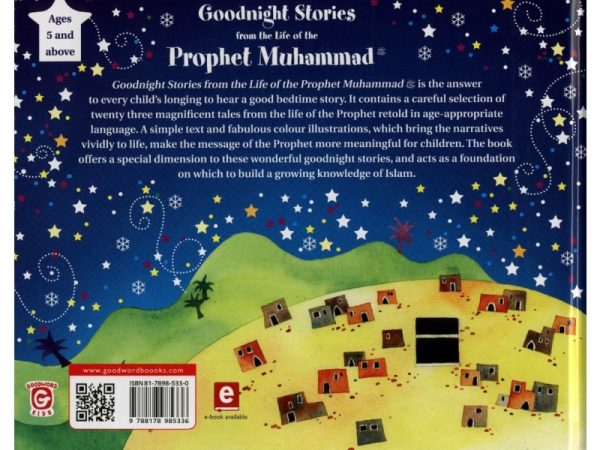
Goodnight Stories from the Life of the Prophet Muhammad (H/B)
Highlights:
Goodnight Stories from the Life of the Prophet Muhammad is the answer to every child’s longing to hear a good bedtime story. It contains a careful selection of twenty three magnificent tales from the life of the Prophet retold in age-appropriate language. A simple text and fabulous colour illustrations, which bring the narratives vividly to life, make the message of the Prophet more meaningful for children. The book offers a special dimension to these wonderful goodnight stories, and acts as a foundation on which to build a growing knowledge of Islam.
RM58.00
The Sources of the Qur’an
Highlights:
“Who is the author of the Qur’an?” On this subject scholars have flagrantly contradicted each other. This work attempts to make a critical review of the major ‘authorship’ theories by pressing into service logical arguments, historical evidence, textual analysis and scientific data. Probably, the only point of agreement about the Qur’an is that it was uttered for the first time by a man who was born in Makkah (Mecca), a city of Arabia, in the sixth century—a man by the name of Muhammad (blessings and peace be upon him). As to the source of the Qur’an, scholars are divided into three main groups: those who believe that Muhammad (blessings and peace be upon him) himself was the author; those who believe that he was not the author himself but learned it from another human author or authors; and those who believe that the Qur’an has no human author but is rather a word-for-word revelation from God. Hamza Njozi examines the three theories and comes to a firm and logical conclusion.
RM14.00
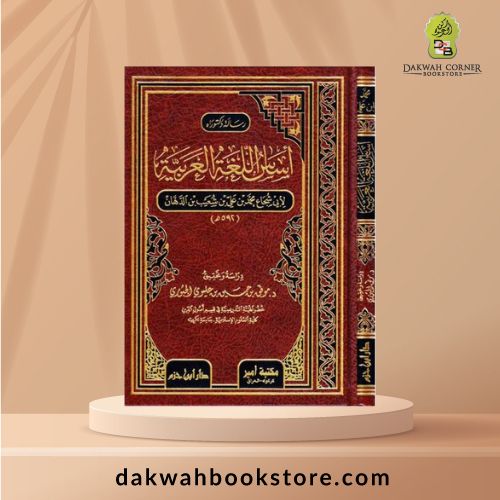
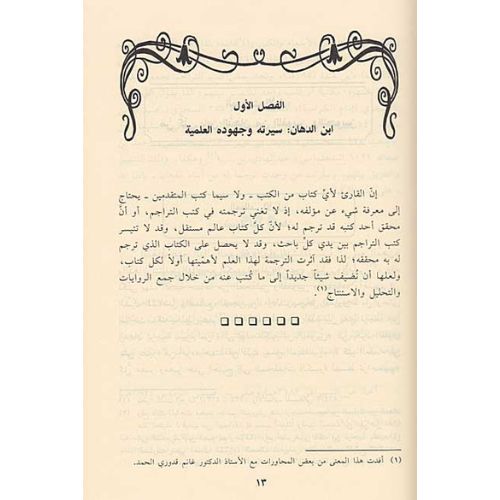
[AR] Asas al-Lughah al-Arabiyah – اساس اللغة العربية
Highlights:
إن كتاب أساس اللغة العربية لابن الدهان من أهم الكتب التي تتحدث عن أصل اللغة العربية و جذورها . و لما كانت اللّغة العربية لغة القرآن الكريم و لغة أهل الجنة ، كان لها أهمية فريدة تحثّ على الغوص في تاريخها و جذورها . هذا الكتاب لابن الدهان رحمه الله و طيب ثراه و قام بتحقيقه الدكتور موفق حسين الجبوري .
RM60.00
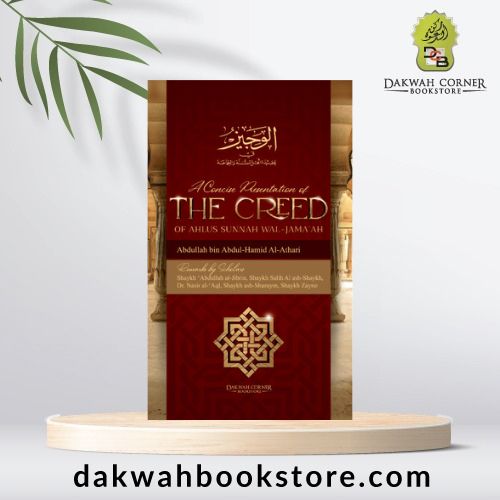
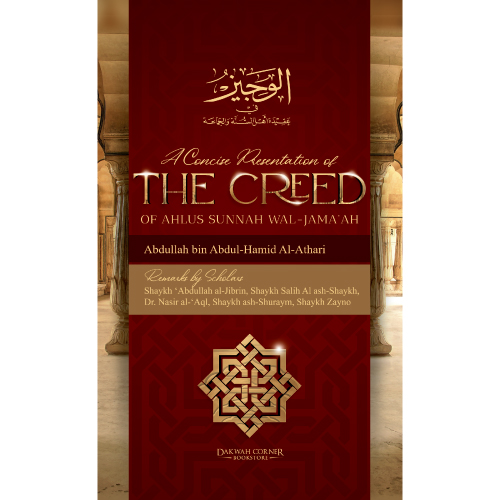
A Concise Presentation Of The Creed Of Ahlul Sunnah Wal Jama’ah
4.7 ★
4.7 ★
3 Ratings
5 ★
2
4 ★
1
3 ★
0
2 ★
0
1 ★
0
Highlights:
A Concise presentation of THE CREED OF AHLUS SUNNAH WAL-JAMA’AH: is an explanation on the beliefs of the Pious Predecessors of this Ummah. They include the companions, their followers and successors who have followed them in goodness and those who upheld the real and true Islam brought by the last Prophet Muhammad SAW.
RM45.00

101 Seerah Stories and Dua (H/B)
Highlights:
101 Seerah Stories and Dua is a richly illustrated collection of 101 great stories told in simple language that children will easily understand and relate to. Each story comes with delightful illustrations and a beautiful prayer. The book includes well known tales from the life of the Prophet Muhammad — the Year of Elephant, the birth and childhood of the Prophet, the revelation of the Quran, the first Muslims, opposition of the Quraysh, the spread of Islam and migration to Madinah to name a few. It’s a unique experience the whole family will cherish and revisit again and again!
RM50.00
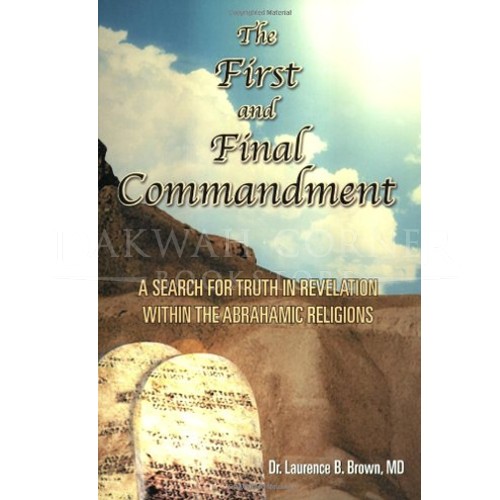
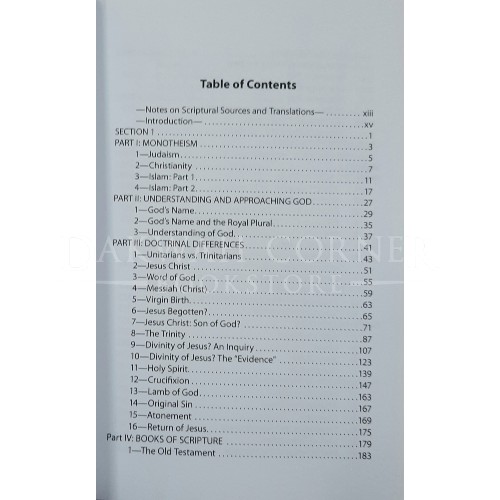
The First and Final Commandment (2nd Edition)
Highlights:
“A search for truth in revelation within the Abrahamic religions.”
RM165.00

The Middle Path of Moderration in Islam (H/B)
Highlights:
In The Middle Path of Moderation in Islam, leading Islamic law expert Mohammad Hashim Kamali examines the concept of wasatiyyah, or moderation, arguing that scholars, religious communities, and policy circles alike must have access to this governing principle that drives the silent majority of Muslims, rather than focusing on the extremist fringe. Kamari explores wasatiyyah in both historical/conceptual terms and in contemporary/practical terms. Tracing the definition and scope of the concept from the foundational sources of Islam, the Qu’ran and Hadith, he demonstrates that wasatiyyah has a long and well-developed history in Islamic law and applies the concept to contemporary issues of global policy, such as justice, women’s rights, environmental and financial balance, and globalization.
Framing his work as an open dialogue against a now-decades long formulation of the arguably destructive Huntingtonian “clash of civilizations” thesis as well as the public rhetoric of fear of Muslim extremism since the attacks of September 11, 2001, Kamali connects historical conceptions of wasatiyyah to the themes of state and international law, governance, and cultural maladies in the Muslim world and beyond. Both a descriptive and prescriptive meditation on a key but often neglected principle of Islam, The Middle Path of Moderation in Islam provides insight into an idea that is in the strategic interest of the West both to show and practice for themselves and to recognize in Muslim countries.
RM189.00
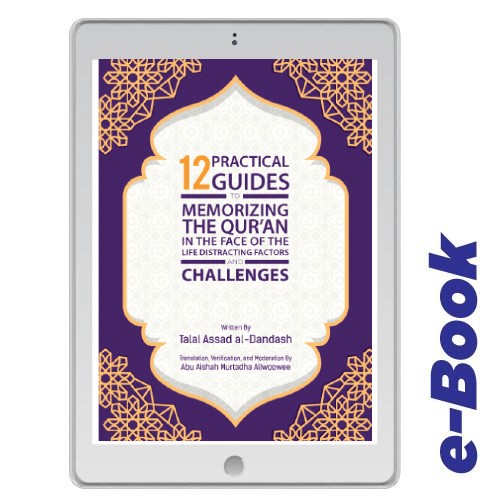
(FREE -ebook) 12 Practical Points to Memorizing the Qur’an
Highlights:
The ebook is free to download. Once the book is ready in store, you can purchase it here
The Holy Qur’an was revealed upon the Prophet
Muhammad ﷺ through the Archangel Jibril as. The Prophet Muhammad ﷺ responded by saying, “I cannot read.” Thereupon, Jibril as embraced the
Prophet ﷺ until he uttered “Iqra bismirabbikal-ladhi khalaq.”
For every Muslim, it is a must to learn and memorize the Holy Qur’an, for its significance involves directly in a believer’s faith, daily actions and conduct. This short book, 12 PRACTICAL GUIDES TO MEMORIZING THE QUR’AN, serves as a starting point in which readers can begin their journey to better memorizes the Holy Qur’an.Through these quick and practical steps, biiznillah, memorization will no longer be troublesome and tedious. May Allah swt reward every one of us that strived toward learning the word of Allah by heart.
RM0.00
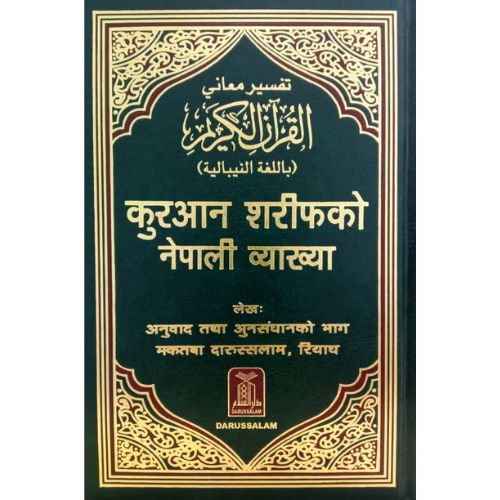
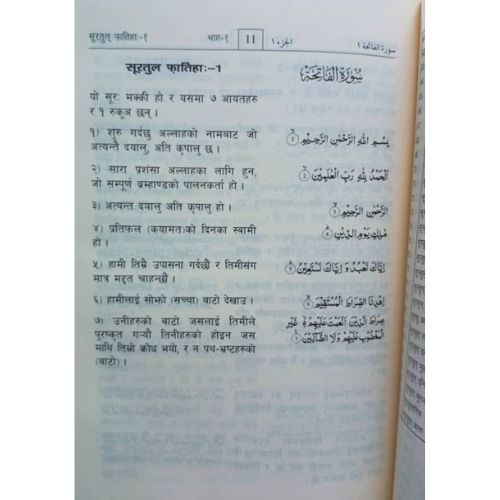
Qur’an Nepali Translation
Highlights:
Quran in Nepali Language ( Arabic To Nepali Translation)
The Noble Quran was Translated into Nepali with Arabic script included.
RM95.00
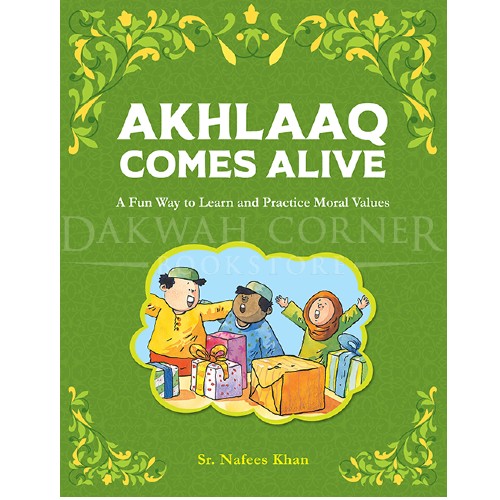
Akhlaaq Comes Alive (P/B)
Highlights:
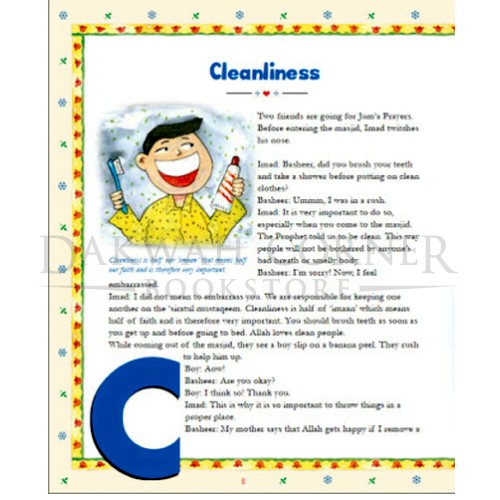
Often elders find it difficult to find a fun way to teach children akhlaaq, that is, moral values and good manners in Islam. All About Akhlaaq, being a fun book, will aid them in this. Designed for use at home and school, it covers a wide range of moral issues and the occasions in daily life when good manners are essential. Colourful and story-filled, with an easy-to-use format and short skits, it will give a better understanding of each akhlaaq by encouraging children, parents and teachers to engage in role playing. Each theme, listed alphabetically, is expressed in simple language and has attractive illustrations on every page. What better way to learn akhlaaq than by acting it out! So, be active and practice akhlaaq!
RM25.00
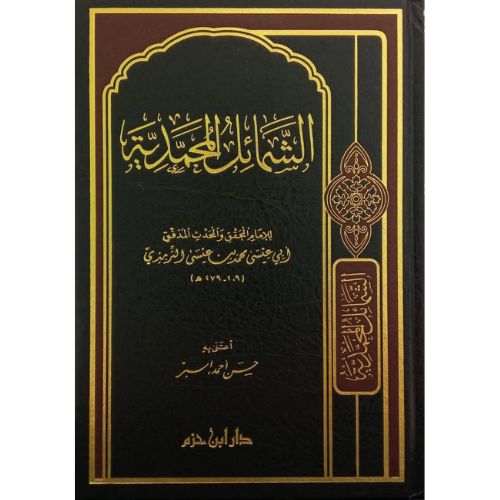
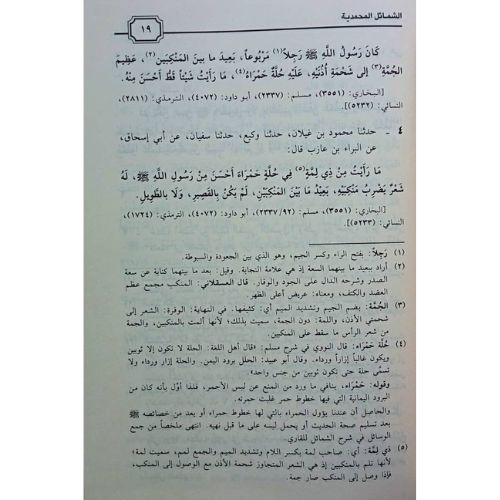
[SB] Ash-Shama’il al-Muhammadiyyah / الشمائل المحمدية
Highlights:
الشرح الميسر على ألفية ابن مالك في النحو والصرف – د. عبد العزيز بن علي الحربي
RM40.00
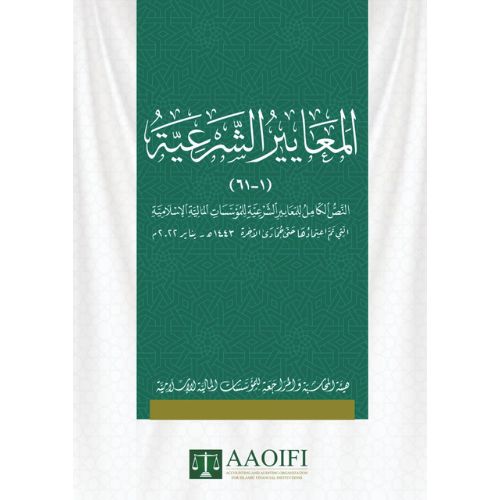
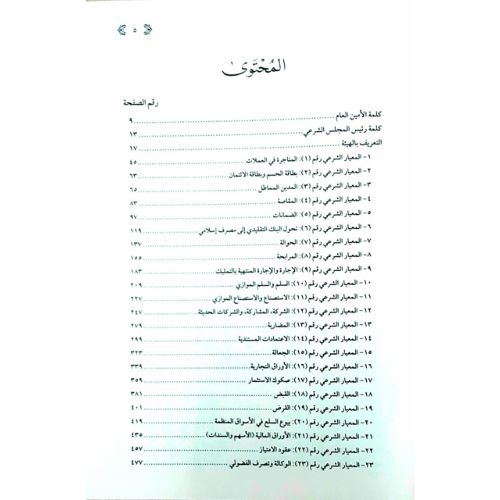
[AE] Al Maa’yir Ash Shari’ah (Shari’ah Standard) / المعايير الشرعية
Highlights:
من أهم ما أنتجه الاجتهاد الفقهي المعاصر في فقه المعاملات المالية، وقد عالجت محتوياته تفصيلاتِ جزءٍ كبيرٍ من عقود الصناعة المالية الإسلامية ومنتجاتها (بما تشتمل عليه من مصرفية، وتكافل، ومصرفية استثمارية، وأسواق المال ومنتجاتها، وتمويل، وغيرها).وقد جُع
RM385.00
There are no reviews yet.