| Weight | 1.48 kg |
|---|---|
| Dimensions | 24.5 × 17.5 × 4.5 cm |
| Author | |
| Pages | 992 |
| Binding | Hardcover |
| ISBN | 9786038358184 |
| Publisher | Al Durar AsSanniyah |
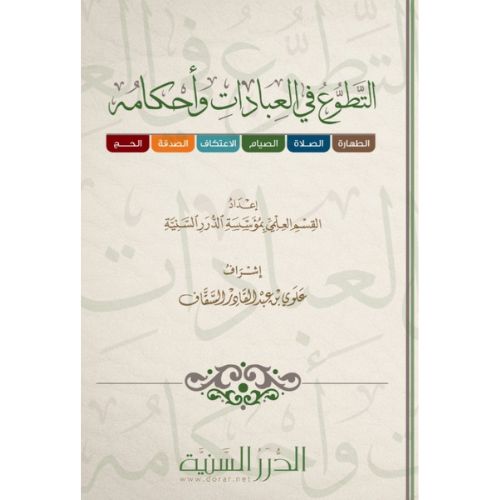
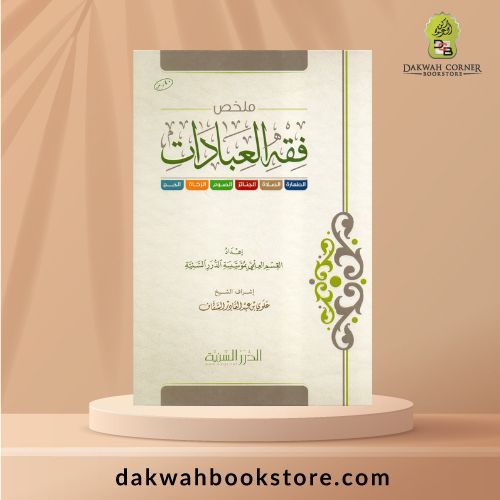
[SJ] Mulkhas Fiqh Al Ibadat / ملخص فقه العبادات
RM99.00
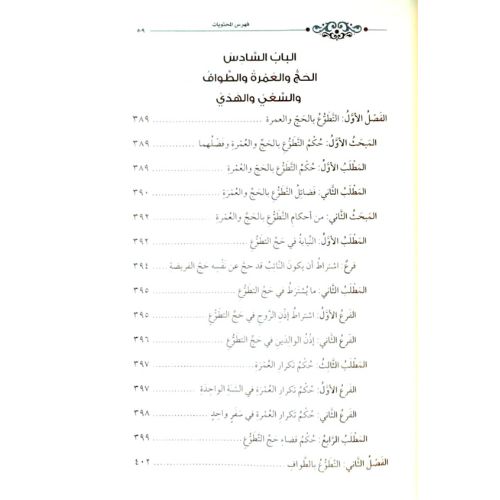
ملخص فقه العبادات من إعداد القسم العلمي بمؤسسة الدرر السنية، جُمع فيه مسائل أبواب: (الطهارة – الصلاة – الجنائز- الصوم – الزكاة – الحج) ، وبلغ عدد المسائل أكثر من 2300 مسألة فقهية. يمتاز الكتاب بسهولة العبارة، وحسن الترتيب والتبويب، والوضوح، والإختصار. نفع الله به
Frequently Bought Together
Be the first to review “[SJ] Mulkhas Fiqh Al Ibadat / ملخص فقه العبادات” Cancel reply
You must be logged in to post a review.
Related Products
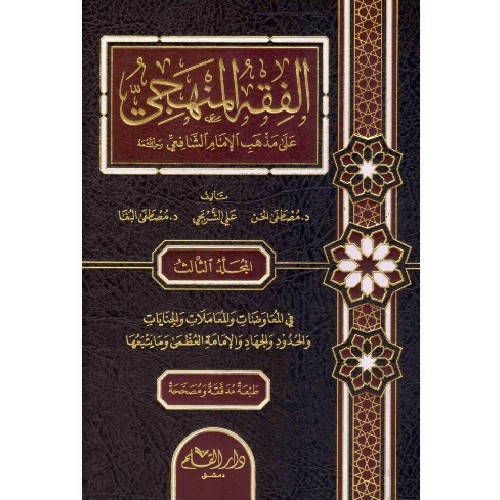
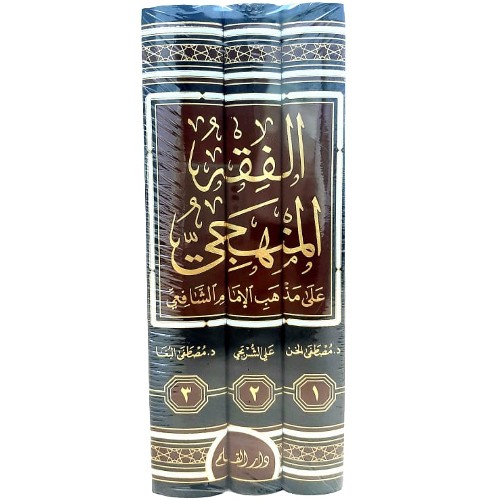
[SJ] Al-Fiqh al-manhaji al-Qalam (3 Vols) (الفقه المنهجي – القلم (طبعة فاخرة))
الفقه المنهجي 3/1 – القلم
أحد المذاهب الفقهيّة السنيّة الكبرى المنتشرة في العالم الإسلاميّ، وسمّي بهذا الاسم نسبة إلى الإمام الشافعيّ رحمه الله تعالى؛
والمنهج الشافعيّ ينزع إلى تشكيل نسق منسجم مع نفسه، من خلال عدم رفض أيّ حديث صحيح،
والتأكيد على وضوح قواعد التخريج، والبعد عن التناقض الداخليّ، ومحاولة رسم بناء
متكامل تأخذ فيه جميع النصوص مواقعها وتأثيراتها النسبيّة.
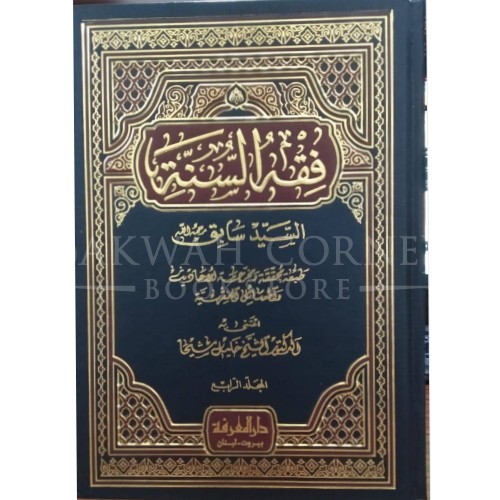
[SJ] Fiqh al-Sunnah by Sayyid Sabiq (4 Vols) / فقه السنة لسيد سابق
The famous book of Fiqh by Shaykh Sayyed Saabiq, clear and simple, accented with many daleel, in three volumes.
We advise you to read and accompanied by extensive notes and detailed corrections of Sheikh al-Albani with his book al-Tamaam Minnah, sold on the site.
Shaykh Al-Albani has praised this book : “Certainly, the book Fiqhus-Sunnah of Shaykh Sayid Saabiq is among the finest books written in his field, I met by chance by its excellent organization, clear writing style and lack of complex expressions found in many books of Fiqh … “(Tamam al-Minna, p.10)
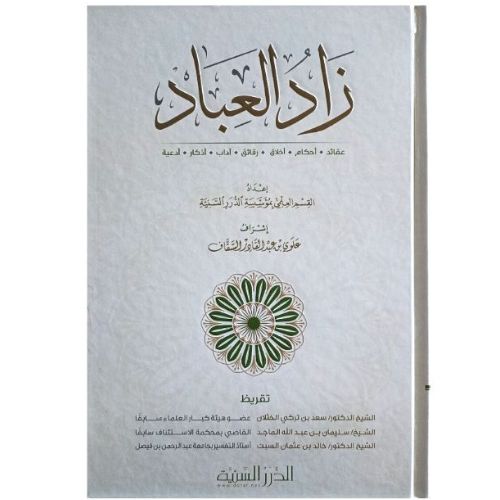
[SJ] Zad Al Abad (زاد العباد)
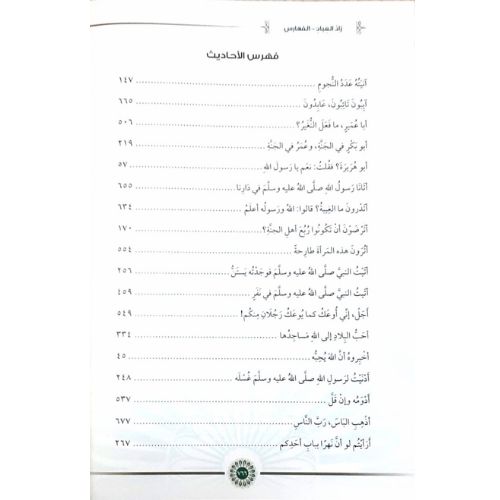
صدر حديثًا كتاب “زاد العباد”، إعداد: “القسم العلمي بمؤسسة الدرر السنية”، إشراف: الشيخ “علوي بن عبد القادر السقاف”، نشر “الدرر السنية”.
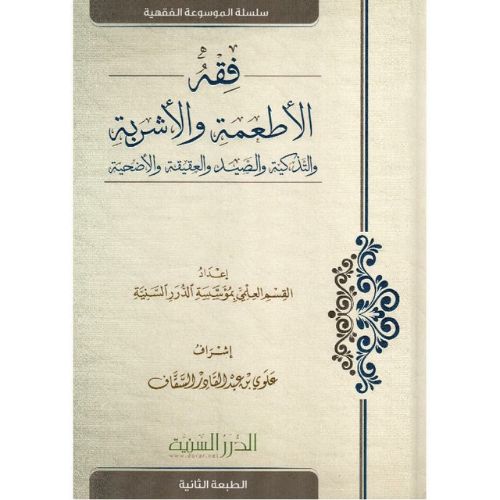
[SJ] Fiqh Al At’amah Wal Ashrabah / فقه الأطعمة والأشربة
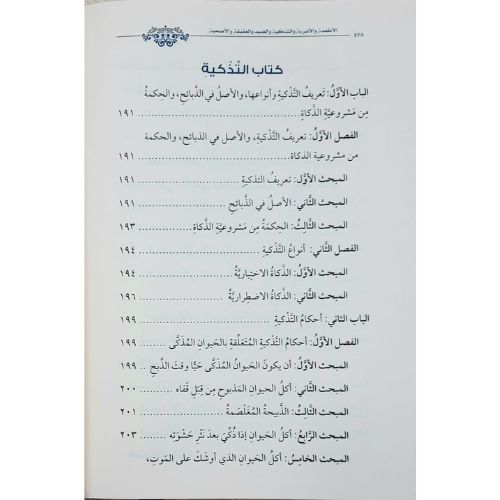
فقه الاطعمة والاشربة والتذكية والصيد و العقيقة والاضحية
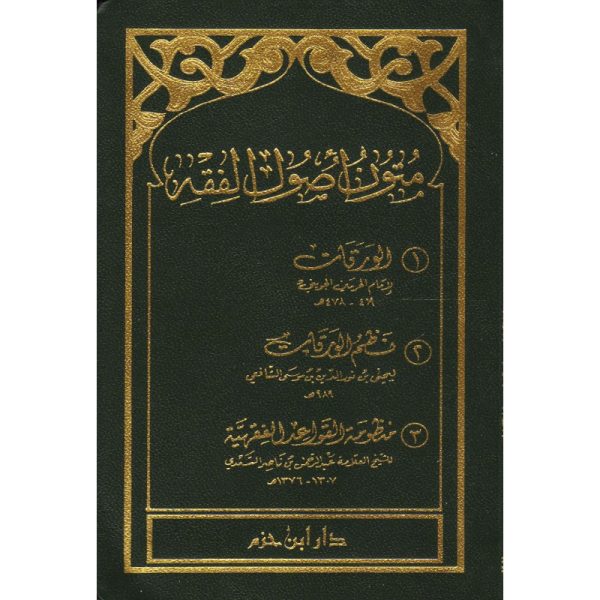
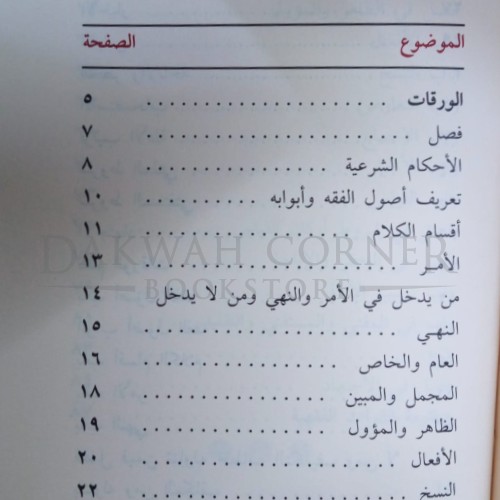
[SJ] Mutunun Usol Fiqh (متون أصول الفقه)
متون النحو (الآجرومية وملحة الإعراب ) لونان ـ شاموا ( 10×15 فلكسي )
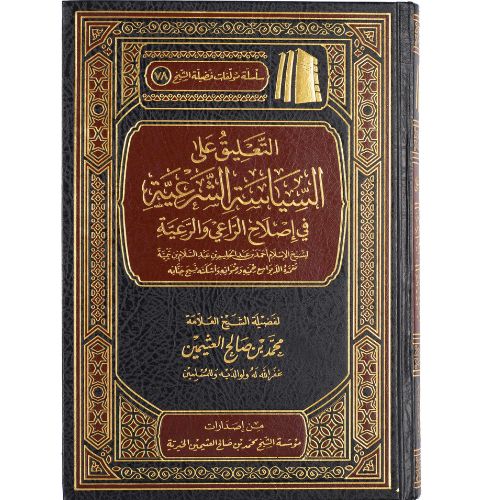
[SJ] Alt’aliq ‘Ala Alsiyasah Alshar’iah (التعليق على السياسة الشرعية)
تعليق وتفصيل ثري النّفع، وغزير الفائدة للشيخ ابن عثيمين رحمه الله على كتاب العلامة شيخ الإسلام ابن تيمية (السياسة الشرعية في أحوال الراعي والرعية)، والذي فيه منفعة للحكام في إدارة كافة شؤون الدولة في ظلّ الشرع، يتكلّم فيه عن اختيار الحاكم، وعن العدل والأمانات، وعن بعض الأحكام الشرعية وحدودها، ويخصّ حدّ الإعدام ويفصل فيه، والمعاملات وغيرها من الأمور.
Recently Viewed
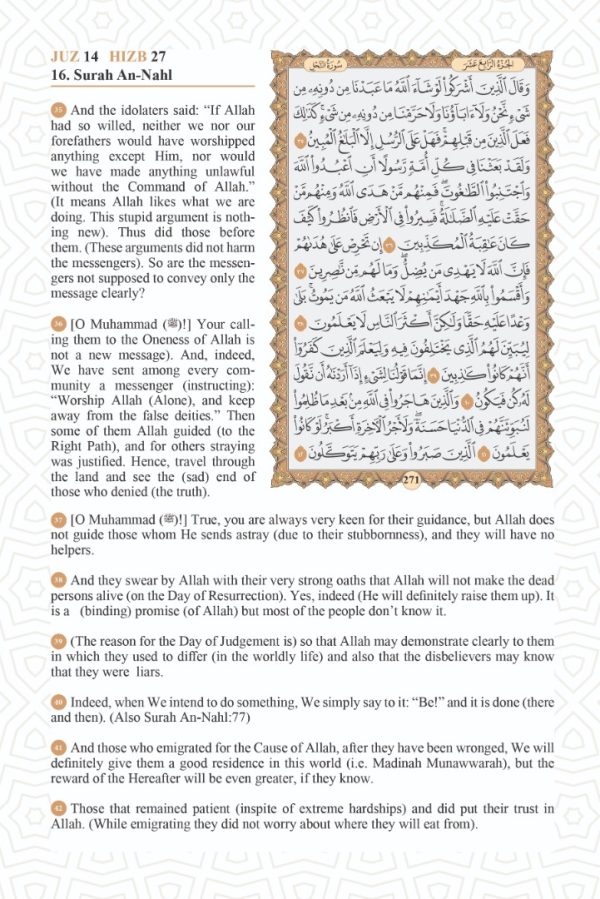
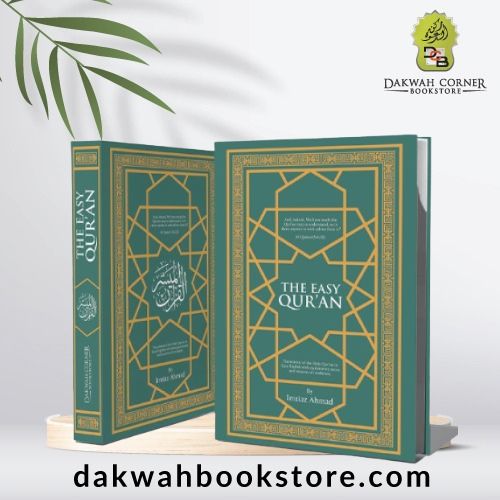
The Easy Qur’an New (Full Arabic Page) 6×9
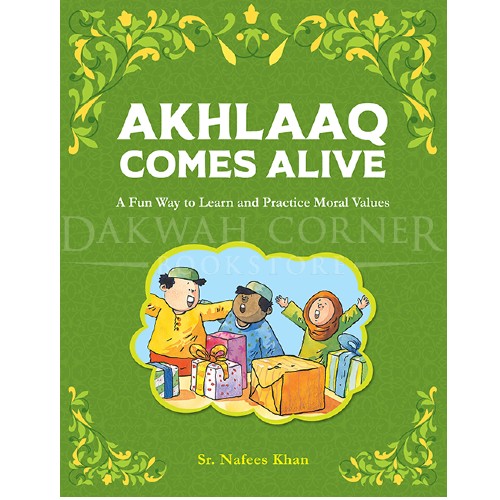
Akhlaaq Comes Alive (P/B)
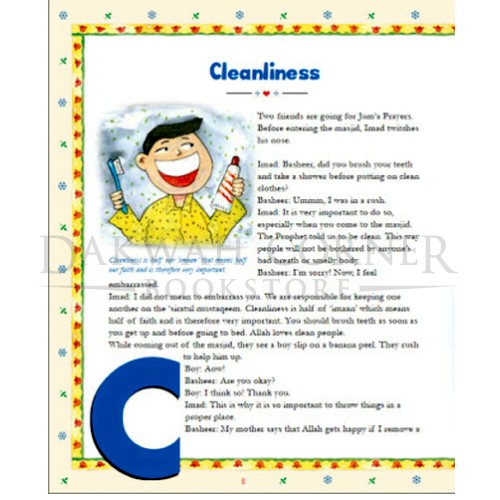
Often elders find it difficult to find a fun way to teach children akhlaaq, that is, moral values and good manners in Islam. All About Akhlaaq, being a fun book, will aid them in this. Designed for use at home and school, it covers a wide range of moral issues and the occasions in daily life when good manners are essential. Colourful and story-filled, with an easy-to-use format and short skits, it will give a better understanding of each akhlaaq by encouraging children, parents and teachers to engage in role playing. Each theme, listed alphabetically, is expressed in simple language and has attractive illustrations on every page. What better way to learn akhlaaq than by acting it out! So, be active and practice akhlaaq!
The Sources of the Qur’an
“Who is the author of the Qur’an?” On this subject scholars have flagrantly contradicted each other. This work attempts to make a critical review of the major ‘authorship’ theories by pressing into service logical arguments, historical evidence, textual analysis and scientific data. Probably, the only point of agreement about the Qur’an is that it was uttered for the first time by a man who was born in Makkah (Mecca), a city of Arabia, in the sixth century—a man by the name of Muhammad (blessings and peace be upon him). As to the source of the Qur’an, scholars are divided into three main groups: those who believe that Muhammad (blessings and peace be upon him) himself was the author; those who believe that he was not the author himself but learned it from another human author or authors; and those who believe that the Qur’an has no human author but is rather a word-for-word revelation from God. Hamza Njozi examines the three theories and comes to a firm and logical conclusion.
Spiritual Disease and It’s Cure
The Imam was asked a long question of which a part was – What is the opinion of the scholars regarding a man who is afflicted by a disease, and knows that if it should continue it would damage his life? The Imam Quoted the Hadith from Sahih Bukhari The prophet (S) said: ‘Allah has appointed a remedy for every disease He has sent down’ Imam Ahmad reported on the authority of Usamah bin Shareek that the ‘ Prophet (S) said Allah has not made a disease without providing a remedy for it, wih the exception of one disease, namely old age’ This Applies to the medicine for the heart, soul and body. The well being of the servant’s heart, is far more important than that of his body, for while the well being of his body enables him to lead a life that is free from illnesses in this world, that of the heart ensures him both a fortunate life in this world and eternal bliss in the next.
Imam Ibn al-Qayyim al-Jawziyya was born into a scholarly and virtuous family in 691 AH/ 1292 A.D. At that time Damascus was a centre of literature and thought. Many schools were located there and he studied and graduated under the protection, direction and sponsorship of his father. He was particularly influenced by his Shaykh and teacher Imam Ibn Taymiyyah, and also by Ibn ash-Shirazi amongst others. Ibn al-Qayyim al-Jawziyya died in the city of Damascus the year 751 AH/1350 C.E.,when he was scarcely 60 years old, and was buried at the cemetery of Bab- al-Saghir, near the grave of his father – Rahimahuma Allah.
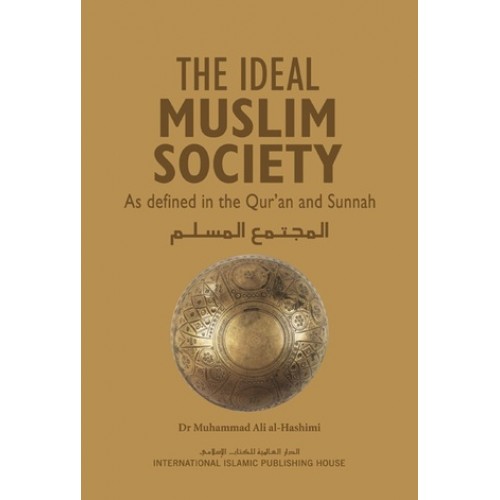
Ideal Muslim Society
From the translator, Nasiruddin al-Khattab: In a world plagued with wars, racism, political turmoil, economic downturns and social anguish, many people are looking for an alternative in which justice, freedom, decency and common sense will prevail. Such societies have existed in the past, in the golden eras of Islamic civilization, and we have the hope that, if Allah wills, such a society may appear again. In The Ideal Muslim Society, Dr. Muhammad ‘Ali al-Hashimi gives us a detailed picture of what this society would look like. Drawing on his extensive research of Islamic history and contrasting the ideal with the sorry state of affairs in human societies today, he explores the religious, political, economic, social and other facets of this ideal society, illustrating everything from the responsibilities of those in authority to the interactions between individuals on the humblest levels. For those who are longing to see a better world, this book offers practical ideas and hope.
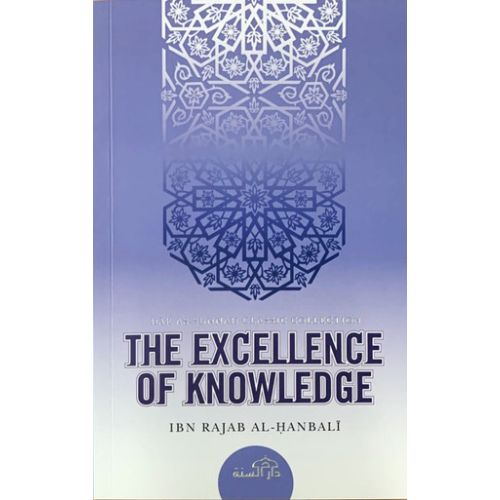
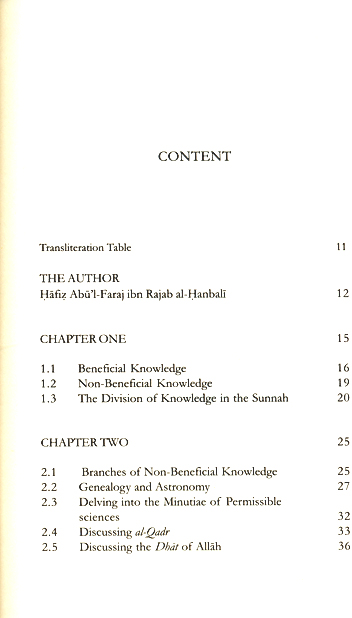
The Excellence of Knowledge (Dar as-Sunnah Publishers)
The way and wisdom of the Salaf, all goodness lies in traversing the way of the Salaf, beneficial Knowledge with regards the ‘Inner Sciences’, the foundation of knowledge and many other branches of the beneficial knowledge.
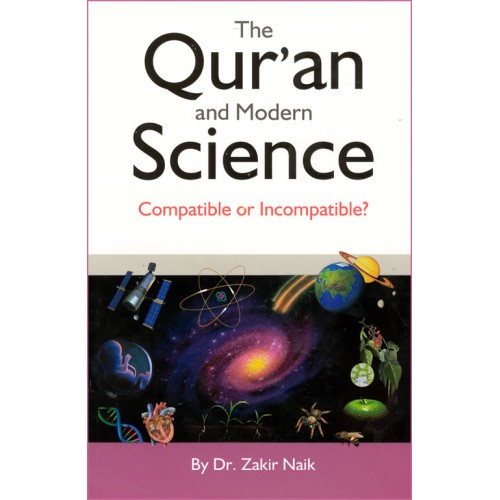
The Quran & Modern Science: Compatible or Incompatible? (P/B)
Ever since the dawn of human life on this planet, Man has always sought to understand Nature, his own place in the scheme of Creation and the purpose of Life itself. In this seek for Truth, spanning many centuries and diverse civilizations, the course of history has been determined to a large extent by organizing religion which has shaped human life. While some religions have been based on books as claimed by their adherents to be divinely inspired, others have relied only on human experience.
The main source of the Islamic faith, Al-Qur’an, is a book believed by Muslims, to be of fully Divine origin. It is also believed by Muslims that it contains Divine guidance for all humankind. As the message of Quran is believed to be for all times, it should be relevant to every age. Does the Qur’an pass this test? I intend to give an objective analysis of the Muslim belief in this booklet regarding the Divine origin of the Qur’an, in the light of established scientific discoveries.
In the history of world civilization there was a time when ‘miracles’, or what was perceived to be a miracle, took precedence over human reason and logic. But how do we define the term ‘miracle’? A miracle is anything that takes place out of the normal course of life and for which humankind has no explanation. Though, we must be careful before we accept something as a miracle. An article in `The Times of India’, Mumbai, in 1993 reported that ‘a saint’ by the name ‘Baba Pilot’ claimed to have stayed continuously submerged under water in a tank for three consecutive days and nights.
But he refused the reporters to examine the base of the tank of water where he claimed to have performed this ‘miraculous’ feat. He argued by asking as to how one could examine the womb of a mother that gives birth to a child. The `Baba’ was hiding something and it was considered to be a gimmick simply to gain publicity.
Certainly, no contemporary man with even the slightest inkling towards rational thinking would accept such a ‘miracle’. We would have to accept Mr. P.C. Sorcar, the world famous magician known for his ingenious magical tricks and illusions, as the best god-man if such false miracles are the tests of divinity.
A book, claiming Divine origin, is in effect, claiming to be a miracle. Such a claim should be easily verifiable in any age, as per the standards of that age. It is believed by the Muslims that the Quran is the last and final revelation of God, the miracle of miracles revealed as a mercy to humankind. Both Quran and science are related. Let us therefore scrutinize the veracity of this belief.
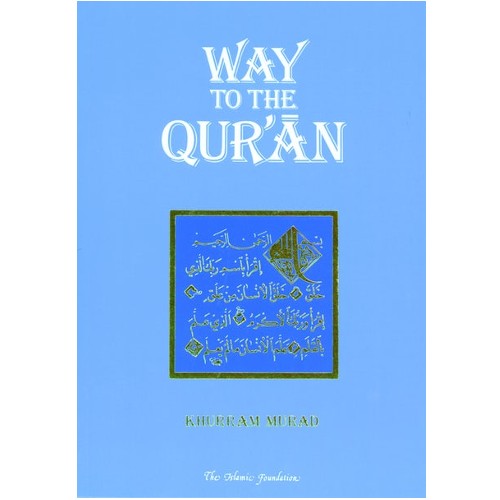
Way To The Quran
An authoritative and accessible study guide that covers what the Book means to the believers and sets out the essential prerequisites of body, mind, and heart that serve to light up the inner life with the Qur’anic worldview; the etiquette of reciting, reading, and understanding the Qur’an; how to study the Qur’an collectively; and how to live by its teachings.
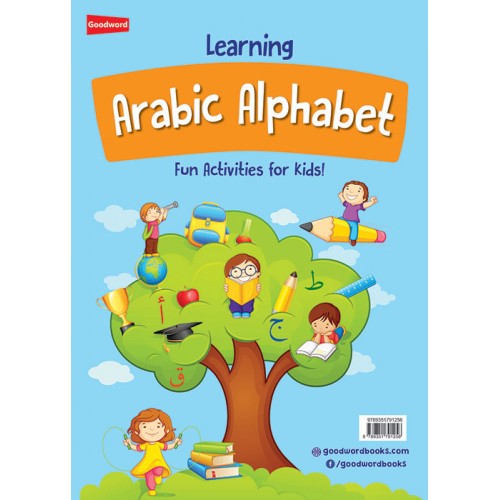
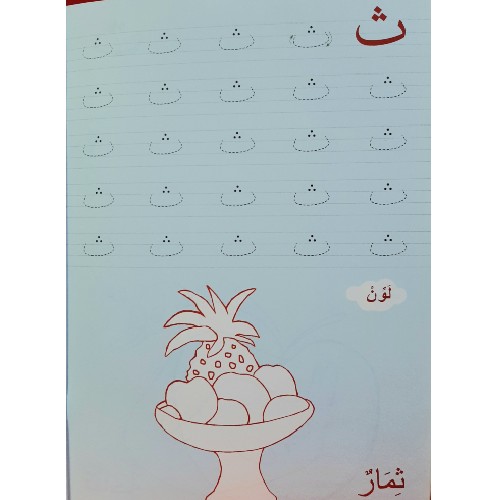
Learning Arabic Alphabet
Fun activities for kids to learn the Arabic alphabet!
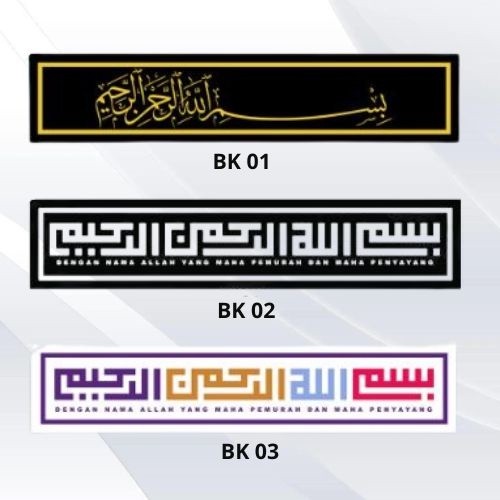
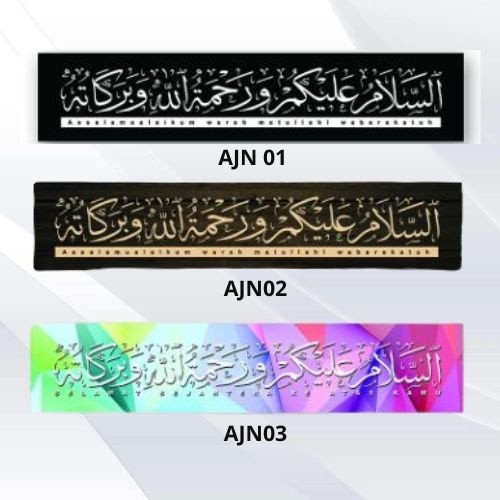
Frame Khat BISMILLAH dan ASSALAMUALAIKUM
FRAME KHAT: ASSALAMUALAIKUM DAN BISMILLAH.
✔1 panel frame
✔Material : 440gsm Tarpaulin dengan kemasan frame kayu
✔High Quality Printing : 1200dpi
✔UV Ink untuk image yang lebih kemas
✔Warna yang menyerlah dan tahan lama
✔Kalis air dan mudah dibersihkan
✔2pcs hook dipasang di bahagian belakang
✔Frame Saiz : 24 X 5inci
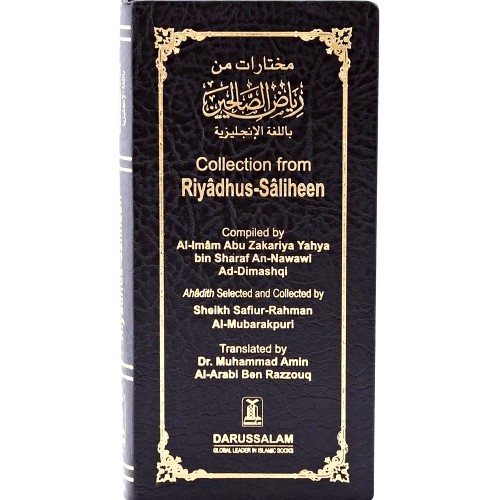
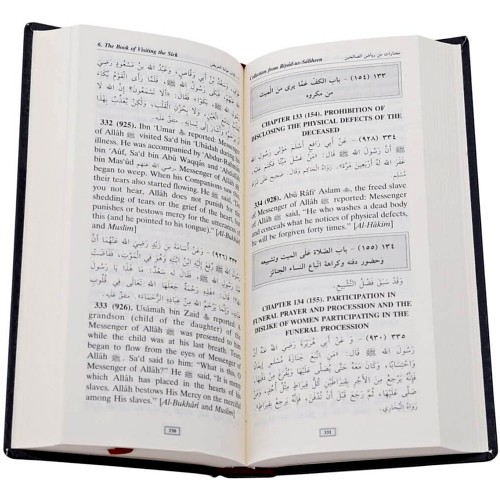
Collection from Riyadhus Saliheen (Tall Edition)
Imam Nawawi the great Hadith and Fiqh scholar compiled Riyad-us-Saliheen which acclaimed an important position in the Hadith Collections.
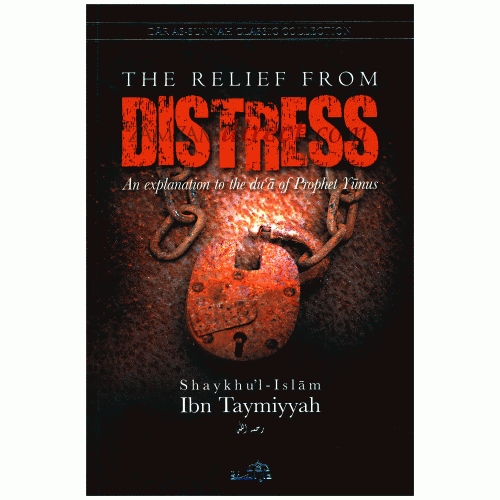
The Relief From Distress : An Explanation to the dua of Prophet Yunus (P/B)
Shaykh al-Islam Ibn Taymiyyah, may Allah sanctify his soul, was asked about the saying of the Prophet (pbuh),
The invocation of my brother Yunus, “none has the right to be worshipped save You; glory be to You, far removed are You from any imperfection; I have been amongst the wrong-doers,” none who is experiencing difficulty employs it except that Allah would relieve him of his difficulty.
What is the meaning of this du’a (prayer, supplication)?
Are their any unstated conditions that have to be met when one articulates it?
What is the connection between belief in the heart and the meaning of this supplication such that it leads to the removal of difficulty?
Why did he explicitly confess, ‘I have been amongst the wrong-doers’ when it is known that tawhid in itself leads to the removal of difficulty?
Is it sufficient to acknowledge ones’ sin alone, or must this be accompanied by repentance and the firm resolve not to repeat that sin in the future?
Why is it that difficulty and harm is removed only when a person relinquishes any hope, reliance and dependency upon the creation?
How can the heart relinquish the characteristic of putting hope in the creation and depending on them, and instead put its hope in Allah, Exalted is He, and turn to Him in its entirety?
What are the methods that would aid the heart in doing this?
The author replies to these questions in the form of this book.
Islam The Straight Path
This updated version of Islam: The Straight Path includes a new Epilogue by John Esposito in which he addresses the impact 9/11 and its aftermath have had on both the Muslim and non-Muslim world, discussing Islam’s relationship to democracy and modernity and focusing more sharply on the origins and growth of extremism and terrorism in the name of Islam. This exceptionally successful survey text introduces the faith, belief, and practice of Islam from its earliest origins up to its contemporary resurgence. Esposito, an internationally renowned expert on Islam, traces the development of this dynamic faith and its impact on world history and politics, discussing the formation of Islamic belief and practice and chronicling the struggle of Muslims to define and adhere to their Islamic way of life. Lucidly written and expansive in scope, Islam: The Straight Path provides keen insight into one of the world’s least understood religions and is ideally suited for use in courses on Islam, comparative religions, and Middle Eastern history and culture.


There are no reviews yet.