| Weight | 1.48 kg |
|---|---|
| Dimensions | 24.5 × 17.5 × 4.5 cm |
| Author | |
| Pages | 992 |
| Binding | Hardcover |
| ISBN | 9786038358184 |
| Publisher | Al Durar AsSanniyah |
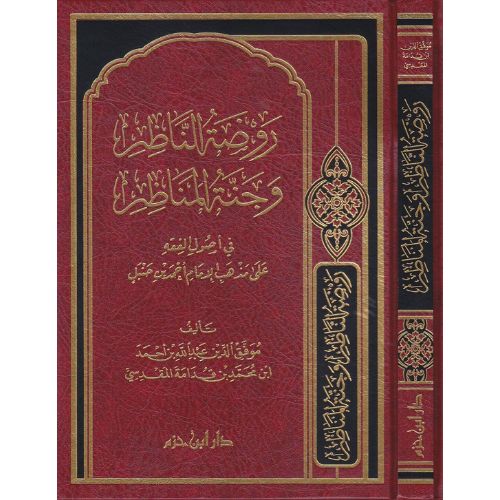
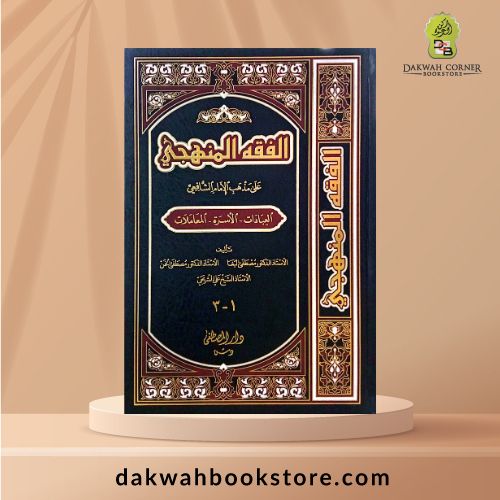
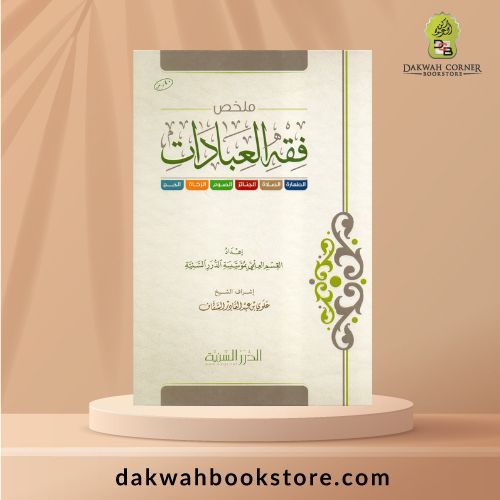
[SJ] Mulkhas Fiqh Al Ibadat / ملخص فقه العبادات
RM99.00
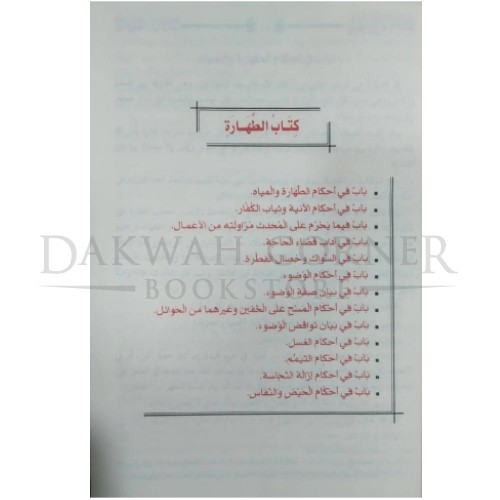
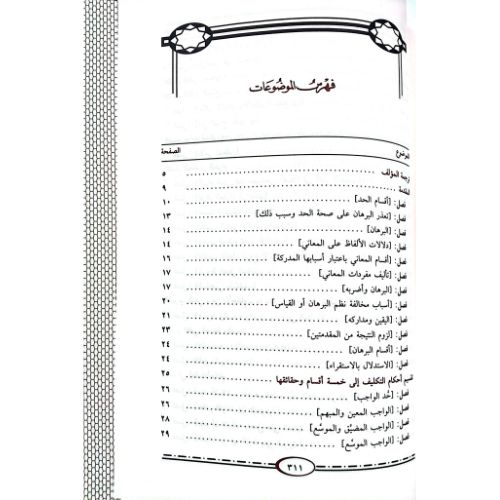
ملخص فقه العبادات من إعداد القسم العلمي بمؤسسة الدرر السنية، جُمع فيه مسائل أبواب: (الطهارة – الصلاة – الجنائز- الصوم – الزكاة – الحج) ، وبلغ عدد المسائل أكثر من 2300 مسألة فقهية. يمتاز الكتاب بسهولة العبارة، وحسن الترتيب والتبويب، والوضوح، والإختصار. نفع الله به
Frequently Bought Together
Be the first to review “[SJ] Mulkhas Fiqh Al Ibadat / ملخص فقه العبادات” Cancel reply
You must be logged in to post a review.
Related Products
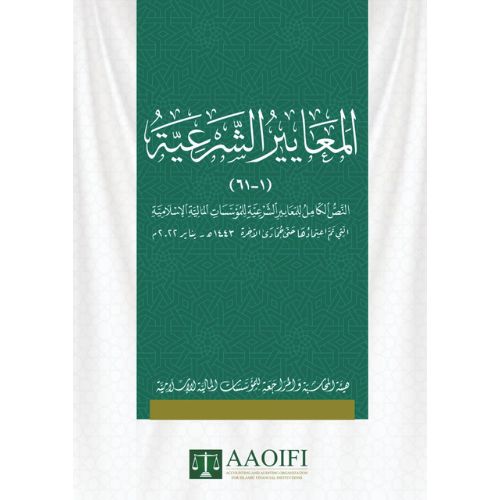
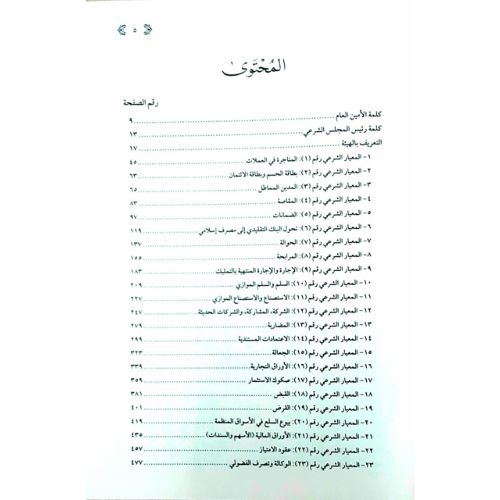
[AE] Al Maa’yir Ash Shari’ah (Shari’ah Standard) / المعايير الشرعية
من أهم ما أنتجه الاجتهاد الفقهي المعاصر في فقه المعاملات المالية، وقد عالجت محتوياته تفصيلاتِ جزءٍ كبيرٍ من عقود الصناعة المالية الإسلامية ومنتجاتها (بما تشتمل عليه من مصرفية، وتكافل، ومصرفية استثمارية، وأسواق المال ومنتجاتها، وتمويل، وغيرها).وقد جُع
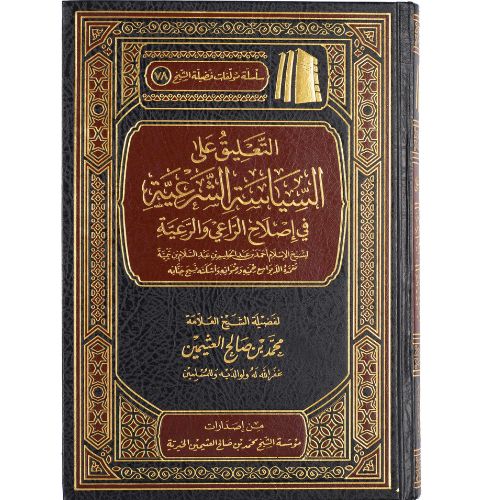
[SJ] Alt’aliq ‘Ala Alsiyasah Alshar’iah (التعليق على السياسة الشرعية)
تعليق وتفصيل ثري النّفع، وغزير الفائدة للشيخ ابن عثيمين رحمه الله على كتاب العلامة شيخ الإسلام ابن تيمية (السياسة الشرعية في أحوال الراعي والرعية)، والذي فيه منفعة للحكام في إدارة كافة شؤون الدولة في ظلّ الشرع، يتكلّم فيه عن اختيار الحاكم، وعن العدل والأمانات، وعن بعض الأحكام الشرعية وحدودها، ويخصّ حدّ الإعدام ويفصل فيه، والمعاملات وغيرها من الأمور.
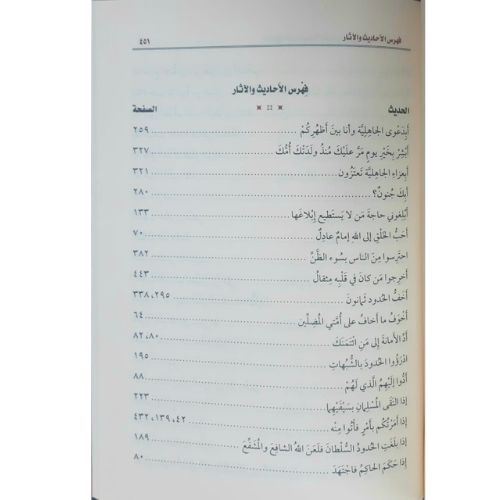
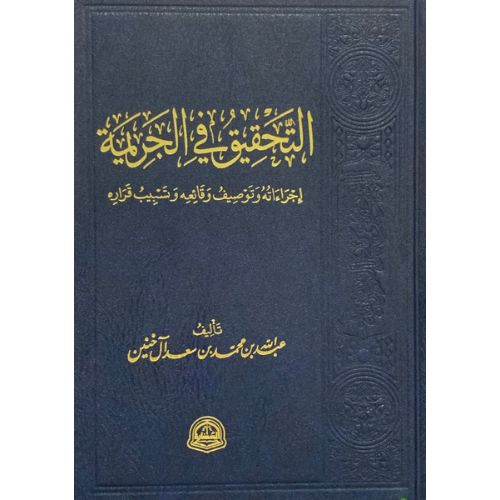
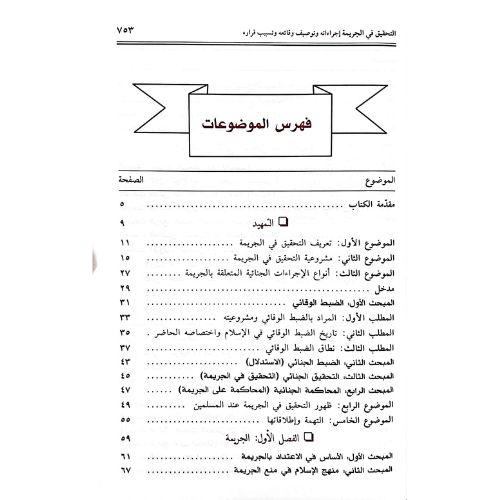
[QJ] Al Tahqiq Fi Al Jarimah Al Ajraatiha Watawsif / التحقيق في الجريمة اجراءاته وتوصيف وقائعه وتسبيب قراره
وفيه خمسة مواضيع :
الموضوع الأول : تعريف التحقيق في الجريمة.
الموضوع الثاني : مشروعية التحقيق في الجريمة.
الموضوع الثالث : أنواع الإجراءات الجنائية المتعلقة بالجريمة.
الموضوع الرابع : ظهور التحقيق في الجريمة عند المسلمين.
الموضوع الخامس: التهمة وإطلاقاتها.
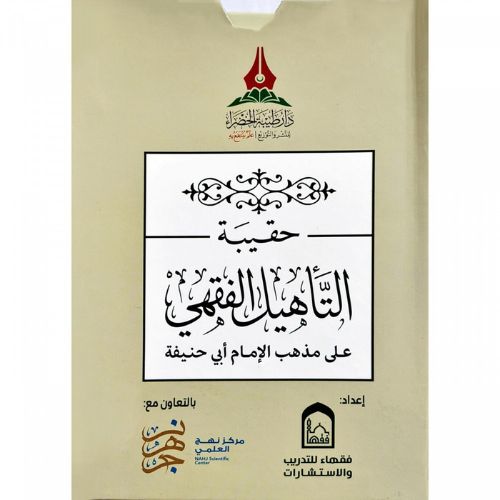
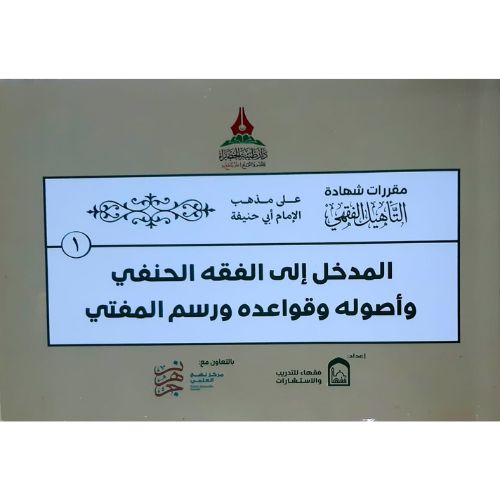
[SJ] Haqibah Al Ta’hil Al Mazhab Al Hanafi حقيبة التأهيل الفقهي المذهب الحنفي 1×5 ط ( 1 )
حقيبة التاهيل الفقهي على مذهب الامام ابي حنيفة 5/1
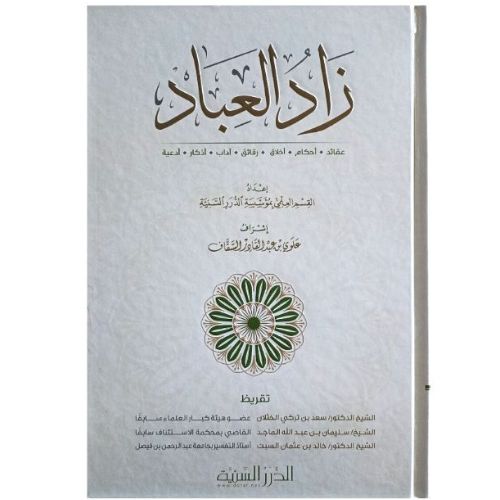
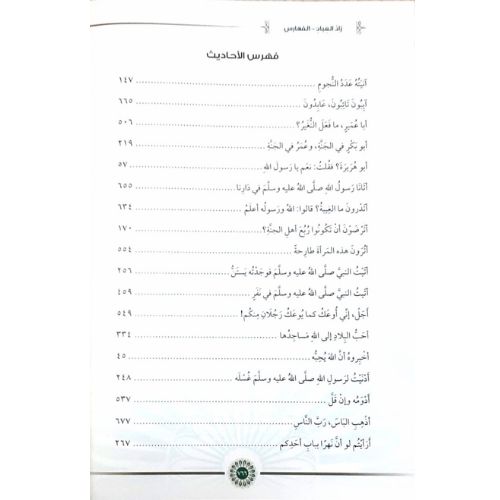
[SJ] Zad Al Abad (زاد العباد)
صدر حديثًا كتاب “زاد العباد”، إعداد: “القسم العلمي بمؤسسة الدرر السنية”، إشراف: الشيخ “علوي بن عبد القادر السقاف”، نشر “الدرر السنية”.
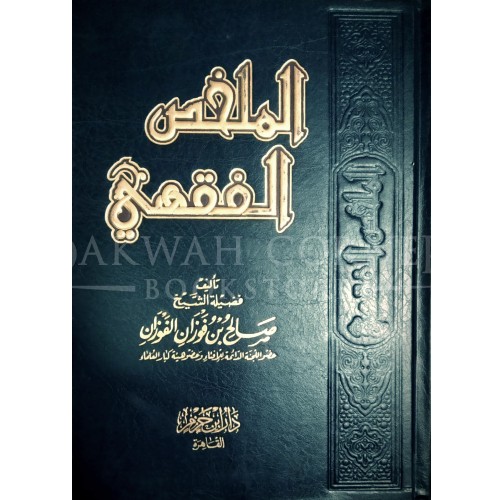
[SJ] A Summary Of Islamic Jurisprudence (الملخص الفقهي)
‘A Summary of Islamic Jurisprudence 1-2’ Dr. Saleh bin Fawzan al-Fawzan. This is an easy but important book which shows the shar’ia rulings and their evidences. It contains basic topics important to the Muslim, e.g. purification, prayer, zakah, fasting, pilgrimage, and shows other rulings e.g. trade transactions, partnership, sharecropping and renting, reclamation of wastelands and possession of allowable objects, inheritance, marriage, divorce…
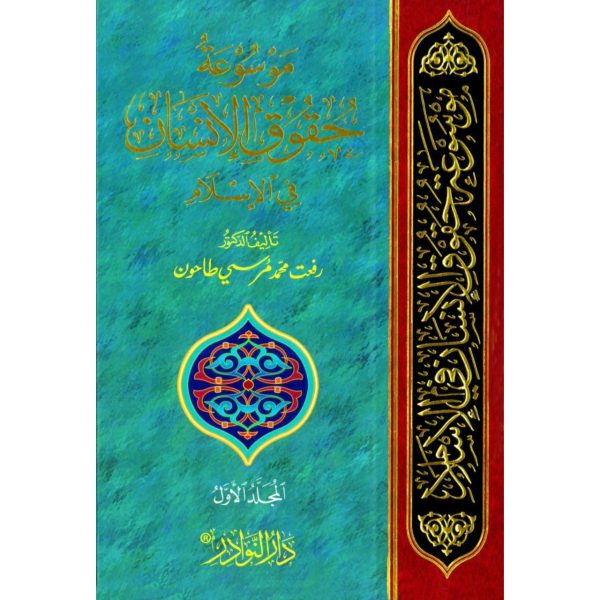
[SJ] Mausueat Huquq AL-insan Fe Al-Islam (1/6 Vols) – موسوعة حقوق الإنسان في الإسلام
يُعتَبرُ هذا الكتابُ صرخةً موجَّهةً إلى الشُّعوبِ الإِسْلاميةِ وإلى وُلاةِ الأمرِ فيها, باعتبار أنَّ الإسلامَ هو خاتَمُ رِسالاتِ السَّماء، وأنَّ الشريعةَ الإسلاميةَ هي المَصدرُ الأساسيُّ لكلِّ الحُقُوقِ والحُرِّيَّاتِ الأساسِيَّةِ للإنسان منذُ أكثرَ مِنْ أربعةَ عشَرَ قَرْناً.
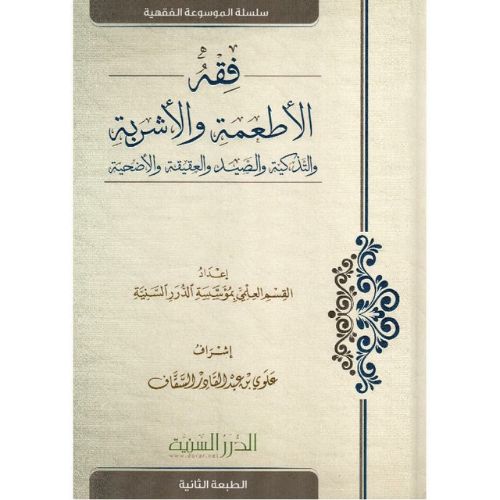
[SJ] Fiqh Al At’amah Wal Ashrabah / فقه الأطعمة والأشربة
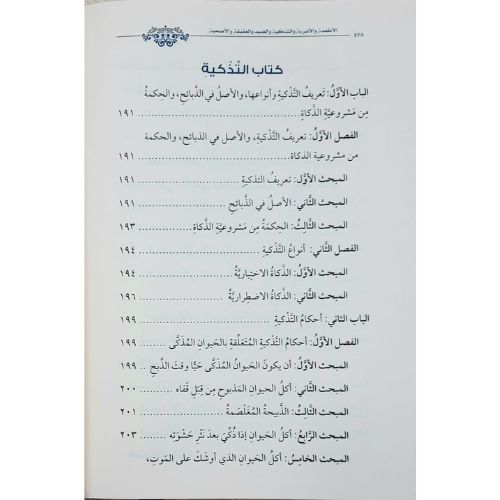
فقه الاطعمة والاشربة والتذكية والصيد و العقيقة والاضحية
Recently Viewed
Islamic Guideline on Medicine
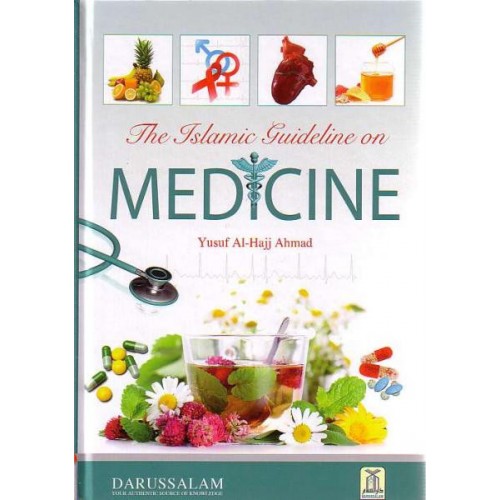
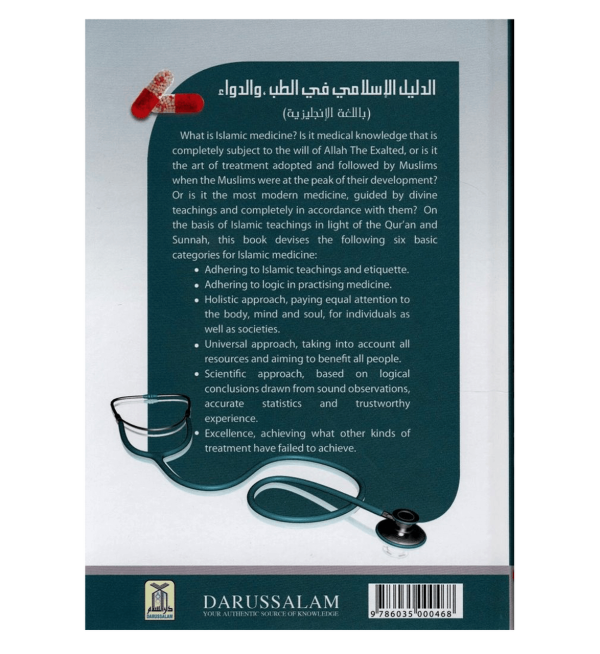
What is Islamic medicine? Is it medical knowledge that is completely subject to the will of Allah The Exalted, or is it the art of treatment adopted and followed by Muslims when the Muslims were at the peak of their development? Or is it the most modern medicine, guided by divine teachings and completely in accordance with them?
On the basis of Islamic teachings in light of the Qur’an and Sunnah, this book devises the following six basic categories for Islamic medicine:
- Adhering to Islamic teachings and etiquette.
- Adhering to logic in practicing medicine.
- Holistic approach, paying equal attention to the body, mind and soul, for individuals as well as societies.
- Universal approach, taking into account all resources and aiming to benefit all people.
- Scientific approach, based on logical conclusions drawn from sound observations, accurate statistics and trustworthy experience.
- Excellence, achieving what other kinds of treatment have failed to achieve.
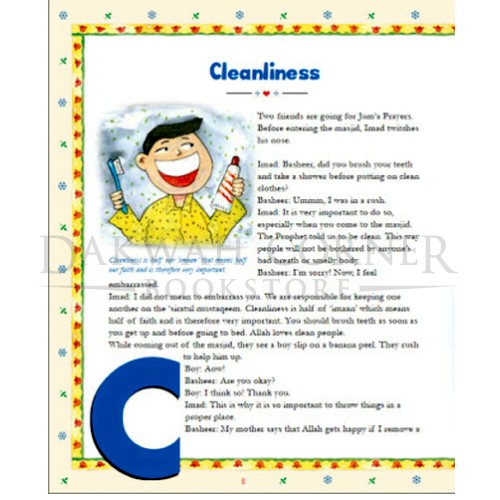
Akhlaaq Comes Alive (P/B)
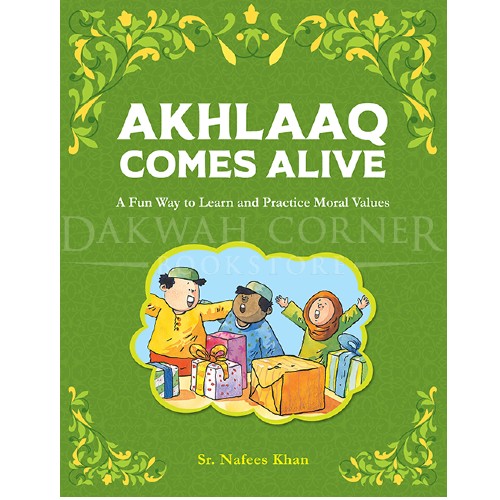
Often elders find it difficult to find a fun way to teach children akhlaaq, that is, moral values and good manners in Islam. All About Akhlaaq, being a fun book, will aid them in this. Designed for use at home and school, it covers a wide range of moral issues and the occasions in daily life when good manners are essential. Colourful and story-filled, with an easy-to-use format and short skits, it will give a better understanding of each akhlaaq by encouraging children, parents and teachers to engage in role playing. Each theme, listed alphabetically, is expressed in simple language and has attractive illustrations on every page. What better way to learn akhlaaq than by acting it out! So, be active and practice akhlaaq!
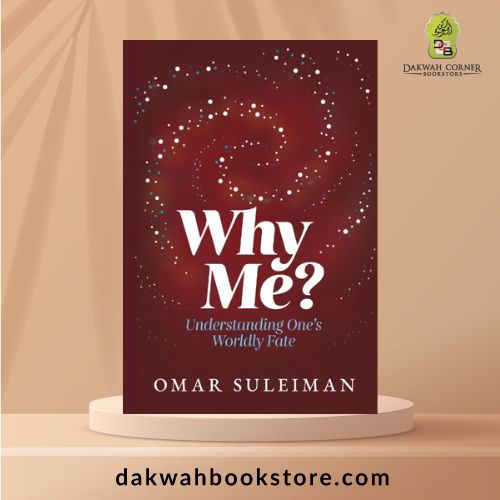
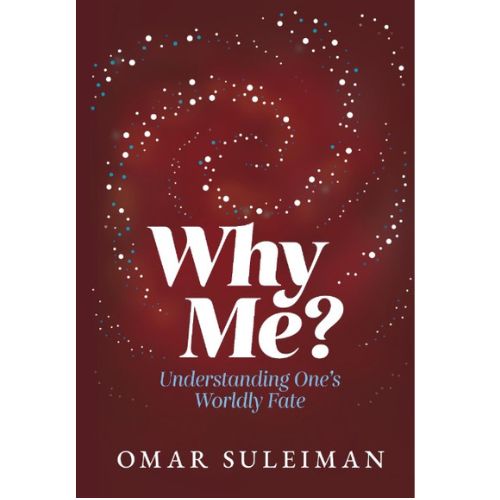
Why Me? Understanding One’s Worldly Fate (H/B)
You will never understand why you’re here if you don’t know the One who brought you here! You will never understand why you were blessed with something, if you don’t know what it means to be a blessing yourself.
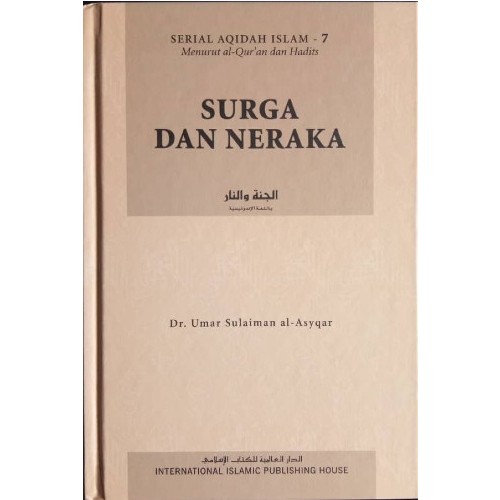
Surga Dan Neraka : Serial Aqidah Islam 7
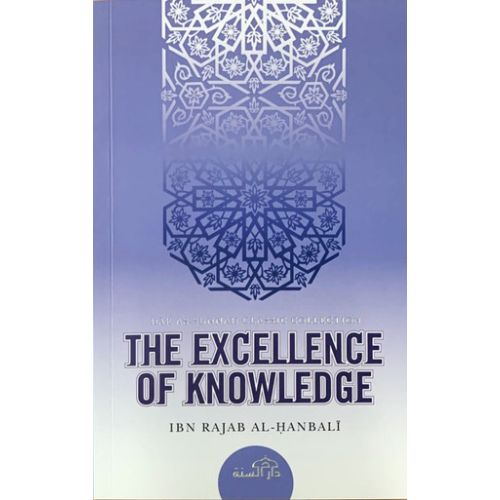
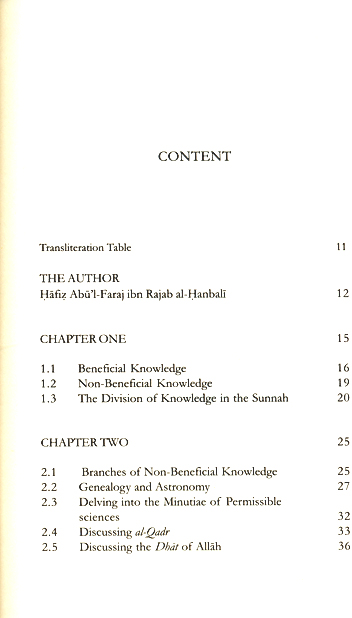
The Excellence of Knowledge (Dar as-Sunnah Publishers)
The way and wisdom of the Salaf, all goodness lies in traversing the way of the Salaf, beneficial Knowledge with regards the ‘Inner Sciences’, the foundation of knowledge and many other branches of the beneficial knowledge.
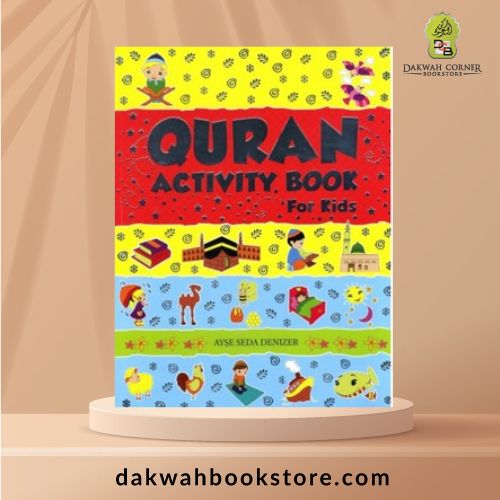
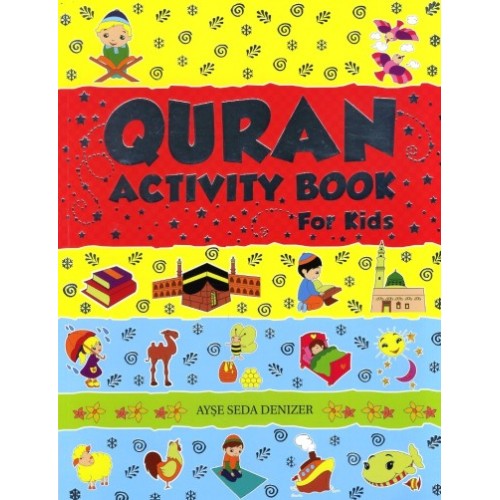
Quran Activity Book For Kids (P/B)
The Quran Activity Book for Kids is just the right book for children to learn about the Quran in a lively and entertaining way. It contains highly attractive artwork to inspire creativity; beautiful Quranic prayers to memorize and to glorify Allah and His creation; fascinating facts to provide a basic understanding of the Quran and its teachings; and some fun-filled activities at the end to help children enjoy what they have learnt so far. Comes with: * Pre-coloured colouring pages * Quranic prayers * Quran facts * A story and many activities.
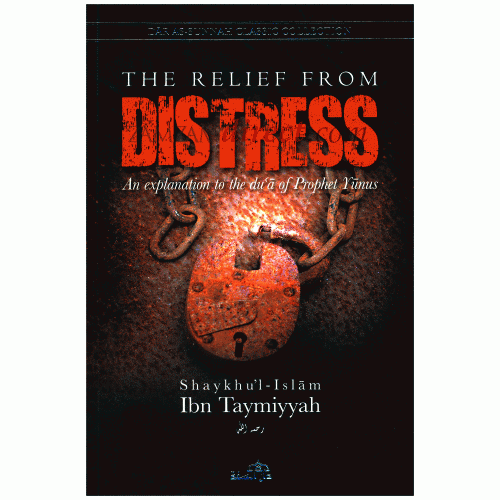
The Relief From Distress : An Explanation to the dua of Prophet Yunus (P/B)
Shaykh al-Islam Ibn Taymiyyah, may Allah sanctify his soul, was asked about the saying of the Prophet (pbuh),
The invocation of my brother Yunus, “none has the right to be worshipped save You; glory be to You, far removed are You from any imperfection; I have been amongst the wrong-doers,” none who is experiencing difficulty employs it except that Allah would relieve him of his difficulty.
What is the meaning of this du’a (prayer, supplication)?
Are their any unstated conditions that have to be met when one articulates it?
What is the connection between belief in the heart and the meaning of this supplication such that it leads to the removal of difficulty?
Why did he explicitly confess, ‘I have been amongst the wrong-doers’ when it is known that tawhid in itself leads to the removal of difficulty?
Is it sufficient to acknowledge ones’ sin alone, or must this be accompanied by repentance and the firm resolve not to repeat that sin in the future?
Why is it that difficulty and harm is removed only when a person relinquishes any hope, reliance and dependency upon the creation?
How can the heart relinquish the characteristic of putting hope in the creation and depending on them, and instead put its hope in Allah, Exalted is He, and turn to Him in its entirety?
What are the methods that would aid the heart in doing this?
The author replies to these questions in the form of this book.
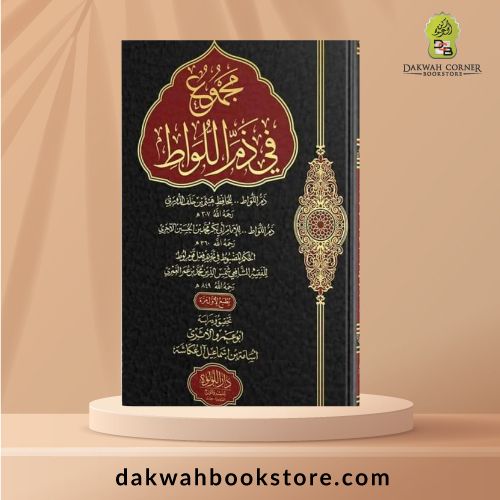
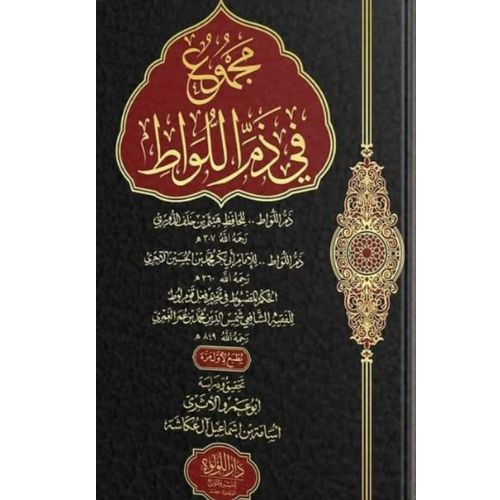
[AMM] Majmu’ fi Dham al-Liwat / مجموع في ذم اللواط
زين الشيطان لقوم نبي الله لوط عليه السلام فعل اللواط وحلاها لهم ورغبهم ووسوس لهم حتي وقعوا فيها وجعلوها في ناديهم. فقام لوط عليه السلام بالنصح والدعوة وتبين الحق حتّى أتى أمر الله فجعل عاليها سافلها وموعظة للناس أجمعين. فتم جمع ما ورد من آيات وأحاديث وأقوال الصحابة والتابعين في المسألة في مصنف مستقل.
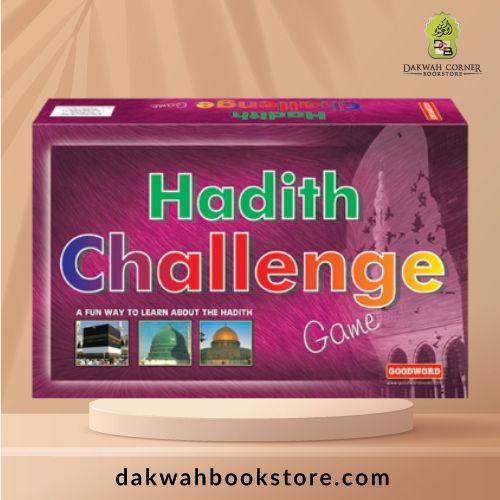
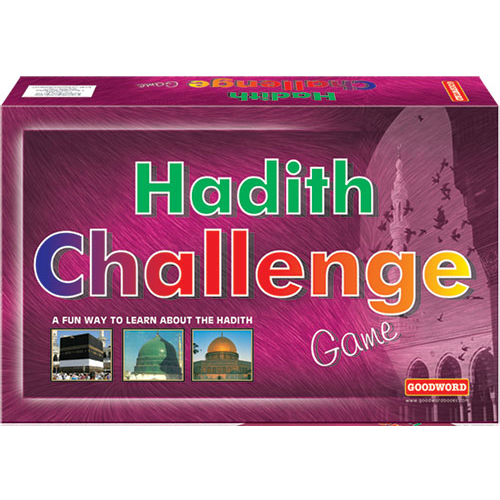
Hadith Challenge Game
The Hadith Challenge Game is a unique game based on sayings of the Prophet Muhammad. The idea behind this game is to provide the children with both fun and education. All questions are based on the authentic sayings of the Prophet Muhammad. They have been creatively worked into this game and children will enjoy answering them. This game can be played at school or at home with all the family members. Begin your journey and find out what fun it is to learn from the Hadith.
The Sources of the Qur’an
“Who is the author of the Qur’an?” On this subject scholars have flagrantly contradicted each other. This work attempts to make a critical review of the major ‘authorship’ theories by pressing into service logical arguments, historical evidence, textual analysis and scientific data. Probably, the only point of agreement about the Qur’an is that it was uttered for the first time by a man who was born in Makkah (Mecca), a city of Arabia, in the sixth century—a man by the name of Muhammad (blessings and peace be upon him). As to the source of the Qur’an, scholars are divided into three main groups: those who believe that Muhammad (blessings and peace be upon him) himself was the author; those who believe that he was not the author himself but learned it from another human author or authors; and those who believe that the Qur’an has no human author but is rather a word-for-word revelation from God. Hamza Njozi examines the three theories and comes to a firm and logical conclusion.


There are no reviews yet.